
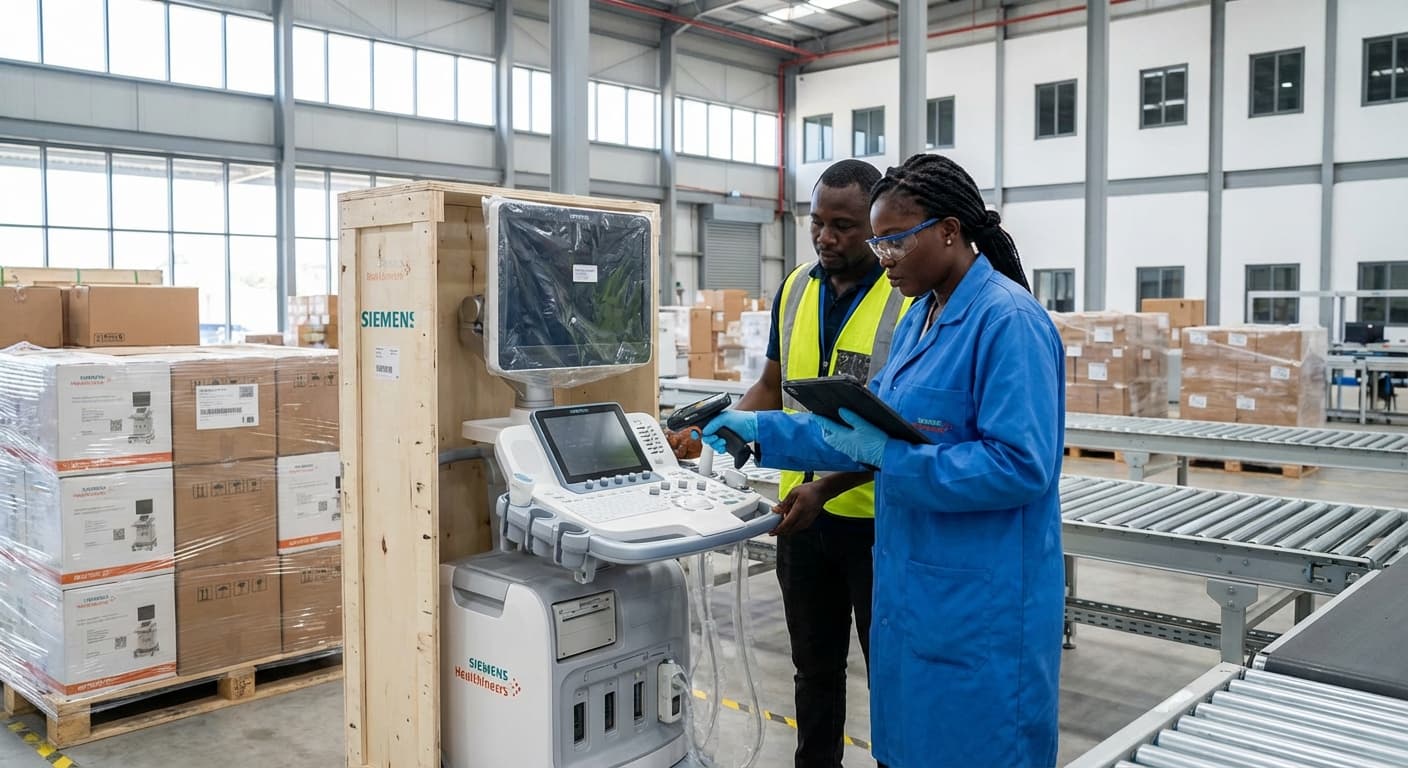
Warehouse Receiving Inspection Service (Medical Equipment) in South Africa
Engineering Excellence & Technical Support
Warehouse Receiving Inspection Service (Medical Equipment) High-standard technical execution following OEM protocols and local regulatory frameworks.
AI-Powered Visual Inspection
Leverage advanced AI algorithms for real-time, high-resolution visual inspection of incoming medical equipment. Our system detects minute defects, incorrect labeling, and packaging integrity issues with superior accuracy, significantly reducing the risk of non-conforming products entering the supply chain.
Blockchain-Secured Traceability
Implement immutable blockchain technology for end-to-end traceability of all inspected medical equipment. Each item's inspection data, including serial numbers, test results, and operator logs, is securely recorded and accessible, ensuring compliance with South African regulatory standards and providing irrefutable audit trails.
Automated Calibration Verification
Automate the verification of critical calibration data for sensitive medical equipment during receiving inspection. Our integrated system interfaces with calibration certificates and device outputs to confirm adherence to manufacturer specifications and regulatory requirements, minimizing manual errors and expediting clearance.
What Is Warehouse Receiving Inspection Service (Medical Equipment) In South Africa?
Warehouse Receiving Inspection Service (Medical Equipment) in South Africa refers to a specialized quality control process undertaken upon the arrival of medical equipment at a distribution center, warehouse, or storage facility. This service is designed to systematically verify that received medical equipment conforms to specified standards, regulatory requirements, purchase orders, and supplier agreements before it is accepted into inventory, processed further, or distributed to end-users. The primary objective is to mitigate risks associated with defective, damaged, incorrect, or non-compliant medical devices, thereby safeguarding patient safety, ensuring operational efficiency, and upholding legal and ethical obligations within the South African healthcare sector.
| Who Needs This Service? | Typical Use Cases | |||||
|---|---|---|---|---|---|---|
| Medical Device Manufacturers and Importers: To ensure products entering their South African distribution network meet quality and regulatory standards. | Third-Party Logistics (3PL) Providers: Specializing in healthcare and medical equipment warehousing, offering this service as part of their value proposition to clients. | Hospitals, Clinics, and Healthcare Facilities: When receiving direct shipments of medical equipment, especially for critical or high-value items, to confirm receipt matches order specifications and quality expectations. | Medical Equipment Distributors and Wholesalers: To maintain the integrity and quality of their inventory before onward distribution to healthcare providers. | Government and Public Health Organizations: Procuring medical equipment for national health programs or emergency responses, requiring rigorous quality assurance. | Research and Development Institutions: Receiving specialized medical equipment for clinical trials or research purposes. | |
| Receipt of New Medical Equipment Shipments: Verifying the condition and specifications of newly procured devices before integration into operational use. | Importation of Medical Devices: Ensuring compliance with SAHPRA regulations and international quality standards upon entry into South Africa. | Inventory Management Audits: As part of a routine quality assurance process to validate the existing inventory against procurement records and quality standards. | Management of High-Value or Critical Medical Equipment: Implementing stringent inspection protocols for devices with significant patient impact or financial investment. | Post-Market Surveillance: Inspecting returned or exchanged medical equipment to assess for damage, defects, or potential quality issues. | Preparation for Distribution or Installation: Confirming the readiness of equipment for deployment to end-users or for installation by technical teams. | Compliance with Tender Specifications: Ensuring procured medical equipment meets the specific technical and quality requirements stipulated in tenders and contracts. |
Key Components of Warehouse Receiving Inspection for Medical Equipment:
- Documentation Verification: Cross-referencing received shipments against purchase orders, packing lists, certificates of origin, import permits, and any other required documentation. This includes verifying quantities, model numbers, serial numbers, batch/lot numbers, and expiration dates.
- Physical Inspection: Assessing the integrity of packaging for damage, tampering, or environmental exposure (e.g., moisture, temperature extremes). Inspecting the equipment itself for visible defects, cosmetic imperfections, or signs of damage incurred during transit.
- Functional Testing (where applicable): Performing basic functional checks to ensure the equipment powers on, operates within expected parameters, and meets initial performance criteria, as defined by product specifications or pre-determined protocols. This may range from simple switch checks to more complex operational diagnostics for certain devices.
- Sterility and Integrity Checks: For sterile single-use medical devices, verifying the integrity of the sterile barrier system (e.g., package seal integrity, absence of punctures).
- Regulatory Compliance Verification: Confirming that the equipment meets South African regulatory requirements, such as those mandated by the South African Health Products Regulatory Authority (SAHPRA), including labeling, country of origin, and any specific registration or licensing endorsements.
- Traceability Confirmation: Ensuring that all necessary traceability information (e.g., serial numbers, lot numbers) is accurately recorded and aligns with documentation, facilitating recall management and supply chain visibility.
- Sampling and Batch Analysis: For high-volume or critical equipment, implementing a statistical sampling plan to inspect a representative portion of the received goods and potentially conducting more in-depth analysis on selected samples.
- Non-Conformance Reporting: Documenting and reporting any deviations, defects, or discrepancies identified during the inspection process to the relevant stakeholders (e.g., supplier, procurement department, quality assurance team). This includes initiating corrective and preventive actions (CAPA).
Who Needs Warehouse Receiving Inspection Service (Medical Equipment) In South Africa?
Warehouse receiving inspection services for medical equipment in South Africa are crucial for ensuring the quality, safety, and compliance of incoming goods. This service plays a vital role in mitigating risks associated with damaged, counterfeit, or non-compliant medical devices, ultimately safeguarding patient well-being and organizational integrity. The primary objective is to verify that the received medical equipment meets all specified requirements before it enters the inventory, preventing potential issues down the line.
| Target Customer/Organization | Relevant Departments/Stakeholders | Key Needs & Benefits of Inspection Service |
|---|---|---|
| Hospitals & Healthcare Providers | Procurement Department, Biomedical Engineering Department, Quality Assurance Department, Clinical Departments (e.g., Radiology, Surgery) | Ensuring patient safety and efficacy of devices, preventing costly recalls, maintaining regulatory compliance (e.g., SAHPRA), accurate inventory management, minimizing operational disruptions due to faulty equipment. |
| Medical Equipment Manufacturers & Distributors | Quality Control Department, Supply Chain Management, Logistics Department, Sales & Marketing | Verifying incoming raw materials and finished goods, ensuring adherence to manufacturing standards, maintaining brand reputation, identifying and resolving supplier issues, facilitating smooth distribution. |
| Medical Device Importers & Exporters | Import/Export Department, Regulatory Affairs, Logistics & Warehousing | Confirming compliance with South African import/export regulations (SAHPRA), verifying authenticity and origin of goods, ensuring correct documentation, preventing delays at customs, managing international supply chain risks. |
| Government & Public Health Organizations | Procurement Units, National Department of Health, Provincial Health Departments, Disease Control Units | Ensuring public health and safety, verifying quality and suitability of equipment for public healthcare systems, managing large-scale procurements, ensuring value for money, maintaining trust in public health services. |
| Third-Party Logistics (3PL) Providers | Operations Management, Warehouse Managers, Client Account Managers, Quality Assurance | Ensuring contractual obligations with clients are met, maintaining a high standard of service for healthcare clients, mitigating liability for damaged or non-compliant goods, providing value-added services to attract and retain clients. |
| Research & Development Institutions | Research Scientists, Lab Managers, Procurement Officers | Verifying the integrity and specifications of specialized research equipment, ensuring experimental accuracy and reproducibility, maintaining research timelines, safeguarding valuable research data. |
Who Needs Warehouse Receiving Inspection Service (Medical Equipment) in South Africa?
- Healthcare Facilities (Hospitals, Clinics, Diagnostic Centers)
- Medical Equipment Manufacturers & Distributors
- Medical Device Importers & Exporters
- Government & Public Health Organizations
- Third-Party Logistics (3PL) Providers specializing in healthcare
- Research & Development Institutions
Warehouse Receiving Inspection Service (Medical Equipment) Process In South Africa
The Warehouse Receiving Inspection Service for Medical Equipment in South Africa is a crucial process designed to ensure that newly arrived medical devices meet specified quality, safety, and regulatory standards before being accepted into inventory. This process mitigates risks associated with faulty, counterfeit, or non-compliant equipment, safeguarding patient safety and operational efficiency. The workflow typically begins with a client inquiry and culminates in a detailed inspection report and a decision on acceptance or rejection of the received goods.
| Step | Description | Key Activities | Responsible Party | Deliverables/Outcomes |
|---|---|---|---|---|
| Initial contact from a client (e.g., medical device manufacturer, distributor, hospital) requiring inspection services. | Client communicates needs, scope of service, and equipment types. Service provider provides quotes and service agreements outlining terms, conditions, pricing, and service level agreements (SLAs). | Client, Inspection Service Provider | Signed Service Agreement |
| Preparation phase before the physical inspection takes place. | Gathering relevant documentation: purchase orders (POs), packing lists, invoices, supplier quality agreements, manufacturer specifications, regulatory compliance certificates (e.g., SAHPRA registration), previous inspection reports. Scheduling the inspection based on expected delivery dates. | Inspection Service Provider, Client | Inspection Schedule, Document Checklist |
| Physical presence at the warehouse or receiving dock as equipment arrives. | Receiving personnel count items against packing lists and POs. Visual inspection for visible damage to packaging. Identification and segregation of received goods. | Warehouse Staff, Inspection Service Provider (Observer) | Initial Count Reconciliation, Basic Damage Assessment |
| Thorough examination of the received medical equipment. | Verification of model numbers, serial numbers, lot numbers against documentation. Inspection of packaging for integrity and security seals. Examination of equipment for physical defects, scratches, dents. Verification of included accessories, manuals, and other documentation. Checking for presence of required regulatory markings and labels. | Inspection Service Provider | Detailed Inspection Findings, Non-Conformance Notes |
| Evaluating the operational capabilities of the medical equipment. | Performing basic functional tests as per manufacturer's guidelines or client requirements. Calibration checks (if applicable). Verification of essential features and safety mechanisms. (Note: This may be limited to visual or basic operational checks depending on the service scope and equipment complexity). | Inspection Service Provider (with qualified personnel) | Functional Test Results, Pass/Fail Status |
| Documenting any deviations from the expected standards or specifications. | Detailed recording of all discrepancies, defects, missing items, or non-compliance issues. Taking photographic evidence of any damage or issues. Clearly categorizing non-conformances (e.g., major, minor). | Inspection Service Provider | Non-Conformance Report (NCR) |
| Addressing identified non-conformances. | Communicating NCRs to the client and/or supplier. Facilitating discussions on corrective actions (e.g., repair, replacement, return of goods). Tracking the progress of corrective actions. | Inspection Service Provider, Client, Supplier | Agreed Corrective Actions, Status Updates |
| Compilation of all inspection findings into a comprehensive report. | Issuance of a final inspection report including: executive summary, scope of inspection, detailed findings, photographic evidence, list of non-conformances, test results, and a final recommendation (accept, reject, or accept with conditions). | Inspection Service Provider | Final Inspection Report |
| Concluding the financial aspects of the service. | Issuing an invoice to the client based on the agreed service agreement and submitting it for payment. | Inspection Service Provider, Client | Paid Invoice |
Warehouse Receiving Inspection Service (Medical Equipment) Process in South Africa - Workflow
- Inquiry and Service Agreement
- Pre-Inspection Planning and Information Gathering
- On-Site Receiving and Initial Verification
- Detailed Inspection and Documentation Review
- Testing and Functionality Assessment (if applicable)
- Non-Conformance Identification and Reporting
- Resolution and Corrective Actions
- Final Report Generation and Delivery
- Invoice and Payment
Warehouse Receiving Inspection Service (Medical Equipment) Cost In South Africa
The cost of warehouse receiving inspection services for medical equipment in South Africa can vary significantly based on several key factors. These services are crucial to ensure that incoming medical equipment meets quality standards, regulatory compliance, and is free from damage before it enters the supply chain or is used in healthcare settings. The pricing typically reflects the complexity, scope, and expertise required for such specialized inspections.
Key Pricing Factors:
- Type and Complexity of Medical Equipment: Highly specialized and complex medical devices (e.g., MRI machines, complex surgical robots) require more time, specialized knowledge, and potentially advanced testing equipment compared to simpler items like basic diagnostic tools or consumables. This directly impacts labor costs and the need for expert technicians.
- Volume of Shipments: The number of units inspected per shipment will influence the overall cost. While per-unit costs might decrease with higher volumes due to economies of scale, larger volumes also require more resources and time from the inspection service provider.
- Scope of Inspection: The depth and breadth of the inspection are critical. This can range from basic visual checks and documentation verification to extensive functional testing, calibration verification, and even pre-installation checks. More comprehensive inspections naturally command higher prices.
- Required Documentation and Reporting: The level of detail and formality required in the inspection report can affect costs. Detailed reports with photographs, test results, and compliance checklists will be more time-consuming to prepare than a simple sign-off.
- Turnaround Time (TAT): Urgent or expedited inspection services will typically incur a premium. Standard TATs allow for more efficient scheduling, while rush jobs require immediate allocation of resources.
- Location of the Warehouse: While less of a primary factor than the others, significant travel distances for inspectors to remote warehouses might add to the cost due to travel time and expenses.
- Accreditation and Certifications of the Service Provider: Reputable inspection agencies often hold accreditations (e.g., ISO 17020 for inspection bodies) and employ certified inspectors, which adds to their credibility and can influence their pricing due to higher operational standards and expertise.
- Ancillary Services: Some providers might offer additional services like secure storage, re-packaging, or minor repair services in conjunction with the inspection, which will be billed separately or bundled into a comprehensive package.
Pricing Ranges in South African Rand (ZAR):
Given the variability, it's challenging to provide exact figures. However, based on industry knowledge and typical service offerings, the following ranges are indicative for warehouse receiving inspection services for medical equipment in South Africa:
- Basic Visual Inspection & Documentation Check: For simpler equipment or lower volumes, a basic inspection might range from R500 - R1,500 per shipment. This would typically cover visual damage checks, verification of serial numbers against packing lists, and a cursory review of accompanying documentation.
- Standard Inspection (Visual, Documentation, Basic Functionality): For moderately complex equipment or a moderate volume, expect to pay between R1,500 - R5,000 per shipment. This would include a more thorough visual inspection, comprehensive documentation review, and potentially basic functional tests to ensure the equipment powers on and performs core functions.
- Comprehensive Inspection (Advanced Functionality, Calibration, Detailed Reporting): For high-value, complex medical equipment requiring detailed functional testing, calibration checks, and extensive reporting, costs can range from R5,000 to R20,000+ per shipment. This is especially true for specialized diagnostic or therapeutic equipment where accuracy and performance are paramount.
- Per-Unit Pricing (for high-volume, standardized items): In cases of very high volumes of identical items, a per-unit price might be negotiated, ranging from R50 - R200 per unit, depending on the complexity of the item and the depth of inspection.
Important Note: These figures are estimates and should be used as a guide. It is always recommended to obtain detailed quotes from multiple reputable medical equipment inspection service providers in South Africa for specific project requirements.
| Inspection Type | Estimated Cost Range (ZAR per Shipment) | Typical Scope |
|---|---|---|
| Basic Visual & Documentation Check | R500 - R1,500 | Visual damage assessment, serial number verification, basic documentation review. |
| Standard Inspection | R1,500 - R5,000 | Thorough visual check, comprehensive documentation review, basic functional tests (e.g., power on, core operations). |
| Comprehensive Inspection | R5,000 - R20,000+ | Detailed functional testing, calibration verification, performance analysis, in-depth reporting with evidence. |
| Per-Unit Pricing (High Volume) | R50 - R200 per unit | Applicable for standardized items with repetitive inspection tasks. |
Key Factors Influencing Warehouse Receiving Inspection Costs for Medical Equipment in South Africa
- Type and Complexity of Medical Equipment
- Volume of Shipments
- Scope of Inspection (visual, functional, calibration)
- Required Documentation and Reporting Detail
- Turnaround Time (Standard vs. Expedited)
- Geographic Location of the Warehouse
- Accreditation and Expertise of the Service Provider
- Inclusion of Ancillary Services (storage, re-packaging)
Affordable Warehouse Receiving Inspection Service (Medical Equipment) Options
Navigating the complexities of medical equipment warehouse receiving inspections doesn't have to break the bank. This guide explores affordable service options, highlighting the value of bundled services and effective cost-saving strategies to ensure quality control without compromising your budget.
| Value Bundle Option | Included Services | Potential Cost Savings | Ideal For |
|---|---|---|---|
| Basic Verification Bundle | Quantity confirmation, visual damage check, carton integrity, basic documentation review (packing slip matching). | Lower per-inspection cost due to limited scope. | High-volume, low-risk equipment; routine replenishment orders. |
| Standard Compliance Bundle | Includes Basic Verification, plus serial number verification, unit identification against purchase orders, basic functional check (power on/off, key indicators), and initial environmental condition assessment. | Moderate cost increase for enhanced assurance. Streamlined multi-step process. | Most standard medical devices, equipment with moderate risk, regular inventory. |
| Advanced Quality Assurance Bundle | Includes Standard Compliance, plus detailed physical inspection for defects, pre-operational checks, basic performance verification against specifications, and detailed reporting with photographic evidence. | Higher per-inspection cost, but reduces risk of costly returns/recalls. Bundled expertise. | High-value equipment, critical care devices, new product introductions, stringent regulatory requirements. |
| Customized Solution (On-Demand) | Tailored to specific needs, can include any combination of services based on equipment type and risk. | Pay only for what you need. Flexibility for unique situations. | Unique equipment types, specialized inspection requirements, fluctuating inventory needs. |
Key Considerations for Affordable Medical Equipment Warehouse Receiving Inspections
- Defining Scope of Services: Clearly outlining what needs to be inspected (e.g., quantity verification, damage assessment, documentation checks, basic functional testing) is crucial for accurate quotes.
- Frequency of Inspections: Regular, scheduled inspections might be more cost-effective than ad-hoc services, allowing providers to optimize routes and resources.
- Volume Discounts: Negotiating rates based on the anticipated volume of incoming equipment can lead to significant savings.
- Location and Accessibility: Proximity of the inspection service to your warehouse can reduce travel costs and time.
- Level of Detail Required: Determine if a basic visual inspection is sufficient or if more in-depth functional testing or validation is necessary.
- Technology Integration: Utilizing services that offer digital reporting and data management can streamline processes and reduce administrative overhead for both parties.
- Partnership Opportunities: Exploring long-term contracts or partnerships with inspection providers can unlock preferential pricing and dedicated service.
Verified Providers In South Africa
In South Africa's evolving healthcare landscape, identifying verified providers is crucial for ensuring quality and trustworthy medical services. Franance Health stands out as a leading organization that rigorously vets and credentials its network of healthcare professionals and facilities. This commitment to verification offers patients peace of mind and guarantees access to high-standard care. Franance Health's credentialing process is comprehensive, focusing on several key areas that underscore their dedication to excellence and patient safety.
| Benefit for Patients | Why Franance Health Excels | What to Look For in Verified Providers |
|---|---|---|
| Access to High-Quality Care: Patients can be confident they are receiving treatment from competent and qualified professionals. | Franance Health's stringent vetting ensures that only the most capable and ethical providers join their network. | Look for providers who can demonstrate their credentials and affiliations with reputable organizations. |
| Enhanced Patient Safety: Reduced risk of medical errors and substandard treatment due to rigorous quality control. | The verification process includes checks on safety protocols and adherence to best practices in healthcare delivery. | Verified providers typically adhere to strict safety guidelines and have a track record of positive patient outcomes. |
| Trust and Reliability: Building confidence in the healthcare system through transparent and verifiable provider information. | Franance Health provides a transparent system where patients can trust the credentials of their chosen healthcare providers. | Seek out providers who are transparent about their qualifications and offer evidence of their professional standing. |
| Streamlined Healthcare Navigation: Easier to find the right specialist or facility knowing they meet established quality benchmarks. | Franance Health acts as a trusted intermediary, simplifying the process of finding reliable healthcare services. | Verified providers are often associated with networks that prioritize ease of access and patient convenience. |
Key Aspects of Franance Health's Verification Process
- Professional Licensing and Certification: Ensuring all practitioners hold valid and current licenses from recognized South African medical boards.
- Education and Training Verification: Thoroughly reviewing academic qualifications and specialized training to confirm expertise.
- Experience and Performance Evaluation: Assessing practical experience, peer reviews, and patient feedback to gauge clinical proficiency.
- Adherence to Ethical Standards: Confirming commitment to ethical medical practices and patient confidentiality.
- Facility Accreditation and Safety Standards: For healthcare facilities, verifying compliance with national and international safety, hygiene, and operational standards.
Scope Of Work For Warehouse Receiving Inspection Service (Medical Equipment)
This Scope of Work (SOW) outlines the services required for the inspection of incoming medical equipment at the designated warehouse facility. The objective is to ensure that all received medical equipment conforms to specified quality standards, regulatory requirements, and purchase order details before being accepted into inventory. This SOW details the technical deliverables, standard specifications, and responsibilities for the Warehouse Receiving Inspection Service.
| Item | Description | Standard Specification | Deliverable |
|---|---|---|---|
| 1.0 | Shipment Verification | Accuracy of quantity, part numbers, serial numbers, and manufacturer against Purchase Order (PO) and Packing List (PL). | Receiving Discrepancy Report (RDR) if any deviations are found. |
| 2.0 | Physical Inspection | Visual inspection for damage (dents, scratches, cracks, corrosion), proper sealing, and signs of tampering. Verification of correct model and configuration. | Damage/Non-Conformance Report (DNCR) for any identified issues. Photographic evidence of damages. |
| 3.0 | Documentation Review | Verification of accompanying documentation: Certificate of Analysis (CoA), Certificate of Sterility (if applicable), User Manuals, Warranty Information, and relevant regulatory compliance documents (e.g., Declaration of Conformity). | Summary of documentation completeness. Copies of critical documents attached to inspection report. |
| 4.0 | Labeling and Identification | Confirmation of correct product labeling, including Lot/Batch numbers, expiration dates (if applicable), serial numbers, and manufacturer's name and address. | Verification checklist signed by inspector. |
| 5.0 | Regulatory Compliance Check | Verification of CE marking, FDA clearance/approval stickers, or other relevant regulatory markings as per product specifications and destination market requirements. | Compliance checklist appended to the inspection report. |
| 6.0 | Packaging Integrity | Assessment of outer and inner packaging for suitability to protect the medical equipment during transit and handling. Check for signs of moisture, pest infestation, or physical stress. | Detailed notes on packaging condition. |
| 7.0 | Sampling and Testing (if applicable) | Random sampling based on predefined AQL (Acceptable Quality Limit) for specific tests (e.g., functional checks, dimensional verification) as defined in product-specific inspection plans. | Test results and pass/fail determination. Sampling plan adherence report. |
| 8.0 | Reporting | Comprehensive inspection reports for each received shipment, including details of inspections performed, findings, discrepancies, and recommendations. | Electronic (PDF) and/or hard copy inspection reports. Consolidated monthly/quarterly summary reports. |
Key Objectives of Receiving Inspection
- Verify the accuracy of received shipments against purchase orders and packing lists.
- Confirm the physical condition and integrity of medical equipment.
- Ensure compliance with all applicable regulatory standards (e.g., FDA, ISO).
- Identify and document any discrepancies, damages, or non-conformities.
- Facilitate the efficient and accurate processing of received goods into inventory.
Service Level Agreement For Warehouse Receiving Inspection Service (Medical Equipment)
This Service Level Agreement (SLA) outlines the agreed-upon service levels for the Warehouse Receiving Inspection Service for Medical Equipment provided by [Your Company Name] (hereinafter referred to as "Provider") to [Client Company Name] (hereinafter referred to as "Client"). This SLA defines the expected response times and uptime guarantees to ensure the efficient and reliable inspection of medical equipment upon receipt.
| Service Component | Response Time Target | Uptime Guarantee | Measurement Method |
|---|---|---|---|
| Acknowledgement of Incoming Shipment Notification | Within 2 business hours of receipt of notification via [Specified Communication Channel, e.g., email, portal upload] | 99.5% of notifications acknowledged within target | Timestamp of acknowledgement email/system log |
| Initiation of Receiving Inspection | Within 8 business hours of shipment notification acknowledgement, provided all necessary documentation is available | 98.0% of inspections initiated within target | Timestamp of inspection commencement in the Warehouse Management System (WMS) |
| Completion of Basic Receiving Inspection (Verification & Visual) | Within 24 business hours of inspection initiation (for standard items, excluding highly complex equipment requiring specialized testing) | 97.0% of basic inspections completed within target | Timestamp of inspection completion in the WMS |
| Reporting of Inspection Results | Within 4 business hours of inspection completion | 99.0% of reports issued within target | Timestamp of report generation/distribution |
| Availability of Inspection Personnel/System | 24/7 operation of the receiving dock and inspection system during scheduled operational hours. | 99.9% Uptime for inspection system and availability of trained personnel during operational hours. | Monitoring of system logs and incident reports for outages. |
| Resolution of Critical Inspection Discrepancies | Immediate escalation and initial communication within 1 business hour of identification of a critical discrepancy (e.g., significant damage, incorrect high-value item). | 99.0% of critical discrepancies addressed with initial communication within target. | Timestamp of escalation communication and incident log. |
Scope of Service
- Inspection of incoming medical equipment against purchase orders, packing lists, and manufacturer specifications.
- Verification of equipment model numbers, serial numbers, and quantities.
- Visual inspection for damage or defects during transit.
- Documentation of inspection findings, including any discrepancies or damages.
- Categorization of inspected items (e.g., compliant, non-compliant, damaged).
Frequently Asked Questions

Ready when you are
Let's scope your Warehouse Receiving Inspection Service (Medical Equipment) in South Africa project in South Africa.

Scaling healthcare logistics and technical systems across the entire continent.