
Maintenance KPI Reporting Service (Uptime/MTBF/MTTR) in South Africa
Engineering Excellence & Technical Support
Maintenance KPI Reporting Service (Uptime/MTBF/MTTR) High-standard technical execution following OEM protocols and local regulatory frameworks.
Optimise Uptime with Proactive Maintenance
Leverage our advanced analytics to predict potential equipment failures and schedule preventative maintenance, dramatically increasing asset uptime and operational efficiency across your South African facilities.
Reduce Mean Time Between Failures (MTBF)
Gain deep insights into failure patterns and root causes with our comprehensive reporting. We empower South African maintenance teams to implement targeted improvements that extend the lifespan and reliability of critical assets.
Accelerate Mean Time To Repair (MTTR)
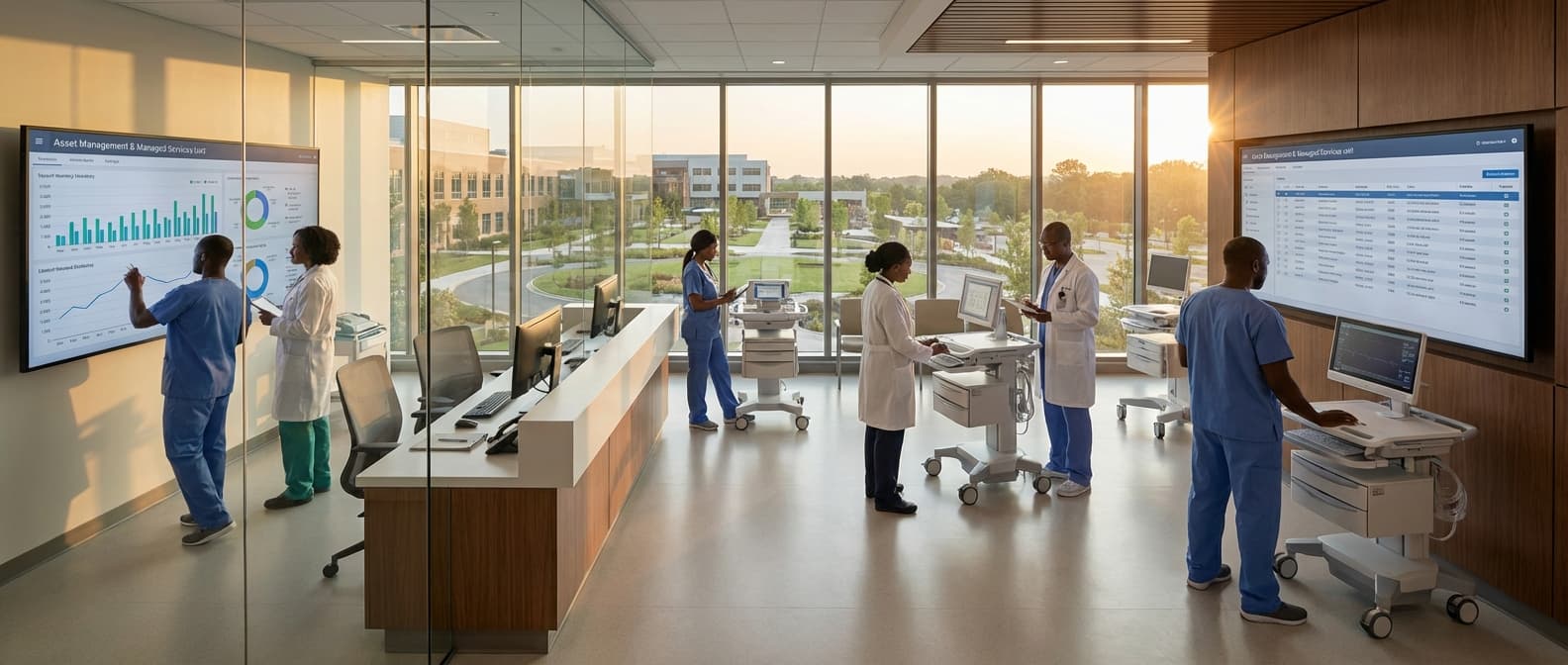
Our real-time dashboards and diagnostic tools enable faster identification and resolution of breakdowns. Equip your South African maintenance crews with the information they need to minimise downtime and get operations back online swiftly.
What Is Maintenance Kpi Reporting Service (Uptime/mtbf/mttr) In South Africa?
Maintenance KPI Reporting Service (Uptime/MTBF/MTTR) in South Africa refers to a specialized offering focused on the systematic collection, analysis, and presentation of key performance indicators (KPIs) related to the operational availability and reliability of assets and systems. This service aims to provide actionable insights for optimizing maintenance strategies, improving resource allocation, and enhancing overall business continuity within South African organizations. The core KPIs typically reported include: Uptime (the percentage of time an asset or system is operational and available for use), Mean Time Between Failures (MTBF) (the average time a repairable asset operates between its failures), and Mean Time To Repair (MTTR) (the average time it takes to repair a failed asset and return it to operational status). The service often leverages advanced data acquisition, asset management software, and analytical tools to deliver comprehensive and accurate reporting.
| Use Case | Description | Impact of KPI Reporting |
|---|---|---|
| Asset Reliability Improvement | Analyzing MTBF trends to identify components or systems with recurring failures, enabling proactive replacement or design modifications. | Reduced unplanned downtime, lower repair costs, and extended asset lifespan. |
| Maintenance Strategy Optimization | Utilizing MTTR data to benchmark technician performance, assess the effectiveness of repair procedures, and identify training needs. | Faster restoration of service, minimized operational disruption, and improved resource utilization. |
| Operational Availability Enhancement | Monitoring Uptime to ensure consistent service delivery and meet Service Level Agreements (SLAs). | Increased customer satisfaction, protected revenue streams, and maintained market competitiveness. |
| Predictive Maintenance Implementation | Integrating KPI data with sensor readings and historical maintenance records to predict potential failures before they occur. | Transition from reactive to proactive maintenance, significantly reducing unexpected breakdowns and associated costs. |
| Budgeting and Resource Planning | Using historical KPI data to forecast future maintenance needs, spare parts inventory, and labor requirements. | More accurate budgeting, efficient allocation of maintenance resources, and avoidance of stockouts or overstocking. |
| Performance Benchmarking | Comparing asset and system performance against industry standards or internal historical data to identify areas for improvement. | Data-driven decision-making, continuous improvement initiatives, and identification of best practices. |
Who Needs Maintenance KPI Reporting Service (Uptime/MTBF/MTTR)?
- Organizations with critical infrastructure and equipment where unplanned downtime significantly impacts revenue, productivity, or safety.
- Manufacturers and industrial facilities relying on continuous production processes.
- Service providers (e.g., telecommunications, utilities) dependent on high system availability.
- Transportation and logistics companies managing fleets and operational schedules.
- Healthcare institutions with critical medical equipment.
- Mining and resources sector operations with extensive and complex machinery.
- IT departments responsible for server uptime and network availability.
- Facilities management teams overseeing building systems and plant operations.
Who Needs Maintenance Kpi Reporting Service (Uptime/mtbf/mttr) In South Africa?
This document outlines the target customers and departments within South Africa that would benefit from a Maintenance KPI Reporting Service focusing on Uptime, Mean Time Between Failures (MTBF), and Mean Time To Repair (MTTR). These metrics are crucial for optimizing operational efficiency, minimizing downtime, and maximizing asset lifespan. The service provides actionable insights through regular, standardized reporting, enabling proactive maintenance strategies and informed decision-making.
| Target Department | Key Responsibilities & Benefits of Reporting Service | Example KPIs Focus |
|---|---|---|
| Operations Management | Ensure consistent production output, minimize operational disruptions, drive efficiency. Uptime directly impacts revenue and delivery schedules. | Overall Equipment Effectiveness (OEE), Production Uptime, Asset Availability |
| Maintenance & Reliability Engineering | Identify failure trends, optimize maintenance schedules, reduce repair costs, improve asset lifespan. MTBF and MTTR are core to their function. | Mean Time Between Failures (MTBF), Mean Time To Repair (MTTR), First Time Fix Rate |
| Asset Management | Maximize return on investment for physical assets, inform capital expenditure decisions, ensure regulatory compliance. | Asset Uptime, Cost of Maintenance per Asset, Remaining Useful Life (RUL) |
| Finance & Cost Control | Understand the financial impact of downtime, budget for maintenance activities, identify cost-saving opportunities. | Cost of Downtime, Maintenance Expenditure as a % of Asset Value, ROI of Maintenance Initiatives |
| Quality Assurance | Ensure consistent product quality by maintaining reliable equipment, minimize scrap and rework due to equipment malfunction. | Downtime impacting Quality Control Processes, Equipment Stability Metrics |
| Procurement & Supply Chain | Inform decisions on spare parts inventory, identify reliable suppliers, manage supply chain disruptions related to equipment failures. | Lead Time for Critical Spare Parts, Supplier Performance related to Spare Parts |
| Executive Management | High-level overview of operational performance, strategic decision-making on resource allocation and investment, competitive advantage. | Overall Operational Uptime, Profitability impacted by Downtime, Benchmarking against Industry Standards |
Target Customers in South Africa
- Manufacturing Plants (e.g., automotive, food & beverage, chemicals, heavy industry)
- Mining Operations (surface and underground)
- Energy & Utilities (power generation, water treatment, transmission & distribution)
- Logistics & Transportation Companies (fleet management, warehousing)
- Infrastructure Management (airports, ports, public transport)
- Commercial Real Estate & Facilities Management
- Oil & Gas Sector (exploration, production, refining)
- Telecommunications Companies (network infrastructure)
- Healthcare Facilities (hospitals, clinics with critical equipment)
Maintenance Kpi Reporting Service (Uptime/mtbf/mttr) Process In South Africa
This document outlines the standard workflow for the Maintenance KPI Reporting Service in South Africa, specifically focusing on Uptime, Mean Time Between Failures (MTBF), and Mean Time To Repair (MTTR). The process begins with an initial client inquiry and culminates in the delivery of comprehensive KPI reports and actionable insights. Each stage is designed for clarity, efficiency, and to ensure that clients receive valuable data to optimize their maintenance operations.
| Stage | Description | Key Activities | Deliverables | Responsible Party | Typical Timeline |
|---|---|---|---|---|---|
| The initial contact from a potential client seeking maintenance KPI reporting. | Understand client's current maintenance practices, reporting needs, business objectives, and desired KPIs (Uptime, MTBF, MTTR). Identify existing data sources and systems. | Initial understanding of client requirements, scope of service. | Sales/Business Development Team, Client | 1-3 Business Days |
| Based on the needs assessment, a tailored service proposal is created. | Define specific KPIs to be reported, data sources, reporting frequency, format, service duration, pricing, and Service Level Agreements (SLAs). Formalize the agreement with a contract. | Detailed Service Proposal, Signed Contract/Service Agreement. | Sales/Business Development Team, Legal, Client | 3-7 Business Days |
| Gathering and integrating relevant data from client systems. | Accessing and extracting data from CMMS, SCADA, ERP, IoT sensors, manual logs, etc. Data cleaning, validation, and transformation to a standardized format. Setting up automated data feeds where possible. | Cleaned and integrated dataset for analysis. | Data Engineering Team, IT Support (Client) | 1-4 Weeks (depending on data complexity and accessibility) |
| Processing the integrated data to calculate the agreed-upon KPIs. | Applying formulas for Uptime (e.g., (Total Uptime / Total Available Time) * 100%), MTBF (e.g., Total Operating Time / Number of Failures), and MTTR (e.g., Total Downtime / Number of Repair Events). Performing trend analysis, root cause analysis of failures, and identifying performance patterns. | Calculated KPI values, preliminary insights and trends. | Data Analysts, Maintenance Engineers | 1-2 Weeks |
| Compiling the analyzed data into comprehensive and visually appealing reports. | Creating detailed reports including graphical representations of KPI trends, comparisons against benchmarks, identification of critical failure points, and recommendations. Internal quality assurance review of the report's accuracy and clarity. | Draft Maintenance KPI Report. | Reporting Specialists, Data Analysts | 2-5 Business Days |
| Presenting the findings and collaboratively developing strategies for improvement. | Presenting the KPI report to the client's management and operational teams. Discussing key findings, highlighting areas for improvement, and co-developing actionable plans to enhance equipment reliability, reduce downtime, and optimize maintenance processes. | Final Maintenance KPI Report, Action Plan for improvement, Meeting Minutes. | Account Manager, Maintenance Engineers, Client Stakeholders | 1-2 Business Days (for presentation) |
| Establishing a continuous loop of reporting, analysis, and improvement. | Regularly executing the reporting cycle (e.g., weekly, monthly). Monitoring the impact of implemented action plans. Continuously refining data sources, calculation methods, and reporting formats based on client feedback and evolving business needs. | Periodic KPI Reports, Performance Improvement Tracking, Service Adjustments. | Account Manager, Data Analysts, Client | Ongoing |
Maintenance KPI Reporting Service Workflow (South Africa)
- Client Inquiry & Needs Assessment
- Proposal Development & Agreement
- Data Acquisition & Integration
- KPI Calculation & Analysis
- Report Generation & Review
- Presentation & Action Planning
- Ongoing Monitoring & Refinement
Maintenance Kpi Reporting Service (Uptime/mtbf/mttr) Cost In South Africa
Maintaining optimal operational efficiency is paramount for businesses, and understanding the cost of a Maintenance KPI Reporting Service focused on Uptime, Mean Time Between Failures (MTBF), and Mean Time To Repair (MTTR) in South Africa is crucial for budgeting and strategic planning. These KPIs are vital indicators of equipment reliability and maintenance effectiveness. The cost of such a service can fluctuate significantly based on several factors, making it challenging to provide a single definitive price. However, we can outline the key pricing determinants and provide estimated ranges in South African Rand (ZAR).
| Service Tier/Complexity | Estimated Monthly Cost Range (ZAR) | Typical Inclusions |
|---|---|---|
| Basic Reporting (Limited Assets, Manual/Basic Automation) | R5,000 - R15,000 | Monthly summary reports, Uptime percentage, basic MTBF/MTTR calculations, limited asset coverage. |
| Standard Reporting (Moderate Assets, Semi-Automated Data) | R15,000 - R35,000 | Weekly/Monthly detailed reports, trend analysis, Uptime, MTBF, MTTR, basic failure codes, moderate asset coverage, web-based dashboard access. |
| Advanced Reporting (Extensive Assets, Full Automation & Integration) | R35,000 - R70,000+ | Real-time dashboards, predictive analytics, advanced root cause analysis, integration with CMMS/EAM, IoT sensor data, customizable reports, unlimited asset coverage, dedicated support. |
| Consultancy & Customization (Add-on) | Variable (Per Project/Hourly) | Bespoke report design, strategic KPI implementation guidance, advanced data modeling, integration with bespoke systems. |
Key Factors Influencing Maintenance KPI Reporting Service Costs in South Africa:
- Scope of Services: The depth and breadth of the reporting are primary drivers. This includes the number of assets being monitored, the complexity of the KPIs tracked (e.g., basic uptime vs. granular failure analysis), and the level of detail in the reports (e.g., raw data, trend analysis, root cause analysis).
- Data Collection Methods: The method used to collect data impacts cost. Manual data entry is typically cheaper but prone to errors. Automated solutions like IoT sensors, SCADA systems, or integration with existing CMMS/EAM systems offer greater accuracy and real-time insights but require initial investment and ongoing data integration costs.
- Reporting Frequency and Granularity: Weekly, monthly, quarterly, or annual reporting will have different price points. Real-time dashboards and highly granular reporting will command higher costs than periodic summary reports.
- Customization and Integration: Bespoke report design, custom dashboards, and integration with other business intelligence tools or enterprise systems will increase the overall service cost.
- Provider Expertise and Reputation: Established providers with a proven track record, industry-specific knowledge, and a strong customer support team often charge a premium for their expertise and reliability.
- Software/Platform Licensing: If the service relies on a proprietary software platform for data collection, analysis, and reporting, there will likely be recurring licensing fees associated with it. This can be a fixed fee, per-user, or per-asset model.
- Level of Support: The availability and responsiveness of technical support, training, and consultancy services will influence the price. Dedicated account managers and proactive troubleshooting typically come at a higher cost.
- Number of Users/Access: If multiple stakeholders within an organization require access to the reporting platform, the pricing model might be per-user, affecting the total cost.
- Data Volume and Storage: For services that handle large volumes of historical data, storage and processing costs can be factored into the pricing, especially for long-term trend analysis.
Affordable Maintenance Kpi Reporting Service (Uptime/mtbf/mttr) Options
This document outlines affordable maintenance KPI reporting service options focused on Uptime, Mean Time Between Failures (MTBF), and Mean Time To Repair (MTTR). We'll explore value bundles designed to provide essential insights at a competitive price, along with cost-saving strategies to maximize your investment.
| Service Bundle | Key Features | Target Audience | Estimated Cost Range (Monthly) | Value Proposition |
|---|---|---|---|---|
| Basic Insights Bundle | Automated Uptime Tracking (primary assets), Basic MTBF/MTTR Calculation (predefined failure codes), Monthly Performance Summary Report. | Small to medium businesses, organizations with limited assets, those starting with KPI tracking. | $50 - $150 | Provides fundamental visibility into asset availability and repair efficiency at an entry-level price point. Ideal for establishing baseline performance. |
| Standard Performance Bundle | Comprehensive Uptime Tracking (all assets), Detailed MTBF/MTTR Analysis (customizable failure categories), Trend Analysis (quarterly), Benchmarking (industry average where available). | Growing businesses, organizations with a moderate asset base, those seeking actionable insights for improvement. | $150 - $350 | Offers deeper insights into equipment reliability and repair effectiveness, enabling proactive maintenance planning and identification of areas for improvement. Includes trend and benchmarking data. |
| Advanced Reliability Bundle | Real-time Uptime Monitoring & Alerts, Predictive MTBF/MTTR Forecasting (based on historical data), Root Cause Analysis Support (guided prompts), Customizable Dashboards & Reporting. | Larger enterprises, organizations with critical assets, those focused on optimizing maintenance strategies and minimizing unplanned downtime. | $350+ | Empowers organizations with predictive capabilities and real-time actionable intelligence. Supports in-depth root cause analysis to drive long-term reliability improvements and significant cost savings. |
Key Maintenance KPIs Explained
- Uptime: The percentage of time a piece of equipment or system is operational and available for use. Higher uptime signifies greater reliability and productivity.
- Mean Time Between Failures (MTBF): The average time a repairable piece of equipment operates between breakdowns. A higher MTBF indicates better equipment quality and maintenance effectiveness.
- Mean Time To Repair (MTTR): The average time it takes to repair a piece of equipment after it has failed. A lower MTTR signifies efficient repair processes and reduced downtime.
Verified Providers In South Africa
In South Africa's evolving healthcare landscape, identifying trusted and verified providers is paramount for individuals seeking reliable medical services. Franance Health has emerged as a leading platform committed to ensuring that all listed healthcare professionals and facilities meet rigorous credentialing standards. This dedication to verification offers patients peace of mind, knowing they are engaging with legitimate and qualified practitioners.
| Credential Area | Franance Health Verification Process | Patient Benefit |
|---|---|---|
| Medical Licenses and Registrations | Confirms active and valid registration with relevant South African medical councils (e.g., HPCSA). | Ensures practitioners are legally permitted to practice and meet regulatory requirements. |
| Professional Qualifications and Degrees | Validates academic achievements and specialized training from accredited institutions. | Guarantees that providers possess the necessary theoretical knowledge and practical skills. |
| Experience and Specializations | Reviews professional history, areas of expertise, and any recognized specializations. | Helps patients find providers best suited for their specific medical needs. |
| Continuing Professional Development (CPD) | Checks for ongoing participation in accredited CPD activities. | Confirms that providers are up-to-date with the latest medical advancements and best practices. |
| Facility Accreditation (for clinics/hospitals) | Verifies that healthcare facilities meet national and international accreditation standards. | Ensures a safe, well-equipped, and professionally managed healthcare environment. |
Why Franance Health Credentials Matter:
- Ensured Quality of Care: Franance Health's verification process scrutinizes qualifications, licenses, and certifications of healthcare providers, guaranteeing a baseline of competence and adherence to professional standards.
- Enhanced Patient Safety: By vetting providers, Franance Health significantly reduces the risk of encountering unqualified individuals, thereby improving patient safety and reducing potential medical errors.
- Trust and Reliability: The "verified" badge on Franance Health profiles signifies that a provider has undergone a thorough background check, fostering trust and reliability in the healthcare ecosystem.
- Access to Specialized Expertise: Franance Health's network includes a diverse range of specialists. Verification ensures that these specialists possess the documented expertise and experience required for their respective fields.
- Streamlined Healthcare Navigation: For patients, navigating the healthcare system can be overwhelming. Franance Health's verified listings simplify this process, directing individuals to reputable and competent healthcare professionals.
- Commitment to Ethical Practice: The credentialing process often includes checks for disciplinary actions or malpractice claims, promoting ethical conduct and professional integrity among listed providers.
Scope Of Work For Maintenance Kpi Reporting Service (Uptime/mtbf/mttr)
This Scope of Work (SOW) defines the requirements for a Maintenance KPI Reporting Service focused on delivering accurate and actionable insights for Uptime, Mean Time Between Failures (MTBF), and Mean Time To Repair (MTTR). The service will provide regular reports and analyses to enable proactive maintenance strategies and optimize asset performance.
| Section | Description | Technical Deliverables | Standard Specifications | |
|---|---|---|---|---|
| Collection of maintenance and operational data from various sources (e.g., CMMS, SCADA, IoT sensors). Data cleansing and validation to ensure accuracy and completeness. | Validated raw data feed, data dictionary, data quality reports. | Data format: CSV, JSON, API. Validation rules: defined in a data dictionary. Frequency: Daily, hourly (as per source). Data retention: 5 years. | |
| Development and implementation of a robust engine for calculating Uptime, MTBF, and MTTR based on ingested and validated data. | Calculated KPI values, trend analysis algorithms. | Calculation methodologies: industry best practices (e.g., IEEE 1366 for MTBF/MTTR). Algorithm documentation provided. Error handling mechanisms. | |
| Generation of regular reports and interactive dashboards for key stakeholders, visualizing KPI trends, root cause analysis, and performance benchmarks. | Monthly/Quarterly KPI reports (PDF, Excel), interactive dashboards (web-based). | Report templates: customizable. Dashboard tool: Power BI, Tableau, or similar. Visualization types: line charts, bar charts, scatter plots, Pareto charts. Data refresh frequency: Daily on dashboards. | |
| Proactive identification of significant deviations in KPI trends that may indicate impending issues or performance degradation. | Automated alerts for critical KPI thresholds breaches, anomaly detection reports. | Alert thresholds: configurable by client. Notification channels: email, SMS, API integration. Alert severity levels: critical, warning, informational. | |
| Assistance in identifying the underlying causes of failures and extended downtime through data analysis and reporting. | Root cause analysis reports, correlation analysis between contributing factors. | Analysis methodologies: 5 Whys, Fishbone diagrams (supported by data), Failure Mode and Effects Analysis (FMEA) data integration. | Analysis frequency: Ad-hoc upon request or triggered by significant KPI deviations. |
| Definition of service availability, report delivery timelines, and support response times. | SLA document outlining key metrics and commitments. | Uptime: 99.5% for reporting platform. Report delivery: within 3 business days of period end. Support response: 4 business hours for critical issues. | |
| Ensuring the security of data and reports, with appropriate access controls for authorized personnel. | Secure data storage, encrypted data transmission, role-based access control. | Encryption: AES-256. Access control: OAuth 2.0, SAML. Data residency: specified by client. |
Key Performance Indicators (KPIs) Covered
- Uptime: The percentage of time an asset or system is operational and available for its intended use.
- Mean Time Between Failures (MTBF): The average time elapsed between inherent failures of a repairable system during normal operation.
- Mean Time To Repair (MTTR): The average time required to repair a failed component or system and return it to operational status.
Service Level Agreement For Maintenance Kpi Reporting Service (Uptime/mtbf/mttr)
This Service Level Agreement (SLA) outlines the terms and conditions for the Maintenance KPI Reporting Service, specifically focusing on Uptime, Mean Time Between Failures (MTBF), and Mean Time To Repair (MTTR). It defines the service provider's responsibilities, the client's responsibilities, and the agreed-upon performance metrics and remedies.
| Metric | Target/Guarantee | Measurement Period | Client Responsibility | Provider Responsibility | Remedy for Non-Compliance |
|---|---|---|---|---|---|
| Uptime | 99.9% | Monthly | Provide accurate and timely data for reporting; Report any suspected service disruptions promptly. | Maintain the Reporting Service infrastructure to achieve target uptime; Proactively monitor service health. | Service credit of 5% of monthly fee for each 0.1% downtime below the guaranteed 99.9%. |
| MTBF | Minimum 500 hours | Quarterly | Report any system anomalies or failures encountered. | Implement robust monitoring and preventative maintenance procedures; Conduct root cause analysis of failures. | Review and implement enhanced maintenance strategies; No direct financial remedy, but emphasis on service improvement. |
| MTTR | Maximum 4 hours for Critical issues, 8 hours for Major issues | Per incident | Provide clear and detailed descriptions of issues encountered; Be available for troubleshooting if required. | Rapidly diagnose and resolve issues; Communicate progress to the client. | Service credit of 2% of monthly fee for each incident exceeding the MTTR for Critical issues; Service credit of 1% for Major issues. |
| Incident Response Time | 1 hour for Critical, 4 hours for Major, 24 hours for Minor | Per incident | Categorize incidents accurately (Critical, Major, Minor). | Acknowledge receipt of incident report and commence investigation within defined response times. | No direct financial remedy, but repeated delays may lead to escalation and potential review of contract. |
Key Service Components
- Uptime: The percentage of time the Reporting Service is operational and accessible to the client.
- Mean Time Between Failures (MTBF): The average time between system failures or outages of the Reporting Service.
- Mean Time To Repair (MTTR): The average time taken to restore the Reporting Service to full operational status after a failure.
- Response Times: The maximum time the service provider will take to acknowledge and begin working on reported issues.
Frequently Asked Questions

Ready when you are
Let's scope your Maintenance KPI Reporting Service (Uptime/MTBF/MTTR) in South Africa project in South Africa.

Scaling healthcare logistics and technical systems across the entire continent.