
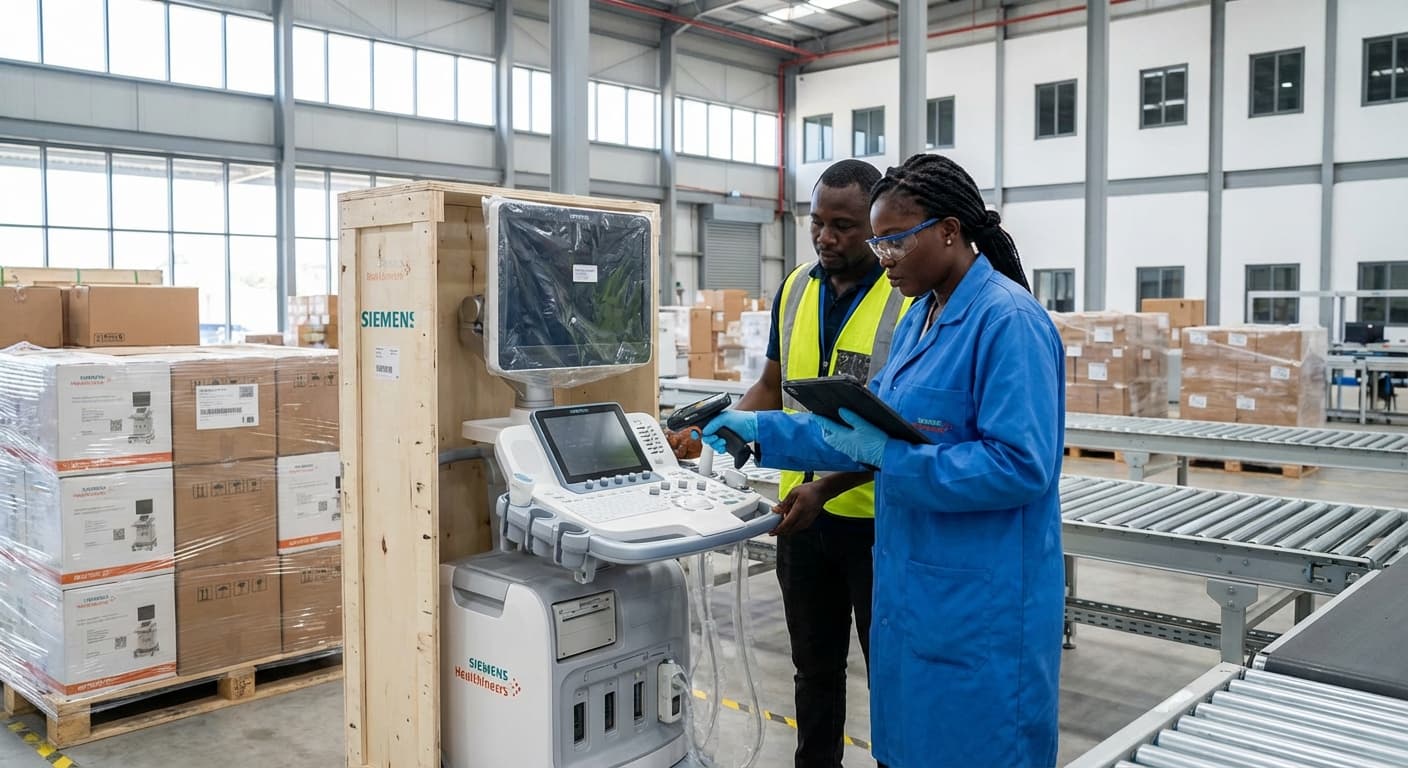
Warehouse Receiving Inspection Service (Medical Equipment) in Somalia
Engineering Excellence & Technical Support
Warehouse Receiving Inspection Service (Medical Equipment) High-standard technical execution following OEM protocols and local regulatory frameworks.
Rigorous Medical Equipment Pre-Shipment Verification
Ensures all incoming medical equipment meets stringent quality standards and regulatory compliance prior to departure from the supplier. We meticulously review documentation, confirm specifications, and conduct preliminary quality checks to mitigate risks and prevent costly rejections at destination.
On-Site Quarantine & Contamination Control Protocols
Implements strict on-site quarantine procedures for all newly received medical equipment. Our trained personnel follow advanced protocols to prevent contamination, ensure proper handling, and maintain the integrity of sensitive medical devices, safeguarding patient safety and operational continuity.
Advanced Data Logging & Traceability for Medical Devices
Utilizes sophisticated data logging systems to capture comprehensive inspection data, including serial numbers, batch information, expiry dates, and detailed condition assessments. This ensures complete traceability of all medical equipment from receipt to deployment, facilitating recall management and quality assurance.
What Is Warehouse Receiving Inspection Service (Medical Equipment) In Somalia?
Warehouse Receiving Inspection Service (Medical Equipment) in Somalia refers to a specialized quality assurance process conducted upon the arrival of medical equipment at a designated storage facility within Somalia. This service is critical for ensuring that imported medical devices and supplies meet established safety, efficacy, and regulatory standards before they are released for distribution or use. It encompasses a comprehensive examination of incoming shipments against pre-defined specifications, encompassing physical integrity, functionality, documentation, and adherence to storage requirements. The overarching objective is to mitigate risks associated with substandard or non-compliant medical equipment, thereby safeguarding public health and optimizing healthcare delivery in the Somali context.
| Stakeholder Group | Requirement/Benefit |
|---|---|
| Healthcare Facilities (Hospitals, Clinics, Pharmacies) | Ensures availability of safe and effective medical equipment for patient care; reduces risk of equipment failure and associated patient harm; optimizes operational efficiency. |
| Government Ministries (Ministry of Health, Regulatory Bodies) | Facilitates regulatory compliance; safeguards public health by preventing the influx of substandard medical products; supports effective health system oversight. |
| Donors and International Aid Organizations | Verifies the quality and accountability of donated medical supplies; ensures that aid is effectively utilized; mitigates reputational risk. |
| Medical Equipment Suppliers and Distributors | Confirms successful delivery of goods; provides a mechanism for identifying and resolving shipping discrepancies or damages; enhances supply chain integrity. |
| Logistics and Warehousing Providers | Ensures compliance with storage and handling protocols; provides evidence of proper receiving procedures; facilitates efficient inventory management. |
Key Components of Warehouse Receiving Inspection Service (Medical Equipment) in Somalia
- Physical Inspection: Verification of external packaging for damage, tampering, or signs of degradation. Examination of individual items for physical defects, completeness of components, and correct labeling.
- Documentation Review: Cross-referencing received items against purchase orders, invoices, packing lists, certificates of origin, and any required import permits or regulatory approvals (e.g., from the Ministry of Health).
- Quality Control Checks: Assessment of manufacturing dates, expiry dates (where applicable), batch/lot numbers, and comparison against specified quality standards or manufacturer specifications.
- Functional Testing (if applicable): For certain types of medical equipment, basic operational checks may be performed to ensure initial functionality and absence of apparent defects. This may involve powered-on checks or simple procedural tests.
- Labeling and Traceability Verification: Ensuring that all equipment is correctly labeled with manufacturer information, model numbers, serial numbers, and any required regulatory markings for effective tracking and recall management.
- Storage Condition Assessment: Verification that the received equipment is suitable for the intended storage conditions (temperature, humidity, light exposure) and that the receiving warehouse infrastructure is compliant.
- Damage/Discrepancy Reporting: Systematic documentation of any damages, shortages, incorrect items, or non-conformities identified during the inspection. This typically involves photographic evidence and detailed written reports.
- Quarantine and Release Procedures: Segregation of non-compliant items into quarantine and establishing clear protocols for their disposition (e.g., return to supplier, destruction, repair) and the formal release of compliant items.
Who Needs Warehouse Receiving Inspection Service (Medical Equipment) In Somalia?
Warehouse Receiving Inspection Service for medical equipment in Somalia is crucial for ensuring the quality, safety, and efficacy of medical devices and supplies entering the country. This service is particularly vital in a context where robust regulatory frameworks might be developing, and the supply chain can face unique challenges. The primary goal is to prevent substandard, counterfeit, or damaged equipment from reaching healthcare facilities and patients, thereby safeguarding public health and optimizing the use of valuable resources.
| Target Customer | Key Departments Involved | Specific Needs & Concerns |
|---|---|---|
| Ministry of Health & Social Services | Procurement Department, Quality Assurance Unit, Logistics & Supply Chain Department, National Drug & Medical Supply Agency (NDMSA) | Ensuring procured equipment meets national standards and specifications; preventing the influx of counterfeit or substandard drugs and medical devices; maintaining accurate inventory records; safeguarding public funds through quality assurance. |
| Major Hospitals (e.g., Martini Hospital, Deva Hospital, ER facilities) | Procurement & Purchasing Department, Biomedical Engineering Department, Pharmacy Department, Infection Control Department, Clinical Departments (e.g., Surgery, Radiology) | Receiving functional and safe equipment for patient care; ensuring equipment is calibrated and ready for use; verifying compliance with purchase orders and specifications; preventing equipment failure that could impact patient outcomes; managing inventory of essential medical devices. |
| International NGOs & UN Agencies (e.g., WHO, UNICEF, MSF) | Logistics & Supply Chain Management, Medical Program Managers, Procurement Teams, Field Operations | Ensuring medical supplies and equipment for humanitarian aid reach intended beneficiaries in good condition; verifying quality and authenticity of donated or purchased medical items; facilitating timely delivery to remote areas; adhering to international quality standards for medical equipment. |
| Private Healthcare Providers & Clinics | Operations Management, Procurement Officer, Clinical Leads | Maintaining the quality of care offered; ensuring a reliable supply of functional medical equipment; protecting their reputation by using safe and effective devices; managing operational costs by avoiding the purchase of faulty equipment. |
| Medical Equipment Importers & Distributors | Import/Export Department, Quality Control Department, Warehouse & Logistics, Sales & Marketing | Meeting regulatory requirements for importing medical equipment; ensuring imported goods are undamaged and meet manufacturer specifications; facilitating smooth customs clearance; building trust with clients by providing verified quality products. |
| Regional & District Health Offices | Health Facility Management, Procurement Focal Points, Logistics Officers | Ensuring sub-national health facilities receive adequate and quality medical equipment; verifying that supplies sent from central stores are fit for purpose; supporting smaller facilities with limited technical capacity for inspection. |
Who Needs Warehouse Receiving Inspection Service (Medical Equipment) in Somalia?
- Government Ministries & Agencies: Responsible for national health policy, procurement, and regulation.
- Healthcare Providers (Public & Private): Hospitals, clinics, diagnostic centers, and pharmacies that directly use medical equipment.
- Non-Governmental Organizations (NGOs) & Humanitarian Aid Organizations: Involved in delivering medical aid, setting up health facilities, and managing medical supplies in various regions.
- Medical Equipment Importers & Distributors: Businesses that import and distribute medical devices and consumables within Somalia.
- International Development Partners: Organizations funding or supporting healthcare infrastructure and supply chain improvements in Somalia.
- Procurement Entities: Organizations responsible for purchasing medical equipment on behalf of the government or healthcare facilities.
Warehouse Receiving Inspection Service (Medical Equipment) Process In Somalia
This document outlines the workflow for a Warehouse Receiving Inspection Service specifically for medical equipment in Somalia. The process begins with an initial client inquiry and culminates in the comprehensive inspection and reporting of received medical equipment.
| Stage | Description | Key Activities | Deliverables/Outputs |
|---|---|---|---|
| The initial contact from a client requesting inspection services for medical equipment being received in Somalia. | Client contacts service provider. Service provider gathers details (equipment type, quantity, location, urgency). Service provider prepares and submits a detailed proposal outlining scope, methodology, timelines, and cost. | Formal Inquiry, Detailed Proposal, Service Level Agreement (SLA) discussion. |
| Formalizing the service agreement and preparing for on-site execution. | Client accepts the proposal. Contract is signed. Service provider mobilizes inspection team and resources (personnel, equipment, safety gear). Logistics are arranged for travel to Somalia. | Signed Contract/Service Agreement, Mobilization Plan, Team Assignment. |
| Ensuring all necessary information and tools are ready before arriving at the receiving warehouse. | Service provider reviews client's shipping manifests, purchase orders, and equipment specifications. Inspection checklist is finalized based on equipment type and client requirements. Site-specific safety briefings are prepared. | Finalized Inspection Checklist, Pre-Site Briefing Documents, Required Tools and PPE. |
| The core inspection activities performed at the designated receiving warehouse in Somalia. | Arrival at the warehouse. Verification of incoming shipments against shipping documents. Visual inspection of packaging for damage. Unpacking and physical inspection of equipment for damage, defects, and completeness. Verification of model numbers, serial numbers, and specifications against documentation. Functionality testing (if applicable and feasible). Photography of findings. Documentation of discrepancies and non-conformities. | Inspection Records, Photographs of Equipment and Findings, Discrepancy Reports. |
| Compiling all findings into a comprehensive inspection report for the client. | Data collation from on-site inspection. Detailed report writing including executive summary, detailed findings, photographic evidence, and recommendations. Review of the draft report internally for accuracy and completeness. | Draft Inspection Report, Final Inspection Report with Annexes. |
| Presenting the report to the client and formally closing the inspection engagement. | Submission of the final inspection report to the client. Discussion of findings and recommendations with the client. Address any client queries or concerns. Formal acceptance of the report. Invoice processing and payment. Archiving of all project documentation. | Final Approved Inspection Report, Invoice, Project Closeout Confirmation, Archived Records. |
Key Stages of the Warehouse Receiving Inspection Service
- Inquiry and Proposal
- Agreement and Mobilization
- Pre-Inspection Preparation
- On-Site Receiving Inspection
- Documentation and Reporting
- Client Review and Closeout
Warehouse Receiving Inspection Service (Medical Equipment) Cost In Somalia
The cost of warehouse receiving inspection services for medical equipment in Somalia is influenced by several key factors, leading to a range of pricing. These services are crucial for ensuring that imported medical equipment meets quality standards, is undamaged, and complies with regulatory requirements before being stored or distributed. Pricing is typically determined on a per-item basis, per shipment, or on a time-and-materials model, depending on the complexity and volume of the inspection.
Key Pricing Factors:
- Type and Complexity of Equipment: Simple consumables or basic equipment will be less expensive to inspect than complex diagnostic machines or surgical robots requiring specialized knowledge and tools.
- Volume of Shipments: Larger, more frequent shipments may benefit from negotiated bulk discounts. Conversely, single, small shipments might incur higher per-unit costs.
- Scope of Inspection: A basic visual check and documentation review will be cheaper than a detailed functional test, calibration, or integrity check of sterile packaging.
- Location of Warehouse: Accessibility of the warehouse can impact costs. Remote locations may incur additional travel or logistics fees for inspectors.
- Urgency of Inspection: Expedited inspection services will command a premium price.
- Inspector's Expertise and Qualifications: Highly specialized inspectors or those with specific certifications will have higher rates.
- Reporting Requirements: Detailed, custom reports with photographic evidence will be more costly than standard inspection checklists.
- Third-Party vs. In-house: While many larger medical organizations might have in-house inspection capabilities, many rely on specialized third-party inspection firms. The latter will have their own fee structures.
- Market Demand and Competition: The availability of inspection service providers in Somalia and the overall demand for such services will influence pricing.
Estimated Cost Ranges in Somali Shilling (SOS):
Given the nascent and evolving nature of specialized inspection services in Somalia, precise and standardized pricing is difficult to establish. The following ranges are estimates and can vary significantly. It is always recommended to obtain specific quotes from multiple service providers.
- Basic Inspection (per item/pallet): This might include visual inspection for damage, verification of quantity against documentation, and checking basic labeling. Expect costs to range from 5,000 SOS to 15,000 SOS per item or pallet. For a shipment of 100 similar items, this could be 500,000 SOS to 1,500,000 SOS.
- Standard Inspection (per shipment/container): This would encompass a more thorough check, potentially including some basic functional checks, verification of serial numbers, and detailed documentation review. For a standard containerized shipment, costs could range from 20,000 SOS to 75,000 SOS.
- Complex/Specialized Inspection (per item/project): For high-value, complex medical equipment requiring specialized technical expertise, calibration, or extensive functional testing, costs can be significantly higher. This could range from 50,000 SOS to 300,000 SOS or more per complex unit or for a dedicated project.
- Time-Based (per hour/day): If a time-and-materials approach is taken, hourly rates for qualified inspectors might fall between 15,000 SOS to 40,000 SOS per hour. A full day of inspection could therefore be 120,000 SOS to 320,000 SOS.
Note: These figures are indicative. The exchange rate of the Somali Shilling can fluctuate, and the specific capabilities of the inspection provider will heavily influence the final cost. It's advisable to clearly define the scope of work and request detailed quotations.
| Service Level/Scope | Estimated Cost Range (Somali Shilling - SOS) |
|---|---|
| Basic Inspection (per item/pallet) | 5,000 - 15,000 |
| Standard Inspection (per shipment/container) | 20,000 - 75,000 |
| Complex/Specialized Inspection (per unit/project) | 50,000 - 300,000+ |
| Time-Based (per hour) | 15,000 - 40,000 |
Factors Influencing Warehouse Receiving Inspection Costs for Medical Equipment in Somalia
- Type and complexity of medical equipment
- Volume of shipments
- Scope and depth of inspection required
- Location and accessibility of the warehouse
- Urgency and turnaround time
- Qualifications and expertise of inspectors
- Reporting and documentation requirements
- Market demand and competition among service providers
Affordable Warehouse Receiving Inspection Service (Medical Equipment) Options
Securing reliable and affordable warehouse receiving inspection services for medical equipment is crucial for maintaining inventory integrity, ensuring compliance, and preventing costly errors. This service involves meticulously examining incoming shipments of medical devices, pharmaceuticals, and related supplies to verify their condition, quantity, and adherence to specifications. This document outlines various affordable options, explains the value of bundled services, and details effective cost-saving strategies.
| Service Model | Description | Key Value Proposition | Cost Considerations | Best For |
|---|---|---|---|---|
| On-Demand Inspection | Engage inspectors on an as-needed basis for specific shipments. Can be conducted by internal staff or external third-party providers. | Flexibility, pay only for services used. Can be cost-effective for low-volume operations. | Hourly rates or per-inspection fees. May involve travel costs for third parties. Requires internal training if done in-house. | Small to medium-sized businesses with fluctuating receiving volumes, or those with existing internal quality control teams. |
| Retainer-Based Service | Pre-negotiated contract for a set number of inspections or hours per month, often with a dedicated inspector or team. | Guaranteed availability, potentially lower per-unit cost through volume commitment. Consistent quality and expertise. | Monthly retainer fee. May include premium services or faster turnaround times. | Medium to large businesses with consistent, predictable receiving volumes requiring a high level of reliability. |
| Full-Service Logistics Partner | Outsource warehousing, receiving, inspection, and potentially distribution to a single third-party logistics (3PL) provider. | Streamlined operations, reduced overhead, access to specialized infrastructure and technology. Often includes integrated quality control. | Comprehensive service fees, potentially higher initial cost but can offer significant long-term savings through efficiency. | Businesses looking to outsource their entire supply chain, seeking maximum operational efficiency and reduced capital expenditure. |
| Technology-Enabled Inspection | Utilizing software, mobile apps, and potentially AI for streamlined data capture, image recognition, and automated checks. | Increased accuracy, faster processing, improved data analytics, and reduced human error. Scalable solution. | Software subscription fees, hardware investment (e.g., tablets, scanners). Training for staff. | Businesses of all sizes seeking to modernize their receiving processes, improve data integrity, and enhance efficiency. |
Key Aspects of Medical Equipment Receiving Inspection
- Verification of product against purchase orders and packing slips.
- Damage assessment (packaging and product).
- Lot/batch number verification and recording.
- Expiration date checks (where applicable).
- Confirmation of correct quantity and configuration.
- Documentation of inspection results and any discrepancies.
- Compliance checks against regulatory requirements (e.g., FDA, ISO).
- Segregation and quarantine of non-conforming products.
Verified Providers In Somalia
In Somalia, ensuring access to quality healthcare is paramount. The emergence of verified healthcare providers significantly elevates the standard of care available. Franance Health stands out as a leading example of such a verified provider. Their commitment to rigorous credentialing, adherence to international healthcare standards, and focus on patient well-being makes them the optimal choice for individuals and communities seeking reliable medical services. This document outlines Franance Health's credentials and the compelling reasons why they represent the best choice in Somalia's healthcare landscape.
| Credential/Attribute | Franance Health's Commitment | Why It Matters for Patients |
|---|---|---|
| Medical Licensing and Certification | Strict verification of all practitioners' licenses and certifications from recognized bodies. | Ensures patients are treated by legally qualified and competent professionals. |
| Clinical Governance and Quality Assurance | Implementation of robust systems for monitoring and improving the quality of clinical care. | Guarantees adherence to best practices, reducing errors and enhancing patient outcomes. |
| Patient Safety Protocols | Adherence to stringent protocols for patient identification, medication management, and infection prevention. | Minimizes risks associated with healthcare delivery, prioritizing patient well-being. |
| Ethical Practice and Professional Conduct | Upholding the highest ethical standards and a commitment to patient confidentiality and respect. | Fosters trust and ensures patients receive care with dignity and integrity. |
| Infrastructure and Equipment Standards | Ensuring facilities meet acceptable standards for hygiene, safety, and are equipped with reliable medical technology. | Facilitates accurate diagnoses and effective treatments through modern medical resources. |
| Emergency Preparedness and Response | Having established protocols and resources for managing medical emergencies effectively. | Provides assurance of timely and appropriate care during critical situations. |
Franance Health Credentials and Why They Are the Best Choice
- Rigorous Credentialing Process: Franance Health meticulously vets all its medical professionals, ensuring they possess the necessary qualifications, licenses, and a proven track record of ethical practice. This process often involves background checks and verification of educational and professional histories.
- Adherence to International Standards: The organization is committed to aligning its operations and clinical practices with globally recognized healthcare standards. This includes implementing best practices in patient safety, infection control, and quality management.
- Qualified and Experienced Medical Staff: Franance Health employs a diverse team of highly skilled doctors, nurses, and allied health professionals with expertise across various medical specialties. Many of their practitioners have international experience or training.
- State-of-the-Art Facilities and Equipment: The healthcare facilities managed or partnered with by Franance Health are equipped with modern medical technology and infrastructure, enabling accurate diagnostics and effective treatment.
- Patient-Centric Approach: A core tenet of Franance Health is their unwavering focus on the patient's needs and comfort. This translates into compassionate care, clear communication, and personalized treatment plans.
- Commitment to Accessibility: Franance Health strives to make quality healthcare accessible to a wider population in Somalia, often working in underserved areas and exploring innovative delivery models.
- Transparency and Accountability: As a verified provider, Franance Health operates with a high degree of transparency. They are accountable for the quality of care they deliver and are subject to ongoing review and assessment.
- Partnerships with Reputable Organizations: Franance Health actively collaborates with local and international health organizations, further bolstering their credibility and access to resources and expertise.
- Continuous Professional Development: The organization encourages and supports ongoing training and education for its staff, ensuring they remain up-to-date with the latest medical advancements and techniques.
Scope Of Work For Warehouse Receiving Inspection Service (Medical Equipment)
This Scope of Work (SOW) outlines the requirements for a comprehensive Warehouse Receiving Inspection Service specifically for medical equipment. The service aims to ensure that all received medical equipment meets predefined quality, safety, and functional standards before being accepted into the warehouse inventory. This SOW details the technical deliverables, standard specifications, and inspection processes to be followed.
| Inspection Area/Aspect | Standard Specification/Requirement | Inspection Method | Acceptance Criteria |
|---|---|---|---|
| Physical Condition | No visible damage, dents, scratches, or signs of tampering. Packaging intact and appropriate for medical equipment transport. Proper labeling and identification. | Visual inspection, tactile examination. | Equipment and packaging free from physical damage. Labels legible and accurate. Packaging seals unbroken where applicable. |
| Documentation Review | Accompanying documents (e.g., packing list, Certificate of Analysis, user manual, warranty card, regulatory compliance certificates) must be complete, accurate, and match the received equipment. | Document review and verification against received items and purchase orders. | All required documentation present, legible, and accurate. Compliance certifications valid. |
| Identity Verification | Product model number, serial number, and manufacturer must match the purchase order and accompanying documentation. Barcode scan compatibility where applicable. | Visual inspection of labels, barcode scanning (if applicable), cross-referencing with documentation. | Exact match of model, serial number, and manufacturer. Successful barcode scan. |
| Basic Functional Test (where applicable and feasible) | Core functions of the medical equipment operate as expected according to the manufacturer's specifications. Power on/off, basic controls, displays. No error messages during startup or basic operation. | Predefined basic functional test procedures, activation of basic features. | Equipment powers on and operates its primary functions without immediate errors or malfunctions. |
| Safety Checks (basic) | No obvious external electrical hazards, exposed wires, or compromised insulation. Proper grounding points identified where applicable. | Visual inspection for electrical safety indicators. | No visible signs of electrical damage or compromised safety features. |
| Accessories and Spares | All specified accessories, consumables, and spare parts are present, accounted for, and appear to be in good condition. | Inventory count of accessories against packing list and purchase order. Visual inspection of accessories. | All listed accessories and spares are present and appear to be in acceptable condition. |
| Expiration Dates (for consumables/sterile items) | For items with expiration dates, they must be well within acceptable limits as per client policy (e.g., > 12 months from receipt). | Visual inspection of expiration date markings. | Expiration dates meet or exceed the minimum acceptable shelf life requirement. |
| Cleanliness | Equipment and packaging are free from dust, dirt, foreign debris, and any signs of contamination. | Visual inspection. | Items are clean and free from external contaminants. |
Technical Deliverables
- Detailed Inspection Reports for each received batch/shipment of medical equipment.
- Non-Conformance Reports (NCRs) for any equipment failing inspection, including detailed descriptions of defects and recommended actions.
- Acceptance Certificates for conforming equipment.
- Root Cause Analysis (RCA) reports for recurring or significant non-conformances.
- Summary reports of inspection activities, trends, and key performance indicators (KPIs) on a periodic basis (e.g., weekly, monthly).
- Digital records of all inspection data, including photographic evidence of defects.
- Calibration certificates for any testing and measurement equipment used during inspections.
Service Level Agreement For Warehouse Receiving Inspection Service (Medical Equipment)
This Service Level Agreement (SLA) outlines the terms and conditions governing the Warehouse Receiving Inspection Service for Medical Equipment provided by [Your Company Name] to [Client Company Name]. It specifically details response times and uptime guarantees to ensure efficient and reliable inspection processes. This SLA is an addendum to the Master Service Agreement (MSA) dated [MSA Date].
| Service Component | Service Level Objective (SLO) | Measurement Method | Exclusions | Remedy for Failure |
|---|---|---|---|---|
| Response Time - Critical Equipment | Within 1 hour of notification during Service Window. | Timestamp of notification receipt vs. timestamp of inspection commencement. | Equipment arriving outside Service Window, Client-caused delays in notification. | 10% discount on inspection fees for the affected shipment. |
| Response Time - Standard Equipment | Within 4 business hours of notification during Service Window. | Timestamp of notification receipt vs. timestamp of inspection commencement. | Equipment arriving outside Service Window, Client-caused delays in notification. | 5% discount on inspection fees for the affected shipment. |
| Uptime Guarantee | 99.5% availability during the agreed-upon Service Window. | System monitoring logs and service availability reports. Uptime calculated on a monthly basis. | Scheduled maintenance (with advance notice), force majeure events, Client-caused network or access issues. | For every full percentage point below 99.5% uptime in a given month, Client will receive a credit equivalent to 5% of the monthly inspection service fees. |
| Notification of Issues | [Your Company Name] will proactively notify [Client Company Name] of any anticipated service disruptions or delays impacting response times or uptime. | Email communication to designated client contact. | Failure to provide notice for minor, short-duration disruptions. | N/A |
Key Definitions
- Receiving Inspection: The process of visually inspecting incoming medical equipment shipments for damage, quantity discrepancies, and general adherence to order specifications.
- Critical Equipment: Medical equipment designated by the Client as requiring immediate attention and inspection upon receipt due to its impact on patient care or operational continuity.
- Standard Equipment: Medical equipment not classified as Critical Equipment.
- Service Window: The agreed-upon operating hours during which receiving inspections will be performed.
- Response Time: The maximum time allowed from the notification of a shipment arrival to the commencement of the inspection process.
- Uptime Guarantee: The percentage of the Service Window during which the Receiving Inspection Service is expected to be available and operational.
Frequently Asked Questions

Ready when you are
Let's scope your Warehouse Receiving Inspection Service (Medical Equipment) in Somalia project in Somalia.

Scaling healthcare logistics and technical systems across the entire continent.