
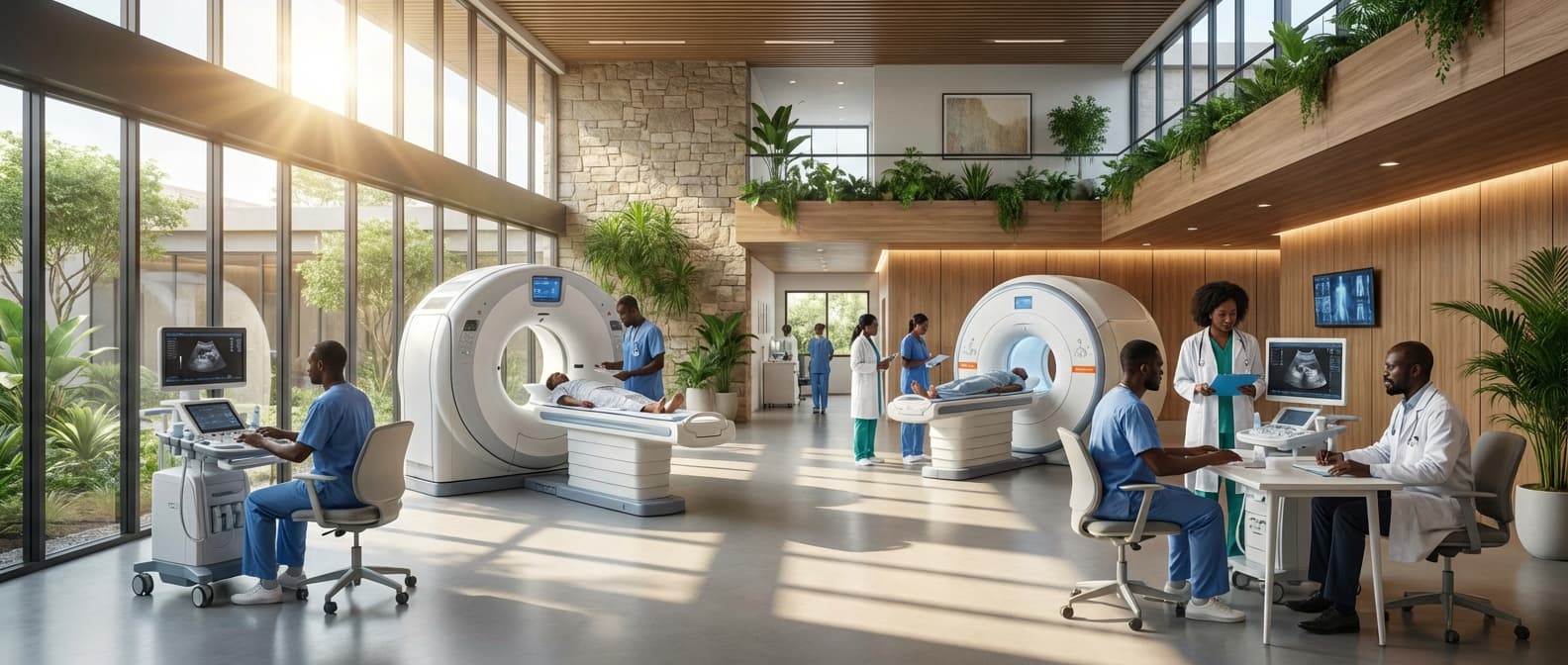
Endoscopy Solutions in Somalia
Engineering Excellence & Technical Support
Advanced endoscopic equipment delivering superior visualization and diagnostic precision for minimally invasive procedures. High-standard technical execution following OEM protocols and local regulatory frameworks.
Advanced Diagnostic Endoscopy Services
Empowering Somali healthcare providers with state-of-the-art flexible and rigid endoscopes for accurate diagnosis of gastrointestinal, respiratory, and urinary tract conditions. This includes high-definition imaging capabilities, enabling early detection of critical pathologies and improved patient outcomes.
Specialized Endoscopic Training Programs
Addressing the critical need for skilled medical professionals by offering comprehensive training modules on endoscopic procedures, equipment maintenance, and infection control protocols. Our programs are designed to build local capacity and ensure sustainable, high-quality endoscopic care across Somalia.
Reliable Endoscope Maintenance & Repair
Ensuring uninterrupted access to vital diagnostic tools through our robust maintenance and repair services for all types of endoscopic equipment. We provide on-site and off-site support, rapid turnaround times, and access to genuine spare parts to minimize downtime and maximize equipment lifespan.
What Is Endoscopy Solutions In Somalia?
Endoscopy Solutions in Somalia refer to the provision of diagnostic and therapeutic services utilizing endoscopes, which are flexible or rigid tubes with a camera and light source, to visualize internal bodily structures. These solutions aim to address the growing need for minimally invasive procedures to diagnose and treat a range of gastrointestinal, respiratory, and urological conditions within the Somali healthcare landscape. The service encompasses the equipment, trained personnel, and procedural protocols necessary for performing endoscopic examinations and interventions.
| Who Needs Endoscopy Solutions? | Typical Use Cases | Conditions Addressed |
|---|---|---|
| Patients presenting with chronic or acute gastrointestinal symptoms (e.g., abdominal pain, dysphagia, nausea, vomiting, unexplained weight loss, altered bowel habits). | Upper Endoscopy (Esophagogastroduodenoscopy - EGD): Investigation of the esophagus, stomach, and duodenum. | Gastroesophageal Reflux Disease (GERD), peptic ulcers, gastritis, duodenitis, esophageal varices, celiac disease, and upper GI malignancies. |
| Patients with suspected or confirmed colorectal pathologies, including changes in bowel habits, rectal bleeding, or family history of colorectal cancer. | Lower Endoscopy (Colonoscopy and Sigmoidoscopy): Examination of the colon and rectum. | Colorectal polyps, inflammatory bowel disease (Crohn's disease, ulcerative colitis), diverticulosis, and colorectal cancer screening and surveillance. |
| Patients experiencing persistent cough, hemoptysis, or suspicion of lower respiratory tract pathology. | Bronchoscopy: Inspection of the airways (trachea and bronchi). | Pneumonia, lung masses, foreign body aspiration, and interstitial lung diseases. |
| Patients with urinary tract symptoms suggestive of upper or lower urinary tract issues. | Cystoscopy and Ureteroscopy: Examination of the bladder and ureters. | Urinary tract infections, bladder stones, bladder tumors, and ureteral strictures. |
| Patients requiring post-operative surveillance or management of conditions diagnosed via endoscopy. | Therapeutic Endoscopic Interventions: Management of bleeding, removal of polyps, dilation of strictures, and deployment of stents. | Hemorrhage control in GI bleeding, management of precancerous polyps, relief of luminal obstruction, and retrieval of foreign bodies. |
Key Components of Endoscopy Solutions
- Diagnostic Endoscopy: Visual inspection of internal organs for the identification of abnormalities (e.g., inflammation, ulcers, polyps, tumors).
- Therapeutic Endoscopy: Interventions performed during an endoscopic procedure (e.g., polypectomy, hemostasis, stricture dilation, stent placement).
- Endoscopic Equipment: Procurement and maintenance of flexible and rigid endoscopes, light sources, video processors, insufflators, and associated accessories.
- Personnel Training: Specialized training for gastroenterologists, pulmonologists, urologists, endoscopists, and nursing staff in endoscopic techniques and safety protocols.
- Sterilization and Reprocessing: Strict adherence to protocols for the cleaning, disinfection, and sterilization of endoscopic equipment to prevent cross-contamination and infection.
- Ancillary Services: Integration with pathology services for tissue biopsy analysis and radiology for complementary imaging.
Who Needs Endoscopy Solutions In Somalia?
Endoscopy solutions are vital for accurate diagnosis and treatment of a wide range of gastrointestinal (GI) and respiratory conditions. In Somalia, where access to advanced medical diagnostics can be limited, these technologies play a crucial role in improving patient outcomes and providing essential healthcare services. From detecting early signs of cancer to managing chronic digestive diseases, endoscopy offers minimally invasive and highly effective diagnostic and therapeutic capabilities.
| Target Customer Segment | Key Departments & Use Cases |
|---|---|
| Hospitals (Public & Private) | Gastroenterology Department: Diagnosis and treatment of GI bleeding, ulcers, inflammatory bowel disease (IBD), polyps, and early detection of GI cancers (esophageal, stomach, colon). General Surgery Department: Pre-operative assessment, intra-operative visualization, and post-operative monitoring for GI surgeries. Pulmonology Department: Bronchoscopy for diagnosing lung infections, tumors, hemoptysis, and foreign body removal. Emergency Department: Rapid assessment of GI bleeds and acute abdominal pain. Oncology Department: Screening, diagnosis, and surveillance of GI cancers. Pediatric Department: Diagnosis of pediatric GI conditions like dysphagia, malabsorption, and congenital abnormalities. |
| Specialized Gastroenterology Clinics | Primary focus on diagnostic and therapeutic endoscopy for a wide range of GI conditions. Offer routine screening for colorectal cancer and management of chronic GI disorders. |
| Surgical Centers | Primarily for therapeutic endoscopy procedures that can be performed on an outpatient basis, reducing hospital stays and costs. Often used for polypectomy and management of benign GI strictures. |
| Diagnostic Centers | Providing specialized diagnostic endoscopy services to referring physicians and clinics, enabling broader access to these crucial investigations. |
Target Customers & Departments for Endoscopy Solutions in Somalia
- Hospitals (both public and private)
- Specialized Gastroenterology Clinics
- Surgical Centers
- Diagnostic Centers
Endoscopy Solutions Process In Somalia
This document outlines the typical workflow for endoscopy solutions in Somalia, from initial inquiry to successful execution. The process emphasizes collaboration, resource management, and adherence to local operational realities.
| Stage | Key Activities | Description & Somalia Context | Key Stakeholders | Potential Challenges (Somalia) |
|---|---|---|---|---|
| Receive inquiry, understand requirements, assess current infrastructure, identify specific needs (e.g., type of endoscopy, patient volume, training required). | This stage involves understanding the specific healthcare facility's needs and the context in which the endoscopy solution will be implemented. This might be a hospital, clinic, or a mobile unit. Initial assessment helps tailor the solution to available resources and local capacity. | Healthcare Provider (Hospital/Clinic), NGO/Funding Agency, Endoscopy Solution Provider (Manufacturer/Distributor) | Limited access to reliable communication, geographical dispersion of facilities, varying levels of existing technical expertise, potential for unclear or urgent needs. |
| Develop a detailed proposal outlining scope, equipment, consumables, training, timelines, and budget. Secure funding and allocate resources. | The proposal must be realistic given Somalia's infrastructure. It should detail specific equipment models, anticipated consumable needs, and a comprehensive training plan for local medical personnel. Funding mechanisms might involve international aid, government budgets, or private sector partnerships. | Endoscopy Solution Provider, NGO/Funding Agency, Healthcare Provider (for input) | Securing sustainable funding, inaccurate cost estimations due to import duties/logistics, difficulty in finding specialized personnel for installation/maintenance. |
| Procure equipment and consumables. Arrange for secure transportation, customs clearance, and delivery to the designated location in Somalia. | This is a critical and often complex stage. It involves navigating import regulations, potentially challenging transportation routes (due to security or infrastructure), and ensuring the integrity of sensitive medical equipment during transit. Security escorts might be required. | Endoscopy Solution Provider, Logistics Partners, Customs Authorities, Healthcare Provider (for receiving) | Bureaucratic delays at customs, security risks during transportation, damage to equipment during transit, limited availability of specialized transport, high import duties and taxes. |
| Install and commission equipment. Conduct initial training for healthcare staff on equipment operation, maintenance, and basic troubleshooting. Ensure necessary sterile supplies are available. | This phase focuses on getting the site ready. It includes setting up the endoscopy suite, ensuring power and water supply are adequate, and performing functional tests. Training is paramount to ensure local staff can operate the equipment safely and effectively from day one. | Endoscopy Solution Provider (Technical Team, Trainers), Healthcare Provider (Medical Staff, Biomedical Engineers) | Lack of qualified local technicians for installation/maintenance, power instability, limited availability of clean water for sterilization, staff availability for training due to competing demands. |
| Begin endoscopy procedures according to the agreed schedule. Provide on-site support for initial procedures. Monitor equipment performance and initial patient outcomes. | This is the operational phase. Endoscopy procedures are performed. The solution provider might have a dedicated team present for the initial period to assist, train by doing, and troubleshoot any emergent issues. Data collection on procedure success rates and patient feedback begins. | Healthcare Provider (Doctors, Nurses), Endoscopy Solution Provider (On-site Support Team) | Equipment malfunctions in a remote setting, unexpected patient complications, shortages of consumables during procedures, staff fatigue or turnover, language barriers. |
| Conduct a thorough review of the implementation process. Gather feedback from all stakeholders. Prepare comprehensive reports on equipment performance, training effectiveness, and patient impact. Document lessons learned. | This stage involves evaluating the success of the deployed solution against the initial objectives. Feedback is crucial for identifying areas for improvement. Reporting to funding agencies and healthcare providers is essential for accountability and future planning. | Endoscopy Solution Provider, Healthcare Provider, NGO/Funding Agency | Difficulty in collecting accurate data, delayed reporting cycles, challenges in consolidating feedback from dispersed locations. |
| Establish ongoing technical support and maintenance plans. Implement strategies for replenishing consumables. Develop long-term training and capacity-building initiatives to ensure the sustainability of the endoscopy services. | The ultimate goal is for the endoscopy service to be self-sustaining. This involves ensuring regular maintenance, a reliable supply chain for consumables, and continuous professional development for local staff. This might involve remote support, periodic site visits, or partnerships with local institutions. | Healthcare Provider, Endoscopy Solution Provider (for ongoing support), Ministry of Health (potentially), Local Training Institutions | Lack of budget for ongoing maintenance and consumables, difficulty in establishing a sustainable supply chain, brain drain of skilled medical personnel, evolving healthcare needs, political instability. |
Endoscopy Solutions Process in Somalia: Workflow
- Inquiry & Needs Assessment
- Proposal Development & Resource Allocation
- Logistics & Procurement
- Pre-Execution Preparations
- On-Site Execution
- Post-Execution Review & Reporting
- Follow-up & Sustainability
Endoscopy Solutions Cost In Somalia
Endoscopy solutions in Somalia encompass a range of diagnostic and therapeutic procedures. The cost of these procedures can vary significantly due to several factors, including the type of endoscopy performed, the complexity of the case, the hospital or clinic's location and reputation, the expertise of the medical professional, and the availability of advanced technology. While official price lists are not widely published and accessible, indicative ranges can be estimated based on general healthcare costs in the region. It's crucial for patients to inquire directly with healthcare providers for the most accurate and up-to-date pricing.
| Type of Endoscopy | Estimated Cost Range (Somali Shilling - SOSH) | Notes |
|---|---|---|
| Gastroscopy (Upper Endoscopy) | 250,000 - 600,000 SOSH | May vary based on sedation and biopsy. |
| Colonoscopy (Lower Endoscopy) | 350,000 - 800,000 SOSH | Includes sedation; costs increase with polyp removal. |
| Sigmoidoscopy | 200,000 - 450,000 SOSH | Often less involved than a full colonoscopy. |
| Bronchoscopy | 300,000 - 700,000 SOSH | Can be higher if intervention is needed. |
| Cystoscopy | 200,000 - 400,000 SOSH | Procedure for examining the bladder. |
| ERCP (Endoscopic Retrograde Cholangiopancreatography) | 600,000 - 1,500,000+ SOSH | More complex procedure, often requires specialized centers. |
Factors Influencing Endoscopy Costs in Somalia
- Type of Endoscopy: Different procedures like gastroscopy, colonoscopy, bronchoscopy, or cystoscopy have varying levels of complexity and associated costs.
- Hospital/Clinic Location and Facility: Major cities like Mogadishu may have higher costs due to better infrastructure and access to specialized equipment compared to rural areas.
- Reputation and Specialization of the Facility: Well-equipped hospitals with renowned specialists often command higher fees.
- Medical Professional's Fees: The experience and specialization of the gastroenterologist, surgeon, or other relevant specialist will impact the overall cost.
- Anesthesia/Sedation: The type and duration of anesthesia or sedation required will add to the total expense.
- Pre- and Post-Procedure Care: Costs can include consultations, diagnostic tests (blood work, imaging), medications, and follow-up appointments.
- Materials and Consumables: The cost of disposable endoscopes, biopsy tools, and other disposables used during the procedure.
- Complexity of the Procedure: If a biopsy is taken, a polyp is removed, or other interventions are performed during the endoscopy, the cost will increase.
- Duration of Hospital Stay: In cases where an overnight stay is required for monitoring, room charges will be additional.
- Equipment Availability and Maintenance: Newer, advanced endoscopy equipment can be more expensive to acquire and maintain, influencing procedure costs.
Affordable Endoscopy Solutions Options
Navigating the costs associated with endoscopic procedures can be a significant concern for patients. Fortunately, various affordable endoscopy solutions and cost-saving strategies exist. Understanding these options can empower individuals to make informed decisions about their healthcare.
| Strategy | Description | Potential Savings |
|---|---|---|
| Value Bundles | All-inclusive pricing for a set of services. | Predictable costs, avoidance of surprise bills. |
| Outpatient Procedures | Performed in an outpatient surgical center or clinic rather than a hospital. | Significantly lower than inpatient care. |
| In-Network Providers | Using healthcare professionals and facilities contracted with your insurance. | Reduced copays, deductibles, and coinsurance. |
| Preventive Care Coverage | Insurance covering routine screenings like colonoscopies. | Often zero or low out-of-pocket cost. |
| Cash Discounts | Reduced prices offered to uninsured or self-pay patients. | Can be substantial savings compared to billed rates. |
| Telehealth Consultations | Virtual appointments for consultations. | Reduced travel costs, potentially lower consultation fees. |
| Generic Medications | Using less expensive generic versions of prescribed drugs. | Lower prescription costs. |
Value Bundles and Cost-Saving Strategies for Affordable Endoscopy
- Value Bundles: Many healthcare providers and facilities are offering 'value bundles' for common procedures like colonoscopies and upper endoscopies. These bundles often include a set price that covers the physician's fee, facility charges, anesthesia (if applicable), and sometimes even pre-procedure consultations and post-procedure follow-up. This "all-inclusive" approach can provide cost certainty and predictability, preventing surprise bills.
- Outpatient vs. Inpatient: Endoscopic procedures are frequently performed on an outpatient basis, which is generally less expensive than inpatient hospitalization. Discuss with your doctor if your procedure can be done in an outpatient setting.
- In-Network Providers: Ensure your chosen facility and physician are in-network with your health insurance plan. In-network providers have pre-negotiated rates with your insurer, significantly reducing your out-of-pocket expenses.
- Preventive Care Coverage: Many insurance plans cover diagnostic endoscopies (like screening colonoscopies) as preventive care, often with no or a very low copay. Understand your plan's preventive care benefits.
- Cash Prices and Discount Programs: For uninsured individuals or those with high deductibles, inquire about cash prices. Many facilities offer discounted rates for self-pay patients. Some hospitals also have financial assistance programs or charity care.
- Telehealth Consultations: For pre- or post-procedure consultations, explore the possibility of telehealth appointments. These can be more convenient and potentially less expensive than in-person visits.
- Generic Medications: If medications are prescribed as part of your endoscopy preparation or recovery, ask your doctor about generic alternatives, which are typically much cheaper than brand-name drugs.
- Comparing Facilities: If you have the flexibility, compare prices for the same procedure at different accredited facilities. Prices can vary significantly.
- Understanding Medical Necessity: While screening procedures are often covered, if an endoscopy is deemed medically necessary due to specific symptoms, ensure this is clearly documented for insurance purposes. This can influence coverage decisions.
- Negotiating Bills: If you receive a bill that seems incorrect or unexpectedly high, don't hesitate to contact the billing department to discuss it. Sometimes, errors can be corrected, or payment plans can be arranged.
Verified Providers In Somalia
Ensuring access to quality healthcare is paramount in Somalia, and identifying verified providers is a critical first step for individuals and organizations seeking reliable medical services. Franance Health stands out as a premier choice due to its unwavering commitment to excellence, stringent credentialing processes, and a comprehensive network of highly qualified medical professionals. This document outlines why Franance Health represents the best choice for healthcare services in Somalia.
| Franance Health Credentialing Criteria | Description |
|---|---|
| Medical License Verification | Confirmation of valid and current medical licenses issued by recognized authorities. |
| Professional Certifications | Validation of all relevant specialty certifications and post-graduate qualifications. |
| Background Checks | Thorough screening of professional history, including any disciplinary actions. |
| Peer Review and Reputation | Assessment of professional standing and feedback from peers. |
| Continuing Medical Education (CME) | Verification of participation in ongoing professional development to stay updated with medical advancements. |
| Facility Standards | Evaluation of clinic and hospital infrastructure, equipment, and hygiene standards. |
| Patient Feedback and Outcomes | Monitoring of patient satisfaction and health outcomes to ensure consistent quality of care. |
Why Franance Health is the Optimal Choice for Verified Healthcare in Somalia
- Rigorous Credentialing and Verification: Franance Health implements a multi-layered verification process for all its partner providers. This includes thorough background checks, verification of medical licenses and certifications, peer reviews, and ongoing performance monitoring. This ensures that every practitioner within their network meets the highest standards of competence and ethical practice.
- Comprehensive Range of Specialties: Whether you require primary care, specialized surgical procedures, maternal and child health services, or emergency medical support, Franance Health offers access to a diverse range of medical specialists. Their network is designed to address the varied healthcare needs of the population.
- Commitment to Quality and Patient Safety: Patient well-being is at the core of Franance Health's mission. They prioritize providers who demonstrate a strong adherence to international best practices in patient safety, infection control, and evidence-based medicine. This commitment translates into superior patient outcomes and a safer healthcare experience.
- Accessibility and Infrastructure: Franance Health works with providers who possess well-equipped facilities and maintain operational efficiency. They strive to ensure that their network's locations are accessible and that the infrastructure supports the delivery of effective medical care, even in challenging environments.
- Trust and Transparency: Building trust is essential in healthcare. Franance Health is committed to transparency in its provider selection and service delivery. Patients can be confident that they are receiving care from legitimate and highly qualified medical professionals.
- Adaptability and Innovation: In a dynamic healthcare landscape, Franance Health champions providers who are adaptable and embrace innovation. This includes staying abreast of new medical technologies, treatment protocols, and approaches to improve healthcare accessibility and effectiveness in Somalia.
Scope Of Work For Endoscopy Solutions
This Scope of Work (SOW) outlines the requirements for the acquisition and implementation of Endoscopy Solutions. It details the technical deliverables, standard specifications, and associated requirements for a comprehensive endoscopy system, including but not limited to video processors, light sources, endoscopes (gastroscopes, colonoscopes, bronchoscopes), monitors, and necessary accessories. The aim is to procure state-of-the-art equipment that ensures high-quality visualization, patient safety, and operational efficiency for diagnostic and therapeutic endoscopic procedures.
| Category | Technical Deliverable | Standard Specifications | Key Features/Considerations |
|---|---|---|---|
| Image & Video Processing | Video Processor Unit | High-Definition (HD) or 4K resolution, Advanced image enhancement (e.g., narrow band imaging - NBI, chromatic endo-chroma - CEC), Seamless integration with endoscopes and other peripherals, Multiple input/output ports (HDMI, SDI, USB) | Real-time image processing, Color fidelity, Ease of use, Data storage capacity and format compatibility |
| Illumination | Light Source Unit | High-intensity Xenon or LED lamp, Adjustable brightness control, Consistent and stable illumination, Long lamp life, Safety features (e.g., automatic shut-off) | Color temperature, Lumen output, Fan noise, Portability/mobility |
| Endoscopes | Gastroscopes | Working channel diameter (minimum 2.8mm), Angulation range (up/down, left/right), Field of view (minimum 140 degrees), Insertion tube diameter (maximum 10.5mm), High resolution imaging, Ergonomic design | Image quality under various lighting conditions, Durability, Sterilizability, Therapeutic capabilities (e.g., injection ports) |
| Endoscopes | Colonoscopes | Working channel diameter (minimum 3.2mm), Angulation range (up/down, left/right), Field of view (minimum 140 degrees), Insertion tube diameter (maximum 13.5mm), High resolution imaging, Improved maneuverability (e.g., variable stiffness) | Patient comfort, Retroflexion capabilities, Therapeutic capabilities (e.g., larger working channel for accessory passage) |
| Endoscopes | Bronchoscopes | Working channel diameter (minimum 1.2mm), Angulation range (up/down, left/right), Field of view (minimum 120 degrees), Insertion tube diameter (maximum 6.0mm), High resolution imaging, Flexibility and durability | Access to peripheral airways, Biopsy capability, Suction capability, Use with imaging guidance systems |
| Display | Medical Grade Monitor | Minimum 24-inch screen size, Full HD (1920x1080) or 4K resolution, High contrast ratio, Wide viewing angle, DICOM compatibility, Medical certifications (e.g., IEC 60601) | Color accuracy, Brightness uniformity, Anti-glare properties, Ease of cleaning |
| Ancillary Equipment | Insufflation Pump | Variable CO2 or Air flow rates, Adjustable pressure settings, Quiet operation, Reliable performance | Patient comfort, Reduced post-procedure bloating (for CO2) |
| Ancillary Equipment | Water Jet Pump | Adjustable water flow rate, Consistent pressure, Easy to connect and disconnect | Facilitates cleaning of the endoscope lens during procedures |
| Accessories | Biopsy Forceps, Snares, Injection Needles, Retrieval Devices, etc. | Sterilizable, High quality materials, Wide range of sizes and types to suit various procedures | Durability, Reliability, Ease of use, Compatibility with endoscope working channels |
| Data Management | Image and Video Capture System | High-resolution still image capture, Full HD or 4K video recording, User-friendly interface, Storage to internal memory, USB drive, or PACS | File format compatibility (e.g., JPEG, AVI, DICOM), Metadata tagging (patient info, procedure details), Ease of export |
| Data Management | Documentation and Reporting Software | Intuitive report generation, Customizable templates, Integration with EMR/PACS, Ability to insert images and annotations | Efficiency in reporting, Accuracy of documentation, Compliance with regulatory requirements |
| Storage & Handling | Storage and Transport Solutions | Secure and organized storage cabinets, Sterilization compatibility (e.g., ethylene oxide, steam), Easy to clean materials, Protective cases for transport | Endoscope longevity, Infection control, Operational efficiency |
Key Components of Endoscopy Solutions
- Video Processor Unit
- Light Source Unit (Xenon or LED)
- Endoscopes (Gastroscopes, Colonoscopes, Bronchoscopes)
- Medical Grade Monitor
- Insufflation Pump
- Water Jet Pump
- Biopsy Forceps and other Endoscopic Accessories
- Image and Video Capture System
- Documentation and Reporting Software
- Storage and Transport Solutions
Service Level Agreement For Endoscopy Solutions
This Service Level Agreement (SLA) outlines the guaranteed response times and uptime for the Endoscopy Solutions provided by [Your Company Name]. This SLA is an integral part of the Endoscopy Solutions agreement between [Your Company Name] (the "Provider") and [Client Name] (the "Customer").
| Severity Level | Description | Response Time Guarantee | Resolution Time Target (Best Effort) | Uptime Guarantee |
|---|---|---|---|---|
| Critical (Severity 1) | Complete service outage, all functions unavailable, impacting all users and business operations. No workaround available. | 15 Minutes (during Service Hours) | 4 Hours (during Service Hours) | 99.9% monthly uptime |
| High (Severity 2) | Major functionality impaired, significant impact on a subset of users or business operations. A difficult or no workaround is available. | 30 Minutes (during Service Hours) | 8 Hours (during Service Hours) | 99.9% monthly uptime |
| Medium (Severity 3) | Minor functionality impaired, limited impact on a small number of users or business operations. A workaround is available. | 2 Business Hours (during Service Hours) | 24 Business Hours (during Service Hours) | 99.9% monthly uptime |
| Low (Severity 4) | Inquiry, feature request, or cosmetic issue with no impact on functionality. | 4 Business Hours (during Service Hours) | As Available/Next Scheduled Release | N/A (Not Applicable to this severity) |
Definitions
- Service Hours: The period during which the Endoscopy Solutions are actively supported and monitored. Typically, this will be 24 hours a day, 7 days a week, including holidays, unless otherwise specified.
- Downtime: The period during which the Endoscopy Solutions are unavailable to the Customer due to issues within the Provider's control, excluding scheduled maintenance.
- Response Time: The maximum time allowed for the Provider to acknowledge and begin actively working on a reported issue. This does not include the time to resolve the issue.
- Resolution Time: The maximum time allowed for the Provider to fully resolve a reported issue and restore the Endoscopy Solutions to normal operation.
- Scheduled Maintenance: Pre-announced periods during which the Endoscopy Solutions may be unavailable for updates, upgrades, or routine maintenance. The Provider will provide reasonable advance notice for Scheduled Maintenance, typically [Number] days in advance.
Frequently Asked Questions

Ready when you are
Let's scope your Endoscopy Solutions in Somalia project in Somalia.

Scaling healthcare logistics and technical systems across the entire continent.