
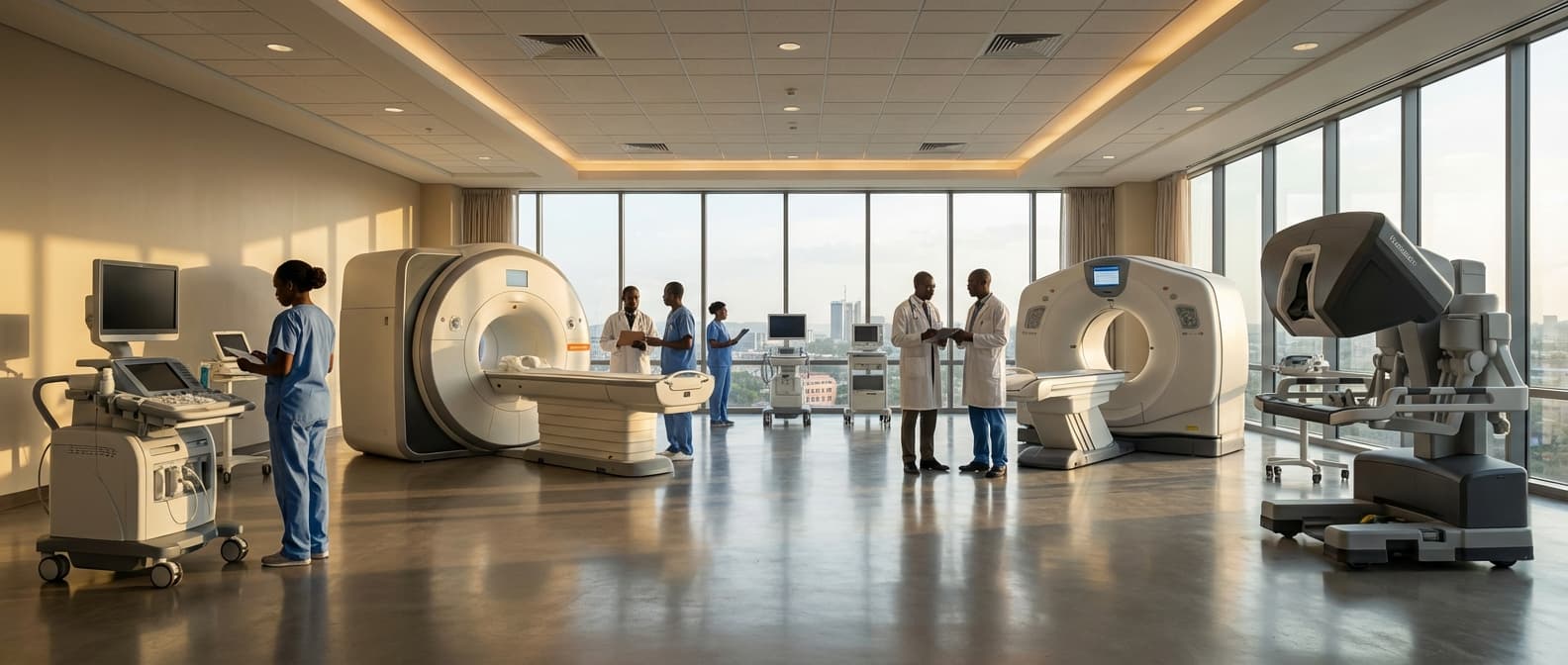
Renal Solutions in Somalia
Engineering Excellence & Technical Support
Complete dialysis systems and renal care equipment designed to deliver safe, effective, and patient-centered kidney treatment. High-standard technical execution following OEM protocols and local regulatory frameworks.
Establishing First Hemodialysis Unit in Mogadishu
Renal Solutions successfully established and equipped the first dedicated hemodialysis unit in Mogadishu, significantly expanding access to life-saving treatment for patients with end-stage renal disease across Somalia. This involved complex logistical planning, equipment procurement, and training of local medical staff.
Implementing Advanced Water Purification Systems for Dialysis
To ensure the safety and efficacy of dialysis treatments, Renal Solutions implemented state-of-the-art water purification systems. This technical achievement addresses a critical challenge in the region, guaranteeing ultra-pure water essential for preventing patient complications and ensuring optimal treatment outcomes.
Developing Telemedicine Support Network for Nephrologists
Renal Solutions pioneered the development of a telemedicine support network, connecting remote Somali medical professionals with experienced nephrologists internationally. This technological solution provides critical remote consultations, diagnostic assistance, and ongoing training, thereby enhancing the capacity of local healthcare providers to manage complex kidney disease cases.
What Is Renal Solutions In Somalia?
Renal Solutions in Somalia refers to the provision of a range of medical services and support aimed at diagnosing, managing, and treating kidney-related diseases and conditions within the Somali healthcare landscape. This encompasses both acute and chronic kidney issues, often exacerbated by underlying health problems prevalent in the region. The services are designed to address the significant burden of renal pathology and improve patient outcomes in a resource-constrained environment.
| Who Needs Renal Solutions? | Typical Use Cases | ||||||
|---|---|---|---|---|---|---|---|
| Individuals with diagnosed kidney diseases (e.g., Chronic Kidney Disease - CKD, Acute Kidney Injury - AKI). | Management of end-stage renal disease (ESRD) requiring dialysis. | Patients with comorbidities that significantly impact kidney function, such as uncontrolled hypertension and diabetes mellitus. | Individuals experiencing symptoms suggestive of renal dysfunction (e.g., edema, reduced urine output, fatigue, unexplained anemia). | Patients with a family history of renal disease. | Individuals exposed to nephrotoxic agents or conditions that can precipitate acute kidney injury. | Post-operative patients at risk of developing AKI. | Children with congenital or acquired renal abnormalities. |
| Management of hypertension and diabetes to prevent or slow the progression of diabetic nephropathy and hypertensive nephrosclerosis. | Treatment of urinary tract infections and glomerulonephritis to prevent chronic damage. | Reversal of acute kidney injury caused by dehydration, infections, or toxins. | Provision of regular hemodialysis for patients with ESRD who are not candidates for or awaiting transplantation. | Palliative care for patients with advanced renal disease experiencing symptom burden. | Early detection and intervention for subclinical renal impairment. | Rehabilitation and support for patients undergoing dialysis, aiming to improve quality of life. | Public health initiatives focused on renal health awareness and prevention of risk factors. |
Components of Renal Solutions in Somalia
- Diagnosis and Assessment: This includes laboratory investigations (e.g., serum creatinine, estimated glomerular filtration rate (eGFR), urinalysis), imaging studies (e.g., renal ultrasound), and potentially renal biopsy for definitive diagnosis.
- Medical Management: Pharmacological interventions to control blood pressure, manage diabetes, address electrolyte imbalances, and treat the underlying causes of renal disease.
- Conservative Management: Dietary counseling, fluid management, and lifestyle modifications for patients with chronic kidney disease (CKD) to slow progression.
- Renal Replacement Therapy (RRT):
- Hemodialysis: The primary form of RRT available, involving the extracorporeal filtration of blood. This requires established dialysis centers, trained personnel, and access to consumables.
- Peritoneal Dialysis (PD): Potentially a less resource-intensive option, but its implementation requires specific infrastructure and patient training.
- Kidney Transplantation: Currently largely unavailable due to infrastructure, expertise, and financial limitations, but a long-term aspirational goal.
- Patient Education and Support: Empowering patients and their families with knowledge about their condition, treatment adherence, and self-care strategies.
- Training and Capacity Building: Equipping local healthcare professionals with the necessary skills and knowledge to deliver renal care effectively.
- Infrastructure Development: Establishing and maintaining functional dialysis units, laboratories, and associated medical facilities.
Who Needs Renal Solutions In Somalia?
In Somalia, the demand for comprehensive renal solutions is critical and growing due to a rising prevalence of kidney diseases. These conditions disproportionately affect vulnerable populations and require specialized medical care and ongoing management. Understanding who needs these services is key to developing effective and accessible healthcare strategies.
| Target Customer Segment | Specific Needs/Conditions | Department/Service Focus |
|---|---|---|
| Patients with CKD | Progressive kidney function decline, electrolyte imbalances, anemia, bone disease, uremia | Nephrology Clinics, Dialysis Centers, Pharmacy (for medication management), Nutrition Services |
| Patients with AKI | Sudden loss of kidney function, fluid overload, electrolyte disturbances | Intensive Care Units (ICUs), Emergency Departments, Nephrology Services |
| Diabetic/Hypertensive Patients | Early detection of kidney damage (microalbuminuria, proteinuria), blood pressure and blood sugar control | Primary Healthcare Clinics, Endocrinology Clinics, Cardiology Clinics, Nephrology Screening Programs |
| Patients Requiring Dialysis (ESRD) | Renal replacement therapy to filter waste products and excess fluid | Dialysis Centers (Hemodialysis Units, Peritoneal Dialysis Programs) |
| Patients with Kidney Stones | Pain management, stone dissolution or removal, preventative measures | Urology Departments, Nephrology Services, Diagnostic Imaging (Ultrasound, CT Scan) |
| Vulnerable Populations (e.g., displaced persons, low-income families) | Limited access to healthcare, affordability issues, need for community outreach and subsidized services | Public Health Departments, Non-Governmental Organizations (NGOs) providing health services, Mobile Clinics |
Target Customers for Renal Solutions in Somalia
- Individuals suffering from Chronic Kidney Disease (CKD): This is the primary and largest group, encompassing various stages of kidney deterioration.
- Patients with Acute Kidney Injury (AKI): Requiring immediate and intensive treatment to prevent irreversible damage.
- Individuals with Kidney Stones: Requiring diagnostic and treatment services.
- Patients with Glomerulonephritis and other specific kidney-related inflammatory conditions.
- Diabetic patients: As diabetes is a leading cause of CKD, this group represents a significant at-risk population requiring regular screening and management.
- Hypertensive patients: High blood pressure is another major contributor to kidney disease, necessitating proactive monitoring and care.
- Elderly individuals: Age-related decline in kidney function increases susceptibility to renal issues.
- Children with congenital or acquired kidney conditions.
- Pregnant women experiencing or at risk of pre-eclampsia, which can lead to kidney complications.
- Patients requiring dialysis (hemodialysis or peritoneal dialysis) for end-stage renal disease (ESRD).
- Individuals awaiting or recovering from kidney transplants (though transplant infrastructure is limited in Somalia).
- Underserved communities in rural and remote areas with limited access to specialized medical care.
Renal Solutions Process In Somalia
The Renal Solutions Process in Somalia outlines the steps involved in addressing kidney-related health needs, from an initial inquiry to the successful execution of care or support. This process is designed to ensure that patients with renal conditions receive timely and appropriate interventions, ranging from diagnosis and treatment to ongoing management and, where applicable, access to dialysis or transplant services.
| Stage | Description | Key Activities | Responsible Parties | Potential Challenges |
|---|---|---|---|---|
| Inquiry & Initial Assessment | The first point of contact where a patient or caregiver expresses concerns about kidney health or a suspected renal condition. | Patient reports symptoms, family history review, initial symptom assessment, information gathering. | Community health workers, primary healthcare providers, nurses, patient/caregiver. | Lack of awareness about kidney diseases, limited access to healthcare facilities, language barriers. |
| Referral & Triage | Based on the initial assessment, the patient is categorized for urgency and referred to the appropriate level of care. | Symptom severity assessment, determination of need for specialist consultation, referral to secondary/tertiary care or specialized renal units. | Primary healthcare providers, nurses, general practitioners. | Inadequate referral pathways, transportation issues, limited availability of specialists. |
| Diagnostic Evaluation | Comprehensive tests are performed to accurately diagnose the type and stage of the renal condition. | Blood tests (e.g., creatinine, urea, electrolytes), urine tests (e.g., urinalysis, protein-to-creatinine ratio), imaging (e.g., ultrasound, CT scan), kidney biopsy (if necessary). | Laboratory technicians, radiologists, nephrologists, urologists. | Limited laboratory capacity, unavailability of specialized diagnostic equipment, skilled personnel shortages. |
| Treatment Planning | Developing a personalized care plan based on the diagnosis, patient's overall health status, and available resources. | Discussion of treatment options, risk-benefit analysis, patient and family education, establishment of treatment goals, medication prescription. | Nephrologists, dietitians, nurses, social workers. | Lack of standardized treatment protocols, limited access to essential medications, financial constraints. |
| Intervention/Treatment Execution | Implementing the planned treatment, which can range from medical management to surgical procedures or dialysis. | Administering medications, dietary counseling, fluid management, initiation of dialysis (hemodialysis/peritoneal dialysis), pre-transplant workup, surgical interventions. | Nephrologists, nurses, dialysis technicians, surgeons, dietitians. | Shortage of dialysis machines and consumables, inadequate sterile environments, skilled dialysis staff scarcity, limited access to transplant centers. |
| Monitoring & Follow-up | Regularly assessing the patient's response to treatment and managing any complications or progression of the disease. | Scheduled clinic visits, routine lab tests, vital sign monitoring, assessment of side effects, adjustments to treatment plan. | Nephrologists, nurses, primary healthcare providers. | Patient adherence challenges, infrequent follow-up due to distance or cost, lack of robust recall systems. |
| Rehabilitation & Long-term Management | Focusing on improving the patient's quality of life and supporting them in managing their chronic condition. | Lifestyle modifications, psychosocial support, vocational rehabilitation, patient support groups, education on self-management. | Nurses, social workers, community health workers, patient support organizations. | Limited community-based support structures, stigma associated with chronic illness, insufficient resources for comprehensive rehabilitation. |
| Data Management & Reporting | Collecting, storing, and analyzing data related to renal patients to inform public health strategies and service improvement. | Patient record keeping, data entry into registries, analysis of trends, reporting to health authorities, research on renal health. | Health information officers, researchers, program managers, healthcare providers. | Weak data infrastructure, lack of standardized data collection tools, data privacy concerns, limited capacity for data analysis. |
Renal Solutions Process Workflow in Somalia
- Inquiry & Initial Assessment
- Referral & Triage
- Diagnostic Evaluation
- Treatment Planning
- Intervention/Treatment Execution
- Monitoring & Follow-up
- Rehabilitation & Long-term Management
- Data Management & Reporting
Renal Solutions Cost In Somalia
The cost of renal solutions in Somalia is influenced by several key factors, leading to a significant range in pricing. Availability of supplies, import duties and taxes, transportation logistics within the country, and the specific type and brand of dialysis solution all play a crucial role. Geographical location, with higher costs often observed in remote or less accessible regions due to increased transportation expenses, also contributes. Furthermore, the presence of international aid organizations or specialized medical facilities can sometimes influence pricing through bulk purchasing or subsidies, though these are not always reflected in standard commercial rates. The ongoing economic situation and currency fluctuations in Somalia also directly impact the Somali Shilling (SOS) value of imported medical supplies.
| Renal Solution Type | Estimated Price Range (Somali Shillings - SOS) | Notes |
|---|---|---|
| Hemodialysis Solution (e.g., standard bicarbonate, various electrolyte profiles) - per liter | 15,000 - 30,000 SOS | Prices can vary significantly based on brand, import origin, and supplier. |
| Peritoneal Dialysis Solution (e.g., standard dextrose concentrations) - per 2-liter bag | 30,000 - 70,000 SOS | Often more expensive due to specialized formulation and packaging. Bulk purchases by dialysis centers may offer slightly lower per-unit costs. |
| Specialty Dialysis Solutions (e.g., low magnesium, high calcium) - per liter/bag | 25,000 - 60,000+ SOS | Higher cost due to specialized manufacturing and limited availability. |
| Concentrated Dialysis Concentrate (for mixing hemodialysis solutions) - per liter | 10,000 - 20,000 SOS | Requires mixing with sterile water, cost-effective for high-volume centers. |
| Sterile Water for Dialysis - per liter | 5,000 - 10,000 SOS | Essential component for mixing concentrates; price depends on quality and sterility assurance. |
Key Pricing Factors for Renal Solutions in Somalia
- Availability and Supply Chain Reliability
- Import Duties, Tariffs, and Taxes
- Transportation and Logistics Costs (domestic)
- Type and Brand of Dialysis Solution (e.g., hemodialysis, peritoneal dialysis; specific electrolyte compositions)
- Packaging Size and Concentration
- Supplier and Vendor Margins
- Geographical Location within Somalia
- Economic Conditions and Currency Exchange Rates (SOS)
- Influence of International Aid and Subsidies
Affordable Renal Solutions Options
Navigating renal health can be a significant financial concern. Fortunately, a range of affordable renal solutions exists, focusing on value bundles and proactive cost-saving strategies. Understanding these options can empower individuals to manage their kidney health effectively while minimizing out-of-pocket expenses.
| Strategy | Description | Potential Cost Savings |
|---|---|---|
| Generic Medications | Using less expensive, equivalent versions of brand-name drugs. | Significant savings, often 50-80% less than brand names. |
| Preventive Care & Lifestyle Management | Early intervention, diet, exercise, managing comorbidities. | Reduces long-term costs of complications like dialysis or transplant. |
| Home Dialysis | Dialysis performed at home instead of a clinic. | Can be cheaper than in-center dialysis due to reduced overhead and travel. |
| Medication Assistance Programs | Financial aid from manufacturers or charities for prescription drugs. | Can significantly reduce or eliminate medication costs. |
| Value-Based Healthcare Bundles | Packaged services at a set price for a defined period. | Lower overall cost for comprehensive renal care compared to à la carte services. |
| Telehealth Appointments | Remote medical consultations via video or phone. | Saves on travel, time off work, and potentially lower consultation fees. |
Understanding Value Bundles and Cost-Saving Strategies
- Value Bundles: These are often offered by healthcare providers or insurance companies and package various services and treatments together at a reduced overall cost compared to purchasing them individually. For renal care, this might include a combination of doctor's visits, lab tests, medication, and potentially educational resources or support groups.
- Generic Medications: Whenever possible, opt for generic versions of prescribed medications. These contain the same active ingredients as brand-name drugs but are significantly cheaper.
- Preventive Care: Early detection and management of kidney disease are crucial for preventing more costly complications. Regular check-ups, adherence to prescribed lifestyle changes (diet, exercise), and managing underlying conditions like diabetes and hypertension are key cost-saving measures.
- Home Dialysis Options: For those requiring dialysis, home-based treatments (like peritoneal dialysis or home hemodialysis) can sometimes be more cost-effective than in-center treatments, offering greater flexibility and potentially reducing associated travel and facility fees.
- Medication Assistance Programs: Many pharmaceutical companies and non-profit organizations offer programs to help eligible patients afford their medications. Investigating these can lead to significant savings.
- Nutritional Counseling: Working with a renal dietitian can optimize your diet, which is vital for managing kidney disease. A well-managed diet can prevent complications and reduce the need for more expensive interventions.
- Telehealth Services: For routine follow-ups or consultations, telehealth appointments can be more convenient and cost-effective, saving on travel time and associated expenses.
- Insurance Optimization: Thoroughly understand your health insurance plan, including coverage for renal care, prescription drugs, and any co-pays or deductibles. Explore plans that offer better coverage for chronic conditions if available.
- Community Resources: Local kidney foundations, support groups, and community health centers often provide free or low-cost resources, education, and sometimes even financial assistance for those with kidney disease.
Verified Providers In Somalia
In the challenging healthcare landscape of Somalia, identifying and trusting verified healthcare providers is paramount for individuals and organizations seeking quality medical services. Franance Health stands out as a beacon of reliability, offering a robust network of credentialed and vetted healthcare professionals and facilities. This commitment to verification not only ensures the competence of their providers but also guarantees adherence to ethical standards and best practices, ultimately providing peace of mind to patients and partners.
| Provider Type | Franance Health Verification Key Points | Benefits to Patients/Partners |
|---|---|---|
| Hospitals & Clinics | Accreditation, Facility Standards, Equipment Adequacy, Staff Qualifications | Access to safe, well-equipped facilities with competent medical teams; reduced risk of substandard care. |
| Individual Doctors & Specialists | Medical License, Board Certification, Clinical Experience, Peer Review | Ensured medical expertise and ethical practice; confidence in diagnosis and treatment. |
| Nurses & Allied Health Professionals | Nursing License, Professional Training, Competency Assessments | Reliable and skilled support staff contributing to effective patient care. |
| Diagnostic Laboratories | Laboratory Accreditation, Equipment Calibration, Quality Control Measures | Accurate and trustworthy diagnostic results crucial for effective treatment planning. |
| Pharmacies | Pharmacy License, Dispensing Practices, Medication Quality Assurance | Access to genuine and safely dispensed medications. |
Why Franance Health Credentials Matter:
- Rigorous Vetting Process: Franance Health employs a multi-stage verification process for all its providers, examining qualifications, licenses, and professional history.
- Commitment to Quality: Their credentialing goes beyond basic requirements, assessing a provider's track record, patient feedback, and commitment to continuous professional development.
- Enhanced Patient Safety: By partnering with verified providers, Franance Health significantly reduces the risks associated with unqualified or unverified medical practitioners.
- Ethical Standards: All Franance Health providers are held to a strict code of conduct and ethical guidelines, ensuring patient well-being and trust.
- Comprehensive Network: Access to a diverse range of specialists and facilities across Somalia, all meeting Franance Health's high standards.
- International Standards Alignment: Franance Health's credentialing processes are designed to align with international best practices in healthcare quality assurance.
Scope Of Work For Renal Solutions
This Scope of Work (SOW) outlines the technical deliverables and standard specifications for the development and implementation of Renal Solutions, a comprehensive software platform designed to streamline and enhance the management of renal care for patients and healthcare providers. The project aims to deliver a secure, scalable, and user-friendly system that supports various aspects of chronic kidney disease (CKD) management, including patient monitoring, treatment planning, data analytics, and communication.
| Deliverable ID | Deliverable Name | Description | Standard Specifications | Format | Acceptance Criteria |
|---|---|---|---|---|---|
| DS-001 | System Architecture Design Document | Detailed documentation of the overall system architecture, including technology stack, database design, API specifications, security protocols, and deployment strategy. | ISO 27001 compliant security measures, cloud-native architecture, microservices-based design, RESTful APIs, GDPR and HIPAA compliance. | Review and approval by project stakeholders, including adherence to all specified security and compliance standards. | |
| DS-002 | User Interface (UI) / User Experience (UX) Design Specifications | Comprehensive wireframes, mockups, and interactive prototypes detailing the user interface and user experience for all modules, ensuring intuitive navigation and accessibility. | WCAG 2.1 AA compliance, responsive design for web and mobile, adherence to established design principles for clarity and ease of use. | Figma/Sketch files, Interactive Prototypes (e.g., InVision) | User acceptance testing (UAT) demonstrating ease of use and effectiveness of navigation; stakeholder sign-off on mockups. |
| DS-003 | Patient Monitoring Module | Functional module for tracking and visualizing patient vital signs (e.g., blood pressure, weight, electrolytes), lab results (e.g., GFR, creatinine, potassium), and medication adherence. | Real-time data integration capabilities (e.g., HL7), customizable dashboards, alert system for critical values, historical data charting. | Web Application, Mobile Application | Successful data input and retrieval, accurate display of trends and alerts, successful integration with specified external devices/systems (if applicable). |
| DS-004 | Treatment Planning Module | Module to support the creation, modification, and tracking of individual patient treatment plans, including dialysis schedules, medication regimens, and dietary recommendations. | Template-based plan generation, version control for treatment plans, automated reminders for plan adjustments, integration with patient monitoring data. | Web Application | Ability to create, save, and update treatment plans; successful application of plan changes to patient records; generation of relevant reports. |
| DS-005 | Data Analytics and Reporting Engine | Backend engine and frontend interface for generating reports on patient demographics, treatment efficacy, disease progression, operational metrics, and population health trends. | SQL/NoSQL database integration, configurable report templates, data visualization tools (charts, graphs), export functionality (CSV, PDF), role-based access to reports. | Web Application, API Endpoints for Data Export | Accuracy and completeness of generated reports compared to source data, successful export of reports in specified formats, performance benchmarks for report generation. |
| DS-006 | Secure Communication Module | Platform for enabling secure, encrypted messaging between patients and their care teams, including features for document sharing and appointment scheduling. | End-to-end encryption, audit trails for all communications, integration with patient profiles, file upload/download capabilities (secure), read receipts. | Web Application, Mobile Application | Successful sending and receiving of secure messages, encrypted document sharing, verification of audit trails, user authentication and authorization. |
| DS-007 | Integration APIs Documentation | Comprehensive documentation for all APIs exposed by Renal Solutions, enabling seamless integration with Electronic Health Records (EHRs), laboratory systems, and other healthcare platforms. | RESTful API design, OpenAPI (Swagger) specification, clear authentication and authorization mechanisms, detailed endpoint descriptions, error handling guidelines. | Swagger UI, Markdown Documentation | API functionality validated through automated testing, adherence to OpenAPI specifications, clear and concise documentation for developers. |
| DS-008 | Deployment Package and Infrastructure Configuration | All necessary files, scripts, and configurations for deploying Renal Solutions to the target environment (e.g., cloud or on-premise). | Containerization (Docker, Kubernetes), Infrastructure as Code (IaC) using tools like Terraform or CloudFormation, automated deployment pipelines (CI/CD), disaster recovery and backup strategies. | Container Images, Configuration Files, Scripts | Successful deployment in a staging environment, automated tests passing post-deployment, documented rollback procedures. |
| DS-009 | User Manuals and Training Materials | Comprehensive documentation for end-users (patients and healthcare professionals) and system administrators, along with training materials. | Clear, concise language, step-by-step instructions, visual aids (screenshots, diagrams), role-specific guides, training modules (e.g., video tutorials, slide decks). | PDF, HTML, Video Files | User feedback on clarity and completeness, successful completion of training modules by pilot users, positive feedback from administrative staff. |
Project Objectives
- To develop a secure and HIPAA-compliant platform for managing patient renal data.
- To implement modules for patient monitoring, including vital signs, lab results, and medication adherence.
- To create tools for treatment plan generation and management.
- To incorporate robust data analytics and reporting capabilities for insights into patient outcomes and operational efficiency.
- To facilitate secure communication between patients, nephrologists, and care teams.
- To ensure the platform is scalable and adaptable to future needs and integrations.
Service Level Agreement For Renal Solutions
This Service Level Agreement (SLA) outlines the commitment of Renal Solutions to its clients regarding the availability and performance of its services. It defines the response times for support inquiries and the uptime guarantees for our platform.
| Service Component | Uptime Guarantee | Response Time (Critical Incident) | Response Time (General Inquiry) | Resolution Target (Critical Incident) |
|---|---|---|---|---|
| Renal Solutions Platform (Core Functionality) | 99.9% | 15 minutes | 2 business hours | 4 business hours |
| Patient Data Management Module | 99.5% | 30 minutes | 4 business hours | 8 business hours |
| Reporting & Analytics Module | 99.0% | 1 hour | 1 business day | 2 business days |
| Client Support Portal & Knowledge Base | 99.9% | 1 hour | 4 business hours | 1 business day |
Key Service Objectives
- To ensure prompt and effective resolution of technical issues.
- To maintain high availability of the Renal Solutions platform.
- To provide clear and measurable performance metrics.
Frequently Asked Questions

Ready when you are
Let's scope your Renal Solutions in Somalia project in Somalia.

Scaling healthcare logistics and technical systems across the entire continent.