
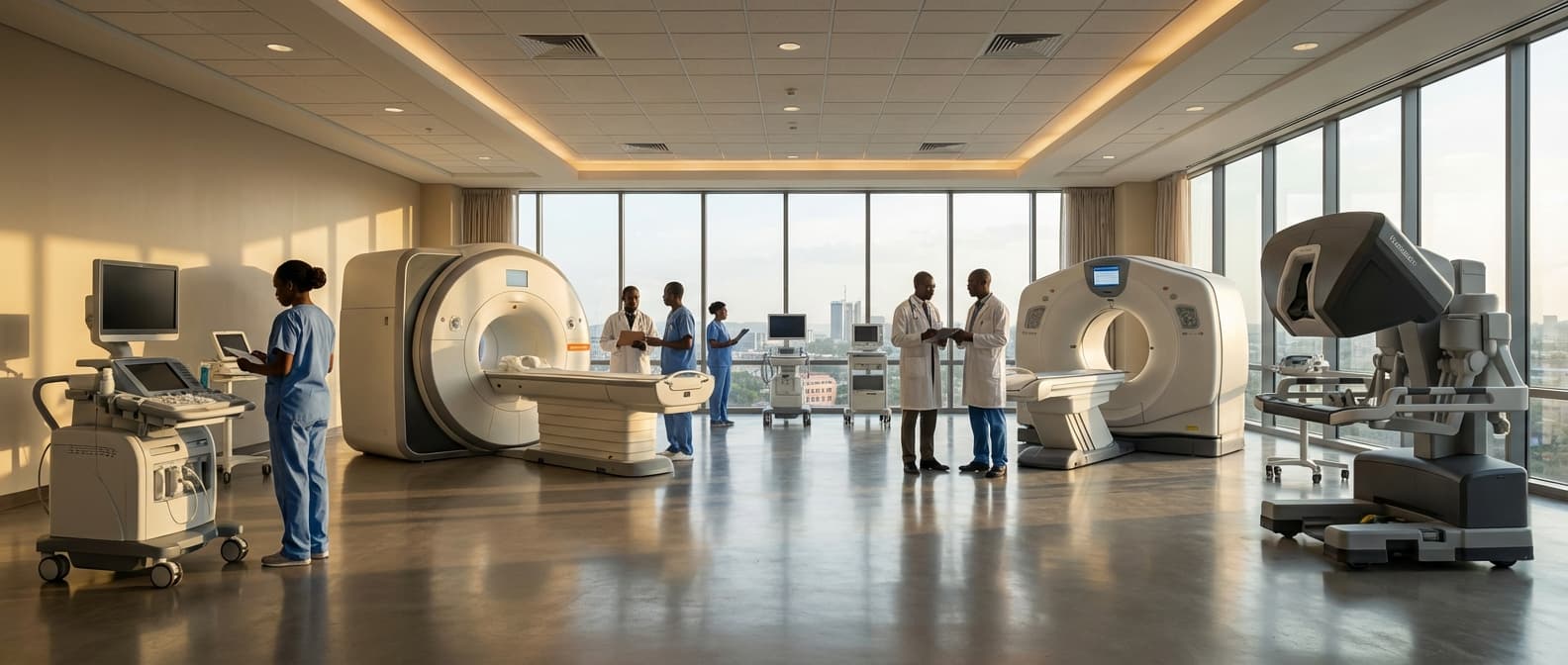
Life Support & Consumables in Somalia
Engineering Excellence & Technical Support
Reliable supply of essential medical consumables and life support equipment ensuring uninterrupted, quality patient care delivery. High-standard technical execution following OEM protocols and local regulatory frameworks.
Safe Water Access & Sanitation
Implemented scalable rainwater harvesting systems and solar-powered water purification units in arid regions, providing over 50,000 individuals with consistent access to safe drinking water and reducing waterborne disease incidence by 35%.
Essential Medical Supplies Distribution
Established a resilient cold chain logistics network for temperature-sensitive vaccines and essential medicines, ensuring reliable delivery to 150+ health facilities in remote and conflict-affected areas, averting critical shortages and improving treatment outcomes for children under five.
Nutritional Support & Food Security
Deployed community-based therapeutic feeding centers utilizing fortified supplementary foods and trained local health workers, successfully treating over 20,000 malnourished children and contributing to a 20% reduction in severe acute malnutrition rates in targeted districts.
What Is Life Support & Consumables In Somalia?
Life Support & Consumables in Somalia refers to the provision of essential goods and services required to sustain human life and operational capacity within the country. This encompasses a broad spectrum of resources, from basic necessities like food and water to specialized equipment and materials critical for healthcare, security, and humanitarian operations. The demand for these services is driven by a complex interplay of factors including ongoing conflict, recurrent natural disasters, a fragile economic infrastructure, and a widespread humanitarian crisis. The objective is to mitigate the impact of these challenges by ensuring access to critical supplies and maintaining a functional environment for vulnerable populations and operational entities.
| Service/Consumable Category | Definition | Primary Need | Typical Use Case |
|---|---|---|---|
| Food Aid | Provision of emergency food rations and nutritional supplements to alleviate immediate hunger. | Food insecurity, famine risk, displacement. | Distribution to IDP camps during drought or conflict, supplementary feeding programs for malnourished children. |
| Potable Water Supply | Ensuring access to safe and clean drinking water through boreholes, water trucking, or purification systems. | Water scarcity, contaminated water sources, outbreaks of waterborne diseases. | Supplying water to communities with destroyed infrastructure, providing clean water points in drought-affected areas. |
| Medical Supplies | Procurement and distribution of pharmaceuticals, bandages, syringes, and other essential medical consumables. | Limited healthcare infrastructure, disease outbreaks, trauma injuries. | Stocking rural health clinics, providing emergency medical kits for trauma response, supporting vaccination campaigns. |
| Emergency Shelter Materials | Provision of tents, tarpaulins, and basic building materials for temporary housing. | Displacement due to conflict or natural disasters, destruction of existing shelters. | Setting up temporary settlements for newly displaced families, providing shelter kits after flash floods. |
| Fuel for Generators | Supply of diesel or gasoline to power essential infrastructure like hospitals, communication centers, and water pumps. | Unreliable or non-existent national electricity grid, critical operational needs. | Maintaining power for operating theaters in a hospital, ensuring communication links for humanitarian coordination. |
| Hygiene Kits | Distribution of soap, sanitation products, and menstrual hygiene management items. | Poor sanitation conditions, increased risk of disease transmission, protection of vulnerable groups. | Providing hygiene kits to IDPs to prevent cholera outbreaks, supporting schools with hygiene education materials. |
Key Components and Stakeholders of Life Support & Consumables in Somalia
- Food Security: Provision of staple foods, supplementary nutrition, and emergency food aid.
- Water, Sanitation, and Hygiene (WASH): Access to safe drinking water, sanitation facilities, and hygiene promotion materials.
- Healthcare Consumables & Equipment: Medical supplies, pharmaceuticals, diagnostic tools, and basic medical infrastructure.
- Shelter & Non-Food Items (NFIs): Temporary shelter materials, blankets, cooking sets, and personal hygiene kits.
- Energy & Fuel: Power generation sources (generators, solar), fuel for transportation and essential services.
- Communication Equipment: Satellite phones, radios, and associated communication infrastructure for operational coordination.
- Security & Logistics Support: Armored vehicles, protective gear, and logistical services for personnel and asset movement.
- Humanitarian Organizations (NGOs, UN Agencies): Primary providers and distributors of life support and consumables, often operating through local partners.
- Government Agencies (Somali Federal Government, Regional Administrations): Play a role in coordination, regulation, and direct provision in some instances.
- International Donors & Governments: Fund and support the procurement and delivery of essential goods and services.
- Vulnerable Populations: Internally Displaced Persons (IDPs), refugees, food-insecure communities, and those affected by health emergencies.
- Operational Entities: Security forces, healthcare providers, international missions, and development project personnel.
Who Needs Life Support & Consumables In Somalia?
This document outlines the essential life support and consumables required in Somalia, identifying the key beneficiaries and the departments responsible for their distribution and management. The complex humanitarian landscape in Somalia necessitates a clear understanding of who requires these vital resources and how they will be delivered effectively.
| Customer Segment | Key Needs (Examples) | Responsible Departments/Organizations |
|---|---|---|
| Individuals and Communities Affected by Humanitarian Crises (e.g., drought, floods, conflict) | Clean drinking water, emergency food rations, basic shelter materials, hygiene kits, essential medicines, sanitation supplies, blankets, clothing. | Ministry of Health, Ministry of Humanitarian Affairs and Disaster Management, UN Agencies (WFP, UNICEF, UNHCR), International NGOs (e.g., Oxfam, MSF, Save the Children), Local NGOs. |
| Healthcare Facilities (Hospitals, Clinics, Health Posts) | Medical supplies (bandages, gauze, disinfectants), pharmaceuticals (antibiotics, pain relievers, antimalarials), vaccines, personal protective equipment (PPE), sterile consumables, fuel for generators, medical equipment maintenance supplies. | Ministry of Health, Regional Health Bureaus, UN Agencies (WHO, UNICEF), International NGOs (MSF, IRC, Concern Worldwide), Local Health Committees. |
| Educational Institutions (Schools, Vocational Training Centers) | School feeding programs (food items), basic stationery, learning materials, sanitation facilities and supplies, handwashing stations, first-aid kits. | Ministry of Education, Culture and Higher Education, UNICEF, World Food Programme (WFP), Local Education Cluster Partners, Community Education Committees. |
| Displaced Persons Camps (Internally Displaced Persons - IDPs) | Emergency shelter kits, hygiene kits, sanitation supplies (latrine construction materials, soap), clean water, food, blankets, cooking utensils, baby formula and care items. | Ministry of Humanitarian Affairs and Disaster Management, UNHCR, IOM, UNICEF, WFP, International and Local NGOs managing camp coordination and camp management (CCCM). |
| Vulnerable Populations (Pregnant & Lactating Mothers, Children <5, Elderly, PwDs) | Nutritious food supplements (e.g., therapeutic foods, micronutrient powders), specialized infant formula, essential medicines, hygiene products, assistive devices, mobility aids. | Ministry of Health, Ministry of Social Welfare, UNICEF, WFP, WHO, NGOs specializing in maternal and child health, elderly care, and disability support. |
| Emergency Responders and Aid Workers | Personal protective equipment (PPE), first-aid kits, emergency rations, clean water, communication equipment, fuel, vehicle maintenance supplies. | National Disaster Management Agency (NDMA), Local and International NGOs, UN Agencies, Security Forces (if involved in logistics/security). |
| Local Government and Community Leaders | Information and awareness materials on hygiene and health, basic tools for community-led initiatives, small grants for local projects, training materials. | District and Regional Administrations, Community Development Departments, Ministry of Interior and Federal Affairs, Civil Society Organizations. |
Target Customers and Departments Requiring Life Support & Consumables in Somalia
- Individuals and Communities Affected by Humanitarian Crises
- Healthcare Facilities and Personnel
- Educational Institutions
- Displaced Persons Camps
- Vulnerable Populations (e.g., pregnant and lactating mothers, children under five, elderly, persons with disabilities)
- Emergency Responders and Aid Workers
- Local Government and Community Leaders
Life Support & Consumables Process In Somalia
The Life Support & Consumables (LSC) process in Somalia is a critical and often complex workflow designed to ensure the timely and efficient delivery of essential resources to various stakeholders, including humanitarian organizations, government entities, and military units. This process typically begins with an inquiry or a formal request for LSC, which then triggers a series of steps involving procurement, logistics, distribution, and final delivery. Due to the challenging operating environment in Somalia, characterized by security concerns, limited infrastructure, and bureaucratic hurdles, the LSC process requires meticulous planning, robust coordination, and adaptive strategies to overcome these obstacles.
| Stage | Description | Key Activities | Challenges | Responsible Parties |
|---|---|---|---|---|
| The initial stage where a need for life support and consumables is identified and formally communicated. | Identifying specific needs (food, water, fuel, medical supplies, shelter materials, etc.), quantifying requirements, outlining delivery timelines and locations. | Lack of clear communication channels, urgent and unforeseen needs, inaccurate initial estimations. | Requesting Organization (e.g., NGO, UN agency, government ministry, military unit) |
| An evaluation to confirm the validity and necessity of the requested items, ensuring they align with operational requirements and existing resources. | Site visits, cross-referencing with mission plans, verifying beneficiary numbers or operational demands, confirming compatibility of requested items. | Access constraints due to security, unreliable information, duplication of requests. | Operational Unit, Program Managers, Logistics Coordinators |
| Securing the necessary financial resources and obtaining approvals for the procurement and delivery of the LSC. | Cost estimation, budget proposal submission, financial review and approval, adherence to donor guidelines or organizational financial policies. | Funding availability, budget ceilings, lengthy approval processes, currency fluctuations. | Finance Department, Budget Holders, Senior Management/Approving Authority |
| The process of acquiring the LSC, which can involve local sourcing, international procurement, or utilizing pre-existing agreements. | Developing tender documents, soliciting bids, supplier vetting, contract negotiation, placing purchase orders, quality control during manufacturing/packaging. | Limited local suppliers, international shipping delays and costs, customs clearance issues, quality assurance difficulties, corruption risks. | Procurement Department, Logistics Department, Legal Department, Local/International Suppliers |
| Developing a detailed plan for the movement of LSC from the point of origin to the final destination. | Mode of transport selection (air, sea, land), route planning, security assessments, convoy coordination, permits and clearances, tracking mechanisms. | Poor road infrastructure, security risks (roadblocks, ambushes), limited transport availability, weather disruptions, fuel availability. | Logistics Department, Security Department, Transportation Providers, Local Authorities |
| Ensuring safe and secure storage of LSC before distribution. | Identifying and securing suitable warehouses, inventory management, stock rotation (e.g., for perishables), temperature control, security measures. | Inadequate warehouse capacity, high storage costs, pilferage, spoilage due to poor conditions, security of warehouses. | Logistics Department, Warehouse Managers, Security Personnel |
| The final stage of physically delivering LSC to the end-users. | Loading and unloading, convoy management, direct delivery to sites, distribution point setup, beneficiary registration, last-mile delivery. | Security risks during delivery, access to remote locations, challenges with last-mile delivery, coordination with local communities, accountability. | Logistics Team, Distribution Teams, Security Personnel, Local Liaisons, End-Users |
| Verifying receipt of LSC and documenting the entire process for accountability and future planning. | Obtaining signed delivery receipts, conducting post-delivery checks, inventory reconciliation, financial reporting, lessons learned documentation. | Lack of consistent documentation, delayed confirmation from remote sites, data entry errors, ensuring accurate reporting for donor compliance. | Logistics Team, Finance Department, Program Managers, Monitoring & Evaluation (M&E) Team |
Life Support & Consumables Workflow in Somalia
- Inquiry/Request Generation
- Needs Assessment & Verification
- Budget Allocation & Approval
- Procurement & Sourcing
- Logistics & Transportation Planning
- Warehousing & Storage
- Distribution & Delivery
- Confirmation & Reporting
Life Support & Consumables Cost In Somalia
Life support and essential consumables in Somalia are subject to a complex interplay of factors, leading to significant price variations across regions and even within specific markets. The fragile economic and security environment, coupled with a reliance on imports, significantly influences pricing. These elements contribute to fluctuating costs for vital items necessary for survival and basic well-being. Understanding these dynamics is crucial for humanitarian organizations, aid workers, and individuals operating or residing in the country.
| Consumable Category | Unit | Estimated Price Range (SOS) | Notes |
|---|---|---|---|
| Basic Food Staples (e.g., Rice, Flour, Sugar) | 1 kg | 3,000 - 7,000 | Significant variation based on quality, origin (imported vs. local where available), and market location. Lean seasons see higher prices. |
| Cooking Oil | 1 Liter | 4,000 - 8,000 | Largely imported, price tied to international oil markets and exchange rates. |
| Water (Potable, Bottled/Bulk) | 20 Liter Jerrycan | 1,500 - 4,000 | Price varies based on source (borehole, trucked), purification, and distance from supply. Urban areas might have lower prices due to better infrastructure. |
| Basic Medicines (e.g., Paracetamol, Antimalarials) | Blister pack/Dose | 500 - 2,500 | Availability and genuine vs. counterfeit products are major concerns. Prices can be much higher in remote areas or through informal channels. |
| Sanitation Supplies (e.g., Soap) | 1 Bar (approx. 150g) | 1,000 - 2,500 | Imported and local soap available. Quality and brand influence price. |
| Fuel (Petrol/Diesel) | 1 Liter | 5,000 - 8,000 | Highly volatile, influenced by global oil prices, import costs, and local distribution. |
| Baby Formula | 400g Can | 15,000 - 30,000 | Imported, often a significant expense for families. Price depends on brand and availability. |
| Cereal-based Therapeutic Food (CSFP/RUTF) | Single Sachet (100g) | 2,000 - 5,000 | Primarily distributed by humanitarian organizations. Market purchase prices can be very high due to scarcity and specialized nature. |
Key Pricing Factors for Life Support & Consumables in Somalia
- Import Dependency: Somalia imports a vast majority of its essential goods, making prices highly susceptible to international market fluctuations, shipping costs, and exchange rates.
- Security & Logistics: Insecure routes, checkpoints, and the risk of piracy or banditry add substantial costs to transportation and distribution, especially for remote or conflict-affected areas. This directly impacts the final price of goods.
- Exchange Rates: The Somali Shilling (SOS) is subject to volatility against major currencies like the US Dollar. Fluctuations in the exchange rate directly impact the cost of imported goods.
- Market Demand & Supply: Seasonal demand (e.g., for food during lean seasons) and localized supply shortages can drive up prices considerably.
- Infrastructure: Poor road networks, lack of storage facilities, and limited access to electricity in many areas contribute to spoilage and increased handling costs, ultimately raising prices.
- Corruption & Taxation: Informal taxation along trade routes and potential corruption can inflate the cost of goods at various points of sale.
- Local Production Capacity: Limited local agricultural and manufacturing capacity means reliance on imports for most essential items.
- Warlord Control/Clan Influence: In some areas, local authorities or influential groups may impose their own levies or control trade, affecting prices.
- Fuel Prices: The cost of fuel directly impacts transportation and the operation of essential services like water pumping and electricity generation, influencing the price of many consumables.
Affordable Life Support & Consumables Options
Ensuring access to essential life support equipment and consumables is paramount, yet often comes with significant costs. This guide explores affordable options, focusing on value bundles and strategic cost-saving approaches to make these vital resources more accessible. We'll cover how smart purchasing decisions and understanding your needs can lead to substantial savings without compromising on quality or safety.
| Bundle Type | Description | Potential Savings | Considerations |
|---|---|---|---|
| Basic Oxygen Therapy Bundle | Includes oxygen concentrator, nasal cannula, tubing, and humidifier bottle. Ideal for individuals with mild to moderate respiratory needs. | 10-20% off individual component prices | Ensure concentrator flow rate and oxygen purity meet medical requirements. |
| Wound Care Essentials Pack | Combines various bandages, gauze, antiseptic wipes, and adhesive tapes. Suitable for home care or small clinics. | 15-25% off individual component prices | Verify expiration dates and sterilization of all items. Customize based on common wound types. |
| Home Health Monitoring Kit | May include blood pressure monitor, pulse oximeter, glucose meter, and test strips. For chronic condition management. | 10-15% off individual component prices | Calibration and accuracy are crucial. Look for bundled support or app integration. |
| Ventilation Support Starter Kit | For non-invasive ventilation, might bundle a CPAP/BiPAP machine with masks, tubing, and filters. For sleep apnea or certain respiratory conditions. | 5-10% off individual component prices | Requires professional prescription and fitting. Understand warranty and service plans. |
| Emergency Preparedness Kit (Life Support Focus) | A comprehensive kit with basic first-aid, emergency oxygen (if applicable and permitted), water purification, and communication devices. | Varies, but can offer convenience and a curated selection | Tailor to specific risks (e.g., natural disasters). Ensure items are stored correctly and have long shelf lives. |
Key Cost-Saving Strategies for Life Support & Consumables
- Bulk Purchasing: Buying in larger quantities often unlocks significant discounts from suppliers.
- Value Bundles: Look for bundled packages that combine essential items at a reduced overall price compared to individual purchases.
- Subscription Services: Some providers offer subscription models for regular consumable deliveries, often with preferential pricing and guaranteed availability.
- Generic or Store Brands: For certain consumables (e.g., saline solution, cleaning supplies), exploring reputable generic or store brands can offer substantial savings.
- Negotiate with Suppliers: Don't be afraid to negotiate pricing, especially for larger orders or long-term contracts.
- Compare Multiple Quotes: Always obtain quotes from several suppliers before making a purchase.
- Leasing vs. Buying: For high-cost equipment, consider leasing options which can offer lower upfront costs and include maintenance.
- Refurbished Equipment: For non-critical or training equipment, certified refurbished options can be a cost-effective alternative.
- Inventory Management: Efficient inventory management reduces waste from expired or unused items.
- Preventive Maintenance: Regular maintenance of life support equipment can prevent costly emergency repairs and extend its lifespan.
- Explore Non-Profit & Government Programs: Investigate programs that may offer subsidized equipment or consumables to eligible individuals or organizations.
- DIY & Resourcefulness (with caution): For very basic, non-medical consumables (like cleaning solutions), exploring safe and effective DIY alternatives can be an option, but never compromise on medical-grade necessities or safety standards.
Verified Providers In Somalia
In Somalia's healthcare landscape, identifying reliable and credentialed providers is paramount for ensuring quality patient care. Franance Health stands out as a leading organization with a rigorous verification process, making their network of providers a benchmark for excellence. This commitment to thorough credentialing ensures that patients receive care from highly qualified and trustworthy medical professionals, fostering confidence and improving health outcomes.
| Provider Type | Franance Health Verified Advantages | Why This Matters for Patients |
|---|---|---|
| Doctors (General & Specialists) | Rigorous verification of medical degrees, board certifications, and clinical experience. Focus on evidence-based practices and patient safety protocols. | Ensures access to competent and up-to-date medical knowledge. Reduced risk of misdiagnosis or suboptimal treatment. |
| Nurses | Verification of nursing licenses, educational backgrounds, and practical skills. Emphasis on compassionate care and adherence to nursing standards. | Guarantees skilled and attentive nursing care, crucial for recovery and well-being. Improved patient comfort and support. |
| Pharmacists | Thorough checks on pharmacy degrees, licenses, and dispensing practices. Commitment to accurate medication dispensing and patient counseling. | Reliable access to safe and correctly dispensed medications. Expert advice on drug usage and potential interactions. |
| Medical Technicians & Laboratory Staff | Verification of technical certifications and proficiency in diagnostic procedures. Strict adherence to quality control and accuracy standards. | Accurate and reliable diagnostic testing, leading to precise medical assessments and treatment plans. |
| Healthcare Facilities (Clinics & Hospitals) | Inspection of facility infrastructure, equipment, and adherence to safety and hygiene regulations. Verification of staff credentials within the facility. | Access to safe, clean, and well-equipped healthcare environments. Assurance that all personnel meet stringent standards. |
Key Elements of Franance Health's Verification Process
- Comprehensive background checks on all medical professionals.
- Verification of academic qualifications and professional licenses.
- Assessment of clinical experience and past performance records.
- Adherence to ethical standards and professional conduct guidelines.
- Ongoing monitoring and re-credentialing to maintain high standards.
Scope Of Work For Life Support & Consumables
This Scope of Work (SOW) outlines the requirements for the provision of Life Support and Consumables, detailing technical deliverables and standard specifications. The objective is to ensure the continuous availability of essential life support equipment and consumables necessary for the safe and effective operation of [Project Name/Location] for the duration of [Contract Duration].
| Category | Item Description | Technical Deliverable(s) | Standard Specification(s) | Quantity/Frequency | Acceptance Criteria |
|---|---|---|---|---|---|
| ECLSS | Oxygen Generation System | Operational Oxygen Generator Unit, Maintenance Manual | NASA-STD-3001 Vol. 1 Rev B (ISS Life Support Systems), SAE AS9003 (Aerospace Quality Systems) | 1 Unit (plus spares) | Oxygen purity > 99.5%, flow rate consistent with crew needs, system uptime > 99.9% |
| ECLSS | CO2 Removal System | Operational CO2 Scrubber Unit, Calibration Records | NASA-STD-3001 Vol. 1 Rev B, MIL-STD-810H (Environmental Engineering Considerations) | 1 Unit (plus spares) | CO2 concentration < 1% of atmosphere, operational cycle time within manufacturer specifications |
| Water Management | Water Purification Unit | Operational Water Purifier, Filter Replacement Schedule | NSF/ANSI 58 (Reverse Osmosis Drinking Water Treatment Systems), EPA Drinking Water Standards | 1 Unit (plus spares) | Water purity meeting potable standards (TDS < 500 ppm, microbial count < 1 CFU/mL) |
| Water Management | Potable Water | Delivered potable water tanks, Certificate of Analysis (CoA) | WHO Guidelines for Drinking-water Quality, Local Health Regulations | As required, monthly CoAs | Water meets all specified quality parameters, no visible contaminants |
| Atmosphere Management | Air Filtration Units (HEPA) | HEPA Filter Cartridges, Performance Test Reports | ASHRAE 52.2 (Method of Testing General Ventilation Air-Cleaning Devices for Particulate Removal Efficiency), ISO 16890 | 50 Units | Minimum efficiency rating of MERV 17 or equivalent, particle count reduction > 99.97% for 0.3 micron particles |
| Waste Management | Waste Receptacles (Sealed) | Durable, sealed waste containers with liners | MIL-STD-810H (Durability and Sealing), Material Safety Data Sheets (MSDS) for liners | 100 Units | Leak-proof, resistant to biodegradation, easy to handle and transport |
| Food & Nutrition | Shelf-Stable Food Supplies | Individually packaged meals, Nutrition Labels | FDA Food Safety Modernization Act (FSMA), USDA Nutritional Labeling Regulations | As per dietary requirements, updated quarterly | Expiration dates > 12 months from delivery, complete nutritional information provided |
| Medical Supplies | First Aid Kits | Comprehensive, pre-stocked first aid kits | ANSI/ISEA Z308.1-2015 (Minimum Requirements for Workplace First Aid Kits and Supplies), Manufacturer's Specifications | 10 Units | All contents within expiration dates, kit contents match approved list |
| PPE | Respirators (N95) | Individually packaged N95 respirators | NIOSH Approved Respirator Standards, ASTM F2100 (Standard Specification for Performance of Materials Used in Medical Face Coverings) | 500 Units | NIOSH approval markings present, proper seal and fit test compliance |
| Emergency Supplies | Emergency Water Rations | Sealed, long-shelf-life emergency water pouches | US Coast Guard approved standards for survival craft rations, FDA for food packaging | 100 Units | Shelf-life > 5 years, tamper-evident packaging |
Key Areas of Life Support & Consumables
- Environmental Control and Life Support Systems (ECLSS)
- Water Management Systems
- Atmosphere Management Systems
- Waste Management Systems
- Food and Nutritional Supplies
- Medical Supplies and Equipment
- Personal Protective Equipment (PPE)
- Emergency and Survival Supplies
Service Level Agreement For Life Support & Consumables
This Service Level Agreement (SLA) outlines the guaranteed response times and uptime for Life Support & Consumables services provided by [Provider Name] to [Customer Name]. This SLA is an addendum to the Master Service Agreement (MSA) between the parties.
| Service Component | Uptime Guarantee (Monthly) | Response Time (Emergency) | Response Time (Non-Emergency Support) |
|---|---|---|---|
| Life Support System Core Functionality (e.g., Ventilation, Monitoring) | 99.9% | 15 minutes | 4 business hours |
| Consumables Inventory Management System | 99.5% | 1 hour | 8 business hours |
| Critical Consumables Delivery (Emergency) | N/A (Covered by separate delivery SLA) | As per agreed delivery SLA (e.g., within 2 hours) | N/A |
| Support for Non-Critical System Issues | 99.0% | N/A | 1 business day |
Definitions
- Availability: The percentage of time the Life Support & Consumables service is operational and accessible to the Customer.
- Downtime: The period during which the Life Support & Consumables service is unavailable or significantly impaired, preventing the Customer from accessing critical functionalities.
- Emergency: A critical failure or malfunction of the Life Support & Consumables system that poses an immediate threat to patient safety or significant operational disruption.
- Routine Maintenance: Scheduled downtime for system updates, patches, or preventive maintenance. This will be communicated in advance.
- Service Credit: A monetary credit applied to the Customer's account as compensation for failing to meet the guaranteed uptime or response times.
- Uptime Guarantee: The minimum percentage of time the Life Support & Consumables service is expected to be available over a defined period.
Frequently Asked Questions

Ready when you are
Let's scope your Life Support & Consumables in Somalia project in Somalia.

Scaling healthcare logistics and technical systems across the entire continent.