
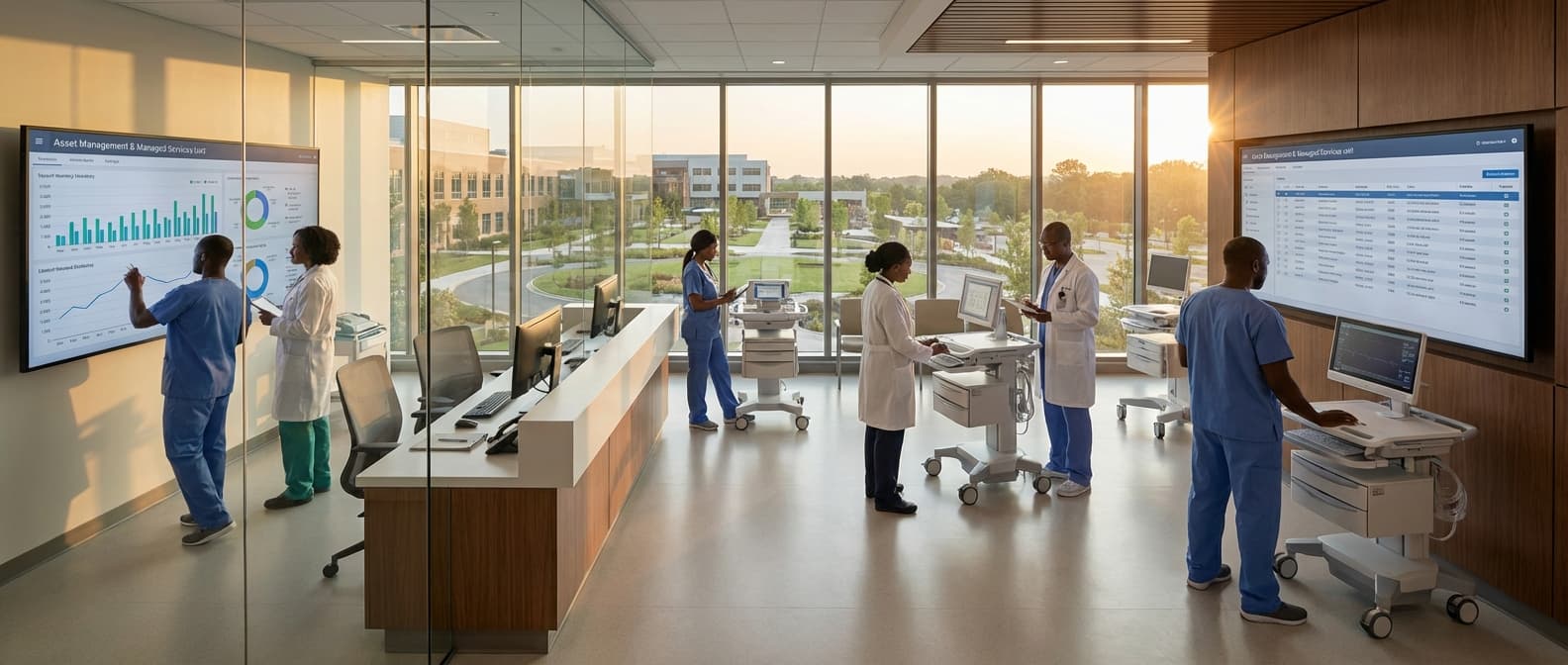
Equipment Fleet Standardization Consulting Service in Somalia
Engineering Excellence & Technical Support
Equipment Fleet Standardization Consulting Service High-standard technical execution following OEM protocols and local regulatory frameworks.
Optimized Fleet Uptime & Reduced Downtime
Leverage our standardized equipment approach to minimize unexpected breakdowns and maintenance costs in challenging Somali operating environments. We focus on selecting reliable, readily serviceable assets and implementing proactive maintenance schedules, ensuring maximum operational availability for your critical projects.
Enhanced Operational Efficiency & Cost Savings
Standardizing your equipment fleet unlocks significant operational efficiencies and cost reductions. By consolidating parts inventories, streamlining training, and negotiating bulk purchasing power, we help you achieve lower per-hour operational costs and predictable budgeting across your Somali assets.
Improved Safety & Regulatory Compliance
Our standardization strategy prioritizes safety and adherence to international operational standards. We guide you in selecting equipment that meets stringent safety regulations, facilitating easier driver/operator training and ensuring your fleet operates responsibly and compliantly within Somalia's evolving infrastructure landscape.
What Is Equipment Fleet Standardization Consulting Service In Somalia?
Equipment Fleet Standardization Consulting Service in Somalia refers to specialized advisory assistance aimed at optimizing the selection, acquisition, utilization, maintenance, and disposal of an organization's operational machinery and vehicles. This service focuses on establishing consistent makes, models, and specifications for a fleet, thereby streamlining logistical, operational, and financial management processes within the Somali context. It involves in-depth analysis of current fleet composition, operational requirements, resource availability, and environmental factors unique to Somalia. The core objective is to enhance efficiency, reduce costs, improve reliability, and ensure adherence to safety and operational standards through the implementation of a unified fleet strategy.
| Service Recipient Profile | Needs Addressed | Typical Use Cases |
|---|---|---|
| Government Agencies (e.g., Ministries of Public Works, Health, Agriculture) | Improving efficiency and cost-effectiveness of public service delivery; ensuring interoperability of equipment for national projects; reducing maintenance overheads; enhancing asset management. | Standardizing vehicles for emergency services (ambulances, fire trucks); unifying construction equipment for infrastructure development; standardizing agricultural machinery for food security initiatives; procuring standardized logistical support vehicles for disaster relief operations. |
| International Non-Governmental Organizations (INGOs) and Humanitarian Agencies | Ensuring operational continuity and reliability in challenging environments; facilitating coordinated logistics and supply chain management; reducing procurement complexity; improving safety and maintenance support for field operations. | Standardizing transport fleets for aid distribution; unifying generators and water purification equipment for remote bases; standardizing vehicles for mobile clinics and educational outreach programs; equipping logistics hubs with standardized material handling equipment. |
| Private Sector Enterprises (e.g., Construction, Mining, Logistics, Telecommunications) | Optimizing operational expenditure (OPEX) and capital expenditure (CAPEX); enhancing asset utilization and uptime; simplifying spare parts inventory and maintenance; improving resale value of assets; ensuring compliance with industry standards. | Standardizing heavy machinery (excavators, bulldozers) for large-scale construction projects; unifying drilling rigs and exploration vehicles for the mining sector; standardizing delivery trucks and forklifts for logistics companies; standardizing vehicles and specialized equipment for telecommunications infrastructure deployment. |
| Local Municipalities and Regional Administrations | Improving service delivery at local levels; reducing operational costs for municipal services; ensuring efficient deployment of resources; enhancing inter-agency coordination. | Standardizing waste management vehicles (garbage trucks); unifying road maintenance equipment; standardizing public transport vehicles; equipping local police and emergency response units with standardized vehicles. |
Key Components of Equipment Fleet Standardization Consulting Service in Somalia
- Fleet inventory and audit: Comprehensive assessment of existing equipment, including age, condition, usage, and maintenance history.
- Needs assessment and gap analysis: Identification of current and future operational requirements and any discrepancies in fleet capabilities.
- Standardization strategy development: Formulation of criteria for selecting standardized equipment based on performance, durability, local availability of parts and technical support, and cost-effectiveness.
- Procurement process optimization: Guidance on efficient and transparent acquisition of standardized equipment, including tender management and vendor selection.
- Maintenance and repair program enhancement: Development of standardized maintenance schedules, training for local technicians, and establishment of parts inventory management systems.
- Training and capacity building: Provision of training for operators and maintenance personnel on standardized equipment and best practices.
- Technology integration: Assessment and recommendation of relevant fleet management software and telematics for enhanced monitoring and control.
- Disposal and lifecycle management: Development of strategies for responsible and cost-effective disposal of obsolete or end-of-life equipment.
- Risk assessment and mitigation: Identification of potential risks associated with fleet operations in Somalia (e.g., security, infrastructure limitations) and development of mitigation strategies.
Who Needs Equipment Fleet Standardization Consulting Service In Somalia?
Organizations operating or planning to operate in Somalia, particularly those with significant logistical and operational needs, stand to benefit immensely from equipment fleet standardization consulting services. Standardization offers numerous advantages, including reduced maintenance costs, improved operational efficiency, enhanced safety, simplified training, and optimized spare parts management. In a challenging environment like Somalia, where reliable infrastructure and skilled technical support can be scarce, a standardized fleet becomes a critical asset for predictable and effective operations.
| Target Customer Group | Key Departments/Functions Benefiting | Specific Needs Addressed by Standardization |
|---|---|---|
| Government Agencies & Ministries | Public Works, Infrastructure Development, Logistics, Security Forces, Disaster Management | Streamlined procurement, reduced maintenance burden on limited technical resources, improved interoperability for joint operations, cost savings in spare parts and training for large fleets. |
| International NGOs & Aid Organizations | Logistics, Operations, Fleet Management, Program Delivery | Enhanced reliability of vehicles for reaching remote areas, simplified maintenance and repair in challenging conditions, cost-effective management of diverse fleets, improved driver training and safety protocols. |
| Logistics & Transportation Companies | Fleet Operations, Maintenance & Repair, Procurement, Supply Chain Management | Optimized vehicle uptime, reduced operational costs, easier access to common spare parts, improved fuel efficiency, enhanced driver productivity through familiarity with equipment. |
| Mining, Oil & Gas Companies | Operations, Maintenance, Procurement, Health & Safety, Logistics | Increased equipment reliability in harsh environments, reduced downtime for critical extraction and transport operations, simplified safety training for operators, efficient management of specialized equipment fleets. |
| Construction & Infrastructure Development Firms | Project Management, Site Operations, Fleet Maintenance, Procurement | Ensured availability of essential construction machinery, reduced repair times for specialized equipment, efficient management of diverse construction vehicles, cost-effective acquisition and maintenance of heavy machinery. |
| Security & Private Military Companies | Operations, Logistics, Vehicle Maintenance, Training, Procurement | Guaranteed operational readiness of vehicles, simplified maintenance and repair procedures, improved driver and operator proficiency, enhanced interoperability for rapid deployment and support. |
| Agricultural & Food Production Businesses | Farm Operations, Logistics, Equipment Maintenance, Procurement | Improved efficiency of agricultural machinery, reduced downtime during critical planting and harvesting seasons, simplified maintenance and repair for farming equipment, optimized fuel consumption. |
| Telecommunications Companies | Field Operations, Network Maintenance, Logistics, Procurement | Ensured uptime of vehicles for network deployment and repair, simplified maintenance of specialized vehicles, improved technician training and productivity, efficient management of fleet for widespread coverage. |
| Peacekeeping Missions | Logistics, Operations, Maintenance, Training, Procurement | Enhanced operational mobility and flexibility, reduced logistical burden and cost, improved interoperability between different contingents, streamlined spare parts management and maintenance for diverse vehicles. |
Target Customers & Departments for Equipment Fleet Standardization Consulting in Somalia
- Government Agencies & Ministries: Entities responsible for infrastructure development, public works, security, disaster relief, and resource management.
- International NGOs & Aid Organizations: Groups delivering humanitarian assistance, development programs, healthcare, and emergency response.
- Logistics & Transportation Companies: Businesses involved in the movement of goods and personnel within Somalia, including import/export and last-mile delivery.
- Mining, Oil & Gas Companies: Organizations involved in resource extraction and exploration, requiring robust and specialized fleet management.
- Construction & Infrastructure Development Firms: Companies undertaking large-scale building projects, roads, and other critical infrastructure.
- Security & Private Military Companies: Organizations providing security services and requiring reliable transportation and operational equipment.
- Agricultural & Food Production Businesses: Companies involved in large-scale farming, food processing, and distribution, needing specialized agricultural machinery.
- Telecommunications Companies: Providers of communication infrastructure and services, requiring fleet for installation, maintenance, and support.
- Peacekeeping Missions: International forces and support staff requiring diverse fleets for operational mobility and logistics.
Equipment Fleet Standardization Consulting Service Process In Somalia
This document outlines the standard workflow for our Equipment Fleet Standardization Consulting Service in Somalia, guiding clients from their initial inquiry through the successful execution of the project. Our process is designed to be thorough, collaborative, and tailored to the unique operational context of businesses in Somalia.
| Phase | Description | Key Activities | Deliverables | Typical Duration (Somalia Context) |
|---|---|---|---|---|
| Understanding the client's basic needs and objectives regarding fleet standardization. | Initial contact, discussion of challenges, overview of our services, preliminary information gathering. | Understanding of client's pain points, confirmation of service scope, preliminary engagement. | 1-3 Business Days |
| Deep dive into the client's current fleet, operational requirements, and standardization goals. | Site visits (if feasible), interviews with key personnel, review of existing fleet data (maintenance records, usage patterns, costs, age), identification of critical operational areas. | Detailed fleet inventory, operational workflow mapping, identification of standardization opportunities, benchmark data. | 1-3 Weeks |
| Analyzing the gathered data to identify inefficiencies, redundancies, and optimal standardization strategies. | Comparative analysis of different equipment types and brands, cost-benefit analysis of standardization options, assessment of spare parts availability and local support infrastructure, development of standardized fleet models. | Gap analysis report, prioritized standardization recommendations, proposed standardized equipment list, projected cost savings and efficiency gains. | 2-4 Weeks |
| Presenting the comprehensive recommendations and securing a formal agreement to proceed. | Presentation of findings and recommendations, detailed project proposal (scope, timeline, budget, KPIs), negotiation, contract finalization. | Approved project proposal and signed consulting agreement. | 1-2 Weeks |
| Developing a detailed roadmap for executing the standardization recommendations. | Creation of a phased implementation plan, procurement strategy development, vendor selection criteria, risk mitigation strategies, change management plan. | Detailed implementation roadmap, procurement guidelines, change management strategy, risk assessment matrix. | 1-2 Weeks |
| Implementing the approved standardization plan, including procurement, disposal, and integration. | Facilitating procurement of new standardized equipment, managing disposal of non-standardized assets, overseeing integration into operations, establishing maintenance protocols. | New standardized equipment deployed, old equipment phased out, operational integration complete, initial maintenance logs. | Varies significantly based on fleet size and complexity (e.g., 3-12+ Months) |
| Ensuring client personnel are equipped to manage and operate the standardized fleet effectively. | Development and delivery of training programs for operators and maintenance staff on new equipment, training on new inventory and maintenance management systems. | Trained personnel, training materials, knowledge transfer documentation. | Ongoing throughout execution, with a concentrated period of 1-4 Weeks |
| Tracking the performance of the standardized fleet and providing ongoing support. | Regular performance monitoring against KPIs, post-implementation review meetings, troubleshooting support, refinement of processes as needed. | Performance reports, post-implementation review summary, ongoing advisory support. | Ongoing (initial 3-6 Months of intensive monitoring, then periodic review) |
Equipment Fleet Standardization Consulting Service Process
- Inquiry & Initial Consultation
- Needs Assessment & Data Gathering
- Analysis & Recommendation Development
- Proposal & Agreement
- Implementation Planning
- Execution & Standardization
- Training & Knowledge Transfer
- Monitoring & Post-Implementation Support
Equipment Fleet Standardization Consulting Service Cost In Somalia
Consulting services for equipment fleet standardization in Somalia are a niche but increasingly important offering, driven by the need for operational efficiency, reduced maintenance costs, and improved asset management in various sectors like logistics, construction, and humanitarian aid. The cost of such services is influenced by several key factors, leading to a variable price range. Understanding these factors is crucial for organizations seeking to implement or optimize their fleet standardization strategies. Factors affecting cost include the complexity of the existing fleet, the scope of the standardization project (e.g., from initial assessment to full implementation and ongoing management), the experience and reputation of the consulting firm, the duration of the engagement, and the specific geographical locations within Somalia where the fleet operates, which can impact logistical and travel expenses. The level of detail required in the analysis, such as detailed TCO (Total Cost of Ownership) analysis, vendor negotiations, and training programs, will also significantly influence the overall cost.
| Service Component/Scope | Estimated Price Range (USD) | Estimated Price Range (Somali Shilling - SOS - Approximate Conversion) |
|---|---|---|
| Initial Fleet Assessment & Strategy Development (Short-term engagement, limited scope) | $2,000 - $7,000 | 116,000,000 - 406,000,000 SOS |
| Comprehensive Fleet Standardization Analysis (Mid-term engagement, detailed TCO, vendor evaluation) | $8,000 - $25,000 | 464,000,000 - 1,450,000,000 SOS |
| Full Implementation & Change Management (Long-term engagement, including training, policy development) | $30,000 - $75,000+ | 1,740,000,000 - 4,350,000,000+ SOS |
| Hourly Consulting Rate (for specific tasks or short-term advice) | $75 - $200 per hour | 4,350,000 - 11,600,000 SOS per hour |
| Travel & Accommodation Expenses (per consultant, per trip to Somalia) | $1,500 - $5,000+ | 87,000,000 - 290,000,000+ SOS |
Key Pricing Factors for Equipment Fleet Standardization Consulting in Somalia:
- Fleet Size and Diversity: A larger and more varied fleet requires more extensive analysis and a longer engagement.
- Complexity of Existing Fleet: The number of different equipment types, brands, ages, and operational histories impacts the consulting effort.
- Scope of Services: This can range from a high-level assessment to detailed implementation, vendor management, and training.
- Consultant's Expertise and Reputation: Highly experienced and reputable consultants will command higher fees.
- Duration of Engagement: The longer the project, the higher the overall cost.
- Geographical Reach: Operations across multiple remote or challenging locations in Somalia will increase travel and logistical expenses.
- Data Availability and Quality: Poor quality or inaccessible fleet data will require more effort from consultants for collection and analysis.
- Specific Industry Requirements: Different industries (e.g., oil & gas, construction, humanitarian) have unique operational and regulatory needs.
- Deliverables Required: The nature and depth of reports, recommendations, and implementation plans influence cost.
- Need for Specialized Software/Tools: If specialized fleet management software is to be assessed or implemented, it adds to the cost.
Affordable Equipment Fleet Standardization Consulting Service Options
Our Affordable Equipment Fleet Standardization Consulting Service helps businesses optimize their equipment acquisition, maintenance, and operational costs through strategic standardization. We offer flexible value bundles designed to meet diverse needs and budgets, ensuring maximum return on investment. By identifying opportunities for commonality in equipment types, manufacturers, and parts, we drive significant cost savings across your fleet lifecycle.
| Value Bundle Tier | Service Scope | Deliverables | Target Business Size | Estimated Investment Range |
|---|---|---|---|---|
| Bronze - Foundation Standardization | Initial fleet assessment, identification of common equipment categories, basic standardization recommendations. | Fleet Audit Report, Recommended Equipment Categories List, Preliminary Cost-Saving Analysis. | Small to Medium Businesses (SMBs) with < 50 pieces of equipment. | $1,500 - $3,500 |
| Silver - Strategic Standardization | In-depth fleet analysis, identification of specific manufacturers and models for standardization, parts inventory optimization, initial vendor negotiation strategy. | Comprehensive Fleet Standardization Plan, Optimized Parts List, Vendor Negotiation Framework, Detailed ROI Projection. | Medium to Large Businesses with 50-200 pieces of equipment. | $4,000 - $8,000 |
| Gold - Integrated Fleet Management | Full fleet lifecycle analysis (acquisition to disposal), advanced standardization of specialized equipment, training program development, complete vendor contract review and negotiation, ongoing performance monitoring strategy. | Holistic Fleet Standardization Strategy, Customized Training Manuals, Negotiated Vendor Agreements, Implementation Roadmap, Performance Dashboard Framework. | Large Businesses with > 200 pieces of equipment, or complex fleet needs. | $9,000 - $15,000+ |
| Custom - Bespoke Solutions | Tailored to unique fleet challenges and specific industry requirements. Can include any combination of services from other tiers. | Customized Deliverables based on client needs. | All Business Sizes with unique requirements. | Quoted per project |
Key Benefits of Fleet Standardization:
- Reduced acquisition costs through bulk purchasing and negotiating power.
- Lower maintenance and repair expenses due to simplified parts inventory and technician training.
- Improved operational efficiency with common interfaces, controls, and operator training.
- Enhanced resale value of standardized equipment.
- Streamlined fleet management and reporting.
- Minimized downtime through readily available common parts and specialized technician expertise.
Verified Providers In Somalia
In Somalia's complex healthcare landscape, identifying and trusting healthcare providers is paramount for ensuring quality care and positive health outcomes. Verified providers offer a crucial layer of assurance, and Franance Health stands out as a leading example. This document outlines the credentials that make Franance Health a superior choice for individuals and organizations seeking reliable healthcare services in Somalia.
| Credential Category | Franance Health Verification Standard | Significance for Patients |
|---|---|---|
| Professional Licenses and Registrations | Up-to-date and valid with relevant Somali medical councils and boards. | Ensures providers are legally authorized to practice and meet minimum professional standards. |
| Educational Qualifications | Verification of degrees, diplomas, and postgraduate training from recognized institutions. | Confirms that healthcare professionals have received appropriate and up-to-date training in their respective fields. |
| Clinical Experience and Track Record | Assessment of years of practice, areas of specialization, and documented case management history. | Provides confidence in the provider's practical skills and ability to handle a range of medical conditions. |
| Accreditation of Facilities | Recognition by national health authorities or relevant international accreditation bodies (where applicable). | Indicates that healthcare facilities meet established standards for safety, hygiene, equipment, and operational efficiency. |
| Continuing Professional Development (CPD) | Evidence of participation in ongoing training, workshops, and conferences. | Demonstrates a commitment to staying abreast of the latest medical advancements and best practices. |
| Malpractice and Disciplinary Records | Thorough checks for any history of malpractice claims or disciplinary actions. | Safeguards patients against providers with a history of poor performance or unethical conduct. |
| Insurance Coverage | Verification of adequate professional indemnity insurance. | Offers financial protection for patients in the unlikely event of medical negligence. |
| Patient Safety Protocols | Assessment of adherence to infection control, medication management, and patient identification procedures. | Ensures a safe healthcare environment and minimizes risks during treatment. |
Why Franance Health is the Best Choice for Verified Providers in Somalia
- Rigorous Verification Process: Franance Health implements a multi-stage verification process for all its affiliated healthcare professionals and facilities. This goes beyond basic licensing, encompassing thorough background checks, verification of qualifications and experience, and ongoing performance monitoring.
- Accreditation and Certifications: We partner with and endorse providers who hold recognized national and international accreditations and certifications. This demonstrates adherence to stringent quality standards and best practices in healthcare delivery.
- Specialized Expertise: Franance Health curates a network of providers with diverse specializations. Whether you require general medical care, surgical interventions, maternal health services, or specialized treatments, our verified network ensures access to qualified experts.
- Commitment to Ethical Practices: Our verification extends to assessing ethical conduct and patient-centric approaches. We prioritize providers who demonstrate integrity, transparency, and a deep commitment to patient well-being.
- Technology Integration and Modern Facilities: Franance Health champions providers who embrace modern medical technology and maintain well-equipped facilities. This ensures access to advanced diagnostic tools and effective treatment modalities.
- Patient Testimonials and Feedback: We actively collect and consider patient feedback as part of our ongoing verification. Positive testimonials and a strong track record of patient satisfaction are key indicators of a trusted provider.
- Regulatory Compliance: All Franance Health verified providers are meticulously checked for adherence to all relevant Somali healthcare regulations and international standards.
- Cultural Competence and Accessibility: We understand the importance of cultural sensitivity and accessible healthcare. Our network includes providers who are adept at serving the diverse communities within Somalia.
- Emergency Preparedness: Verified Franance Health partners are evaluated for their preparedness in handling medical emergencies, ensuring swift and effective response when it matters most.
Scope Of Work For Equipment Fleet Standardization Consulting Service
This Scope of Work (SOW) outlines the consulting services to be provided by [Consulting Firm Name] for the standardization of [Client Company Name]'s equipment fleet. The project aims to reduce operational costs, improve maintenance efficiency, enhance safety, and simplify training through the selection and implementation of a standardized equipment portfolio. This SOW details the objectives, deliverables, responsibilities, timeline, and reporting structure for this engagement.
| Deliverable | Description | Timeline (Weeks from Project Start) | Responsible Party |
|---|---|---|---|
| Project Kick-off Meeting & Current State Analysis Report | Review of existing fleet inventory, usage patterns, maintenance records, operational costs, and pain points. Includes initial stakeholder interviews. | 1-2 | [Consulting Firm Name] |
| Standardized Equipment Categories & Preliminary Selection | Definition of essential equipment categories and initial identification of potential standardized models and manufacturers. | 3-4 | [Consulting Firm Name] |
| Development of Standard Specifications for Each Equipment Type | Detailed technical specifications for each standardized equipment model, including performance, safety, environmental, and maintenance requirements. See detailed specifications section below. | 5-8 | [Consulting Firm Name] |
| Final Equipment Portfolio & Manufacturer Recommendations | Presentation of the finalized list of standardized equipment models and recommended manufacturers, with supporting justification based on total cost of ownership (TCO) analysis and risk assessment. | 9-10 | [Consulting Firm Name] |
| Phased Implementation & Transition Plan | A strategic plan for retiring existing non-standardized equipment and acquiring standardized equipment, including procurement strategies, timeline, and resource allocation. | 11-12 | [Consulting Firm Name] |
| Training Needs Assessment & Recommendations | Identification of training requirements for operators and maintenance technicians related to the new standardized equipment. | 13 | [Consulting Firm Name] |
| KPI Framework for Fleet Standardization Success | Definition of measurable KPIs to track the impact of fleet standardization on operational efficiency, cost reduction, and safety. | 14 | [Consulting Firm Name] |
| Final Project Report & Presentation | Comprehensive report summarizing findings, recommendations, implementation plan, and expected benefits. Includes a presentation to key stakeholders. | 15-16 | [Consulting Firm Name] |
Standard Specifications (Example Template)
- {"item":"Equipment Type: [e.g., Compact Wheel Loader]","subItems":["Engine: EPA Tier [e.g., 4 Final] emissions compliant, minimum [e.g., 70] HP, diesel.","Transmission: Automatic with [e.g., 4] forward and [e.g., 4] reverse gears.","Operating Capacity: Minimum [e.g., 2,000] lbs.","Bucket Size: Minimum [e.g., 0.8] cubic yards.","Tires: Pneumatic, [e.g., 12.5/80-18] industrial tread.","Hydraulics: Open-center, [e.g., 17] GPM flow rate.","Safety Features: ROPS/FOPS certified cab, backup alarm, seatbelt, hydraulic lockout.","Maintenance: Easily accessible service points, diagnostic ports, recommended lubrication intervals.","Optional Features: Auxiliary hydraulics, quick coupler, road lighting package."]}
- {"item":"Equipment Type: [e.g., Electric Pallet Jack]","subItems":["Power: 24V AC drive motor.","Battery: [e.g., 24V, 200Ah] deep cycle lead-acid or optional lithium-ion.","Lift Capacity: Minimum [e.g., 6,000] lbs.","Lift Height: Minimum [e.g., 8] inches.","Fork Length: [e.g., 48] inches.","Control Handle: Ergonomic design with deadman control.","Safety Features: Belly button reverse, horn, automatic braking.","Maintenance: Sealed components, diagnostic indicators."]}
Service Level Agreement For Equipment Fleet Standardization Consulting Service
This Service Level Agreement (SLA) outlines the guaranteed response times and uptime for the Equipment Fleet Standardization Consulting Service. This SLA applies to all services delivered by [Consulting Company Name] to [Client Name] for the duration of the contract, commencing on [Start Date] and ending on [End Date].
| Service Component | Response Time Guarantee | Uptime Guarantee (for provided digital tools/platforms) |
|---|---|---|
| Urgent Inquiry (Critical operational issue impacting fleet) | Within 2 business hours | N/A |
| Standard Inquiry (Request for information, clarification, or minor revision) | Within 24 business hours | N/A |
| Scheduled Consultative Call/Meeting | Confirmed within 48 business hours of request | N/A |
| Delivery of Deliverables (e.g., reports, strategy documents) | As per project timeline, with proactive notification of any delays | N/A |
| Provided Digital Tools/Platforms (e.g., collaboration portal, data analysis dashboards) | N/A | 99.5% Availability (excluding scheduled maintenance) |
Scope of Services Covered
- Initial Fleet Assessment and Analysis
- Development of Standardization Strategy and Roadmap
- Equipment Specification Definition
- Vendor Selection Support
- Implementation Planning and Guidance
- Post-Implementation Review and Optimization
- Regular Consultative Support Calls/Meetings
Frequently Asked Questions

Ready when you are
Let's scope your Equipment Fleet Standardization Consulting Service in Somalia project in Somalia.

Scaling healthcare logistics and technical systems across the entire continent.