
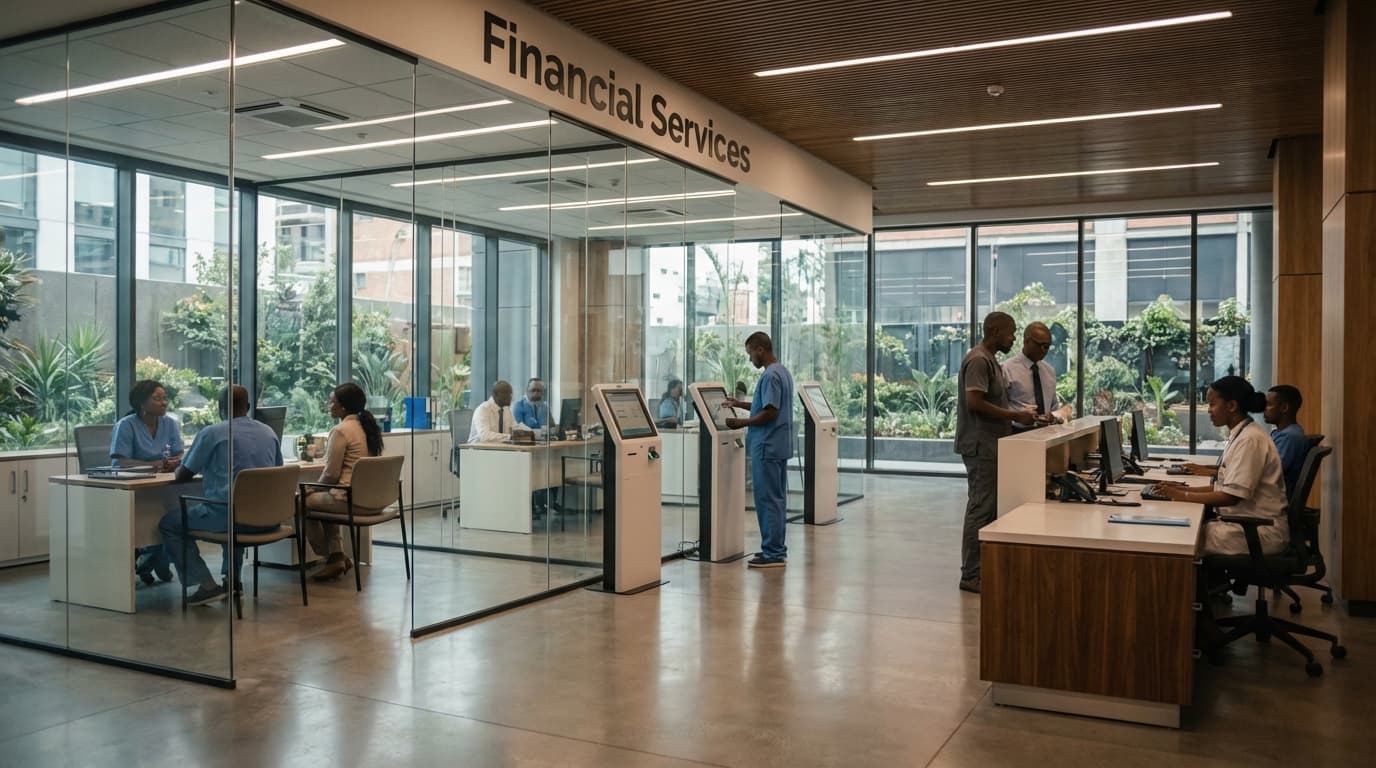
Medical Equipment Financing in Sierra Leone
Engineering Excellence & Technical Support
Leasing and financing solutions for medical equipment High-standard technical execution following OEM protocols and local regulatory frameworks.
Accelerated Healthcare Infrastructure Growth
Our specialized financing solutions are designed to rapidly equip clinics and hospitals across Sierra Leone with critical medical equipment. By streamlining the procurement process, we enable faster deployment of life-saving technologies, directly addressing the nation's healthcare infrastructure needs and improving patient outcomes.
Flexible and Tailored Financial Instruments
We understand the unique challenges and opportunities within Sierra Leone's healthcare sector. Our financing options include flexible loan terms, operating leases, and vendor financing programs, all meticulously structured to align with the cash flow cycles and budgetary constraints of healthcare providers, ensuring sustainable access to essential medical tools.
Risk Mitigation and Sustainable Partnerships
We offer comprehensive risk assessment and mitigation strategies for medical equipment financing in Sierra Leone. By partnering with reputable manufacturers and implementing robust due diligence, we ensure the reliability and longevity of financed equipment, fostering long-term sustainability for healthcare institutions and building trust in the medical financing ecosystem.
What Is Medical Equipment Financing In Sierra Leone?
Medical Equipment Financing in Sierra Leone refers to the provision of capital, typically through loans or leasing agreements, to healthcare facilities for the acquisition of medical devices and technology. This financial service is designed to alleviate the upfront capital expenditure barrier that often prevents healthcare providers from procuring essential, advanced, or specialized medical equipment.
| Who Needs It? | Typical Use Cases |
|---|---|
| Hospitals (Public and Private): Particularly those seeking to upgrade outdated equipment, expand service offerings, or meet growing patient demand. | Diagnostic Centers and Clinics: Requiring specialized imaging (X-ray, ultrasound, CT scanners), laboratory analysis equipment, and specialized examination tools. |
| Maternity and Pediatric Units: Needing incubators, neonatal ventilators, fetal monitors, and specialized pediatric surgical instruments. | Surgical Suites: Requiring anesthesia machines, surgical lights, electrosurgical units, and advanced surgical instrument sets. |
| Rehabilitation Centers: Seeking physical therapy equipment, electrotherapy devices, and assistive technologies. | Research and Training Institutions: Requiring sophisticated laboratory equipment, simulation tools, and advanced diagnostic devices for academic purposes. |
| Non-Governmental Organizations (NGOs) and International Aid Agencies: Funding the establishment or enhancement of healthcare infrastructure in underserved regions. | Primary Healthcare Facilities: Needing essential diagnostic tools like blood pressure monitors, stethoscopes, basic laboratory kits, and portable ultrasound devices. |
Key Aspects of Medical Equipment Financing
- Financing Instruments: Includes term loans, operating leases, and finance leases, each with distinct ownership, depreciation, and cash flow implications.
- Eligibility Criteria: Healthcare facilities must demonstrate financial viability, a sound business plan, and often collateral or guarantees.
- Equipment Types: Covers a broad spectrum from basic diagnostic tools to sophisticated imaging systems, surgical instruments, laboratory equipment, and patient monitoring devices.
- Repayment Structures: Often structured to align with the anticipated revenue generation from the financed equipment, with options for fixed or variable payments.
- Risk Mitigation: Lenders and lessors typically assess the equipment's residual value, the provider's operational capacity, and market demand for the services it enables.
Who Needs Medical Equipment Financing In Sierra Leone?
Medical equipment financing in Sierra Leone is crucial for a variety of stakeholders striving to improve healthcare access and quality. The demand stems from the critical need to upgrade aging infrastructure, acquire advanced diagnostic and treatment tools, and ensure the availability of life-saving medical devices across the nation. Without adequate financial solutions, many healthcare providers are forced to operate with outdated or insufficient equipment, hindering their ability to deliver comprehensive care and respond effectively to public health emergencies. This financing gap impacts both public and private healthcare sectors, as well as educational institutions training future medical professionals.
| Customer Type | Key Departments/Needs | Impact of Financing |
|---|---|---|
| Government Hospitals & Clinics | Emergency Rooms, Operating Theaters, Maternity Wards, Diagnostic Imaging (X-ray, Ultrasound), Laboratories, General Wards, Pharmacy | Upgrading critical infrastructure, expanding service capacity, improving patient outcomes, reducing referral rates, enhancing public health response. |
| Private Hospitals & Clinics | Surgical Suites, Intensive Care Units (ICUs), Advanced Diagnostic Equipment (CT Scans, MRI), Specialized Treatment Devices, Outpatient Consultation Rooms | Enhancing competitiveness, offering specialized services, attracting higher-paying clientele, improving patient experience and diagnostic accuracy. |
| NGOs & FBOs Providing Healthcare | Maternal & Child Health Units, Community Health Centers, Mobile Clinics, Disease-Specific Treatment Facilities (e.g., TB, HIV) | Reaching underserved populations, providing essential services in remote areas, expanding outreach programs, improving disease management and prevention. |
| Medical Training Institutions & Universities | Anatomy Labs, Simulation Centers, Clinical Skills Training Rooms, Research Laboratories | Providing hands-on learning opportunities, training skilled healthcare professionals, fostering medical research and innovation, equipping graduates with modern skills. |
| Diagnostic Laboratories & Imaging Centers | Pathology Labs (hematology, biochemistry, microbiology), Radiology Departments (X-ray, Ultrasound, potentially CT/MRI) | Improving diagnostic accuracy and speed, enabling early disease detection, expanding the range of tests and imaging services offered. |
| Specialty Care Centers | Neonatal Intensive Care Units (NICUs), Dialysis Units, Cancer Treatment Centers, Cardiac Catheterization Labs | Enabling the provision of highly specialized and life-saving treatments, improving the quality of care for critical conditions, reducing the need for overseas treatment. |
Target Customers and Departments for Medical Equipment Financing in Sierra Leone
- Government Hospitals & Clinics
- Private Hospitals & Clinics
- Non-Governmental Organizations (NGOs) & Faith-Based Organizations (FBOs) Providing Healthcare
- Medical Training Institutions & Universities
- Diagnostic Laboratories & Imaging Centers
- Specialty Care Centers (e.g., maternity, pediatrics, oncology)
Medical Equipment Financing Process In Sierra Leone
This document outlines the typical workflow for medical equipment financing in Sierra Leone, from initial inquiry to the final execution of the financing agreement. The process involves multiple stakeholders and stages to ensure compliance, affordability, and successful acquisition of essential medical technology. It is crucial for healthcare providers to understand this workflow to effectively plan and secure funding for their equipment needs.
| Stage | Key Activities | Primary Stakeholders | Potential Challenges |
|---|---|---|---|
| Identifying equipment needs, defining specifications, initial cost estimation. | Healthcare Facility (Provider), Ministry of Health (potentially) | Inaccurate needs assessment, budget constraints, lack of technical expertise. |
| Financial assessment, creditworthiness evaluation, eligibility verification. | Financing Institution, Healthcare Facility | Poor financial records, insufficient collateral, weak credit history. |
| Completing application forms, gathering financial statements, providing equipment quotes. | Healthcare Facility, Financing Institution | Incomplete documentation, unclear financial information, delays in obtaining quotes. |
| Verifying financial data, assessing equipment suitability, site visits. | Financing Institution, Technical Experts, Healthcare Facility | Lack of qualified technical appraisers, delays in site access, issues with equipment specifications. |
| Evaluating risk, making approval/rejection decisions, setting conditions. | Financing Institution (Credit Committee) | Strict lending policies, perceived high risk, insufficient justification for financing. |
| Discussing interest rates, repayment periods, collateral, covenants. | Financing Institution, Healthcare Facility | Disagreements on terms, unfavorable market interest rates, inflexible negotiation stance. |
| Drafting and signing the financing contract. | Financing Institution, Healthcare Facility, Legal Counsel | Complex legal jargon, lengthy drafting process, disputes over clauses. |
| Selecting supplier, ordering, receiving, and inspecting equipment. | Healthcare Facility, Equipment Supplier, Financing Institution (oversight) | Supplier delays, quality issues with equipment, customs and import challenges. |
| Transferring funds to supplier/facility. | Financing Institution, Healthcare Facility, Equipment Supplier | Delays in payment processing, verification of delivery and acceptance. |
| Setting up, training staff, verifying functionality. | Healthcare Facility, Equipment Supplier, Technical Support | Lack of trained technicians, insufficient training materials, equipment malfunction. |
| Making payments, ensuring equipment maintenance and usage. | Healthcare Facility, Financing Institution | Cash flow challenges, equipment obsolescence, misuse of equipment, regulatory compliance. |
Key Stages in the Medical Equipment Financing Process
- 1. Inquiry & Needs Assessment: The process begins with a healthcare facility (public or private) identifying a need for specific medical equipment. This involves a thorough needs assessment, including understanding the type of equipment, its technical specifications, intended use, and estimated cost. An initial inquiry is then made to potential financing institutions.
- 2. Pre-qualification & Eligibility Check: Financing institutions will assess the financial health and creditworthiness of the applicant. This stage involves reviewing financial statements, ownership structure, and any existing debts. Eligibility criteria may also include the facility's operational history and its alignment with national health priorities.
- 3. Application Submission: Upon successful pre-qualification, the applicant submits a formal financing application. This typically includes detailed information about the equipment, the proposed financing structure (e.g., loan, lease), financial projections, and supporting documentation such as invoices or pro-forma quotes from equipment suppliers.
- 4. Due Diligence & Technical Appraisal: The financing institution conducts thorough due diligence. This includes: a) Financial Due Diligence: Verifying the applicant's financial information and ability to repay. b) Technical Appraisal: Experts may assess the suitability, durability, and maintenance requirements of the proposed equipment, often involving site visits to the healthcare facility.
- 5. Credit Committee Review & Approval: The application and due diligence findings are presented to the financing institution's credit committee for review and decision. This committee evaluates the risk associated with the financing and makes a final approval or rejection. Conditions for approval may be set.
- 6. Negotiation & Term Sheet: If approved, the financing institution and the applicant negotiate the specific terms and conditions of the financing. This culminates in a term sheet or Letter of Offer outlining the loan amount, interest rate, repayment period, collateral requirements, and any other covenants.
- 7. Legal Documentation & Agreement: Once the terms are agreed upon, legal counsel drafts the definitive financing agreement. This legally binding document details all aspects of the financing arrangement, including disbursement procedures, security interests, and default clauses. Both parties review and sign this agreement.
- 8. Equipment Procurement & Delivery: With the financing agreement in place, the healthcare facility proceeds with procuring the equipment from the approved supplier. The financing institution may have specific requirements regarding the supplier and the procurement process. Upon delivery, the equipment is inspected.
- 9. Disbursement of Funds: Following confirmation of equipment delivery and acceptance, the financing institution disburses the agreed-upon funds to the supplier or directly to the healthcare facility, as per the agreement. This may be a lump sum or staggered payments depending on the financing structure.
- 10. Installation, Training & Commissioning: The equipment is installed, and staff receive the necessary training for its operation. Commissioning confirms the equipment is functioning correctly and ready for use. The financing institution may require proof of successful installation and training.
- 11. Repayment & Monitoring: The healthcare facility begins repaying the financing according to the agreed-upon schedule. The financing institution will monitor repayments and may conduct periodic reviews to ensure compliance with the agreement's terms and conditions. This includes ensuring the equipment is maintained and utilized effectively.
Medical Equipment Financing Cost In Sierra Leone
Securing medical equipment financing in Sierra Leone involves a complex interplay of factors that influence both the cost and the available financing structures. Unlike highly developed markets with standardized pricing, the Sierra Leonean context presents unique challenges and opportunities. The pricing of medical equipment financing is not a straightforward 'sticker price' but rather a multifaceted calculation. Key pricing factors include the type and cost of the medical equipment itself, the creditworthiness of the borrower (hospital, clinic, or government entity), prevailing interest rates in the country, administrative fees, loan tenor, and the presence of any collateral. Furthermore, currency fluctuations, import duties, and logistics costs associated with bringing equipment into Sierra Leone can significantly impact the overall financing cost. Financing can come from local commercial banks, specialized development finance institutions, or international organizations, each with its own risk appetite and pricing models. Loan terms can vary widely, impacting monthly or periodic payments. The range of financing costs is difficult to pinpoint with exact figures due to the bespoke nature of each financing arrangement. However, general indicators suggest that interest rates can be higher compared to developed economies, often reflecting the perceived risk and macroeconomic stability of the region. Administrative fees can also add a percentage to the total loan amount. For illustrative purposes, and acknowledging these are broad estimates, interest rates on medical equipment loans in Sierra Leone could potentially range from 15% to 30% or even higher, depending on the institution and the borrower's profile. Administrative fees might range from 1% to 5% of the loan principal. Loan tenors can vary from 3 to 7 years, influencing the repayment structure and the total interest paid over the life of the loan. It is crucial for prospective borrowers to engage with multiple financial institutions to understand the specific terms and conditions, and to negotiate the best possible financing package.
| Financing Component | Estimated Range (in Sierra Leonean Leone - SLL) | Notes |
|---|---|---|
| Annual Interest Rate | 15% - 30%+ | Highly variable based on borrower, institution, and market conditions. May be a fixed or variable rate. |
| Administrative/Processing Fees | 1% - 5% of Loan Principal | One-time fee, often applied upfront. May be negotiable. |
| Loan Tenor (Years) | 3 - 7 | Influences the monthly repayment amount and total interest paid. |
| Valuation Fees (if applicable) | Negotiable (typically a percentage of asset value) | For assessing the value of equipment as collateral. |
| Legal Fees | Negotiable (dependent on complexity) | For drafting loan agreements and security documentation. |
Key Pricing Factors for Medical Equipment Financing in Sierra Leone
- Type and Cost of Medical Equipment
- Borrower's Creditworthiness
- Prevailing Interest Rates (local and international influences)
- Administrative and Processing Fees
- Loan Tenor (duration of the loan)
- Collateral and Security Provisions
- Currency Exchange Rate Fluctuations
- Import Duties and Taxes
- Logistics and Transportation Costs
- Financing Institution's Risk Assessment
Affordable Medical Equipment Financing Options
Navigating the acquisition of essential medical equipment can be a significant financial undertaking for healthcare providers. Fortunately, several affordable financing options are available, designed to ease the burden and allow for strategic investment. Understanding these options, particularly value bundles and implementing cost-saving strategies, is crucial for maximizing your budget and ensuring the long-term financial health of your practice or facility. This guide explores various financing avenues, highlights the advantages of value bundles, and offers practical cost-saving measures to make acquiring medical equipment more accessible.
| Strategy | Description | Benefits | Considerations |
|---|---|---|---|
| Value Bundles | Negotiating a package deal that includes multiple pieces of equipment, installation, training, and ongoing maintenance or service agreements from a single vendor. This can be for a new clinic setup or a departmental upgrade. | Potentially lower overall cost due to bulk purchasing, simplified vendor management, streamlined implementation and training, and often includes preferential service terms. | Requires careful negotiation to ensure all components meet your specific needs. Ensure there are no hidden costs or long-term vendor lock-in that could be detrimental later. |
| Used or Refurbished Equipment | Purchasing equipment that is pre-owned, often thoroughly inspected, serviced, and warranted by the seller. This applies to a wide range of medical devices, from diagnostic imaging to patient monitoring systems. | Significant cost savings compared to new equipment (often 30-70% less). Warranties provide a level of security. Environmentally friendly. | Ensure the seller is reputable and offers a solid warranty. Verify the equipment's service history and compatibility with your existing systems. Availability can be limited for highly specialized items. |
| Negotiate Discounts & Payment Terms | Engaging in active negotiation with vendors on the purchase price, seeking volume discounts for multiple items, or negotiating favorable payment schedules (e.g., extended terms, phased payments). | Direct reduction in upfront and total cost. Improved cash flow management by aligning payments with revenue generation. | Requires research on fair market value and competitor pricing. Be prepared to walk away if unreasonable terms are offered. Clearly define all terms in the contract. |
| Consortium Purchasing | Collaborating with other healthcare organizations to collectively purchase equipment. This leverages the combined purchasing power of multiple entities. | Achieves significant volume discounts due to increased order size. Shares administrative burden of vendor negotiation. | Requires trust and collaboration among participating organizations. May involve lengthy consensus-building processes. |
| Lease vs. Purchase Analysis | Conducting a thorough financial analysis comparing the long-term costs and benefits of leasing versus purchasing equipment, considering factors like depreciation, maintenance, residual value, and obsolescence. | Ensures the most cost-effective acquisition method for your specific needs and equipment lifespan. Avoids overspending on outdated technology. | Requires detailed understanding of accounting principles for leases and ownership. Assumptions about future technology advancements and equipment lifespan are critical. |
| Service & Maintenance Contracts | Carefully evaluate the necessity and terms of extended service and maintenance contracts. Consider self-maintenance for simpler equipment if qualified staff are available, or negotiate bundled service agreements within value packages. | Can prevent costly emergency repairs and extend equipment lifespan. Bundled contracts often offer better rates. | Unnecessary contracts add to costs. Self-maintenance requires investment in training and parts. Prioritize critical equipment for robust service plans. |
Affordable Medical Equipment Financing Options
- Operating Leases: A popular choice for flexibility, operating leases allow you to use equipment for a set period without ownership. Payments are typically lower than loan installments, and you can upgrade to newer models at the end of the lease term. This is ideal for equipment with rapid obsolescence.
- Finance Leases (Capital Leases): Similar to ownership, a finance lease allows you to acquire the equipment outright by the end of the lease term, often at a nominal purchase option. This is suitable for equipment you intend to keep long-term.
- Equipment Loans: Traditional loans from banks, credit unions, or specialized medical equipment lenders provide direct ownership of the equipment upon repayment. These often have competitive interest rates and allow for full depreciation benefits.
- Working Capital Loans: While not directly for equipment purchase, working capital loans can be used to finance equipment acquisition as part of a broader business strategy. This offers flexibility in how funds are utilized.
- Sale-Leaseback: If you already own equipment outright, a sale-leaseback allows you to sell it to a financing company and then lease it back. This frees up capital for other operational needs while retaining the use of the equipment.
- Crowdfunding/Grants: For newer or specialized equipment, exploring crowdfunding platforms or seeking out specific medical grants can be an alternative source of funding, particularly for non-profit organizations or research institutions.
Verified Providers In Sierra Leone
Ensuring access to quality healthcare is paramount, and in Sierra Leone, identifying verified providers is crucial for making informed health decisions. Franance Health stands out as a leader in this regard, offering a robust platform that not only lists but also thoroughly vets healthcare professionals and facilities. Their commitment to transparency and rigorous credentialing processes makes them the best choice for anyone seeking reliable medical services in Sierra Leone. This dedication to verification builds trust and empowers individuals to prioritize their well-being with confidence. By choosing Franance Health, users are engaging with a system designed for accuracy, safety, and accessibility in healthcare.
| Credential Type | Franance Health Verification | Importance for Patients |
|---|---|---|
| Medical Licenses | Confirmed against official regulatory bodies. | Ensures the provider is legally authorized to practice medicine. |
| Educational Qualifications | Verified degrees and certifications from recognized institutions. | Confirms the provider has received appropriate training and expertise. |
| Specialization Credentials | Validated certifications in specific medical fields. | Guarantees the provider has the necessary skills for specific conditions. |
| Professional Memberships | Cross-referenced with professional medical associations. | Indicates adherence to professional ethical standards and ongoing development. |
| Clean Disciplinary Record | Background checks to ensure no history of malpractice or misconduct. | Provides assurance of the provider's ethical practice and patient safety. |
Why Franance Health is the Best Choice for Verified Providers in Sierra Leone
- Rigorous Verification Process: Franance Health employs a multi-step credentialing procedure to confirm the qualifications, licenses, and specializations of all listed providers. This ensures that users are connected with legitimate and competent healthcare professionals.
- Comprehensive Provider Profiles: Beyond basic contact information, Franance Health provides detailed profiles that often include educational background, areas of expertise, affiliations, and patient reviews, offering a holistic view of each provider.
- Focus on Patient Safety and Trust: The core mission of Franance Health is to foster trust within the healthcare ecosystem. Their verification system is a direct reflection of their commitment to patient safety and to reducing the risks associated with unqualified practitioners.
- Accessibility and Ease of Use: The platform is designed to be user-friendly, making it simple for individuals to search for and find verified healthcare providers based on their specific needs and location.
- Promoting Quality Healthcare Standards: By highlighting and endorsing verified providers, Franance Health actively contributes to raising the overall standard of healthcare services available in Sierra Leone.
Scope Of Work For Medical Equipment Financing
This Scope of Work (SOW) outlines the technical deliverables and standard specifications required for the procurement and financing of medical equipment. The objective is to secure financing for a comprehensive suite of medical devices to enhance healthcare services. This document details the technical requirements for each equipment category, emphasizing performance, safety, interoperability, and maintenance standards. Successful completion of this SOW will ensure that the acquired medical equipment meets industry best practices and the specific needs of the healthcare facility, while also fulfilling the technical requirements for financing. The financing institution will rely on these specifications to assess the value and longevity of the assets being financed. Key considerations include compliance with relevant regulatory bodies, availability of spare parts, and manufacturer support.
| Equipment Category | Key Technical Specifications | Standard Specifications / Compliance |
|---|---|---|
| Diagnostic Imaging Equipment (e.g., MRI, CT Scanner) | Image resolution, signal-to-noise ratio (SNR), scan speed, radiation dose reduction features, field strength (for MRI), detector type, reconstruction algorithms. | IEC 60601 series, DICOM conformance, FDA clearance/CE marking, relevant national imaging standards. |
| Patient Monitoring Systems | Parameter measurement accuracy (ECG, SpO2, NIBP, respiration, temperature), alarm management features, data logging capabilities, display resolution, battery backup. | IEC 60601 series, ISO 80601-2-56 (temperature), ISO 80601-2-34 (NIBP), relevant patient monitoring standards. |
| Surgical Equipment (e.g., Electrosurgical Units, Anesthesia Machines) | Power output range, waveform selection, safety features (e.g., active electrode monitoring), gas delivery accuracy, ventilation modes, integrated safety checks. | IEC 60601 series (for ESU), ISO 80601-2-13 (anesthesia machines), relevant surgical and anesthesia standards. |
| Laboratory Analyzers (e.g., Hematology, Chemistry Analyzers) | Throughput (tests per hour), analytical accuracy and precision, sample volume, reagent compatibility, data management system integration. | ISO 13485 (Quality Management), ISO 15189 (Medical Laboratories), relevant CLIA/CAP standards, specific assay standards. |
| Sterilization Equipment (e.g., Autoclaves, Sterilizers) | Cycle types and parameters, chamber volume, temperature and pressure accuracy, validation protocols, cycle logging and reporting. | ISO 13085 (sterilization), ISO 17665 (steam sterilization), ISO 11137 (radiation sterilization), relevant national standards. |
| Critical Care Equipment (e.g., Ventilators, Infusion Pumps) | Ventilation modes and tidal volume accuracy, pressure/flow delivery precision, safety mechanisms, drug library management (infusion pumps), alarm limits and responsiveness. | IEC 60601 series, ISO 10651-1 (ventilators), ISO 80601-2-24 (infusion pumps), relevant critical care standards. |
Key Technical Deliverables
- Detailed Technical Specifications for each equipment item.
- Manufacturer's Declaration of Conformity (DoC) for all procured equipment, demonstrating compliance with relevant international and national standards (e.g., IEC, ISO, FDA, CE marking).
- Calibration Certificates for all precision measuring equipment.
- User Manuals (in English and/or local language) and Service Manuals for each equipment item.
- Warranty and Maintenance Agreements detailing coverage, response times, and preventive maintenance schedules.
- Training materials and evidence of training for end-users and technical personnel.
- Software licenses and installation/configuration guides for equipment with integrated software.
- Interoperability documentation, especially for networked medical devices (e.g., HL7 compliance, DICOM conformance).
- Risk Management File (RMF) or equivalent documentation demonstrating safety and efficacy.
- Spare Parts List with recommended inventory levels and lead times.
Service Level Agreement For Medical Equipment Financing
This Service Level Agreement (SLA) outlines the performance standards and guarantees for medical equipment financing services provided by [Your Company Name] to [Client Name]. This SLA specifically addresses response times for critical issues and uptime guarantees for supported medical equipment.
| Service Area | Target Response Time | Definition of Response | Uptime Guarantee | Consequences of Non-Compliance |
|---|---|---|---|---|
| Critical Equipment Failure (Life-Threatening or Major Operational Disruption) | Within 2 hours during business hours (8 AM - 6 PM, Mon-Fri) | Acknowledgement of issue and initiation of diagnostic/repair process. | N/A (Focus is on rapid resolution) | Waived monthly financing fee for the duration of the downtime exceeding 8 hours. Expedited repair or replacement authorization. |
| Major Equipment Malfunction (Significant Impact on Workflow) | Within 4 business hours | Acknowledgement of issue and initial assessment to determine repair/replacement needs. | N/A (Focus is on rapid resolution) | Discount on next service call or a credit equivalent to 5% of the monthly equipment financing cost for that specific unit. |
| Minor Equipment Issue (Non-Critical, Affects a Specific Function) | Within 1 business day | Acknowledgement of issue and scheduling of a technician or remote troubleshooting. | N/A (Focus is on rapid resolution) | Credit equivalent to 2% of the monthly equipment financing cost for that specific unit. |
| Financing Inquiry/Administrative Request (Status Updates, Payment Queries) | Within 1 business day | Acknowledgement and provision of requested information or status update. | N/A | N/A |
| Emergency Equipment Replacement (Pre-approved scenarios) | Within 24 hours (subject to equipment availability) | Initiation of the replacement process for critical equipment failures that cannot be resolved promptly. | N/A | Waived financing fees for the replaced equipment during the downtime period. Priority processing of replacement. |
Scope of Services Covered
- Financing for new and pre-owned medical equipment.
- Lease and loan options.
- Equipment procurement and installation support.
- Maintenance and repair coordination (as applicable per financing agreement).
- Technical support for financed equipment (as applicable per financing agreement).
Frequently Asked Questions

Ready when you are
Let's scope your Medical Equipment Financing in Sierra Leone project in Sierra Leone.

Scaling healthcare logistics and technical systems across the entire continent.