
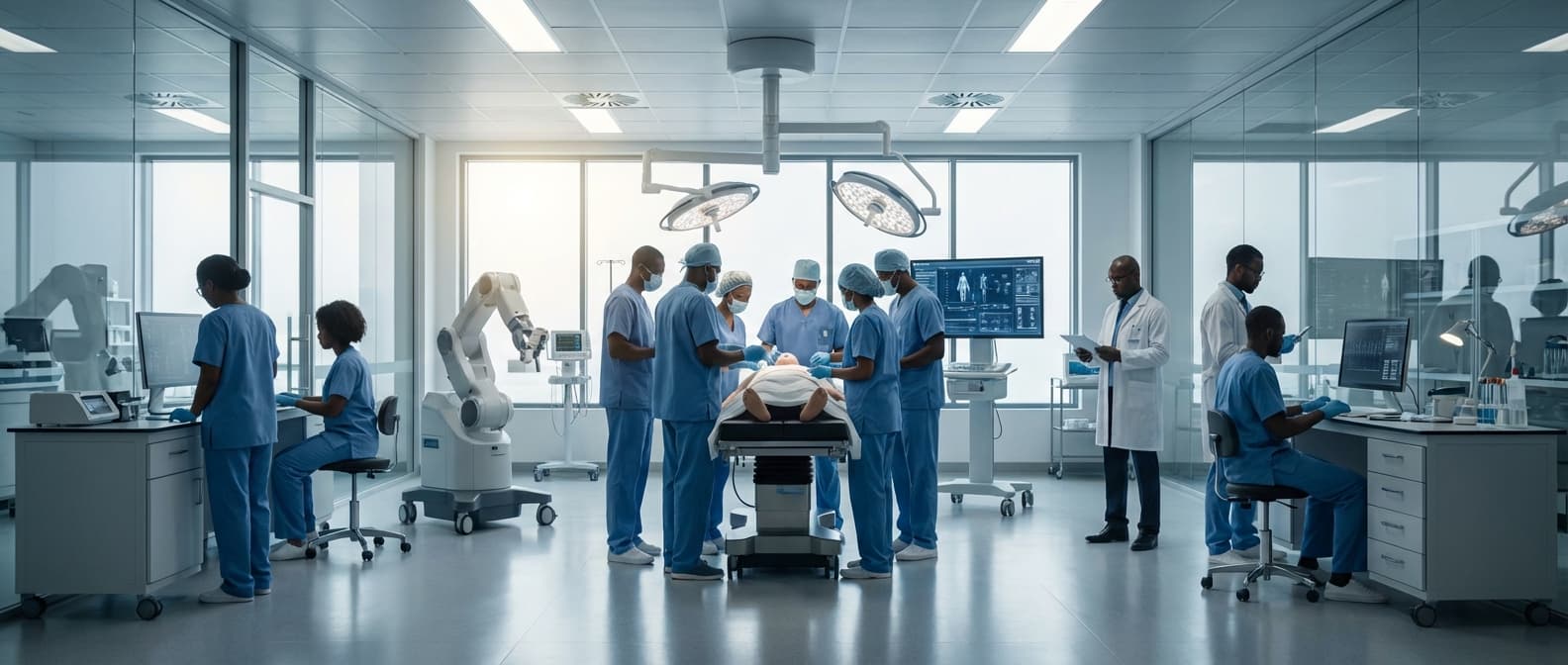
Managed Equipment Service (MES) in Sierra Leone
Engineering Excellence & Technical Support
Long‑term equipment provision with uptime SLAs and lifecycle management. High-standard technical execution following OEM protocols and local regulatory frameworks.
Reliable Network Infrastructure
Ensuring robust and secure network connectivity for all MES-managed equipment across Sierra Leone, facilitating seamless data transfer and operational efficiency, even in remote locations.
Proactive Equipment Monitoring & Maintenance
Implementing advanced remote monitoring systems and scheduled preventative maintenance to minimize downtime and optimize the performance of critical medical and industrial equipment.
Skilled Local Technical Support
Deploying a dedicated team of locally trained and certified technicians for rapid on-site troubleshooting, repair, and calibration, ensuring minimal disruption to essential services.
What Is Managed Equipment Service (Mes) In Sierra Leone?
Managed Equipment Service (MES) in Sierra Leone refers to a comprehensive outsourced service model for the procurement, installation, maintenance, and operational management of specialized medical equipment within healthcare facilities. This approach shifts the burden of capital expenditure, technical expertise, and ongoing operational costs from the healthcare provider to a third-party vendor or consortium. The core objective is to ensure the availability, functionality, and optimal utilization of critical medical technologies, thereby enhancing the quality and accessibility of healthcare services.
| Who Needs MES in Sierra Leone? | Typical Use Cases |
|---|---|
| Public Hospitals: Government-funded institutions facing budgetary constraints and limited in-house technical expertise for advanced medical equipment. | Tertiary Care Centers: Facilities requiring a wide range of sophisticated diagnostic and therapeutic equipment, such as MRI scanners, CT scanners, linear accelerators, and advanced laboratory analyzers. |
| Mission Hospitals & NGOs: Healthcare providers with limited capital to invest in new equipment and a need for reliable operational support. | Rural & Remote Healthcare Facilities: Locations where access to specialized technical support is scarce, necessitating a robust and integrated service solution. |
| Medical Training Institutions: Centers that require a consistent and functional fleet of equipment for training future healthcare professionals. | Diagnostic Imaging Departments: Requiring continuous availability of X-ray, ultrasound, CT, and MRI machines for patient diagnostics. |
| Surgical Units: Needing well-maintained and operational surgical suites, anesthesia machines, and monitoring equipment. | Laboratories: Requiring functional hematology analyzers, biochemistry analyzers, and other sophisticated diagnostic equipment. |
| Maternal & Child Health Centers: Requiring reliable equipment such as incubators, phototherapy units, and fetal monitors. |
MES Involvement in Sierra Leone
- Procurement & Acquisition: Sourcing and purchasing of medical equipment, often involving complex import processes and vendor negotiations.
- Installation & Commissioning: Professional setup, calibration, and validation of equipment to meet stringent clinical and regulatory standards.
- Preventive Maintenance (PM): Scheduled and systematic inspections, cleaning, lubrication, and part replacements to minimize downtime and extend equipment lifespan.
- Corrective Maintenance (CM): Rapid response to equipment malfunctions and breakdowns, including troubleshooting, repair, and replacement of faulty components.
- Service Contracts & Warranties Management: Administration and enforcement of manufacturer warranties and service agreements with original equipment manufacturers (OEMs).
- Training & Capacity Building: Providing technical training to local biomedical engineers and clinical staff on equipment operation, basic maintenance, and troubleshooting.
- Consumables & Spare Parts Management: Ensuring timely availability and stock control of essential consumables and spare parts to prevent service interruptions.
- Performance Monitoring & Reporting: Continuous tracking of equipment uptime, usage, maintenance history, and financial performance, with regular reporting to the healthcare facility.
- Decommissioning & Disposal: Responsible end-of-life management, including safe removal and environmentally sound disposal of obsolete equipment.
Who Needs Managed Equipment Service (Mes) In Sierra Leone?
Managed Equipment Service (MES) in Sierra Leone is a vital solution designed to address the challenges faced by healthcare facilities in procuring, maintaining, and upgrading medical equipment. It offers a comprehensive approach that allows institutions to focus on patient care rather than the complexities of equipment lifecycle management. MES providers take on the responsibility for acquisition, installation, training, maintenance, repairs, and eventual replacement of medical devices, often on a fixed fee basis. This model ensures access to modern, functional equipment, improves operational efficiency, and can lead to cost predictability for healthcare providers. The adoption of MES is particularly relevant in developing economies like Sierra Leone, where limited capital, technical expertise, and infrastructure can hinder the effective deployment and upkeep of essential medical technologies.
| Target Customer | Key Departments Benefiting from MES | Specific Needs Addressed by MES |
|---|---|---|
| Public Hospitals | Radiology, Surgery, Intensive Care Units (ICUs), Emergency Rooms, Laboratories, Outpatient Departments | Ensuring consistent availability and functionality of critical diagnostic and treatment equipment; reducing downtime; access to advanced imaging technologies; predictable maintenance costs. |
| Mission Hospitals | Maternal and Child Health, General Medicine, Surgery, Diagnostic Services | Overcoming budget constraints for equipment acquisition and maintenance; improving quality of care in underserved areas; standardized equipment protocols. |
| Private Healthcare Clinics and Hospitals | Diagnostic Imaging, Cardiology, Oncology, Urology, Dentistry, General Practice | Access to cutting-edge medical technology to remain competitive; outsourcing technical expertise; minimizing capital expenditure; focus on patient services. |
| Non-Governmental Organizations (NGOs) with Healthcare Operations | Primary Healthcare, Disease-Specific Programs (e.g., HIV/AIDS, Malaria), Mobile Clinics | Cost-effective solutions for equipping remote or mobile health units; ensuring equipment reliability in challenging environments; sustainable equipment support. |
| Specialized Medical Centers (e.g., diagnostic labs, imaging centers) | All departments within the center | Maintaining high-throughput diagnostic equipment; ensuring accuracy and reliability of test results; access to the latest analytical and imaging technologies. |
Who Needs Managed Equipment Service (MES) in Sierra Leone?
- Public Hospitals
- Mission Hospitals
- Private Healthcare Clinics and Hospitals
- Non-Governmental Organizations (NGOs) with Healthcare Operations
- Specialized Medical Centers (e.g., diagnostic labs, imaging centers)
Managed Equipment Service (Mes) Process In Sierra Leone
The Managed Equipment Service (MES) process in Sierra Leone is a comprehensive framework designed to ensure the effective procurement, installation, maintenance, and eventual disposal of essential medical equipment for healthcare facilities. This process aims to improve the availability and reliability of medical technology, thereby enhancing the quality of healthcare services provided. It typically involves multiple stages, from the initial identification of a need to the final retirement of the equipment. The workflow is designed to be transparent, efficient, and focused on delivering value to the Ministry of Health and Sanitation and the healthcare facilities it serves.
| Stage | Description | Key Activities | Responsible Parties | Outputs/Deliverables |
|---|---|---|---|---|
| Inquiry and Needs Assessment | Identifying the need for specific medical equipment and assessing the scope of the MES project. | Facility surveys, equipment gap analysis, prioritization of needs, stakeholder consultations. | Ministry of Health and Sanitation (MoHS), Healthcare Facilities, Potential MES Providers, Technical Experts. | Needs assessment report, prioritized equipment list, preliminary project scope. |
| Procurement and Contracting | Selecting an MES provider and establishing a formal contract outlining services and responsibilities. | Developing tender documents, issuing tenders, evaluating bids, contract negotiation, contract signing. | MoHS Procurement Unit, MoHS Legal Department, MES Providers, World Bank/Donors (if applicable). | Signed MES contract, appointed MES provider. |
| Installation and Commissioning | Delivering, installing, and ensuring the proper functioning of the procured equipment. | Equipment delivery, site preparation, installation, calibration, testing, user training. | MES Provider (Technical Teams), Healthcare Facility Staff, MoHS Representatives. | Installed and commissioned equipment, training records, operational manuals. |
| Operations and Maintenance | Ensuring the continuous availability and optimal performance of the equipment through regular maintenance and repairs. | Preventive maintenance schedules, corrective maintenance, spare parts management, technical support. | MES Provider (Maintenance Teams), Healthcare Facility Staff (for basic user maintenance). | Service logs, maintenance reports, equipment uptime records. |
| Performance Monitoring and Reporting | Tracking the performance of the MES contract and the equipment, and providing regular updates. | Data collection (usage, uptime, breakdown frequency), performance indicator tracking, regular reporting to MoHS. | MES Provider, MoHS Monitoring & Evaluation Unit, Healthcare Facilities. | Performance reports, dashboard updates, compliance reports. |
| Equipment Updates and Replacement | Planning for and executing the upgrade or replacement of equipment nearing the end of its lifecycle or when new technologies emerge. | Technology assessment, budget planning, procurement of new equipment, phasing out old equipment. | MoHS Planning Department, MES Provider, Healthcare Facilities. | Updated equipment inventory, procurement plans for new equipment. |
| Disposal and End-of-Life Management | Safely and responsibly disposing of equipment that is no longer serviceable or required. | Asset assessment, environmental impact assessment, decommissioning, recycling/disposal procedures. | MES Provider, MoHS Environmental Health Unit, Accredited Waste Management Companies. | Disposal certificates, asset disposal records. |
Managed Equipment Service (MES) Workflow in Sierra Leone
- Inquiry and Needs Assessment
- Procurement and Contracting
- Installation and Commissioning
- Operations and Maintenance
- Performance Monitoring and Reporting
- Equipment Updates and Replacement
- Disposal and End-of-Life Management
Managed Equipment Service (Mes) Cost In Sierra Leone
Managed Equipment Service (MES) is a comprehensive solution where a third-party provider takes responsibility for the entire lifecycle of medical equipment, from procurement and installation to maintenance, repair, and eventual replacement. In Sierra Leone, the cost of MES is influenced by several key factors, leading to a range of pricing. Understanding these factors is crucial for healthcare institutions in Sierra Leone seeking to implement or evaluate MES. The cost is typically presented in local currency, the Leone (SLL).
Key Pricing Factors for MES in Sierra Leone:
- Scope of Services: The breadth and depth of services included significantly impact cost. This can range from basic maintenance and repair to full-service contracts encompassing preventive maintenance, corrective maintenance, spare parts management, calibration, training for local staff, and even technology upgrades.
- Type and Quantity of Equipment: The complexity and number of medical devices covered are primary cost drivers. High-end diagnostic imaging equipment (e.g., MRI, CT scanners) will naturally incur higher MES costs than basic laboratory or patient monitoring devices. A larger inventory of equipment will also increase the overall service fee.
- Service Level Agreements (SLAs): The urgency and responsiveness required by the SLA will affect pricing. Faster response times, guaranteed uptime percentages, and 24/7 availability will generally command higher fees.
- Equipment Age and Condition: Older or poorly maintained equipment may require more frequent and extensive repairs, leading to higher service costs. Providers may also factor in the risk associated with servicing aging technology.
- Spare Parts and Consumables: The availability and cost of spare parts specific to the equipment are a major consideration. If parts are rare, imported, or expensive, this will be reflected in the MES price. Some contracts may include the cost of consumables.
- Provider's Expertise and Reputation: Established MES providers with a proven track record, skilled technicians, and robust infrastructure may charge a premium for their reliability and quality of service.
- Geographic Location and Accessibility: The logistical challenges of reaching certain healthcare facilities in Sierra Leone, especially in remote areas, can influence transportation and labor costs, thus impacting the overall MES price.
- Contract Duration: Longer-term MES contracts may offer economies of scale and potentially lower annual costs compared to shorter-term agreements.
- Training and Capacity Building: If the MES contract includes comprehensive training for local biomedical engineers and technicians, this will add to the overall cost but also contribute to long-term sustainability.
- Risk Transfer: MES effectively transfers the risk of equipment failure and associated repair costs to the provider. The pricing will reflect the provider's assessment and management of this risk.
Estimated MES Cost Ranges in Sierra Leone (SLL):
It's challenging to provide definitive pricing without specific details of a service agreement. However, a general estimation can be made, acknowledging that these are broad ranges and can vary significantly. These figures represent estimated annual MES costs per piece of equipment or for a defined package of services.
- Basic Maintenance & Repair (per device): SLL 2,000,000 - SLL 10,000,000 annually. This typically covers routine preventive maintenance and reactive repairs with a defined response time, excluding major parts.
- Comprehensive Service (per device): SLL 8,000,000 - SLL 30,000,000+ annually. This includes all aspects of the equipment lifecycle, spare parts, consumables, and often higher uptime guarantees. Complex equipment like imaging machines can fall into the higher end of this spectrum.
- Full Facility MES (example package): For a medium-sized hospital with a mix of essential medical equipment, a comprehensive MES package could range from SLL 100,000,000 to SLL 500,000,000+ annually. This would depend heavily on the quantity and type of equipment covered.
Important Note: These figures are indicative and should be used for preliminary budgeting and understanding. Actual quotes will depend on detailed needs assessments, specific equipment lists, and negotiations with MES providers.
| Service Level | Estimated Annual Cost Range (SLL) - Per Device | Notes |
|---|---|---|
| Basic Maintenance & Repair | 2,000,000 - 10,000,000 | Covers routine preventive maintenance and reactive repairs; major parts may be extra. |
| Comprehensive Service | 8,000,000 - 30,000,000+ | Includes full lifecycle management, spare parts, consumables, and higher uptime guarantees. Complex equipment will be at the higher end. |
| Full Facility MES (Example) | 100,000,000 - 500,000,000+ | For a medium-sized hospital with a mixed equipment inventory. Highly variable based on specifics. |
Factors Influencing MES Costs in Sierra Leone
- Scope of Services Provided
- Type and Quantity of Medical Equipment
- Service Level Agreement (SLA) Requirements
- Age and Condition of Equipment
- Availability and Cost of Spare Parts
- MES Provider's Reputation and Expertise
- Geographic Location and Accessibility of Facilities
- Contract Duration and Commitment
- Inclusion of Training and Capacity Building
- Risk Management by the MES Provider
Affordable Managed Equipment Service (Mes) Options
Managed Equipment Service (MES) is a strategic approach to acquiring and maintaining crucial equipment, offering significant cost savings and operational efficiencies. For organizations seeking affordable MES, understanding value bundles and implementing smart cost-saving strategies is paramount. Value bundles typically combine equipment acquisition, maintenance, and sometimes even consumables or upgrades into a single, predictable service package. This offers a clear financial advantage over piecemeal purchasing and reactive maintenance. Cost-saving strategies focus on optimizing usage, leveraging technology, and negotiating favorable terms.
| Cost-Saving Strategy | Description | Potential Benefit |
|---|---|---|
| Negotiate Long-Term Contracts | Commit to longer MES agreements for bulk discounts and more favorable pricing. | Reduced per-unit cost, price stability. |
| Optimize Equipment Utilization | Analyze usage patterns to ensure you're not over-provisioning or underutilizing equipment. | Lower rental/leasing fees, reduced waste. |
| Standardize Equipment | Where possible, opt for a smaller range of standardized equipment models across departments. | Simplified maintenance, bulk purchasing discounts, streamlined training. |
| Leverage Technology for Monitoring | Utilize IoT sensors and remote diagnostics offered by MES providers to identify issues before they become critical. | Reduced emergency repair costs, minimized downtime. |
| Bundle with Other Services | Explore if the MES provider offers other complementary services (e.g., IT support, security) that can be bundled for further discounts. | Holistic service management, potential for package deals. |
| Consider Refurbished or Certified Pre-Owned Options | For non-critical or less intensive applications, inquire about refurbished equipment with warranties. | Significantly lower acquisition cost. |
| Regular Performance Reviews | Schedule regular meetings with the MES provider to review performance metrics and identify areas for improvement or cost optimization. | Continuous cost reduction, improved service levels. |
Key Components of Value Bundles
- Equipment Leasing/Financing: Access to state-of-the-art equipment without the upfront capital expenditure.
- Preventive Maintenance: Scheduled servicing to reduce unexpected breakdowns and extend equipment lifespan.
- On-Demand Repair Services: Prompt technical support and repairs when issues arise, minimizing downtime.
- Consumables Management: Often includes bundled pricing or automated replenishment of necessary supplies.
- Software Updates & Upgrades: Ensuring equipment is running on the latest, most efficient software.
- Performance Monitoring: Real-time tracking of equipment health and utilization for proactive management.
- Training & Support: Empowering staff to operate equipment effectively and troubleshoot minor issues.
Verified Providers In Sierra Leone
In Sierra Leone, ensuring access to reliable and high-quality healthcare is paramount. The "Verified Providers" initiative aims to spotlight those healthcare entities that meet stringent standards, offering peace of mind to patients. Franance Health stands out as a leader within this framework, demonstrating a commitment to excellence across its operations. Their dedication to patient care, modern medical practices, and ethical conduct makes them a truly exceptional choice for healthcare needs in Sierra Leone.
| Key Differentiators | Franance Health's Strengths | Patient Benefits |
|---|---|---|
| Quality Assurance | Rigorous adherence to 'Verified Provider' criteria | Confidence in receiving safe and effective medical treatment |
| Medical Expertise | Highly trained and experienced healthcare professionals | Accurate diagnosis and personalized treatment plans |
| Infrastructure | State-of-the-art equipment and modern facilities | Access to advanced diagnostic and therapeutic capabilities |
| Patient Experience | Focus on compassionate and respectful care | Comfortable and reassuring healthcare journey |
| Trust and Credibility | Recognized as a leading verified provider | Peace of mind knowing you are in reliable hands |
Why Franance Health is Your Best Choice Among Verified Providers:
- Unwavering Commitment to Patient-Centric Care: Franance Health prioritizes individual patient needs, fostering a compassionate and supportive environment.
- Adherence to International Standards: They consistently meet and exceed recognized benchmarks for medical quality and safety.
- Investment in Modern Technology and Facilities: Franance Health utilizes advanced medical equipment and maintains up-to-date facilities to ensure optimal treatment outcomes.
- Highly Qualified and Experienced Medical Professionals: Their team comprises skilled doctors, nurses, and specialists dedicated to providing expert care.
- Transparent and Ethical Practices: Franance Health operates with integrity, ensuring clear communication and trustworthy service.
- Comprehensive Range of Services: From primary care to specialized treatments, they offer a broad spectrum of medical services to address diverse health concerns.
Scope Of Work For Managed Equipment Service (Mes)
This Scope of Work (SOW) outlines the requirements for a Managed Equipment Service (MES) for a client organization. The MES will encompass the comprehensive management, maintenance, and operational support of specified medical equipment. The objective is to ensure optimal equipment performance, availability, and safety, while controlling costs and enhancing clinical workflow efficiency. This document details the technical deliverables and standard specifications expected from the MES provider.
| Deliverable Category | Description | Standard Specifications / Requirements | Performance Indicators (KPIs) |
|---|---|---|---|
| Equipment Procurement and Installation | Sourcing, acquisition, and seamless integration of new medical equipment into the existing infrastructure. | Compliance with client's IT security and network standards; adherence to manufacturer installation guidelines; testing and verification of functionality post-installation; provision of user manuals and training materials. All procured equipment must meet or exceed specified clinical and technical requirements. | Successful installation within agreed timeframe; zero critical defects upon handover; user satisfaction with new equipment. |
| Preventive Maintenance (PM) | Scheduled inspections, cleaning, lubrication, adjustments, and part replacements to prevent equipment failure. | Adherence to manufacturer's recommended PM schedule; use of manufacturer-approved parts and consumables; documented PM procedures; completion of PMs within designated service windows (e.g., off-peak hours) to minimize clinical disruption. PMs must be performed by certified technicians. | PM completion rate (e.g., >95%); adherence to scheduled PM dates (e.g., +/- 7 days); reduction in unscheduled downtime. |
| Corrective Maintenance and Repair | Prompt and effective diagnosis and repair of equipment malfunctions and failures. | Response times: Critical equipment (e.g., within 2 hours), Major equipment (e.g., within 4 hours), Minor equipment (e.g., within 8 business hours). Repair completion within agreed-upon Service Level Agreements (SLAs); use of genuine or equivalent parts; documentation of all repairs and parts used. Minimum 90% first-time fix rate. | Average response time; average repair time; equipment uptime percentage (e.g., >98% for critical equipment); customer satisfaction with repair services. |
| Calibration and Performance Verification | Ensuring equipment operates within specified accuracy and performance tolerances. | Regular calibration cycles as per manufacturer recommendations and regulatory requirements; use of traceable calibration standards; provision of calibration certificates; performance verification testing to confirm operational parameters. | Calibration compliance rate (e.g., 100% of scheduled calibrations completed on time); successful performance verification results; minimal drift in measured parameters. |
| Asset Management and Inventory Control | Maintaining an accurate and up-to-date inventory of all managed equipment. | Real-time tracking of equipment location, status, maintenance history, and warranty information; implementation of a robust asset management system (e.g., barcoding or RFID); regular inventory audits; reporting on asset utilization and lifecycle. | Inventory accuracy rate (e.g., >99%); reduction in lost or misplaced equipment; accurate reporting of asset data. |
| Clinical Applications Support | Assisting clinical staff with the effective and efficient use of equipment. | On-demand technical support for equipment operation; troubleshooting of application-specific issues; guidance on best practices for equipment utilization; collaboration with clinical informatics teams. | Resolution rate of application support requests; user feedback on support quality; reduction in user-reported operational errors. |
| Training and Education | Providing training to clinical and technical staff on equipment operation, maintenance, and safety. | Development and delivery of comprehensive training programs (initial and ongoing); customized training modules based on equipment type and user roles; competency assessments; provision of training materials and documentation. | Training completion rates; user competency levels post-training; reduction in user-related equipment malfunctions. |
| Regulatory Compliance and Safety Assurance | Ensuring all managed equipment complies with relevant healthcare regulations and safety standards. | Adherence to national and local medical device regulations (e.g., FDA, MDR); implementation of robust safety protocols; regular safety audits; proactive identification and mitigation of potential safety hazards; management of recalls and safety alerts. | Zero major regulatory non-compliance findings; completion rate of safety audits; number of reported safety incidents (target is zero). |
| Reporting and Performance Metrics | Providing regular reports on equipment performance, service activities, and cost management. | Monthly and quarterly performance reports including KPIs, asset utilization, maintenance costs, downtime analysis, and recommendations for improvement; transparent financial reporting; executive summary reports. | Timeliness and accuracy of reports; client satisfaction with reporting; actionable insights provided in reports. |
Key Areas of Managed Equipment Service
- Equipment Procurement and Installation
- Routine Preventive Maintenance (PM)
- Corrective Maintenance and Repair
- Calibration and Performance Verification
- Equipment Decommissioning and Disposal
- Asset Management and Inventory Control
- Clinical Applications Support
- Training and Education
- Regulatory Compliance and Safety Assurance
- Reporting and Performance Metrics
Service Level Agreement For Managed Equipment Service (Mes)
This Service Level Agreement (SLA) outlines the commitment for Managed Equipment Service (MES) provided by [Your Company Name] to [Client Name]. It defines the expected response times for incidents and the guaranteed uptime for the managed equipment. This agreement ensures the reliability and performance of the critical equipment supporting your operations.
| Incident Severity Level | Definition | Response Time Target | Uptime Guarantee |
|---|---|---|---|
| Critical (P1) | Complete service outage impacting a significant portion or all of the critical business function. No workaround available. | 15 minutes (for initial acknowledgement) | 99.9% per month |
| High (P2) | Significant degradation of service impacting a critical business function, but a workaround may exist or a subset of users are affected. | 1 hour (for initial acknowledgement) | 99.7% per month |
| Medium (P3) | Minor degradation of service or a feature is not working correctly, impacting a limited number of users or non-critical functions. | 4 business hours (for initial acknowledgement) | 99.5% per month |
| Low (P4) | Cosmetic issues, feature requests, or general inquiries with no impact on core functionality. | 8 business hours (for initial acknowledgement) | N/A (Focus is on functionality, not uptime for these types) |
Key Performance Indicators (KPIs)
- Response Time: The time elapsed from the moment an incident is reported and acknowledged by [Your Company Name] until the commencement of troubleshooting or resolution efforts.
- Uptime Guarantee: The percentage of time the managed equipment is fully operational and available for use, excluding scheduled maintenance and unforeseen circumstances as defined in this SLA.
- Resolution Time: The time elapsed from the moment an incident is reported until the equipment is restored to its agreed-upon operational status. (Note: Specific resolution times may vary based on incident severity and complexity, and will be addressed within the incident management process.)
Frequently Asked Questions

Ready when you are
Let's scope your Managed Equipment Service (MES) in Sierra Leone project in Sierra Leone.

Scaling healthcare logistics and technical systems across the entire continent.