
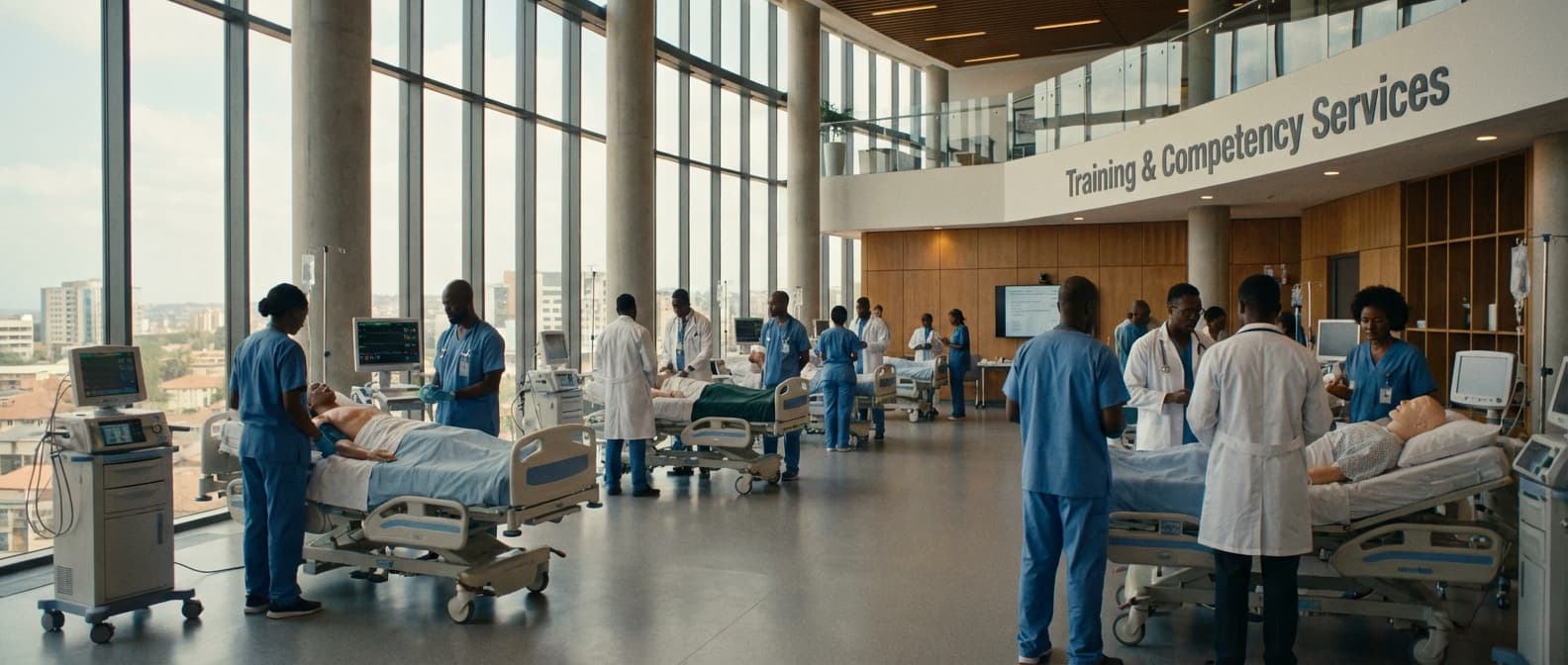
Ultrasound Application Training Service (Protocol-Based) in Seychelles
Engineering Excellence & Technical Support
Ultrasound Application Training Service (Protocol-Based) High-standard technical execution following OEM protocols and local regulatory frameworks.
Standardized Protocol Training for Enhanced Diagnostic Accuracy
Master internationally recognized ultrasound protocols tailored for Seychelles' common pathologies. Our training ensures consistent image acquisition and interpretation, leading to more reliable diagnoses and improved patient outcomes.
Hands-On Skill Development with Real-World Case Studies
Gain practical expertise through intensive hands-on sessions utilizing state-of-the-art ultrasound equipment. Our curriculum incorporates region-specific case studies, allowing you to confidently apply learned protocols to the unique healthcare challenges faced in Seychelles.
Empowering Local Healthcare Professionals with Advanced Ultrasound Competencies
Invest in your professional development and elevate the standard of ultrasound services in Seychelles. Our comprehensive training equips healthcare practitioners with the protocol-driven skills needed to provide world-class diagnostic imaging within the local context.
What Is Ultrasound Application Training Service (Protocol-based) In Seychelles?
Ultrasound Application Training Service (Protocol-Based) in Seychelles refers to specialized educational programs designed to equip healthcare professionals with the knowledge and practical skills to perform ultrasound examinations according to established, standardized protocols. This service is not a singular entity but rather a structured approach to competency development within the field of diagnostic medical ultrasound. The 'protocol-based' aspect signifies that training adheres to predefined imaging sequences and documentation standards specific to various anatomical regions and clinical indications, ensuring consistency, reproducibility, and diagnostic accuracy. The service aims to bridge the gap between theoretical understanding and proficient clinical application of ultrasound technology in the Seychellois healthcare landscape.
| Who Needs It? | Typical Use Cases | ||||||
|---|---|---|---|---|---|---|---|
| Radiologists and Radiographers: To enhance their diagnostic capabilities and ensure consistent, high-quality ultrasound examinations within diagnostic imaging departments. | Obstetricians and Gynecologists: For routine antenatal scans, gynecological assessments, and management of obstetric emergencies. Training ensures adherence to established fetal biometry protocols and pelvic imaging standards. | General Practitioners and Family Physicians: To provide point-of-care ultrasound (POCUS) for initial diagnostic assessments, triage, and basic procedural guidance. Protocol-based training ensures responsible and effective use in primary care settings. | Cardiologists: For the performance and interpretation of echocardiographic examinations. Specific protocols are critical for assessing cardiac structure, function, and hemodynamics. | Vascular Surgeons and Technologists: To perform diagnostic vascular ultrasound examinations for the evaluation of arterial and venous disease. Standardized protocols are essential for accurate measurement and assessment of blood flow. | Emergency Medicine Physicians: For rapid assessment of trauma (FAST exam), identification of free fluid, and evaluation of acute conditions. Protocol adherence ensures time-efficient and accurate diagnostic imaging in emergent situations. | New Graduates and Career Changers: Individuals entering the field of diagnostic medical sonography requiring foundational training and certification. | |
| Abdominal Imaging: Assessment of liver, gallbladder, pancreas, spleen, kidneys, and aorta for a wide range of pathologies including masses, inflammation, and vascular abnormalities. | Pelvic Imaging: Evaluation of the uterus, ovaries, fallopian tubes, and bladder in both gynecological and urological contexts. This includes assessment of fertility issues, pelvic masses, and urinary tract abnormalities. | Obstetrical and Gynecological Ultrasound: Comprehensive fetal assessment, dating scans, anomaly scans, biophysical profile, and transvaginal/transabdominal gynecological examinations. | Small Parts Ultrasound: Imaging of the thyroid, breasts, scrotum, and superficial soft tissues for the detection of nodules, cysts, and other abnormalities. | Vascular Ultrasound: Assessment of carotid arteries, peripheral arteries and veins, and abdominal vasculature for conditions such as stenosis, thrombosis, and aneurysms. | Echocardiography: Evaluation of cardiac chambers, valves, myocardium, and pericardium for structural and functional abnormalities. | Point-of-Care Ultrasound (POCUS): Rapid bedside assessments in emergency departments, intensive care units, and primary care settings for conditions like pneumothorax, pleural effusions, deep vein thrombosis, and basic abdominal assessments. | Interventional Ultrasound Guidance: Training in using ultrasound to guide procedures such as biopsies, aspirations, and catheter placements, ensuring procedural accuracy and safety according to defined protocols. |
Key Components of Ultrasound Application Training Service (Protocol-Based)
- Didactic Instruction: Comprehensive theoretical modules covering ultrasound physics, instrumentation, sonoanatomy, physiological principles, and specific pathology for each modality (e.g., Abdominal, Pelvic, Obstetrical, Small Parts, Vascular, Echocardiography).
- Protocol Familiarization and Mastery: In-depth study and practical application of standardized ultrasound examination protocols. This includes understanding the rationale behind specific transducer selections, probe manipulations, scanning planes, image optimization techniques, and standardized measurements.
- Hands-on Simulation and Practice: Extensive supervised practice on ultrasound phantoms and/or simulated patients to refine psychomotor skills, improve image acquisition quality, and gain confidence in applying protocols.
- Clinical Observation and Mentorship: Opportunities for trainees to observe experienced sonographers or sonologists performing examinations using established protocols, followed by direct supervision and feedback during their own scanning sessions.
- Image Interpretation and Reporting: Training in the systematic interpretation of ultrasound images, recognition of normal and abnormal findings, and the generation of comprehensive, protocol-compliant reports.
- Quality Assurance and Compliance: Emphasis on adhering to institutional or national quality standards and regulatory requirements for ultrasound practice.
Who Needs Ultrasound Application Training Service (Protocol-based) In Seychelles?
This training service, focused on protocol-based ultrasound applications, is specifically designed for healthcare professionals in Seychelles who are involved in diagnostic imaging and patient care. The emphasis on protocols ensures standardized, high-quality imaging and interpretation, crucial for accurate diagnosis and effective treatment planning within the Seychellois healthcare system.
| Department/Setting | Specific Needs Addressed | Benefits of Protocol-Based Training |
|---|---|---|
| Victoria Hospital (and other major public hospitals) | Standardization of diagnostic ultrasound across various specialties (obstetrics, general radiology, cardiology, emergency). | Ensures consistent diagnostic quality, facilitates interdepartmental communication, and supports adherence to international best practices. |
| District Clinics and Health Centers | Basic point-of-care ultrasound (POCUS) for initial assessment and screening, particularly in areas with limited access to specialized services. | Empowers primary care providers to make informed initial diagnoses, prioritize cases, and reduce unnecessary referrals. |
| Maternal and Child Health Units | Focused training on obstetric and gynecological ultrasound protocols (e.g., dating scans, anomaly scans, fetal well-being assessments). | Improves prenatal care, reduces maternal and infant mortality, and detects fetal abnormalities early. |
| Emergency Departments | Rapid ultrasound protocols for trauma and critical care (e.g., FAST scan, RUSH exam). | Enables faster diagnosis and management of life-threatening conditions, improving patient outcomes. |
| Cardiac Units | Echocardiography protocols for diagnosing cardiac conditions. | Enhances the accuracy and efficiency of cardiac assessments. |
| Medical Training Institutions (e.g., University of Seychelles) | Integration of standardized ultrasound education into the curriculum for future medical professionals. | Builds a foundation of competent ultrasound practitioners for the future of healthcare in Seychelles. |
Target Customers and Departments for Ultrasound Application Training Service (Protocol-Based) in Seychelles
- Radiologists and Radiographers
- Sonographers
- General Practitioners and Family Physicians
- Obstetricians and Gynecologists
- Cardiologists and Cardiac Technicians
- Emergency Medicine Physicians
- Pediatricians
- Internal Medicine Specialists
- Surgical Teams (for intraoperative guidance)
- Nurses (in specialized units requiring ultrasound knowledge)
Ultrasound Application Training Service (Protocol-based) Process In Seychelles
This document outlines the workflow for Ultrasound Application Training Services (Protocol-Based) in Seychelles, detailing the process from initial inquiry to successful execution of the training. The service focuses on providing specialized training in the application of ultrasound, guided by established protocols, to healthcare professionals in Seychelles.
| Stage | Key Activities | Responsible Parties | Deliverables |
|---|---|---|---|
| Inquiry & Needs Assessment | Initial contact, understanding requirements, skill gap analysis. | Client, Training Provider | Needs assessment report, preliminary requirements document. |
| Proposal Development & Customization | Designing training modules, curriculum, logistics, and costing. | Training Provider | Detailed training proposal. |
| Agreement & Scheduling | Contract finalization, booking dates, venue confirmation. | Client, Training Provider | Signed training agreement, confirmed schedule. |
| Pre-Training Preparation | Logistics, material distribution, equipment setup. | Training Provider, Client (for site access) | Training materials, ready training environment. |
| Training Execution | Theoretical instruction, practical demonstrations, hands-on practice. | Training Provider (Instructors), Participants | Trained participants, skill development. |
| Assessment & Feedback | Evaluating participant competency, gathering feedback. | Training Provider, Participants | Assessment results, feedback forms. |
| Certification & Reporting | Issuing certificates, providing training summary. | Training Provider | Certificates of completion, training report. |
| Post-Training Support | Providing ongoing resources or consultation. | Training Provider | Access to resources, follow-up support. |
Ultrasound Application Training Service (Protocol-Based) Workflow
- Inquiry & Needs Assessment: Potential clients (hospitals, clinics, individual practitioners) express interest in ultrasound application training. This stage involves understanding their specific needs, current skill levels, target ultrasound applications, and desired learning outcomes.
- Proposal Development & Customization: Based on the needs assessment, a tailored training proposal is developed. This includes defining the specific ultrasound protocols to be covered, duration, location (on-site or remote/virtual), trainers' profiles, curriculum, learning objectives, and cost.
- Agreement & Scheduling: Upon client approval of the proposal, a formal agreement is signed. This outlines terms, conditions, payment schedule, and confirms the training dates and logistics.
- Pre-Training Preparation: This phase involves logistical arrangements such as booking venues (if on-site), ensuring necessary equipment and simulation models are available, distributing pre-reading materials or introductory modules, and confirming participant lists.
- Training Execution: The core of the service. This involves the delivery of the protocol-based ultrasound training by qualified instructors. It typically includes theoretical sessions, practical demonstrations, hands-on scanning sessions with participants, case study analysis, and Q&A.
- Assessment & Feedback: Throughout the training, participants' understanding and practical skills are assessed through observation, quizzes, and practical evaluations. Post-training, comprehensive feedback is collected from participants and stakeholders to gauge the effectiveness of the training.
- Certification & Reporting: Upon successful completion of the training and assessments, participants receive certificates of completion. A detailed report is provided to the client, summarizing the training conducted, participant performance, and recommendations for continued practice or further training.
- Post-Training Support: This may include access to online resources, follow-up consultations, or refresher courses, depending on the agreed-upon service level. This ensures ongoing learning and skill reinforcement.
- Evaluation & Improvement: The entire process, including training content and delivery, is evaluated. This feedback loop is used to continuously improve the training service offerings in Seychelles.
Ultrasound Application Training Service (Protocol-based) Cost In Seychelles
Providing ultrasound application training services in Seychelles involves a range of costs influenced by several key factors. These factors determine the overall investment for individuals or institutions seeking to enhance their ultrasound skills through protocol-based training. The pricing structure is typically designed to reflect the value and comprehensiveness of the training delivered, ensuring qualified practitioners are developed to meet the growing demand for diagnostic imaging expertise.
| Training Category/Duration | Estimated Cost Range (SCR - Seychellois Rupee) | Notes |
|---|---|---|
| Introductory/Basic Ultrasound Principles (1-3 days) | SCR 8,000 - SCR 20,000 | Covers fundamental concepts, machine operation, and basic scanning techniques for a single modality (e.g., abdominal). |
| Specialized Application Modules (e.g., OB/GYN, Cardiology - 3-5 days per module) | SCR 15,000 - SCR 40,000 per module | In-depth training on specific ultrasound applications, including advanced protocols and interpretation. |
| Comprehensive Ultrasound Program (e.g., General Sonography - 1-2 weeks) | SCR 30,000 - SCR 70,000 | A broader curriculum covering multiple applications, designed for aspiring sonographers or those needing a wider skill set. |
| Advanced/Refresher Courses (1-2 days) | SCR 10,000 - SCR 25,000 | Focuses on specific advanced techniques, challenging cases, or updates in protocols for experienced practitioners. |
| On-site/Customized Training (Variable) | Quoted Per Project | Cost depends on the scope, duration, number of participants, and customization requirements. This often includes trainer travel and accommodation. |
Key Pricing Factors for Ultrasound Application Training (Protocol-Based) in Seychelles
- Duration and Intensity of Training: Longer and more intensive courses, requiring more instructor time and resources, will naturally incur higher costs. This includes the number of hours dedicated to theory, practical sessions, and case studies.
- Level of Expertise of the Trainer(s): Highly experienced and specialized sonographers or radiologists with a proven track record and international recognition often command higher fees. Their expertise translates into more effective and in-depth training.
- Scope of Ultrasound Applications Covered: Training focused on a broad spectrum of ultrasound applications (e.g., general, obstetrics & gynecology, cardiology, vascular) will be more expensive than courses concentrating on a single specialty. The complexity and depth of knowledge required for each application play a role.
- Training Methodology and Resources: The use of advanced simulation equipment, high-fidelity phantoms, interactive e-learning modules, and comprehensive training materials (manuals, online resources) contributes to the overall cost. The provision of equipment for hands-on practice is also a significant factor.
- Accreditation and Certification: Training programs that are accredited by recognized professional bodies or lead to official certifications often carry a premium due to the rigorous standards and quality assurance involved.
- Location and Logistics: While the training might be conducted in Seychelles, the cost can be influenced by the location of the training facility (e.g., a dedicated training center vs. a hospital setting), and whether travel and accommodation for trainers are included in the package.
- Class Size and Group Discounts: Smaller class sizes can allow for more personalized attention, potentially increasing the per-person cost. Conversely, larger groups may benefit from discounted rates per participant.
- Customization and Specific Needs: Tailoring the training program to meet the specific requirements of a particular clinic, hospital department, or individual practitioner can involve additional development and consultation time, impacting the price.
- Reputation and Track Record of the Training Provider: Established training providers with a strong reputation for delivering high-quality education and successful outcomes may charge more due to perceived value and client confidence.
Affordable Ultrasound Application Training Service (Protocol-based) Options
Our Affordable Ultrasound Application Training Service offers a comprehensive and cost-effective solution for individuals and institutions seeking to enhance their ultrasound proficiency. We focus on protocol-based training, ensuring that learners master standardized examination procedures for accurate and reproducible results. This approach is crucial for both diagnostic confidence and effective team communication. We understand that budget constraints are a significant factor, so we've developed flexible value bundles and implemented several cost-saving strategies to make high-quality ultrasound education accessible to a wider audience.
| Value Bundle Name | Description | Key Inclusions | Standard Price (USD) | Discounted Price (USD) |
|---|---|---|---|---|
| Foundation Essentials | Ideal for beginners or those needing a solid understanding of core ultrasound principles and common protocols. | Core Ultrasound Physics, Basic Ergonomics, Abdominal, OB/GYN Fundamentals | $1,200 | $995 |
| Specialty Focus Pack | For professionals looking to deepen their expertise in specific diagnostic areas. | Choice of 2 Specialty Modules (e.g., Vascular, Echocardiography, Small Parts), Advanced Protocol Application | $2,500 | $1,995 |
| Comprehensive Certification Program | A complete package designed to prepare learners for professional certification exams. | All Foundation Essentials Modules, 3 Specialty Modules, Mock Certification Exams, Personalized Mentorship | $4,000 | $3,200 |
| Institutional / Group Training | Customizable training programs for departments or groups, tailored to specific needs and equipment. | On-site or Remote Delivery, Group Discounts, Customized Curriculum, Administrator Dashboard | Varies (Contact for Quote) | Up to 20% Discount |
Key Features and Benefits
- Protocol-Driven Curriculum: Learn standardized ultrasound protocols for various clinical applications, promoting consistency and accuracy.
- Hands-on Simulation: Practical training using high-fidelity ultrasound simulators and phantom models for skill development in a safe environment.
- Expert-Led Instruction: Benefit from the guidance of experienced sonographers and radiologists with extensive clinical and teaching backgrounds.
- Flexible Learning Formats: Options include in-person workshops, remote live sessions, and self-paced online modules.
- Certification Opportunities: Achieve recognized certifications upon successful completion of training and assessments.
- Cost-Effective Solutions: Designed to deliver exceptional value without compromising on the quality of education.
- Continuous Updates: Training materials are regularly updated to reflect the latest advancements in ultrasound technology and clinical guidelines.
Verified Providers In Seychelles
Seychelles boasts a growing healthcare sector with an increasing number of qualified and verified providers. When considering healthcare options, especially for specialized treatments or international standards, understanding the credentials of providers is paramount. This is where Franance Health emerges as a distinguished entity, offering a streamlined and trustworthy pathway to accessing the best medical professionals and facilities in Seychelles. Their rigorous vetting process ensures that all listed providers meet stringent quality, safety, and ethical standards, providing patients with peace of mind and confidence in their healthcare journey. Franance Health's commitment to transparency and excellence makes them the ideal partner for anyone seeking verified healthcare services in Seychelles.
| Provider Type | Typical Credentials/Certifications | Franance Health Verification Focus |
|---|---|---|
| Physicians (Specialists) | Medical Degrees (MD/DO), Board Certifications in their specialty (e.g., FRCS, MRCP, American Board Certified), Fellowships, Licenses from relevant medical councils. | Verification of academic qualifications, board certifications, active licenses, and proven experience in their specialized field. Background checks for ethical conduct. |
| Hospitals & Clinics | Accreditation from international bodies (e.g., JCI, ISO), Ministry of Health licenses, compliance with national healthcare regulations, evidence of advanced medical equipment and facilities, robust infection control protocols. | Validation of official licenses, review of accreditation status, assessment of infrastructure, technology, safety protocols, and quality management systems. Site visits where applicable. |
| Nurses & Allied Health Professionals | Nursing degrees/diplomas, registration with the Seychelles Nurses and Midwives Council, specialized certifications (e.g., critical care, physiotherapy). | Confirmation of professional registration, verification of educational qualifications, and assessment of specific skill sets and certifications relevant to their practice. |
| Diagnostic Laboratories | Accreditation from relevant quality assurance bodies (e.g., ISO 15189), licenses from the Ministry of Health, evidence of qualified personnel and up-to-date equipment. | Confirmation of laboratory licenses and accreditations, verification of equipment calibration and maintenance records, and assessment of the qualifications of laboratory personnel. |
Key Advantages of Choosing Franance Health Verified Providers in Seychelles:
- Rigorous credentialing and verification process for all healthcare professionals and institutions.
- Access to a curated network of specialists and state-of-the-art medical facilities.
- Ensured adherence to international quality and safety standards.
- Transparent information on provider expertise, experience, and patient reviews.
- Streamlined access to appointments and personalized healthcare coordination.
- Focus on patient-centric care and ethical medical practices.
- Enhanced trust and confidence in the healthcare services received.
Scope Of Work For Ultrasound Application Training Service (Protocol-based)
This document outlines the Scope of Work (SOW) for Protocol-Based Ultrasound Application Training Services. The objective is to equip trainees with the theoretical knowledge and practical skills necessary to perform ultrasound examinations according to established protocols, ensuring consistent, high-quality diagnostic imaging. This SOW details the technical deliverables and standard specifications for the training program.
| Technical Deliverable | Description | Standard Specifications | Acceptance Criteria |
|---|---|---|---|
| Training Curriculum | Detailed syllabus outlining learning objectives, topics covered, duration, and assessment methods for each ultrasound application module. | Modules aligned with industry best practices (e.g., AIUM, ACR guidelines) and specific institutional protocols. Content validated for accuracy and relevance. | Curriculum approved by the client's designated subject matter expert prior to training commencement. Trainees demonstrate achievement of learning objectives. |
| Theoretical Training Modules | Presentation slides, lecture notes, and supplementary reading materials covering core ultrasound principles and specific application knowledge. | Clear, concise language. Visually engaging content with relevant diagrams and illustrations. Content updated to reflect current technologies and clinical knowledge. | Modules delivered as per agreed schedule. Trainees achieve a minimum passing score (e.g., 80%) on theoretical assessments. |
| Practical Training Sessions | Supervised hands-on practice using ultrasound machines and/or simulators. Focus on probe manipulation, image acquisition, and protocol adherence. | Adequate number of training stations per trainee (e.g., 1:1 or 1:2 ratio). Realistic simulation scenarios or access to appropriate patient simulators/phantoms. Instructor-to-trainee ratio sufficient for effective supervision. | Trainees demonstrate proficiency in performing required ultrasound views and maneuvers according to protocol. Successful acquisition of representative images for key anatomical structures. |
| Protocol Guides | Documented step-by-step instructions for performing specific ultrasound examinations, including patient preparation, probe positioning, and image optimization techniques. | Clear, logical flow. Includes annotated diagrams or screenshots of optimal images. Adaptable to specific departmental protocols. | Protocols reviewed and confirmed by the client. Trainees can independently follow protocols to acquire diagnostic-quality images. |
| Assessment Tools | Written examinations (multiple-choice, short answer) and practical skills checklists designed to evaluate knowledge and competency. | Validated assessment tools. Objective scoring mechanisms. Assessments cover all aspects of the training curriculum. | Completion of all assessment components. Demonstrated competency in performing ultrasound examinations according to established protocols. |
| Training Materials Package | A comprehensive set of materials provided to trainees, including printed or digital copies of all curriculum content, protocol guides, and relevant references. | High-quality printing or digital formatting. Materials organized for easy access and reference. | Complete set of materials delivered to each trainee. Trainees confirm receipt and usability of materials. |
| Post-Training Report | A summary report detailing training activities, trainee progress, assessment results, and recommendations for further development. | Includes aggregate performance data. Identifies areas of strength and areas requiring improvement for the cohort. Recommendations are actionable. | Report submitted to the client within a specified timeframe (e.g., 5 business days) after training completion. Report content is accurate and comprehensive. |
Key Components of the Ultrasound Application Training Service
- Comprehensive curriculum development and customization based on specific ultrasound modalities and applications.
- Delivery of theoretical training modules covering ultrasound physics, instrumentation, image optimization, and safety.
- Hands-on practical training sessions utilizing ultrasound simulators and/or phantom models.
- Case study analysis and interpretation of ultrasound images.
- Assessment and evaluation of trainee competency through written examinations and practical skills assessments.
- Provision of training materials, including user manuals, protocol guides, and presentation slides.
- On-site or remote delivery options as per agreed-upon schedule.
- Post-training support and follow-up consultations.
Service Level Agreement For Ultrasound Application Training Service (Protocol-based)
This Service Level Agreement (SLA) outlines the terms and conditions governing the provision of Ultrasound Application Training Services (Protocol-Based) by [Your Company Name] (hereinafter referred to as "Provider") to [Client Company Name] (hereinafter referred to as "Client"). This SLA specifically addresses response times for support requests and uptime guarantees for any associated digital training platforms or resources.
| Service Component | Response Time Guarantee (Business Hours) | Uptime Guarantee |
|---|---|---|
Key Definitions
- {"term":"Training Service","definition":"Refers to the provision of protocol-based ultrasound application training, which may include online modules, live webinars, instructor-led sessions, or simulated practice environments."}
- {"term":"Support Request","definition":"Any communication from the Client to the Provider requesting technical assistance, clarification on training content, or resolution of issues related to the Training Service."}
- {"term":"Response Time","definition":"The maximum allowable time for the Provider to acknowledge a Support Request and initiate an investigation or provide an initial resolution or workaround."}
- {"term":"Uptime","definition":"The percentage of time that the associated digital training platforms or resources are accessible and operational for the Client's use."}
- {"term":"Scheduled Downtime","definition":"Planned periods of unavailability for maintenance, upgrades, or other essential technical work, which will be communicated to the Client in advance."}
- {"term":"Unscheduled Downtime","definition":"Unplanned periods of unavailability due to unexpected technical issues, system failures, or external factors."}
Frequently Asked Questions

Ready when you are
Let's scope your Ultrasound Application Training Service (Protocol-Based) in Seychelles project in Seychelles.

Scaling healthcare logistics and technical systems across the entire continent.