
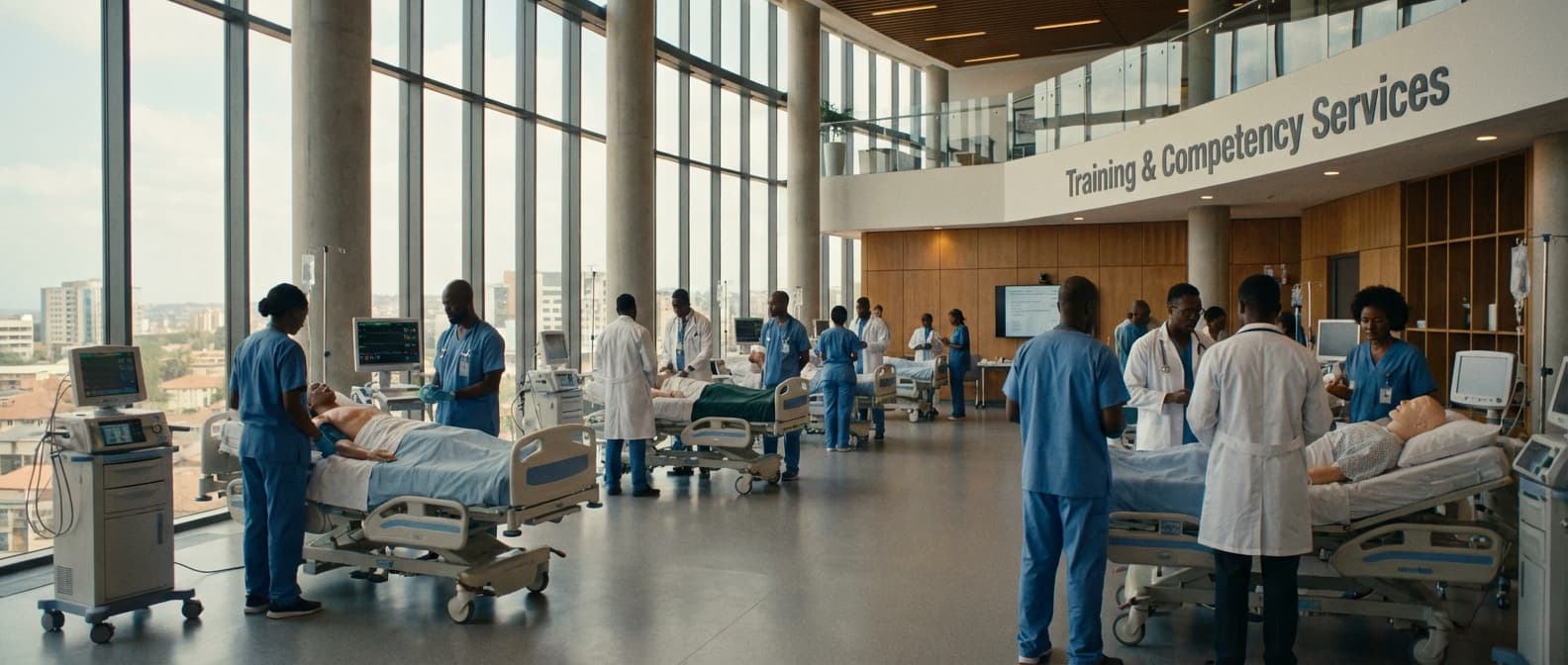
Biomedical Engineering First-Line Support Training Service in Seychelles
Engineering Excellence & Technical Support
Biomedical Engineering First-Line Support Training Service High-standard technical execution following OEM protocols and local regulatory frameworks.
Comprehensive Biomedical Device Fundamentals
This module provides essential knowledge of common biomedical devices used in Seychelles' healthcare facilities, covering principles of operation, basic troubleshooting, and preventive maintenance for equipment like ECG machines, infusion pumps, and patient monitors. Hands-on exercises will simulate real-world scenarios.
First-Line Troubleshooting & Repair Protocols
Train participants on standardized protocols for identifying and resolving common technical issues with biomedical equipment. This includes interpreting error codes, performing basic component replacement, and documenting service interventions accurately according to international best practices adapted for the Seychellois context.
Medical Device Safety & Regulatory Compliance
Emphasize the critical importance of medical device safety for patient well-being. This segment covers understanding and adhering to local and international safety standards, risk management principles, and the regulatory framework governing biomedical equipment in Seychelles, ensuring all support activities contribute to a safe healthcare environment.
What Is Biomedical Engineering First-line Support Training Service In Seychelles?
Biomedical Engineering First-Line Support Training Service in Seychelles refers to a specialized educational program designed to equip individuals with the foundational knowledge and practical skills necessary to provide immediate, on-site technical assistance for biomedical equipment. This service focuses on enabling personnel to identify, troubleshoot, and resolve common issues that arise with medical devices, thereby ensuring their operational readiness and minimizing downtime. The training emphasizes basic maintenance, preventive checks, and the safe and effective operation of a range of biomedical equipment commonly found in healthcare facilities. It is crucial for maintaining the integrity and availability of diagnostic, therapeutic, and life-support systems within the Seychelles healthcare infrastructure.
| Target Audience | Rationale for Need | Typical Use Cases |
|---|---|---|
| Clinical Staff (Nurses, Technicians, Doctors) | To enable immediate, on-the-spot resolution of minor equipment issues, reducing reliance on specialized biomedical engineers for non-critical problems and improving patient care continuity. | Responding to equipment alarms (e.g., infusion pump occlusions, ventilator disconnects), performing basic calibration checks, resetting common error messages, reporting equipment faults accurately, and conducting daily pre-use checks. |
| Healthcare Facility Support Staff (e.g., IT, Maintenance Personnel with related responsibilities) | To provide a basic understanding of biomedical equipment's operational context and the importance of their role in supporting its functionality, particularly in areas like power supply, environmental controls, and basic connectivity. | Ensuring proper power management for medical devices, troubleshooting network connectivity issues for networked equipment, reporting environmental monitoring alerts affecting equipment performance, and assisting with the physical relocation of equipment. |
| Aspiring Biomedical Engineering Technicians/Assistants | To serve as an entry-level qualification or a foundational prerequisite for further specialized training in biomedical engineering technology, offering practical experience in healthcare technology support. | Performing scheduled preventive maintenance tasks under supervision, assisting senior technicians with equipment installations and repairs, documenting maintenance activities, and learning to use diagnostic tools. |
| Medical Device Users in Remote or Underserved Areas | To empower healthcare providers in locations with limited access to dedicated biomedical engineering services to manage and maintain essential medical equipment effectively, ensuring basic functionality. | Managing and troubleshooting essential diagnostic tools (e.g., basic centrifuges, autoclaves, vital signs monitors), performing routine cleaning and disinfection, and escalating complex issues appropriately when remote support is available. |
Key Components of Biomedical Engineering First-Line Support Training Service
- Equipment Identification and Classification
- Basic Principles of Biomedical Equipment Operation (e.g., electrical safety, basic mechanics, fluidics)
- Common Malfunction Identification and Initial Troubleshooting Procedures
- Preventive Maintenance Fundamentals and Scheduled Checks
- Safe Handling and Operation Protocols for Biomedical Devices
- Basic User Interface Navigation and Error Code Interpretation
- Documentation and Reporting of Incidents and Interventions
- Emergency Procedures and Equipment Shutdown Protocols
- Introduction to Biomedical Engineering Department Workflow and Support Structures
Who Needs Biomedical Engineering First-line Support Training Service In Seychelles?
This document outlines the critical need for Biomedical Engineering First-Line Support Training Services within Seychelles. Such training is essential for ensuring the optimal performance, safety, and longevity of medical equipment across various healthcare facilities. By equipping local personnel with the necessary skills, Seychelles can reduce reliance on external support, minimize equipment downtime, and enhance patient care.
| Healthcare Facility Type | Specific Equipment Areas Requiring First-Line Support | Typical Personnel to be Trained |
|---|---|---|
| Public Hospitals | Diagnostic imaging (X-ray, Ultrasound), patient monitoring, vital signs equipment, basic laboratory equipment, surgical instruments (powered), anesthesia machines, ventilators (basic troubleshooting) | Biomedical Technicians, Biomedical Engineers, Senior Nurses |
| District Clinics & Health Centers | Basic diagnostic equipment (e.g., ECG machines, nebulizers, blood pressure monitors), sterilization equipment, minor surgical tools, basic laboratory equipment | Clinic Technicians, Nursing Officers, Biomedical Technicians (where available) |
| Private Healthcare Providers | Similar to public hospitals but may include specialized diagnostic and therapeutic equipment (e.g., endoscopy, physiotherapy equipment, dental equipment) | Biomedical Technicians, Biomedical Engineers, Technical Support Staff |
| Ministry of Health (Central Level) | Management and oversight of a national biomedical engineering strategy, training needs assessment, procurement support | Biomedical Engineering Officers, Procurement Officers, Training Coordinators |
Target Customers & Departments for Biomedical Engineering First-Line Support Training in Seychelles
- {"items":["Government Ministry of Health & Social Affairs","Public Hospitals (e.g., Victoria Hospital, Anse Royale Hospital, Princess Royal Hospital)","District Clinics and Health Centers","Private Healthcare Providers (hospitals, clinics, diagnostic centers)","Non-Governmental Organizations (NGOs) involved in healthcare delivery"],"title":"Primary Target Customers"}
- {"items":["Biomedical Engineering Department/Unit","Clinical Engineering Department","Estates and Facilities Management (for equipment maintenance aspects)","Nursing Departments (for basic equipment operation and reporting issues)","Information Technology (IT) Departments (for integration of networked medical devices)","Procurement and Logistics Departments (for understanding equipment specifications and service needs)"],"title":"Key Departments Requiring Training"}
Biomedical Engineering First-line Support Training Service Process In Seychelles
This document outlines the workflow for the Biomedical Engineering First-Line Support Training Service in Seychelles. The process begins with an inquiry from a client and concludes with the successful execution and documentation of the training.
| Step | Description | Key Activities | Responsible Party | Deliverables | Timeline (Indicative) |
|---|---|---|---|---|---|
| The client initiates contact to request first-line support training for their biomedical engineering staff. | Receive inquiry, understand specific training needs (e.g., types of equipment, skill gaps), identify target audience, clarify objectives. | Client, Training Service Provider (TSP) | Needs assessment report, identified training gaps. | 1-3 business days |
| The TSP develops a tailored training proposal based on the identified needs. | Design training curriculum, define learning outcomes, outline training methodology, prepare cost breakdown and quotation. | TSP | Training proposal, quotation. | 3-5 business days |
| The client reviews and accepts the proposal, leading to formal agreement and scheduling. | Contract negotiation/signing, confirm training dates, duration, and venue (if applicable), secure necessary resources. | Client, TSP | Signed training agreement, confirmed training schedule. | 2-7 business days |
| The TSP makes all necessary arrangements for the training to be delivered effectively. | Develop training materials (presentations, manuals, exercises), procure/prepare equipment for hands-on sessions, arrange trainer(s), communicate pre-training information to participants. | TSP | Finalized training materials, confirmed trainer(s), logistical arrangements. | 7-14 business days prior to training |
| The training is conducted according to the agreed-upon curriculum and schedule. | Deliver theoretical sessions, conduct practical demonstrations and hands-on exercises, facilitate discussions and Q&A. | TSP (Trainer) | Active participant engagement, practical skill development. | As per scheduled duration (e.g., 2-5 days) |
| The effectiveness of the training is evaluated through assessments and participant feedback. | Conduct post-training assessments (quizzes, practical evaluations), collect participant feedback through evaluation forms. | TSP, Participants | Assessment results, participant feedback report. | End of training |
| Upon successful completion, participants receive certificates, and the training is formally documented. | Review assessment results, issue training certificates to successful participants, compile training report (attendance, assessment outcomes, feedback summary). | TSP | Training certificates, final training report. | 3-5 business days post-training |
| The TSP provides limited support after the training to reinforce learning and address any immediate queries. | Respond to post-training queries, offer guidance on applying learned skills, identify potential for advanced training. | TSP | Resolved queries, potential for further engagement. | Ongoing (e.g., 30 days post-training) |
Biomedical Engineering First-Line Support Training Service Process
- Inquiry & Needs Assessment
- Proposal & Quotation
- Agreement & Scheduling
- Preparation & Logistics
- Training Delivery
- Assessment & Feedback
- Certification & Documentation
- Post-Training Follow-up
Biomedical Engineering First-line Support Training Service Cost In Seychelles
The cost of first-line support training services for Biomedical Engineering in Seychelles can vary significantly based on several factors. These factors influence the overall pricing structure, making it essential for institutions and individuals to understand them when budgeting for such training. Factors include the reputation and accreditation of the training provider, the duration and depth of the curriculum, the qualifications and experience of the instructors, the location and facilities used for training, and the inclusion of hands-on practical sessions or specialized equipment. Demand for these specialized skills within Seychelles also plays a role in pricing.
| Training Type/Duration | Estimated Price Range (SCR) |
|---|---|
| Basic First-Line Support Workshop (1-2 days) | 5,000 - 15,000 |
| Intermediate Biomedical Equipment Maintenance (3-5 days) | 12,000 - 30,000 |
| Comprehensive First-Line Support Certification Program (1-2 weeks) | 25,000 - 70,000+ |
| Customized On-site Training (Per Day/Group) | 10,000 - 40,000+ |
Key Pricing Factors for Biomedical Engineering First-Line Support Training in Seychelles:
- Provider Reputation and Accreditation: Established and accredited training centers often command higher fees due to their perceived quality and recognition.
- Curriculum Scope and Duration: Longer, more comprehensive courses with advanced topics will naturally be more expensive than shorter, introductory programs.
- Instructor Expertise: Highly qualified and experienced biomedical engineers as instructors typically lead to premium pricing.
- Training Location and Facilities: On-site training at the client's premises might incur additional costs for travel and logistics compared to training at a provider's facility.
- Hands-on Practical Sessions: Training that includes extensive practical work with actual biomedical equipment is usually priced higher.
- Inclusion of Specialized Equipment/Simulators: Access to and use of advanced simulators or specific types of biomedical equipment during training can impact the cost.
- Course Materials and Resources: Provision of detailed manuals, online resources, and assessment tools can influence the overall price.
- Class Size and Individual vs. Group Rates: Smaller class sizes or individual training sessions are generally more expensive per person than larger group training.
- Post-Training Support: Any offered follow-up support or access to a helpdesk after the training concludes can be factored into the cost.
- Market Demand: The current demand for skilled biomedical engineering first-line support professionals in Seychelles can affect pricing.
Affordable Biomedical Engineering First-line Support Training Service Options
Providing high-quality, first-line support for biomedical equipment is crucial for patient safety and operational efficiency. However, specialized training can be a significant investment. This document outlines affordable training service options for biomedical engineering departments, focusing on value bundles and cost-saving strategies.
| Training Service Option | Description | Value Proposition | Cost-Saving Strategies | Estimated Cost (Illustrative) |
|---|---|---|---|---|
| Online Self-Paced Modules | Pre-recorded video lectures, interactive quizzes, downloadable resources. Access typically granted for a set period. | Highly flexible, learn at your own pace, accessible anytime, anywhere. Low overhead costs for providers. | Bulk purchase discounts, subscription models, tiered access based on content depth, integrate with existing LMS. | $50 - $200 per user per module |
| Blended Learning Programs | Combines online modules with occasional live virtual Q&A sessions or small group practical demonstrations led by instructors. | Balances flexibility with interactive learning, opportunities for clarification and engagement. | Leverage online content for foundational knowledge, reduce in-person trainer time, schedule group sessions efficiently. | $200 - $500 per user |
| Vendor-Specific Basic Training (Bundled) | Manufacturers often offer introductory training on their equipment as part of a purchase or for a nominal fee. Focuses on their specific product lines. | Ensures competence with critical, high-risk equipment from the outset. Can be bundled with equipment warranties or service contracts. | Negotiate training inclusion in equipment purchase agreements, inquire about free or discounted introductory sessions, explore user group forums. | Often included with equipment or service contracts; standalone can range from $100 - $1000 per course. |
| Community & Peer-to-Peer Learning Platforms | Online forums, professional association workshops, or internal knowledge-sharing sessions where experienced technicians mentor newer staff. | Leverages existing expertise within the organization or professional network, fosters a culture of continuous learning. | Organize internal brown-bag sessions, encourage knowledge sharing in dedicated platforms, sponsor technician attendance at relevant industry conferences. | Minimal direct cost, primarily time investment and potential sponsorship fees. |
| Customizable In-House Training Development | Developing proprietary training materials tailored to your specific equipment inventory and organizational needs, delivered by internal trainers. | Highly relevant and targeted training, builds internal training capacity, long-term cost savings once developed. | Utilize existing subject matter experts, leverage open-source training development tools, train-the-trainer programs to scale delivery. | Initial development cost varies significantly, but recurring delivery costs are low. |
Key Training Areas for First-Line Biomedical Support
- Basic Equipment Troubleshooting & Diagnostics
- Preventive Maintenance Procedures
- Safety Checks & Regulatory Compliance
- Introduction to Common Biomedical Devices (e.g., Infusion Pumps, Patient Monitors, Ventilators)
- Troubleshooting Common Software/Firmware Issues
- Basic Electrical Safety Testing
- Documentation & Reporting Best Practices
Verified Providers In Seychelles
In the realm of healthcare, especially when seeking specialized treatments or comprehensive wellness programs, identifying trustworthy and credentialed providers is paramount. In Seychelles, Franance Health stands out as a beacon of excellence, offering a robust network of verified medical professionals and facilities. This commitment to verification ensures patients receive the highest standard of care, backed by legitimate qualifications and a proven track record. Choosing Franance Health means opting for transparency, expertise, and peace of mind, making them the definitive best choice for your healthcare needs in Seychelles.
| Credential Category | Franance Health Verification Standard | Significance for Patients |
|---|---|---|
| Medical Licensure | Valid and current national and/or international medical licenses confirmed. | Ensures providers are legally qualified to practice medicine. |
| Specialty Board Certifications | Verification of recognized board certifications in their respective specialties. | Confirms advanced training and expertise in specific medical fields. |
| Professional Memberships | Active membership in reputable national and international medical associations. | Indicates commitment to professional standards and ongoing learning. |
| Continuing Medical Education (CME) | Proof of regular participation in accredited CME programs. | Guarantees providers are up-to-date with the latest medical knowledge and practices. |
| Clinical Experience | Thorough review of past performance, case studies, and patient outcomes. | Provides evidence of practical skill and successful treatment delivery. |
| Facility Accreditation | Verification of accreditation for affiliated hospitals and clinics by recognized bodies. | Ensures facilities meet stringent quality, safety, and operational standards. |
| Insurance and Malpractice Coverage | Confirmation of adequate professional liability insurance. | Offers financial protection and assurance of professional accountability. |
Why Franance Health is the Premier Choice in Seychelles:
- Rigorous Verification Process: Franance Health meticulously vets all affiliated healthcare providers, ensuring they meet stringent criteria for licensure, certifications, and ongoing professional development.
- Access to Elite Specialists: Our network comprises leading medical experts across various disciplines, offering specialized treatments and personalized care plans tailored to individual needs.
- State-of-the-Art Facilities: We partner with healthcare facilities equipped with advanced technology and modern amenities, ensuring a comfortable and efficient patient experience.
- Unwavering Commitment to Patient Safety: Patient well-being is our top priority. All Franance Health providers adhere to the highest safety protocols and ethical standards.
- Comprehensive Healthcare Solutions: From routine check-ups to complex surgical procedures, Franance Health provides a seamless and integrated approach to healthcare, covering all your medical requirements.
- Transparent and Ethical Practices: We champion transparency in all our operations, from provider credentials to treatment costs, fostering trust and informed decision-making for our patients.
- Dedicated Patient Support: Our multilingual support team is available to assist you every step of the way, from appointment scheduling to post-treatment follow-up, ensuring a stress-free journey.
- Commitment to Continuous Improvement: Franance Health is dedicated to staying at the forefront of medical advancements and continuously evaluates and enhances its services and provider network.
Scope Of Work For Biomedical Engineering First-line Support Training Service
This Scope of Work (SOW) outlines the requirements for a Biomedical Engineering First-Line Support Training Service. The objective is to equip designated personnel with the foundational knowledge and practical skills necessary to effectively perform first-line troubleshooting and support for a defined range of biomedical equipment. This training will focus on common issues, initial diagnostics, basic maintenance procedures, and escalation protocols, thereby improving response times and resolving a significant portion of common equipment malfunctions at the initial support level.
| Deliverable Type | Description | Standard Specification | Acceptance Criteria |
|---|---|---|---|
| Training Curriculum Development | Comprehensive training curriculum covering theoretical knowledge and practical skills for first-line biomedical equipment support. | Curriculum must be modular, adaptable to specific equipment lists, and aligned with industry best practices. Includes lesson plans, presentations, and assessment tools. | Curriculum reviewed and approved by the client's biomedical engineering department. Demonstrates coverage of all specified learning objectives. |
| Training Delivery (In-person/Virtual) | Conducting the training sessions for the designated support personnel. | Training sessions delivered by qualified and experienced instructors with proven expertise in biomedical engineering and adult education. Sessions should be interactive and include hands-on exercises. | Trainee attendance records maintained. Post-training feedback surveys collected and analyzed. Instructor performance evaluated. |
| Training Materials | Provision of all necessary training materials for participants. | Materials to include participant manuals, quick reference guides, case studies, and practical exercise worksheets. Materials to be provided in digital and/or print format as agreed. | All training materials are accurate, up-to-date, and readily accessible to trainees. Content is clearly presented and easy to understand. |
| Practical/Hands-on Sessions | Dedicated practical sessions using actual or simulated biomedical equipment. | Practical sessions must mirror real-world troubleshooting scenarios. Equipment used should be representative of those supported by first-line personnel. Safety protocols for practicals must be strictly adhered to. | Trainees demonstrate competency in performing assigned troubleshooting and maintenance tasks during practical assessments. Successful completion of practical exercises. |
| Assessment and Evaluation | Development and administration of assessments to evaluate trainee comprehension and skill acquisition. | Includes written examinations, practical skill assessments, and case study analysis. Assessments must be fair, valid, and reliable. | Trainees achieve a minimum pass rate (e.g., 80%) on both written and practical assessments. Individual progress reports provided for each trainee. |
| Certification (Optional) | Issuance of certificates of completion to successful trainees. | Certificates to be personalized with trainee name, course title, date, and provider's accreditation/endorsement. | Certificates issued within a specified timeframe post-training completion and successful assessment. Certificates are verifiable. |
| Post-Training Support/Q&A | Limited period of post-training support for clarifying doubts and reinforcing learning. | Defined channel (e.g., email, scheduled call) and duration for trainees to ask follow-up questions. Response time for queries clearly established. | Queries are addressed promptly and accurately. Trainees feel adequately supported after the formal training period. |
| Training Report | Comprehensive report summarizing the training delivery and outcomes. | Report includes details on curriculum covered, number of trainees, assessment results, feedback analysis, and any recommendations. | Report submitted to the client within a specified timeframe post-training. Report is clear, concise, and actionable. |
Key Objectives of the Training Service
- To provide trainees with a comprehensive understanding of the principles of biomedical equipment operation relevant to first-line support.
- To develop proficiency in identifying and diagnosing common equipment faults and malfunctions.
- To train personnel on performing basic troubleshooting steps and implementing standard corrective actions.
- To ensure trainees understand and can execute basic preventive maintenance tasks.
- To establish clear protocols for escalating complex issues to specialized biomedical engineering teams.
- To enhance the efficiency and effectiveness of the first-line support function, reducing downtime and improving patient safety.
- To familiarize trainees with relevant safety procedures and regulatory compliance related to biomedical equipment.
Service Level Agreement For Biomedical Engineering First-line Support Training Service
This Service Level Agreement (SLA) outlines the performance standards for the Biomedical Engineering First-Line Support Training Service, focusing on response times and uptime guarantees. This SLA applies to all officially designated trainers and trainees utilizing the designated training platform and support channels.
| Service Component | Response Time Guarantee | Uptime Guarantee |
|---|---|---|
| Critical Training Platform Issues (e.g., inability to access training modules, core functionality failure) | Acknowledgment within 1 hour | 99.5% uptime |
| High Priority Support Requests (e.g., incorrect simulation results, significant content errors) | Acknowledgment within 2 business hours | 99.0% uptime |
| Medium Priority Support Requests (e.g., questions regarding specific training exercises, minor content clarifications) | Acknowledgment within 4 business hours | 98.5% uptime |
| Low Priority Support Requests (e.g., general inquiries, feedback submission) | Acknowledgment within 8 business hours | N/A (Service availability is assumed unless otherwise specified) |
Key Performance Indicators (KPIs) and Guarantees
- Response Time: The time it takes for a support request to receive an initial acknowledgment from the training support team.
- Resolution Time: The time it takes for a support request to be resolved, meaning the issue is addressed and the user can resume training activities.
- Uptime: The percentage of time the training platform and associated support channels are available and operational for trainees and trainers.
Frequently Asked Questions

Ready when you are
Let's scope your Biomedical Engineering First-Line Support Training Service in Seychelles project in Seychelles.

Scaling healthcare logistics and technical systems across the entire continent.