
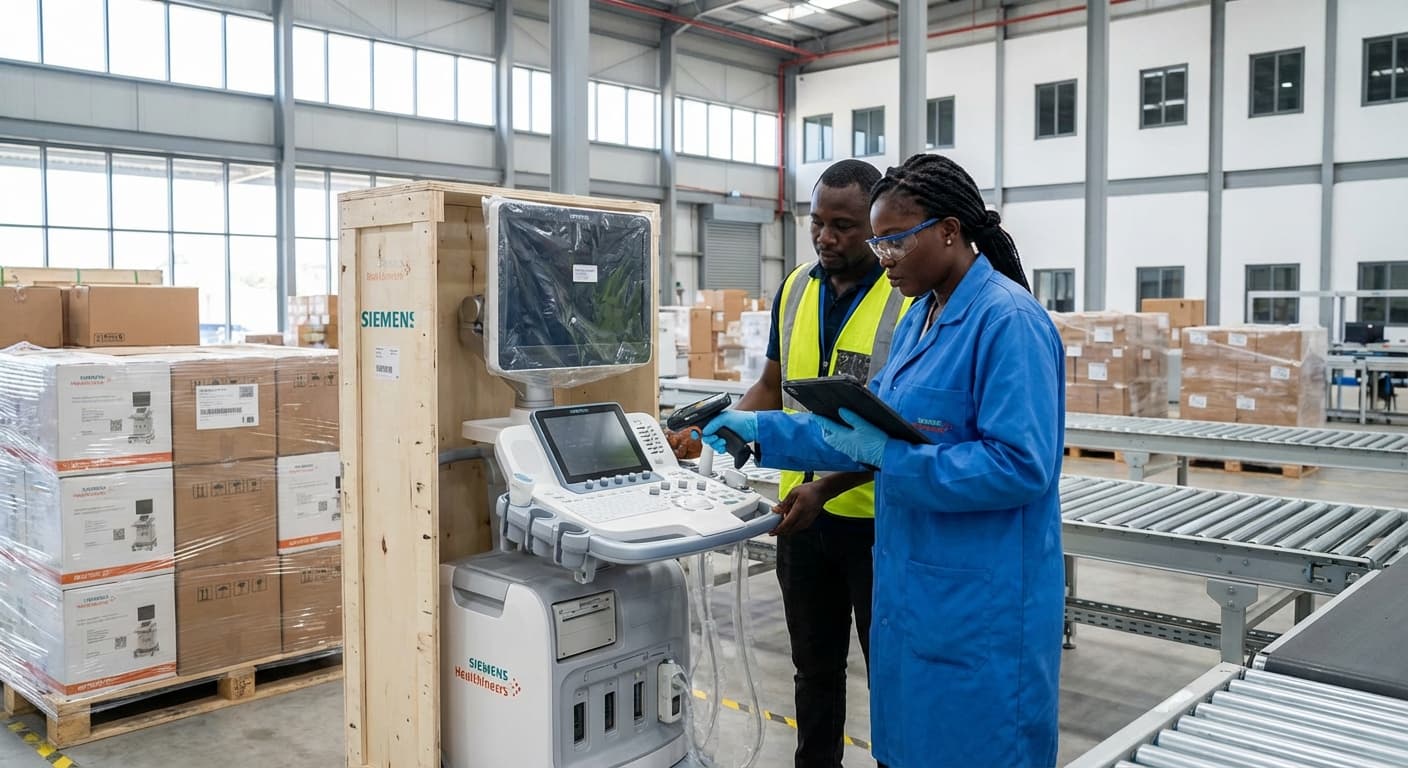
Warehouse Receiving Inspection Service (Medical Equipment) in Seychelles
Engineering Excellence & Technical Support
Warehouse Receiving Inspection Service (Medical Equipment) High-standard technical execution following OEM protocols and local regulatory frameworks.
Advanced Visual Inspection & Calibration Verification
Our Seychelles receiving inspection service for medical equipment employs meticulous visual examination, identifying any physical damage, defects, or discrepancies. We also perform preliminary calibration checks against manufacturer specifications, ensuring immediate operational readiness and compliance.
Comprehensive Documentation & Compliance Audit
We provide rigorous verification of all accompanying documentation, including Certificates of Analysis (CoA), sterilization records, serial number traceability, and regulatory compliance certificates specific to Seychelles and international standards. This ensures full audit readiness and import legality.
Secure Handling & Defect Reporting Workflow
Utilizing specialized handling procedures for sensitive medical equipment, we ensure safe unpacking and initial assessment. Any identified defects or non-conformities are immediately documented with high-resolution imagery and detailed reports, triggering a transparent and efficient communication protocol with suppliers and relevant stakeholders.
What Is Warehouse Receiving Inspection Service (Medical Equipment) In Seychelles?
Warehouse Receiving Inspection Service (Medical Equipment) in Seychelles refers to a specialized quality control process conducted upon the arrival of medical equipment at a designated warehouse facility within Seychelles. This service is critical for ensuring that the received medical equipment meets predefined specifications, regulatory requirements, and is free from damage or defects prior to its integration into the supply chain or deployment for patient care. The inspection typically involves a multi-faceted evaluation encompassing documentation verification, physical examination, functional testing, and adherence to specific storage and handling protocols. The objective is to mitigate risks associated with substandard, damaged, or non-compliant medical equipment, thereby safeguarding patient safety, maintaining operational efficiency, and ensuring regulatory compliance within the Seychellois healthcare ecosystem.
| Who Needs It? | Typical Use Cases | ||||
|---|---|---|---|---|---|
| Hospitals and Clinics: Public and private healthcare facilities that procure and utilize medical equipment for patient diagnosis, treatment, and monitoring. | Medical Equipment Distributors and Suppliers: Entities responsible for importing, storing, and distributing medical equipment to healthcare providers within Seychelles. | Government Health Ministries/Departments: Regulatory bodies overseeing the healthcare sector, ensuring the quality and safety of medical devices entering the country. | Procurement and Logistics Departments: Units within healthcare organizations responsible for the acquisition and management of medical supplies and equipment. | Third-Party Logistics (3PL) Providers: Warehousing and logistics companies handling the storage and distribution of medical equipment on behalf of other entities. | |
| Importation of new medical devices: Ensuring imported equipment meets quality and safety standards before entering the local market. | Receiving refurbished or reconditioned medical equipment: Verifying the integrity and functionality of previously used equipment. | Stock replenishment and inventory management: Confirming the accuracy and condition of equipment received from manufacturers or central distribution centers. | Pre-deployment checks for critical medical equipment: Ensuring specialized or life-saving devices are in optimal condition before installation or use. | Compliance audits and quality assurance processes: As part of a broader quality management system for medical device handling. | Response to product recalls or adverse event investigations: Facilitating the accurate identification and segregation of specific equipment batches. |
Key Components of Warehouse Receiving Inspection Service (Medical Equipment):
- Documentation Review: Verification of accompanying paperwork, including purchase orders, invoices, packing lists, certificates of origin, sterilization certificates, and manufacturer's specifications. This ensures the received items align with procurement records and meet regulatory prerequisites.
- Physical Inspection: Thorough examination of the external condition of the equipment for any signs of damage incurred during transit, such as dents, scratches, cracks, or compromised packaging. This includes checking for completeness of components and accessories as per the product manifest.
- Identification and Verification: Confirmation of the equipment's make, model, serial number, and intended use against the order and regulatory listings. This may involve checking for indelible markings and adherence to established naming conventions.
- Functional Testing (where applicable): Basic operational checks to ascertain that the equipment powers on, performs its primary functions as per manufacturer specifications, and displays no immediate malfunctions. More in-depth calibration or performance validation might be conducted depending on the equipment's criticality and nature.
- Sterility and Integrity Check (for sterile goods): Inspection of packaging integrity to ensure it remains unbroken and has not been compromised, thus maintaining the sterility of the enclosed medical device.
- Compliance and Regulatory Check: Verification that the equipment adheres to relevant local (Seychellois) and international standards and regulations pertaining to medical devices, including registration, labeling, and safety certifications.
- Inventory Management Integration: Accurate recording of received items into the warehouse management system (WMS), including lot numbers, expiry dates, and quantities, for effective inventory control and traceability.
- Reporting and Non-conformance Management: Detailed documentation of inspection findings, including any deviations from expected conditions. This report serves as the basis for initiating corrective actions for identified non-conformities, such as returns, repairs, or rejection of goods.
Who Needs Warehouse Receiving Inspection Service (Medical Equipment) In Seychelles?
In the Seychelles, where efficient healthcare delivery is paramount, robust supply chain management for medical equipment is crucial. Warehouse receiving inspection services play a vital role in ensuring that the medical equipment entering the country meets all quality, safety, and regulatory standards before it reaches healthcare facilities. This process safeguards patient well-being, optimizes resource allocation, and prevents costly issues arising from damaged, incorrect, or counterfeit equipment.
| Target Customer | Description | Relevant Departments |
|---|---|---|
Who Needs Warehouse Receiving Inspection Service (Medical Equipment) in Seychelles?
- Any entity involved in the importation, storage, and distribution of medical equipment within the Seychelles.
- Organizations aiming to ensure the integrity and functionality of their medical equipment inventory.
- Businesses seeking to comply with national and international regulations regarding medical device quality and safety.
- Companies looking to mitigate financial losses due to damaged, defective, or non-compliant medical equipment.
Warehouse Receiving Inspection Service (Medical Equipment) Process In Seychelles
This document outlines the standard workflow for the Warehouse Receiving Inspection Service of Medical Equipment in Seychelles, from initial client inquiry through the successful execution of the inspection. The service ensures that all received medical equipment meets specified quality, safety, and regulatory standards before being accepted into the warehouse. This process is crucial for maintaining the integrity of medical supplies and ensuring patient safety.
| Stage | Description | Key Activities | Responsible Party/Parties | Deliverables/Outcomes |
|---|---|---|---|---|
| The client initiates contact to request the warehouse receiving inspection service for medical equipment. This stage involves understanding the client's specific needs and the type of equipment to be inspected. | Client submits inquiry detailing equipment type, quantity, origin, and desired inspection parameters. Service provider clarifies requirements, potential challenges, and regulatory frameworks (e.g., Ministry of Health regulations). | Client, Inspection Service Provider | Clear understanding of client's requirements. Defined scope of inspection (e.g., visual, functional, documentation verification). |
| Based on the defined scope, the inspection service provider prepares and submits a detailed quotation. Upon acceptance, a formal agreement is established. | Service provider generates a quotation outlining services, fees, timelines, and terms. Client reviews and accepts the quotation. Contract/Agreement is signed by both parties. | Inspection Service Provider, Client | Formal agreement/contract. Agreed-upon terms, conditions, pricing, and service level agreements. |
| The inspection team gathers necessary information and prepares for the on-site inspection to ensure efficiency and thoroughness. | Service provider assembles inspection team. Review of relevant standards, regulations, and manufacturer specifications. Preparation of inspection checklists and forms. Scheduling of the inspection with the client and warehouse. | Inspection Service Provider | Trained inspection team. Comprehensive inspection plan and documentation tools. Confirmed inspection schedule. |
| The actual inspection of the medical equipment takes place at the designated warehouse location in Seychelles. | Upon arrival, the inspection team verifies the identity of the equipment against shipping documents. Conducts visual inspection for damage, defects, and completeness. Performs functional checks (if applicable and feasible). Verifies labeling, serial numbers, and expiry dates. Reviews accompanying documentation (e.g., certificates of analysis, user manuals, warranty cards). | Inspection Team, Client (Warehouse Staff) | Detailed inspection findings. Photographic evidence of equipment condition. Verified compliance with specified criteria. |
| A comprehensive report is generated detailing the inspection findings, including any non-conformities. | Service provider compiles all inspection data and creates a formal inspection report. The report includes an executive summary, detailed findings, list of non-conformities (if any), recommendations, and photographic evidence. Report is submitted to the client. | Inspection Service Provider | Official Inspection Report. Documentation of compliance or non-compliance. Basis for further action. |
| Addressing any identified non-conformities or issues to ensure the equipment is acceptable for warehousing. | Client reviews the inspection report and decides on the course of action for non-conforming items (e.g., return, repair, rework). Service provider may assist in coordinating follow-up actions or re-inspections if required and agreed upon. | Client, Inspection Service Provider | Resolution of non-conformities. Actions taken to rectify identified issues. |
| The service engagement is formally concluded once all inspection activities and resolutions are completed. | Client formally accepts the inspection service. Final invoice is issued and settled. All documentation is archived. Feedback may be solicited from the client to improve future services. | Client, Inspection Service Provider | Project closure confirmation. Completed service delivery. Archived records. |
Warehouse Receiving Inspection Service (Medical Equipment) Workflow in Seychelles
- Inquiry & Scope Definition
- Quotation & Agreement
- Pre-Inspection Preparation
- On-site Inspection Execution
- Reporting & Documentation
- Follow-up & Resolution
- Closure
Warehouse Receiving Inspection Service (Medical Equipment) Cost In Seychelles
The cost of warehouse receiving inspection services for medical equipment in Seychelles can vary significantly based on several key factors. These inspections are crucial for ensuring the integrity, safety, and compliance of incoming medical devices before they are stored or distributed. Service providers typically consider the complexity of the equipment, the volume of items, the required level of detail in the inspection, and any specialized expertise needed. The prevailing economic conditions and the operational overhead of the inspection company also play a role. It's important to obtain detailed quotes from multiple service providers to compare offerings and pricing structures.
| Service Component | Estimated Price Range (SCR) | Notes |
|---|---|---|
| Basic Visual Inspection (per item/batch) | 250 - 750 | Covers physical condition, packaging integrity, labeling. |
| Standard Functional Test (per item) | 500 - 1,500 | Includes operational checks as per manufacturer guidelines. |
| Detailed Inspection (per item) | 1,000 - 3,000 | Combines visual, functional, and basic documentation checks. |
| Specialized Equipment Inspection (e.g., imaging, laboratory) | 3,000 - 10,000+ | Requires specialized technicians and advanced testing equipment. |
| Documentation Review (per set) | 400 - 1,200 | Checking for compliance certificates, manuals, etc. |
| Report Generation (Standard) | Included in inspection fee | |
| Report Generation (Detailed/Customized) | Additional 200 - 500 | Includes photographic evidence, detailed recommendations. |
| Rush Service Surcharge | 20% - 50% of inspection fee | For urgent requirements. |
| On-site Travel Fee (Seychelles) | 500 - 2,000+ | Depending on location and duration. |
| Full Service Contract (Annual) | Negotiable, often with volume discounts | For regular inspection needs. |
Key Pricing Factors for Warehouse Receiving Inspection Services (Medical Equipment) in Seychelles
- Type and Complexity of Medical Equipment: Highly specialized or sensitive equipment (e.g., imaging machines, surgical robots) will command higher inspection fees due to the need for trained technicians and specialized tools. Standard consumables or simpler devices will be less expensive to inspect.
- Volume of Equipment: The total number of units or batches requiring inspection will influence the overall cost. Some providers may offer volume-based discounts.
- Scope and Depth of Inspection: A basic visual inspection will be cheaper than a comprehensive functional test, calibration check, or documentation review.
- Regulatory Compliance Requirements: Inspections that need to adhere to specific international (e.g., ISO 13485) or local health authority standards may incur additional costs for specialized protocols and reporting.
- Turnaround Time: Rush inspections or those requiring expedited service will likely have a premium pricing.
- Travel and Logistics: If the inspection needs to be conducted at a remote warehouse or requires the inspector to travel, associated travel and accommodation costs will be factored in.
- Reporting and Documentation: The level of detail and format of the inspection report can affect the price. Comprehensive reports with detailed findings, photographic evidence, and recommendations will cost more.
- Service Provider's Expertise and Reputation: Established inspection companies with a strong track record and specialized expertise in medical equipment may charge higher fees.
- Additional Services: Services such as basic cleaning, minor repairs, or pre-shipment inspections bundled with receiving inspections can impact the final cost.
Affordable Warehouse Receiving Inspection Service (Medical Equipment) Options
Finding affordable warehouse receiving inspection services for medical equipment is crucial for ensuring compliance, patient safety, and operational efficiency. This service involves thoroughly checking incoming medical devices against purchase orders, quality standards, and regulatory requirements. Key aspects include verifying serial numbers, checking for damage, confirming functionality (where applicable), and ensuring proper documentation is present. Affordability doesn't mean compromising on quality; it means optimizing resource allocation and leveraging smart service models.
| Value Bundle Option | Description | Key Cost-Saving Strategies | Typical Target User |
|---|---|---|---|
| Basic Inspection Package | Standard visual inspection, PO verification, and basic documentation checks. Focuses on outward appearance and order accuracy. | Streamlined workflow, standardized checklists, limited scope reduces inspection time. | Small clinics, research labs with low volume, or for non-critical low-value equipment. |
| Standard Compliance Package | Includes basic inspection plus detailed documentation review, lot/expiry date verification, and basic regulatory compliance checks. | Batch processing for common items, shared inspector resources, pre-defined compliance templates. | Mid-sized healthcare facilities, distributors, or manufacturers requiring moderate compliance oversight. |
| Comprehensive Quality Assurance Bundle | Full receiving inspection, including damage assessment, basic functional checks, detailed documentation review, regulatory compliance, and initial non-conformance reporting. | Dedicated inspection teams during peak hours, integrated with inventory management systems, remote support for troubleshooting. | Hospitals, large medical device manufacturers, third-party logistics (3PL) providers handling significant medical equipment volume. |
| On-Demand & Ad-Hoc Services | Inspection services provided on an as-needed basis for specific shipments or during unexpected surges. | Pay-as-you-go model, avoiding fixed overheads for fluctuating needs, flexible scheduling. | Businesses with highly variable incoming volumes or those requiring occasional specialized inspections. |
| Outsourced Dedicated Team | A dedicated team of inspectors managed by a third-party service provider, integrated into the client's warehouse operations. | Economies of scale for the provider, reduced training and management overhead for the client, optimized resource allocation. | Large organizations with consistent, high-volume receiving needs seeking specialized expertise and predictable costs. |
Key Components of Medical Equipment Warehouse Receiving Inspection:
- Verification against Purchase Orders (PO): Ensuring received items match what was ordered.
- Damage Assessment: Inspecting for any physical damage incurred during transit.
- Documentation Review: Checking for certificates of analysis, compliance documents, and user manuals.
- Labeling and Identification: Verifying proper labeling, lot numbers, and expiry dates.
- Basic Functional Checks (where applicable): Ensuring the equipment powers on and basic functions are operational.
- Regulatory Compliance Verification: Checking for adherence to relevant medical device regulations (e.g., FDA, CE).
- Quarantine and Release Procedures: Implementing protocols for items that require further investigation or are deemed non-conforming.
Verified Providers In Seychelles
In Seychelles, ensuring access to reliable and high-quality healthcare services is paramount. Franance Health has emerged as a leading name, distinguished by its commitment to verified providers and a patient-centric approach. Their rigorous credentialing process and dedication to excellence make them the preferred choice for individuals seeking dependable healthcare solutions in the region.
| Credential Type | Verification Process | Franance Health Assurance |
|---|---|---|
| Medical Licenses | Mandatory submission of valid and current medical licenses from relevant Seychelles authorities. | All providers in the Franance Health network hold up-to-date and verifiable medical licenses. |
| Educational Qualifications | Verification of degrees, diplomas, and specialized training from accredited institutions. | Franance Health confirms the authenticity and relevance of all educational credentials. |
| Professional Accreditations | Checking for memberships and accreditations with recognized medical associations and boards. | Providers are affiliated with reputable professional bodies, demonstrating adherence to industry standards. |
| Clinical Experience | Assessment of years of practice, areas of specialization, and case history. | Franance Health prioritizes providers with proven track records and relevant expertise. |
| Patient Feedback & Reviews | Collection and analysis of patient testimonials and satisfaction ratings. | A commitment to providers who consistently receive positive patient feedback and demonstrate excellent care. |
| Ethical Conduct | Background checks and adherence to a strict code of medical ethics. | Franance Health ensures all partnered providers maintain the highest ethical standards. |
Why Franance Health Stands Out:
- Rigorous Provider Vetting: Franance Health employs a comprehensive and multi-stage verification process for all its healthcare partners. This includes thorough checks of medical licenses, qualifications, professional accreditations, and a deep dive into their clinical experience and patient feedback history.
- Focus on Patient Safety and Quality: The core of Franance Health's mission is to ensure the highest standards of patient safety and medical quality. By partnering only with verified providers, they minimize risks and guarantee that patients receive care from competent and ethical professionals.
- Comprehensive Network of Specialists: Franance Health has cultivated an extensive network of healthcare providers across various specialties. This allows them to cater to a wide range of medical needs, from general consultations to complex surgical procedures, all through their pre-vetted network.
- Transparency and Trust: They prioritize transparency in their operations, providing patients with clear information about the credentials and experience of the healthcare professionals within their network. This fosters trust and empowers patients to make informed decisions about their health.
- Seamless Patient Experience: Beyond just verification, Franance Health aims to deliver a seamless and convenient healthcare experience. This includes efficient appointment scheduling, streamlined administrative processes, and dedicated patient support.
Scope Of Work For Warehouse Receiving Inspection Service (Medical Equipment)
This Scope of Work (SOW) outlines the requirements for Warehouse Receiving Inspection Services specifically for medical equipment. The service provider will be responsible for performing comprehensive inspections of incoming medical equipment to ensure it meets all specified quality, safety, and regulatory standards before being accepted into the warehouse. This SOW details the technical deliverables, standard specifications, and procedures required for the successful execution of these inspection services.
| Inspection Area | Standard Specifications/Acceptance Criteria | Technical Deliverables | Frequency/Trigger |
|---|---|---|---|
| Packaging Integrity | No signs of damage, tampering, moisture, or contamination. Packaging must be appropriate for the equipment and shipping method. (e.g., ISO 11607 for sterile packaging) | Visual inspection report, photographic evidence of any damage. | Upon arrival of each shipment. |
| Product Identification & Verification | Product name, model number, serial number, manufacturer, and lot/batch number must match purchase order (PO) and shipping documents. Compliance with relevant product labeling standards (e.g., FDA UDI requirements). | Verification checklist, discrepancy report if any. | Upon arrival of each shipment. |
| Physical Condition | No visible damage (dents, scratches, cracks), corrosion, or signs of wear. Equipment must be clean and free from foreign debris. Adherence to GMP guidelines for cleanliness. | Visual inspection report, photographic evidence of any defects. | Upon arrival of each shipment. |
| Completeness of Shipment | All items listed on the PO and packing slip must be present. Accessories, manuals, and any included components verified. | Receiving report, discrepancy report for missing items. | Upon arrival of each shipment. |
| Documentation Review | Presence and accuracy of required documentation: Certificate of Conformance (CoC), Certificate of Analysis (CoA) (if applicable), user manuals, warranty information, relevant regulatory compliance documents (e.g., CE marking, FDA 510(k) clearance indication). | Document checklist, scanned copies of reviewed documents, report on document compliance. | Upon arrival of each shipment. |
| Initial Functionality Check (if applicable & feasible) | Basic operational checks to confirm power-on, essential functions operational, and absence of immediate error messages. (Specific tests defined per equipment type). Compliance with relevant IEC standards for medical electrical equipment safety (e.g., IEC 60601 series). | Functional test log, report detailing any initial issues observed. | Upon arrival of each shipment, for designated equipment types. |
| Environmental Conditions during transit (if monitored) | Temperature and humidity logs (if provided by shipper) must be within specified ranges for the equipment. (e.g., for temperature-sensitive biologics or pharmaceuticals). | Review of environmental monitoring data, report on any excursions. | Upon receipt of shipments with environmental monitoring. |
| Adherence to Special Handling Requirements | Verification of adherence to any specific handling, storage, or transportation instructions provided by the manufacturer or regulatory bodies (e.g., fragile, electrostatic sensitive devices, hazardous materials). | Checklist for special handling compliance, report on deviations. | Upon arrival of each shipment with special handling needs. |
| Reporting | Timely and accurate reporting of all inspection findings, including positive and negative results, deviations, and recommended actions. Reports must be clear, concise, and auditable. Utilizes established quality management system (QMS) reporting templates. | Daily/Weekly summary reports, detailed inspection reports for each batch/shipment, Non-conformance reports (NCRs). | As per agreed reporting schedule and upon discovery of non-conformances. |
| Non-Conformance Management | Immediate reporting of any non-conforming products or deviations. Collaboration with client for disposition of non-conforming materials (e.g., quarantine, return to vendor, rework). | Formal Non-Conformance Reports (NCRs) with clear descriptions, photographic evidence, and proposed corrective actions. | Immediately upon identification of any non-conformance. |
Key Service Components
- Pre-shipment Verification (where applicable)
- On-site Receiving Inspection
- Documentation Review
- Quality Control and Reporting
- Non-Conformance Management
Service Level Agreement For Warehouse Receiving Inspection Service (Medical Equipment)
This Service Level Agreement (SLA) outlines the performance standards and guarantees for Warehouse Receiving Inspection Services specifically for Medical Equipment. The objective is to ensure the timely and accurate inspection of incoming medical equipment to maintain product integrity, regulatory compliance, and operational efficiency.
| Service Component | Service Level Objective (SLO) | Measurement Method | Remedy for Non-Compliance |
|---|---|---|---|
| Receiving Inspection Response Time (Critical Equipment) | Within 2 Business Hours of Notification | Time-stamped notification records vs. commencement of inspection. | Root cause analysis, corrective action plan, and a service credit of 5% of the monthly inspection fee for the affected equipment type. |
| Receiving Inspection Response Time (Standard Equipment) | Within 4 Business Hours of Notification | Time-stamped notification records vs. commencement of inspection. | Root cause analysis, corrective action plan, and a service credit of 2.5% of the monthly inspection fee for the affected equipment type. |
| Inspection Completion Time (Critical Equipment) | Within 8 Business Hours of Inspection Commencement | Time-stamped commencement of inspection vs. issuance of inspection report. | Root cause analysis, corrective action plan, and a service credit of 5% of the monthly inspection fee for the affected equipment type. |
| Inspection Completion Time (Standard Equipment) | Within 24 Business Hours of Inspection Commencement | Time-stamped commencement of inspection vs. issuance of inspection report. | Root cause analysis, corrective action plan, and a service credit of 2.5% of the monthly inspection fee for the affected equipment type. |
| Uptime Guarantee | 99.5% during Business Hours | System logs monitoring inspection service availability and performance, cross-referenced with scheduled operational periods. | Service credit equivalent to the proportion of downtime multiplied by the monthly inspection fee, capped at 10% of the monthly fee. |
| Accuracy of Inspection Reports | 99.0% accuracy (measured by independent audits) | Periodic audits conducted by an independent third party or the client's quality assurance team. | Mandatory re-inspection of affected items at no additional cost and development of a corrective action plan to prevent recurrence. Potential for escalation if accuracy falls below 98% for two consecutive quarters. |
| Availability of Inspection Personnel | Adequate staffing to meet response time objectives, with contingency plans for staff absence. | Monitoring of personnel availability and response times against objectives. | Temporary augmentation of inspection staff by the service provider at their expense if SLOs are consistently missed due to staffing shortages. |
Key Definitions
- Receiving Inspection: The process of visually examining and verifying incoming medical equipment against purchase orders, shipping documents, and regulatory requirements.
- Critical Equipment: Medical equipment identified as high-risk, essential for patient care, or subject to strict regulatory timelines. Failure to inspect within the defined timeframe for critical equipment will result in immediate escalation.
- Standard Equipment: Medical equipment not classified as critical, requiring routine inspection.
- Business Hours: Monday to Friday, 9:00 AM to 5:00 PM Local Time, excluding public holidays.
- Response Time: The maximum allowed time from notification of arrival of medical equipment to the commencement of the receiving inspection process.
- Uptime Guarantee: The percentage of scheduled operational time during which the inspection service is available and performing as expected.
- Notification: The formal communication from the Shipping/Logistics department to the Receiving Inspection Service of incoming medical equipment, including details like PO number, equipment type, and estimated arrival time.
- Inspection Completion Time: The maximum allowed time from the commencement of inspection to the delivery of the inspection report.
Frequently Asked Questions

Ready when you are
Let's scope your Warehouse Receiving Inspection Service (Medical Equipment) in Seychelles project in Seychelles.

Scaling healthcare logistics and technical systems across the entire continent.