
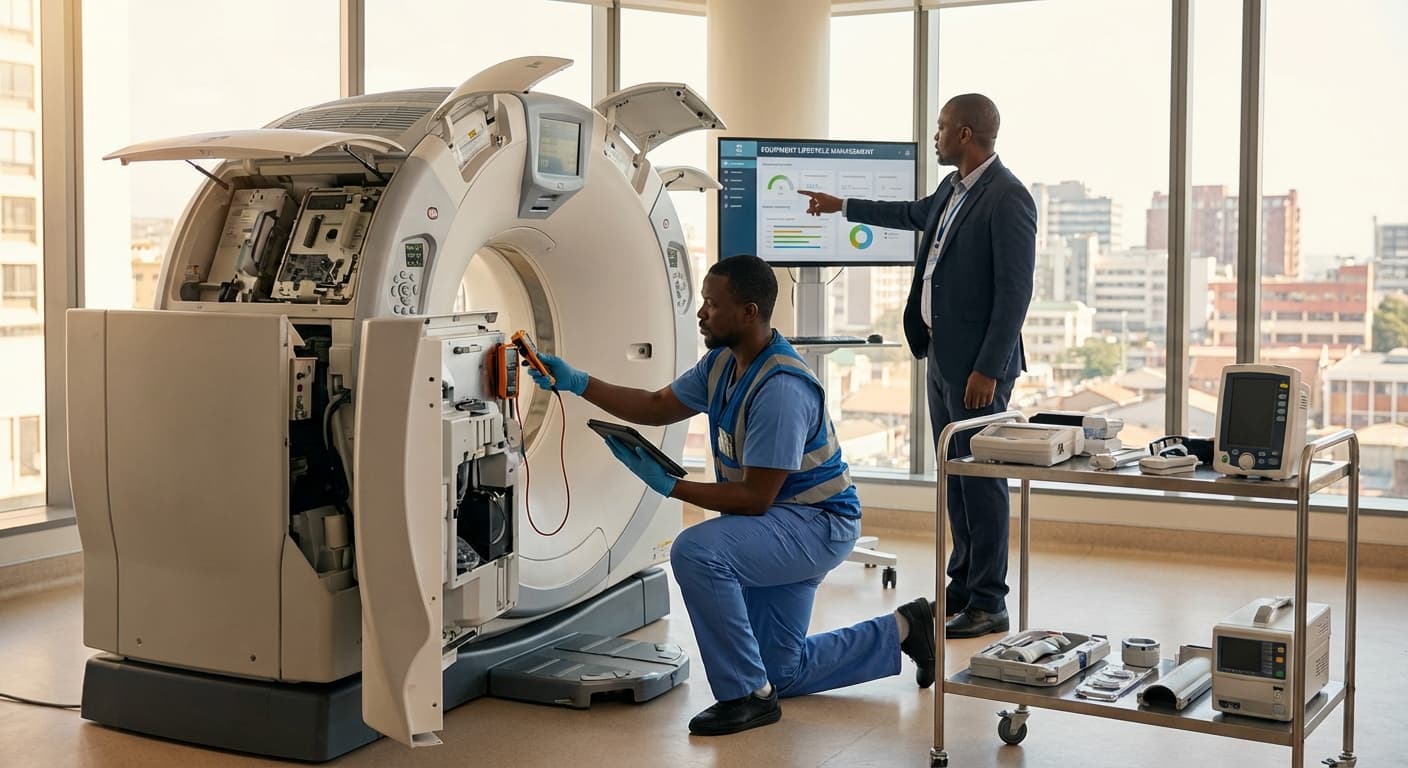
Equipment Replacement Planning & Obsolescence Strategy Service in Seychelles
Engineering Excellence & Technical Support
Equipment Replacement Planning & Obsolescence Strategy Service High-standard technical execution following OEM protocols and local regulatory frameworks.
Predictive Analytics for Lifecycle Management
Leveraging advanced AI and data analytics, we forecast equipment lifespan and identify potential obsolescence risks proactively. This enables data-driven replacement scheduling, minimizing downtime and maximizing asset value for Seychelles' critical infrastructure and industries.
Resilient Supply Chain Integration
Our service establishes robust connections with global suppliers and local partners in Seychelles, ensuring timely access to essential spare parts and new equipment. We mitigate supply chain disruptions and secure favorable procurement terms to maintain operational continuity.
Optimized Total Cost of Ownership (TCO) Assessment
We conduct comprehensive TCO analyses, factoring in acquisition, maintenance, operational, and disposal costs. This strategic approach ensures Seychelles businesses make informed, cost-effective decisions regarding equipment upgrades and replacements, aligning with long-term financial objectives.
What Is Equipment Replacement Planning & Obsolescence Strategy Service In Seychelles?
Equipment Replacement Planning & Obsolescence Strategy Service in Seychelles is a proactive, systematic approach to managing the lifecycle of an organization's physical assets, with a specific focus on anticipating and mitigating the risks associated with equipment obsolescence and planning for timely and cost-effective replacement. This service extends beyond simple maintenance by incorporating foresight into technological advancements, operational demands, and the long-term economic viability of maintaining or replacing assets. It aims to optimize capital expenditure, minimize operational disruptions, and ensure compliance with evolving industry standards and regulations within the unique economic and logistical context of Seychelles.
| Who Needs This Service? | Typical Use Cases | |||||
|---|---|---|---|---|---|---|
| Organizations in Seychelles operating critical infrastructure, such as power generation, water treatment, telecommunications, and transportation. | Manufacturing facilities seeking to maintain production efficiency and competitiveness through updated machinery. | Healthcare institutions reliant on advanced medical equipment with finite lifespans and strict calibration requirements. | Hospitality and tourism sector businesses that depend on reliable and modern facilities and operational equipment (e.g., HVAC, kitchen equipment, IT infrastructure). | Government agencies and public sector bodies managing a diverse portfolio of aging assets. | Companies with significant investments in specialized machinery or technology susceptible to rapid technological change. | Businesses operating in remote or logistically challenging locations within Seychelles, where equipment downtime has a disproportionately high impact. |
| A telecommunications provider planning the transition from legacy copper-based infrastructure to fiber optics, requiring a phased replacement strategy considering subscriber migration and network capacity needs. | A manufacturing plant identifying that key production machinery is exceeding its optimal maintenance threshold and is nearing obsolescence, necessitating a plan for procurement and installation of newer, more energy-efficient models to reduce operational costs and improve output quality. | A hotel chain needing to upgrade its central air conditioning and refrigeration systems before the peak tourist season, based on LCC analysis indicating that repair costs are becoming unsustainable and new systems offer significant energy savings. | A government entity managing an aging fleet of vehicles and essential service equipment, requiring a strategic roadmap for replacement to ensure continued service delivery and compliance with environmental emission standards. | A processing facility evaluating the integration of automation and advanced control systems to replace manual operations, driven by labor cost considerations and the need for enhanced product consistency and safety. | A maritime or logistics company assessing the lifespan and operational efficiency of its port equipment (cranes, conveyors) in anticipation of increased trade volumes and the need for greater throughput. |
Key Components of the Service
- Asset Inventory and Data Aggregation: Comprehensive cataloging of all equipment, including specifications, purchase dates, maintenance history, condition assessments, and current operational status.
- Obsolescence Risk Assessment: Identification and evaluation of factors contributing to obsolescence, such as technological advancements, diminishing spare parts availability, escalating maintenance costs, performance degradation, and regulatory non-compliance.
- Life Cycle Costing (LCC) Analysis: Detailed financial modeling to determine the total cost of ownership for each asset over its expected lifespan, including acquisition, operation, maintenance, repair, and eventual disposal or replacement costs.
- Predictive Replacement Modeling: Utilizing data analytics and statistical methods to forecast optimal replacement points based on reliability, performance trends, and projected future needs.
- Technology Scouting and Evaluation: Monitoring emerging technologies and their potential impact on existing and future operational requirements, identifying opportunities for innovation and competitive advantage.
- Strategic Procurement Planning: Developing long-term procurement strategies for replacement equipment, considering supplier reliability, lead times, and potential for bulk purchasing or negotiation within the Seychelles market.
- Risk Mitigation and Contingency Planning: Establishing strategies to address potential disruptions arising from equipment failure or obsolescence, including backup systems, temporary solutions, and business continuity plans.
- Disposal and Decommissioning Management: Planning for the environmentally responsible and compliant disposal or sale of obsolete equipment, considering local regulations and opportunities for asset recovery.
- Stakeholder Consultation and Reporting: Engaging with relevant internal departments (operations, finance, procurement, IT) and external stakeholders to ensure alignment and facilitate informed decision-making. Providing regular reports on asset status, risk profiles, and recommended actions.
Who Needs Equipment Replacement Planning & Obsolescence Strategy Service In Seychelles?
Equipment Replacement Planning and Obsolescence Strategy services are crucial for businesses and organizations in Seychelles to ensure operational continuity, mitigate risks, and optimize resource allocation. As Seychelles continues to develop its infrastructure and industries, proactive management of aging or outdated equipment becomes increasingly important. This service helps entities avoid costly breakdowns, maintain competitive advantage, and comply with evolving technological and environmental standards.
| Industry/Sector | Key Equipment Susceptible to Obsolescence | Relevant Departments/Roles |
|---|---|---|
| Hospitality & Tourism | Air Conditioners, Kitchen Appliances, AV Systems, Laundry Machines, Vehicles (Buses, Vans) | Operations Management, Facilities Management, IT Department, Procurement |
| Financial Services & Technology | Servers, Network Switches, Routers, Desktops, Laptops, Security Appliances | IT Department, Infrastructure Management, Information Security, Procurement |
| Government & Public Services | Power Generators, Water Pumps, Medical Equipment, Fleet Vehicles, IT Infrastructure | Public Works Department, Ministry of Health, Utility Companies (e.g., PUC), Transport Authority, IT Department |
| Manufacturing & Industrial | Machinery, Processing Units, Tools, Conveyor Systems, Control Systems | Production Management, Engineering Department, Maintenance Department, Procurement |
| Telecommunications | Routers, Switches, Base Stations, Servers, Network Monitoring Tools | Network Operations Center (NOC), Engineering Department, IT Department, Infrastructure Management |
| Logistics & Transportation | Cranes, Forklifts, Trucks, IT Systems for Tracking and Management | Operations Department, Fleet Management, IT Department, Procurement |
| Educational Institutions | Computers, Projectors, Lab Equipment, Administrative Printers | IT Department, Facilities Management, Academic Departments, Procurement |
Target Customers & Departments in Seychelles
- Hospitality & Tourism Sector: Hotels, resorts, and tour operators heavily rely on functioning equipment for guest services, kitchen operations, and entertainment. Aging air conditioning units, kitchen appliances, audiovisual systems, and transportation fleets can disrupt operations and negatively impact customer experience.
- Financial Services & Technology: Banks, insurance companies, and IT service providers require up-to-date and reliable IT infrastructure, including servers, workstations, networking equipment, and data centers. Obsolescence can lead to security vulnerabilities, performance issues, and compliance challenges.
- Government & Public Services: Ministries, utilities (water, electricity), healthcare facilities, and transportation authorities manage a wide array of critical infrastructure and operational equipment. Timely replacement planning for power generation equipment, water treatment systems, medical devices, and public transport vehicles is essential for public safety and service delivery.
- Manufacturing & Industrial Operations: While Seychelles' manufacturing sector might be smaller, any entity involved in production, processing, or energy generation will have machinery, tools, and processing equipment. Planning for wear and tear and technological upgrades is vital for efficiency and quality.
- Telecommunications: Providers of internet, mobile, and fixed-line services depend on complex and constantly evolving network infrastructure. Obsolescence in routers, switches, base stations, and other network components can lead to service disruptions and reduced capacity.
- Logistics & Transportation: Port authorities, shipping companies, and freight forwarders rely on heavy machinery, vehicles, and IT systems for efficient cargo handling and movement. Planned replacement of cranes, forklifts, trucks, and tracking systems prevents bottlenecks and delays.
- Educational Institutions: Schools, colleges, and universities utilize a range of equipment from IT labs and audiovisual systems to laboratory apparatus and administrative machinery. Keeping these resources current supports effective learning and research.
- Small and Medium Enterprises (SMEs): Businesses across all sectors with a significant reliance on equipment, even at a smaller scale, benefit from strategic planning to avoid unexpected expenses and operational downtime.
Equipment Replacement Planning & Obsolescence Strategy Service Process In Seychelles
This document outlines the Equipment Replacement Planning & Obsolescence Strategy Service process specifically tailored for businesses and organizations operating in Seychelles. The service aims to help clients proactively manage their asset lifecycle, minimize disruption due to obsolete equipment, and optimize capital expenditure on replacements. The workflow follows a structured approach, ensuring a comprehensive understanding of client needs and delivering actionable strategies.
| Phase | Key Activities | Deliverables | Seychelles Specific Considerations |
|---|---|---|---|
| Phase 1: Inquiry & Initial Consultation | Client expresses interest in equipment replacement planning and obsolescence strategy. Initial meeting to understand client's business, asset portfolio, and core concerns. Discuss service scope, objectives, and expected outcomes. | Service Proposal outlining scope, methodology, timelines, and fees. Mutual understanding of project goals. | Understanding of Seychelles' business landscape, common industries (tourism, fisheries, services), and regulatory environment. Accessibility and communication channels within Seychelles. |
| Phase 2: Assessment & Data Gathering | Inventory of existing equipment (make, model, serial number, purchase date, condition, maintenance history). Gathering of operational data (usage, performance metrics, failure rates). Identification of critical equipment and associated risks. Understanding of current replacement cycles and budgets. | Comprehensive Asset Register. Data collation report. Initial risk assessment matrix. | Availability of reliable data from clients in Seychelles. Potential challenges in accessing historical maintenance records. Understanding of local import/export regulations for equipment. |
| Phase 3: Analysis & Strategy Development | Analysis of equipment lifecycle data to identify aging and obsolescence trends. Evaluation of total cost of ownership (TCO) for existing equipment. Market research for available replacement technologies and suppliers. Assessment of obsolescence risks (technical, supply chain, regulatory). Development of replacement scenarios and their financial implications. | Obsolescence risk assessment report. TCO analysis for key equipment. Identification of potential replacement technologies. Draft obsolescence strategy framework. | Understanding of global supply chain dynamics affecting Seychelles. Local availability and cost of spare parts and maintenance services. Impact of climate and environmental factors on equipment longevity in Seychelles. |
| Phase 4: Recommendation & Planning | Presentation of findings and recommended obsolescence strategy. Development of a prioritized equipment replacement plan. Creation of a phased implementation roadmap. Budgetary projections for replacement and maintenance activities. Risk mitigation strategies for obsolescence. | Final Obsolescence Strategy document. Equipment Replacement Plan with timelines and budget. Risk Mitigation Plan. Presentation of recommendations to client stakeholders. | Alignment with local economic conditions and investment capacity in Seychelles. Consideration of local talent availability for new technology implementation and maintenance. |
| Phase 5: Implementation Support & Monitoring | Assistance with vendor selection and procurement processes. Project management support for equipment decommissioning and installation. Development of training programs for new equipment. Establishment of monitoring mechanisms for asset performance and obsolescence. | Procurement support documentation. Project implementation updates. Training materials. Performance monitoring reports. | Facilitating local partnerships for installation and support. Navigating customs procedures for imported equipment in Seychelles. Ensuring compliance with local safety and environmental standards during installation. |
| Phase 6: Review & Continuous Improvement | Periodic review of the equipment replacement plan and obsolescence strategy. Evaluation of the effectiveness of implemented strategies. Updating the asset register and risk assessments. Incorporating lessons learned into future planning cycles. | Performance review reports. Updated Obsolescence Strategy. Recommendations for continuous improvement. | Adapting the strategy to evolving economic and technological landscapes in Seychelles. Ongoing engagement with clients to ensure long-term asset management success. |
Equipment Replacement Planning & Obsolescence Strategy Service Workflow in Seychelles
- Phase 1: Inquiry & Initial Consultation
- Phase 2: Assessment & Data Gathering
- Phase 3: Analysis & Strategy Development
- Phase 4: Recommendation & Planning
- Phase 5: Implementation Support & Monitoring
- Phase 6: Review & Continuous Improvement
Equipment Replacement Planning & Obsolescence Strategy Service Cost In Seychelles
The cost of Equipment Replacement Planning & Obsolescence Strategy services in Seychelles can vary significantly based on several key factors. These factors directly influence the complexity of the project, the expertise required, and the time commitment involved. Businesses in Seychelles looking to implement such strategies should be prepared for a range of pricing, which is typically quoted in Seychellois Rupees (SCR).
| Service Component/Complexity Level | Estimated Price Range (SCR) |
|---|---|
| Basic Equipment Inventory & Age Assessment (e.g., for a small business with <50 assets) | SCR 5,000 - 15,000 |
| Standard Replacement Planning (e.g., for a medium-sized business, 50-200 assets, basic lifecycle consideration) | SCR 15,000 - 50,000 |
| Comprehensive Obsolescence Strategy & Detailed Planning (e.g., for a larger enterprise, 200+ assets, including risk, financial modeling, and multi-year roadmaps) | SCR 50,000 - 200,000+ |
| Ad-hoc Consultancy/Expert Advice (hourly rate) | SCR 500 - 2,000 per hour |
| Development of Custom Asset Management Tools/Templates (as part of a larger project) | Included in project cost or quoted separately, potentially SCR 10,000 - 50,000+ |
Key Pricing Factors:
- {"title":"Scope and Complexity of Equipment Inventory","description":"The sheer volume and diversity of equipment to be assessed is a primary cost driver. A larger and more varied inventory will require more extensive data collection, analysis, and planning."}
- {"title":"Depth of Analysis Required","description":"Services can range from basic inventory and age assessment to detailed lifecycle cost analysis, risk assessment for obsolescence, and the development of detailed replacement roadmaps. More in-depth analysis commands higher fees."}
- {"title":"Consultant Expertise and Experience","description":"The reputation, qualifications, and track record of the consulting firm or individual specialist will impact pricing. Highly experienced consultants with a proven success rate in similar projects in Seychelles or the region will generally charge more."}
- {"title":"Data Availability and Quality","description":"If the client possesses well-organized and readily accessible equipment data (purchase dates, maintenance records, specifications), the consultant's work will be more efficient, potentially lowering costs. Poor or missing data will necessitate more investigative work."}
- {"title":"Customization vs. Standardized Approach","description":"While some basic frameworks can be applied, most replacement planning requires customization to a specific business's needs, operational environment, and financial constraints. Highly tailored solutions will be more expensive."}
- {"title":"Technology and Software Utilization","description":"The use of specialized asset management software or advanced analytical tools by the consultant can influence the price, as these often represent an investment for the provider. However, they can also lead to more robust and efficient outcomes."}
- {"title":"Project Timeline and Urgency","description":"Rush projects or those requiring rapid turnaround may incur premium pricing due to the need for expedited resource allocation and focused effort."}
- {"title":"Reporting and Deliverables","description":"The format and detail of the final reports, presentations, and strategic documents will also affect the cost. Comprehensive, multi-stage reporting will be priced higher."}
Affordable Equipment Replacement Planning & Obsolescence Strategy Service Options
Our Affordable Equipment Replacement Planning & Obsolescence Strategy Service is designed to empower businesses with proactive, cost-effective solutions for managing their asset lifecycles. We understand the significant financial and operational impact of unexpected equipment failures and outdated technology. Our service offers a strategic approach to identify, prioritize, and plan for equipment replacements and obsolescence mitigation, ensuring maximum uptime, optimized performance, and minimized capital expenditure. We provide flexible value bundles and implement proven cost-saving strategies to deliver exceptional ROI.
| Value Bundle | Description | Key Deliverables | Target Business Size | Cost-Saving Strategies Emphasized |
|---|---|---|---|---|
| Essentials Bundle | Core planning and risk assessment for critical assets. | Obsolescence risk register, basic replacement roadmap, initial asset inventory review. | Small to Medium Businesses (SMBs) | Early identification of high-impact risks, avoiding emergency replacement costs. |
| Growth Bundle | Comprehensive planning, including lifecycle cost analysis and phased replacement strategy. | Detailed lifecycle cost models, multi-year replacement plan, technology trend insights, negotiation support. | Medium to Large Businesses | Optimized capital allocation, bulk purchase discounts, extended asset lifespan through proactive maintenance. |
| Enterprise Bundle | Full-suite strategic planning, advanced analytics, and continuous monitoring for optimal asset management. | Predictive analytics for failure, integrated asset management platform, comprehensive obsolescence mitigation plans, vendor partnership management. | Large Enterprises & Multi-site Operations | Minimizing downtime through predictive maintenance, maximizing ROI on asset investments, strategic sourcing and long-term cost reduction. |
| Custom Solutions | Tailored services to address unique business requirements and specific asset classes. | Defined by client needs and scope of work. | All Business Sizes | Flexible application of cost-saving strategies based on specific operational challenges. |
Key Service Features & Benefits
- Proactive Obsolescence Identification: Early detection of end-of-life components and software.
- Lifecycle Cost Analysis: Comprehensive evaluation of acquisition, operation, maintenance, and disposal costs.
- Risk Assessment & Prioritization: Identifying critical equipment and high-impact obsolescence risks.
- Strategic Replacement Planning: Developing phased replacement schedules aligned with budget and operational needs.
- Technology Trend Monitoring: Staying abreast of emerging technologies and their potential benefits.
- Vendor Negotiation Support: Leveraging our insights for better pricing and contract terms.
- Inventory Optimization: Reducing excess spare parts and managing stock levels effectively.
- Customized Reporting & Dashboards: Clear visibility into asset status, risks, and planned actions.
Verified Providers In Seychelles
When seeking healthcare services in Seychelles, ensuring the credibility and quality of providers is paramount. Franance Health stands out as a beacon of trust and excellence, offering a robust network of verified healthcare professionals and facilities. This commitment to verification and quality assurance positions Franance Health as the premier choice for residents and visitors alike. Their rigorous credentialing process for all partnered providers means that every doctor, clinic, and hospital within their network has undergone thorough scrutiny, guaranteeing adherence to international standards of medical practice and patient care. This meticulous approach to vetting not only enhances patient safety but also instills confidence in the quality of treatment received.
| Credential Type | Franance Health Verification Process | Benefit to Patients |
|---|---|---|
| Medical Doctor Licenses | Verified with Seychelles Ministry of Health and relevant international bodies. | Ensures doctors are fully qualified, licensed, and legally permitted to practice. |
| Specialist Certifications | Confirmation of board certifications and ongoing professional development. | Guarantees access to specialists with proven expertise in their respective fields. |
| Facility Accreditation | Assessment of clinics and hospitals against national and international healthcare standards. | Confirms that facilities meet stringent requirements for hygiene, equipment, and operational safety. |
| Reputation and Patient Feedback | Monitoring of patient reviews and professional conduct. | Provides assurance of positive patient experiences and ethical medical practices. |
Why Franance Health is Your Best Choice in Seychelles:
- Rigorous Provider Verification: All healthcare professionals and facilities are thoroughly vetted to ensure they meet high standards of quality and safety.
- Access to a Trusted Network: Franance Health provides access to a curated list of reliable and reputable healthcare providers across Seychelles.
- Enhanced Patient Confidence: Knowing your provider is verified by Franance Health offers peace of mind and reduces anxiety about receiving care.
- Commitment to Excellence: Franance Health actively promotes and upholds the highest standards in medical practice and patient experience.
- Streamlined Healthcare Navigation: Simplifying the process of finding and accessing quality healthcare services in Seychelles.
Scope Of Work For Equipment Replacement Planning & Obsolescence Strategy Service
This Scope of Work (SOW) outlines the services to be provided for Equipment Replacement Planning and Obsolescence Strategy. The objective is to develop a comprehensive, data-driven plan and strategy that ensures the timely and cost-effective replacement of existing equipment and proactively manages technological obsolescence, thereby minimizing operational risks and maximizing asset lifecycle value. The service will encompass assessment of current equipment, identification of obsolescence risks, development of replacement criteria, formulation of a phased replacement plan, and establishment of a continuous monitoring and updating mechanism for the obsolescence strategy.
| Technical Deliverable | Description | Standard Specification / Format | Purpose |
|---|---|---|---|
| Equipment Inventory Database | A comprehensive database detailing all critical equipment, including manufacturer, model, serial number, installation date, maintenance history, expected lifespan, and current condition. | Microsoft Excel or SQL Database (CSV/XLSX exportable). Clearly defined fields for each data point. | Provides a baseline for all subsequent analysis and planning. |
| Obsolescence Risk Assessment Report | Analysis of each equipment item's risk of obsolescence based on factors such as manufacturer support lifecycle, availability of spare parts, compliance with new regulations, and emerging technologies. | PDF document with clear scoring methodology (e.g., High, Medium, Low risk) and justification for each rating. | Identifies immediate and future obsolescence threats. |
| Replacement Criteria Framework | Defined criteria for triggering equipment replacement, including performance degradation thresholds, end-of-life support dates, safety concerns, cost-benefit analysis parameters, and strategic alignment. | Document (Word/PDF) outlining qualitative and quantitative criteria. May include decision trees or flowcharts. | Establishes a consistent and objective basis for replacement decisions. |
| Phased Equipment Replacement Plan | A multi-year plan detailing recommended equipment replacements, including prioritized equipment, proposed timelines, estimated capital and operational expenditures, and resource requirements. | Microsoft Project, Excel (Gantt chart format), or a dedicated asset management software output (PDF/XLSX). | Provides a roadmap for strategic capital investment and resource allocation. |
| Obsolescence Strategy Document | A strategic document outlining the overarching approach to managing equipment obsolescence, including preventative measures, proactive replacement strategies, technology scouting, and risk mitigation plans. | PDF document. Clearly articulated goals, objectives, key strategies, and performance indicators (KPIs). | Defines the long-term approach to maintaining operational continuity and leveraging technology. |
| Data Management & Reporting Guidelines | Recommendations for ongoing data collection, validation, and reporting processes to ensure the obsolescence strategy and replacement plan remain current and effective. | Document (Word/PDF) outlining data sources, update frequency, data ownership, and standard reporting templates. | Ensures the sustainability and adaptability of the planning process. |
Key Service Components
- Current Equipment Inventory & Assessment
- Obsolescence Risk Identification & Prioritization
- Replacement Criteria Development
- Phased Equipment Replacement Plan Formulation
- Obsolescence Strategy Development & Implementation Roadmap
- Data Management & Reporting Framework
Service Level Agreement For Equipment Replacement Planning & Obsolescence Strategy Service
This Service Level Agreement (SLA) outlines the performance standards and commitments for the Equipment Replacement Planning & Obsolescence Strategy Service. It defines the response times for critical issues and the uptime guarantees for the associated platforms and support channels. This SLA aims to ensure proactive planning, mitigate risks associated with equipment obsolescence, and maintain the operational continuity of the client's IT infrastructure.
| Service Component | Response Time (Business Hours) | Resolution Target (Business Hours) | Uptime Guarantee |
|---|---|---|---|
| Critical Support (e.g., platform outage impacting core planning functions) | 1 hour | 4 business hours | 99.5% |
| High Priority Support (e.g., complex data analysis request, urgent strategy deviation) | 4 business hours | 1 business day | 99.5% |
| Medium Priority Support (e.g., general inquiry, report generation request) | 8 business hours | 2 business days | 99.5% |
| Low Priority Support (e.g., feedback, minor feature request) | 1 business day | 5 business days | 99.5% |
| Obsolescence Management Platform Availability | N/A | N/A | 99.5% (excluding scheduled maintenance) |
Key Service Components
- Proactive identification and analysis of equipment nearing end-of-life or end-of-support.
- Development of strategic replacement plans based on business criticality, budget, and technology roadmaps.
- Risk assessment and mitigation strategies for obsolete equipment and components.
- Lifecycle management of IT assets.
- Consultation and guidance on technology refresh cycles.
- Access to the Obsolescence Management Platform (if applicable).
Frequently Asked Questions

Ready when you are
Let's scope your Equipment Replacement Planning & Obsolescence Strategy Service in Seychelles project in Seychelles.

Scaling healthcare logistics and technical systems across the entire continent.