
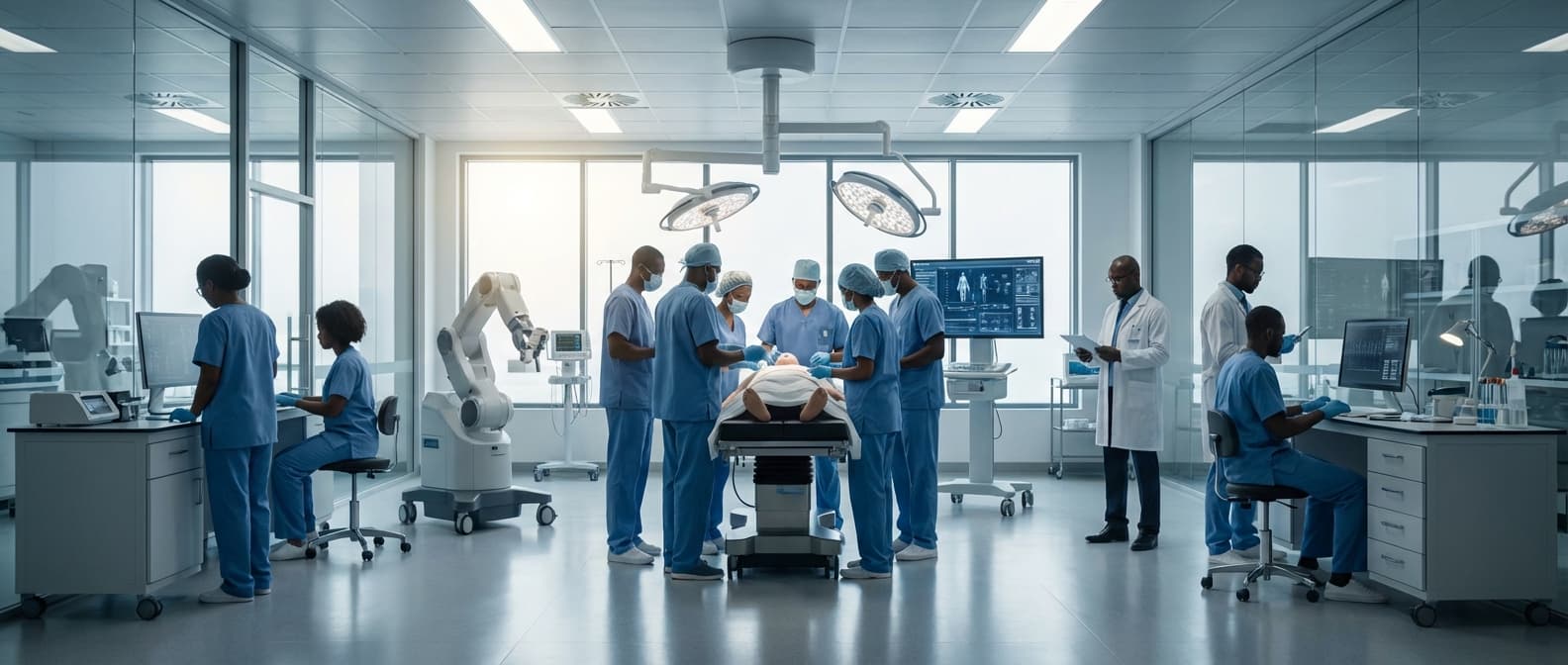
Managed Equipment Service (MES) in Seychelles
Engineering Excellence & Technical Support
Long‑term equipment provision with uptime SLAs and lifecycle management. High-standard technical execution following OEM protocols and local regulatory frameworks.
Remote Monitoring & Proactive Maintenance
Leveraging cutting-edge IoT sensors and cloud-based analytics, our MES platform provides real-time operational data for all critical equipment. This enables predictive maintenance, minimizing downtime and ensuring optimal performance of your assets across Seychelles.
Optimized Asset Lifecycle Management
Our MES solution provides comprehensive visibility into the entire asset lifecycle, from procurement to decommissioning. We track usage patterns, maintenance history, and performance metrics to recommend upgrades, replacements, and lifecycle extensions, maximizing your return on investment in Seychelles.
Enhanced Equipment Security & Compliance
We ensure all managed equipment adheres to the latest Seychelles and international safety and operational standards. Our MES includes robust security protocols and automated compliance reporting, mitigating risks and safeguarding your business operations.
What Is Managed Equipment Service (Mes) In Seychelles?
Managed Equipment Service (MES) in Seychelles refers to a comprehensive outsourcing model where a third-party provider assumes responsibility for the procurement, installation, maintenance, and lifecycle management of a client's equipment fleet. This service is designed to optimize operational efficiency, reduce total cost of ownership, and mitigate risks associated with equipment management. MES providers typically offer end-to-end solutions, encompassing financial management, asset tracking, repair services, and eventual disposal or upgrade of equipment.
| Who Needs MES? | Typical Use Cases | ||||||||||
|---|---|---|---|---|---|---|---|---|---|---|---|
| Businesses with significant capital expenditure on equipment: Organizations that rely heavily on a diverse range of equipment and face substantial upfront costs and ongoing maintenance burdens. | Companies seeking to optimize operational expenditure (OPEX): Shifting from CAPEX to OPEX models for predictable budgeting and improved cash flow. | Organizations with limited in-house technical expertise: Businesses that lack the specialized skills or resources to effectively manage their equipment fleet. | Enterprises focused on core competencies: Companies aiming to offload non-core functions like equipment management to focus on their primary business objectives. | Sectors with stringent regulatory or compliance requirements: Industries where equipment maintenance and documentation are critical for adherence to standards. | Organizations experiencing rapid growth or seasonal fluctuations: Businesses requiring flexible equipment solutions that can scale with demand. | Healthcare facilities: Management of medical imaging equipment, patient monitoring systems, and laboratory instruments. | Hospitality industry: Maintenance of kitchen appliances, laundry equipment, and audiovisual systems. | Manufacturing and industrial operations: Management of production machinery, robotics, and material handling equipment. | Financial institutions: Service and support for ATMs, servers, and other IT infrastructure. | Educational institutions: Procurement and maintenance of IT equipment, laboratory apparatus, and AV systems. | Logistics and transportation companies: Management of fleet vehicles, warehousing equipment, and specialized transport machinery. |
Key Components of MES in Seychelles
- Procurement and Sourcing: Identifying and acquiring the right equipment based on client specifications and market best practices.
- Installation and Configuration: Deploying and setting up equipment to meet operational requirements.
- Preventative Maintenance: Implementing scheduled maintenance routines to minimize downtime and extend equipment lifespan.
- Corrective Maintenance and Repair: Responding to equipment failures with timely and efficient repair services.
- Asset Tracking and Inventory Management: Utilizing advanced systems to monitor equipment location, status, and usage.
- Consumables Management: Ensuring the availability and replenishment of necessary consumables.
- Software Updates and Patching: Managing the lifecycle of embedded software for optimal performance and security.
- End-of-Life Management: Facilitating the decommissioning, disposal, or refurbishment of outdated equipment.
- Reporting and Analytics: Providing data-driven insights into equipment performance, utilization, and costs.
- Risk Management: Mitigating risks associated with equipment obsolescence, downtime, and compliance.
Who Needs Managed Equipment Service (Mes) In Seychelles?
Managed Equipment Service (MES) offers a comprehensive solution for organizations to outsource the management, maintenance, and support of their critical equipment. In Seychelles, where businesses often grapple with the complexities of maintaining specialized machinery, ensuring uptime, and controlling operational costs, MES presents a valuable proposition. This service allows companies to focus on their core competencies while a specialized provider handles the intricacies of equipment lifecycle management.
| Target Customer/Industry | Key Departments/Functions Benefiting from MES |
|---|---|
| Healthcare Sector (Hospitals, Clinics, Diagnostic Centers) | Biomedical Engineering, Radiology, Pathology, Central Sterile Supply Department (CSSD), IT Department (for networked medical devices) |
| Hospitality Sector (Large Hotels, Resorts) | Engineering & Maintenance, Housekeeping (for specialized cleaning equipment), Food & Beverage (for kitchen equipment), IT Department |
| Manufacturing and Industrial Companies (e.g., Food Processing, Fisheries, Light Manufacturing) | Operations, Production, Maintenance, Quality Control, Engineering |
| Telecommunications and IT Service Providers | Network Operations Center (NOC), Field Service, Data Center Operations, IT Infrastructure Management |
| Government Agencies and Public Institutions (e.g., Port Authority, Airport Authority, Utilities) | Operations, Facilities Management, Technical Services, Logistics |
| Educational Institutions (Universities, Technical Colleges) | Facilities Management, IT Department, Science and Engineering Departments (for lab equipment) |
| Construction and Infrastructure Companies | Plant and Fleet Management, Operations, Maintenance |
Who Needs Managed Equipment Service (MES) in Seychelles?
- Organizations requiring specialized or high-value equipment that demands expert maintenance.
- Businesses aiming to reduce capital expenditure on equipment acquisition and maintenance.
- Companies looking to improve operational efficiency and equipment uptime.
- Sectors with stringent regulatory compliance requirements related to equipment.
- Entities seeking predictable operational costs and budget certainty.
- Organizations in remote or less accessible locations where immediate expert support is crucial.
Managed Equipment Service (Mes) Process In Seychelles
The Managed Equipment Service (MES) process in Seychelles outlines a structured workflow for procuring, implementing, and managing specialized medical equipment within healthcare facilities. This process is designed to ensure that healthcare providers have access to modern, well-maintained equipment while optimizing costs and resource allocation for the Seychelles government and its healthcare partners.
| Stage | Key Activities | Responsible Parties |
|---|---|---|
| Inquiry and Needs Assessment | Identify equipment needs, define specifications, assess facility capacity | Healthcare Facility, Ministry of Health (MoH), Clinical & Technical Experts |
| Tender/Procurement Process | Develop RFP, publish tender, receive and evaluate proposals | MoH/Procurement Body, Potential MES Providers |
| Provider Selection and Contract Negotiation | Select provider, negotiate contract terms, SLAs, and pricing | MoH, Selected MES Provider |
| Equipment Procurement and Delivery | Source, purchase, and transport equipment to Seychelles | MES Provider |
| Installation and Commissioning | Install, calibrate, test, and verify equipment functionality | MES Provider Technicians |
| Training and Capacity Building | Train healthcare staff on equipment operation and maintenance | MES Provider Trainers, Healthcare Staff |
| Service Delivery and Maintenance | Provide preventive and corrective maintenance, spare parts management | MES Provider Technicians |
| Performance Monitoring and Reporting | Track KPIs, generate performance reports, ensure SLA adherence | MES Provider, MoH Oversight Team |
| Equipment Lifecycle Management | Plan for upgrades, replacements, and end-of-life management | MES Provider, MoH, Healthcare Facility |
| Contract Review and Renewal/Termination | Evaluate MES performance, decide on contract renewal or termination | MoH, MES Provider |
MES Process Workflow in Seychelles
- Inquiry and Needs Assessment: The process begins when a Seychelles healthcare facility identifies a need for new or upgraded medical equipment. This could stem from outdated technology, increased patient demand, or the introduction of new medical services. An initial inquiry is submitted to the relevant Ministry (e.g., Ministry of Health) or a designated procurement body, detailing the perceived equipment requirement. A thorough needs assessment is then conducted, often involving clinical staff, administrators, and technical experts, to define the specific technical specifications, quantity, and intended use of the equipment. This assessment also considers the existing infrastructure and capacity of the facility to support the new equipment.
- Tender/Procurement Process: Based on the approved needs assessment, a tender or Request for Proposal (RFP) is developed and published. This document outlines the detailed technical and commercial requirements for potential MES providers. The tender process adheres to Seychelles' public procurement regulations, ensuring transparency and fairness. Potential MES providers submit their proposals, which typically include a comprehensive plan for equipment supply, installation, training, maintenance, and ongoing operational support. The proposals are evaluated based on predefined criteria, such as technical capabilities, cost-effectiveness, service quality, experience, and financial stability.
- Provider Selection and Contract Negotiation: A qualified MES provider is selected based on the tender evaluation. Following selection, detailed contract negotiations take place. These negotiations define the scope of services, service level agreements (SLAs), payment terms, performance indicators, warranties, and end-of-life management for the equipment. The contract is crucial in establishing a clear framework for the long-term partnership between the Seychelles government/healthcare facility and the MES provider.
- Equipment Procurement and Delivery: Once the contract is finalized, the selected MES provider is responsible for procuring the specified equipment from approved manufacturers. This involves placing orders, managing logistics, and ensuring that the equipment meets all quality and safety standards. The provider then arranges for the transportation and delivery of the equipment to the designated healthcare facility in Seychelles. Customs clearance and import procedures are also managed by the provider.
- Installation and Commissioning: Upon arrival, the MES provider's qualified technicians install and commission the equipment. This phase includes setting up the equipment, calibrating it to ensure accuracy, and conducting rigorous testing to verify its functionality and performance according to established specifications and international standards. This is a critical step to ensure the equipment is ready for clinical use.
- Training and Capacity Building: A vital component of the MES process is comprehensive training for healthcare professionals and technical staff. The MES provider delivers training programs on the proper operation, maintenance, and troubleshooting of the new equipment. This ensures that local personnel can effectively utilize the technology, leading to improved patient care and efficient equipment management. Ongoing training and refresher courses may also be part of the service agreement.
- Service Delivery and Maintenance: Post-installation, the MES provider assumes responsibility for the ongoing management and maintenance of the equipment. This includes routine preventive maintenance to minimize downtime, as well as reactive maintenance and repairs in case of breakdowns. The MES provider is typically equipped with spare parts and technical expertise to address issues promptly, ensuring high equipment availability and reliability. Performance monitoring against agreed SLAs is a continuous activity.
- Performance Monitoring and Reporting: Throughout the contract period, the MES provider submits regular reports to the Seychelles Ministry of Health or designated oversight body. These reports detail equipment utilization, maintenance activities, service response times, equipment uptime, and other key performance indicators. This allows for the continuous monitoring of the MES provider's performance and the overall effectiveness of the service.
- Equipment Lifecycle Management and Upgrade/Replacement: The MES contract typically includes provisions for the entire lifecycle of the equipment. As equipment ages or technology advances, the MES provider, in consultation with the healthcare facility and the Ministry, plans for upgrades or replacements. This ensures that healthcare facilities in Seychelles have access to state-of-the-art technology without the burden of managing obsolescence. End-of-life disposal or refurbishment is also managed responsibly as per the contract.
- Contract Review and Renewal/Termination: At the end of the contract term, a comprehensive review of the MES arrangement is conducted. This evaluation assesses the overall success of the service, including cost savings, efficiency gains, and impact on healthcare delivery. Based on this review, the contract may be renewed, renegotiated, or terminated, with provisions for the smooth transition of equipment management if necessary.
Managed Equipment Service (Mes) Cost In Seychelles
Managed Equipment Service (MES) is a crucial operational model for healthcare facilities in Seychelles, involving third-party providers managing a hospital's medical equipment lifecycle. This includes procurement, installation, maintenance, and eventual disposal, aiming to optimize costs, improve technology access, and enhance patient care. The cost of MES in Seychelles is influenced by several factors, leading to a variable pricing structure. These factors include the scope of services, the type and quantity of equipment managed, the vendor's expertise and reputation, contract duration, and the inclusion of consumables and spare parts. While specific published price lists are not readily available due to the customized nature of MES contracts, typical pricing can be discussed in Seychelles Rupees (SCR).
| Service Component | Estimated Monthly Cost Range (SCR) | Notes |
|---|---|---|
| Routine Maintenance & Servicing (per device/category) | 1,500 - 7,500 | Varies significantly by equipment type (e.g., basic diagnostic vs. complex imaging). |
| Full-Service Contracts (per device/category) | 3,000 - 15,000+ | Includes parts, labor, and often extended warranties. |
| Basic Equipment Package (e.g., hospital beds, patient monitors) | 20,000 - 80,000+ | For a small to medium-sized ward or unit. |
| Comprehensive Hospital-Wide MES | 150,000 - 1,000,000+ | For a mid-sized hospital, depending on the breadth of services and equipment. |
| Specialized Equipment Management (e.g., MRI, CT scanners) | 10,000 - 50,000+ per unit | High complexity, requiring specialized technicians and parts. |
| Consumables & Spare Parts Allocation | Variable, often a percentage of service cost | Can be included or charged separately. |
Key Pricing Factors for MES in Seychelles
- Scope of Services: Whether MES covers routine maintenance, full-service contracts, or includes capital expenditure financing.
- Equipment Portfolio: The complexity, age, technology level, and number of medical devices requiring management.
- Vendor Experience and Reputation: Established vendors with a proven track record may command higher prices due to reliability and expertise.
- Contract Duration: Longer-term contracts often provide better per-unit cost savings.
- Inclusions: Whether consumables, spare parts, training, and software updates are part of the MES package.
- Service Level Agreements (SLAs): The agreed-upon response times and uptime guarantees influence cost.
- Technological Advancement: The inclusion of newer, more sophisticated equipment will naturally increase costs.
- Geographical Considerations: While less of a factor within Seychelles itself, import duties and logistics for specialized parts can play a role.
Affordable Managed Equipment Service (Mes) Options
Managed Equipment Service (MES) offers a comprehensive solution for organizations to outsource the management, maintenance, and support of their essential equipment. This allows businesses to focus on core operations while ensuring their assets are running efficiently and reliably. Affordable MES options are achievable through strategic planning, value-based bundling, and intelligent cost-saving measures. Instead of piecemeal service agreements, MES providers often offer bundled packages that can significantly reduce overall expenditure and improve service predictability.
| Value Bundle Type | Included Services | Cost-Saving Benefit | Ideal For |
|---|---|---|---|
| Basic Maintenance Bundle | Scheduled Preventative Maintenance, On-Demand Repair Calls, Basic Technical Support | Reduces unplanned downtime and emergency repair costs. Predictable budgeting for maintenance expenses. | Organizations with standard equipment and a need for reliable core maintenance. |
| Comprehensive Support Bundle | Includes Basic Bundle plus: Parts Management, Remote Monitoring, Priority Response Times, Asset Tracking | Minimizes equipment lifespan costs through efficient parts management and proactive issue resolution. Improved operational efficiency. | Businesses with a critical reliance on equipment and a desire for end-to-end management. |
| Performance Optimization Bundle | Includes Comprehensive Bundle plus: Predictive Analytics, Performance Tuning, Energy Efficiency Audits | Maximizes equipment lifespan, reduces energy consumption, and enhances overall operational output, leading to significant ROI. | Organizations focused on maximizing asset performance, efficiency, and long-term value. |
| Customized Solution | Tailored combination of services based on specific equipment and business needs. | Ensures you only pay for what you need, avoiding unnecessary costs and maximizing value. | Unique or highly specialized equipment needs, or organizations with very specific operational requirements. |
Key Components of an Affordable MES Strategy
- Understanding Your Equipment Needs: Thoroughly assess the types, volume, criticality, and lifecycle of your equipment to tailor an MES plan that aligns with your operational demands.
- Leveraging Value Bundles: MES providers frequently offer tiered service packages that combine various services (e.g., preventative maintenance, on-demand repairs, parts management, technical support, asset tracking) at a more economical price point than purchasing them individually.
- Proactive Maintenance Programs: Investing in robust preventative maintenance as part of your MES significantly reduces unexpected downtime and costly emergency repairs, leading to long-term savings.
- Negotiating Service Level Agreements (SLAs): Clearly defined SLAs in your MES contract ensure guaranteed response times, uptime percentages, and performance metrics, preventing costly service failures.
- Optimizing Parts Inventory: MES providers can often manage your spare parts inventory more efficiently, leveraging their purchasing power and expertise to reduce holding costs and ensure availability when needed.
- Remote Monitoring and Diagnostics: Many MES solutions incorporate remote monitoring capabilities, allowing for early detection of issues and proactive intervention, minimizing disruption and repair costs.
- Predictive Analytics for Maintenance: Advanced MES can utilize data analytics to predict potential equipment failures before they occur, enabling planned maintenance and preventing catastrophic breakdowns.
- Consolidating Service Providers: Centralizing your equipment support through a single MES provider can streamline communication, reduce administrative overhead, and unlock volume-based discounts.
- Scalability and Flexibility: Choose an MES provider that offers flexible contract terms and can scale services up or down as your business needs evolve, avoiding overspending on underutilized services.
Verified Providers In Seychelles
Seychelles boasts a growing number of healthcare facilities and practitioners. Ensuring you are choosing a 'verified provider' is paramount for receiving safe, effective, and ethical medical care. This is where credentials and accreditations play a crucial role, and Franance Health stands out as a beacon of trust and quality in the Seychellois healthcare landscape. Understanding what constitutes a verified provider, especially within the context of Franance Health's offerings, can empower patients to make informed decisions about their health.
| Franance Health Credential | Significance for Patients | Why it Represents the Best Choice |
|---|---|---|
| Ministry of Health Registered and Licensed Facilities | Guarantees that all Franance Health facilities in Seychelles meet the fundamental legal and safety requirements set by the national health authority. | Ensures a baseline level of safety and compliance, protecting patients from unregulated or substandard care. |
| Practitioners with Recognized Medical Degrees and Certifications | Confirms that Franance Health's medical staff have undergone rigorous academic training and possess the necessary qualifications to practice. | Provides confidence in the diagnostic and treatment capabilities of the healthcare professionals you will encounter. |
| Specialized Training and Continuous Professional Development (CPD) | Indicates that Franance Health prioritizes the ongoing learning and skill enhancement of its medical team, keeping them abreast of the latest medical advancements. | Means patients benefit from up-to-date medical knowledge, advanced techniques, and potentially better treatment outcomes. |
| Adherence to International Best Practices and Protocols | Demonstrates Franance Health's commitment to upholding global standards in patient care, infection control, and medical ethics. | Ensures a high standard of care that is comparable to leading healthcare systems worldwide, offering a secure and trustworthy patient experience. |
| Strong Emphasis on Patient-Centric Care and Communication | Highlights Franance Health's dedication to prioritizing individual patient needs, fostering open communication, and ensuring patient comfort and satisfaction. | Leads to a more positive and empowering healthcare journey, where patients feel heard, understood, and actively involved in their treatment decisions. |
| Investment in Modern Medical Technology and Equipment | Shows Franance Health's commitment to providing accurate diagnoses and effective treatments through the use of advanced medical tools. | Increases the likelihood of precise diagnosis and successful treatment, contributing to better health outcomes for patients. |
What Makes a Healthcare Provider Verified in Seychelles?
- Licensing and Registration: All healthcare professionals and facilities must be registered and licensed by the relevant Seychellois authorities, such as the Ministry of Health. This ensures they meet basic standards of practice and safety.
- Professional Qualifications: Verified providers have practitioners who hold recognized degrees and certifications from accredited educational institutions.
- Specialized Training and Experience: Beyond foundational qualifications, providers who invest in ongoing specialized training and possess extensive experience in their respective fields are often considered more reputable.
- Adherence to Ethical Standards: Verified providers operate with integrity, prioritizing patient well-being, confidentiality, and informed consent.
- Quality Assurance and Accreditation: Look for facilities that participate in quality assurance programs and, where applicable, seek accreditations from recognized healthcare bodies. These processes involve rigorous assessments of facilities, protocols, and patient care.
- Positive Patient Feedback and Reputation: While not a formal credential, a consistent track record of positive patient experiences and a strong community reputation are strong indicators of a verified and reliable provider.
Scope Of Work For Managed Equipment Service (Mes)
This document outlines the Scope of Work (SOW) for a Managed Equipment Service (MES) contract, detailing the technical deliverables and standard specifications. The MES aims to ensure optimal performance, reliability, and cost-effectiveness of specified medical equipment throughout its lifecycle. This includes a comprehensive approach covering procurement, installation, maintenance, repair, upgrades, decommissioning, and disposal.
| Technical Deliverable | Description | Standard Specification/Requirement | Key Performance Indicators (KPIs) |
|---|---|---|---|
| Equipment Inventory Database | A comprehensive, up-to-date database of all managed equipment, including details on make, model, serial number, purchase date, warranty status, location, and service history. | Secure, cloud-based or on-premise system with defined data fields and access controls. Integration with hospital information systems (HIS) where feasible. | 99.9% data accuracy. 100% asset tagging and registration within 7 days of acquisition. |
| Preventive Maintenance (PM) Schedule | Scheduled routine inspections, cleaning, lubrication, adjustments, and replacement of parts to prevent equipment failures. | PM tasks defined by manufacturer recommendations and industry best practices. Scheduled completion within +/- 7 days of the due date. | 95% PM completion rate. < 5% unscheduled downtime attributed to PM failure. |
| Corrective Maintenance (CM) Response | Timely and effective repair of equipment that has malfunctioned or failed. | Defined response times based on equipment criticality (e.g., Tier 1: 2 hours, Tier 2: 4 hours, Tier 3: 8 hours). Use of OEM or equivalent parts. | Average CM response time < defined tiers. First-time fix rate > 90%. < 1% repeat calls for the same issue within 30 days. |
| Calibration Services | Ensuring equipment accuracy and performance meets specified standards through regular calibration. | Calibration performed by trained technicians using traceable reference standards. Calibration certificates provided for each device. | 100% calibration completion within scheduled intervals. < 1% out-of-tolerance incidents. |
| Performance Monitoring Reports | Regular reports on equipment utilization, uptime, downtime, maintenance costs, and other relevant performance metrics. | Monthly or quarterly reports in a standardized format, including trend analysis and recommendations for improvement. | Reports delivered within 15 days of the reporting period end. Actionable insights provided in > 80% of reports. |
| Spare Parts Management | Ensuring availability of critical spare parts to minimize equipment downtime. | Minimum stock levels for critical spares. Just-in-time (JIT) inventory for non-critical parts. Secure, organized storage. | Spare parts availability > 95% for critical components. Inventory value within agreed budget. |
| Technology Refresh Plan | A proactive plan for replacing aging or obsolete equipment with newer, more advanced technologies. | Defined lifecycle for different equipment categories. Identification of emerging technologies. Cost-benefit analysis for upgrades. | Plan reviewed and updated annually. Agreed upon technology refresh schedule adherence. |
| Training and Competency | Ensuring hospital clinical and technical staff are adequately trained on the proper use and basic maintenance of managed equipment. | Onboarding training for new equipment. Refresher training as needed. Competency assessments. | 100% of relevant staff trained on new equipment within 30 days of installation. > 90% competency assessment pass rate. |
| Decommissioning and Disposal | Safe and environmentally compliant removal and disposal of end-of-life equipment. | Adherence to local, national, and international environmental regulations. Secure data wiping of devices with electronic storage. | 100% compliance with disposal regulations. Certificate of destruction provided. |
| Emergency Support | 24/7 availability of technical support for critical equipment failures. | On-call rotation for qualified technicians. Defined escalation procedures. | Immediate acknowledgement of critical failure alerts. Technician dispatched within agreed response times. |
Key Components of Managed Equipment Service (MES)
- Equipment Procurement and Lifecycle Management
- Installation, Commissioning, and Validation
- Preventive Maintenance and Calibration
- Corrective Maintenance and Repair
- Asset Tracking and Inventory Management
- Performance Monitoring and Reporting
- Technology Refresh and Upgrades
- Decommissioning and Disposal
- Training and Competency Management
- Compliance and Regulatory Adherence
Service Level Agreement For Managed Equipment Service (Mes)
This Service Level Agreement (SLA) outlines the guaranteed response times and uptime for the Managed Equipment Service (MES) provided by [Your Company Name] to [Client Name]. This SLA aims to ensure the reliable operation and timely support of the specified equipment.
| Service Component | Severity Level | Response Time Target | Resolution Time Target | Uptime Guarantee |
|---|---|---|---|---|
| Equipment Availability | Critical (Complete system failure, no workaround) | 1 Hour | 4 Business Hours | 99.5% |
| Equipment Availability | High (Major functionality impaired, limited workaround) | 2 Business Hours | 8 Business Hours | 99.5% |
| Equipment Availability | Medium (Minor functionality impaired, workaround available) | 4 Business Hours | 24 Business Hours | 99.5% |
| Equipment Availability | Low (Cosmetic issue, no impact on functionality) | 8 Business Hours | 48 Business Hours | 99.5% |
| Proactive Monitoring & Maintenance | N/A | N/A (Continuous monitoring) | N/A (Preventative, scheduled) | N/A (Contributes to overall uptime) |
Key Definitions
- Managed Equipment Service (MES): The comprehensive service covering the management, maintenance, and support of the equipment identified in Appendix A.
- Equipment: Refers to all hardware and associated software covered under this MES, as detailed in Appendix A.
- Downtime: Any period during which the Equipment is non-operational or performing below agreed-upon service levels, rendering it unusable for its intended purpose.
- Response Time: The maximum time allowed for [Your Company Name] to acknowledge and begin troubleshooting a reported issue.
- Resolution Time: The maximum time allowed for [Your Company Name] to restore the Equipment to its operational state or provide a mutually agreed-upon workaround.
- Uptime Guarantee: The minimum percentage of time the Equipment is expected to be available and operational.
Frequently Asked Questions

Ready when you are
Let's scope your Managed Equipment Service (MES) in Seychelles project in Seychelles.

Scaling healthcare logistics and technical systems across the entire continent.