
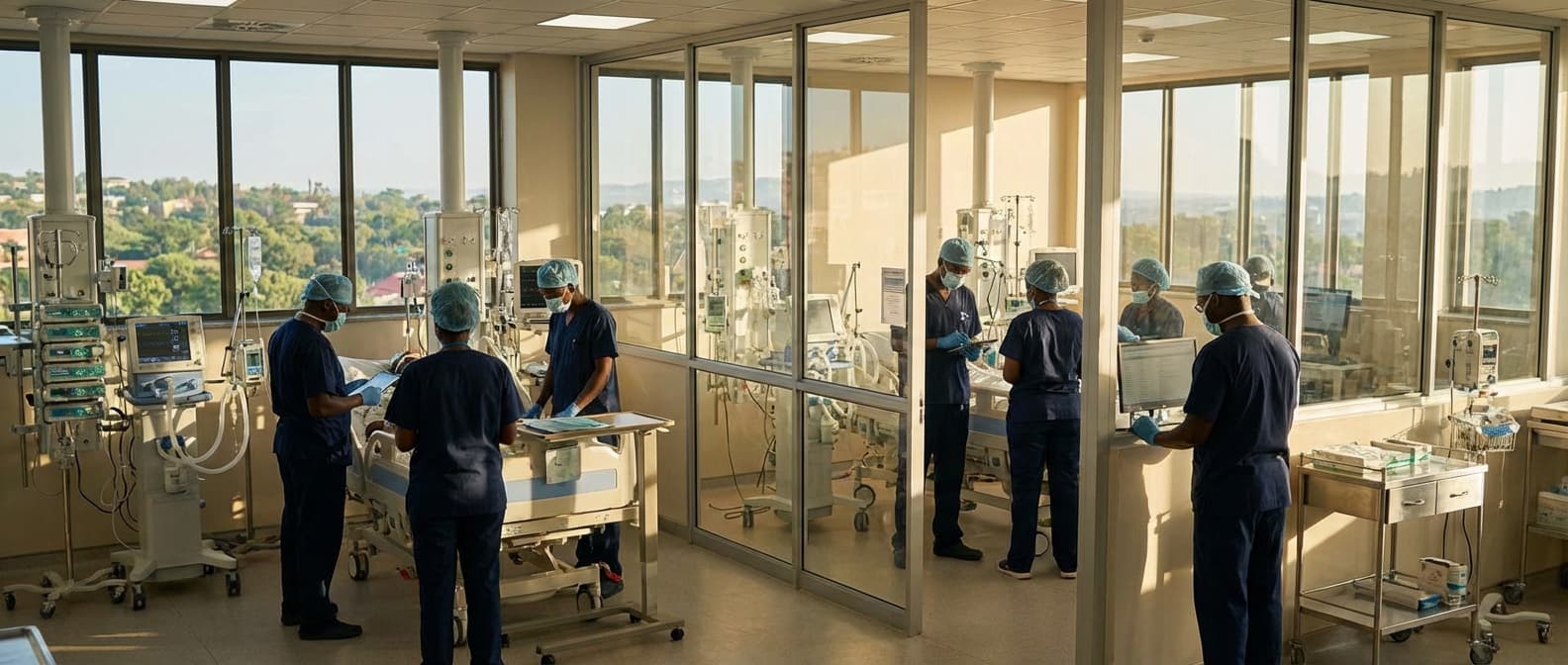
Ventilator Fleet Management & PM in Senegal
Engineering Excellence & Technical Support
Preventive maintenance and fleet management for ICU ventilators High-standard technical execution following OEM protocols and local regulatory frameworks.
Centralized Ventilator Monitoring Platform
Implemented a real-time, cloud-based platform for centralized tracking of all ventilators across Senegal. This provides immediate visibility into device status, location, and operational readiness, enabling rapid deployment during critical events and proactive maintenance scheduling.
Predictive Maintenance Scheduling with IoT Sensors
Leveraging IoT sensors on ventilators to collect operational data (e.g., usage hours, error codes, component stress). This data fuels a predictive maintenance algorithm, flagging potential failures before they occur and allowing for scheduled servicing, minimizing downtime and ensuring critical equipment availability.
Optimized Mobile Maintenance & Logistics Unit
Established a network of strategically positioned mobile maintenance teams supported by an optimized logistics system. This ensures rapid response times for repairs and routine maintenance, minimizing travel time and maximizing the availability of critical ventilator units in remote and underserved areas.
What Is Ventilator Fleet Management & Pm In Senegal?
Ventilator Fleet Management & Preventive Maintenance (PM) in Senegal refers to the comprehensive operational oversight and scheduled maintenance program for mechanical ventilators used in healthcare facilities. This service encompasses the entire lifecycle of ventilator assets, from acquisition and deployment to routine servicing, repair, and eventual decommissioning. The objective is to ensure optimal functionality, patient safety, regulatory compliance, and cost-effectiveness of the ventilator fleet within the Senegalese healthcare system.
| Who Needs Ventilator Fleet Management & PM? | Typical Use Cases |
|---|---|
| Hospitals and Clinics: Across all levels of care, from tertiary referral centers to smaller district hospitals and specialized units (e.g., Intensive Care Units - ICUs, Emergency Departments - EDs, Operating Rooms - ORs). | Emergency Response and Disaster Preparedness: Ensuring a ready and functional fleet of ventilators for surge capacity during public health crises (e.g., pandemics like COVID-19), natural disasters, or mass casualty incidents. |
| Government Health Ministries and Agencies: Responsible for overseeing the national healthcare infrastructure, ensuring equitable access to essential medical equipment, and setting maintenance standards. | Clinical Departments: Respiratory care departments, anesthesia departments, critical care units, and emergency medicine services that rely heavily on ventilators for patient management. |
| Non-Governmental Organizations (NGOs) and International Aid Organizations: Involved in providing and supporting healthcare infrastructure in Senegal, particularly in underserved regions. | Routine Patient Care: Maintaining optimal ventilation settings and waveform accuracy for patients with respiratory failure, undergoing surgery, or requiring mechanical support in various clinical settings. |
| Biomedical Engineering Departments: The primary service providers responsible for the technical aspects of maintenance and repair. | Post-Surgical Recovery: Providing mechanical ventilation to patients recovering from complex surgical procedures in the ICU or recovery wards. |
| Healthcare Procurement and Asset Management Departments: Responsible for the acquisition, tracking, and lifecycle management of medical equipment. | Management of Chronic Respiratory Diseases: Supporting patients with conditions like COPD, ARDS, or neuromuscular disorders requiring long-term or intermittent mechanical ventilation. |
Key Components of Ventilator Fleet Management & PM in Senegal
- Asset Inventory and Tracking: Maintaining a detailed, up-to-date inventory of all ventilators, including make, model, serial number, acquisition date, location, and service history. This often involves the use of specialized asset management software or databases.
- Preventive Maintenance (PM) Scheduling and Execution: Developing and adhering to manufacturer-recommended and/or evidence-based PM schedules. This includes routine inspections, calibration, cleaning, functional testing, and replacement of wear-and-tear parts.
- Corrective Maintenance and Repair: Promptly responding to equipment malfunctions and failures. This involves diagnosis, troubleshooting, sourcing of spare parts (often a critical challenge in resource-limited settings), and skilled repair by certified technicians.
- Performance Monitoring and Optimization: Tracking key performance indicators (KPIs) such as uptime, mean time between failures (MTBF), mean time to repair (MTTR), and cost per ventilator. Data analysis is used to identify trends and areas for improvement.
- Training and Competency Assurance: Ensuring that clinical staff (respiratory therapists, nurses, physicians) are adequately trained on the proper operation, basic troubleshooting, and infection control protocols for the specific ventilator models in use. Training for biomedical technicians on PM and repair is also crucial.
- Regulatory Compliance and Documentation: Adhering to national and international standards for medical device maintenance and safety. Meticulous record-keeping of all maintenance activities, calibration results, and incident reports is essential for audits and liability.
- Budgeting and Resource Allocation: Forecasting maintenance costs, spare parts requirements, and potential replacement needs. Optimizing resource allocation to ensure sufficient coverage and timely service.
- End-of-Life Management: Planning for the safe and environmentally responsible decommissioning and disposal of ventilators that have reached the end of their service life.
Who Needs Ventilator Fleet Management & Pm In Senegal?
Ventilator fleet management and preventative maintenance (PM) are critical for ensuring the consistent availability and optimal performance of life-saving medical equipment in Senegal. This ensures that healthcare facilities are prepared for respiratory emergencies, can provide high-quality patient care, and reduce the burden of unexpected equipment failures.
| Target Customer/Institution | Key Departments Involved | Primary Need Addressed |
|---|---|---|
| Government Hospitals (e.g., Hôpital Principal de Dakar, Hôpital Fann) | Intensive Care Unit (ICU), Anesthesiology, Respiratory Therapy, Biomedical Engineering Department, Procurement | Ensuring immediate availability of functional ventilators for critical patients, minimizing operational disruptions, optimizing equipment lifespan, and meeting regulatory compliance. |
| University Teaching Hospitals (e.g., Université Cheikh Anta Diop - UFR Santé) | ICU, Anesthesiology, Respiratory Therapy, Biomedical Engineering, Medical Education Departments | Maintaining high standards of patient care and providing a stable environment for training medical students and residents in the use of ventilators. |
| Regional and District Hospitals | General Wards, Emergency Rooms, Biomedical Technicians (if available), Nursing Staff | Providing basic but essential respiratory support to a wider population, particularly in areas with limited access to specialized care. Focus on reliability and ease of maintenance. |
| Specialized Medical Centers (e.g., Pediatric Hospitals, Cardiac Centers) | Pediatric ICU, Cardiac ICU, Neonatal ICU, Respiratory Therapy, Biomedical Engineering | Ensuring the availability of specialized ventilators suitable for specific patient populations (e.g., neonates, children) and complex therapeutic needs. High precision and reliability are paramount. |
| Private Hospitals and Clinics | ICU, Anesthesiology, Respiratory Therapy, Biomedical Technicians, Administration | Maintaining a competitive edge by offering advanced patient care, minimizing patient transfer risks due to equipment failure, and managing operational costs through efficient equipment upkeep. |
| NGOs and International Health Organizations | Program Management, Medical Coordinators, Field Technicians, Logistics | Ensuring that vital medical equipment is operational in remote or underserved areas, supporting public health initiatives, and maximizing the impact of donated or procured equipment. |
Target Customers and Departments for Ventilator Fleet Management & PM in Senegal
- {"title":"Government Hospitals","description":"These are the primary beneficiaries, as they often serve the largest patient populations and are the first line of defense for respiratory distress, especially during public health crises. They require robust systems to manage their often extensive and diverse ventilator fleets."}
- {"title":"University Teaching Hospitals","description":"These institutions not only provide advanced patient care but also train future medical professionals. Reliable ventilators are essential for both patient treatment and the practical education of medical staff. Downtime impacts both patient outcomes and training continuity."}
- Regional and District Hospitals
- Specialized Medical Centers (e.g., Pediatric, Cardiac, Oncology)
- Private Hospitals and Clinics
- Non-Governmental Organizations (NGOs) involved in healthcare delivery
- International Health Organizations operating in Senegal
Ventilator Fleet Management & Pm Process In Senegal
This document outlines the workflow for ventilator fleet management and preventive maintenance (PM) processes in Senegal, covering the journey from initial inquiry to the successful execution of maintenance tasks. The process is designed to ensure the optimal functionality and longevity of the national ventilator fleet, thereby supporting critical healthcare needs.
| Stage | Description | Key Activities | Responsible Parties | Outputs/Deliverables |
|---|---|---|---|---|
| Inquiry & Request Initiation | The process begins when a need for ventilator service is identified. | Healthcare facility reports a malfunctioning ventilator or requests routine PM. Central health authority or designated fleet manager receives the request. | Healthcare Facility Staff, Ministry of Health/Designated Fleet Manager | Service Request Form, Initial Incident Report |
| Assessment & Prioritization | Incoming requests are evaluated to determine urgency and impact. | Triage of requests based on severity of malfunction and impact on patient care. Prioritization of PM schedules based on equipment age, usage, and manufacturer recommendations. | Fleet Management Unit, Biomedical Engineering Department | Prioritized Service List, Severity Assessment Report |
| Planning & Scheduling | Once prioritized, maintenance activities are scheduled. | Development of a detailed maintenance schedule, identifying specific ventilators, required tasks, and timelines. Coordination with healthcare facilities regarding access and availability. | Fleet Management Unit, Biomedical Engineering Department, Healthcare Facility Management | Maintenance Schedule, Site Visit Plans |
| Resource Allocation | Necessary resources are identified and assigned. | Assignment of trained biomedical technicians, procurement or allocation of required spare parts, tools, and testing equipment. Logistics planning for transport of equipment or technicians if necessary. | Fleet Management Unit, Procurement Department, Logistics Department | Technician Assignment, Spare Parts List, Tool Kit Allocation, Logistics Plan |
| Execution of PM/Repair | The actual maintenance or repair work is performed. | Biomedical technicians conduct preventive maintenance checks, perform necessary repairs, and replace worn-out parts. Adherence to manufacturer guidelines and safety protocols. | Biomedical Technicians | Completed Maintenance Log, Replaced Parts Record |
| Verification & Quality Assurance | Ensuring the work performed is satisfactory and the ventilator is fully functional. | Post-maintenance testing and calibration of the ventilator. Verification of all functions against manufacturer specifications. Quality checks by a senior technician or supervisor. | Biomedical Technicians, Quality Assurance Personnel | Test Results Report, Calibration Certificates, Functional Verification Checklist |
| Documentation & Reporting | All aspects of the service are meticulously recorded. | Updating the central fleet management database with details of the service performed, parts used, technician involved, and test results. Generating reports for management and stakeholders. | Biomedical Technicians, Fleet Management Unit | Updated Fleet Management Database, Service Reports, Maintenance History Records |
| Feedback & Continuous Improvement | Learning from completed tasks to optimize future processes. | Gathering feedback from healthcare facilities and technicians on the service process. Analyzing trends in equipment failures and maintenance effectiveness. Implementing corrective actions and process enhancements. | Fleet Management Unit, Ministry of Health Leadership | Performance Improvement Plans, Updated Standard Operating Procedures (SOPs) |
Key Stages in Ventilator Fleet Management & PM Workflow
- Inquiry & Request Initiation
- Assessment & Prioritization
- Planning & Scheduling
- Resource Allocation
- Execution of PM/Repair
- Verification & Quality Assurance
- Documentation & Reporting
- Feedback & Continuous Improvement
Ventilator Fleet Management & Pm Cost In Senegal
Managing a ventilator fleet in Senegal involves various cost considerations, primarily driven by procurement, maintenance, and operational factors. The pricing for ventilators themselves can fluctuate significantly based on brand, model, technological features (e.g., invasive vs. non-invasive, advanced monitoring capabilities, portability), and the volume of purchase. Beyond the initial acquisition, Preventive Maintenance (PM) is crucial for ensuring the longevity and reliability of these critical medical devices. PM costs are influenced by the complexity of the ventilator, the availability of spare parts locally, the expertise of the technicians, and the frequency of scheduled maintenance as recommended by the manufacturer. Economic conditions in Senegal, currency exchange rates (particularly against USD and EUR for imported equipment), import duties, and taxes also play a substantial role in the final cost.
| Category | Description | Estimated Price Range (XOF) | Notes |
|---|---|---|---|
| Ventilator Purchase (Entry-Level/Basic) | Basic transportable or basic ICU ventilators suitable for general ward use. | 10,000,000 - 25,000,000 | Prices can vary significantly based on brand, origin, and supplier promotions. Often imported, thus subject to exchange rates. |
| Ventilator Purchase (Mid-Range/Advanced ICU) | More sophisticated ICU ventilators with advanced monitoring, ventilation modes, and patient-specific settings. | 25,000,000 - 60,000,000 | Higher technological complexity and features drive up the cost. International brands will be at the higher end. |
| Ventilator Purchase (High-End/Specialized) | Extremely advanced ICU ventilators, portable critical care units, or those with specific therapeutic capabilities (e.g., high-frequency ventilation). | 60,000,000+ | These are typically for highly specialized units and may include advanced software and connectivity features. |
| Annual Preventive Maintenance (Per Ventilator) | Scheduled inspections, cleaning, calibration, and replacement of minor wear-and-tear parts. | 500,000 - 2,000,000 | Depends on ventilator complexity, manufacturer's recommended schedule, and whether a service contract is in place. Can be higher for specialized equipment. |
| On-Demand Repair (Per Incident) | Cost for unplanned repairs, including technician call-out, labor, and parts. | 200,000 - 1,500,000+ | Highly variable based on the nature of the breakdown. Significant component failures can exceed this range. |
| Major Spare Part (e.g., Sensor, Compressor) | Cost of a critical component replacement. | 100,000 - 1,000,000+ | Depends on the specific part and the ventilator model. Import costs and availability are key factors. |
| Technician Training (Per Technician) | Training on specific ventilator models or general biomedical equipment maintenance. | 300,000 - 1,000,000 | Often provided by manufacturers or specialized training centers. Essential for effective PM and repairs. |
Key Pricing Factors for Ventilator Fleet Management & PM in Senegal
- Ventilator Acquisition Costs (Model, Brand, Features)
- Preventive Maintenance (PM) Services
- Spare Parts Availability and Cost
- Technician Training and Certification
- Logistics and Transportation (for maintenance and repairs)
- Import Duties, Taxes, and Tariffs
- Currency Exchange Rate Fluctuations
- Service Level Agreements (SLAs) with manufacturers/suppliers
- Calibration and Testing Services
- Software Updates and Licensing (if applicable)
Affordable Ventilator Fleet Management & Pm Options
Managing a fleet of ventilators efficiently and ensuring their optimal performance through preventative maintenance (PM) is crucial for healthcare facilities. This not only guarantees patient safety and operational readiness but also prevents costly emergency repairs and extends equipment lifespan. Affordable fleet management and PM options focus on proactive strategies and flexible service models to reduce overall expenditure while maintaining high service quality. Value bundles and tailored cost-saving strategies are key to achieving these goals.
| Strategy/Value Bundle | Description | Cost-Saving Benefits | Value Proposition |
|---|---|---|---|
| Basic PM Service Contract | Covers scheduled preventative maintenance inspections and basic part replacements as per manufacturer recommendations. Often a fixed annual cost. | Reduces unexpected breakdowns, extends equipment life, ensures compliance with manufacturer warranties. | Predictable budgeting, ensures essential maintenance is performed, peace of mind. |
| Comprehensive PM & Repair Bundle | Includes all aspects of basic PM plus labor and parts coverage for common repairs and malfunctions. May include loaner equipment. | Minimizes downtime, lowers costs associated with unplanned emergency repairs, reduces need for in-house specialized technicians. | Enhanced operational continuity, significant reduction in unexpected capital expenditures for repairs, improved resource allocation. |
| Remote Monitoring & Predictive Maintenance Service | Leverages IoT devices and software to monitor ventilator performance in real-time. Identifies potential issues before they cause failure, allowing for scheduled interventions. | Prevents catastrophic failures, reduces emergency repair costs, optimizes technician deployment, minimizes patient risk. | Proactive problem-solving, maximized equipment uptime, improved patient safety, data-driven maintenance decisions. |
| Fleet Management Software Subscription | A cloud-based platform for tracking asset inventory, maintenance schedules, repair history, performance data, and regulatory compliance. | Improves organization and visibility, facilitates efficient scheduling, reduces administrative overhead, enables better decision-making. | Streamlined operations, enhanced compliance, data-driven asset utilization, improved ROI on equipment. |
| Parts & Consumables Stocking Program | Strategic stocking of common replacement parts and consumables, either on-site or through a vendor-managed inventory, often at discounted bulk rates. | Reduces lead times for repairs, lowers per-unit cost of parts through bulk purchasing, minimizes downtime due to part availability. | Faster repair turnaround, cost efficiencies on essential components, improved operational readiness. |
| Extended Warranty & Lifecycle Management | Extends manufacturer warranties beyond the initial period, often bundled with proactive maintenance services, and provides a roadmap for equipment replacement or refurbishment. | Protects against unexpected repair costs beyond the warranty period, plans for asset obsolescence, potentially lowers total cost of ownership over the equipment's life. | Long-term financial predictability, ensures a modern and reliable fleet, maximizes value from existing assets. |
Key Components of Affordable Ventilator Fleet Management & PM
- Proactive PM Scheduling & Execution
- Remote Monitoring & Diagnostics
- Standardized Parts Inventory Management
- Refurbishment & Repair Optimization
- Flexible Service Level Agreements (SLAs)
- Training & Skill Development for In-house Teams
- Data Analytics for Predictive Maintenance
- Equipment Lifecycle Management
Verified Providers In Senegal
In Senegal, the landscape of healthcare is evolving, with a growing emphasis on ensuring patients have access to reliable and high-quality medical services. This is where the concept of 'Verified Providers' becomes paramount. Franance Health stands at the forefront of this movement, meticulously vetting and certifying healthcare professionals and institutions. This rigorous credentialing process not only validates their expertise but also instills confidence in patients seeking optimal care. Choosing a Franance Health verified provider means opting for a partner committed to transparency, ethical practices, and superior health outcomes. Their commitment to quality assurance means you can trust that you are receiving care from practitioners who meet stringent international standards and are dedicated to your well-being.
| Provider Type | Franance Health Verification Benefits | Why it's the Best Choice |
|---|---|---|
| Individual Physicians | Confirms medical license, specialized training, peer reviews, and disciplinary history. | Ensures you are treated by a qualified and ethically sound medical professional with verified expertise. |
| Hospitals & Clinics | Assesses infrastructure, equipment, staffing qualifications, patient safety protocols, and infection control measures. | Guarantees access to modern facilities, skilled medical teams, and a safe healing environment. |
| Specialized Centers (e.g., Cardiology, Oncology) | Validates advanced technology, specific treatment protocols, and successful patient outcomes. | Provides access to cutting-edge treatments and dedicated teams with proven success in complex medical areas. |
| Diagnostic Laboratories | Verifies adherence to quality control standards, accuracy of results, and qualified personnel. | Ensures reliable and accurate diagnostic testing crucial for effective treatment planning. |
Why Franance Health Credentials Matter:
- Unwavering Commitment to Quality: Franance Health's verification process involves a comprehensive evaluation of clinical skills, educational background, ethical conduct, and adherence to best practices.
- Enhanced Patient Safety: Verified providers undergo background checks and continuous monitoring to ensure they maintain the highest standards of patient care and safety.
- Access to Expertise: The certification process identifies specialists and institutions with proven track records and advanced capabilities in their respective fields.
- Transparency and Trust: Franance Health provides a clear and accessible platform to identify verified providers, fostering trust and enabling informed decision-making for patients.
- International Standards: Providers are assessed against globally recognized benchmarks, ensuring their practices align with international healthcare excellence.
- Continuous Improvement: Franance Health encourages and supports its verified providers in ongoing professional development and the adoption of innovative healthcare solutions.
Scope Of Work For Ventilator Fleet Management & Pm
This Scope of Work (SOW) outlines the requirements for Ventilator Fleet Management and Preventive Maintenance (PM) services. The objective is to ensure the optimal performance, reliability, and safety of the organization's ventilator fleet through comprehensive management, scheduled maintenance, and timely repairs. This document details the technical deliverables and standard specifications expected from the service provider.
| Section | Description | Technical Deliverables | Standard Specifications / Requirements |
|---|---|---|---|
| 1.0 Ventilator Fleet Management | Comprehensive oversight and management of the entire ventilator fleet. |
|
|
| 2.0 Preventive Maintenance (PM) | Scheduled maintenance activities to ensure optimal performance and prevent failures. |
|
|
| 3.0 Corrective Maintenance and Repair | Prompt and effective repair of ventilators experiencing malfunctions or failures. |
|
|
| 4.0 Quality Assurance & Reporting | Ensuring the quality of services provided and providing regular performance reports. |
|
|
| 5.0 Compliance and Safety | Adherence to all relevant standards and regulations. |
|
|
Key Objectives
- Ensure the availability and operational readiness of all ventilators.
- Minimize equipment downtime through proactive maintenance.
- Maintain compliance with all relevant regulatory standards and manufacturer recommendations.
- Optimize the lifespan and performance of the ventilator fleet.
- Provide accurate and timely reporting on fleet status and maintenance activities.
- Ensure the safety of patients and staff by maintaining ventilators in top working condition.
Service Level Agreement For Ventilator Fleet Management & Pm
This Service Level Agreement (SLA) outlines the guaranteed response times and uptime for the management and preventive maintenance (PM) of the ventilator fleet. It is designed to ensure the continuous availability and optimal performance of critical medical equipment.
| Service Component | Response Time Guarantee | Uptime Guarantee |
|---|---|---|
| Scheduled Preventive Maintenance (PM) | All PM activities to be completed within the scheduled window. No unscheduled downtime related to PM. | 100% of scheduled PM tasks completed on time. |
| Urgent Equipment Malfunctions (Critical Alarm) | Acknowledgement of alert within 15 minutes. On-site technician dispatch within 2 hours. | 99.5% uptime for critical care ventilators. |
| Non-Urgent Equipment Malfunctions (Advisory Alert) | Acknowledgement of alert within 1 hour. On-site technician dispatch within 8 business hours. | 98.0% uptime for general ward ventilators. |
| Parts Replacement (On-Site) | Parts to be sourced and replaced within 24 business hours of diagnosis for critical malfunctions. | Contribution to overall uptime guarantee by minimizing repair duration. |
| Fleet Monitoring & Reporting | Real-time monitoring with automated alerts. Weekly performance reports. | N/A (Continuous monitoring) |
Scope of Services
- Proactive scheduling and execution of all preventive maintenance (PM) tasks as per manufacturer recommendations and regulatory requirements.
- Real-time monitoring of ventilator status and performance.
- Prompt response to all reported equipment malfunctions and alerts.
- Coordination of on-site repairs and replacement of parts.
- Documentation and reporting of all maintenance activities and equipment performance.
- Management of spare parts inventory to minimize downtime.
Frequently Asked Questions

Ready when you are
Let's scope your Ventilator Fleet Management & PM in Senegal project in Senegal.

Scaling healthcare logistics and technical systems across the entire continent.