
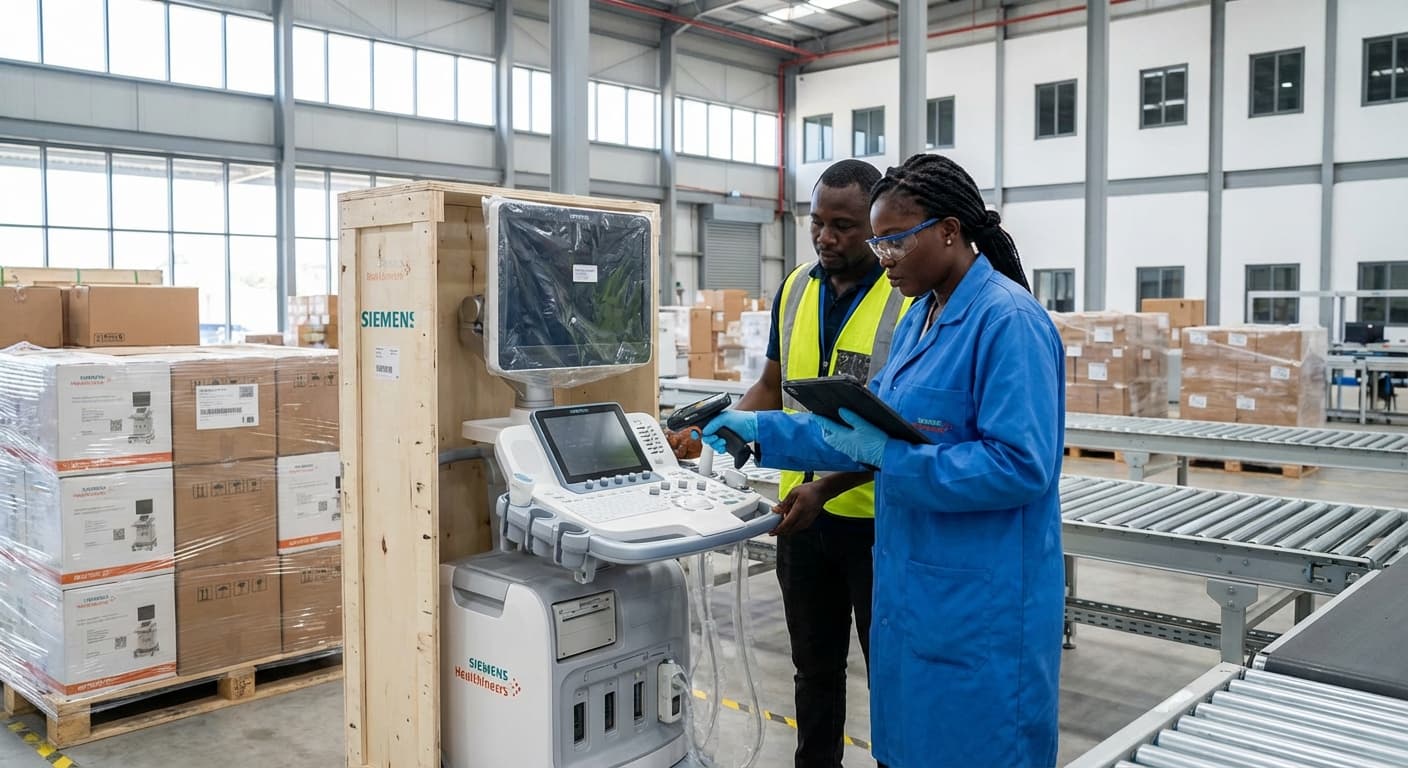
Warehouse Receiving Inspection Service (Medical Equipment) in Senegal
Engineering Excellence & Technical Support
Warehouse Receiving Inspection Service (Medical Equipment) High-standard technical execution following OEM protocols and local regulatory frameworks.
Advanced Visual Inspection & Damage Assessment
Our expert technicians in Senegal utilize specialized lighting and magnification tools to meticulously inspect all incoming medical equipment for any physical damage, cosmetic defects, or signs of tampering. This ensures that only pristine, undamaged equipment enters your inventory.
Comprehensive Documentation & Compliance Verification
We provide detailed, timestamped reports for every inspection, including photographic evidence. Our service rigorously verifies that each medical device meets all specified regulatory requirements and manufacturer guidelines for safe and effective use in Senegal.
Streamlined Workflow & Rapid Turnaround
Leveraging optimized inspection protocols and efficient on-site logistics, our Senegal-based team delivers swift turnaround times for receiving inspections. This minimizes potential delays in your supply chain, ensuring critical medical equipment is available when and where it's needed.
What Is Warehouse Receiving Inspection Service (Medical Equipment) In Senegal?
Warehouse Receiving Inspection Service (Medical Equipment) in Senegal refers to a quality assurance process specifically designed to verify the integrity, functionality, and compliance of medical equipment upon its arrival at a designated warehouse facility within Senegal. This service is critical for ensuring that imported or domestically distributed medical devices meet regulatory standards, manufacturer specifications, and are suitable for their intended use in healthcare settings. The inspection typically commences immediately after the equipment has been received and before it is integrated into inventory or dispatched for deployment.
| Who Needs This Service | Typical Use Cases | ||||
|---|---|---|---|---|---|
| Hospitals and Clinics: Both public and private healthcare facilities that procure medical equipment for patient care. | Medical Equipment Distributors and Suppliers: Companies responsible for importing, warehousing, and distributing medical devices to end-users. | Government Health Agencies: Ministries of Health and related regulatory bodies overseeing the quality and safety of medical devices within the country. | Non-Governmental Organizations (NGOs) and International Aid Organizations: Entities involved in the donation or provision of medical equipment to Senegal. | Third-Party Logistics (3PL) Providers: Companies managing warehouse operations and inventory for medical equipment on behalf of other entities. | Manufacturers (with local presence): Medical equipment manufacturers operating or having representatives in Senegal. |
| Importation of New Medical Equipment: Verifying that newly imported devices meet all regulatory and quality standards before entering the national supply chain. | Domestic Distribution of Medical Devices: Ensuring the quality of equipment moved between regional warehouses or from a central distributor to healthcare facilities. | Procurement by Government Tender: Confirming that equipment supplied under government contracts meets the specified technical and quality requirements. | Receipt of Donated Medical Equipment: Inspecting donated equipment to ensure it is functional, safe, and suitable for use, mitigating risks of introducing substandard or obsolete devices. | Stocktaking and Inventory Management: As part of the receiving process, this inspection contributes to accurate inventory records and prevents the storage of non-compliant or damaged items. | Ensuring Compliance with Senegalese Standards: Confirming adherence to local regulations, including those related to product registration, labeling, and safety. |
Key Components of Warehouse Receiving Inspection for Medical Equipment:
- Documentation Verification: Cross-referencing shipping manifests, invoices, purchase orders, certificates of origin, and regulatory approvals (e.g., from the Ministry of Health, relevant international bodies) with the physical shipment.
- Visual Inspection: Assessing the external condition of the packaging and the equipment itself for any signs of damage (e.g., dents, punctures, water ingress, corrosion), tampering, or defects.
- Labeling and Marking Compliance: Verifying that all required labeling, including serial numbers, manufacturer information, model numbers, expiration dates (if applicable), and hazard symbols, is present, legible, and compliant with Senegalese regulations.
- Quantity and Configuration Check: Confirming that the quantity of received items matches the order and that the received configuration aligns with the specified model and accessories.
- Initial Functional Testing (where feasible): Conducting basic operational checks to ensure the equipment powers on, performs fundamental functions, and displays no obvious error messages. This may include non-invasive diagnostics or calibration checks depending on the equipment type.
- Environmental Condition Assessment: Evaluating the storage conditions within the warehouse upon receipt to ensure they are appropriate for maintaining the integrity of the medical equipment (e.g., temperature, humidity, light exposure).
- Sample Testing (as per protocol): For certain high-risk or high-volume items, a representative sample may undergo more in-depth testing or verification according to predefined protocols.
- Non-Conformance Reporting: Documenting any discrepancies, damages, or non-compliance issues identified during the inspection process and initiating the appropriate corrective action procedures.
Who Needs Warehouse Receiving Inspection Service (Medical Equipment) In Senegal?
In Senegal, efficient and accurate receiving inspection of medical equipment is paramount to ensuring the quality, safety, and efficacy of healthcare services. This is crucial for both public and private healthcare providers who rely on dependable equipment to diagnose, treat, and manage patient conditions. Specialized warehouse receiving inspection services play a vital role in safeguarding these investments and upholding healthcare standards. This document outlines who requires these services and their specific target departments within Senegal.
| Customer Type | Key Departments Requiring Inspection |
|---|---|
| Public Hospitals and Health Centers | Procurement Department, Biomedical Engineering Department, Central Stores/Warehouse, Clinical Departments (e.g., Radiology, Surgery, Intensive Care Unit) |
| Private Hospitals and Clinics | Operations Management, Purchasing Department, Biomedical Services, Department Managers |
| Non-Governmental Organizations (NGOs) involved in healthcare | Logistics Department, Program Managers, Procurement Officers |
| Medical Equipment Suppliers and Distributors | Quality Assurance Department, Warehouse Management, Sales Support, Service Department |
| Government Ministries of Health and related agencies | Procurement Unit, Technical Services Department, Quality Control Unit |
| Research and Academic Institutions with medical departments | Procurement Office, Laboratory Management, Research Coordinators |
Target Customers for Warehouse Receiving Inspection Service (Medical Equipment) in Senegal:
- Public Hospitals and Health Centers
- Private Hospitals and Clinics
- Non-Governmental Organizations (NGOs) involved in healthcare
- Medical Equipment Suppliers and Distributors
- Government Ministries of Health and related agencies
- Research and Academic Institutions with medical departments
Warehouse Receiving Inspection Service (Medical Equipment) Process In Senegal
This document outlines the standard workflow for a Warehouse Receiving Inspection Service for Medical Equipment in Senegal, detailing the process from initial client inquiry to the final execution of the inspection. The service ensures that medical equipment arriving at warehouses in Senegal meets specified quality, quantity, and compliance standards before being accepted into inventory.
| Stage | Description | Key Activities | Deliverables/Outcomes | Responsible Party | Notes/Considerations |
|---|---|---|---|---|---|
| Initial contact from a client requesting inspection services for incoming medical equipment. | Receive client request (email, phone call, online portal). Understand client needs, equipment type, quantity, origin, and destination. Clarify regulatory requirements (Senegalese Ministry of Health, customs, etc.). | Clear understanding of inspection scope and objectives. Initial confirmation of service feasibility. | Client, Inspection Service Provider (ISP) | Timeliness is crucial. Early engagement prevents potential delays. |
| ISP prepares and submits a formal proposal outlining services, timelines, and costs. | Develop a detailed proposal with scope, methodology, timelines, pricing, and terms. Client reviews proposal and may request revisions. Negotiate and finalize the contract/agreement. | Signed contract/agreement. Clear understanding of responsibilities and expectations. | ISP, Client | Ensure all legal and contractual aspects are addressed. Include clauses for force majeure. |
| ISP mobilizes resources and prepares for the inspection. | Assign qualified inspectors with relevant expertise. Gather necessary documentation (PO, packing list, manufacturer's specs, regulatory approvals). Schedule inspection date and time with the client and warehouse. Communicate inspection requirements to the warehouse. | Inspection team assembled and briefed. Inspection plan developed. Site access and logistics confirmed. | ISP | Consider inspector availability, travel, and potential quarantine requirements if applicable. |
| Inspectors conduct the physical and documentary inspection at the warehouse. | Arrival at the designated warehouse. Verify identity and condition of incoming shipments against documentation. Perform visual inspection (packaging integrity, damage, labeling). Check quantity against packing lists and purchase orders. Verify equipment specifications, model numbers, serial numbers. Assess for signs of tampering or damage during transit. Document findings with photographs and notes. | Detailed inspection findings. Evidence of compliance or non-compliance. Accurate record of inspected items. | ISP Inspectors | Adherence to safety protocols at the warehouse is paramount. Secure access to inspection areas. |
| ISP compiles and submits a comprehensive inspection report. | Compile all inspection data, findings, and photographic evidence. Draft the inspection report, highlighting any discrepancies, damages, or non-conformities. Include recommendations for corrective actions, if any. Submit the report to the client within the agreed timeframe. | Comprehensive Inspection Report. Photographic evidence. Summary of findings and recommendations. | ISP | Report must be clear, concise, factual, and objective. Use standardized report templates. |
| Client reviews the inspection report and makes a decision regarding acceptance or rejection of the equipment. | Client thoroughly reviews the inspection report. Compare findings with contractual requirements. Consult with stakeholders (e.g., procurement, technical teams). Make a formal decision: accept, reject, request re-inspection, or issue a claim. | Client's official decision on the inspected goods. Communication of decision to ISP and relevant parties. | Client | Clear communication of the decision to all parties is essential to avoid further delays. |
| Actions taken based on the client's decision, particularly in cases of non-compliance. | Facilitate re-inspection if requested. Assist in documenting claims against carriers or suppliers. Provide support for any further corrective actions. Archive all inspection records. | Resolution of discrepancies. Closed inspection file. Improved future receiving processes. | ISP, Client, Relevant Third Parties | Maintain a record of all follow-up communications and actions. |
Warehouse Receiving Inspection Service Workflow (Medical Equipment - Senegal)
- Inquiry & Scope Definition
- Proposal & Agreement
- Pre-Inspection Preparation
- On-Site Inspection Execution
- Reporting & Documentation
- Client Review & Decision
- Follow-up Actions (if necessary)
Warehouse Receiving Inspection Service (Medical Equipment) Cost In Senegal
Understanding the cost of Warehouse Receiving Inspection Services for medical equipment in Senegal is crucial for efficient supply chain management. These services are vital to ensure the quality, safety, and compliance of imported medical devices before they enter distribution channels or are deployed to healthcare facilities. The pricing is influenced by a combination of factors, leading to a range of costs in the local currency, the West African CFA franc (XOF).
Key Pricing Factors for Warehouse Receiving Inspection Services in Senegal:
- Volume and Frequency of Inspections: The more shipments inspected, and the larger the quantity of equipment per shipment, the greater the potential for volume-based discounts. Conversely, single, infrequent inspections may command a higher per-unit cost.
- Complexity and Type of Medical Equipment: Inspecting highly specialized, complex, or sensitive medical equipment (e.g., imaging machines, surgical robots) requires more specialized knowledge, tools, and potentially longer inspection times than simpler devices (e.g., syringes, bandages). This complexity directly impacts labor costs and expertise required.
- Scope of Inspection: The depth of the inspection is a major determinant. This can range from a basic visual check for damage and documentation verification to comprehensive functional testing, calibration verification, and adherence to specific regulatory standards (e.g., WHO guidelines, local Senegalese health ministry regulations).
- Required Expertise and Certifications: Inspectors must possess relevant technical expertise in medical equipment. If specific certifications or accreditations are required by the client or regulatory bodies, this will influence the cost, as such qualified personnel are in higher demand.
- Time Sensitivity and Urgency: Expedited inspection services, requiring immediate deployment of inspectors or extended working hours, will typically incur additional charges.
- Location of Warehouse: While Senegal has specific major ports and logistics hubs, the accessibility and remoteness of the warehouse facility can impact travel time and costs for inspectors.
- Reporting Requirements: The level of detail and format of the inspection report can affect pricing. Detailed, multi-faceted reports with photographic evidence and extensive data analysis will naturally cost more than a concise summary.
- Provider's Reputation and Experience: Established inspection firms with a proven track record and strong reputation in Senegal's medical sector may command higher fees due to their reliability and expertise.
- Ancillary Services: The inclusion of additional services such as sample collection, storage recommendations, or preliminary risk assessments will also contribute to the overall cost.
Pricing Ranges in West African CFA Franc (XOF):
The pricing for warehouse receiving inspection services for medical equipment in Senegal can vary significantly. Below is an estimated range, but it's crucial to obtain specific quotes from service providers for accurate budgeting.
- Per Unit/Item Basis: For simpler, low-volume inspections, pricing might be on a per-item basis. This could range from 15,000 XOF to 50,000 XOF per item, depending on complexity.
- Per Shipment/Container Basis: For larger consignments, pricing might be structured per shipment or per container. A basic inspection could start from 75,000 XOF to 200,000 XOF per shipment. More comprehensive inspections for complex equipment could range from 250,000 XOF to 750,000 XOF or more.
- Daily Rate for Inspectors: In some cases, especially for extended on-site work or highly specialized inspections, providers might quote a daily rate for their inspectors. This could be in the range of 80,000 XOF to 150,000 XOF per inspector per day.
- Project-Based Pricing: For large-scale projects or ongoing contracts, a customized project-based fee will be negotiated, taking into account all the factors mentioned above.
Important Note: These figures are estimates and can fluctuate based on market conditions, inflation, and the specific service provider. It is always recommended to get detailed quotations from multiple reputable inspection agencies operating in Senegal to ensure competitive pricing and the best value for your specific needs.
| Inspection Type/Basis | Estimated Cost Range (XOF) |
|---|---|
| Per Unit/Item (Simple equipment) | 15,000 - 50,000 |
| Per Shipment/Container (Basic inspection) | 75,000 - 200,000 |
| Per Shipment/Container (Complex equipment, comprehensive) | 250,000 - 750,000+ |
| Daily Rate per Inspector | 80,000 - 150,000 |
Factors Influencing Warehouse Receiving Inspection Costs for Medical Equipment in Senegal
- Volume and Frequency of Inspections
- Complexity and Type of Medical Equipment
- Scope of Inspection (e.g., visual, functional, compliance)
- Required Expertise and Certifications of Inspectors
- Time Sensitivity and Urgency of Service
- Location of Warehouse Facility
- Detail and Format of Reporting
- Reputation and Experience of the Inspection Provider
- Inclusion of Ancillary Services
Affordable Warehouse Receiving Inspection Service (Medical Equipment) Options
Finding reliable and affordable warehouse receiving inspection services for medical equipment is crucial to ensure product integrity, compliance, and efficient inventory management. This guide explores options, value bundles, and cost-saving strategies tailored for medical equipment.
| Service Provider Type | Typical Service Offerings | Value Bundle Examples | Cost-Saving Strategies |
|---|---|---|---|
| Specialized Third-Party Inspection Companies | On-demand inspections, pre-shipment verification, damage assessment, compliance checks, detailed reporting. | 'Gold Package': Includes standard receiving inspection, full documentation, and a weekly summary report. 'Platinum Package': Adds random sampling audits, root cause analysis support, and direct integration with your QMS. | Long-term contracts: Negotiate discounted rates for consistent service volume. Geographic concentration: Leverage providers with facilities near your primary receiving locations. Standardized inspection protocols: Reduces customization time and cost. |
| Logistics and Warehousing Providers with Integrated Services | Receiving, warehousing, inventory management, and inspection as a bundled service. | 'All-in-One Solution': Combines dock-to-stock with a basic receiving inspection, ideal for smaller volumes. 'Managed Inventory Bundle': Includes advanced inventory tracking and proactive quality checks before stock placement. | Consolidate vendors: Reduce the number of service providers. Leverage existing infrastructure: Utilize their established warehouse and personnel for inspections. Automated data capture: Reduces manual entry and associated labor costs. |
| In-House Inspection Teams (with potential for outsourced support) | Building internal expertise for receiving inspections, potentially outsourcing specialized or peak-demand needs. | 'Core Team + Flex Support': Maintain a dedicated internal team for routine inspections, supplemented by third-party services for high-volume periods or complex equipment. | Invest in training: Develop internal expertise to reduce reliance on external inspectors. Optimize workflow: Streamline internal processes to maximize efficiency. Strategic outsourcing: Only outsource tasks that are cost-prohibitive or require specialized skills. |
| Technology-Enabled Inspection Platforms | Software solutions that guide inspectors, capture data, and generate reports, often partnered with a network of inspectors. | 'Digital Inspection Suite': Provides access to the platform, pre-defined checklists, and reporting tools for a monthly subscription fee. 'Platform + Inspector Network': Combines platform access with on-demand inspector booking at a per-inspection rate. | Scalability: Pay only for what you use, especially beneficial for fluctuating volumes. Reduced travel costs: If the platform supports remote verification or mobile inspections. Data analytics: Identify trends and areas for process improvement, leading to long-term savings. |
Key Considerations for Medical Equipment Receiving Inspections
- Regulatory Compliance: Inspections must align with relevant regulations (e.g., FDA, ISO 13485) for medical devices, ensuring proper handling, documentation, and traceability.
- Specialized Handling: Medical equipment often requires specific temperature controls, anti-static measures, and gentle handling to prevent damage or degradation.
- Trained Personnel: Inspectors need knowledge of medical equipment types, common defects, and the criticality of their intended use.
- Documentation & Reporting: Comprehensive, accurate, and timely reports are essential for quality control, dispute resolution, and audit trails.
- Technology Integration: Utilizing barcode scanning, RFID, and digital reporting can streamline the process and reduce errors.
Verified Providers In Senegal
In Senegal's rapidly evolving healthcare landscape, identifying trusted and qualified medical professionals is paramount for patients seeking the best possible care. Franance Health stands out as a leader in this regard, rigorously vetting and credentialing healthcare providers. This meticulous process ensures that only the most competent and ethical practitioners are recognized. Choosing a Franance Health verified provider means opting for assurance, expertise, and a commitment to patient well-being.
| Provider Category | Franance Health Verified Benefits | Example Specializations |
|---|---|---|
| Doctors | Guaranteed expertise in their field, adherence to ethical guidelines, ongoing professional development. | Cardiology, Pediatrics, Dermatology, Neurology |
| Surgeons | Proven surgical skills, extensive training, commitment to patient safety and post-operative care. | General Surgery, Orthopedic Surgery, Neurosurgery, Plastic Surgery |
| Specialist Clinics | Access to advanced diagnostic and treatment technologies, integrated care pathways, highly qualified multidisciplinary teams. | Oncology Centers, Fertility Clinics, Diagnostic Imaging Centers |
| Nurses & Allied Health Professionals | Demonstrated competence, compassionate care, adherence to best practices in their respective roles. | Registered Nurses, Physiotherapists, Radiographers, Lab Technicians |
Why Franance Health Credentials Matter:
- Rigorous Verification Process: Franance Health employs a multi-faceted approach to credentialing, examining educational background, professional experience, licenses, and certifications.
- Commitment to Quality: Verified providers demonstrate adherence to high standards of medical practice and patient care.
- Enhanced Patient Trust: The Franance Health seal of approval provides patients with confidence and peace of mind.
- Access to Leading Experts: By partnering with Franance Health, patients can easily identify and access top-tier medical specialists in Senegal.
- Continuous Monitoring: Franance Health ensures ongoing compliance and ethical conduct among its accredited providers.
Scope Of Work For Warehouse Receiving Inspection Service (Medical Equipment)
This Scope of Work (SOW) outlines the services to be provided for the inspection of incoming medical equipment at the designated warehouse facility. The objective is to ensure that all received medical equipment conforms to purchase order specifications, manufacturer standards, and regulatory requirements before being accepted into inventory. The service includes visual inspection, functional testing (where applicable and feasible), documentation verification, and reporting of any discrepancies or damages.
| Parameter | Standard Specification / Requirement | Inspection Methodology / Procedure | Acceptance Criteria |
|---|---|---|---|
| Visual Inspection (Packaging) | No damage, tampering, or signs of mishandling. Intact seals and security features. Proper labeling and identification. | Physical examination of outer packaging. Check for dents, tears, punctures, water damage, and unauthorized openings. | Packaging must be intact and free from visible damage that could compromise contents. |
| Visual Inspection (Equipment) | No physical damage (scratches, dents, cracks), corrosion, or defects. All accessories, components, and consumables as per PO and manufacturer specifications. | Detailed examination of the equipment. Verify all visible parts and accessories. Check for completeness of items listed on packing list. | Equipment and accessories must be free from physical damage and match the ordered specifications. |
| Identification and Labeling | Accurate and legible labeling including product name, model number, serial number, manufacturer, expiry date (if applicable), lot/batch number, and any required regulatory markings (e.g., CE, FDA). | Compare labels on equipment and packaging against PO and manufacturer's documentation. Verify clarity and completeness of all required markings. | All labeling must be accurate, legible, and conform to specifications and regulatory requirements. |
| Documentation Verification | Presence and accuracy of all required documents: Purchase Order (PO) confirmation, Packing List, Certificate of Origin, Certificate of Analysis/Sterilization/Calibration, User Manuals, Warranty Information, and any other specified regulatory documents. | Cross-reference all received documents against the PO and manufacturer's supplied documentation checklist. Verify data integrity and validity of certifications. | All required documentation must be present, accurate, and valid. |
| Functional Testing (Basic) | Basic operational checks as per manufacturer's guidelines or agreed-upon test procedures. Equipment powers on, main functions operate correctly without obvious malfunctions. | Perform pre-defined basic tests (e.g., power on/off, screen display, button functionality, indicator lights). For complex equipment, this may be limited to initial checks. | Equipment must pass all basic functional tests without reported issues. Any anomalies must be documented. |
| Expiry/Lot/Batch Traceability | Verify that expiry dates (if applicable) and lot/batch numbers are clearly marked and within acceptable parameters as per client policy or regulatory requirements. | Inspect expiry dates on consumables and single-use items. Record lot/batch numbers for traceability. | Expiry dates must be acceptable. Lot/batch numbers must be recorded and match documentation. |
| Quantity Verification | Accurate count of received items against PO and packing list. | Physical count of all received items and comparison with the packing list and PO. | Received quantity must match the PO and packing list. |
| Damage Reporting | Immediate reporting of any discovered damage to packaging or equipment. Photographic evidence to support claims. | Document any damage with high-resolution photographs and detailed descriptions. Assess severity and potential impact. | All damages must be reported promptly with photographic evidence. |
| Non-Conformance Reporting | Detailed reporting of any deviations from specifications, standards, or PO requirements. Includes identification of the non-conforming item, nature of the deviation, and recommendations. | Generate a formal Non-Conformance Report (NCR) for each identified issue. | All non-conformances must be documented and reported according to established procedures. |
Technical Deliverables
- Detailed inspection reports for each received shipment of medical equipment.
- Non-conformance reports (NCRs) for any items failing inspection, including detailed descriptions of defects and supporting photographic evidence.
- Verification of all required documentation (e.g., Certificates of Analysis, Sterilization Records, Calibration Certificates, User Manuals) against shipment contents.
- Inventory reconciliation confirmation for accepted items.
- Summary report of all inspections performed within the agreed-upon reporting period (e.g., weekly, monthly).
- Recommendations for corrective actions and preventative measures based on recurring inspection findings.
Service Level Agreement For Warehouse Receiving Inspection Service (Medical Equipment)
This Service Level Agreement (SLA) outlines the agreed-upon service levels for the Warehouse Receiving Inspection Service for Medical Equipment provided by [Provider Name] to [Client Name]. It defines the response times for critical issues and the guaranteed uptime for the inspection process.
| Service Component | Response Time Guarantee | Uptime Guarantee |
|---|---|---|
| Critical Issue Notification (e.g., severe damage impacting usability, incorrect critical items) | Within 2 business hours of notification | N/A (focus on response, not continuous operation) |
| Standard Inspection Request Processing (scheduling and commencement) | Within 24 business hours of request submission | 99.5% availability during standard business hours (Monday-Friday, 9 AM - 5 PM local time) |
| Documentation Delivery (inspection reports) | Within 48 business hours of inspection completion | N/A (focus on delivery time) |
Scope of Service
- Inspection of incoming medical equipment shipments at [Client Name]'s warehouse.
- Verification of equipment against purchase orders and packing lists.
- Initial visual inspection for damage or defects.
- Documentation of inspection findings.
- Escalation of identified issues according to defined procedures.
Frequently Asked Questions

Ready when you are
Let's scope your Warehouse Receiving Inspection Service (Medical Equipment) in Senegal project in Senegal.

Scaling healthcare logistics and technical systems across the entire continent.