
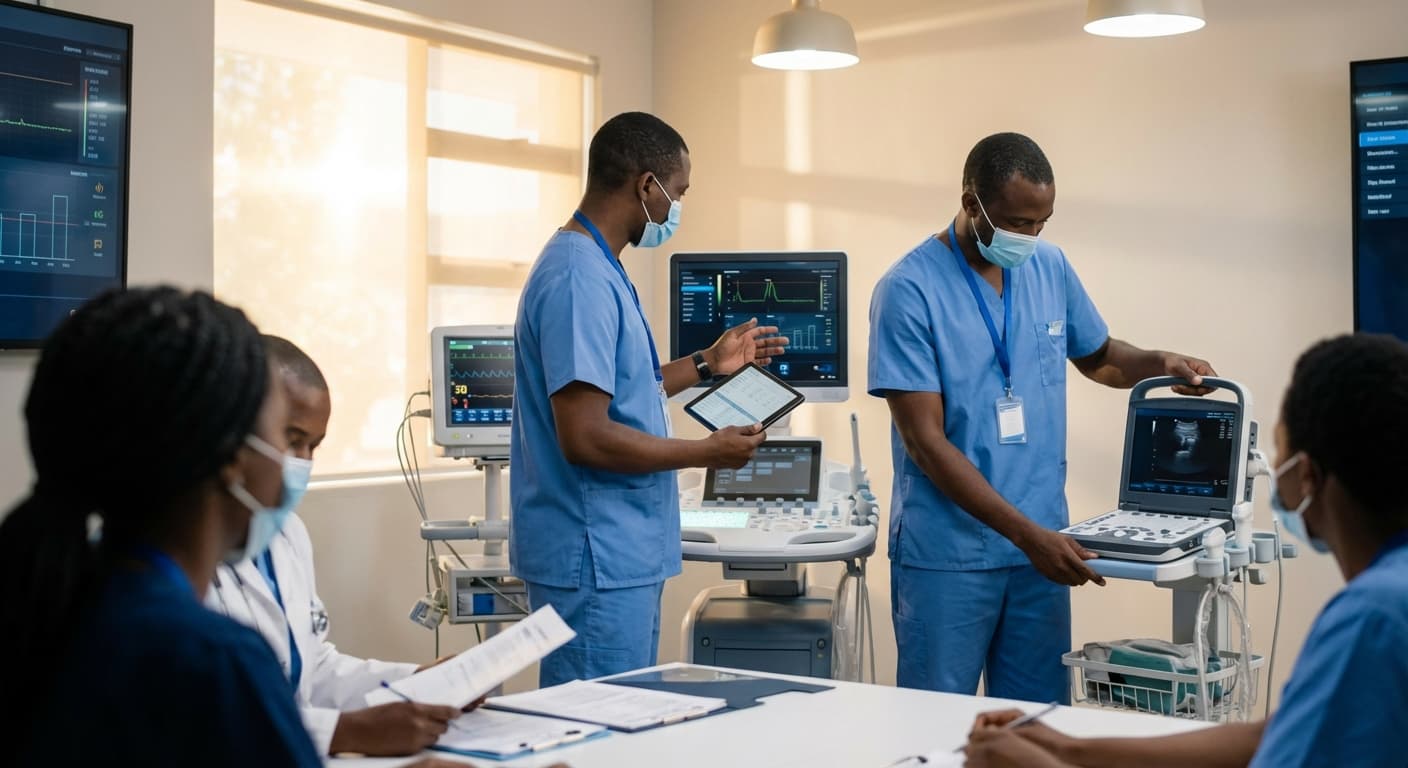
Clinical Needs Assessment for Medical Equipment in Senegal
Engineering Excellence & Technical Support
Clinical Needs Assessment for Medical Equipment High-standard technical execution following OEM protocols and local regulatory frameworks.
Comprehensive Equipment Inventory & Condition Assessment
Digitally maps existing medical equipment across all healthcare facilities in Senegal, meticulously documenting make, model, serial number, acquisition date, current functional status (operational, under repair, obsolete), and maintenance history. This detailed inventory forms the bedrock for identifying gaps, prioritizing replacements, and optimizing resource allocation.
Geospatial Needs Mapping & Service Area Analysis
Integrates demographic data, disease prevalence maps, and facility location data to create a visual representation of healthcare equipment needs by region. Identifies underserved areas and highlights critical equipment shortages in relation to population density and disease burden, enabling targeted deployment of new resources and mobile clinics.
Life Cycle Costing & Sustainable Maintenance Planning
Analyzes the total cost of ownership for various medical equipment types, including acquisition, installation, training, consumables, and projected maintenance expenses. Develops data-driven recommendations for sustainable maintenance strategies, preventative care schedules, and the identification of cost-effective equipment alternatives that align with Senegal's long-term healthcare budget and infrastructure capabilities.
What Is Clinical Needs Assessment For Medical Equipment In Senegal?
Clinical Needs Assessment for Medical Equipment in Senegal is a systematic process designed to evaluate and prioritize the current and future requirements for medical devices and technologies within healthcare facilities across Senegal. This service involves a comprehensive analysis of existing infrastructure, human resource capabilities, patient demographics, disease prevalence, and projected healthcare demands. The primary objective is to ensure that the procured medical equipment is appropriate, cost-effective, and aligns with the national health strategy and specific clinical objectives. It aims to bridge the gap between available resources and the essential equipment necessary for delivering quality healthcare services, thereby optimizing patient outcomes and improving the overall efficiency of the healthcare system.
| Who Needs This Service | Typical Use Cases |
|---|---|
| Ministry of Health and Public Hygiene (MOH) | Developing national health sector strategies and investment plans for medical equipment procurement. Developing national essential medical equipment lists. Guiding regional and district health authorities in equipment planning. Securing funding for major equipment acquisition programs. |
| Regional and District Health Directorates | Assessing equipment needs for public health facilities under their jurisdiction. Developing procurement plans aligned with national priorities. Optimizing the distribution of medical equipment within their catchment areas. |
| Public Hospitals and Health Centers | Identifying specific equipment deficits to improve patient care quality. Justifying the need for new or replacement equipment. Planning for departmental or facility-wide equipment upgrades. |
| Non-Governmental Organizations (NGOs) and International Donors | Ensuring that donated or funded equipment aligns with local needs and is sustainable. Conducting due diligence before committing resources to equipment projects. Evaluating the effectiveness of existing equipment investments. |
| Medical Equipment Manufacturers and Suppliers | Understanding the specific requirements and specifications of the Senegalese market. Tailoring product offerings to meet identified clinical needs. Developing effective sales and support strategies. |
| Healthcare Policy Makers and Planners | Informing evidence-based decision-making regarding medical equipment investment. Assessing the impact of new technologies on service delivery. Ensuring equitable access to essential medical equipment across the country. |
Key Components of a Clinical Needs Assessment for Medical Equipment in Senegal
- Inventory and condition assessment of existing medical equipment.
- Evaluation of clinical workflows and service delivery models.
- Analysis of patient populations, epidemiological data, and disease burdens.
- Assessment of healthcare professional training and technical expertise.
- Review of infrastructure and utility support (power, water, IT).
- Identification of gaps in essential medical equipment and technologies.
- Prioritization of equipment needs based on clinical impact, cost-effectiveness, and sustainability.
- Development of technical specifications for required equipment.
- Consideration of local maintenance, repair, and spare parts availability.
- Alignment with national health policies, guidelines, and strategic plans.
Who Needs Clinical Needs Assessment For Medical Equipment In Senegal?
A clinical needs assessment for medical equipment in Senegal is crucial for optimizing healthcare delivery, ensuring efficient resource allocation, and improving patient outcomes. It identifies the specific medical equipment required by healthcare facilities to meet the current and future needs of the population they serve. This process helps avoid under-equipped or over-equipped facilities, ensuring that investments are aligned with actual clinical demands and budgetary constraints.
| Department/Unit | Key Clinical Needs Assessment Focus Areas | Examples of Equipment Requiring Assessment |
|---|---|---|
| Emergency/Trauma Care | Resuscitation, stabilization, immediate intervention | Defibrillators, ventilators, portable X-ray machines, patient monitors, suction units, trauma kits |
| Maternity and Neonatal Care | Pregnancy monitoring, safe delivery, newborn care, intensive care | Ultrasound machines, fetal dopplers, delivery beds, incubators, phototherapy units, neonatal ventilators,CTG machines |
| Surgical Services (Operating Rooms) | Anesthesia, surgical procedures, post-operative care | Anesthesia machines, surgical lights, operating tables, electro-surgical units, surgical instrument sets, cautery machines, anesthetic vaporizers |
| Intensive Care Unit (ICU) | Critical patient monitoring and support | Advanced patient monitors, ventilators, infusion pumps, dialysis machines, ECG machines, blood gas analyzers |
| Internal Medicine/General Wards | Diagnosis, treatment, and management of common illnesses | ECG machines, nebulizers, oxygen concentrators, basic diagnostic equipment, patient beds with adjustable features |
| Diagnostic Imaging (Radiology) | Visualization of internal body structures for diagnosis | X-ray machines (fixed and mobile), ultrasound machines, CT scanners (if applicable), mammography units |
| Laboratory Services | Analysis of biological samples for diagnosis and monitoring | Microscopes, centrifuges, hematology analyzers, biochemistry analyzers, PCR machines, incubators, sterile hoods |
| Outpatient/Consultation Clinics | Initial assessment, diagnosis, and minor procedures | Stethoscopes, blood pressure monitors, otoscopes, ophthalmoscopes, minor surgical instrument kits, examination tables |
| Rehabilitation Services | Physical and occupational therapy, recovery support | Therapeutic exercise equipment, electrotherapy devices, gait training aids, occupational therapy tools |
| Pharmacy | Safe storage, dispensing, and preparation of medications | Refrigerators for medications, compounding equipment, dispensing cabinets, infusion preparation stations |
Target Customers for Clinical Needs Assessment:
- Public Hospitals (National, Regional, District)
- Private Hospitals and Clinics
- Non-Governmental Organization (NGO) Healthcare Facilities
- Specialized Medical Centers (e.g., Maternity, Pediatric, Oncology)
- Diagnostic Laboratories and Imaging Centers
- Rural Health Posts and Dispensaries
Clinical Needs Assessment For Medical Equipment Process In Senegal
This document outlines a comprehensive workflow for conducting a clinical needs assessment for medical equipment in Senegal, guiding the process from initial inquiry to final execution. The assessment aims to identify and prioritize the most critical medical equipment needs across various healthcare facilities, ensuring that investments are strategically aligned with national health priorities and resource availability. The workflow is designed to be transparent, collaborative, and data-driven, involving key stakeholders at each stage.
| Stage | Key Activities | Responsible Parties | Deliverables | Timeline (Indicative) |
|---|---|---|---|---|
| Receive formal request or initiate proactive assessment. Define the scope of the assessment (geographic area, facility types, disease focus). Identify key stakeholders and form a steering committee. Develop a detailed work plan and budget. | Ministry of Health (MoH) Officials, Department of Health (DOH) representatives, Program Managers, Project Coordinator. | Assessment Terms of Reference (ToR). Work Plan. Stakeholder Register. Communication Strategy. | 1-2 Weeks |
| Develop data collection tools (questionnaires, interview guides, observation checklists). Train data collectors. Conduct site visits to healthcare facilities. Gather data on existing equipment, maintenance, user capacity, patient flow, and unmet needs. Validate collected data through cross-referencing and discussions with facility staff. | Data Collection Teams, Facility Managers, Healthcare Professionals, MoH/DOH Technical Experts. | Completed Questionnaires/Interviews. Site Visit Reports. Validated Raw Data Set. | 4-6 Weeks |
| Analyze collected data to identify equipment gaps and deficiencies. Assess the clinical impact and public health significance of identified needs. Evaluate cost-effectiveness and feasibility of acquiring specific equipment. Develop prioritization criteria (e.g., burden of disease, equity, existing infrastructure, cost). Rank equipment needs based on established criteria. | Technical Working Group (includes clinicians, engineers, public health specialists, finance officers), Steering Committee. | Gap Analysis Report. Prioritized List of Medical Equipment Needs. Justification for Prioritization. | 3-4 Weeks |
| Compile a comprehensive needs assessment report. Include executive summary, methodology, findings, analysis, and recommendations. Submit draft report to the steering committee and key stakeholders for review and feedback. Incorporate feedback and finalize the report. | Project Coordinator, Technical Working Group, Steering Committee. | Draft Needs Assessment Report. Final Needs Assessment Report. | 2-3 Weeks |
| Develop an action plan for procuring and deploying prioritized equipment. Secure funding for equipment acquisition and installation. Procure equipment according to national/international standards and procurement guidelines. Oversee installation, commissioning, and initial training. Develop a maintenance and repair strategy. | MoH Procurement Unit, MoH Planning Unit, Implementing Partners, Equipment Suppliers, Biomedical Engineering Department. | Equipment Procurement Plan. Procurement Contracts. Installation & Commissioning Reports. Training Records. Maintenance Strategy Document. | Ongoing (variable based on procurement cycles) |
| Monitor the availability and functionality of newly acquired equipment. Assess the impact of equipment on service delivery and patient outcomes. Collect feedback on equipment usability and maintenance. Conduct periodic reviews to identify ongoing needs and adjust strategies. | MoH Monitoring & Evaluation Unit, DOH Representatives, Facility Managers, End-Users. | Equipment Utilization Reports. Impact Assessment Reports. Post-Implementation Review Reports. | Ongoing |
Clinical Needs Assessment Workflow Stages
- Inquiry & Scoping
- Data Collection & Validation
- Analysis & Prioritization
- Report Generation & Review
- Recommendation Implementation
- Monitoring & Evaluation
Clinical Needs Assessment For Medical Equipment Cost In Senegal
This document presents a clinical needs assessment for medical equipment costs in Senegal. A comprehensive understanding of these costs is crucial for effective healthcare planning, resource allocation, and ensuring the accessibility of quality medical services. Pricing for medical equipment in Senegal is influenced by a complex interplay of factors, including import duties, local taxes, currency exchange rates, supplier markups, transportation and logistics, warranty and after-sales service, and the perceived brand value and technological sophistication of the equipment. The local currency is the West African CFA franc (XOF). Due to fluctuations in international markets, import costs, and local economic conditions, specific price ranges can vary significantly. However, this assessment aims to provide indicative pricing for commonly required medical equipment, segmented by clinical specialty where appropriate. It is important to note that these are estimates and direct quotations from suppliers are essential for precise budgeting.
| Equipment Category | Indicative Price Range (XOF) | Notes |
|---|---|---|
| Basic Diagnostic Equipment (e.g., Stethoscope, Blood Pressure Monitor, Thermometer) | 15,000 - 150,000 | Manual and basic digital models available. Prices vary by brand and features. |
| Laboratory Equipment (e.g., Basic Hematology Analyzer, Chemistry Analyzer - entry-level) | 3,000,000 - 20,000,000 | Depends heavily on automation, throughput, and test menu. Consumables are a significant ongoing cost. |
| Imaging Equipment (e.g., Portable Ultrasound - basic, X-ray machine - fixed, entry-level) | 5,000,000 - 40,000,000 | Costs increase significantly with digital radiography, CT scanners, and MRI machines. |
| Surgical Instruments (e.g., Basic Surgical Set, Laryngoscope) | 100,000 - 1,000,000 | Depends on the number of instruments, material quality (e.g., stainless steel grade), and sterilization compatibility. |
| Anesthesia Machines (Entry-level) | 4,000,000 - 15,000,000 | Basic models with essential functionalities. Advanced features increase costs. |
| Patient Monitors (Basic Vital Signs) | 1,000,000 - 5,000,000 | Monitors for ECG, SpO2, NIBP, and temperature. More parameters and advanced features raise prices. |
| Hospital Beds (Manual/Semi-electric) | 200,000 - 800,000 | Adjustable height and backrest. Electric models are more expensive. |
| Oxygen Concentrators (Portable/Stationary) | 300,000 - 1,500,000 | Concentration rate and flow capacity are key differentiators. |
| Sterilization Equipment (e.g., Autoclave - medium size) | 2,000,000 - 10,000,000 | Steam autoclaves. Larger capacity and advanced features increase costs. |
| Defibrillators (Manual/AED) | 1,500,000 - 6,000,000 | AEDs are generally less expensive than manual defibrillators with monitoring capabilities. |
Key Pricing Factors for Medical Equipment in Senegal
- Import Duties and Taxes: Senegal imposes tariffs and Value Added Tax (VAT) on imported goods, which significantly increases the final cost of medical equipment.
- Currency Exchange Rate Fluctuations: The XOF is pegged to the Euro, meaning its value against other major currencies like the USD or GBP can fluctuate, impacting the cost of imported equipment.
- Supplier Markups and Distribution Channels: Local distributors and retailers add their own profit margins, which can vary based on their established networks and market position.
- Transportation and Logistics: Costs associated with shipping, customs clearance, insurance, and internal transportation within Senegal contribute to the overall price.
- Warranty and After-Sales Service: Equipment with comprehensive warranties and readily available local technical support and spare parts often command a higher price.
- Brand Reputation and Technology: Well-established international brands and the latest technological advancements generally carry premium pricing.
- Volume Discounts: For larger purchases, hospitals and government agencies may be able to negotiate volume discounts.
- Maintenance and Training: The cost of initial training for healthcare professionals and ongoing maintenance contracts are often factored into procurement decisions.
Affordable Clinical Needs Assessment For Medical Equipment Options
Securing appropriate medical equipment is crucial for effective patient care, but budget constraints can present significant challenges. This guide outlines strategies for conducting affordable clinical needs assessments and identifies cost-saving opportunities through value bundles and smart purchasing decisions. By focusing on essential functionality and exploring flexible acquisition models, healthcare providers can optimize their investments while ensuring they have the necessary tools for their clinical operations. Understanding the total cost of ownership, not just the initial purchase price, is paramount in making informed and sustainable equipment choices.
| Strategy Category | Description | Potential Cost Savings | Considerations |
|---|---|---|---|
| Needs Assessment Optimization | Prioritize essential clinical functions. Involve clinical staff to define real needs. Review utilization data of existing equipment. | Reduced over-purchasing of redundant or underutilized equipment. | Ensures equipment directly supports patient care goals. |
| Value Bundles | Negotiate packages including equipment, installation, training, and maintenance from a single vendor. | Potential discounts on bundled items. Streamlined procurement and support. | Carefully review the components and service levels within the bundle. |
| Leasing/Rental Options | Acquire equipment through operating leases or short-term rentals, avoiding large upfront capital expenditure. | Lower initial outlay. Predictable monthly costs. Access to newer technology without ownership burdens. | May incur higher costs over the long term compared to outright purchase. Review lease terms carefully. |
| Refurbished/Pre-owned Equipment | Purchase certified refurbished equipment from reputable suppliers. | Significant reduction in initial purchase price (often 30-60% less than new). | Ensure warranty and service support. Verify condition and performance. |
| Group Purchasing Organizations (GPOs) | Join a GPO to leverage collective buying power for discounted pricing on a wide range of medical equipment and supplies. | Access to aggregated pricing and exclusive vendor agreements. | Membership fees may apply. Ensure GPO contracts align with your specific needs. |
| Negotiation & Payment Terms | Negotiate pricing, payment schedules, and extended warranty options with vendors. | Reduced overall purchase price. Improved cash flow through flexible payment terms. | Requires strong negotiation skills and market research. |
| Focus on TCO | Analyze all associated costs (maintenance, consumables, energy, training, lifespan) before making a decision. | Avoids hidden costs that can inflate long-term expenses. | Requires thorough research and vendor transparency. |
Affordable Clinical Needs Assessment & Cost-Saving Strategies
- {"title":"Conducting an Affordable Clinical Needs Assessment","description":"Focus on prioritizing essential clinical functions, engaging a multidisciplinary team, and leveraging existing data to avoid unnecessary purchases."}
- {"title":"Understanding Value Bundles","description":"Value bundles combine multiple products or services (e.g., equipment, training, maintenance) into a single package, often at a discounted rate compared to purchasing items individually. This offers predictability in budgeting and can simplify procurement processes."}
- {"title":"Cost-Saving Strategies","description":"Explore options like leasing, refurbished equipment, group purchasing organizations (GPOs), and negotiating favorable payment terms."}
- {"title":"Total Cost of Ownership (TCO)","description":"Consider not only the purchase price but also installation, training, maintenance, repairs, consumables, and eventual disposal costs when evaluating equipment options."}
Verified Providers In Senegal
When seeking healthcare services in Senegal, identifying verified providers is crucial for ensuring quality, safety, and ethical treatment. Franance Health stands out as a premier organization dedicated to connecting patients with the most reputable and credentialed healthcare professionals and institutions in the country. This commitment to verification offers peace of mind and guarantees that you are receiving care from trusted sources.
| Why Franance Health is the Best Choice | Benefits for Patients |
|---|---|
| Unrivaled Assurance of Quality: Franance Health's meticulous verification means you are interacting with licensed, qualified, and ethical healthcare professionals. | Peace of Mind: Reduced anxiety and uncertainty when choosing a healthcare provider, knowing they have been thoroughly vetted. |
| Access to Trusted Medical Professionals: Connect with a network of doctors, specialists, and facilities known for their expertise and commitment to patient well-being. | Informed Decision-Making: Comprehensive information about providers allows for confident choices based on qualifications and experience. |
| Enhanced Patient Safety: Minimizing risks associated with unqualified or unverified practitioners. | Improved Health Outcomes: Access to the best available care leads to more effective treatments and faster recovery. |
| Streamlined Healthcare Experience: Franance Health simplifies the process of finding and engaging with reliable healthcare services. | Empowerment and Control: Patients are empowered to take charge of their health journey with confidence. |
Franance Health Credentials Explained
- Rigorous Vetting Process: Franance Health employs a multi-stage vetting process for all providers listed on its platform. This includes verifying medical licenses, professional certifications, educational backgrounds, and professional standing with relevant Senegalese medical boards.
- Adherence to Ethical Standards: Beyond basic credentials, Franance Health assesses providers for their commitment to patient-centered care, ethical practices, and adherence to international healthcare standards.
- Continuous Monitoring: The verification process is not a one-time event. Franance Health actively monitors its listed providers for ongoing compliance, patient feedback, and any disciplinary actions.
- Partnerships with Leading Institutions: Franance Health collaborates with recognized hospitals, clinics, and specialized medical centers that meet stringent quality benchmarks, further assuring the reliability of the services offered.
- Transparency and Accessibility: Franance Health prioritizes transparency, making provider credentials and relevant information easily accessible to patients, empowering them to make informed decisions.
Scope Of Work For Clinical Needs Assessment For Medical Equipment
This document outlines the Scope of Work (SOW) for a Clinical Needs Assessment (CNA) focused on identifying and prioritizing medical equipment requirements. The assessment will inform procurement decisions, ensuring that the acquired equipment aligns with current clinical practices, future service expansion, and patient care quality objectives. This SOW details the objectives, deliverables, methodologies, and standard specifications for the assessment.
| Phase | Activity | Deliverable | Timeline (Weeks) |
|---|---|---|---|
| Phase 1: Planning and Initiation | Project Kick-off Meeting | Project Plan, Stakeholder List | 1 |
| Phase 1: Planning and Initiation | Review of Existing Documentation (Inventory, Policies, Strategic Plans) | Summary of Existing Resources and Gaps | 2 |
| Phase 2: Data Collection | Stakeholder Interviews (Clinicians, Biomedical Engineering, IT, Administration) | Interview Summaries, Identified Needs | 4 |
| Phase 2: Data Collection | Observation of Clinical Workflows | Workflow Analysis Reports | 3 |
| Phase 2: Data Collection | User Surveys | Survey Results and Analysis | 2 |
| Phase 3: Analysis and Synthesis | Gap Analysis (Current vs. Future Needs) | Gap Analysis Report | 3 |
| Phase 3: Analysis and Synthesis | Identification and Definition of Equipment Requirements | Detailed Equipment Specifications Document | 4 |
| Phase 3: Analysis and Synthesis | Prioritization of Equipment Needs | Prioritized Equipment List with Justification | 2 |
| Phase 4: Reporting and Recommendations | Draft Report Presentation and Feedback | Draft CNA Report | 1 |
| Phase 4: Reporting and Recommendations | Final Report and Recommendations | Final Clinical Needs Assessment Report, Executive Summary | 1 |
Key Objectives of the Clinical Needs Assessment
- To identify and document existing medical equipment inventory, including condition, age, and utilization.
- To assess current clinical workflows and identify areas where new or upgraded medical equipment can improve efficiency, patient outcomes, and safety.
- To forecast future clinical service demands and their impact on medical equipment needs.
- To define the technical specifications and performance requirements for proposed new or replacement medical equipment.
- To prioritize medical equipment requirements based on clinical impact, cost-effectiveness, and strategic alignment.
- To identify potential gaps in current equipment or technology and propose solutions.
- To ensure compliance with relevant regulatory standards and best practices.
- To provide recommendations for training, maintenance, and support infrastructure for new equipment.
Service Level Agreement For Clinical Needs Assessment For Medical Equipment
This Service Level Agreement (SLA) outlines the agreed-upon response times and uptime guarantees for the Clinical Needs Assessment service for Medical Equipment. This SLA is designed to ensure timely and efficient support for healthcare providers in their procurement and utilization of medical devices, minimizing disruptions to patient care and operational efficiency.
| Service Component | Description | Service Level Objective (SLO) |
|---|---|---|
| Initial Needs Identification | Prompt acknowledgement and initial understanding of the client's stated clinical needs for medical equipment. | Acknowledgement within 2 business hours of request submission. |
| Needs Assessment Document Submission | Delivery of the comprehensive clinical needs assessment document, including identified requirements, potential equipment types, and preliminary recommendations. | Within 5 business days of the initial needs identification. |
| Clarification and Refinement | Addressing client queries and providing clarifications or refinements to the needs assessment document. | Response to clarification requests within 1 business day. |
| Service Availability (for assessment platform/tools) | Ensuring the availability of any supporting platforms or tools used for the needs assessment process. | 99.5% uptime during standard business hours (9 AM - 5 PM Local Time, Monday-Friday). |
| Emergency Support (for critical process blockers) | Addressing critical issues that prevent the continuation of the needs assessment process. | Emergency response within 4 business hours. |
Key Service Components
- Clinical Needs Assessment Process
- Response Time Metrics
- Uptime Guarantees
- Exclusions and Limitations
- Reporting and Review
- Definitions
Frequently Asked Questions

Ready when you are
Let's scope your Clinical Needs Assessment for Medical Equipment in Senegal project in Senegal.

Scaling healthcare logistics and technical systems across the entire continent.