
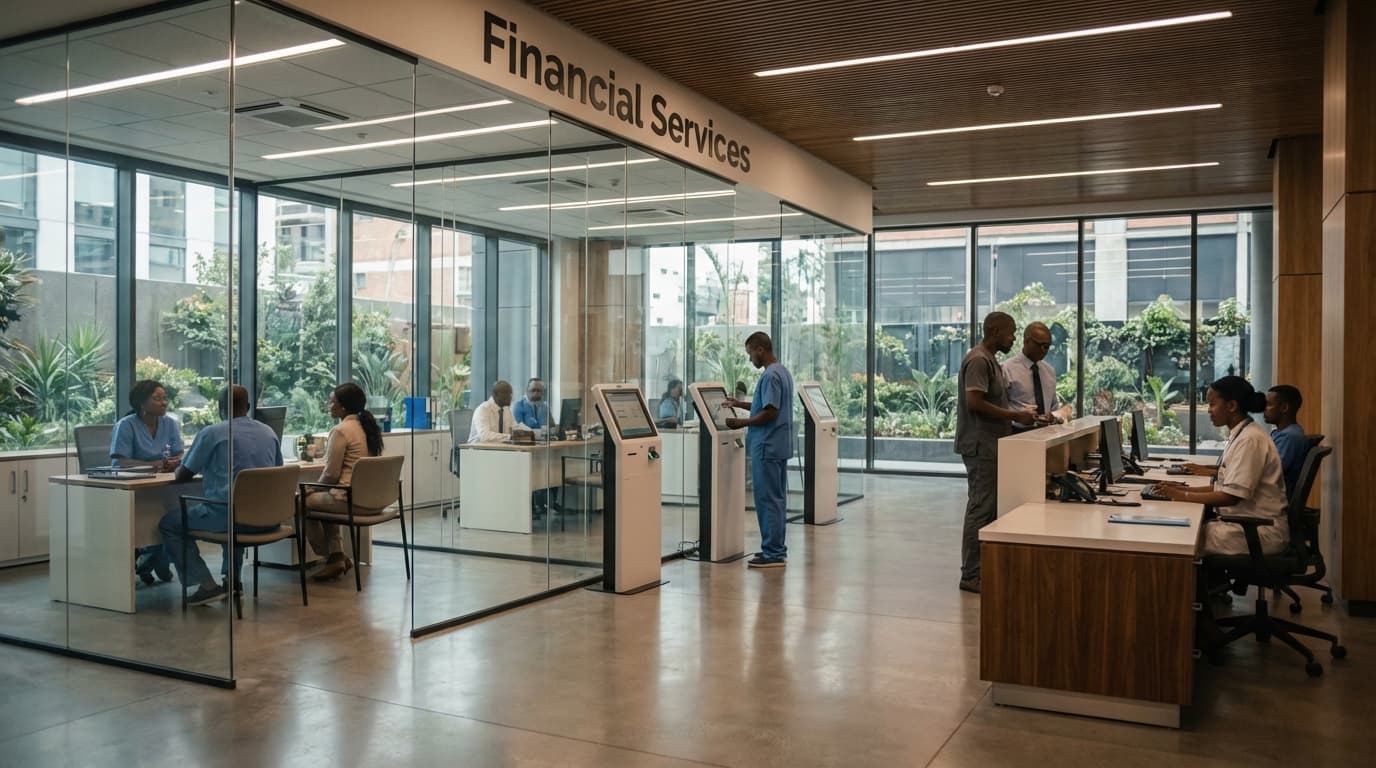
Medical Equipment Financing in Senegal
Engineering Excellence & Technical Support
Leasing and financing solutions for medical equipment High-standard technical execution following OEM protocols and local regulatory frameworks.
Tailored Financing Solutions
Access flexible and customized financing plans specifically designed for medical equipment acquisition in Senegal, catering to diverse healthcare facility needs and budget constraints.
Accelerated Approval Process
Benefit from our streamlined and efficient application and approval process, ensuring prompt access to funds for critical medical equipment, minimizing operational downtime and enhancing patient care.
Competitive Interest Rates
Secure funding for essential medical technology at competitive interest rates, making advanced healthcare equipment more accessible and affordable for Senegalese medical practitioners and institutions.
What Is Medical Equipment Financing In Senegal?
Medical equipment financing in Senegal refers to the provision of capital by financial institutions, governments, or specialized lenders to healthcare providers for the acquisition, upgrade, or maintenance of medical technology and infrastructure within the Republic of Senegal. This service is structured to address the significant capital expenditure associated with procuring advanced diagnostic, therapeutic, and supportive medical devices, thereby enhancing the quality and accessibility of healthcare services.
| Financing Mechanism | Description | Key Characteristics in Senegal |
|---|---|---|
| Direct Loans | Traditional debt financing where funds are disbursed to the borrower to purchase equipment. | Requires robust collateral, demonstrated financial viability of the healthcare provider, and often government guarantees for public entities. |
| Leasing (Operating & Finance) | The lessor retains ownership of the equipment and allows the lessee to use it for a specified period in exchange for rental payments. Finance leases function more like a purchase with installment payments. | Offers flexibility, preserves capital, and allows for regular technology upgrades. Preferred by entities with cash flow constraints or a need for short-term or evolving technology. |
| Vendor Financing | Offered directly by medical equipment manufacturers or distributors as part of the sales agreement. | Often has competitive interest rates and streamlined application processes. Particularly relevant for acquiring specialized equipment from international suppliers. |
| Government Subsidies & Grants | Financial assistance provided by the Senegalese government or international development agencies to support specific healthcare initiatives or equipment upgrades. | Typically targeted towards public health sector improvements and can be highly competitive, requiring detailed project proposals. |
| Project-Based Financing | Financing structured around a specific project, such as building a new wing or establishing a specialized medical center. | Involves a comprehensive assessment of the project's feasibility, revenue streams, and risk profile. |
Key Stakeholders and Requirements
- {"items":["Public Hospitals and Clinics: Requiring upgrades to existing infrastructure or expansion of service offerings.","Private Hospitals and Diagnostic Centers: Seeking to acquire state-of-the-art equipment to compete and improve patient outcomes.","Specialized Medical Practices: Dentists, ophthalmologists, cardiologists, etc., needing specific, often high-cost, equipment.","Non-Governmental Organizations (NGOs) and Humanitarian Organizations: Operating healthcare facilities in underserved areas and requiring cost-effective financing solutions.","New Healthcare Ventures: Start-up medical facilities requiring initial capital for a full suite of equipment.","Medical Equipment Suppliers/Distributors: Offering vendor financing programs to facilitate sales and reach a broader client base."],"title":"Who Needs Medical Equipment Financing?"}
- {"items":["Procurement of Diagnostic Imaging Equipment: MRI scanners, CT scanners, X-ray machines, ultrasound devices.","Acquisition of Surgical Equipment: Operating room suites, laparoscopic instruments, anesthesia machines.","Investment in Laboratory Equipment: Automated analyzers, microscopes, centrifuges for diagnostic testing.","Purchase of Therapeutic Devices: Dialysis machines, ventilators, physiotherapy equipment.","Upgrading of Hospital Infrastructure: Installation of medical gas systems, sterilization units, patient monitoring systems.","Acquisition of Ambulance and Emergency Medical Services Equipment.","Financing for Medical Information Technology (HIT) Systems: Electronic health records (EHRs), Picture Archiving and Communication Systems (PACS).","Leasing or outright purchase of specialized medical furniture and equipment."],"title":"Typical Use Cases"}
Who Needs Medical Equipment Financing In Senegal?
Medical equipment financing in Senegal is a critical service that empowers healthcare providers to acquire essential technology, improve patient care, and expand their service offerings. This financing is particularly vital for institutions facing budgetary constraints or seeking to upgrade outdated or insufficient equipment. The demand spans a wide range of healthcare settings, from public hospitals and private clinics to specialized diagnostic centers and even individual medical practitioners. By facilitating access to modern medical devices, financing solutions play a crucial role in enhancing diagnostic accuracy, treatment effectiveness, and overall patient outcomes within the Senegalese healthcare landscape.
| Customer Type | Typical Equipment Needs | Key Departments Benefiting |
|---|---|---|
| Public Hospitals and Healthcare Centers | Diagnostic imaging (X-ray, CT, MRI), surgical equipment, patient monitoring systems, laboratory analyzers, hospital beds, essential treatment machines (e.g., dialysis) | Radiology, Surgery, Intensive Care Units (ICU), Emergency Rooms, Laboratories, General Wards |
| Private Clinics and Hospitals | Advanced diagnostic equipment, specialized surgical instruments, modern dental chairs and equipment, aesthetic treatment machines, patient care technology | Dermatology, Cardiology, Gastroenterology, Ophthalmology, Dentistry, Gynecology, General Surgery |
| Specialized Diagnostic Centers | High-resolution imaging devices, sophisticated laboratory testing equipment, specialized diagnostic tools | Radiology, Pathology, Cardiology Diagnostics, Endoscopy |
| Maternity and Pediatric Units | Neonatal incubators, infant warmers, specialized pediatric diagnostic equipment, fetal monitors | Neonatology, Pediatrics, Obstetrics |
| Medical Laboratories | Automated analyzers (hematology, chemistry), PCR machines, microscopes, centrifuges, specialized testing kits | Clinical Pathology, Microbiology, Molecular Diagnostics |
| Individual Medical Practitioners | Basic diagnostic tools (e.g., ultrasound, ECG), specialized examination equipment, dental units, minor surgical instruments | General Practice, Dentistry, Ophthalmology, Dermatology, Physiotherapy |
Target Customers for Medical Equipment Financing in Senegal
- Public Hospitals and Healthcare Centers
- Private Clinics and Hospitals
- Specialized Diagnostic Centers (e.g., Radiology, Pathology)
- Maternity and Pediatric Units
- Medical Laboratories
- Individual Medical Practitioners (Doctors, Dentists, etc.)
- Non-Governmental Organizations (NGOs) with Healthcare Initiatives
Medical Equipment Financing Process In Senegal
This document outlines the typical workflow for medical equipment financing in Senegal, from the initial inquiry by a healthcare provider to the final execution of the financing agreement. The process involves several key stages, each with specific activities and stakeholders. Understanding this workflow is crucial for both financing institutions and healthcare providers seeking to acquire essential medical equipment.
| Stage | Description | Key Stakeholders | Typical Duration |
|---|---|---|---|
| Inquiry and Initial Consultation | Healthcare provider expresses interest in financing medical equipment. The financing institution provides an overview of their services, financing options, and eligibility criteria. | Healthcare Provider (Hospital, Clinic, etc.), Financing Institution (Bank, Leasing Company, Specialized Lender) | 1-3 Business Days |
| Needs Assessment and Equipment Specification | The healthcare provider clearly defines the specific medical equipment required, including technical specifications, quantity, and anticipated costs. Quotes from suppliers are often gathered. | Healthcare Provider, Equipment Suppliers, Financing Institution (for preliminary review) | 3-7 Business Days |
| Application Submission and Documentation | The healthcare provider completes a formal financing application and submits supporting documents such as financial statements, business plans, registration documents, and equipment quotes. | Healthcare Provider, Financing Institution | 5-10 Business Days |
| Credit Assessment and Due Diligence | The financing institution evaluates the financial health, creditworthiness, and repayment capacity of the healthcare provider. This includes verifying submitted documents and potentially conducting site visits. | Financing Institution (Credit Department, Risk Management) | 1-4 Weeks |
| Proposal and Negotiation | Based on the credit assessment, the financing institution prepares a financing proposal outlining terms, interest rates, repayment schedules, and any collateral requirements. Negotiations may occur to finalize these terms. | Financing Institution, Healthcare Provider | 3-7 Business Days |
| Contractual Agreement and Legal Review | A legally binding financing agreement is drafted. Both parties review and sign the contract. Legal counsel may be involved for both sides. | Financing Institution, Healthcare Provider, Legal Counsel | 1-2 Weeks |
| Disbursement and Equipment Procurement | Upon contract signing, the financing institution disburses the funds to the equipment supplier or the healthcare provider (depending on the agreement). The healthcare provider proceeds with procuring the equipment. | Financing Institution, Healthcare Provider, Equipment Supplier | 1-5 Business Days (for disbursement), Variable (for procurement) |
| Installation and Commissioning | The medical equipment is installed and commissioned at the healthcare facility. The provider ensures the equipment is functional and meets the specified requirements. | Healthcare Provider, Equipment Supplier, Technicians | Variable (depends on equipment complexity) |
| Repayment and Post-Financing Monitoring | The healthcare provider begins making regular payments according to the agreed-upon schedule. The financing institution monitors repayments and may conduct periodic checks on the equipment's status. | Healthcare Provider, Financing Institution | Throughout the loan/lease term |
Key Stages in Medical Equipment Financing in Senegal
- Inquiry and Initial Consultation
- Needs Assessment and Equipment Specification
- Application Submission and Documentation
- Credit Assessment and Due Diligence
- Proposal and Negotiation
- Contractual Agreement and Legal Review
- Disbursement and Equipment Procurement
- Installation and Commissioning
- Repayment and Post-Financing Monitoring
Medical Equipment Financing Cost In Senegal
Financing medical equipment in Senegal presents a complex landscape influenced by various pricing factors. The cost of medical equipment financing is not a fixed rate but rather a dynamic figure that fluctuates based on the specific financial institution, the type and value of the equipment, the borrower's financial standing, and prevailing economic conditions. Lenders typically consider the equipment's lifespan, its resale value, and the potential for depreciation when assessing risk and determining interest rates. Furthermore, government policies, import duties, and local taxes on medical equipment can significantly impact the overall financing cost.
In Senegal, the primary financial institutions offering medical equipment financing include commercial banks, specialized leasing companies, and some microfinance institutions. Interest rates are generally expressed as an annual percentage rate (APR). While it's challenging to provide exact, universally applicable rates due to the individualized nature of each financing agreement, typical pricing ranges can be observed. For established healthcare providers with a strong credit history and substantial down payments, interest rates might be more favorable. Conversely, newer businesses or those with a less robust financial profile may face higher rates. The tenor (loan duration) also plays a crucial role; longer tenors often come with higher overall interest costs but result in lower monthly repayments.
It's crucial for healthcare providers in Senegal to engage in thorough due diligence, obtaining multiple quotes from different lenders. Understanding the total cost of financing, including any origination fees, administrative charges, and insurance requirements, is paramount to making an informed decision.
| Financing Type | Typical Interest Rate Range (APR) | Example Loan Amount (XOF) | Estimated Monthly Repayment (XOF) |
|---|---|---|---|
| Bank Loan (Secured) | 10% - 18% | 10,000,000 | Example for 5 years: ~207,582 |
| Leasing | 12% - 20% | 10,000,000 | Varies significantly by lease structure (e.g., operating vs. finance lease) |
| Microfinance Institution Loan (Smaller Scale/Specific Programs) | 15% - 25% | 2,000,000 | Example for 3 years: ~69,182 |
Key Pricing Factors for Medical Equipment Financing in Senegal
- Equipment Type and Value: More expensive and specialized equipment will naturally have higher financing costs.
- Borrower's Creditworthiness: A strong credit history and financial stability lead to better terms.
- Down Payment Amount: A larger down payment reduces the principal amount to be financed, lowering overall costs.
- Equipment Lifespan and Depreciation: Lenders assess the equipment's longevity and how quickly it might lose value.
- Resale Value of Equipment: Equipment with a higher potential resale value is considered less risky.
- Loan Tenor (Duration): Longer repayment periods generally result in higher total interest paid.
- Financial Institution's Lending Policy: Different banks and leasing companies have varying risk appetites and pricing structures.
- Economic Conditions and Inflation: Macroeconomic factors can influence interest rate benchmarks.
- Import Duties and Local Taxes: Government levies on medical equipment directly add to the cost.
- Origination and Administrative Fees: Lenders may charge upfront fees for processing the loan or lease.
- Insurance Requirements: Lenders often require insurance on the financed equipment, adding to the cost.
Affordable Medical Equipment Financing Options
Securing affordable medical equipment is crucial for healthcare providers to deliver quality patient care. Fortunately, various financing options exist, often coupled with value bundles and cost-saving strategies. Understanding these can significantly reduce the financial burden. Value bundles are packages of goods and services offered together, often at a discounted price compared to purchasing them individually. This can include equipment, maintenance contracts, training, and consumables. Cost-saving strategies involve proactive measures to minimize expenditure, such as exploring leasing vs. buying, negotiating bulk discounts, and considering refurbished equipment. Effective financial planning and strategic procurement are key to optimizing these opportunities.
| Financing Strategy/Option | Description | Potential Benefits | Considerations |
|---|---|---|---|
| Leasing Agreements | Paying a recurring fee for the use of equipment over a specified period. | Lower upfront costs, predictable monthly expenses, easier upgrades, tax deductibility. | Ownership is not acquired, potential for higher long-term costs depending on lease terms. |
| Loans and Lines of Credit | Borrowing funds from financial institutions to purchase equipment outright. | Ownership of equipment, potential for tax depreciation benefits, flexibility in usage. | Requires good credit, interest payments, upfront capital may still be needed. |
| Value Bundles | Packages including equipment, service, training, and sometimes consumables at a reduced price. | Streamlined procurement, bundled savings, integrated support, potential for extended warranties. | May include services not immediately needed, ensure all components are truly valuable. |
| Refurbished Equipment | Pre-owned medical equipment that has been professionally inspected, repaired, and restored to full working condition. | Significant cost savings compared to new equipment, often comes with a warranty. | Availability can be limited, thorough inspection and reputable supplier are crucial. |
| Negotiating Discounts | Actively discussing pricing with suppliers, especially for larger orders or long-term relationships. | Direct reduction in equipment cost, encourages supplier loyalty. | Requires strong negotiation skills and market knowledge, build strong supplier relationships. |
| Preventative Maintenance Plans | Contracts for regular servicing and upkeep of equipment to prevent breakdowns. | Reduces unexpected repair costs, minimizes downtime, extends equipment lifespan. | Can be an added upfront cost, ensure the plan covers critical components and services. |
Key Financing Options and Strategies
- Leasing Agreements
- Loans and Lines of Credit
- Rental Services
- Buy-Back Programs
- Value Bundles
- Negotiating Discounts
- Bulk Purchasing
- Refurbished Equipment
- Preventative Maintenance Plans
- Exploring Manufacturer Incentives
Verified Providers In Senegal
In the burgeoning healthcare landscape of Senegal, identifying trustworthy and competent medical service providers is paramount for individuals seeking quality care. Franance Health stands out as a beacon of excellence, distinguished by its rigorous credentialing process and unwavering commitment to patient well-being. This document outlines the key aspects of Franance Health's verification system and elucidates why their accredited providers represent the optimal choice for healthcare needs in Senegal.
| Benefit | Description | Franance Health Provider Advantage |
|---|---|---|
| Enhanced Patient Safety | Working with verified providers minimizes the risk of unqualified individuals providing medical care, directly impacting patient safety and reducing medical errors. | Franance Health's stringent verification process directly safeguards patients by ensuring they receive care from demonstrably competent and ethical professionals. |
| Improved Quality of Care | Verified providers are typically those who have met higher standards of education, training, and experience, leading to more accurate diagnoses and effective treatments. | By partnering exclusively with credentialed practitioners, Franance Health guarantees access to a higher caliber of medical expertise and treatment outcomes. |
| Increased Trust and Confidence | Knowing that a provider has undergone a thorough vetting process instills confidence and trust in the healthcare services received. | Franance Health's accreditation acts as a powerful endorsement, providing patients with peace of mind and assurance in their healthcare decisions. |
| Access to Specialized Expertise | The credentialing process often identifies specialists in various fields, ensuring patients can find the right expertise for their specific medical conditions. | Franance Health's network is curated to include a diverse range of verified specialists, making it easier for patients to connect with the exact medical support they require. |
| Accountability and Professionalism | Verified providers are held to higher professional standards and are more likely to adhere to ethical guidelines and best practices. | Franance Health's commitment to verification fosters a culture of accountability and professionalism among its network, promoting responsible healthcare delivery. |
Franance Health Credentialing Pillars
- Professional Licensure and Certification: Ensuring all healthcare professionals hold valid and current licenses issued by relevant Senegalese and international medical bodies.
- Education and Training Verification: Rigorously confirming the authenticity and completeness of academic qualifications and specialized training from recognized institutions.
- Experience and Competency Assessment: Evaluating the practical experience and demonstrated skill set of providers through interviews, peer reviews, and potentially case study analyses.
- Ethical Conduct and Reputation: Thorough background checks to ascertain a history of ethical practice and a positive standing within the medical community.
- Commitment to Continuous Professional Development: Verifying that providers actively engage in ongoing learning and skill enhancement to stay abreast of medical advancements.
Scope Of Work For Medical Equipment Financing
This Scope of Work (SOW) outlines the technical deliverables and standard specifications required for the financing of medical equipment. The objective is to secure a financing solution that ensures the acquisition of high-quality, reliable, and technologically appropriate medical equipment, meeting all regulatory and operational requirements.
| Deliverable Category | Description | Standard Specifications / Requirements | Verification Method |
|---|---|---|---|
| Equipment Specifications & Compliance | Detailed technical specifications for all proposed medical equipment. | Must align with current clinical needs, patient care standards, and future-proofing. Include manufacturer's data sheets, performance metrics, power requirements, environmental conditions (temperature, humidity), and relevant certifications (e.g., FDA, CE, ISO 13485). Compliance with local and international medical device regulations is mandatory. | Review of manufacturer datasheets, independent technical assessments, and compliance documentation. |
| Installation & Integration | Successful installation and integration of all financed equipment into existing healthcare infrastructure. | Includes site preparation assessment, physical installation, connection to power, network, and any necessary ancillary systems. Integration with existing IT infrastructure (e.g., PACS, EMR systems) must be seamless and adhere to interoperability standards (e.g., HL7, DICOM). | Pre-installation site surveys, post-installation testing and validation reports, successful integration tests. |
| Training & Support | Comprehensive training for clinical and technical staff on the operation and basic maintenance of the equipment. | Training programs should be delivered by qualified personnel, covering all functionalities, safety procedures, and basic troubleshooting. Availability of 24/7 technical support with defined response times and escalation procedures is crucial. | Training attendance records, post-training assessments, review of support service level agreements (SLAs). |
| Maintenance & Service | Provisions for routine preventive maintenance, corrective maintenance, and access to spare parts. | Detailed service contracts outlining scope of work, response times, availability of certified technicians, and warranty periods. Manufacturers' recommended maintenance schedules must be adhered to. A clear plan for the availability of critical spare parts throughout the equipment's lifecycle is required. | Review of service contracts, vendor maintenance records, and warranty documentation. |
| Documentation & Reporting | Complete set of operational, maintenance, and technical documentation. | Includes user manuals, service manuals, installation guides, calibration records, and any software updates/patches. Regular reporting on equipment performance, maintenance activities, and incident logs is expected. | Availability of all specified documentation, review of performance reports. |
| Security & Data Privacy | Ensuring the security of patient data and compliance with privacy regulations. | All equipment handling patient data must comply with HIPAA, GDPR, or equivalent local data privacy laws. This includes secure data storage, transmission, and access controls. Cybersecurity measures must be in place to protect against unauthorized access and breaches. | Review of security protocols, data privacy impact assessments, and compliance certifications. |
| End-of-Lease/Ownership Considerations | Clear provisions for the end of the financing term. | Specifications should address options for purchase, return, or upgrade of the equipment. Asset valuation at the end of the term should be clearly defined, along with any decommissioning or data sanitization requirements. | Review of contract clauses related to end-of-term options and asset disposal. |
Key Areas of Technical Deliverables and Standard Specifications
- Equipment Specifications & Compliance
- Installation & Integration
- Training & Support
- Maintenance & Service
- Documentation & Reporting
- Security & Data Privacy
- End-of-Lease/Ownership Considerations
Service Level Agreement For Medical Equipment Financing
This Service Level Agreement (SLA) outlines the response times and uptime guarantees for medical equipment financing services provided by [Your Company Name] (hereinafter referred to as "Provider") to [Client Company Name] (hereinafter referred to as "Client"). This SLA is an integral part of the overarching Medical Equipment Financing Agreement between the parties.
| Service Component | Severity Level | Response Time (during Service Hours) | Uptime Guarantee | Notes |
|---|---|---|---|---|
| Financing Platform Access | Critical (System Unavailable, impacting all transactions) | 1 Hour | 99.9% Monthly | Excludes Scheduled Maintenance. Uptime calculated monthly. |
| Financing Platform Access | High (Significant functionality degraded, impacting a subset of users/transactions) | 2 Hours | N/A | N/A |
| Financing Platform Access | Medium (Minor functionality impacted, workaround available) | 4 Business Hours | N/A | N/A |
| Financing Application Submission | Critical (Unable to submit new financing applications) | 30 Minutes | N/A | Applies to the submission functionality of the platform. |
| Financing Application Status Inquiry | High (Unable to retrieve status for submitted applications) | 1 Business Hour | N/A | N/A |
| Reporting and Analytics Access | Medium (Unable to access reports) | 8 Business Hours | N/A | N/A |
| Customer Support (Non-technical inquiries) | Standard | Within 24 Business Hours | N/A | For general inquiries, account information, etc. |
Key Definitions
- Service Hours: Standard business hours, Monday through Friday, 9:00 AM to 5:00 PM [Client's Time Zone], excluding public holidays recognized in [Client's Jurisdiction].
- Downtime: The period during which the Client is unable to access or utilize the financing platform or related services due to a failure or outage caused by the Provider or its subcontractors. Downtime does not include scheduled maintenance or outages caused by factors outside the Provider's reasonable control (Force Majeure).
- Response Time: The maximum time allowed for the Provider to acknowledge a reported issue and initiate troubleshooting.
- Resolution Time: The maximum time allowed for the Provider to resolve a reported issue and restore service.
- Scheduled Maintenance: Pre-planned periods for system updates, upgrades, or maintenance, communicated to the Client in advance.
Frequently Asked Questions

Ready when you are
Let's scope your Medical Equipment Financing in Senegal project in Senegal.

Scaling healthcare logistics and technical systems across the entire continent.