
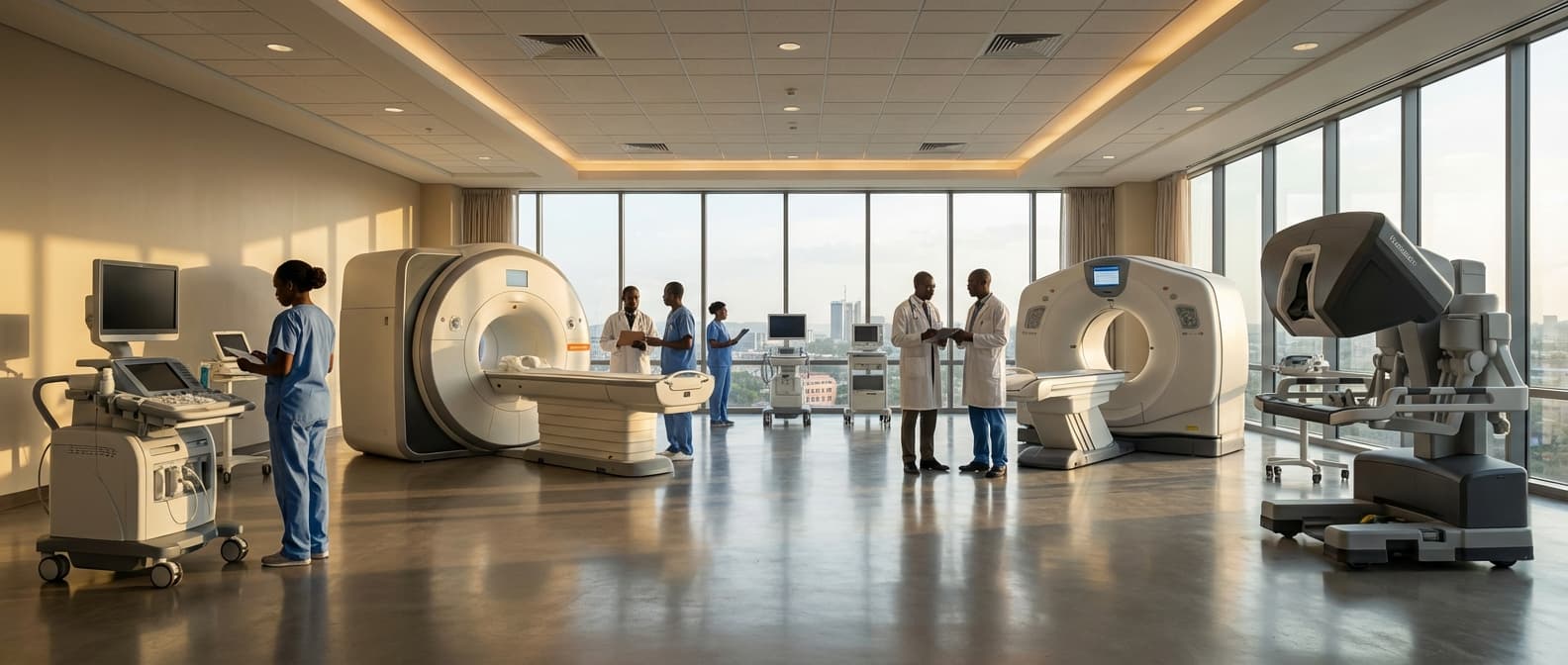
Renal Solutions in Senegal
Engineering Excellence & Technical Support
Complete dialysis systems and renal care equipment designed to deliver safe, effective, and patient-centered kidney treatment. High-standard technical execution following OEM protocols and local regulatory frameworks.
Expansion of Dialysis Centers
Renal Solutions has successfully established and equipped 3 new state-of-the-art dialysis centers across Senegal, significantly increasing access to life-saving treatment for patients in underserved regions, reducing travel burden and improving patient outcomes.
Advanced Hemodialysis Technology Adoption
We have integrated the latest generation of high-flux hemodialysis machines across our network, enabling more efficient toxin removal, better fluid management, and improved patient comfort, directly contributing to a higher quality of life for chronic kidney disease patients.
Capacity Building for Healthcare Professionals
Renal Solutions has conducted comprehensive training programs for over 50 Senegalese nephrologists, nurses, and technicians, equipping them with advanced skills in dialysis management, patient care, and quality assurance, fostering local expertise and sustainable healthcare delivery.
What Is Renal Solutions In Senegal?
Renal Solutions in Senegal refers to a comprehensive suite of services designed to address the growing burden of kidney disease within the country. This encompasses the diagnosis, treatment, and management of acute and chronic kidney conditions, with a particular focus on making these services accessible and sustainable. The provision of Renal Solutions often involves a multi-faceted approach, integrating medical expertise, technological infrastructure, and patient education.
| Who Needs Renal Solutions? | Typical Use Cases | ||||||||
|---|---|---|---|---|---|---|---|---|---|
| Patients with diagnosed Chronic Kidney Disease (CKD) across all stages. | Ongoing management of diabetes-related nephropathy. | Management of hypertensive nephrosclerosis. | Patients with acute kidney injury (AKI) due to various causes (e.g., dehydration, infection, nephrotoxic agents, sepsis). | Individuals with hereditary kidney diseases (e.g., Polycystic Kidney Disease). | Patients experiencing complications of kidney disease, such as severe anemia, electrolyte imbalances, or fluid overload. | Individuals requiring renal replacement therapy (hemodialysis or peritoneal dialysis). | Candidates for kidney transplantation. | Patients with autoimmune diseases affecting the kidneys (e.g., Lupus Nephritis). | Individuals with a family history of kidney disease who require screening and proactive management. |
| Regular monitoring of GFR and kidney function in individuals with risk factors (diabetes, hypertension). | Initiation and management of hemodialysis for end-stage renal disease (ESRD). | Training and support for patients initiating peritoneal dialysis. | Management of fluid and electrolyte disturbances in AKI patients. | Prescription and monitoring of medications to slow CKD progression. | Nutritional counseling to mitigate the impact of impaired kidney function on metabolic processes. | Post-transplant care, including immunosuppression management and monitoring for rejection. | Emergency interventions for acute uremic crises. | Referral and pre-transplant evaluation for potential kidney recipients. | Public health initiatives focused on early detection and prevention of kidney disease. |
Key Components of Renal Solutions in Senegal
- Diagnostic Services: This includes laboratory testing (e.g., creatinine, urea, urinalysis, glomerular filtration rate - GFR estimation), renal imaging (ultrasound, CT scans), and potentially renal biopsy for definitive diagnosis of various renal pathologies.
- Medical Management: Pharmacological interventions for managing hypertension, diabetes mellitus, anemia of chronic kidney disease, hyperkalemia, and other related comorbidities. This also involves the management of underlying causes of kidney disease, such as glomerulonephritis or polycystic kidney disease.
- Renal Replacement Therapy (RRT):
- Hemodialysis: The provision of regular hemodialysis sessions, requiring specialized dialysis machines, water purification systems, dialyzing fluid, and skilled nursing and medical staff. This can be offered in dedicated dialysis centers or, in some cases, through home hemodialysis programs.
- Peritoneal Dialysis (PD): This involves using the patient's own peritoneum as a filter. Services include training for patients and caregivers in aseptic techniques, supply of dialysis solutions, and ongoing monitoring.
- Kidney Transplantation: While less prevalent and facing significant infrastructure and funding challenges in Senegal, kidney transplantation is the ultimate form of RRT. Services would encompass donor evaluation, recipient work-up, surgical procedures, and post-operative immunosuppression management.
- Renal Dietetics and Nutritional Support: Specialized dietary counseling to manage fluid and electrolyte balance, protein intake, and phosphate levels, crucial for patients with impaired kidney function.
- Patient Education and Support: Empowering patients with knowledge about their condition, treatment options, lifestyle modifications, and adherence to medical regimens.
- Infrastructure and Technology: Development and maintenance of nephrology units, dialysis centers, and the procurement of essential medical equipment and consumables.
- Research and Data Collection: Contributing to understanding the epidemiology of kidney disease in Senegal and evaluating the efficacy and outcomes of implemented solutions.
Who Needs Renal Solutions In Senegal?
Renal Solutions is a hypothetical company offering innovative and accessible solutions for kidney disease management. This document outlines the primary target customers and key departments within healthcare facilities in Senegal that would benefit from Renal Solutions' offerings.
| Customer Segment | Needs/Benefits | Relevant Departments |
|---|---|---|
| Individuals with CKD (All Stages) | Early detection, disease progression management, lifestyle support, treatment options (dialysis, transplant) | Nephrology, Internal Medicine, Outpatient Clinics |
| Dialysis Patients | Access to reliable and efficient dialysis, management of complications, improved quality of life | Dialysis Centers, Nephrology |
| Kidney Transplant Recipients | Post-transplant monitoring, immunosuppression management, prevention of rejection, infection control | Nephrology, Transplant Surgery, Internal Medicine |
| Patients with AKI | Rapid diagnosis, critical care, prompt intervention, recovery support | ICUs, Nephrology, Internal Medicine |
| High-Risk Individuals (Diabetes, Hypertension) | Screening, proactive management, prevention of kidney damage | Diabetology, Cardiology, Internal Medicine, Outpatient Clinics |
| Rural Communities | Remote monitoring, portable diagnostic tools, telemedicine solutions, mobile dialysis units | Primary Health Centers, Regional Hospitals, Outreach Programs |
| Healthcare Facilities (Hospitals, Clinics) | Improved patient outcomes, enhanced operational efficiency, cost-effectiveness, access to advanced technology and expertise | All relevant clinical and administrative departments |
Target Customers and Departments for Renal Solutions in Senegal
- {"items":["Individuals diagnosed with Chronic Kidney Disease (CKD) at various stages.","Patients requiring dialysis (hemodialysis and peritoneal dialysis).","Kidney transplant recipients.","Patients with acute kidney injury (AKI).","Individuals at high risk of developing kidney disease (e.g., those with diabetes, hypertension, cardiovascular disease, a family history of kidney disease).","Elderly populations with age-related kidney function decline.","Patients in underserved rural areas with limited access to specialized renal care."],"title":"Target Customers"}
- {"items":["Nephrology Departments: The primary focus for diagnosis, treatment, and management of kidney diseases.","Internal Medicine Departments: Often the first point of contact for patients with general health issues, where kidney-related complications may be identified.","Dialysis Centers: Facilities dedicated to providing hemodialysis and peritoneal dialysis services.","Intensive Care Units (ICUs): Where patients with acute kidney injury often receive critical care.","Cardiology Departments: As cardiovascular disease is a major risk factor and co-morbidity for kidney disease.","Diabetology Departments: Given the strong link between diabetes and CKD.","Outpatient Clinics: For ongoing management, follow-up, and early detection of kidney issues.","Emergency Departments: For patients presenting with acute renal failure or complications of kidney disease.","Surgical Departments (especially Transplant Surgery): For kidney transplant procedures."],"title":"Key Departments within Healthcare Facilities"}
Renal Solutions Process In Senegal
This document outlines the typical workflow for Renal Solutions, a hypothetical provider of kidney-related healthcare services, from the initial customer inquiry to the final execution of services in Senegal. The process is designed to be efficient, patient-centric, and compliant with local regulations. It involves multiple stages, ensuring proper assessment, planning, and delivery of care. The workflow can be broadly categorized into pre-service, service delivery, and post-service phases.
| Stage | Description | Key Activities | Responsible Party | Expected Outcome |
|---|---|---|---|---|
| The starting point where a potential patient or referring physician contacts Renal Solutions. | Receiving calls, emails, or walk-in requests; gathering basic patient information (name, contact, reason for inquiry); providing general information about services. | Receptionist/Client Services Representative | Initial patient data captured; appointment scheduled for assessment. |
| A thorough evaluation of the patient's kidney health status and specific needs. | Medical history review; physical examination; review of existing medical reports (lab tests, imaging); initial consultation with a nephrologist or specialist. | Clinical Staff (Nurses, Technicians), Nephrologist | Accurate diagnosis or understanding of patient's condition; identification of required services. |
| Developing a tailored treatment plan and outlining the services to be provided. | Nephrologist creates a personalized treatment plan; outlining specific procedures, medications, dialysis schedules, or transplant coordination; estimating costs and duration of treatment; presenting the plan and proposal to the patient. | Nephrologist, Clinical Coordinator | Patient understands proposed treatment; cost and timeline clarified. |
| Formalizing the patient's consent and ensuring financial and regulatory approvals. | Patient signs consent forms; verification of insurance coverage or self-payment plan; obtaining necessary approvals from Senegalese Ministry of Health or relevant regulatory bodies (if applicable); signing service agreements. | Patient/Guardian, Administrative Staff, Legal Department | Formal agreement to proceed with services; all necessary authorizations secured. |
| The direct delivery of the planned renal care services. | Commencing dialysis sessions, administering medications, performing diagnostic tests, surgical procedures (if applicable), post-operative care, or transplant follow-up. | Clinical Staff (Nurses, Doctors, Technicians) | Provision of high-quality renal care as per the plan. |
| Continuous observation of the patient's progress and adjustment of treatment as needed. | Regular patient check-ups; monitoring vital signs and lab results; adjusting medication dosages or treatment plans; providing patient education and support. | Nephrologist, Clinical Staff | Optimal patient outcomes; early detection of complications; patient well-being maintained. |
| Managing all financial aspects of the services provided. | Generating invoices; submitting claims to insurance providers; processing patient payments; handling any discrepancies or inquiries regarding billing. | Billing Department, Finance Department | Accurate and timely billing; successful collection of payments. |
| Securely storing all patient-related information for future reference and compliance. | Digitizing or filing all medical records, consent forms, billing statements, and correspondence; adhering to data privacy regulations in Senegal. | Medical Records Department, IT Department | Comprehensive and accessible patient records; compliance with legal requirements. |
Renal Solutions Process Workflow
- Inquiry & Initial Contact
- Needs Assessment & Consultation
- Service Planning & Proposal
- Authorization & Agreement
- Service Execution
- Monitoring & Follow-up
- Billing & Payment
- Record Archiving
Renal Solutions Cost In Senegal
The cost of renal solutions in Senegal is influenced by several key factors, including the type of solution (e.g., peritoneal dialysis solutions, hemodialysis concentrates), the brand and manufacturer, the volume or concentration, and the availability of local production versus imported products. These solutions are essential for managing kidney failure and are often a recurring expense for patients. Local currency, the West African CFA franc (XOF), is used for all transactions. Prices can vary significantly between public and private healthcare facilities, as well as between pharmacies and medical suppliers. The complexity of the supply chain, import duties, and distribution costs also play a role in the final price patients or the healthcare system incur.
| Renal Solution Type (Indicative) | Typical Price Range (XOF) | Notes |
|---|---|---|
| Peritoneal Dialysis Solution (e.g., 1.5L bag) | 15,000 - 35,000 | Price can vary by glucose concentration and brand. Higher concentrations may be more expensive. |
| Hemodialysis Concentrate (e.g., for a single session) | 5,000 - 15,000 | Depends on bicarbonate or acetate-based, and specific formulation. Bulk purchases or public health provision may lower costs. |
| Specialty Dialysis Solutions (e.g., icodextrin for PD) | 30,000 - 60,000+ | Often more expensive due to specialized formulation and potentially lower volume of use. |
| Dialysis Water Purification Cartridges/Filters | 50,000 - 150,000+ | This is a capital expense for dialysis centers, but the cost is factored into overall dialysis treatment prices. |
Factors Influencing Renal Solution Costs in Senegal
- Type of Renal Solution (Peritoneal Dialysis vs. Hemodialysis)
- Brand and Manufacturer (Local vs. International)
- Volume and Concentration of Solution
- Public vs. Private Healthcare Pricing
- Import Duties and Taxes
- Distribution and Supply Chain Costs
- Availability and Competition
Affordable Renal Solutions Options
Navigating renal care can be complex and financially burdensome. This guide explores affordable renal solutions, focusing on the value of "value bundles" and practical "cost-saving strategies" to help individuals manage their kidney health without breaking the bank. Understanding these approaches can empower patients to make informed decisions about their treatment and ongoing care.
| Value Bundle Component | Description | Cost-Saving Benefit |
|---|---|---|
| Integrated Care Packages | Bundles that combine physician visits, lab work, imaging, and potentially rehabilitation services under a single, predictable price. | Reduces administrative overhead and can offer discounted rates for bundled services compared to individual billing. Promotes coordinated care, potentially preventing costly duplicate tests or procedures. |
| Dialysis Service Bundles | Includes dialysis treatments, necessary supplies, and potentially dietitian consultations and social worker support in one package. | Offers transparency in pricing for ongoing dialysis. Can lead to better resource utilization and potentially lower per-treatment costs for the facility, which may be passed on to patients. |
| Medication & Supply Packages | Combining prescription medications (e.g., for blood pressure, anemia) with essential dialysis supplies for a set period. | Leverages bulk purchasing power. Simplifies procurement and can secure more favorable pricing on frequently used items. |
| Preventive & Early Intervention Bundles | Focuses on regular screenings, educational resources, and lifestyle coaching for individuals at risk of or in early stages of kidney disease. | Aims to prevent or delay the progression to more severe, expensive stages of kidney disease. Proactive management is significantly cheaper than reactive treatment of advanced conditions. |
| Post-Transplant Care Bundles | Includes post-surgery physician visits, immunosuppressant medications, lab monitoring, and rehabilitation services. | Ensures comprehensive care immediately following a transplant, which is critical for success and can prevent costly complications or graft rejection. Predictable costs aid in financial planning. |
Key Cost-Saving Strategies for Renal Care
- Generic Medications: Opt for generic versions of prescribed drugs whenever possible, as they are significantly cheaper than brand-name alternatives.
- Preventive Care: Early detection and management of kidney disease can prevent costly complications and the need for more intensive treatments.
- Dietary Modifications: Following a kidney-friendly diet can help slow disease progression and reduce the need for certain medications and specialized treatments. Consult with a registered dietitian specializing in renal nutrition.
- Hydration: Proper hydration is crucial and largely free. Adequate water intake supports kidney function.
- Lifestyle Changes: Maintaining a healthy weight, exercising regularly, and avoiding smoking can improve overall health and reduce the risk of exacerbating kidney issues.
- Utilize Patient Assistance Programs: Many pharmaceutical companies and non-profit organizations offer programs to help eligible patients afford their medications.
- Compare Prices: Don't hesitate to shop around for medications, lab tests, and even dialysis services if multiple options are available in your area.
- Negotiate Bills: If facing unexpected medical bills, contact the provider's billing department to discuss potential payment plans or discounts.
- Home Dialysis Options: In some cases, home hemodialysis or peritoneal dialysis can be more cost-effective than in-center treatments, offering greater flexibility and potentially lower overall costs.
- Second Opinions: For major treatment decisions, seeking a second opinion can ensure you are pursuing the most appropriate and potentially cost-effective course of action.
Verified Providers In Senegal
When seeking healthcare in Senegal, ensuring the credibility and expertise of providers is paramount. Franance Health stands out as a trusted name, offering a rigorous verification process for its network of medical professionals. This commitment to quality assurance means that when you engage with a Franance Health credentialed provider, you are choosing a healthcare professional who has met stringent standards for education, experience, and ethical practice. Their credentials signify a dedication to patient safety and effective treatment, making them the optimal choice for your health and well-being.
| Credentialing Aspect | Franance Health Standard | Benefit to Patients |
|---|---|---|
| Medical Education | Verification of accredited medical degrees and certifications. | Ensures foundational knowledge and training. |
| Clinical Experience | Assessment of practical experience in relevant medical fields. | Guarantees hands-on expertise and problem-solving ability. |
| Licensure and Registration | Confirmation of valid and active professional licenses with Senegalese authorities. | Confirms legal authorization to practice. |
| Professional Ethics | Adherence to a strict code of conduct and ethical guidelines. | Promotes patient-centered care and trust. |
| Continuing Professional Development | Requirement for ongoing education and skill enhancement. | Ensures providers remain at the forefront of medical knowledge. |
Why Franance Health Credentials Matter:
- Rigorous Vetting Process: Franance Health employs a comprehensive evaluation of each provider, including academic qualifications, clinical experience, and adherence to professional standards.
- Commitment to Quality: Their credentialing ensures that providers are up-to-date with the latest medical advancements and best practices.
- Enhanced Patient Safety: By selecting a verified provider, patients can have greater confidence in the safety and effectiveness of their care.
- Access to Expertise: Franance Health connects you with specialists and general practitioners who possess proven skills and knowledge.
- Trust and Reliability: The Franance Health seal of approval signifies a reliable and trustworthy healthcare partner.
Scope Of Work For Renal Solutions
This Scope of Work (SOW) outlines the technical deliverables and standard specifications for the Renal Solutions project. The project aims to develop and implement an advanced renal patient management system. This document details the required technical outputs, functionalities, and adherence to industry standards for successful project completion. Key areas covered include software development, data management, integration, and deployment.
| Category | Standard Specification | Description | Compliance Requirement |
|---|---|---|---|
| Software Development | Agile Methodology (Scrum) | Iterative development with regular feedback loops. | Mandatory adoption for all development sprints. |
| Programming Language/Framework | Java/Spring Boot (Backend), React (Frontend) | Modern, robust, and scalable technologies. | Strict adherence to chosen stack and best practices. |
| Database | PostgreSQL (Relational) | High-performance, reliable, and open-source relational database. | Schema design must follow normalization principles. |
| API Design | RESTful API design principles | Stateless, client-server, cacheable, layered system. | All external integrations must use RESTful APIs. |
| Data Security | HIPAA Compliance (for US), GDPR Compliance (for EU) | Protection of Protected Health Information (PHI) and personal data. | Data encryption at rest and in transit, access controls, audit trails. |
| Integration Standards | HL7 FHIR (Fast Healthcare Interoperability Resources) | Standard for exchanging healthcare information electronically. | Mandatory for all clinical data exchange with external systems. |
| User Interface/User Experience (UI/UX) | WCAG 2.1 AA Accessibility Standards | Ensuring the platform is usable by people with disabilities. | All user-facing interfaces must meet these standards. |
| Testing | Unit Testing, Integration Testing, System Testing, Performance Testing, Security Testing | Comprehensive testing to ensure quality, functionality, and reliability. | Minimum code coverage targets for unit and integration tests. |
| Deployment | Containerization (Docker), Orchestration (Kubernetes) | Enabling scalable, repeatable, and efficient deployments. | Deployment on cloud infrastructure (AWS, Azure, GCP) as specified. |
| Documentation | API Documentation (Swagger/OpenAPI) | Clear and comprehensive documentation for all APIs. | Mandatory for all developed APIs. |
Technical Deliverables
- Core Renal Management Platform (Web Application)
- Patient Portal Module
- Clinician Dashboard Module
- Data Analytics and Reporting Engine
- Integration Layer (HL7 FHIR, APIs)
- Database Schema and Management System
- Security Implementation Plan and Audits
- User Acceptance Testing (UAT) Reports
- Deployment Package and Documentation
- Training Materials for End-Users and Administrators
Service Level Agreement For Renal Solutions
This Service Level Agreement (SLA) outlines the commitment of Renal Solutions to its clients regarding the availability and responsiveness of its services. This SLA defines the performance metrics, remedies for non-compliance, and the responsibilities of both Renal Solutions and the client.
| Service Component | Response Time Guarantee (Business Hours) | Uptime Guarantee (Monthly) | Remedy for Breach |
|---|---|---|---|
| Platform Availability (Core Functionality) | 2 hours for critical issues (e.g., data not being received, system outage) | 99.5% | Service credits equal to 5% of monthly subscription fee for each full hour of unplanned downtime exceeding 3.5 hours per month. |
| Technical Support (Non-Critical Issues) | 8 business hours for standard inquiries (e.g., feature clarification, minor bugs) | N/A (Focus on responsiveness) | Service credits equal to 2.5% of monthly subscription fee for each escalation beyond the guaranteed response time. |
| Data Integrity and Security | Immediate acknowledgement for security incidents, with resolution timeline communicated within 4 business hours. | 100% (Ensured through robust infrastructure and security protocols) | Full investigation and remediation plan provided. Potential for additional compensation based on the severity and impact of the incident. |
| Alerting & Notification System | 1 hour for critical alert delivery failures | 99.9% | Service credits equal to 3% of monthly subscription fee for each full hour of critical alert delivery failure exceeding 1 hour per month. |
Scope of Services Covered
- Remote patient monitoring platform (data collection, analysis, and reporting).
- Secure patient data storage and management.
- Alerting and notification systems for critical patient events.
- Technical support for platform usage and troubleshooting.
Frequently Asked Questions

Ready when you are
Let's scope your Renal Solutions in Senegal project in Senegal.

Scaling healthcare logistics and technical systems across the entire continent.