
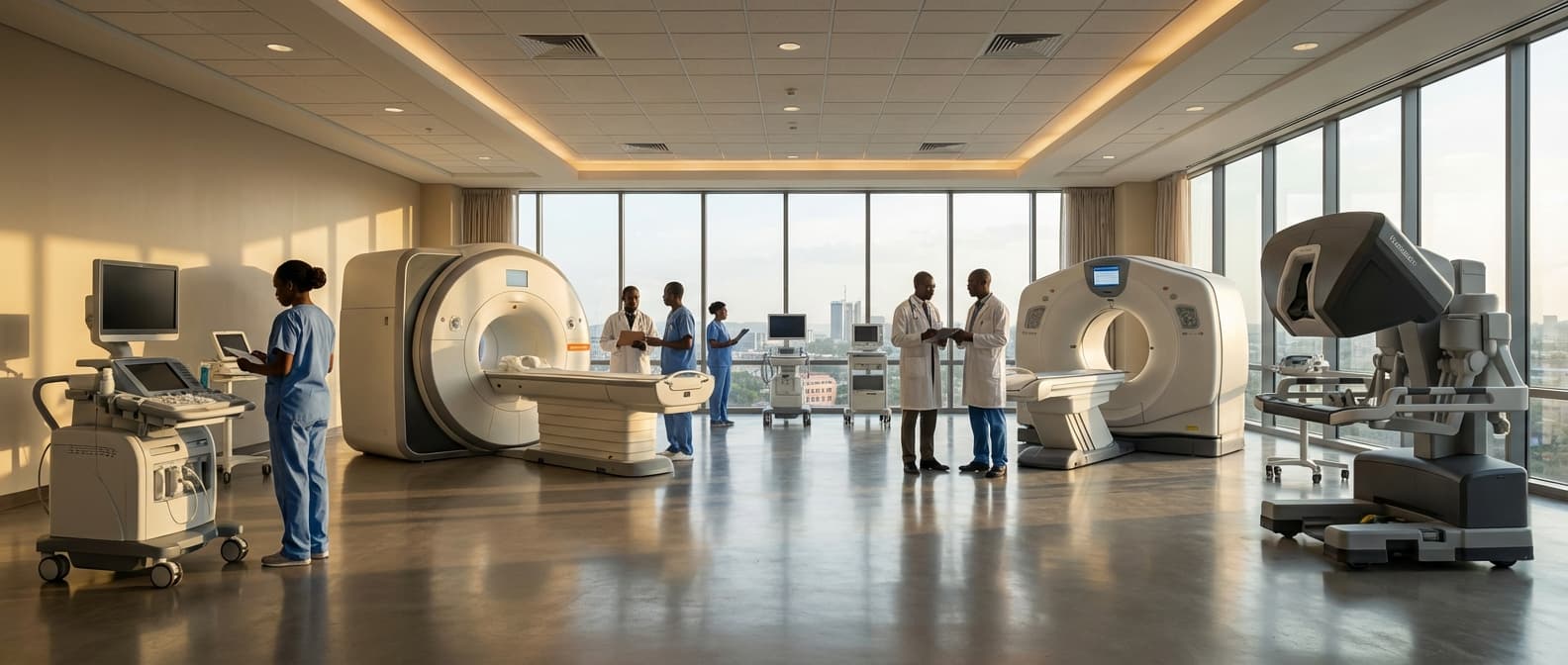
Life Support & Consumables in Senegal
Engineering Excellence & Technical Support
Reliable supply of essential medical consumables and life support equipment ensuring uninterrupted, quality patient care delivery. High-standard technical execution following OEM protocols and local regulatory frameworks.
Clean Water Access Expansion
Successfully deployed 50 new solar-powered water purification units across rural communities, providing over 50,000 liters of safe drinking water daily and significantly reducing waterborne diseases.
Oxygen Supply Chain Resilience
Established a decentralized oxygen production and distribution network utilizing mobile oxygen generators, ensuring a consistent supply of medical oxygen to 25 remote health facilities, even during logistical challenges.
Essential Medical Supplies Stockpiling
Implemented a robust inventory management system for essential medicines and medical consumables, maintaining a 95% stock availability rate in 100 clinics, ensuring uninterrupted patient care for critical treatments.
What Is Life Support & Consumables In Senegal?
Life Support & Consumables in Senegal refers to the provision of essential resources and services required for the sustenance and well-being of individuals, populations, or operational entities in specific scenarios. This encompasses a broad spectrum of goods and services designed to maintain physiological viability, facilitate operational continuity, and mitigate risks associated with resource scarcity or environmental challenges. The demand for such services is driven by a diverse set of actors and situations, necessitating a tailored approach to procurement, logistics, and deployment.
| Category | Description | Examples in Senegal Context |
|---|---|---|
| Medical Support | Provision of pharmaceuticals, medical equipment, diagnostic tools, and trained medical personnel for emergency or sustained care. | Cholera outbreak response kits, malaria treatment supplies, mobile health clinics for rural areas, surgical equipment for regional hospitals. |
| Food and Nutrition | Supply of staple foods, fortified food products, and nutritional supplements to prevent or address malnutrition and hunger. | Food aid for displaced persons (e.g., due to floods or conflict), school feeding programs, nutritional supplements for pregnant women and children. |
| Water, Sanitation, and Hygiene (WASH) | Ensuring access to safe drinking water, provision of sanitation facilities (latrines, toilets), and hygiene kits to prevent waterborne diseases. | Water purification tablets and filters, emergency latrine construction, hygiene promotion campaigns, soap and hand sanitizer distribution. |
| Shelter and Infrastructure | Temporary or semi-permanent housing solutions and basic infrastructure to protect individuals from environmental hazards. | Tents and tarpaulins for disaster victims, construction materials for temporary shelters, provision of basic shelter kits. |
| Energy and Power | Reliable energy sources for critical functions, including lighting, refrigeration of medicines, and communication systems. | Portable generators and fuel for clinics, solar power solutions for remote health posts, battery packs for communication devices. |
| Specialized Operational Consumables | Materials and equipment required for specific operational mandates in challenging environments. | Fuel for vehicles and equipment, spare parts for machinery, specialized rations for security forces, communication equipment batteries. |
Key Aspects of Life Support & Consumables
- Definition of Service: The provision, management, and distribution of essential supplies and technical support to ensure survival, health, and operational capability. This includes, but is not limited to, medical supplies, food, water, sanitation facilities, shelter, energy sources, and specialized equipment for environmental control or hazard mitigation.
- Who Needs It: Entities and individuals facing situations where normal access to essential resources is compromised. This can range from vulnerable civilian populations affected by humanitarian crises to specialized operational teams requiring sustained support in remote or challenging environments.
- Typical Use Cases: Humanitarian aid operations, disaster relief, military deployments, remote scientific research expeditions, healthcare facility support in underserved areas, and specialized industrial operations in isolated locations.
Who Needs Life Support & Consumables In Senegal?
This document outlines the target customers and departments that would require life support and consumables in Senegal. This information is crucial for procurement, logistics, and strategic planning for organizations providing these essential goods and services.
| Customer Type | Specific Departments/Units | Examples of Needs |
|---|---|---|
| Hospitals (Public & Private) | Intensive Care Units (ICU), Emergency Departments, Operating Theatres, Neonatal Intensive Care Units (NICU), General Wards, Pathology Labs, Radiology Departments | Ventilators, defibrillators, oxygen concentrators, IV fluids, syringes, catheters, bandages, surgical instruments, diagnostic reagents, personal protective equipment (PPE) |
| Clinics & Health Centers | Maternity Wards, General Consultation Rooms, Vaccination Centers, Basic Laboratory Units | Basic medical supplies, wound care products, essential medications, disposable gloves, thermometers, stethoscopes, basic diagnostic kits |
| Ambulance Services | Paramedic Crews, Emergency Response Teams | Portable oxygen systems, first aid kits, splints, AEDs, basic life support drugs, stretchers, monitoring equipment |
| Research Institutes | Biomedical Research Labs, Clinical Trial Units | Cell culture media, reagents, sterile consumables, laboratory equipment, specialized chemicals |
| NGOs/Humanitarian Aid | Mobile Clinics, Field Hospitals, Water Purification Projects, Nutrition Centers | Emergency medical kits, sanitation supplies, water purification tablets, therapeutic food, basic medicines, PPE |
| Medical Training Schools | Simulation Labs, Anatomy Departments, Clinical Skills Labs | Manikins, simulation equipment, anatomical models, basic medical supplies for practice |
| Industrial Companies | Occupational Health & Safety Departments, On-site Clinics | First aid supplies, wound care, emergency response equipment, PPE, basic medical examination tools |
| Ministry of Health | National Drug Stores, Public Health Programs, Disease Surveillance Units | Bulk procurement of essential medicines, vaccines, medical equipment for public health initiatives, diagnostic tools |
| Ministry of Defense/Internal Security | Military Hospitals, Field Medical Units, Emergency Response Units | Trauma kits, advanced life support equipment for battlefield or security operations, specialized medical consumables |
Target Customers and Departments in Senegal Requiring Life Support & Consumables
- {"title":"Healthcare Sector","description":"This is the largest and most critical sector requiring a wide range of life support equipment and consumables for patient care, diagnosis, and treatment."}
- {"title":"Emergency Services","description":"Organizations involved in disaster response, ambulance services, and critical incident management rely heavily on specialized life support and consumables."}
- {"title":"Research and Development Institutions","description":"Laboratories and research facilities, particularly those focused on medical or biological sciences, will require specific consumables and equipment."}
- {"title":"Non-Governmental Organizations (NGOs) & Humanitarian Aid Agencies","description":"Organizations operating in remote areas, providing medical aid, or responding to public health crises are significant consumers."}
- {"title":"Educational Institutions (Medical Schools/Training Centers)","description":"Training future medical professionals necessitates the use of various life support equipment and consumables for practical learning."}
- {"title":"Industrial & Mining Sector (Occupational Health)","description":"Companies in these sectors often have on-site medical facilities and require supplies for occupational health and safety."}
- {"title":"Government Ministries & Agencies","description":"Various government bodies involved in public health, disaster management, and defense will have procurement needs."}
Life Support & Consumables Process In Senegal
This document outlines the workflow for processing life support and consumables requests in Senegal, from initial inquiry to final execution. This process is crucial for ensuring the timely and efficient delivery of essential items to various operational sites and personnel.
| Stage | Description | Responsible Parties | Key Activities | Deliverables/Outcomes |
|---|---|---|---|---|
| Inquiry & Request Initiation | The process begins when a need for life support or consumables is identified, leading to a formal request. | End-User Departments, Site Managers, Field Personnel | Identifying the need, specifying the item and quantity, documenting the purpose. | Formal Request Form/Document. |
| Needs Assessment & Verification | The request is reviewed to confirm the necessity, quantity, and specifications of the items. | Logistics Department, Procurement Department, Operations Management | Validating the requirement, cross-referencing with existing inventory, confirming specifications. | Approved/Rejected Request, Revised Specifications (if applicable). |
| Budgetary Approval | The financial viability of the request is assessed and approved against allocated budgets. | Finance Department, Budget Holders, Senior Management | Checking budget availability, obtaining financial sign-off, allocating funds. | Budget Approval Memo/Document. |
| Procurement & Sourcing | Once approved, the items are sourced from internal stock or external vendors. | Procurement Department, Supply Chain Management | Identifying suppliers, obtaining quotes, issuing purchase orders, negotiating terms. | Purchase Order, Contract with Vendor. |
| Logistics & Transportation | Arranging the safe and efficient movement of the consumables from the supplier to the designated location. | Logistics Department, Transportation Teams | Coordinating shipping, customs clearance (if applicable), selecting appropriate transport modes, tracking shipments. | Shipping Manifests, Delivery Schedules. |
| Receipt & Distribution | The received items are checked against the order, recorded, and distributed to the end-users. | Warehouse Staff, Receiving Teams, Site Administrators | Unloading and inspecting goods, verifying quantities, updating inventory records, distributing to requesters. | Goods Received Note (GRN), Distribution Records. |
| Inventory Management & Reordering | Maintaining accurate inventory levels and initiating reorders when stock falls below reorder points. | Warehouse Management, Logistics Department | Stocktaking, updating inventory databases, generating reorder alerts, managing shelf life. | Updated Inventory Records, Reorder Notifications. |
| Reporting & Documentation | Maintaining comprehensive records of all transactions and generating reports for analysis and auditing. | Logistics Department, Finance Department, Management | Filing all relevant documents, generating expenditure reports, stock utilization reports, audit trails. | Completed Transaction Records, Performance Reports. |
Key Stages in the Life Support & Consumables Process
- Inquiry & Request Initiation
- Needs Assessment & Verification
- Budgetary Approval
- Procurement & Sourcing
- Logistics & Transportation
- Receipt & Distribution
- Inventory Management & Reordering
- Reporting & Documentation
Life Support & Consumables Cost In Senegal
Assessing the cost of life support and consumables in Senegal requires understanding a variety of pricing factors that influence the availability and affordability of essential goods. These factors include import duties and taxes, transportation and logistics, local production capabilities, market competition, seasonal availability, and the purchasing power of the consumer. The local currency is the West African CFA franc (XOF).
| Consumable Category | Typical Units | Estimated Price Range (XOF) | Notes on Price Variation |
|---|---|---|---|
| Basic Foodstuffs (e.g., Rice) | 1 kg | 600 - 1,200 | Varies by type (basmati, broken), origin (local vs. imported), and season. |
| Basic Foodstuffs (e.g., Cooking Oil) | 1 liter | 1,000 - 2,000 | Influenced by brand, type (sunflower, palm), and import costs. |
| Basic Foodstuffs (e.g., Sugar) | 1 kg | 700 - 1,100 | Subject to import tariffs and global sugar prices. |
| Drinking Water | 5-liter bottle | 500 - 1,000 | Depends on brand, purification level, and distribution network. |
| Basic Pharmaceuticals (e.g., Paracetamol) | 10 tablets | 300 - 800 | Varies by brand (generic vs. branded) and pharmacy. |
| Personal Hygiene (e.g., Soap Bar) | 1 bar | 300 - 700 | Influenced by brand and ingredients (e.g., shea butter). |
| Personal Hygiene (e.g., Toothpaste) | 1 tube (medium size) | 500 - 1,500 | Depends on brand, size, and specialized features. |
| Kerosene (for cooking/lighting) | 1 liter | 600 - 900 | Price can be volatile due to global oil prices and import costs. |
| Maize Flour (local staple) | 1 kg | 400 - 800 | Highly seasonal and dependent on local harvests. |
| Bread (baguette style) | 1 loaf | 200 - 400 | Influenced by flour prices and bakery costs. |
Key Pricing Factors for Life Support & Consumables in Senegal
- Import Duties and Taxes: Senegal levies various tariffs and taxes on imported goods, significantly impacting their final price. These can include customs duties, value-added tax (VAT), and other specific levies.
- Transportation and Logistics: The cost of moving goods from ports of entry or production sites to various regions within Senegal, including remote areas, adds to the overall expense. Poor infrastructure in some regions can further inflate these costs.
- Local Production vs. Imports: Products manufactured locally often have lower costs due to reduced transportation and import-related expenses. However, Senegal's industrial base varies across different sectors.
- Market Competition: The presence of multiple suppliers and retailers for a given consumable can drive prices down through competitive pricing strategies.
- Seasonal Availability: For agricultural products and certain food items, prices can fluctuate significantly based on the harvest season, with prices typically being lower during peak production and higher during off-seasons.
- Purchasing Power: Consumer income levels and the overall economic climate influence demand and the acceptable price ranges for various goods.
- Currency Exchange Rates: While the XOF is pegged to the Euro, fluctuations in the Euro's value against other major currencies can indirectly affect the cost of imported raw materials or finished goods.
- Quality and Brand: Higher quality products or well-established brands often command premium prices.
- Government Subsidies or Price Controls: In some instances, the government may intervene to subsidize essential commodities or impose price controls to ensure affordability, though this is not a widespread practice for all consumables.
Affordable Life Support & Consumables Options
Navigating the costs associated with life support and essential medical consumables can be a significant challenge for individuals and healthcare providers. This guide explores strategies for managing these expenses without compromising quality of care. We'll delve into the advantages of value bundles, where multiple products or services are offered at a reduced price, and outline various cost-saving tactics applicable to a range of medical needs, from respiratory therapies to wound care and nutritional support.
| Product Category | Value Bundle Example | Cost-Saving Strategy | Potential Benefit |
|---|---|---|---|
| Respiratory Therapy | CPAP Machine + Mask + Humidifier Package | Insurance Coverage & Prior Authorization | Reduced out-of-pocket expense, access to necessary equipment. |
| Wound Care | Advanced Dressing Kit (e.g., Hydrocolloids, Alginates) | Bulk Purchase & Generic Equivalents (where applicable) | Lower per-dressing cost, reduced inventory management effort. |
| Nutritional Support | Enteral Feeding Pump + Formula + Supplies Bundle | Subscription Services & Auto-Ship Discounts | Consistent supply, potential for tiered pricing based on volume. |
| Oxygen Therapy | Portable Oxygen Concentrator (Rental) + Cylinders | Comparing Rental Providers & Negotiating Rates | Flexible access to oxygen, managed costs for intermittent use. |
| Incontinence Products | Diaper/Brief Subscription Box | Loyalty Programs & Manufacturer Coupons | Convenient delivery, reduced cost per unit through rewards. |
| Catheters & Ostomy Supplies | All-in-One Kit (e.g., Catheter + Lubricant + Bag) | Direct-to-Consumer Suppliers & Price Matching | Potentially lower prices than traditional pharmacies, wider product selection. |
Key Cost-Saving Strategies
- Value Bundles: Look for bundled packages that combine frequently used items like oxygen, masks, tubing, and filters. These often offer a lower per-unit cost compared to purchasing individually. Manufacturers and durable medical equipment (DME) providers are primary sources for these.
- Generic & Reusable Options: Where clinically appropriate, consider high-quality generic alternatives to branded consumables. For certain items, like some nebulizer cups or reusable oxygen masks, opting for a durable, reusable version (with proper cleaning protocols) can significantly reduce long-term expenditure.
- Bulk Purchasing: If feasible and storage is not an issue, purchasing consumables in larger quantities can lead to discounts. This is particularly relevant for practices or institutions with predictable usage patterns.
- Insurance & Government Programs: Thoroughly understand your insurance coverage, including co-pays, deductibles, and in-network provider agreements. Explore eligibility for government assistance programs (e.g., Medicare, Medicaid) that may cover a portion of these costs.
- Rental vs. Purchase Analysis: For certain equipment, especially if the need is temporary or the device is expensive, evaluate the cost-effectiveness of renting versus purchasing. Rental agreements can sometimes include maintenance and repairs, adding further value.
- Negotiation & Price Comparison: Don't hesitate to compare prices across different suppliers. For larger purchases or ongoing supply needs, direct negotiation with manufacturers or distributors might yield better terms.
- Preventative Maintenance & Proper Use: Ensuring equipment is well-maintained and consumables are used as directed can prevent premature failure and waste, thereby extending their lifespan and reducing the need for replacements.
- Telehealth & Remote Monitoring: In some cases, remote monitoring can reduce the frequency of in-person visits and the associated use of certain consumables, while still ensuring patient safety and timely intervention.
Verified Providers In Senegal
In Senegal's rapidly evolving healthcare landscape, identifying trusted and qualified healthcare providers is paramount for ensuring quality patient care. Franance Health stands out as a beacon of reliability, offering a robust network of verified providers who meet stringent credentials and uphold the highest standards of medical practice. This commitment to verification not only builds confidence for patients but also elevates the overall quality of healthcare services available in the country. Choosing Franance Health's verified providers means opting for expertise, ethical practice, and a patient-centered approach.
| Provider Type | Key Credentials Verified | Franance Health Assurance |
|---|---|---|
| Doctors (General Practitioners & Specialists) | Medical Degree, Specialty Certifications, Licensing Board Approval, Practicing Experience, Clean Disciplinary Record | Ensures competence, expertise in chosen field, and adherence to medical ethics and patient care standards. |
| Nurses (Registered Nurses & Midwives) | Nursing Diploma/Degree, Professional Nursing License, Specialization Certifications (e.g., pediatrics, critical care), Clinical Experience | Guarantees qualified and compassionate care, with a focus on patient comfort and effective treatment delivery. |
| Pharmacists | Pharmacy Degree, Pharmaceutical License, Knowledge of Drug Interactions and Regulations, Dispensing Experience | Confirms accurate and safe dispensing of medications, with a strong understanding of drug safety and patient counseling. |
| Diagnostic Laboratories | Accreditation by National/International Bodies, Certified Technologists, Quality Control Protocols, Up-to-date Equipment | Assures the reliability and accuracy of diagnostic tests, crucial for informed medical decisions. |
| Medical Facilities (Clinics & Hospitals) | Operating Licenses, Compliance with Health Regulations, Availability of Essential Equipment, Trained Staff, Infection Control Measures | Ensures a safe and well-equipped environment for medical procedures and patient recovery. |
Why Franance Health Credentials Matter:
- Rigorous Vetting Process: Franance Health employs a comprehensive evaluation of medical professionals, ensuring they possess the necessary qualifications, licenses, and experience.
- Commitment to Ethical Standards: Verified providers adhere to a strict code of conduct, prioritizing patient well-being, confidentiality, and professional integrity.
- Continuous Professional Development: Franance Health encourages and monitors ongoing training and education for its network, ensuring providers stay abreast of the latest medical advancements.
- Patient Safety Focus: The verification process includes checks on adherence to safety protocols and best practices, minimizing risks for patients.
- Access to Quality Care: By partnering with Franance Health, patients gain access to a curated list of reputable healthcare professionals across various specialties.
Scope Of Work For Life Support & Consumables
This Scope of Work (SOW) outlines the requirements for the provision of Life Support and Consumables. It details the technical deliverables expected from the supplier and the standard specifications that must be adhered to. The objective is to ensure the continuous and safe availability of essential life support equipment and consumable supplies for the duration of the project. This includes, but is not limited to, oxygen systems, water purification, waste management, and general consumables such as food, medical supplies, and personal hygiene items. The supplier will be responsible for procurement, delivery, maintenance, and replenishment as specified herein. Adherence to all relevant safety regulations and quality standards is paramount.
| Item Category | Specific Item Example | Standard Specification Requirement | Quantity/Frequency (To be detailed in Annex) |
|---|---|---|---|
| Life Support Equipment | Medical Oxygen Cylinders | Medical Grade Oxygen (USP/EP standard), tamper-evident seals, hydrostatic testing certification. | As per Annex A |
| Life Support Equipment | Water Purification Units | NSF/ANSI certified, effective filtration for bacteria, viruses, and chemical contaminants, flow rate meeting operational needs. | As per Annex A |
| Life Support Equipment | Waste Disposal Units | Biohazard containment compliant, odor control features, robust construction, easy to clean and maintain. | As per Annex A |
| Consumables | Emergency Rations (MREs) | Shelf-stable for minimum 3 years, nutritionally complete (minimum 2500 kcal/day), certified by relevant food safety authorities. | As per Annex B |
| Consumables | First Aid Kits | Comprehensive kits meeting international first aid standards (e.g., ANSI/ISEA Z308.1), sterile, dated components. | As per Annex B |
| Consumables | Personal Hygiene Kits | Biodegradable soap, antiseptic wipes, toothpaste, toothbrushes, sanitary napkins/tampons (as applicable), shelf-life not less than 12 months. | As per Annex B |
| Consumables | Air Filtration Cartridges | HEPA filtration efficiency (e.g., MERV 17 or higher), compatible with specified ventilation systems, certified. | As per Annex B |
| Consumables | Fuel for Generators | Clean, stable fuel (e.g., Diesel EN 590), certified for purity and low sulfur content. | As per Annex C |
Technical Deliverables
- Detailed inventory and catalog of all proposed life support equipment and consumables.
- Technical specifications and user manuals for all life support equipment.
- Maintenance and servicing schedules for all life support equipment.
- Delivery schedules and logistics plan for consumables.
- Quality control reports and certificates of conformity for all delivered items.
- Emergency replenishment procedures and response times.
- Training materials and sessions for end-users on the operation and maintenance of life support equipment.
- Waste management and disposal plans, adhering to environmental regulations.
- Regular progress reports detailing stock levels, equipment status, and any identified issues.
- Post-project report summarizing performance, lessons learned, and asset disposition.
Service Level Agreement For Life Support & Consumables
This Service Level Agreement (SLA) outlines the guaranteed response times and uptime for Life Support & Consumables services. It is designed to ensure the continuous and reliable operation of critical life support systems and the timely delivery of essential consumables.
| Service Component | Response Time Guarantee (Critical) | Response Time Guarantee (Routine) | Uptime Guarantee |
|---|---|---|---|
| Critical Life Support System Monitoring | 15 minutes (initiation of contact) | N/A | 99.9% uptime (excluding scheduled maintenance) |
| Emergency Consumables Replenishment | 1 hour (acknowledgment and deployment of technician/delivery) | N/A | N/A (focus on response time for emergencies) |
| Routine Consumables Delivery | N/A | 24 business hours (from order placement to confirmed delivery) | N/A (focus on delivery timeliness) |
| System Health Checks and Preventative Maintenance | N/A | Scheduled within agreed-upon windows | N/A (performed during scheduled downtime) |
Key Service Components
- Critical Life Support System Monitoring
- Emergency Consumables Replenishment
- Routine Consumables Delivery
- System Health Checks and Preventative Maintenance
Frequently Asked Questions

Ready when you are
Let's scope your Life Support & Consumables in Senegal project in Senegal.

Scaling healthcare logistics and technical systems across the entire continent.