
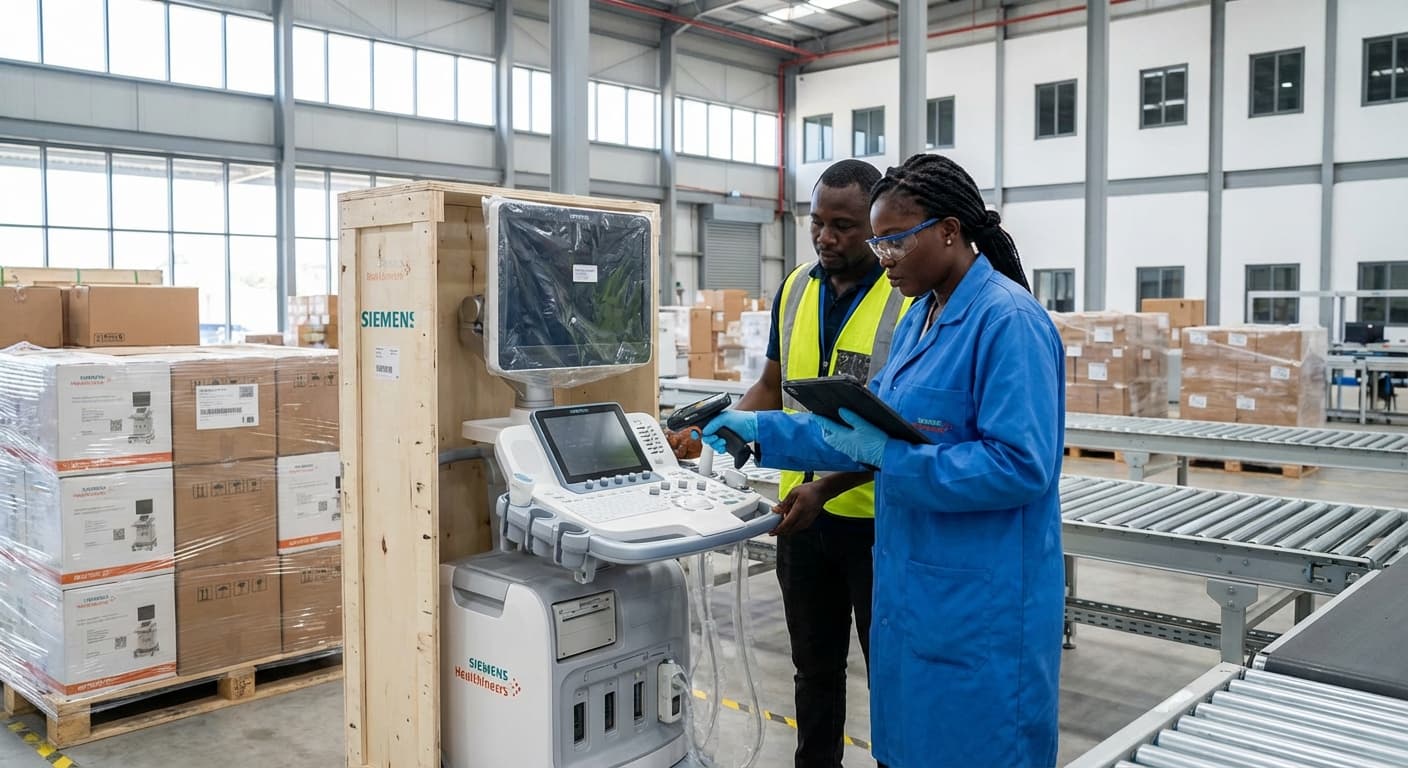
Warehouse Receiving Inspection Service (Medical Equipment) in Sao Tome and Principe
Engineering Excellence & Technical Support
Warehouse Receiving Inspection Service (Medical Equipment) High-standard technical execution following OEM protocols and local regulatory frameworks.
Temperature-Controlled Chain of Custody
Ensuring medical equipment integrity during transit and reception through specialized temperature monitoring and validated storage solutions. We maintain a secure, unbroken cold chain from point of origin to our state-of-the-art receiving facility in Sao Tome and Principe, mitigating risk of product degradation.
ISO 13485 Compliant Quality Assurance
Our rigorous inspection protocols are designed to meet and exceed ISO 13485 standards for medical devices. We implement comprehensive checks for regulatory documentation, labeling accuracy, and device traceability, guaranteeing compliance with international and local health authority requirements.
Non-Destructive Testing (NDT) for Equipment Validation
Leveraging advanced Non-Destructive Testing (NDT) techniques, we conduct thorough visual, ultrasonic, and radiographic inspections without compromising the integrity of sensitive medical equipment. This allows for early detection of manufacturing defects, material inconsistencies, and potential damage during shipping.
What Is Warehouse Receiving Inspection Service (Medical Equipment) In Sao Tome And Principe?
The Warehouse Receiving Inspection Service for Medical Equipment in Sao Tome and Principe is a critical quality assurance process designed to verify that medical devices and supplies arriving at a warehouse or distribution center meet predefined specifications, regulatory requirements, and contractual obligations before being accepted into inventory. This service is essential for ensuring the safety, efficacy, and compliance of medical equipment throughout the supply chain, thereby safeguarding patient care and public health within the nation.
| Who Needs This Service | Typical Use Cases |
|---|---|
| Hospitals and Clinics: To ensure that procured medical equipment and supplies are as ordered, undamaged, and meet quality standards before being used in patient care. | Receiving new shipments of surgical instruments, diagnostic equipment, consumables (e.g., syringes, gloves, bandages), and pharmaceuticals. |
| Medical Equipment Distributors and Wholesalers: To maintain the integrity of their inventory and fulfill orders accurately and reliably. | Verifying incoming stock from manufacturers or international suppliers, managing large-volume deliveries. |
| Government Health Ministries and Procurement Agencies: To ensure that publicly funded medical supplies and equipment meet specifications and regulatory compliance. | Inspecting bulk purchases of essential medicines, medical devices for public health programs, and equipment for national health initiatives. |
| Non-Governmental Organizations (NGOs) and Humanitarian Aid Organizations: To confirm the quality and suitability of donated or purchased medical relief supplies. | Receiving emergency medical kits, aid-related medical equipment, and supplies for field operations. |
| Medical Device Manufacturers (local or operating within Sao Tome and Principe): As part of their quality control and supply chain management processes. | Receiving raw materials for local manufacturing or finished goods for distribution within the country. |
What the Service Involves
- Verification of Shipping Documentation: Cross-referencing incoming shipments against purchase orders, packing lists, bills of lading, and any other relevant documentation to confirm the accuracy of contents, quantities, and origin.
- Physical Inspection: A thorough examination of the external packaging for signs of damage, tampering, or compromise. This includes checking for tears, punctures, moisture ingress, and proper sealing.
- Product Identification and Authentication: Verifying that the received items match the ordered products based on model numbers, serial numbers, manufacturer details, and any unique identifiers. This may involve checking against a master product catalog or database.
- Quantity Verification: Accurately counting and documenting the number of units received for each product line.
- Condition Assessment: Inspecting individual items for visible defects, such as scratches, dents, cracks, or manufacturing flaws. This also includes verifying the integrity of internal packaging.
- Expiry Date and Shelf-Life Verification: For time-sensitive medical supplies and pharmaceuticals, confirming that the products meet the required shelf-life or are within acceptable expiry date parameters.
- Labeling and Marking Compliance: Ensuring that all products and their packaging bear the correct labeling, including product names, manufacturer information, lot numbers, expiry dates, and any required regulatory markings (e.g., CE marking, if applicable to sourced equipment).
- Temperature and Humidity Monitoring (where applicable): For temperature-sensitive or humidity-sensitive medical equipment, verifying that storage and transportation conditions have been maintained within specified ranges.
- Documentation of Discrepancies: Meticulously recording any deviations, damages, shortages, or non-conformities identified during the inspection. This documentation is crucial for claims processing and corrective actions.
- Quarantine and Segregation: Promptly isolating and quarantining any non-conforming items to prevent their accidental entry into the general inventory or distribution.
- Reporting: Generating detailed inspection reports for stakeholders, including findings, quantities received, and any noted discrepancies.
Who Needs Warehouse Receiving Inspection Service (Medical Equipment) In Sao Tome And Principe?
A robust warehouse receiving inspection service for medical equipment is crucial for ensuring the quality, safety, and compliance of incoming supplies in Sao Tome and Principe. This service acts as a vital gatekeeper, preventing damaged, counterfeit, or non-compliant items from entering the supply chain. It safeguards patient well-being, prevents financial losses due to faulty equipment, and upholds regulatory standards.
| Customer Type | Key Departments Involved | Specific Needs and Concerns |
|---|---|---|
| Government Healthcare Institutions | Procurement Department, Pharmacy Department, Biomedical Engineering Department, Quality Assurance Unit | Ensuring compliance with national health regulations, preventing procurement of substandard or counterfeit equipment, verifying functionality, maintaining patient safety, optimizing budget allocation. |
| Private Hospitals and Clinics | Purchasing Department, Clinical Operations, Biomedical Services, Quality Management | Maintaining high standards of patient care, minimizing downtime due to equipment failure, ensuring the reliability of critical medical devices, protecting the facility's reputation. |
| Medical Equipment Suppliers and Distributors | Quality Control Department, Logistics Department, Sales and Distribution Teams, Customer Service | Verifying the integrity of incoming shipments from manufacturers, ensuring products meet specifications before delivery to clients, minimizing returns and customer complaints, maintaining supplier relationships. |
| NGOs and International Aid Organizations | Procurement and Logistics, Program Management, Medical Advisory Teams | Ensuring donated or purchased equipment is fit for purpose and meets the needs of local healthcare providers, maximizing the impact of aid, adhering to donor requirements for quality and accountability. |
| Research and Development Institutions | Research Staff, Laboratory Management, Procurement Unit | Guaranteeing the accuracy and reliability of experimental results, ensuring specialized equipment performs to precise scientific standards, protecting valuable research data. |
| Logistics and Warehousing Companies | Warehouse Operations, Quality Control, Client Account Management | Ensuring proper handling and storage of medical equipment, verifying shipments against documentation, identifying any transit damage, providing accurate inventory records, meeting contractual obligations with clients. |
Target Customers and Departments for Medical Equipment Warehouse Receiving Inspection Service in Sao Tome and Principe
- {"title":"Government Healthcare Institutions","description":"National hospitals, regional clinics, and public health centers that procure and manage medical equipment."}
- {"title":"Private Hospitals and Clinics","description":"For-profit healthcare facilities that rely on a consistent supply of reliable medical equipment for patient care."}
- {"title":"Medical Equipment Suppliers and Distributors","description":"Companies that import, distribute, and sell medical equipment within Sao Tome and Principe. They may outsource inspection to ensure quality assurance for their clients."}
- {"title":"Non-Governmental Organizations (NGOs) and International Aid Organizations","description":"Organizations involved in providing healthcare services or donating medical equipment in the region. They need to verify the quality of received supplies."}
- {"title":"Research and Development Institutions","description":"Facilities that utilize specialized medical equipment for research purposes and require precise quality control."}
- {"title":"Logistics and Warehousing Companies","description":"Third-party logistics providers that handle the storage and distribution of medical equipment on behalf of other entities."}
Warehouse Receiving Inspection Service (Medical Equipment) Process In Sao Tome And Principe
This document outlines the standard workflow for a Warehouse Receiving Inspection Service specifically for medical equipment in Sao Tome and Principe. This process ensures that all incoming medical equipment meets quality, safety, and regulatory standards before being accepted into a warehouse facility. The service covers a range of activities from initial client inquiry to the final inspection report and subsequent actions.
| Stage | Description | Key Activities | Responsible Parties | Deliverables |
|---|---|---|---|---|
| Initial contact from a client requesting receiving inspection services for medical equipment. | Client submits an inquiry detailing the type and quantity of medical equipment, inspection requirements, and desired timeline. Service provider assesses scope, provides a quotation, and negotiates a Service Agreement (contract) outlining terms, conditions, fees, and responsibilities. | Client (e.g., importer, distributor, hospital), Service Provider (Inspection Agency) | Service Agreement, Quotation, Initial Project Brief |
| Preparation and planning phase before the physical inspection takes place. | Gathering detailed information on the equipment (specifications, manufacturer data, import documents). Developing an inspection checklist and methodology based on equipment type, regulatory requirements (e.g., ANVISA equivalent, WHO guidelines), and client-specific needs. Scheduling the inspection date and time with the client and warehouse personnel. Briefing the inspection team. | Service Provider (Inspection Team Lead, Inspectors), Client (for information and access) | Inspection Plan, Customized Inspection Checklist, Schedule Confirmation |
| The physical inspection of the medical equipment at the warehouse receiving dock. | Verification of shipping documents against received goods. Visual inspection of packaging for damage, integrity, and proper labeling. Unpacking of selected items (as per protocol). Inspection of the equipment itself for physical damage, completeness of components, and correct model/serial numbers. Verification of compliance with specifications, operating manuals, and safety features. Testing of basic functionality if applicable and feasible without compromising sterility or warranty. Verification of required certifications and documentation (e.g., origin certificates, conformity assessments). Taking photographs of findings. | Service Provider (Inspectors), Warehouse Personnel (for access and assistance), Client Representative (optional, for observation) | Inspection Records (photos, notes, checklists), Preliminary Findings Log |
| Formalizing the inspection findings into a comprehensive report. | Compiling all collected data, observations, and evidence. Drafting a detailed inspection report that includes a summary of findings, discrepancies, non-conformities, and recommendations. Presenting the report to the client for review. Addressing any client queries or clarifications regarding the report. | Service Provider (Inspectors, Report Writer) | Final Inspection Report, Discrepancy Notice (if applicable) |
| Activities following the submission of the inspection report. | Based on the report, the client decides on the course of action: acceptance, rejection, or requiring corrective actions. If corrective actions are needed, the service provider may be engaged for re-inspection. Finalizing invoicing and closing the service engagement. Archiving inspection records. | Client, Service Provider | Decision on Equipment Acceptance/Rejection, Re-inspection Plan (if needed), Final Invoice, Archived Records |
Key Stages of the Warehouse Receiving Inspection Service (Medical Equipment)
- Inquiry and Service Agreement
- Pre-Inspection Planning
- On-Site Inspection Execution
- Reporting and Documentation
- Post-Inspection Actions
Warehouse Receiving Inspection Service (Medical Equipment) Cost In Sao Tome And Principe
The cost of Warehouse Receiving Inspection Services for medical equipment in Sao Tome and Principe can vary significantly due to several factors. These services are crucial to ensure that incoming medical equipment meets quality standards, regulatory requirements, and is free from damage. The pricing is generally influenced by the complexity of the inspection, the type and volume of equipment, the urgency of the service, and the specific requirements of the client and the equipment's manufacturer or supplier.
Key Pricing Factors:
- Equipment Type and Complexity: Simple, non-complex equipment like basic laboratory consumables or stethoscopes will be less expensive to inspect than highly specialized, intricate medical devices such as MRI machines, CT scanners, or advanced surgical robots. The need for specialized technical expertise, calibration, or functional testing directly impacts cost.
- Volume of Equipment: A larger shipment of identical items will generally have a lower per-unit inspection cost than a smaller, diverse shipment. Bulk discounts are common in inspection services.
- Scope of Inspection: The depth of the inspection is a major driver. This can range from a basic visual check for damage and documentation verification to comprehensive functional testing, calibration verification, inventory reconciliation, and quality assurance audits against specific standards.
- Urgency and Turnaround Time: Expedited inspection services, requiring immediate attention and potentially overtime for inspectors, will command higher fees than standard turnaround times.
- Location and Accessibility: While Sao Tome and Principe is a relatively small nation, if the warehouse receiving location is remote or difficult to access, this can add to transportation and logistical costs for the inspection team.
- Regulatory Compliance: If the inspection needs to verify compliance with specific international or local medical device regulations (e.g., WHO, ANVISA, or local Ministry of Health requirements), this may require inspectors with specialized knowledge and add to the cost.
- Reporting Requirements: The level of detail and format of the inspection report can influence the price. Comprehensive reports with detailed findings, photographic evidence, and recommendations will be more costly than simple checklist confirmations.
- Service Provider's Overhead and Expertise: The reputation, experience, and qualifications of the inspection service provider will play a role. Established firms with a proven track record and highly skilled inspectors may charge more.
- On-Site vs. Off-Site Inspection: While receiving inspections are inherently on-site, the extent of the inspection might necessitate bringing in specialized equipment or personnel, potentially affecting the overall cost structure.
Pricing Ranges in Local Currency (Sao Tomean Dobra - STD):
Due to the limited availability of specialized third-party inspection services specifically for medical equipment in Sao Tome and Principe, pricing can be less standardized compared to larger markets. Costs are often negotiated on a case-by-case basis. However, a general estimated range can be provided, keeping in mind that these are indicative and subject to change.
It's important to note that the direct exchange rate for the Sao Tomean Dobra (STD) against major currencies can fluctuate. For accurate current pricing, direct consultation with local service providers is essential.
Estimated Ranges per Inspection/Shipment (Indicative):
- Basic Visual Inspection & Documentation Check (Low Volume, Simple Equipment): 50,000 - 150,000 STD
- Standard Inspection (Moderate Volume, Standard Medical Equipment): 150,000 - 400,000 STD
- Comprehensive/Technical Inspection (High Volume, Complex/Specialized Equipment): 400,000 - 1,000,000+ STD
Note: These figures are for the service fee and do not include any potential costs for specialized testing equipment, calibration services, or travel expenses if the inspection team is not local.
Recommendation:
For accurate and competitive pricing, it is highly recommended to:
- Identify Potential Service Providers: Search for logistics, quality control, or specialized inspection companies operating in or servicing Sao Tome and Principe.
- Provide Detailed Specifications: Clearly outline the type, quantity, and complexity of the medical equipment, the desired scope of inspection, and any specific regulatory requirements.
- Request Multiple Quotes: Obtain quotes from at least 2-3 providers to compare services, methodologies, and pricing.
- Clarify Inclusions and Exclusions: Ensure that all potential costs, such as travel, accommodation, specialized testing, and reporting, are clearly defined in the quotation.
| Inspection Level | Estimated Cost Range (STD) | Typical Scope |
|---|---|---|
| Basic Visual & Documentation Check | 50,000 - 150,000 | Visual inspection for damage, verification of shipping documents, basic count. |
| Standard Inspection | 150,000 - 400,000 | Includes basic checks, plus functional checks of basic components, sample testing, inventory reconciliation. |
| Comprehensive/Technical Inspection | 400,000 - 1,000,000+ | Detailed functional testing, calibration checks, adherence to technical specifications, regulatory compliance verification, advanced reporting. |
Key Factors Influencing Warehouse Receiving Inspection Costs for Medical Equipment in Sao Tome and Principe
- Equipment Type and Complexity
- Volume of Equipment
- Scope of Inspection
- Urgency and Turnaround Time
- Location and Accessibility
- Regulatory Compliance Verification
- Reporting Requirements
- Service Provider's Expertise and Overhead
- On-Site Inspection Specifics
Affordable Warehouse Receiving Inspection Service (Medical Equipment) Options
Finding affordable warehouse receiving inspection services for medical equipment is crucial for maintaining compliance, ensuring product integrity, and minimizing costly errors. This service involves a thorough examination of incoming medical devices to verify quantity, identify damage, confirm specifications against purchase orders, and ensure proper documentation. Affordable options can be achieved through strategic planning, understanding service tiers, and leveraging value bundles.
| Value Bundle Tier | Included Services | Target Client | Cost-Saving Strategy | Potential Savings |
|---|---|---|---|---|
| Basic Inspection | Quantity verification, visual damage check, basic documentation review. | Small clinics, startups with lower volume, routine consumables. | Standardized checklist, high-volume processing. | 15-25% compared to custom inspections. |
| Standard Inspection | Basic Inspection + specification conformance, detailed damage assessment, lot/serial number tracking. | Mid-sized medical facilities, distributors of moderate complexity equipment. | Batch processing, pre-defined inspection protocols. | 10-20% compared to premium services. |
| Premium Inspection | Standard Inspection + initial functionality testing (where applicable), detailed documentation audit, risk assessment for critical items. | Hospitals, manufacturers, organizations with highly regulated or high-value equipment. | Dedicated inspectors, specialized equipment for testing, integrated quality management systems. | Value derived from risk mitigation and preventing costly recalls/returns. |
| Customizable Solutions | Tailored to specific equipment types, regulatory requirements, and client needs. | Unique operational needs, specialized medical devices. | Negotiated pricing based on scope, long-term contracts. | Variable, potential for significant savings through optimization. |
Key Components of Warehouse Receiving Inspection for Medical Equipment
- Quantity Verification: Ensuring the number of units received matches the shipping manifest and purchase order.
- Damage Assessment: Visually inspecting for any signs of external or internal damage incurred during transit.
- Specification Conformance: Checking model numbers, serial numbers, and other critical specifications against order details.
- Documentation Review: Verifying accompanying paperwork such as Certificates of Conformance, material data sheets, and lot numbers.
- Labeling and Packaging Integrity: Ensuring proper labeling and packaging standards are met.
- Initial Functionality Check (if applicable): Performing basic checks to ensure the equipment powers on and basic functions are operational.
Verified Providers In Sao Tome And Principe
Navigating the healthcare landscape in Sao Tome and Principe requires reliable and trustworthy providers. This is where Verified Providers, and specifically those with Franance Health credentials, stand out. Franance Health is a recognized body that rigorously vets healthcare professionals and institutions to ensure they meet stringent standards of quality, safety, and ethical practice. Choosing a provider with Franance Health credentials offers an invaluable layer of assurance for patients, guaranteeing a higher caliber of medical service, adherence to international best practices, and a commitment to patient well-being. Their verification process typically encompasses a thorough review of qualifications, licenses, facility standards, and operational procedures, making them a crucial benchmark for excellence in healthcare.
| Provider Type | Key Benefits of Franance Health Verification | Examples of Services (Illustrative) |
|---|---|---|
| Hospitals/Clinics | Ensured facility standards, advanced equipment protocols, and adherence to safety regulations. | Surgical procedures, emergency care, diagnostic imaging, specialized treatments. |
| Specialist Doctors | Verification of academic qualifications, practical experience, and ethical practice. | Cardiology, Neurology, Pediatrics, Obstetrics & Gynecology, etc. |
| Laboratories | Accreditation of testing methodologies, quality control, and accuracy of results. | Blood tests, microbiological analysis, genetic testing. |
| Diagnostic Imaging Centers | Standards for equipment maintenance, radiologist qualifications, and image interpretation. | X-rays, CT scans, MRI, Ultrasound. |
Why Franance Health Credentials Make Them the Best Choice:
- Rigorous Vetting: Franance Health employs a comprehensive evaluation process, ensuring providers meet high standards.
- Quality Assurance: Credentials signify adherence to international best practices in healthcare delivery.
- Patient Safety Focus: Verified providers prioritize safe and effective medical treatments.
- Ethical Practice: Franance Health promotes and verifies ethical conduct in healthcare.
- Trust and Reliability: Patients gain confidence in the expertise and integrity of these providers.
- Improved Health Outcomes: Access to highly qualified professionals leads to better treatment results.
- International Recognition: Franance Health's standards often align with global healthcare benchmarks.
Scope Of Work For Warehouse Receiving Inspection Service (Medical Equipment)
This Scope of Work (SOW) outlines the requirements for a comprehensive Warehouse Receiving Inspection Service for medical equipment. The objective is to ensure that all received medical equipment meets established quality, safety, and regulatory standards before being accepted into inventory. This SOW details the technical deliverables and standard specifications that will guide the inspection process.
| Section | Description | Standard Specifications/Requirements |
|---|---|---|
| Review all accompanying shipping documents and compare them to the received goods. |
|
| Conduct a thorough visual examination of the exterior and interior packaging and the equipment itself. |
|
| Perform basic physical and functional checks to ensure the equipment is in operational condition and meets specifications. |
|
| Ensure the equipment and its documentation comply with relevant regulatory requirements. |
|
| Document any damage or non-conformities identified during the inspection. |
|
| Generate comprehensive reports for all inspected shipments. |
|
| Implement clear procedures for the disposition of inspected goods. |
|
| Utilize appropriate tools and equipment for accurate inspections. |
|
Key Objectives of the Receiving Inspection Service
- Verify the accuracy of incoming shipments against purchase orders and packing lists.
- Conduct thorough physical inspections to identify any damage, defects, or inconsistencies.
- Confirm compliance with all applicable regulatory standards (e.g., FDA, ISO, CE).
- Ensure proper packaging and labeling for safe storage and handling.
- Document all findings and discrepancies for timely resolution.
- Facilitate the efficient and accurate entry of compliant equipment into the warehouse management system.
Service Level Agreement For Warehouse Receiving Inspection Service (Medical Equipment)
This Service Level Agreement (SLA) outlines the response times and uptime guarantees for the Warehouse Receiving Inspection Service of Medical Equipment provided by [Service Provider Name] to [Client Name]. This SLA is an addendum to the Master Service Agreement (MSA) dated [MSA Date].
| Metric | Service Level Objective (SLO) | Measurement Period |
|---|---|---|
| Response Time (Critical Issue) | Within 1 hour | 24x7x365 |
| Response Time (High Issue) | Within 2 business hours | Business Hours (Monday-Friday, 9 AM - 5 PM [Client Timezone]) |
| Response Time (Medium Issue) | Within 4 business hours | Business Hours (Monday-Friday, 9 AM - 5 PM [Client Timezone]) |
| Response Time (Low Issue) | Within 8 business hours | Business Hours (Monday-Friday, 9 AM - 5 PM [Client Timezone]) |
| Uptime Guarantee | 99.5% | Monthly |
Key Service Metrics
- Response Time: The time elapsed from the initiation of a critical issue by the Client to the acknowledgment and commencement of troubleshooting by the Service Provider.
- Uptime Guarantee: The percentage of time the Warehouse Receiving Inspection Service is operational and available for use by the Client.
- Issue Severity Levels: A classification system to prioritize and manage incoming issues based on their impact on Client operations.
Frequently Asked Questions

Ready when you are
Let's scope your Warehouse Receiving Inspection Service (Medical Equipment) in Sao Tome and Principe project in Sao Tome and Principe.

Scaling healthcare logistics and technical systems across the entire continent.