
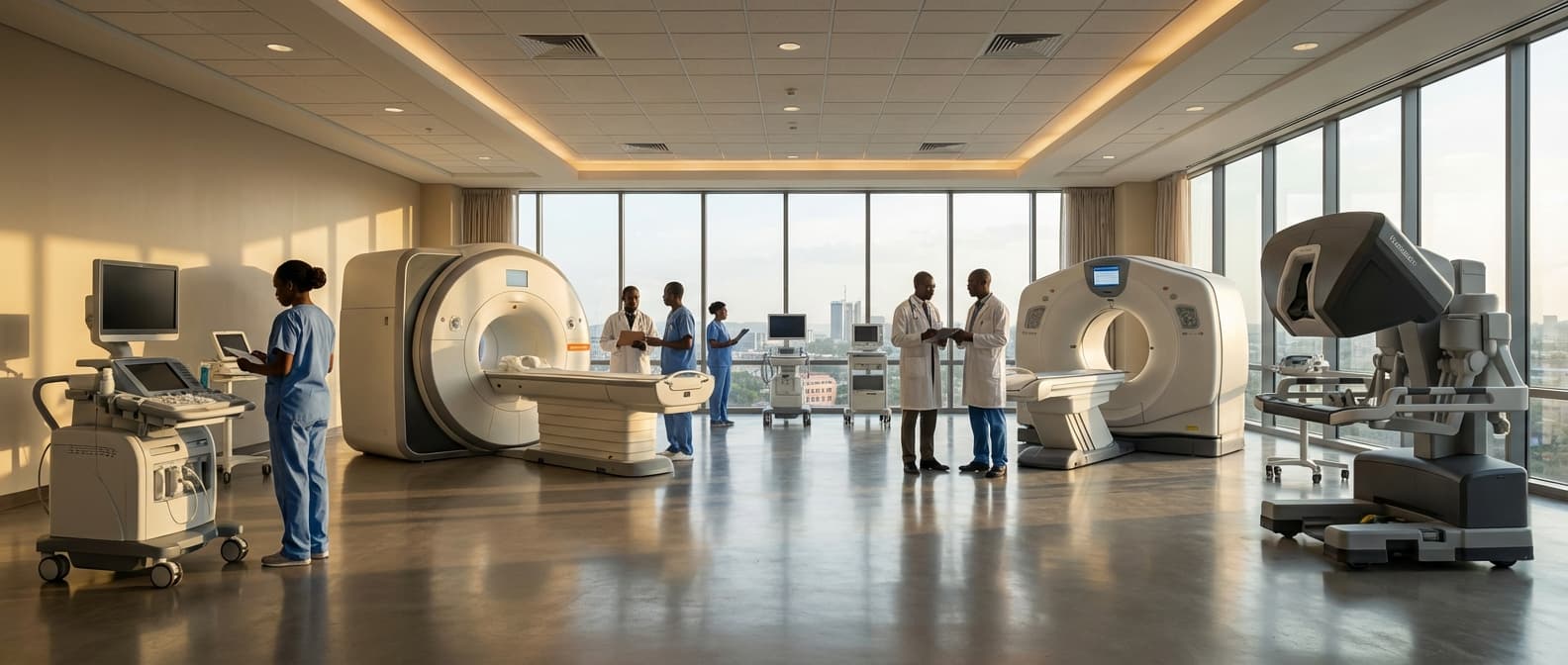
Renal Solutions in Sao Tome and Principe
Engineering Excellence & Technical Support
Complete dialysis systems and renal care equipment designed to deliver safe, effective, and patient-centered kidney treatment. High-standard technical execution following OEM protocols and local regulatory frameworks.
Advanced Dialysis Infrastructure
Implementing state-of-the-art dialysis machines and water treatment systems to ensure safe, efficient, and high-quality hemodialysis care for patients in Sao Tome and Principe, significantly improving treatment outcomes and patient comfort.
Cardiovascular Risk Management Protocols
Establishing comprehensive protocols for identifying and managing cardiovascular comorbidities prevalent in renal patients, including advanced monitoring techniques and tailored treatment plans to reduce mortality and morbidity.
Integrated Nephrology Care Pathways
Developing and implementing integrated care pathways that connect primary care, specialist nephrology services, and patient education programs. This ensures early disease detection, timely intervention, and holistic management for renal patients across Sao Tome and Principe.
What Is Renal Solutions In Sao Tome And Principe?
Renal Solutions in Sao Tome and Principe refers to the provision of medical services and infrastructure dedicated to the diagnosis, treatment, and management of kidney diseases and related conditions within the nation. This encompasses a spectrum of interventions, from early detection and conservative management to advanced renal replacement therapies such as hemodialysis and peritoneal dialysis, and potentially kidney transplantation if resources and infrastructure permit. The service aims to address the growing burden of chronic kidney disease (CKD) and acute kidney injury (AKI) through specialized medical expertise, advanced diagnostic modalities, and therapeutic interventions.
| Who Needs Renal Solutions? | Typical Use Cases | ||||||||
|---|---|---|---|---|---|---|---|---|---|
| Individuals diagnosed with Chronic Kidney Disease (CKD) across all stages, particularly stages 3-5, requiring intervention to slow progression or initiate renal replacement therapy. | CKD Management: Patients requiring ongoing medical management to control comorbidities like hypertension, diabetes, and anemia, and to prevent or delay the need for dialysis. | End-Stage Renal Disease (ESRD): Patients whose kidney function has deteriorated to a point where RRT is necessary for survival. | Acute Kidney Injury (AKI): Patients experiencing a sudden loss of kidney function, often due to severe illness, trauma, or nephrotoxic agents, requiring temporary or permanent dialysis. | Patients with Comorbidities: Individuals with significant hypertension, diabetes mellitus, cardiovascular disease, or autoimmune disorders that place them at high risk for developing or exacerbating kidney disease. | Post-Renal Transplant Patients: While transplantation is a more advanced solution, existing dialysis patients may be candidates and require post-operative care and monitoring. | Pediatric Patients: Children with congenital kidney abnormalities or acquired kidney diseases requiring specialized pediatric nephrology care and dialysis. | Elderly Patients: A significant demographic often presenting with multiple comorbidities that complicate renal function and management. | ||
| Dialysis Initiation: Patients progressing to ESRD requiring initiation of hemodialysis or peritoneal dialysis. | Dialysis Prescription and Adjustment: Regular monitoring and adjustment of dialysis prescriptions (e.g., dialysis frequency, duration, dialysate composition) to optimize solute and fluid removal. | Management of Dialysis Complications: Treatment of common dialysis-related issues such as hypotension, hypertension, cramping, infections (access site, peritonitis), and electrolyte imbalances. | Vascular Access Management: Monitoring and maintenance of arteriovenous fistulas (AVFs), arteriovenous grafts (AVGs), or central venous catheters (CVCs) for hemodialysis. | Peritoneal Dialysis Training and Support: Education and ongoing support for patients undergoing peritoneal dialysis, including catheter care, sterile technique, and solution management. | Nutritional Counseling: Dietary guidance for patients with kidney disease to manage protein intake, fluid restrictions, and electrolyte balance. | Anemia Management: Treatment of renal anemia with erythropoiesis-stimulating agents (ESAs) and iron supplementation. | Bone and Mineral Metabolism Disorders: Management of secondary hyperparathyroidism, hyperphosphatemia, and hypocalcemia. | Cardiovascular Risk Reduction: Strategies to mitigate the increased cardiovascular risk associated with kidney disease. | Acute Poisoning/Overdose: Hemodialysis may be used in specific cases of poisoning or overdose to remove nephrotoxic substances from the blood. |
Key Components of Renal Solutions
- Nephrology Consultation: Specialized medical assessment and diagnosis of kidney disorders by nephrologists.
- Diagnostic Services: Laboratory testing (e.g., serum creatinine, BUN, urinalysis, GFR estimation) and renal imaging (e.g., ultrasound, CT scans).
- Conservative Management: Medical management of CKD progression, including blood pressure control, glycemic management, anemia treatment, and management of electrolyte imbalances.
- Renal Replacement Therapy (RRT): Provision of dialysis services, including: * Hemodialysis (HD): Extracorporeal blood purification using an artificial kidney. * Peritoneal Dialysis (PD): Intraperitoneal use of the peritoneal membrane as a dialyzer. * Associated services: Vascular access creation and maintenance, dialysis prescription and monitoring, infection control protocols.
- Patient Education and Support: Programs designed to empower patients with knowledge about their condition, treatment adherence, and lifestyle modifications.
- Prevention and Early Detection Programs: Public health initiatives and screening campaigns to identify individuals at risk for kidney disease.
- Infrastructure and Equipment: Maintenance and operation of dialysis units, specialized medical equipment, and sterile supplies.
Who Needs Renal Solutions In Sao Tome And Principe?
Renal Solutions, a specialized healthcare provider focused on kidney health, offers crucial services and products in Sao Tome and Principe. These solutions are vital for individuals suffering from kidney diseases, as well as healthcare facilities and governmental bodies aiming to improve public health outcomes. The primary need arises from the increasing prevalence of chronic kidney disease (CKD) and acute kidney injury (AKI), often linked to underlying conditions like diabetes and hypertension, which are significant health challenges in the region. Without adequate renal solutions, patients face a severely diminished quality of life, increased mortality rates, and a substantial burden on limited healthcare resources.
| Customer Segment | Key Needs/Services Provided | Relevant Departments/Stakeholders |
|---|---|---|
| Healthcare Facilities (Hospitals & Clinics) | Diagnostic equipment (e.g., ultrasound, lab testing for kidney function), dialysis machines and consumables, specialized medications, training for medical staff, infrastructure for renal units. | Nephrology Department, Internal Medicine, Intensive Care Unit (ICU), Laboratory Services, Procurement Department, Hospital Administration. |
| Government and Public Health Organizations | Public health campaigns for kidney disease awareness and prevention, development of national renal care strategies, subsidies for dialysis and medication, training programs for healthcare professionals, data collection and research on kidney disease prevalence. | Ministry of Health, Public Health Agencies, National Health Insurance Providers, Policy Makers, Research Institutions. |
| Pharmaceutical and Medical Device Companies (as partners/suppliers) | Distribution and sales of specialized renal drugs, medical devices for diagnosis and treatment, provision of technical support and maintenance. | Sales and Marketing Departments, Technical Support Teams, Logistics and Supply Chain Management. |
| Non-Governmental Organizations (NGOs) & Charities | Financial assistance for patients, provision of essential supplies, support for awareness programs, advocacy for improved renal care access. | Program Management, Fundraising Departments, Advocacy Teams. |
Target Customers and Departments for Renal Solutions in Sao Tome and Principe
- Individuals with kidney disease (Chronic Kidney Disease - CKD, Acute Kidney Injury - AKI)
- Patients requiring dialysis (hemodialysis, peritoneal dialysis)
- Organ transplant candidates and recipients
- Individuals at high risk for kidney disease (diabetics, hypertensives, those with a family history)
Renal Solutions Process In Sao Tome And Principe
This document outlines the typical workflow for renal solutions in Sao Tome and Principe, from initial inquiry to the execution of services. Renal solutions encompass a range of medical services and support for individuals with kidney-related conditions, including dialysis, transplantation, and management of chronic kidney disease. The process is designed to be comprehensive, ensuring patient needs are met efficiently and effectively within the local healthcare infrastructure.
| Stage | Description | Key Activities | Responsible Parties | Typical Timeline |
|---|---|---|---|---|
| Inquiry and Initial Assessment | The process begins when a patient, their family, or a referring physician expresses a need for renal solutions. This can be for a new diagnosis or a change in the patient's condition. | Contacting the healthcare provider/facility, initial information gathering about symptoms and medical history. | Patient/Family, Referring Physician, Healthcare Provider Reception/Triage | Immediate to 1-2 days |
| Medical Evaluation and Diagnosis | A thorough medical assessment to confirm the diagnosis and determine the severity of the kidney condition. | Physical examination, blood tests (e.g., creatinine, urea, electrolytes), urine tests, imaging studies (ultrasound, CT scan), kidney biopsy (if necessary). | Nephrologist, General Practitioner, Laboratory Technicians, Radiologists | 1-7 days |
| Treatment Planning and Recommendation | Based on the diagnosis, the medical team develops a personalized treatment plan. | Discussing treatment options (e.g., hemodialysis, peritoneal dialysis, kidney transplant, conservative management), explaining risks and benefits, obtaining patient consent. | Nephrologist, Patient/Family, Medical Social Worker | 2-5 days |
| Pre-treatment Preparations | Activities required before initiating the chosen renal solution, such as preparing the access point for dialysis or commencing transplant workup. | Vascular access creation (fistula or graft), catheter insertion, pre-transplant donor matching and evaluation, patient education on treatment procedures. | Surgeon, Nephrologist, Dialysis Nurse, Transplant Coordinator, Patient | 1 week - 2 months (depending on modality) |
| Execution of Renal Solution | The actual delivery of the renal therapy as per the treatment plan. | Hemodialysis sessions, peritoneal dialysis fluid exchanges, kidney transplant surgery, medication administration, nutritional support. | Dialysis Nurses, Nephrologists, Transplant Surgeons, Dietitians, Pharmacists | Ongoing (e.g., daily, several times a week for dialysis; one-time event for transplant) |
| Post-treatment Monitoring and Follow-up | Regular monitoring of the patient's condition to assess treatment effectiveness and manage any complications. | Regular blood tests, clinical assessments, monitoring of vital signs, management of side effects. | Nephrologist, Dialysis Nurse, Physician's Assistant | Continuous throughout treatment duration |
| Ongoing Management and Support | Long-term care and support to ensure the patient's well-being and quality of life. | Regular nephrology clinic visits, medication management, dietary counseling, psychological support, patient education for self-management, coordination with other specialists. | Nephrologist, Nurse Educators, Dietitians, Social Workers, Patient/Family | Lifelong |
Workflow Stages for Renal Solutions in Sao Tome and Principe
- Inquiry and Initial Assessment
- Medical Evaluation and Diagnosis
- Treatment Planning and Recommendation
- Pre-treatment Preparations
- Execution of Renal Solution
- Post-treatment Monitoring and Follow-up
- Ongoing Management and Support
Renal Solutions Cost In Sao Tome And Principe
Assessing the cost of renal solutions in São Tomé and Príncipe requires understanding a range of influencing factors, from the specific type of solution to the availability of international suppliers and local import duties. Due to the island nation's geographical isolation and import-dependent economy, prices can be subject to significant fluctuations. Generally, dialysis solutions (peritoneal dialysis solutions and hemodialysis concentrates) are the primary 'renal solutions' of concern. These are essential medical supplies, and their cost is directly tied to global market prices, transportation logistics, and local healthcare infrastructure. There isn't a readily available, standardized public price list for these items in São Tomé and Príncipe, as they are typically procured by healthcare facilities or specialized medical suppliers rather than being directly sold to consumers in the same way as over-the-counter medications. However, we can explore the likely pricing factors and provide estimated ranges in the local currency, the Dobra (STD).
| Renal Solution Type | Estimated Price Range (per unit) | Notes |
|---|---|---|
| Peritoneal Dialysis (PD) Solution (e.g., 2-liter bag) | 800 - 1,500 STD | This is a highly variable estimate. Prices depend heavily on the specific electrolyte composition, glucose concentration, and manufacturer. International prices can range from $20-$40 USD per bag, which translates to a significantly higher Dobra price after all import-related costs. |
| Hemodialysis Concentrate (e.g., for a single dialysis session) | 300 - 700 STD | This represents the cost of the concentrate component for hemodialysis. The final cost for a hemodialysis session will also include dialyzers, tubing, and other consumables, as well as facility charges. Prices are often for bulk purchases by clinics. |
| Larger volume PD solution/concentrate | 1,200 - 2,500+ STD | For bulk purchases or larger containers, the price per unit may decrease, but the overall expenditure is higher. |
Factors Influencing Renal Solution Costs in São Tomé and Príncipe
- Importation Costs: As an island nation, São Tomé and Príncipe relies heavily on imports. This means significant costs associated with international shipping, freight, customs duties, and port handling fees are passed on to the final price.
- Supplier Markups: Local distributors or healthcare providers will add their own markups to cover operational expenses, storage, and profit margins. The number of intermediaries in the supply chain can influence this.
- Type of Renal Solution: Peritoneal dialysis (PD) solutions and hemodialysis (HD) concentrates vary in their composition and packaging, leading to different price points. Larger volumes or more specialized formulations will generally be more expensive.
- Brand and Manufacturer: Different brands and manufacturers have varying pricing strategies based on their production costs, research and development, and market positioning. Availability of specific brands in São Tomé and Príncipe can also dictate price.
- Regulatory and Quality Control: Ensuring the quality and safety of imported medical supplies incurs costs, which may be reflected in the price.
- Currency Exchange Rates: Fluctuations in the exchange rate between the local currency (Dobra) and major international currencies (like USD or EUR, often used for international procurement) can significantly impact the landed cost.
- Demand and Availability: Periods of high demand or limited availability due to global supply chain disruptions can lead to price increases.
- Government Subsidies or Waivers: In some cases, the government might provide subsidies or waive certain import duties on essential medical supplies, which could potentially lower costs, though this is not always guaranteed or publicly transparent.
- Healthcare Infrastructure: The capacity of local healthcare facilities to store and manage these sensitive medical solutions can also indirectly influence the overall cost of provision.
Affordable Renal Solutions Options
Finding affordable renal solutions is a growing concern for many individuals. This can involve managing chronic kidney disease (CKD) or preparing for potential future kidney health needs. Fortunately, there are various strategies and options available to reduce the financial burden. Understanding value bundles and implementing cost-saving strategies are key to navigating these expenses effectively.
| Cost-Saving Strategy | Description | Potential Impact |
|---|---|---|
| Generic Medications | Using generic versions of prescription drugs is significantly cheaper than brand-name alternatives and often has the same therapeutic effect. | Reduces monthly prescription costs. |
| Medication Assistance Programs | Pharmaceutical companies and non-profit organizations offer programs to help eligible patients afford their medications. | Can drastically lower out-of-pocket medication expenses. |
| In-Network Providers | Choosing healthcare providers and facilities within your insurance network typically results in lower costs due to pre-negotiated rates. | Minimizes co-pays, deductibles, and coinsurance. |
| Preventative Health & Lifestyle Choices | Managing conditions like diabetes and hypertension through diet, exercise, and regular check-ups can slow CKD progression and reduce the need for costly treatments. | Potentially delays or prevents the need for dialysis or transplantation. |
| Second Opinions | Obtaining a second opinion for major medical decisions can ensure you are pursuing the most cost-effective and appropriate treatment plan. | Avoids unnecessary procedures or treatments. |
| Negotiate Medical Bills | Don't hesitate to contact hospitals and providers to inquire about potential discounts or payment plans if you face high out-of-pocket expenses. | Can lead to reduced overall medical debt. |
| Health Insurance Review | Regularly review your health insurance plan to understand your coverage for renal care, including deductibles, co-pays, and out-of-pocket maximums. Consider plans with better renal coverage if available. | Ensures you are utilizing the most cost-effective insurance options. |
| Home Dialysis Options | While requiring initial training and setup, home dialysis can sometimes be more cost-effective in the long run compared to in-center dialysis due to reduced facility fees and increased flexibility. | Can offer long-term cost savings and improved quality of life. |
Value Bundles in Renal Care
- Integrated Care Programs: These bundles often combine multiple services, such as doctor's visits, lab work, and even medication management, into a single package, potentially offering a lower overall cost than paying for each service individually.
- Dialysis Packages: Some dialysis centers offer bundled pricing for dialysis sessions, which may include pre-treatment labs, post-treatment care, and educational resources.
- Specialized Treatment Plans: Bundles can be designed around specific CKD stages or treatment modalities, ensuring comprehensive care at a predictable cost.
- Preventative Care & Education Bundles: For those at risk of kidney disease, some providers offer bundles that include screenings, nutritional counseling, and educational materials to promote kidney health and potentially delay or prevent the need for more intensive treatments.
Verified Providers In Sao Tome And Principe
Navigating healthcare in a new country can be daunting, especially when it comes to ensuring the quality and legitimacy of medical providers. In Sao Tome and Principe, distinguishing verified healthcare professionals is crucial for receiving safe and effective care. Franance Health stands out as a premier credentialing body, rigorously vetting practitioners to ensure they meet the highest standards of medical expertise, ethical practice, and patient safety. Their comprehensive verification process provides patients with the confidence and peace of mind they deserve when seeking medical attention. This commitment to excellence makes Franance Health-credentialed providers the optimal choice for healthcare in Sao Tome and Principe.
| Provider Type | Franance Health Verification Status | Key Benefits of Choosing Verified Providers |
|---|---|---|
| General Practitioners | Verified | Reliable primary care, accurate diagnosis, effective treatment plans. |
| Specialists (e.g., Cardiologists, Dermatologists) | Verified | Expert diagnosis and treatment for specific conditions, access to advanced care. |
| Surgeons | Verified | Skilled surgical expertise, adherence to safety protocols, improved patient outcomes. |
| Dentists | Verified | Quality dental care, preventive services, restorative treatments. |
| Pharmacists | Verified | Accurate dispensing of medications, professional advice on drug interactions and usage. |
Why Franance Health Credentials Matter
- Ensures practitioners possess legitimate and up-to-date medical licenses.
- Verifies educational background and specialized training.
- Assesses professional experience and clinical competency.
- Promotes adherence to ethical medical practices and patient care standards.
- Reduces the risk of seeking treatment from unqualified or fraudulent providers.
Scope Of Work For Renal Solutions
This document outlines the Scope of Work (SOW) for Renal Solutions, detailing the technical deliverables and standard specifications required for project completion. The objective is to ensure a clear understanding of the tasks, expectations, and quality standards for all stakeholders. This SOW covers the development, implementation, and testing phases of the Renal Solutions platform. Key technical deliverables include the software application, API documentation, database schema, and user manuals. Standard specifications will adhere to industry best practices for security, performance, scalability, and user experience.
| Category | Specification | Description | Standard |
|---|---|---|---|
| Security | Data Encryption | Encryption of sensitive patient data at rest and in transit. | AES-256, TLS 1.2+ |
| Security | Access Control | Role-based access control (RBAC) to ensure only authorized users can access specific functionalities and data. | OWASP Top 10 adherence, JWT for authentication |
| Performance | Response Time | Average response time for critical user actions. | < 2 seconds for 95% of requests |
| Performance | Scalability | Ability to handle increasing user load and data volume without performance degradation. | Horizontal scaling, microservices architecture |
| User Experience (UX) | Usability | Intuitive and easy-to-navigate user interface. | WCAG 2.1 AA compliance, responsive design |
| User Experience (UX) | Accessibility | Ensuring the platform is usable by individuals with disabilities. | WCAG 2.1 AA compliance |
| Data Management | Data Integrity | Mechanisms to ensure accuracy, consistency, and completeness of data. | Database constraints, validation rules, audit trails |
| Data Management | Backup and Recovery | Regular backups and a robust disaster recovery plan. | RPO < 1 hour, RTO < 4 hours |
| Interoperability | API Standards | Adherence to standard API protocols for seamless integration. | RESTful principles, JSON data format |
| Development | Coding Standards | Consistent and maintainable code. | Specific language/framework guidelines (e.g., PEP 8 for Python, Airbnb JavaScript Style Guide) |
| Deployment | Environment Management | Clear separation of development, staging, and production environments. | Docker, Kubernetes |
Key Technical Deliverables
- Renal Solutions Software Application (Web and Mobile)
- Comprehensive API Documentation (RESTful)
- Database Schema and ER Diagrams
- User Manuals and Training Materials
- Source Code Repository Access
- Deployment Scripts and Configuration Files
- Test Plans and Test Reports
- Security Audit Reports
- Performance and Scalability Test Results
Service Level Agreement For Renal Solutions
This Service Level Agreement (SLA) outlines the commitment of Renal Solutions to its clients regarding the availability and performance of its services. It defines specific response times for support requests and guarantees a minimum level of service uptime.
| Severity Level | Description | Response Time Target | Resolution Target |
|---|---|---|---|
| Critical (P1) | Complete service outage affecting all users, core functionality unavailable. | 15 minutes | 4 hours |
| High (P2) | Significant service degradation impacting core functionality for a substantial number of users. | 30 minutes | 8 business hours |
| Medium (P3) | Non-critical feature malfunction or performance degradation impacting a subset of users. | 2 business hours | 2 business days |
| Low (P4) | Minor issues, feature requests, general inquiries, or documentation clarification. | 1 business day | 5 business days |
Key Service Level Objectives
- Uptime Guarantee: Renal Solutions guarantees a minimum of 99.9% service uptime per calendar month.
- Response Times: Defined by the severity of the reported issue.
- Exclusions: This SLA does not cover issues arising from client-side network problems, third-party service disruptions beyond Renal Solutions' control, scheduled maintenance, or force majeure events.
Frequently Asked Questions

Ready when you are
Let's scope your Renal Solutions in Sao Tome and Principe project in Sao Tome and Principe.

Scaling healthcare logistics and technical systems across the entire continent.