
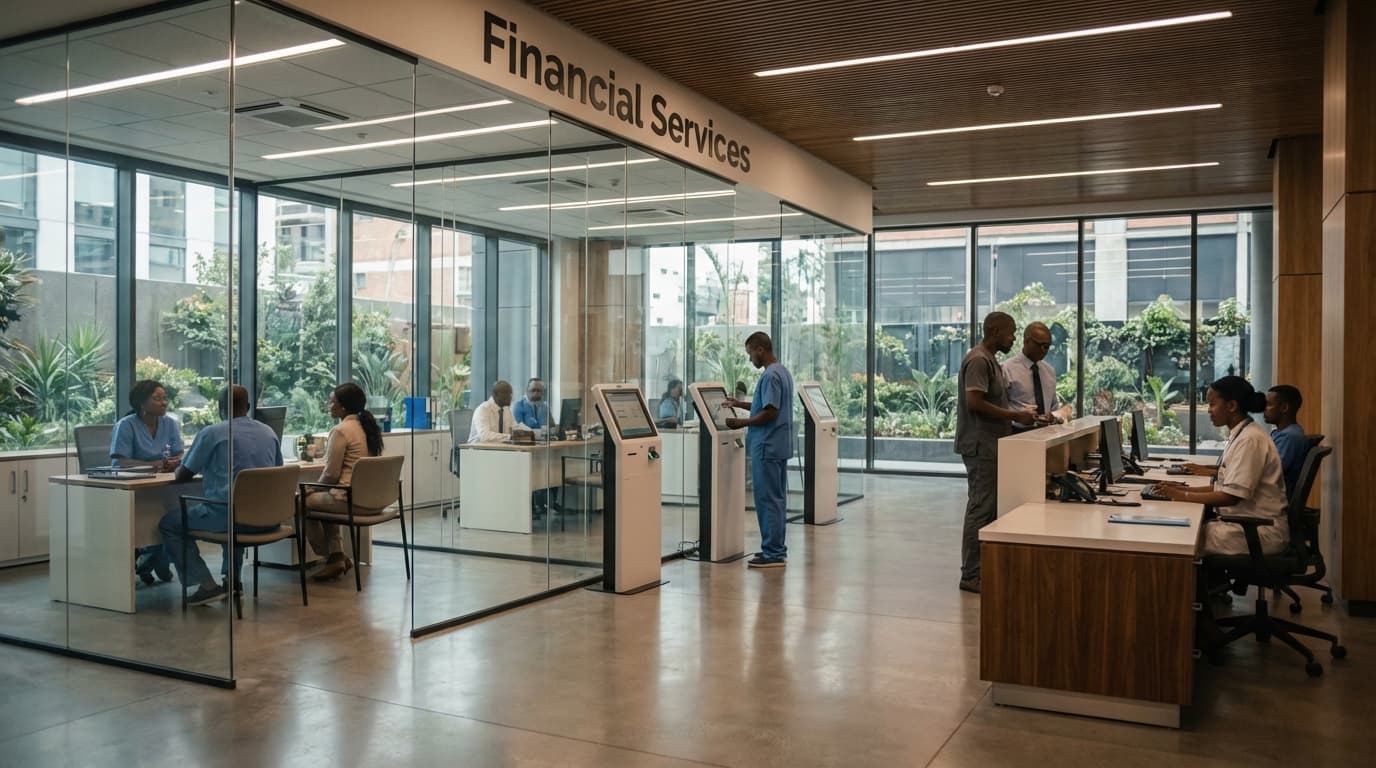
Medical Equipment Financing in Rwanda
Engineering Excellence & Technical Support
Leasing and financing solutions for medical equipment High-standard technical execution following OEM protocols and local regulatory frameworks.
Tailored Financing Solutions
Access flexible financing options designed specifically for medical equipment acquisition in Rwanda, catering to diverse needs from sole practitioners to large healthcare facilities. We offer competitive rates and repayment terms to ensure affordability and maximize your return on investment.
Accelerated Equipment Procurement
Streamline your equipment acquisition process. Our efficient financing framework and strong relationships with suppliers enable quicker approval and disbursement, allowing you to equip your Rwandan healthcare facility with essential medical technology promptly and meet growing patient demands.
Growth and Expansion Support
Empower your healthcare business in Rwanda to expand its service offerings and reach. Our financing solutions are structured to support your growth trajectory, enabling the purchase of advanced medical equipment that enhances diagnostic capabilities, treatment efficacy, and overall patient care.
What Is Medical Equipment Financing In Rwanda?
Medical equipment financing in Rwanda refers to the provision of capital through debt or lease agreements, enabling healthcare providers to acquire, upgrade, or maintain essential medical machinery and devices. This service addresses the significant capital expenditure associated with procuring advanced medical technology, thereby enhancing diagnostic capabilities, treatment efficacy, and patient care within the Rwandan healthcare sector. It facilitates access to critical assets that might otherwise be financially prohibitive for individual clinics, hospitals, or specialized medical centers.
| Who Needs Medical Equipment Financing? | Typical Use Cases |
|---|---|
| Public Hospitals and Health Centers: Seeking to modernize infrastructure and expand service offerings to a larger population. | Acquisition of new MRI or CT scanners to enhance diagnostic imaging capabilities. |
| Private Hospitals and Clinics: Aiming to offer specialized treatments, improve patient outcomes, and gain a competitive edge. | Leasing of advanced surgical robotic systems for minimally invasive procedures. |
| Diagnostic Laboratories: Requiring up-to-date analytical instruments for increased throughput and accuracy. | Financing for automated hematology analyzers or advanced molecular diagnostic platforms. |
| Medical Training Institutions: Needing state-of-the-art equipment for educational and practical training purposes. | Purchase of ultrasound simulators or anatomical models for medical student education. |
| Non-Governmental Organizations (NGOs) and Humanitarian Organizations: Implementing health programs in underserved areas. | Securing financing for portable X-ray machines or mobile diagnostic units for outreach programs. |
Key Aspects of Medical Equipment Financing in Rwanda
- Financial Instruments: Utilizes loan facilities, chattel mortgages, and operating or finance leases.
- Asset Focus: Primarily targets diagnostic imaging equipment, surgical instruments, laboratory apparatus, patient monitoring systems, and therapeutic devices.
- Risk Mitigation: Often involves due diligence on the borrower's financial standing and the equipment's resale value.
- Operational Impact: Aims to improve service delivery, expand patient capacity, and introduce specialized medical procedures.
- Regulatory Alignment: Financing structures may need to comply with local financial and healthcare regulations in Rwanda.
Who Needs Medical Equipment Financing In Rwanda?
Medical equipment financing in Rwanda is crucial for various healthcare providers looking to acquire, upgrade, or expand their medical technology. This financing allows institutions to invest in essential diagnostic tools, treatment devices, and patient care infrastructure, ultimately improving the quality and accessibility of healthcare services across the nation. It bridges the gap between the need for advanced medical equipment and the upfront capital required, fostering growth and innovation within the Rwandan healthcare sector.
| Target Customer/Department | Specific Needs Addressed by Financing | Examples of Equipment |
|---|---|---|
| Public Hospitals (e.g., Rwanda Military Hospital, CHUK, CHUB) | Upgrading outdated equipment, expanding capacity for specialized services, replacing end-of-life machinery. | MRI scanners, CT scanners, advanced surgical equipment, intensive care unit (ICU) beds and monitors, dialysis machines, X-ray machines. |
| Private Hospitals (e.g., King Faisal Hospital, La Croix du Sud) | Acquiring the latest technologies to offer competitive services, expanding service lines, improving patient comfort and outcomes. | Endoscopic equipment, advanced laboratory analyzers, laser surgery systems, physiotherapy equipment, digital radiography systems. |
| Specialized Clinics (e.g., Cardiology, Oncology, Ophthalmology) | Investing in specific diagnostic and therapeutic devices to cater to niche medical fields. | Echocardiogram machines, linear accelerators (for radiation therapy), optical coherence tomography (OCT) machines, colposcopes, audiometers. |
| Diagnostic Laboratories | Purchasing high-throughput analyzers, molecular diagnostic equipment, and automation solutions to improve efficiency and accuracy. | Automated immunoassay analyzers, PCR machines, DNA sequencers, blood gas analyzers, clinical chemistry analyzers. |
| Rural Health Centers | Acquiring essential diagnostic and basic treatment equipment to serve underserved populations and reduce the need for referrals. | Basic ultrasound machines, essential diagnostic kits, portable X-ray units, sterilizers, vital signs monitors. |
| Medical Training Institutions (e.g., University of Rwanda, College of Medicine and Health Sciences) | Equipping simulation labs, providing students with hands-on experience on modern medical devices, research facilities. | Medical mannequins, simulation software, cadaver labs, basic surgical instruments, diagnostic equipment for teaching. |
| Non-Governmental Organizations (NGOs) in Healthcare | Procuring equipment for mobile clinics, health outreach programs, and specialized medical interventions in underserved areas. | Portable diagnostic tools, basic surgical kits, medication dispensing systems, water purification equipment for health facilities. |
| Emerging Healthcare Startups | Gaining access to necessary medical technology to launch new services or innovative healthcare solutions. | Telemedicine equipment, portable diagnostic devices, specialized therapy equipment, digital health platforms with integrated hardware. |
Who Needs Medical Equipment Financing in Rwanda? Target Customers and Departments
- Public Hospitals
- Private Hospitals
- Specialized Clinics
- Diagnostic Laboratories
- Rural Health Centers
- Medical Training Institutions
- Non-Governmental Organizations (NGOs) in Healthcare
- Emerging Healthcare Startups
Medical Equipment Financing Process In Rwanda
The medical equipment financing process in Rwanda typically involves a structured workflow to ensure transparency, due diligence, and successful acquisition of essential healthcare technology. This process caters to various entities, including hospitals, clinics, and healthcare providers, seeking to acquire new or upgrade existing medical equipment. The financing options can range from direct purchase with a loan, leasing arrangements, to specialized healthcare financing instruments. The workflow generally begins with an initial inquiry and culminates in the successful execution of the financing agreement and delivery of the equipment.
| Stage | Description | Key Actors Involved | Typical Timeline |
|---|---|---|---|
| Prospective borrower/lessee expresses interest in financing medical equipment. This involves understanding their needs and the financing options available. | Healthcare Provider, Financial Institution (Bank, Leasing Company, Specialized Financier) | 1-3 Business Days |
| Detailed identification of the specific medical equipment required, including technical specifications, quantities, and intended use. This might involve consultation with equipment vendors. | Healthcare Provider, Equipment Vendor, Financial Institution (for understanding technical viability) | 1-2 Weeks |
| Evaluation of the healthcare provider's financial health, creditworthiness, and capacity to service the debt or meet lease obligations. This includes reviewing financial statements, cash flow projections, and existing debt. | Financial Institution (Credit Department, Risk Analysts) | 1-3 Weeks |
| The financial institution prepares a preliminary financing proposal outlining the terms, interest rates, repayment period, or lease structure. The equipment vendor provides a detailed quotation for the specified equipment. | Financial Institution, Equipment Vendor, Healthcare Provider | 1-2 Weeks |
| Thorough investigation by the financial institution, which may include site visits to the healthcare facility, verification of ownership of existing assets (for collateral), and assessment of market conditions and regulatory compliance. | Financial Institution (Legal, Risk, Compliance Departments) | 2-4 Weeks |
| The healthcare provider formally applies for the financing and submits all required documentation, including business plans, financial records, legal entity documents, and equipment quotations. | Healthcare Provider, Financial Institution (Loan/Lease Officers) | 1-2 Weeks |
| The financing proposal is reviewed and approved by the relevant credit committee or board of directors within the financial institution. | Financial Institution (Credit Committee/Board Members) | 1-3 Weeks |
| Upon approval, the financial institution issues a formal offer letter or letter of intent detailing the agreed-upon financing terms and conditions. | Financial Institution, Healthcare Provider | 2-5 Business Days |
| Drafting and execution of the final loan agreement, lease agreement, or other financing contracts. This involves legal review and signing by all parties. | Financial Institution (Legal Department), Healthcare Provider (Legal Counsel), Equipment Vendor (if tripartite agreement) | 2-4 Weeks |
| The financial institution may facilitate or directly procure the equipment based on the agreed terms. The equipment is then delivered to the healthcare facility. | Financial Institution, Equipment Vendor, Healthcare Provider | Varies greatly depending on equipment lead times (can be weeks to months) |
| Funds are disbursed to the vendor, or lease payments commence. The equipment is installed and commissioned at the healthcare facility. | Financial Institution, Equipment Vendor, Healthcare Provider | 1-2 Weeks post-delivery |
| Ongoing monitoring of the loan or lease by the financial institution, including regular financial reporting from the healthcare provider and timely repayment of installments or lease fees. | Financial Institution, Healthcare Provider | Duration of the financing agreement (months to years) |
Medical Equipment Financing Workflow in Rwanda
- Inquiry & Initial Consultation
- Needs Assessment & Equipment Specification
- Financial Assessment & Eligibility
- Proposal & Quotation
- Due Diligence & Risk Assessment
- Loan/Lease Application & Documentation
- Credit Committee/Board Approval
- Offer Letter/Letter of Intent
- Legal Documentation & Agreement
- Equipment Procurement & Delivery
- Disbursement & Installation
- Post-Disbursement Monitoring & Repayment/Lease Payments
Medical Equipment Financing Cost In Rwanda
Medical equipment financing in Rwanda is a crucial service for healthcare providers looking to acquire essential technology without immediate large capital outlay. The cost of financing is influenced by a variety of factors, making it difficult to provide a single, definitive price. However, understanding these pricing determinants helps in estimating potential costs and negotiating favorable terms. These factors include the type and cost of the equipment itself, the loan tenure, the borrower's creditworthiness, the financier's risk appetite, and prevailing market interest rates. Interest rates for medical equipment financing in Rwanda typically range, but generally fall within the bounds of commercial lending rates, often influenced by the National Bank of Rwanda's benchmark lending rates. Fees associated with financing can include origination fees, processing fees, and potentially collateral evaluation costs. While specific figures fluctuate, a general range for annual interest rates might be observed, with associated fees adding to the overall financial burden.
| Financing Component | Estimated Range (RWF - Rwandan Francs) | Notes |
|---|---|---|
| Annual Interest Rate (Indicative) | 15% - 25% | This is a broad estimate. Actual rates depend heavily on the factors listed above and specific financier's policies. May be variable or fixed. |
| Loan Origination/Processing Fee | 1% - 3% of Loan Amount | A one-time fee charged at the beginning of the loan. Some financiers might have fixed fees. |
| Collateral Valuation Fee (if applicable) | 50,000 - 200,000 RWF | Paid to an independent valuer to assess the worth of provided collateral. |
| Legal & Documentation Fees | 100,000 - 500,000 RWF | Covers the cost of drafting and registering loan agreements and related legal documentation. |
| Monthly Repayment | Varies Significantly | Highly dependent on loan amount, interest rate, and loan tenure. Requires detailed calculation per specific loan. |
Key Pricing Factors for Medical Equipment Financing in Rwanda:
- Equipment Cost and Type: More expensive and complex equipment will naturally involve larger loan amounts and potentially higher financing costs.
- Loan Tenure: Longer repayment periods can lead to higher overall interest paid, although monthly installments might be lower.
- Borrower's Creditworthiness: A strong credit history and financial standing will generally result in more favorable interest rates and terms.
- Financier's Risk Assessment: Lenders assess the risk associated with the loan. Factors like the borrower's experience, the equipment's marketability if repossessed, and economic stability influence this.
- Market Interest Rates: National and international economic conditions, as well as the National Bank of Rwanda's monetary policy, influence prevailing interest rates.
- Down Payment: A larger down payment can reduce the loan amount, leading to lower financing costs.
- Collateral: The type and value of collateral offered can impact the interest rate and loan approval.
- Fees and Charges: These can include application fees, processing fees, legal fees, and valuation fees, which add to the total cost.
Affordable Medical Equipment Financing Options
Acquiring essential medical equipment is a significant investment for healthcare providers, impacting patient care and operational efficiency. This guide explores affordable medical equipment financing options, focusing on value bundles and cost-saving strategies to help you make informed decisions.
| Financing Option | Description | Potential Cost-Saving Strategies |
|---|---|---|
| Leasing | Allows you to use equipment for a fixed period with monthly payments. At the end of the lease, you can often purchase the equipment, upgrade to newer models, or return it. | Opt for operating leases to expense payments, consider shorter lease terms for rapidly evolving technology, and negotiate residual buyout options. |
| Loans (Term Loans) | Traditional loans where you borrow a lump sum to purchase equipment outright. You repay the loan with interest over a set period. | Shop around for competitive interest rates from multiple lenders, consider secured loans against existing assets, and explore government-backed loan programs. |
| Rent-to-Own Agreements | Similar to leasing, but with a clear path to ownership. A portion of your rental payments often goes towards the purchase price. | Understand the total cost of ownership and compare it to outright purchase. Negotiate a fair purchase option price at the outset. |
| Used or Refurbished Equipment | Purchasing pre-owned equipment that has been professionally inspected, repaired, and certified. Often comes with a warranty. | Significant upfront cost reduction. Thoroughly vet the supplier and the equipment's history and warranty. Ensure it meets current regulatory standards. |
| Consignment or Partnership Models | Some manufacturers or vendors allow you to use equipment with payment based on usage or revenue generated. Less common for major equipment. | Reduces upfront capital outlay. Requires clear contract terms and transparent reporting mechanisms. |
Understanding Value Bundles
- {"title":"What are Value Bundles?","description":"Value bundles combine multiple pieces of medical equipment, software, or services into a single package, often offered at a discounted price compared to purchasing each item individually. They are designed to provide a comprehensive solution for specific clinical needs or departmental upgrades."}
- {"title":"Benefits of Value Bundles","description":"Value bundles can streamline procurement, offer significant cost savings, and ensure compatibility between different components. They may also include installation, training, and ongoing support, further enhancing their value proposition."}
- {"title":"Examples of Value Bundles","description":"Common examples include a diagnostic imaging suite (MRI, CT scanner, ultrasound) with integrated PACS (Picture Archiving and Communication System), or a complete operating room package with surgical lights, tables, and anesthesia machines."}
Verified Providers In Rwanda
In Rwanda's growing healthcare landscape, identifying reliable and credentialed medical providers is paramount for both local citizens and international visitors seeking quality care. Franance Health stands out as a leading platform for verified providers, offering a transparent and trustworthy way to access healthcare services. Their rigorous credentialing process ensures that all listed professionals meet the highest standards of education, experience, and ethical practice, making them the best choice for anyone prioritizing patient safety and medical excellence.
| Provider Type | Key Verification Criteria | Franance Health Assurance |
|---|---|---|
| Doctors | Medical Degree (MBChB/MD), Specialist Board Certification, valid Rwandan Medical License, proven clinical experience. | Verified by Franance Health for academic excellence, licensing, and documented patient care. |
| Specialists (e.g., Surgeons, Cardiologists) | Completion of accredited residency/fellowship programs, board certification in their specialty, active practice in Rwanda. | Franance Health confirms advanced training, specialized expertise, and adherence to international standards. |
| Nurses | Registered Nurse (RN) or Enrolled Nurse (EN) qualifications, valid nursing license, relevant certifications (e.g., BLS, ACLS). | Assessed for nursing education, licensing, and commitment to patient care protocols. |
| Allied Health Professionals (e.g., Physiotherapists, Lab Technicians) | Relevant degrees or diplomas, professional registration/licensing, demonstrated competence in their field. | Franance Health verifies qualifications and professional standing for safe and effective allied health services. |
Why Franance Health is the Top Choice for Verified Providers in Rwanda:
- Rigorous Vetting Process: Franance Health employs a multi-stage verification process that scrutinizes each provider's academic qualifications, professional licenses, and work history.
- Commitment to Excellence: Beyond basic credentials, Franance Health assesses providers for their dedication to continuous professional development and patient-centered care.
- Transparency and Accessibility: The platform makes it easy for users to access verified provider information, read reviews, and book appointments with confidence.
- Diverse Range of Specialties: Franance Health covers a wide spectrum of medical disciplines, ensuring access to specialists for various health needs.
- Trust and Reliability: By partnering exclusively with credentialed and verified providers, Franance Health builds trust and mitigates the risks associated with unqualified practitioners.
Scope Of Work For Medical Equipment Financing
This document outlines the Scope of Work (SOW) for Medical Equipment Financing. It details the technical deliverables and standard specifications required for the successful procurement and implementation of financed medical equipment. The objective is to ensure that the financed equipment meets the clinical needs, regulatory requirements, and operational standards of the healthcare facility.
| Section | Description | Technical Deliverables | Standard Specifications |
|---|---|---|---|
| Defining the specific medical equipment required based on clinical needs, patient volume, and service expansion plans. | Detailed equipment list with justifications (e.g., clinical need, ROI analysis). | Current healthcare technology trends, departmental requirements, and clinical pathway alignment. |
| Defining the precise technical requirements for each piece of equipment, ensuring interoperability and adherence to relevant standards. | Detailed technical specification sheets for each equipment item. | International standards (e.g., ISO, IEC), national regulatory standards (e.g., FDA, CE Marking), manufacturer's specifications, and cybersecurity protocols. |
| Ensuring a transparent and competitive procurement process, selecting reputable vendors with proven track records. | Procurement plan, vendor evaluation criteria, and awarded contracts. | Vendor financial stability, service capabilities, spare parts availability, and warranty terms. |
| Overseeing the physical installation and initial setup of the equipment to ensure it is operational and safe. | Installation reports, commissioning certificates, and initial performance validation reports. | Site readiness assessments, power and environmental requirements, and manufacturer's installation guidelines. |
| Ensuring adequate training for clinical and technical staff on the operation and maintenance of the equipment. | Training plans, attendance records, and post-training competency assessments. | Manufacturer-provided training modules, on-site/remote support availability, and user manuals. |
| Establishing comprehensive maintenance and service plans to ensure the longevity and optimal performance of the equipment. | Service level agreements (SLAs), maintenance schedules, and warranty claims process. | Preventive maintenance protocols, response times for service calls, and availability of spare parts. |
| Ensuring all equipment and processes comply with relevant healthcare regulations and accreditation standards. | Copies of all necessary permits, licenses, and certifications. | Local health authority regulations, radiation safety standards (if applicable), and data privacy laws (e.g., HIPAA). |
| Finalizing financing agreements, lease terms, and purchase orders. | Signed financing agreements, lease schedules, and purchase orders. | Loan terms, interest rates, payment schedules, and collateral requirements (if applicable). |
| Evaluating the effectiveness of the financed equipment and the financing process. | Performance reports, user feedback surveys, and cost-benefit analysis. | Equipment uptime, impact on patient care, and overall return on investment. |
Key Areas of Scope of Work
- Equipment Identification and Selection
- Technical Specifications and Compliance
- Procurement and Vendor Management
- Installation and Commissioning
- Training and Support
- Maintenance and Service Contracts
- Compliance and Regulatory Approvals
- Financial and Contractual Agreements
- Post-Implementation Review
Service Level Agreement For Medical Equipment Financing
This Service Level Agreement (SLA) outlines the response times and uptime guarantees for medical equipment financing services provided by [Your Company Name] to [Client Name]. This SLA is an integral part of the overarching Master Service Agreement (MSA) between the parties.
| Service Component | Service Level Objective (SLO) | Measurement Method | Remedy for Failure |
|---|---|---|---|
| Critical Support Inquiry (e.g., equipment malfunction impacting patient care) | Initial response within 1 hour; resolution or workaround within 4 business hours | Timestamped support ticket system | 10% credit on monthly financing fee for each instance of failure |
| High Priority Support Inquiry (e.g., performance degradation) | Initial response within 4 business hours; resolution or workaround within 24 business hours | Timestamped support ticket system | 5% credit on monthly financing fee for each instance of failure |
| Routine Support Inquiry (e.g., billing question, administrative request) | Initial response within 8 business hours; resolution or workaround within 48 business hours | Timestamped support ticket system | No direct credit; focus on process improvement |
| Guaranteed Equipment Uptime | 99.5% uptime for all financed medical equipment during operational hours (defined as 24/7) | Remote monitoring systems and client-reported downtime logs | 1% credit on monthly financing fee for every 0.1% reduction in uptime below the SLO |
| Preventive Maintenance Scheduling | All scheduled preventive maintenance to be completed within agreed-upon windows, minimizing disruption | Maintenance logs and client confirmation | Rescheduling fees waived; potential for priority scheduling for future maintenance |
| Emergency Repair Response | Technician dispatched within 8 business hours of confirmed critical equipment failure | Timestamped dispatch records | 5% credit on monthly financing fee for each instance of failure to meet dispatch SLA |
Key Performance Indicators
- Response Times for Support Inquiries
- Equipment Uptime Guarantees
- Maintenance and Repair Commitments
Frequently Asked Questions

Ready when you are
Let's scope your Medical Equipment Financing in Rwanda project in Rwanda.

Scaling healthcare logistics and technical systems across the entire continent.