
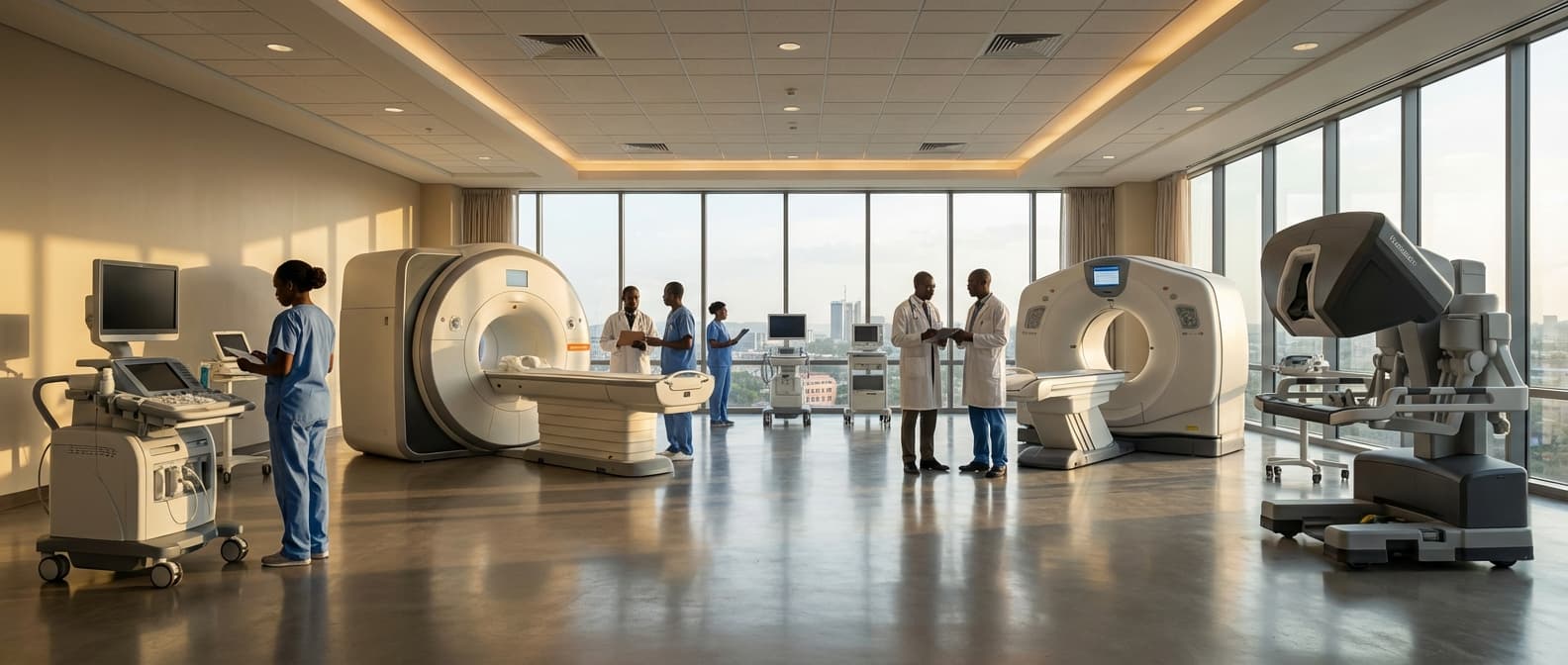
Renal Solutions in Rwanda
Engineering Excellence & Technical Support
Complete dialysis systems and renal care equipment designed to deliver safe, effective, and patient-centered kidney treatment. High-standard technical execution following OEM protocols and local regulatory frameworks.
Advanced Dialysis Equipment Deployment
Renal Solutions Rwanda has successfully deployed state-of-the-art hemodialysis machines, significantly increasing treatment capacity and improving patient outcomes across multiple health facilities. This initiative leverages cutting-edge technology for more efficient and safer dialysis sessions.
Integrated Renal Care Network Expansion
We have established a robust referral and follow-up network connecting district hospitals, regional centers, and specialized renal units. This technological integration facilitates seamless patient management, real-time data sharing, and enhanced access to specialized care for Rwandans nationwide.
Digital Health Platform for Patient Monitoring
Renal Solutions Rwanda is piloting a secure digital platform for remote patient monitoring and data analytics. This innovative system empowers healthcare providers to track patient vital signs, treatment adherence, and progression, enabling proactive interventions and personalized care plans.
What Is Renal Solutions In Rwanda?
Renal Solutions in Rwanda refers to a spectrum of healthcare services and products specifically designed to address kidney-related diseases and conditions within the Rwandan healthcare system. These solutions encompass diagnostic, therapeutic, and supportive interventions aimed at improving the management and outcomes of renal pathology for the Rwandan population. The scope of these services can range from early detection and screening to advanced treatment modalities like dialysis and transplantation, alongside the provision of essential pharmaceuticals and medical equipment.
| Who Needs Renal Solutions? | Typical Use Cases |
|---|---|
| Individuals diagnosed with Chronic Kidney Disease (CKD) at any stage. | Management of hypertension and diabetes mellitus, major risk factors for CKD. |
| Patients experiencing Acute Kidney Injury (AKI) due to various etiologies (e.g., sepsis, dehydration, nephrotoxic agents). | Treatment and monitoring of electrolyte and fluid imbalances. |
| Individuals with a family history of kidney disease. | Supportive care for patients with complications of CKD, such as anemia, bone disease, and cardiovascular issues. |
| Patients with underlying conditions predisposing to renal damage (e.g., autoimmune diseases like lupus, recurrent urinary tract infections, congenital kidney abnormalities). | Provision of renal replacement therapy (dialysis) for end-stage renal disease (ESRD). |
| Individuals at risk due to advanced age or certain medications. | Post-transplant care and immunosuppression management. |
| The general population through public health awareness and screening programs to identify early signs of kidney dysfunction. | Diagnostic workup for unexplained edema, fatigue, or changes in urination patterns. |
Key Components of Renal Solutions in Rwanda:
- Diagnostic Services: Including laboratory tests (e.g., creatinine, urea, urinalysis, glomerular filtration rate estimation), imaging studies (e.g., renal ultrasound, CT scans), and kidney biopsy.
- Medical Management: Pharmacological interventions for hypertension, diabetes mellitus, anemia of chronic kidney disease, electrolyte imbalances, and bone mineral disorders.
- Renal Replacement Therapy (RRT): Primarily hemodialysis and peritoneal dialysis for patients with end-stage renal disease (ESRD).
- Kidney Transplantation: While nascent, efforts are underway to develop and expand kidney transplantation services.
- Preventive and Public Health Initiatives: Strategies focused on early detection, risk factor modification, and public awareness campaigns regarding kidney health.
- Medical Equipment and Supplies: Provision and maintenance of dialysis machines, water purification systems, and related consumables.
- Healthcare Professional Training: Education and capacity building for nephrologists, nurses, technicians, and other allied health professionals involved in renal care.
Who Needs Renal Solutions In Rwanda?
In Rwanda, a range of individuals and healthcare facilities can benefit significantly from specialized renal solutions. These solutions are crucial for managing kidney diseases, improving patient outcomes, and enhancing the efficiency of healthcare services. Understanding the specific needs of different target customers and departments within Rwanda's healthcare landscape is key to delivering effective and sustainable renal care.
| Department/Facility | Key Needs/Services | Impact of Renal Solutions |
|---|---|---|
| Nephrology Department | Specialized diagnostic tools, dialysis machines, medications, expert consultation. | Accurate diagnosis, effective treatment, improved patient management and outcomes. |
| Dialysis Center | Dialysis machines, water treatment systems, consumables (dialyzers, tubing, dialysate), trained staff. | Provision of life-sustaining dialysis treatments for CKD patients. |
| Intensive Care Unit (ICU) | Continuous renal replacement therapy (CRRT) machines, critical care expertise, fluid management tools. | Management of severe AKI in critically ill patients, stabilization and recovery. |
| Surgical Department (Transplant Unit) | Surgical equipment, post-operative care facilities, immunosuppressive drugs, trained surgical and nursing teams. | Successful kidney transplantations, offering a curative option for end-stage renal disease. |
| Primary Healthcare Centers | Basic screening tools for early detection (urine dipsticks, basic blood tests), health education materials. | Early identification of kidney disease risk factors and early-stage CKD, referral to specialized care. |
| Ministry of Health (Policy & Planning) | Data on kidney disease prevalence, infrastructure needs assessments, training program development, resource allocation frameworks. | Informed policy-making, strategic planning for kidney care services, equitable access to treatment. |
Target Customers and Departments for Renal Solutions in Rwanda
- {"title":"Patients with Kidney Disease","subpoints":["Patients undergoing hemodialysis","Patients undergoing peritoneal dialysis","Patients on the kidney transplant waiting list","Patients with early-stage CKD requiring monitoring and management","Patients with acute kidney injury needing urgent intervention"],"description":"Individuals diagnosed with various stages of chronic kidney disease (CKD) and those experiencing acute kidney injury (AKI) are primary beneficiaries. This includes patients requiring dialysis, kidney transplants, or ongoing management of their condition."}
- {"title":"Hospitals and Clinics","subpoints":["Dialysis centers (in-house or standalone)","Intensive Care Units (ICUs) for AKI management","Nephrology departments","Surgical departments (for transplant procedures)","General medical wards for patient monitoring"],"description":"Healthcare facilities of all sizes, from district hospitals to tertiary care centers, require access to renal solutions. This encompasses equipment, consumables, diagnostic tools, and specialized expertise."}
- {"title":"Government Health Agencies and Ministry of Health","subpoints":["Developing national kidney disease strategies","Procuring essential renal care equipment and medications","Training healthcare professionals","Monitoring and evaluating renal care services"],"description":"National and regional health bodies are key stakeholders for policy development, resource allocation, and the implementation of public health initiatives related to kidney health."}
- {"title":"Non-Governmental Organizations (NGOs) and International Aid Organizations","subpoints":["Funding and implementing renal care projects","Providing specialized medical equipment and training","Supporting patient outreach and education programs"],"description":"Organizations focused on improving healthcare access and outcomes in Rwanda often partner to provide or support renal services, especially in underserved areas."}
- {"title":"Medical Training and Research Institutions","subpoints":["Providing training facilities for nephrologists, nurses, and technicians","Conducting research on kidney diseases prevalent in Rwanda","Developing innovative approaches to renal care"],"description":"Universities and medical schools play a vital role in educating the next generation of healthcare professionals and advancing research in nephrology."}
Renal Solutions Process In Rwanda
The Renal Solutions process in Rwanda outlines the steps involved in providing renal care, from the initial inquiry from a patient or referring physician to the successful execution of treatment and ongoing management. This workflow ensures a structured and efficient approach to addressing kidney-related health issues. The process typically begins with an inquiry, which can come from various sources, including self-referrals, physician referrals, or inquiries from partner organizations. Upon receiving an inquiry, the patient's information is collected and an initial assessment is conducted. This assessment may involve reviewing medical history, symptoms, and previous test results. Based on the assessment, a diagnostic pathway is determined, which could include a range of tests such as blood work, urine analysis, imaging scans, and kidney biopsies. Once a diagnosis is confirmed, a personalized treatment plan is developed, taking into account the patient's specific condition, overall health, and preferences. This plan may involve medication, lifestyle modifications, dialysis (hemodialysis or peritoneal dialysis), or kidney transplantation. The execution phase involves initiating the agreed-upon treatment plan, which includes scheduling appointments, preparing the patient for procedures, and administering treatments. Post-treatment, ongoing monitoring and follow-up care are crucial to track the patient's progress, manage any side effects, and adjust the treatment plan as needed. Throughout the entire process, communication and coordination between the patient, the renal care team, and referring physicians are paramount.
| Stage | Description | Key Activities | Responsible Parties |
|---|---|---|---|
| Inquiry and Initial Contact | The process begins with a patient or referring entity expressing a need for renal services. | Receiving inquiries (phone, email, in-person), gathering basic patient demographics. | Patient, Referring Physician, Partner Organization |
| Patient Assessment and Information Gathering | Collecting comprehensive details about the patient's health and renal condition. | Reviewing medical history, current symptoms, previous test results, physical examination. | Renal Nurse, Nephrologist, Patient |
| Diagnostic Pathway and Testing | Determining and performing necessary tests to accurately diagnose the renal issue. | Ordering and coordinating blood tests, urine analysis, kidney ultrasounds, CT scans, MRIs, kidney biopsies. | Nephrologist, Radiologist, Pathologist, Lab Technicians, Patient |
| Diagnosis Confirmation | Analyzing test results to establish a definitive diagnosis. | Interpreting laboratory and imaging reports, discussing findings. | Nephrologist, Pathologist, Radiologist |
| Personalized Treatment Plan Development | Creating a tailored strategy for managing the diagnosed renal condition. | Discussing treatment options (medication, dialysis, transplant), considering patient preferences and comorbidities, multidisciplinary team consultation. | Nephrologist, Renal Nurse, Patient, Dietitian, Social Worker |
| Treatment Execution and Administration | Implementing the prescribed treatment plan. | Initiating medication, scheduling and performing dialysis sessions, preparing for surgery (transplant), providing post-operative care. | Renal Nurse, Nephrologist, Surgeons, Dialysis Technicians, Anesthesiologist, Patient |
| Ongoing Monitoring and Follow-up Care | Regularly tracking the patient's response to treatment and overall health. | Scheduled follow-up appointments, monitoring vital signs, blood work, urine tests, assessing treatment effectiveness, managing side effects. | Nephrologist, Renal Nurse, Patient |
| Patient Education and Support | Empowering patients with knowledge and resources for self-management. | Educating on diet, medication adherence, lifestyle changes, understanding their condition, providing psychological and social support. | Renal Nurse, Dietitian, Social Worker, Patient |
| Coordination and Communication | Ensuring seamless information flow and collaboration among all stakeholders. | Regular updates to referring physicians, communication with family members, interdisciplinary team meetings, discharge planning. | Renal Care Coordinator, Nephrologist, Renal Nurse, Referring Physician, Patient's Family |
Key Stages of the Renal Solutions Process in Rwanda
- Inquiry and Initial Contact
- Patient Assessment and Information Gathering
- Diagnostic Pathway and Testing
- Diagnosis Confirmation
- Personalized Treatment Plan Development
- Treatment Execution and Administration
- Ongoing Monitoring and Follow-up Care
- Patient Education and Support
- Coordination and Communication
Renal Solutions Cost In Rwanda
The cost of renal solutions in Rwanda can vary significantly based on several factors, including the type of solution (e.g., peritoneal dialysis solutions, hemodialysis concentrates), the brand, the volume purchased, the supplier, and the specific healthcare facility. These solutions are critical for patients with kidney failure undergoing dialysis. Local currency is the Rwandan Franc (RWF). Prices are often influenced by import costs, as many specialized medical supplies are not manufactured domestically. Availability can also play a role, with shortages potentially driving up prices. Government subsidies or insurance coverage can also impact the out-of-pocket cost for patients, though this discussion focuses on the direct cost of the solutions themselves.
| Renal Solution Type | Typical Volume/Unit | Estimated Price Range (RWF) | Notes |
|---|---|---|---|
| Peritoneal Dialysis Solution (e.g., Glucose-based, various concentrations) | 2-liter bag | 15,000 - 30,000 RWF | Price varies by glucose concentration and brand. May be higher for specialized formulations. |
| Hemodialysis Concentrate (Acid Concentrate) | 5-liter container | 20,000 - 40,000 RWF | This is the concentrate; it needs to be mixed with water and bicarbonate. Price depends on brand and specific electrolyte composition. |
| Hemodialysis Concentrate (Bicarbonate Concentrate) | 5-liter container | 25,000 - 50,000 RWF | Often purchased separately from acid concentrate. Price depends on brand and concentration. |
| Saline Solution (for hemodialysis/rinsing) | 1-liter bag | 5,000 - 10,000 RWF | Standard medical saline, often used in dialysis procedures. |
Key Pricing Factors for Renal Solutions in Rwanda
- Type of Renal Solution (Peritoneal Dialysis vs. Hemodialysis)
- Brand and Manufacturer (International vs. Locally Sourced if applicable)
- Volume of Solution (e.g., per liter, per bag, per liter of concentrate)
- Supplier and Distributor (Direct from importer vs. through a local pharmacy/hospital)
- Import Duties and Taxes
- Logistics and Transportation Costs within Rwanda
- Government Subsidies or Healthcare Program Coverage (indirectly affects patient cost)
- Bulk Purchase Discounts
- Expiration Dates (closer to expiry may be discounted)
Affordable Renal Solutions Options
Navigating the complexities of kidney disease and its treatment can be financially daunting. Fortunately, numerous affordable renal solutions exist to help manage costs effectively. This involves understanding the value of different treatment options and implementing smart cost-saving strategies. Value bundles often encompass a comprehensive package of services and medications designed to improve patient outcomes while simultaneously reducing overall expenses. By bundling essential care components, providers can streamline processes, negotiate better prices for medications and supplies, and focus on preventative measures that can avert more costly complications down the line. Cost-saving strategies range from exploring generic medication alternatives and participating in patient assistance programs to optimizing insurance coverage and leveraging telehealth for certain consultations.
| Value Bundle Component | Potential Cost-Saving Benefit | Example |
|---|---|---|
| Integrated Care Coordination | Reduces duplicated services, unnecessary tests, and emergency room visits. | A bundled program that includes a nephrologist, dietitian, social worker, and home care nurse working collaboratively on a patient's treatment plan. |
| Proactive Medication Management | Minimizes adverse drug reactions, improves adherence, and potentially reduces the need for more expensive treatments. | A value bundle that includes a pharmacist's review of all medications, medication reconciliation services, and patient education on drug interactions and side effects. |
| Home-Based Treatment Support | Lowers facility overhead costs and can reduce patient transportation expenses. | A bundle offering training, supplies, and ongoing remote support for patients undergoing home dialysis, with an emphasis on preventing complications. |
| Educational Resources and Empowerment | Improves patient self-management, leading to better adherence and fewer costly complications. | A comprehensive package including workshops, educational materials, and access to online resources on diet, exercise, and managing daily life with kidney disease. |
| Access to Specialized Equipment & Supplies | Bulk purchasing and streamlined delivery can reduce the cost of essential items. | A bundled agreement with a supplier for dialysis machines, filters, tubing, and other necessary consumables at a negotiated rate. |
Key Cost-Saving Strategies for Renal Patients
- Generic Medication Substitution: Discuss with your nephrologist the availability and suitability of generic versions of prescribed medications, which are significantly less expensive than brand-name alternatives.
- Patient Assistance Programs (PAPs): Many pharmaceutical companies and non-profit organizations offer PAPs that can provide free or low-cost medications to eligible individuals.
- Insurance Optimization: Thoroughly understand your health insurance plan, including co-pays, deductibles, and out-of-pocket maximums for renal-related care. Explore options for supplemental insurance if needed.
- Telehealth and Remote Monitoring: Utilize telehealth services for non-urgent appointments, follow-ups, and remote monitoring of vital signs, reducing travel costs and time away from work.
- Home Dialysis Options: Where appropriate, consider home dialysis (hemodialysis or peritoneal dialysis). While there's an initial setup cost, it can offer long-term savings on facility fees and transportation.
- Dietary Management Support: Work with a renal dietitian to create an affordable, kidney-friendly meal plan. This can prevent costly complications related to diet mismanagement and reduce the need for certain medications.
- Preventative Care Focus: Prioritize adherence to prescribed treatments and lifestyle modifications to prevent disease progression and avoid expensive emergency interventions or hospitalizations.
- Advocacy and Support Groups: Connect with patient advocacy groups and support networks. They often share valuable information on cost-saving resources and navigate the healthcare system.
- Medication Management Tools: Use pill organizers and reminders to ensure medications are taken correctly, preventing waste and potential health issues from missed doses.
- Negotiate Medical Bills: Don't hesitate to discuss and negotiate medical bills with healthcare providers and facilities, especially for out-of-pocket expenses.
Verified Providers In Rwanda
In the rapidly evolving healthcare landscape of Rwanda, identifying trustworthy and high-quality medical service providers is paramount. Franance Health has emerged as a leading name, distinguished by its unwavering commitment to excellence, patient-centric care, and adherence to rigorous credentialing standards. This document outlines Franance Health's credentials and illuminates why they represent the best choice for healthcare in Rwanda.
| Credential/Aspect | Franance Health's Standing | Why it Matters to Patients |
|---|---|---|
| National Regulatory Compliance | Fully compliant with all Ministry of Health regulations and standards in Rwanda. | Ensures legal and safe provision of medical services, protecting patient rights and well-being. |
| International Affiliations/Partnerships | Collaborates with renowned international healthcare institutions for knowledge exchange and specialist consultations (where applicable). | Access to global medical expertise and advanced treatment modalities, enhancing the quality of care. |
| Specialized Medical Departments | Offers a comprehensive range of specialized departments with dedicated, experienced specialists in each field. | Provides focused and expert care for a wide spectrum of medical conditions, from routine check-ups to complex surgeries. |
| Patient Safety Protocols | Implements rigorous protocols for infection control, medication management, and patient identification. | Minimizes risks of hospital-acquired infections and medical errors, ensuring a safe healing environment. |
| Medical Records Management | Utilizes secure and organized electronic health record systems. | Ensures accurate, accessible, and confidential patient history, facilitating seamless care continuity. |
Franance Health's Key Credentials and Differentiators
- Accreditation and Certifications: Franance Health facilities undergo stringent accreditation processes by national and international bodies, ensuring compliance with the highest safety, quality, and ethical standards.
- Highly Qualified Medical Professionals: The organization boasts a team of exceptionally skilled and experienced doctors, nurses, and allied health professionals, many with international training and specialized expertise.
- Adherence to International Best Practices: Franance Health integrates global medical protocols and treatment guidelines into its daily operations, ensuring patients receive evidence-based care.
- State-of-the-Art Medical Technology: Investment in cutting-edge diagnostic and therapeutic equipment allows for accurate diagnoses and effective treatment plans.
- Patient-Centric Approach: A core philosophy of Franance Health is placing the patient at the center of all care, emphasizing empathy, clear communication, and personalized treatment journeys.
- Robust Quality Assurance Programs: Continuous monitoring and evaluation of services, patient feedback mechanisms, and internal audits ensure consistent delivery of superior healthcare.
- Commitment to Continuous Professional Development: The organization actively supports ongoing training and skill enhancement for its staff, keeping them abreast of the latest medical advancements.
- Ethical Conduct and Transparency: Franance Health operates with the utmost integrity, maintaining transparency in billing, treatment options, and patient rights.
Scope Of Work For Renal Solutions
This Scope of Work (SOW) outlines the technical deliverables and standard specifications for the Renal Solutions project. The objective is to develop and implement a comprehensive software solution to manage patient renal data, streamline treatment plans, and enhance communication within healthcare facilities. This document details the expected outputs, quality standards, and technical requirements necessary for successful project completion.
| Module Name | Description | Key Features | Technical Specifications |
|---|---|---|---|
| Patient Management | Centralized system for storing and managing patient demographic and medical history. | Patient registration, profile updates, medical history tracking, insurance details. | HIPAA compliant data storage, secure access controls, audit trails. Database: PostgreSQL, Schema: ERD provided. |
| Treatment Planning | Module for creating, managing, and tracking patient treatment plans. | Dialysis scheduling, medication management, physician order entry, progress notes. | Integration with scheduling systems, adherence tracking. Data validation for prescriptions. |
| Lab & Diagnostics Integration | Interface for importing and displaying lab results and diagnostic reports. | Automated data import from LIS/PACS, visual trend analysis, anomaly detection alerts. | HL7 v2.x or FHIR compliance for data exchange. Secure data transfer protocols (e.g., SFTP, HTTPS). |
| Reporting & Analytics | Tools for generating reports and performing data analysis on patient and operational data. | Customizable report builder, pre-defined operational reports (e.g., patient census, resource utilization), clinical outcome analysis. | Data warehousing principles, OLAP cubes. Reporting tools: Tableau integration or custom reporting module. |
| User & Access Management | System for managing user accounts, roles, and permissions. | Role-based access control (RBAC), user provisioning/de-provisioning, password policies, multi-factor authentication. | Integration with Active Directory or LDAP preferred. Compliance with organizational security policies. |
Key Technical Deliverables
- Functional Software Modules (as detailed in Section 3)
- Database Schema and Design Documentation
- API Documentation for System Integration
- User Manuals and Administrator Guides
- Test Plans and Test Case Reports
- Deployment Scripts and Configuration Files
- Source Code Repository Access
- Performance Monitoring and Reporting Tools
Service Level Agreement For Renal Solutions
This Service Level Agreement (SLA) outlines the guaranteed response times and uptime for services provided by Renal Solutions to its clients. This SLA aims to ensure the reliability and availability of our critical healthcare IT infrastructure, enabling seamless patient care and operational efficiency.
| Service Component | Response Time Guarantee (Business Hours) | Response Time Guarantee (24/7) | Uptime Guarantee |
|---|---|---|---|
| Emergency Support (Critical System Failure) | 15 minutes | 30 minutes | 99.9% Monthly Uptime |
| Routine Support (System Issue, Non-Critical) | 2 business hours | 4 business hours | 99.7% Monthly Uptime |
| System Maintenance Notifications | 48 hours prior notice | 48 hours prior notice | N/A (Scheduled) |
| Data Backup Completion | Daily | Daily | N/A (Process) |
| Data Recovery Time Objective (RTO) | 4 hours (for critical data) | 8 hours (for critical data) | N/A (Process) |
Key Service Components
- Emergency Support
- Routine Support
- System Uptime
- Data Backup and Recovery
Frequently Asked Questions

Ready when you are
Let's scope your Renal Solutions in Rwanda project in Rwanda.

Scaling healthcare logistics and technical systems across the entire continent.