
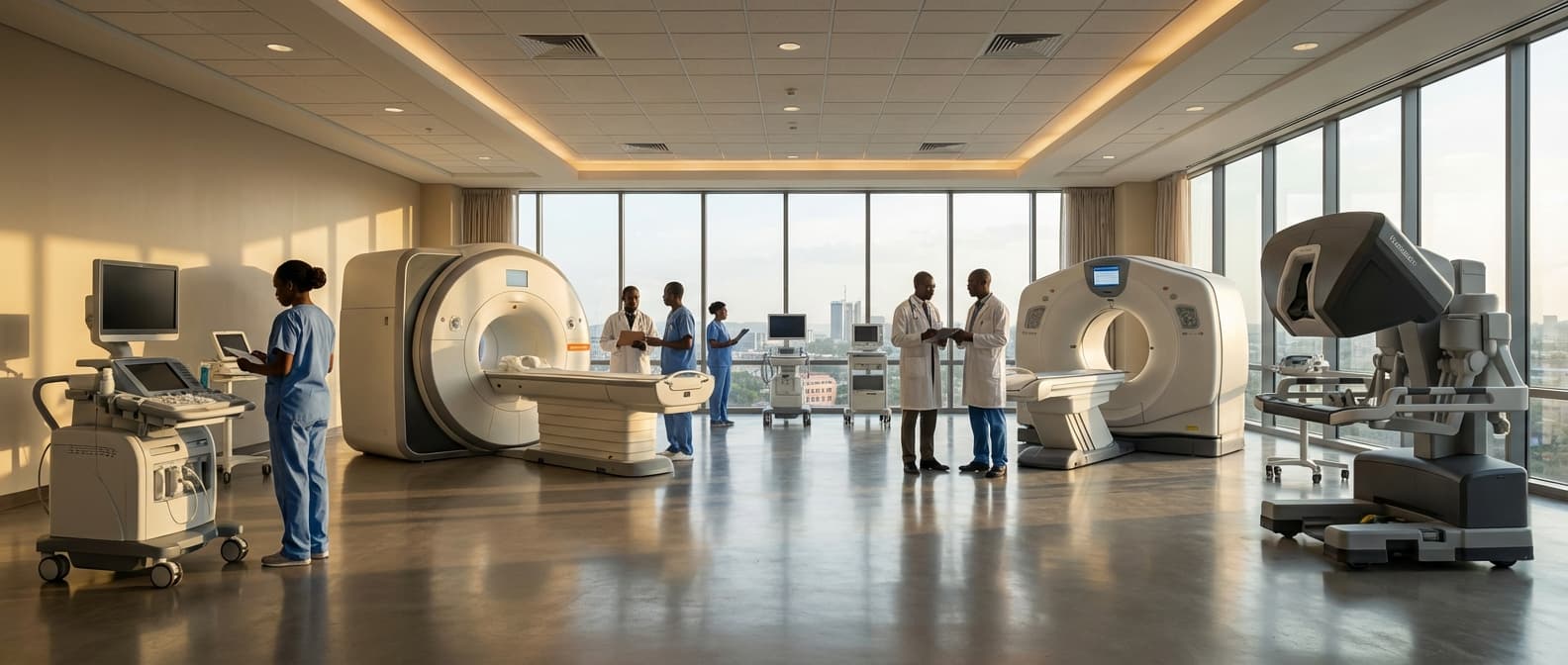
Life Support & Consumables in Rwanda
Engineering Excellence & Technical Support
Reliable supply of essential medical consumables and life support equipment ensuring uninterrupted, quality patient care delivery. High-standard technical execution following OEM protocols and local regulatory frameworks.
Expedited Oxygen Delivery Network
Implemented a robust, GPS-tracked network of rapid response vehicles and strategically placed distribution hubs across Rwanda, dramatically reducing oxygen supply lead times for remote health facilities. This system leverages predictive demand analytics to ensure critical oxygen levels are maintained even in underserved areas.
Decentralized Water Purification Solutions
Deployed and maintained a nationwide network of solar-powered, point-of-use water purification units in communities and health centers. This initiative provides sustainable access to safe drinking water, significantly decreasing waterborne diseases and improving overall public health outcomes, especially in areas with limited infrastructure.
Smart Inventory Management for Essential Medicines
Introduced an AI-powered inventory management system for essential medicines and medical consumables. This technology uses real-time data from health facilities to forecast needs, prevent stockouts, optimize supply chains, and minimize wastage, ensuring a consistent supply of critical medications for patients across Rwanda.
What Is Life Support & Consumables In Rwanda?
Life Support & Consumables in Rwanda refers to the provision of essential materials and services required to sustain human life, particularly in contexts where individuals are unable to meet their basic physiological needs independently due to medical conditions, emergency situations, or severe resource scarcity. This encompasses a broad spectrum of items and interventions designed to maintain vital bodily functions and ensure survival and well-being.
| Service/Consumable | Definition/Purpose | Who Needs It | Typical Use Cases in Rwanda |
|---|---|---|---|
| Oxygen Therapy | Delivery of supplemental oxygen to individuals experiencing hypoxemia or respiratory distress. | Patients with respiratory illnesses (pneumonia, COPD, asthma), surgical patients, critically ill patients in intensive care units (ICUs), neonates with respiratory difficulties. | Hospitals and health centers treating respiratory infections, management of severe malaria, post-operative care, neonatal care units. |
| Intravenous Fluids and Electrolytes | Administration of sterile solutions to maintain hydration, electrolyte balance, and circulatory volume. | Patients with dehydration (due to diarrhea, vomiting, heatstroke), severe burns, surgical patients, critically ill patients, individuals undergoing chemotherapy. | Treatment of cholera and other diarrheal diseases, management of malnutrition, post-operative recovery, emergency response to natural disasters causing dehydration. |
| Enteral and Parenteral Nutrition | Provision of nutrients to individuals unable to consume or absorb adequate nutrition orally. | Patients with severe malnutrition, neurological impairments affecting swallowing, post-surgical gastrointestinal recovery, critically ill patients in prolonged states of unconsciousness. | Pediatric malnutrition programs, treatment of critically ill patients in advanced medical facilities, rehabilitation centers. |
| Essential Medications | Availability of vital pharmaceuticals for treating common and critical conditions. | Individuals with infectious diseases (malaria, HIV/AIDS, tuberculosis), chronic conditions (hypertension, diabetes), acute illnesses, emergency medical situations. | National drug supply chain management, primary healthcare facilities, specialized treatment centers, emergency medical services. |
| Wound Care Supplies | Materials for cleaning, dressing, and promoting the healing of wounds. | Patients with injuries (trauma, burns), surgical patients, individuals with chronic wounds (diabetic ulcers). | Surgical wards, emergency departments, clinics treating trauma, management of chronic conditions in community health settings. |
| Emergency Shelter and Sanitation Kits | Provision of basic necessities for survival and hygiene in displacement or disaster scenarios. | Displaced populations due to conflict or natural disasters (floods, landslides), vulnerable households in extreme poverty. | Response to natural disasters like floods in the Northern and Western provinces, support for internally displaced persons (IDPs) in specific contexts, humanitarian aid distribution. |
Key Components of Life Support & Consumables
- Medical Gases: Oxygen, medical air, nitrous oxide, etc., for respiratory support.
- Nutritional Support: Parenteral (intravenous) and enteral (tube feeding) nutrition, specialized dietary formulas.
- Fluid and Electrolyte Management: Intravenous fluids (saline, dextrose solutions), electrolyte replenishment.
- Medications: Essential drugs for symptom management, critical care, and disease treatment.
- Wound Care Supplies: Dressings, antiseptics, bandages for injury and surgical site management.
- Personal Protective Equipment (PPE): Gloves, masks, gowns for healthcare providers and patients in certain scenarios.
- Sanitation and Hygiene Products: Soaps, disinfectants, water purification tablets for maintaining a healthy environment.
- Basic Necessities: In emergency or displacement contexts, this can extend to clean water, basic food staples, shelter materials, and hygiene kits.
- Specialized Medical Equipment Consumables: Tubing, filters, syringes, and other disposable components for medical devices.
Who Needs Life Support & Consumables In Rwanda?
This document outlines the target customers and departments who require life support and consumables in Rwanda. These are critical resources for a range of sectors, primarily focused on healthcare and emergency response.
| Department/Unit | Key Life Support Needs | Essential Consumables |
|---|---|---|
| Intensive Care Unit (ICU) | Ventilators (mechanical, non-invasive), Patient Monitors (ECG, SpO2, NIBP, IBP), Infusion Pumps, Defibrillators, Dialysis Machines | Syringes, Needles, IV Catheters, Infusion Sets, Feeding Tubes, Suction Catheters, Disinfectants, Sterile Dressings, Medications |
| Operating Room (OR) | Anesthesia Machines, Electrosurgical Units, Surgical Lights, Operating Tables, Suction Units, Pulse Oximeters | Surgical Gowns, Gloves, Masks, Drapes, Sutures, Scalpels, Bandages, Antiseptics, Anesthetic Agents |
| Emergency Room (ER)/Trauma Center | Defibrillators, ECG Machines, Oxygen Concentrators, Trauma Splints, Stethoscopes | Syringes, Bandages, Gauze, Antiseptic Wipes, Pain Medications, IV Fluids |
| Maternity Ward/Neonatal Unit | Incubators, Phototherapy Units, Fetal Dopplers, Resuscitation Carts | Diapers, Feeding Bottles, Nasogastric Tubes, Umbilical Catheters, Oxygen Masks |
| Anesthesia Department | Anesthesia Machines, Ventilators, Gas Scavenging Systems, Monitoring Equipment | Anesthetic Gases, Laryngeal Masks, Endotracheal Tubes, Sedatives, Muscle Relaxants |
| Laboratory | Centrifuges, Incubators, Microscopes, Analyzers (hematology, chemistry) | Blood Collection Tubes, Reagents, Culture Media, Pipettes, Slides, Swabs |
| Blood Bank | Refrigerators, Freezers, Apheresis Machines | Blood Bags, Anticoagulants, Testing Kits, Transfusion Sets |
| General Wards | Oxygen Flowmeters, Suction Devices, Patient Beds | Disposable Drapes, Urinals, Bedpans, Wound Dressings, Medications |
| Ambulance/EMS | Portable Ventilators, Defibrillators, ECG Monitors, Stretcher Systems | First Aid Kits, Syringes, IV Fluids, Tourniquets, Bandages, Disinfectants |
| Rehabilitation Centers | Therapy Equipment (e.g., exercise bikes, parallel bars) | Exercise Bands, Massage Oils, Therapeutic Tapes, Orthotic Devices |
| Research Institutions | Specialized lab equipment, animal care equipment (if applicable) | Chemicals, Reagents, Cell Culture Supplies, Lab Glassware, Sterilization supplies |
Target Customers for Life Support & Consumables in Rwanda
- Hospitals (Public and Private)
- Clinics and Health Centers
- Emergency Medical Services (EMS)
- Surgical Centers
- Intensive Care Units (ICUs)
- Operating Rooms
- Laboratories
- Blood Banks
- Rehabilitation Centers
- Non-Governmental Organizations (NGOs) involved in healthcare
- Disaster Relief Agencies
- Military and Police Medical Units
- Research Institutions
- Schools and Universities with medical training programs
Life Support & Consumables Process In Rwanda
This document outlines the typical workflow for life support and consumables processes within Rwanda, from the initial inquiry stage to the final execution and delivery. This process is crucial for ensuring the availability of essential medical supplies, equipment, and services in healthcare facilities across the country, especially in remote or underserved areas. The workflow is designed to be efficient, transparent, and accountable, adhering to national procurement regulations and guidelines.
| Stage | Description | Key Actors | Outputs/Deliverables | Potential Challenges |
|---|---|---|---|---|
| Inquiry & Needs Assessment | Identifying the need for specific life support equipment or consumables. This involves assessing current stock levels, equipment functionality, and patient care requirements. | Healthcare Facility Staff (Nurses, Doctors, Biomedical Engineers), District Health Officers | Needs Assessment Report, Equipment/Consumable Request List | Inaccurate needs assessment, lack of trained personnel for assessment, unreliable data |
| Requisition & Justification | Formalizing the identified need into a requisition document. This includes specifying quantities, technical specifications, and providing a clear justification for the requirement. | Healthcare Facility Management, Procurement Department (at higher levels) | Approved Requisition Form, Technical Specifications | Incomplete or inaccurate requisition forms, weak justification for urgent needs, bureaucratic delays |
| Procurement & Sourcing | Initiating the procurement process. This involves identifying potential suppliers, issuing tenders or requests for quotations, and evaluating bids based on technical and financial criteria. | Central Procurement Agency (e.g., RSO), Ministry of Health Procurement Unit, Approved Suppliers | Tender Documents, Bid Evaluation Reports, Shortlisted Suppliers | Limited supplier pool, corruption, technical evaluation challenges, delays in tender process |
| Budget Allocation & Approval | Ensuring that the necessary funds are allocated and approved for the procurement of the requested items. This may involve inter-departmental budget transfers or specific budget approvals. | Ministry of Finance and Economic Planning, Ministry of Health Finance Department, Budget Holders | Budget Approval Memo, Funds Release Order | Budgetary constraints, delays in budget approval, competing priorities |
| Order Placement & Contract Management | Issuing the purchase order to the selected supplier and establishing a contract. This stage includes defining delivery timelines, payment terms, and warranty information. | Procurement Agency, Selected Supplier, Legal Department | Purchase Order, Signed Contract Agreement | Unfavorable contract terms, disputes with suppliers, delays in order placement |
| Logistics & Transportation | Arranging for the safe and timely transportation of the procured items from the supplier's location to the designated healthcare facility or central warehouse. | Logistics Providers, Ministry of Health Logistics Department, Customs Officials (if imported) | Shipping Documents, Delivery Manifests, Customs Clearance (if applicable) | Poor road infrastructure, customs delays, high transportation costs, security risks |
| Receipt & Quality Control | Receiving the delivered items at the facility or warehouse. This involves verifying quantities against the purchase order and conducting quality checks to ensure items meet specifications. | Healthcare Facility Staff, Warehouse Managers, Quality Assurance Officers | Goods Received Note, Quality Inspection Reports, Acceptance/Rejection Records | Damaged goods, incorrect items received, inadequate quality control procedures, counterfeit products |
| Distribution & Allocation | Distributing the received items to the end-user healthcare facilities based on their assessed needs and stock levels. | District Health Management Teams, Central Medical Stores, Healthcare Facility Staff | Distribution Lists, Stock Transfer Forms, Delivery Confirmation Slips | Inequitable distribution, stockouts at some facilities while others have excess, pilferage |
| Usage Monitoring & Reporting | Tracking the consumption of life support and consumables at the facility level. This includes maintaining records of usage for inventory management and reporting purposes. | Healthcare Facility Staff (Nurses, Pharmacists, Storekeepers) | Consumption Records, Stock Usage Reports, Patient Data (related to usage) | Inaccurate record-keeping, under-reporting or over-reporting of usage, lack of standardized reporting tools |
| Inventory Management & Replenishment | Maintaining optimal stock levels by regularly monitoring inventory and initiating replenishment orders when stock falls below a reorder point. | Warehouse Managers, Facility Storekeepers, Procurement Department | Stock Valuation Reports, Reorder Point Calculations, Replenishment Requisitions | Stockouts, overstocking leading to expiry, inefficient reorder processes, poor forecasting |
| Payment & Financial Reconciliation | Processing payments to suppliers upon successful delivery and verification of goods/services. This involves reconciling invoices with purchase orders and receipts. | Ministry of Health Finance Department, Accounts Payable, Suppliers | Payment Vouchers, Bank Transfer Confirmations, Final Reconciliation Reports | Delayed payments, disputes over invoices, financial mismanagement, audit queries |
Life Support & Consumables Process Workflow
- Inquiry & Needs Assessment
- Requisition & Justification
- Procurement & Sourcing
- Budget Allocation & Approval
- Order Placement & Contract Management
- Logistics & Transportation
- Receipt & Quality Control
- Distribution & Allocation
- Usage Monitoring & Reporting
- Inventory Management & Replenishment
- Payment & Financial Reconciliation
Life Support & Consumables Cost In Rwanda
Life support and consumables are critical for healthcare facilities in Rwanda, and their cost is influenced by a variety of factors. These include the origin of the product (imported vs. locally manufactured), brand reputation, procurement channels (government tenders vs. private pharmacies/suppliers), volume of purchase, and fluctuating foreign exchange rates for imported goods. Specific pricing can vary significantly between urban centers like Kigali and more rural areas due to distribution costs and local market dynamics. The Rwandan Franc (RWF) is the official currency. While specific, up-to-the-minute pricing is difficult to provide without direct market research, the following outlines general pricing factors and estimated ranges for common life support and consumables in Rwanda.
| Consumable/Item Category | Estimated Price Range (RWF) | Notes |
|---|---|---|
| Disposable Syringes (e.g., 5ml) | 100 - 500 RWF | Per syringe. Varies by brand and packaging (single vs. box). |
| IV Drip Sets | 500 - 1,500 RWF | Per set. Different types (e.g., with filter) may vary in price. |
| Gloves (Nitrile/Latex, Pair) | 200 - 800 RWF | Price depends on material, size, and quantity purchased (per pair or per box). |
| Surgical Masks (Box of 50) | 5,000 - 15,000 RWF | Price varies by quality and brand. Medical-grade masks are generally more expensive. |
| Alcohol Swabs (Pack) | 1,000 - 3,000 RWF | For a pack of 100-200 swabs. Depends on concentration and brand. |
| Basic Bandages (e.g., Roller Bandage) | 300 - 1,000 RWF | Per bandage roll. Size and material influence price. |
| Saline Solution (500ml IV Bag) | 1,000 - 3,000 RWF | Price depends on brand and whether it's a government-subsidized item. |
| Oxygen (Cylinder - Small/Medium) | 20,000 - 50,000 RWF (rental/refill) | This is often a service fee for the cylinder and refill. Prices can be significantly higher for larger cylinders or institutional contracts. |
| Basic Antiseptics (e.g., Povidone-Iodine solution 500ml) | 2,000 - 5,000 RWF | Price depends on concentration and brand. |
| Wound Dressing Kits (Basic) | 5,000 - 20,000 RWF | Price varies widely based on the contents and complexity of the kit. |
Key Pricing Factors for Life Support & Consumables in Rwanda
- Importation Costs: Taxes, duties, shipping, and handling for goods not produced locally.
- Local Manufacturing Capacity: Availability and cost of raw materials, labor, and production efficiency for Rwandan-made products.
- Procurement Method: Government tenders often yield lower prices due to bulk purchasing power, while private sector purchases may be higher.
- Brand & Quality: Renowned international brands generally command higher prices than generic or locally produced alternatives.
- Distribution & Logistics: Costs associated with transporting goods to various regions within Rwanda, especially remote areas.
- Market Competition: The number of suppliers and the level of competition influence pricing. Higher competition can lead to lower prices.
- Foreign Exchange Rates: Fluctuations in the RWF against major currencies (USD, EUR) directly impact the cost of imported items.
- Regulatory Compliance: Costs associated with meeting national health standards and obtaining necessary certifications.
- Shelf Life & Expiry: Products nearing expiry may be sold at a discount.
- Economic Conditions: General inflation and the overall economic health of the country can affect pricing.
Affordable Life Support & Consumables Options
Navigating the costs associated with life support systems and their necessary consumables can be a significant challenge for individuals and healthcare facilities. Fortunately, there are numerous strategies and options available to help manage these expenses without compromising the quality of care. This section explores value bundles and cost-saving strategies for life support equipment and essential consumables.
| Life Support Area | Consumable Examples | Value Bundle Examples | Cost-Saving Strategies |
|---|---|---|---|
| Ventilation | Breathing circuits, filters, masks, cannulas, humidifiers | Ventilator + 6-month supply of filters & circuits | Bulk filters, refurbished ventilators, negotiated circuit pricing |
| Oxygen Therapy | Oxygen tubing, nasal cannulas, masks, flow meters | Oxygen concentrator + year's supply of cannulas & tubing | Bulk tubing, generic cannulas, long-term concentrator rental |
| Infusion Therapy | IV tubing, IV bags, needles, syringes, infusion pumps | Infusion pump + starter kit of tubing & syringes | Bulk IV bags, refurbished pumps, negotiated tubing pricing |
| Monitoring | ECG electrodes, blood pressure cuffs, pulse oximeter probes | Patient monitor + 1-year supply of electrodes & probes | Bulk electrodes, generic probes, multi-year monitor leases |
| Wound Care | Dressings, bandages, cleansing solutions | Advanced wound dressing kit with variety of sizes | Bulk dressings, generic bandages, re-usable cleansing bottles |
Key Cost-Saving Strategies
- Bulk Purchasing: Acquiring consumables in larger quantities often leads to a lower per-unit cost. Negotiate with suppliers for discounts on bulk orders.
- Value Bundles: Look for suppliers who offer comprehensive value bundles that combine essential equipment with a predetermined quantity of consumables. These packages can provide predictable costs and potential savings.
- Long-Term Contracts: For facilities with consistent needs, entering into long-term supply contracts can lock in favorable pricing and ensure availability.
- Rental vs. Purchase: Evaluate whether renting life support equipment for short-term needs or specific projects is more cost-effective than outright purchase.
- Refurbished Equipment: Consider purchasing certified, refurbished life support equipment. This can offer significant savings compared to new units, often with warranties.
- Generic vs. Brand-Name Consumables: Explore the availability and quality of generic or store-brand consumables. For many items, they offer comparable performance at a lower price point.
- Inventory Management: Implement efficient inventory management systems to avoid overstocking, spoilage, or emergency rush orders, which can be more expensive.
- Supplier Negotiation: Actively negotiate pricing with multiple suppliers. Competitive bidding can drive down costs.
- Preventative Maintenance: Regular maintenance of life support equipment can prevent costly breakdowns and extend the lifespan of the devices.
- Telehealth and Remote Monitoring: In some cases, remote monitoring solutions can reduce the need for constant in-person presence, potentially lowering associated personnel and equipment costs.
Verified Providers In Rwanda
In Rwanda's evolving healthcare landscape, ensuring you access services from Verified Providers is paramount for quality and safety. Franance Health stands out as a beacon of trust and excellence, offering a comprehensive network of credentialed healthcare professionals and institutions. Their rigorous verification process goes beyond mere registration, delving into the expertise, experience, and ethical standing of each provider. This commitment to thorough vetting ensures that when you choose a Franance Health-affiliated provider, you are choosing a partner dedicated to your well-being. Franance Health's credentials represent the best choice because they guarantee a higher standard of care, accessibility, and patient-centered services, fostering confidence and peace of mind in your healthcare journey.
| Verification Criterion | Franance Health Standard | Benefit for Patients |
|---|---|---|
| Professional Licenses & Certifications | Up-to-date and valid credentials verified with relevant regulatory bodies. | Ensures providers meet minimum competency and ethical requirements. |
| Clinical Experience & Specialization | Thorough assessment of practical experience and areas of expertise. | Connects patients with the most suitable and experienced practitioners for their needs. |
| Reputation & Patient Feedback | Inclusion of background checks and analysis of patient reviews where available. | Prioritizes providers with a positive track record of patient satisfaction and care. |
| Ethical Conduct & Professionalism | Adherence to a strict code of ethics and professional conduct. | Guarantees respectful, compassionate, and high-quality interactions. |
| Infrastructure & Equipment (for facilities) | Ensures facilities are adequately equipped and maintain high hygiene standards. | Provides a safe and effective environment for treatment and recovery. |
Key Benefits of Choosing Franance Health Verified Providers:
- Unwavering commitment to patient safety and quality of care.
- Access to a diverse range of specialists and healthcare facilities.
- Enhanced transparency and accountability in healthcare services.
- Streamlined access to trusted and reputable medical professionals.
- Peace of mind knowing you are receiving care from rigorously vetted experts.
Scope Of Work For Life Support & Consumables
This Scope of Work (SOW) outlines the requirements for the provision of Life Support & Consumables. It details the technical deliverables and standard specifications necessary to ensure mission success and crew well-being. This document serves as the foundational agreement for all parties involved in the procurement, delivery, and management of these critical resources. The SOW covers the entire lifecycle, from initial requisition and manufacturing through transport, integration, and on-orbit sustainment. Key areas addressed include air quality, water purification, waste management, food production and provision, and a wide range of general consumables. Adherence to the specifications herein is mandatory.
| Category | Technical Deliverable | Standard Specification Reference | Key Performance Indicator (KPI) | Acceptance Criteria |
|---|---|---|---|---|
| Atmosphere Management | CO2 Scrubber Cartridges | ECSS-Q-ST-70-33C | CO2 Removal Efficiency (>98%) | Post-mission analysis confirms specified removal efficiency and material integrity. |
| Atmosphere Management | Oxygen Generation System (OGS) Catalysts | NASA-STD-3001 Vol. 1 | Catalyst Lifespan (e.g., 5,000 operational hours) | Verification through accelerated aging tests and component performance data. |
| Water Management | Water Reclamation System (WRS) Filters | ECSS-Q-ST-70-34C | Water Purity (Particulate Count < 100 particles/mL, TOC < 0.5 mg/L) | On-orbit water sampling and laboratory analysis against specified limits. |
| Water Management | Potable Water Dispenser | NASA-STD-3001 Vol. 2 | Flow Rate & Temperature Control | Functional test in simulated zero-gravity environment. |
| Waste Management | Urine Processing Assembly (UPA) Membranes | ECSS-Q-ST-70-35C | Water Recovery Rate (>90%) | Bench testing of membrane performance and durability. |
| Waste Management | Solid Waste Collection Bags | General Spacecraft Design Requirements | Leak Proof & Puncture Resistant | Material testing for tensile strength and chemical resistance. |
| Nutritional Support | Pre-packaged Food Pouches (Shelf-stable) | ECSS-Q-ST-70-61C | Nutritional Content per serving (e.g., Calories, Protein) | Batch analysis of nutritional content and microbial testing. |
| Nutritional Support | Rehydration Water Dispenser | General Crew Health Requirements | Water Temperature & Pressure Accuracy | Calibrated measurement during functional testing. |
| Hygiene & Personal Care | No-Rinse Soap & Shampoo | ECSS-Q-ST-70-71C | Biodegradability & Skin Irritation Index | Dermatological testing and environmental impact assessment. |
| Hygiene & Personal Care | Hygiene Wipes | General Crew Habitation Standards | Material Strength & Absorbency | Mechanical testing and absorbency rate verification. |
| Medical Supplies | First Aid Kit Components | ISO 13485 | Sterility & Shelf Life | Lot traceability and expiration date verification. |
| General Consumables | Fasteners & Adhesives (Space-rated) | MSFC-SPEC-2992 | Outgassing properties (TML, CVCM) | Vacuum chamber testing to verify outgassing limits. |
| ECLSS Spares | Pump Seals & O-rings | ECSS-Q-ST-70-01C | Material Compatibility & Operating Temperature Range | Material certification and performance testing under simulated conditions. |
Key Life Support & Consumables Categories
- Atmosphere Management System (AMS) Components & Consumables
- Water Management System (WMS) Components & Consumables
- Waste Management System (WMS) Components & Consumables
- Nutritional Support (Food & Beverages)
- Hygiene & Personal Care Consumables
- Medical Supplies & Pharmaceuticals
- General Station Consumables (Tools, Fasteners, Repair Materials)
- Environmental Control & Life Support System (ECLSS) Spare Parts
Service Level Agreement For Life Support & Consumables
This Service Level Agreement (SLA) outlines the guaranteed response times and uptime for Life Support & Consumables services provided by [Provider Name] to [Client Name]. This SLA is an integral part of the Master Service Agreement (MSA) between the parties.
| Service Category | Uptime Guarantee (%) | Critical Incident Response Time (during Business Hours) | Critical Incident Response Time (outside Business Hours) | Non-Critical Incident Response Time (during Business Hours) | Target Resolution Time (Critical Incidents) |
|---|---|---|---|---|---|
| Life Support Equipment (Ventilators, Infusion Pumps, Monitors) | 99.9% | 15 Minutes | 30 Minutes | 2 Business Hours | 4 Business Hours |
| Essential Consumables Delivery (Oxygen, IV Fluids, Dressings) | 99.5% | 30 Minutes | 1 Hour | 4 Business Hours | 8 Business Hours |
| Critical Alerting Systems | 99.99% | 10 Minutes | 20 Minutes | 1 Business Hour | 2 Business Hours |
Key Definitions
- Critical Incident: Any event that renders life support equipment inoperable or significantly compromises the delivery of essential consumables, posing an immediate threat to patient well-being.
- Service Level Objective (SLO): The targeted performance metric for a specific service.
- Guaranteed Uptime: The minimum percentage of time that a service is expected to be available and fully functional.
- Response Time: The maximum time allowed for [Provider Name] to acknowledge and begin addressing a reported incident.
- Resolution Time: The maximum time allowed for [Provider Name] to restore the affected service to its operational state.
- Business Hours: [Specify business hours, e.g., Monday to Friday, 8:00 AM to 6:00 PM Local Time, excluding public holidays].
Frequently Asked Questions

Ready when you are
Let's scope your Life Support & Consumables in Rwanda project in Rwanda.

Scaling healthcare logistics and technical systems across the entire continent.