
Ultrasound Application Training Service (Protocol-Based) in Nigeria
Engineering Excellence & Technical Support
Ultrasound Application Training Service (Protocol-Based) High-standard technical execution following OEM protocols and local regulatory frameworks.
Standardized Protocol-Based Training
Our training curriculum adheres to globally recognized ultrasound protocols, ensuring Nigerian practitioners receive consistent, high-quality education. This standardized approach guarantees proficiency in image acquisition and interpretation across various clinical scenarios, promoting best practices and patient safety.
Culturally & Clinically Relevant Curriculum
We offer application-specific training tailored to the prevalent health challenges and common ultrasound practices in Nigeria. Our expert instructors bring local clinical experience, ensuring the training is directly applicable to the Nigerian healthcare landscape and addresses specific regional needs and diagnostic priorities.
Intensive Hands-On Simulation & Mentorship
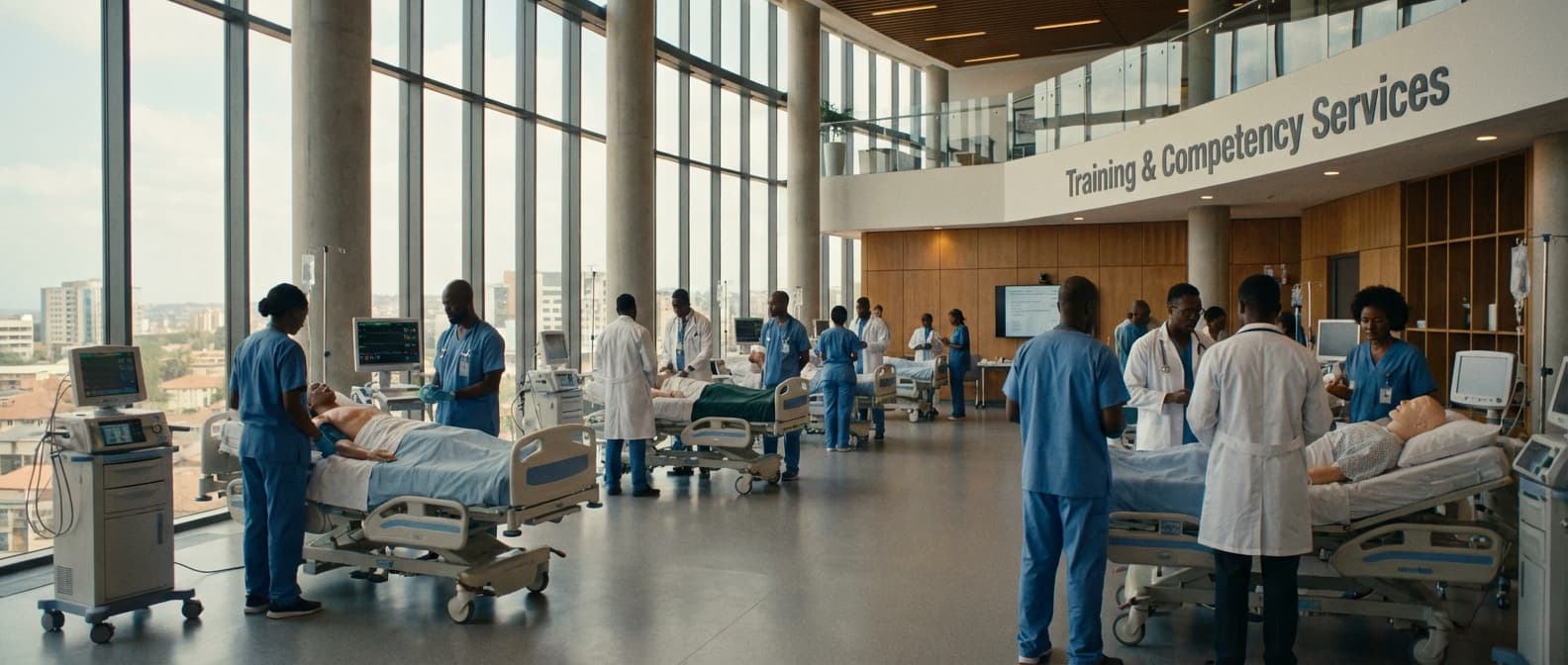
Gain practical expertise through extensive hands-on simulation sessions utilizing state-of-the-art ultrasound equipment. Our program emphasizes guided practice, real-time feedback, and dedicated mentorship from experienced sonographers, empowering participants to confidently apply learned protocols in their clinical settings.
What Is Ultrasound Application Training Service (Protocol-based) In Nigeria?
Ultrasound Application Training Service (Protocol-Based) in Nigeria refers to a specialized educational program designed to equip healthcare professionals with the theoretical knowledge and practical skills necessary to perform and interpret diagnostic ultrasound examinations according to established clinical protocols. This service focuses on standardized, step-by-step methodologies for acquiring ultrasound images and generating comprehensive reports, ensuring consistency, accuracy, and optimal patient care. The protocol-based approach emphasizes adherence to recognized guidelines and best practices for specific anatomical regions or pathological conditions.
| Application Area | Typical Use Cases |
|---|---|
| Obstetrics & Gynecology | Fetal biometry and dating, anatomical surveys, nuchal translucency measurement, amniotic fluid assessment, pelvic organ evaluation (uterus, ovaries), follicular monitoring for assisted reproductive technologies. |
| Abdominal Imaging | Liver, gallbladder, biliary tree, pancreas, spleen, kidney, and adrenal gland evaluation; ascites assessment; detection of masses, cysts, and organomegaly. |
| Vascular Ultrasound | Carotid artery stenosis assessment, deep vein thrombosis (DVT) evaluation of lower and upper extremities, peripheral arterial disease (PAD) assessment, evaluation of dialysis access grafts. |
| Small Parts & Musculoskeletal (MSK) | Thyroid gland evaluation (nodules, goiter), breast imaging (lumps, cysts), scrotum and testes assessment, joint effusions, tendon injuries, soft tissue masses. |
| Echocardiography (Cardiac) | Assessment of cardiac chamber size and function, valve integrity, detection of pericardial effusion, evaluation of congenital heart defects (requires specialized advanced training). |
| Emergency & Critical Care Ultrasound (e.g., FAST/RUSH exams) | Rapid assessment for trauma (hemoperitoneum, hemothorax), evaluation of undifferentiated hypotension, identification of pneumothorax, assessment of cardiac tamponade. |
| Urology | Kidney and bladder evaluation, assessment for hydronephrosis, prostate imaging (transabdominal and transrectal), evaluation of testicular pathology. |
Who Needs Ultrasound Application Training Service (Protocol-Based) in Nigeria?
- Radiologists and Radiology Residents seeking to enhance their proficiency in specific ultrasound modalities and applications.
- Sonographers (Diagnostic Medical Sonographers) requiring formal training or skill enhancement in protocol-driven examinations.
- Physicians in various specialties (e.g., Obstetrics & Gynecology, Internal Medicine, Emergency Medicine, Cardiology, Urology) who utilize ultrasound as a diagnostic tool and need to master specific protocols.
- Medical students and interns aiming to gain foundational or advanced knowledge in ultrasound imaging.
- Healthcare professionals in rural or underserved areas where access to specialized ultrasound expertise may be limited, necessitating standardized training for local practitioners.
- New graduates of diagnostic imaging programs seeking to bridge the gap between academic knowledge and practical, protocol-based clinical application.
Who Needs Ultrasound Application Training Service (Protocol-based) In Nigeria?
In Nigeria, the demand for Ultrasound Application Training Service (Protocol-Based) is driven by the critical need to improve diagnostic accuracy, enhance patient care, and ensure the efficient utilization of ultrasound technology across various healthcare settings. Protocol-based training provides a standardized, systematic approach to ultrasound examinations, ensuring consistency, reproducibility, and adherence to best practices. This structured learning is essential for healthcare professionals seeking to master specific ultrasound applications and interpret findings with greater confidence.
| Target Customer Category | Specific Departments/Roles |
|---|---|
| Hospitals (Government & Private) | Radiology Department, Obstetrics & Gynecology, Cardiology, Pediatrics, Emergency Medicine, Internal Medicine, Surgical Units (e.g., General Surgery, Urology) |
| Diagnostic Imaging Centers | Sonographers, Radiologists, Imaging Technologists |
| Tertiary Healthcare Institutions | Radiology, OB/GYN, Cardiology, Pediatrics, Medical School Faculty, Postgraduate Trainees |
| Maternity Clinics | Obstetricians, Gynecologists, Midwives trained in ultrasound, Sonographers specializing in obstetrics and gynecology |
| Primary Healthcare Centers | Doctors, Nurses with advanced training in point-of-care ultrasound (POCUS) |
| Medical Training Institutions | Medical Students (clinical years), Residents, Fellows, Radiology & Imaging Faculty, Allied Health Professionals |
| Specialized Clinics (e.g., Cardiology, Urology) | Cardiologists (for echocardiography), Urologists (for pelvic/prostate scans), specialized Sonographers |
Target Customers and Departments for Ultrasound Application Training Service (Protocol-Based) in Nigeria:
- Hospitals (Government and Private)
- Diagnostic Imaging Centers
- Tertiary Healthcare Institutions/University Teaching Hospitals
- Maternity Clinics and Specialized Women's Health Centers
- Primary Healthcare Centers (with advanced capabilities)
- Medical Training Institutions (for both students and faculty)
Ultrasound Application Training Service (Protocol-based) Process In Nigeria
This document outlines the typical workflow for Ultrasound Application Training Services (Protocol-Based) in Nigeria, from initial inquiry to the successful execution of the training. The process is designed to be comprehensive, ensuring both the provider and the trainee understand expectations, requirements, and deliverables.
| Stage | Key Activities | Responsible Parties | Deliverables/Outcomes | Typical Timeframe |
|---|---|---|---|---|
| Client contacts training provider with interest in ultrasound application training. Discusses specific training needs, target audience, current skill levels, and desired learning outcomes (e.g., specific protocols for obstetrics, abdominal, vascular). Provider may conduct a preliminary needs assessment to understand the scope. | Client (Hospital/Clinic/Individual), Training Provider | Understanding of client's requirements, identification of training gaps. | 1-3 Business Days |
| Based on the needs assessment, the training provider develops a detailed proposal outlining the training content, methodology (theory, hands-on), duration, learning objectives, trainer qualifications, and required equipment. A comprehensive quotation with costs is provided. | Training Provider | Formal Training Proposal, Detailed Quotation. | 3-5 Business Days |
| Client reviews the proposal and quotation. Negotiations may occur. Once terms are agreed upon, a formal Training Agreement or Contract is drafted and signed by both parties, specifying payment terms, cancellation policies, and intellectual property rights. | Client, Training Provider | Signed Training Agreement/Contract. | 5-7 Business Days |
| The training provider customizes the protocol-based curriculum to align precisely with the client's identified needs and the agreed-upon protocols. A training schedule (dates, times, location) is finalized in coordination with the client. | Training Provider (with client input) | Customized Training Syllabus/Manual, Finalized Training Schedule. | 7-10 Business Days |
| This includes: Trainer mobilization, ensuring necessary ultrasound equipment and simulation models are available and functional at the training venue. Sending pre-reading materials or questionnaires to trainees. Confirming venue logistics (room setup, AV equipment). | Training Provider, Client (for venue access/setup) | Prepared training materials, functional equipment, confirmed venue. | 1-2 Weeks prior to training |
| The training is conducted according to the agreed schedule and curriculum. This typically involves theoretical sessions (lectures, case studies) followed by extensive hands-on practical sessions on ultrasound machines using phantoms, simulators, or patient volunteers (with appropriate ethical approvals and consent) for specific protocols. | Training Provider (Trainer), Trainees | Active participation, skill demonstration, understanding of protocols. | Duration varies based on training scope (e.g., 3 days to 2 weeks) |
| Trainees undergo assessments (e.g., written tests, practical demonstrations) to evaluate their comprehension and skill acquisition. Feedback forms are distributed to trainees and potentially supervisors to gather input on the training effectiveness, trainer performance, and curriculum. | Training Provider, Trainees | Completed assessment results, Trainee feedback reports. | Immediately after training |
| Upon successful completion of assessments, trainees receive certificates of completion. The training provider may offer follow-up support, such as refresher courses, online resources, or limited consultation to address any lingering questions or challenges encountered during practice. | Training Provider | Training Certificates, Post-training support plan. | Within 1-2 Weeks post-training |
Ultrasound Application Training Service (Protocol-Based) Workflow in Nigeria
- Initial Inquiry & Needs Assessment
- Proposal & Quotation Development
- Agreement & Contract Finalization
- Training Program Customization & Scheduling
- Pre-Training Preparations
- Training Delivery & Execution
- Post-Training Evaluation & Feedback
- Certification & Follow-up Support
Ultrasound Application Training Service (Protocol-based) Cost In Nigeria
The cost of Ultrasound Application Training Services (Protocol-Based) in Nigeria is subject to a variety of factors, significantly influencing the final price. These services are crucial for medical professionals seeking to enhance their diagnostic skills in specific ultrasound modalities or protocols. The pricing structure is generally not fixed and can fluctuate based on the provider's reputation, the complexity of the training, and the resources utilized. Understanding these elements is key for institutions and individuals budgeting for such specialized education.
| Training Type | Estimated Cost Range (NGN) | Notes |
|---|---|---|
| Basic Abdominal/Pelvic Ultrasound Protocol Training (e.g., 3-5 days) | ₦80,000 - ₦250,000 | Focuses on foundational scanning techniques and interpretation for common pathologies. |
| Obstetric Ultrasound Protocol Training (e.g., 5-7 days) | ₦150,000 - ₦400,000 | Includes detailed scans for dating, anomaly, and growth monitoring, often with Doppler. |
| Echocardiography/Cardiac Ultrasound Protocol Training (e.g., 7-10 days) | ₦250,000 - ₦700,000+ | Advanced techniques for cardiac assessment, often requiring specialized equipment and expertise. |
| Musculoskeletal (MSK) Ultrasound Protocol Training (e.g., 3-5 days) | ₦120,000 - ₦350,000 | Covers scanning of joints, tendons, and soft tissues for various conditions. |
| Vascular Ultrasound Protocol Training (e.g., 5-7 days) | ₦200,000 - ₦550,000 | Focuses on Doppler techniques for assessing blood flow in arteries and veins. |
| Advanced/Specialized Modality Training (e.g., 10+ days, one-on-one) | ₦500,000 - ₦1,500,000+ | Highly customized or in-depth training in niche areas, often with extensive hands-on time. |
| Refresher/Continuing Professional Development (CPD) Courses (e.g., 1-2 days) | ₦40,000 - ₦150,000 | Shorter courses focusing on updates or specific skill refinement. |
Key Pricing Factors for Ultrasound Application Training Services (Protocol-Based) in Nigeria:
- Provider's Reputation and Expertise: Established training centers or highly regarded sonographers with extensive experience often command higher fees due to their perceived quality and success rates.
- Training Modality/Specialization: Training in highly specialized areas like obstetric Doppler, musculoskeletal ultrasound, or advanced cardiac imaging will typically be more expensive than general abdominal or pelvic ultrasound training.
- Duration and Intensity of Training: Longer and more intensive programs, involving more hands-on practice and theoretical depth, naturally incur higher costs.
- Number of Participants: Group training often has a per-participant cost that is lower than individual or one-on-one training sessions.
- Location of Training: Training conducted in major cities like Lagos or Abuja might have higher overheads, potentially reflecting in the cost compared to training in smaller towns.
- Equipment and Resources Provided: Access to advanced ultrasound machines, simulation models, and comprehensive training materials can influence the pricing.
- Certification and Assessment: Programs that include formal certification exams or rigorous assessments may charge more for the added value and validation.
- Accreditation and Affiliation: Training provided by institutions accredited by professional bodies or affiliated with reputable medical schools might carry a premium.
- Customization of Curriculum: Tailoring the training protocol to specific institutional needs or advanced research requirements can increase the cost.
- Inclusion of Accommodation and Meals: Some comprehensive training packages might include living expenses, which will obviously add to the overall cost.
Affordable Ultrasound Application Training Service (Protocol-based) Options
Our affordable ultrasound application training service focuses on delivering comprehensive, protocol-based education to equip sonographers and medical professionals with the skills and knowledge necessary for accurate and efficient diagnostic imaging. We understand the financial considerations of professional development and have structured our offerings to be both high-quality and cost-effective. Our training emphasizes standardized protocols to ensure consistency and adherence to best practices across various ultrasound applications. This approach not only enhances diagnostic confidence but also contributes to optimized workflow and resource utilization.
| Value Bundle Name | Included Services | Ideal For | Cost-Saving Strategy | Price (Example) |
|---|---|---|---|---|
| Core Application Bundle | Training in 2-3 core ultrasound applications (e.g., Abdomen, Pelvis, OB/GYN). Includes protocol manuals, virtual live sessions, and recorded lectures. | New sonographers, general imaging departments, those needing foundational skills. | Bundled pricing offers a discount compared to individual module purchases. Maximizes foundational knowledge for a broad range of common scans. | $750 - $1200 per participant |
| Specialty Focus Bundle | In-depth training for 1-2 specialized applications (e.g., Echocardiography, Vascular, Small Parts). Includes advanced protocols, expert Q&A sessions, and case reviews. | Sonographers seeking to specialize, departments with specific advanced imaging needs. | Deeper expertise in niche areas can lead to improved diagnostic accuracy and reduced need for external consultations, saving time and resources. | $900 - $1500 per participant |
| Team & Departmental Package | Customizable training for a group of 5+ staff, covering multiple core and/or specialty applications. Includes on-site or dedicated virtual sessions, site-specific protocol review, and ongoing support. | Hospitals, clinics, and imaging centers looking to upskill entire teams or implement new protocols. | Significant per-person discount for groups. Promotes consistent practice standards across the department, reducing errors and improving efficiency. Bulk purchasing power. | Contact for custom quote (typically 10-20% discount on individual pricing) |
| On-Demand Learning Subscription | Unlimited access to a library of pre-recorded ultrasound application modules and protocol guides for a specified period (e.g., 6-12 months). | Individuals or departments seeking flexible, self-paced learning and continuous skill enhancement. | Cost-effective for ongoing learning and refreshing skills. Eliminates travel costs associated with in-person training. Accessible anytime, anywhere. | $300 - $600 per user per year |
Key Features of Our Protocol-Based Training:
- Expert-Led Instruction: Training delivered by experienced sonographers and radiologists with extensive practical and teaching experience.
- Standardized Protocols: Focus on universally accepted and evidence-based ultrasound protocols for a wide range of applications.
- Hands-On Practice: Opportunities for supervised scanning on phantoms or simulated patient scenarios to reinforce learning.
- Case Study Analysis: Review of real-world cases to understand diagnostic challenges and protocol application.
- Customizable Modules: Ability to tailor training content to specific departmental needs or specialty areas.
- Flexible Learning Formats: Options for in-person workshops, virtual live sessions, and on-demand e-learning modules.
- Certification & Assessment: Optional assessment and certification to validate acquired skills and knowledge.
Verified Providers In Nigeria
In Nigeria's rapidly evolving healthcare landscape, discerning reliable and accredited medical professionals is paramount for patient safety and effective treatment. Verified Providers in Nigeria signifies a commitment to quality, ethical practice, and adherence to rigorous standards. This is where Franance Health shines, offering a transparent and trustworthy gateway to exceptional healthcare. Franance Health's credentials are built upon a foundation of stringent vetting processes, ensuring that every provider on their platform meets the highest benchmarks of expertise, experience, and patient care. They represent the best choice for individuals seeking accessible, high-quality medical services due to their dedication to transparency, patient-centric approach, and unwavering commitment to upholding the integrity of the healthcare system.
| Credential Category | Franance Health's Verification Standard | Benefit to Patients |
|---|---|---|
| Medical Licenses & Certifications | Up-to-date and verified with relevant Nigerian medical boards (e.g., MDCN). | Ensures providers are legally qualified and competent to practice. |
| Educational Background & Specialization | Verification of degrees, postgraduate training, and recognized specializations. | Guarantees appropriate expertise for specific medical needs. |
| Professional Experience | Thorough review of past work history, including years of practice and hospital affiliations. | Confirms practical experience and familiarity with various medical scenarios. |
| Good Standing & Disciplinary Records | Checks for any past or present disciplinary actions from regulatory bodies. | Protects patients from practitioners with a history of misconduct. |
| Specialized Training & Certifications | Verification of advanced training and certifications in specific procedures or fields (e.g., cardiology, pediatrics). | Access to highly skilled specialists for complex or niche medical requirements. |
| Patient Feedback & Testimonials | Collection and moderation of verified patient reviews and ratings. | Provides real-world insights into provider bedside manner, effectiveness, and overall patient satisfaction. |
Why Franance Health's Verified Providers are the Best Choice in Nigeria:
- Uncompromising Accreditation and Licensing:
- Rigorous Professional Vetting:
- Commitment to Ethical Practices:
- Patient-Centric Approach:
- Enhanced Patient Safety:
- Transparency and Trustworthiness:
- Comprehensive Service Offerings:
- Continuous Quality Improvement:
Scope Of Work For Ultrasound Application Training Service (Protocol-based)
This Scope of Work (SOW) outlines the requirements for a protocol-based Ultrasound Application Training Service. The service aims to equip trainees with the knowledge and practical skills necessary to perform and interpret ultrasound examinations according to established protocols. This document details the technical deliverables and standard specifications for the training program.
| Category | Description | Standard Specifications / Requirements |
|---|---|---|
| Training Methodology | Delivery of ultrasound training based on pre-defined, approved protocols. | Training must adhere to the latest versions of relevant professional body guidelines (e.g., AIUM, EFSUMB) and client-specific protocols. A blended learning approach is preferred, incorporating didactic lectures, case studies, interactive sessions, and practical hands-on scanning. |
| Curriculum Development & Customization | Development or adaptation of training modules for specific ultrasound applications. | Modules to cover: ultrasound physics, machine operation, probe selection, protocol-driven image acquisition, normal anatomy, common pathologies, image optimization, and reporting guidelines. Customization to client's specific equipment and patient population needs is required. |
| Hands-on Training | Practical application of learned concepts on ultrasound equipment. | Minimum of X hours (to be specified per module) of supervised hands-on scanning time per trainee. Training to be conducted on high-fidelity ultrasound simulators and/or with real patients under strict supervision. Trainees must demonstrate proficiency in executing all steps of the specified protocol. |
| Assessment & Evaluation | Methods for assessing trainee comprehension and skill acquisition. | Includes pre-training knowledge assessment, in-session quizzes, practical scanning evaluations based on protocol adherence and image quality, and post-training competency assessment. Pass/fail criteria for each assessment stage must be clearly defined. |
| Reporting & Documentation | Provision of training materials and progress reports. | Digital or physical training manuals, protocol guides, and case study materials. Regular progress reports for each trainee, including assessment results and areas for improvement. Final certificate of completion upon successful attainment of competency. |
| Instructor Qualifications | Expertise of the training personnel. | Instructors must be certified ultrasound professionals with extensive clinical experience in the specific application being taught. Demonstrable experience in adult education and curriculum delivery is essential. Instructor-to-trainee ratio should not exceed 1:X (e.g., 1:4) for hands-on sessions. |
| Equipment & Simulation Requirements | Types of equipment and simulation tools to be used. | Access to modern, high-quality ultrasound machines with appropriate transducers for each application. Availability of advanced ultrasound simulators with realistic anatomical models and pathology simulation capabilities. Training environment to mimic clinical settings where possible. |
| Technical Deliverables | Tangible outputs from the training service. |
|
| Service Level Agreements (SLAs) | Performance metrics and quality standards. | Training to be delivered within agreed timelines. Minimum trainee satisfaction score of X%. Successful completion rate of Y% for the program. Response time for instructor queries within Z business hours. Uptime guarantee for simulator access (if applicable). |
Service Objectives
- To ensure trainees understand and can accurately apply standardized ultrasound protocols for various examinations.
- To develop competency in operating ultrasound equipment and selecting appropriate settings.
- To enhance diagnostic accuracy through proper image acquisition and interpretation.
- To provide hands-on experience under expert supervision.
- To foster critical thinking and problem-solving skills related to ultrasound procedures.
Service Level Agreement For Ultrasound Application Training Service (Protocol-based)
This Service Level Agreement (SLA) outlines the response times and uptime guarantees for the Ultrasound Application Training Service, which operates on a protocol-based framework. The service aims to ensure timely access to training materials, support, and a consistent operational environment for users.
| Service Element | Definition | Target | Measurement Method |
|---|---|---|---|
| Response Time for Critical Issues | The maximum time allowed for the training platform's support team to acknowledge and begin addressing a critical issue reported by the customer. | 1 Hour | Automated ticket system timestamp for initial response (email, portal ticket). |
| Response Time for Standard Issues | The maximum time allowed for the training platform's support team to acknowledge and begin addressing a standard issue reported by the customer. | 4 Business Hours | Automated ticket system timestamp for initial response (email, portal ticket). |
| System Uptime Guarantee | The percentage of time the Ultrasound Application Training Service is available and operational for users, excluding scheduled maintenance. | 99.5% per calendar month | Monitoring tools tracking application accessibility and functionality. Uptime is calculated as (Total Minutes in Month - Downtime Minutes) / Total Minutes in Month. |
| Data Backup and Recovery | Ensuring that all training data and user progress are regularly backed up and can be restored within a specified timeframe in case of data loss. | Daily Backups, 24-Hour Recovery Time Objective (RTO) | Internal backup logs and successful restore test reports. RTO measured from the point of confirmed data loss. |
Key Performance Indicators (KPIs)
- Response Time for Critical Issues
- Response Time for Standard Issues
- System Uptime Guarantee
- Data Backup and Recovery
Frequently Asked Questions

Ready when you are
Let's scope your Ultrasound Application Training Service (Protocol-Based) in Nigeria project in Nigeria.

Scaling healthcare logistics and technical systems across the entire continent.