
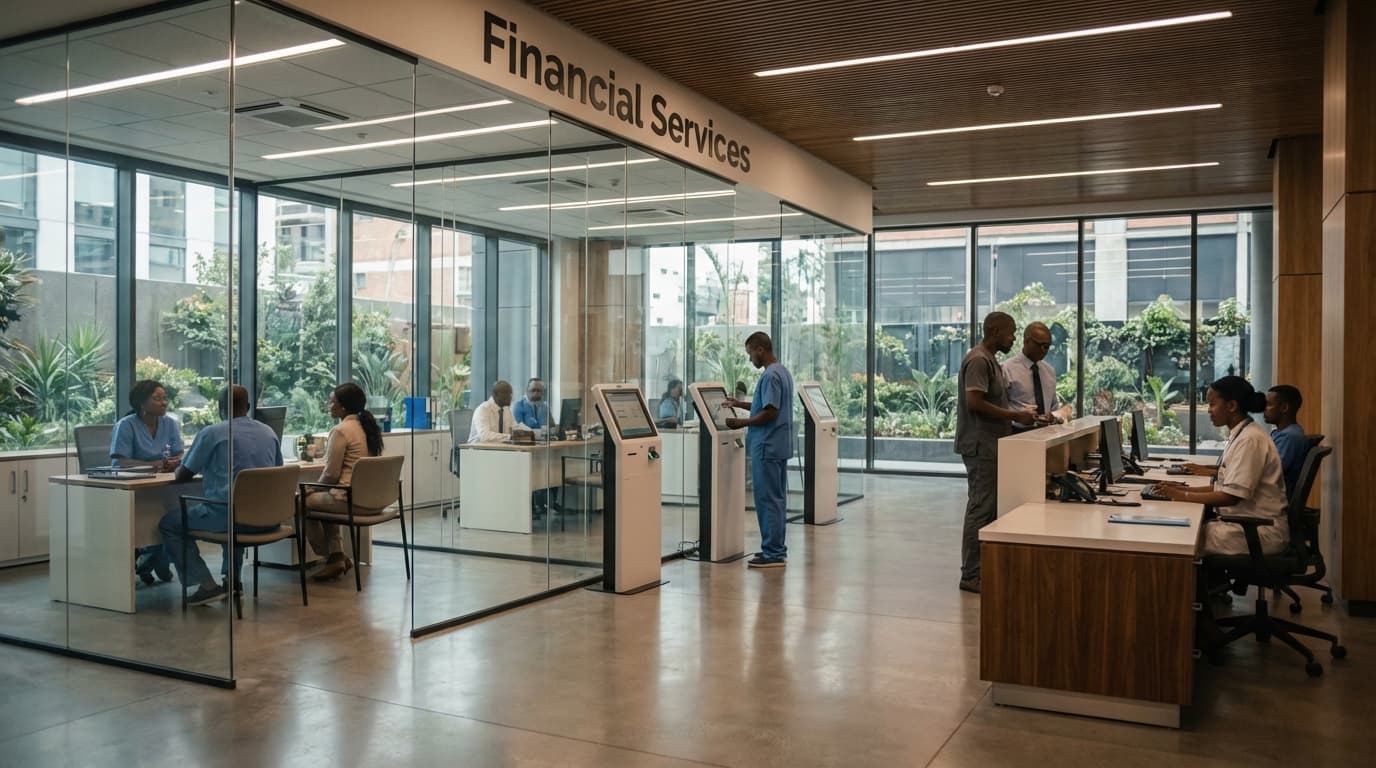
Medical Equipment Financing in Nigeria
Engineering Excellence & Technical Support
Leasing and financing solutions for medical equipment High-standard technical execution following OEM protocols and local regulatory frameworks.
Access to Advanced Diagnostic Equipment
Unlock financing for state-of-the-art MRI, CT scanners, ultrasound machines, and laboratory equipment, empowering Nigerian healthcare providers to offer cutting-edge diagnostics and improve patient outcomes.
Flexible Repayment Plans Tailored to Healthcare Cashflow
Benefit from customizable repayment schedules designed to align with the revenue cycles of hospitals and clinics, ensuring manageable debt servicing and sustained operational efficiency.
Scalable Financing for Practice Growth and Expansion
Secure funding to acquire new medical technologies, expand clinic capacity, or establish new healthcare facilities, enabling sustainable growth and increased service delivery across Nigeria.
What Is Medical Equipment Financing In Nigeria?
Medical Equipment Financing in Nigeria refers to specialized financial solutions designed to facilitate the acquisition of medical equipment by healthcare providers within the Nigerian context. This service involves lending institutions, often commercial banks, specialized finance companies, or development finance institutions, providing capital for the purchase, lease, or upgrade of medical devices, diagnostic machinery, surgical instruments, laboratory equipment, and other essential healthcare infrastructure.
| Who Needs Medical Equipment Financing? | Typical Use Cases |
|---|---|
| Hospitals and Clinics (Public & Private): To upgrade outdated equipment, expand service offerings, or establish new specialized units (e.g., cardiology, oncology, radiology). | Acquisition of MRI scanners, CT scanners, X-ray machines, ultrasound devices, and advanced surgical equipment. |
| Diagnostic Laboratories: To invest in state-of-the-art laboratory analyzers, microscopes, and sample processing systems to improve accuracy and turnaround times. | Purchase of automated immunoassay analyzers, PCR machines, and advanced microscopy equipment. |
| Specialty Medical Centers: For facilities focused on specific medical disciplines requiring highly specialized and expensive machinery. | Financing for dialysis machines, radiotherapy equipment, and ophthalmic surgical lasers. |
| Medical Training Institutions: To equip teaching hospitals and laboratories with modern medical devices for educational and research purposes. | Procurement of simulation equipment, anatomical models, and advanced surgical simulators. |
| Emerging Healthcare Entrepreneurs: Start-ups or new entrants aiming to establish or expand healthcare facilities. | Initial setup of a primary healthcare clinic or a specialized diagnostic center. |
Key Aspects of Medical Equipment Financing in Nigeria:
- Purpose: To bridge the capital expenditure gap for healthcare entities seeking to enhance their diagnostic, treatment, and patient care capabilities.
- Financial Instruments: This can encompass term loans, operating leases, finance leases, and other structured financing mechanisms tailored to the lifecycle and depreciation of medical assets.
- Collateralization: Typically, the financed equipment itself serves as collateral, though additional security may be required depending on the borrower's financial standing.
- Repayment Structures: Flexible repayment schedules are often offered, aligned with the revenue streams generated by the utilization of the equipment.
- Risk Assessment: Lenders conduct thorough due diligence on the borrower's financial health, operational capacity, and the market demand for the services the equipment will provide.
Who Needs Medical Equipment Financing In Nigeria?
Medical equipment financing in Nigeria is a critical service designed to bridge the gap between the high cost of advanced medical technology and the financial capabilities of healthcare providers. This financing helps institutions acquire essential equipment, thereby improving diagnostic accuracy, treatment efficacy, and overall patient care. It empowers healthcare facilities to stay competitive, adopt innovative solutions, and meet the growing healthcare demands of the Nigerian population. Without accessible financing, many facilities would be forced to operate with outdated or insufficient equipment, significantly hindering their ability to provide quality medical services.
| Target Customer Segment | Key Departments Requiring Equipment | Typical Equipment Needs |
|---|---|---|
| Large Hospitals (Tertiary/Teaching) | Radiology, Cardiology, Oncology, Neurology, Intensive Care Unit (ICU), Operating Theatre, Emergency Room, Pathology, Laboratory Services | MRI machines, CT scanners, advanced X-ray units, digital angiography systems, linear accelerators, high-end ultrasound machines, ventilators, dialysis machines, sophisticated laboratory analyzers, endoscopes, surgical robots (emerging need). |
| Medium to Large Private Hospitals | Radiology, Surgery, Gynecology, Pediatrics, Internal Medicine, Laboratory Services, Pharmacy | Ultrasound machines, X-ray units, basic CT scanners, ECG machines, vital signs monitors, patient beds, laboratory equipment, sterilization units, minor surgical equipment. |
| Specialty Clinics (e.g., Cardiology, Oncology) | Cardiology/Diagnostic Imaging, Oncology Treatment, Interventional Procedures | ECG machines, Holter monitors, echocardiogram machines, cardiac catheterization labs, linear accelerators, chemotherapy infusion pumps, radiation therapy equipment, diagnostic imaging for specific conditions. |
| Diagnostic Laboratories & Imaging Centers | Hematology, Biochemistry, Microbiology, Immunology, Radiology, Pathology | Automated analyzers (hematology, chemistry), PCR machines, DNA sequencers, microscopes, digital X-ray, mammography, CT scanners, MRI scanners (for imaging centers). |
| Primary Healthcare Centers (PHCs) & Small Clinics | General Practice, Basic Diagnostics, Minor Procedures, Maternal & Child Health | Basic diagnostic kits, digital thermometers, blood pressure monitors, glucometers, basic microscopes, small centrifuges, sterilization equipment, basic examination beds. |
| Medical Training Institutions | Anatomy, Physiology, Pathology, Surgery (teaching hospitals) | Anatomical models, simulation equipment, laboratory equipment for teaching, diagnostic equipment for training hospitals. |
Who Needs Medical Equipment Financing in Nigeria? Target Customers and Departments
- Hospitals (Public and Private)
- Specialty Clinics (e.g., Cardiology, Oncology, Radiology)
- Diagnostic Laboratories
- Pathology Centers
- Imaging Centers
- Primary Healthcare Centers (PHCs) looking to upgrade
- Medical Training Institutions (for teaching hospitals)
- Research Institutions
Medical Equipment Financing Process In Nigeria
The medical equipment financing process in Nigeria involves a structured workflow to ensure that healthcare providers can acquire necessary equipment through loans or leasing arrangements. This process is crucial for upgrading healthcare infrastructure and improving patient care. The typical workflow commences with an inquiry from a healthcare institution or individual seeking financing, and culminates in the successful acquisition and installation of the equipment.
| Stage | Description | Key Activities | Responsible Parties |
|---|---|---|---|
| Inquiry & Initial Consultation | The prospective borrower (healthcare provider) expresses interest in financing medical equipment. | Contacting the financial institution, understanding financing options, preliminary discussions on needs and capabilities. | Healthcare Provider, Financing Institution Representative |
| Application Submission | The borrower formally applies for financing. | Completing the financing application form, providing necessary business and personal information. | Healthcare Provider, Financing Institution |
| Document Verification & Due Diligence | The financing institution verifies the authenticity and accuracy of submitted documents. | Checking of identification, business registration, financial statements, licenses, permits, and existing debt profiles. | Financing Institution (Credit Department, Legal Team) |
| Credit Assessment & Risk Evaluation | Assessing the borrower's creditworthiness and the risk associated with the loan. | Analyzing financial history, repayment capacity, cash flow projections, and market stability of the healthcare facility. | Financing Institution (Credit Analysts, Risk Management) |
| Equipment Identification & Quotation | The borrower identifies the specific medical equipment required and obtains official quotations. | Sourcing reputable suppliers, obtaining detailed specifications, pricing, warranties, and delivery timelines for the equipment. | Healthcare Provider, Equipment Suppliers |
| Approval & Offer | The financing institution makes a decision on the application and communicates the terms. | Issuing a sanction letter or offer letter detailing loan amount, interest rate, repayment period, collateral requirements, and other terms and conditions. | Financing Institution (Sanctioning Committee, Relationship Manager) |
| Contract Negotiation & Signing | Finalizing the terms of the financing agreement and signing. | Reviewing and negotiating the loan/lease agreement, mortgage/deed of assignment if applicable, and other legal documents. | Healthcare Provider, Financing Institution (Legal Department) |
| Disbursement & Purchase | The financing institution releases the funds to facilitate the purchase of the equipment. | Direct disbursement to the equipment supplier or to the borrower's account, based on agreed terms. Purchase order issuance. | Financing Institution, Healthcare Provider, Equipment Supplier |
| Equipment Installation & Delivery | The purchased equipment is delivered and installed at the healthcare facility. | Coordinating logistics, installation by qualified technicians, and initial inspection by the borrower and financing institution. | Equipment Supplier, Healthcare Provider, Financing Institution (for verification) |
| Post-Disbursement Monitoring & Repayment | Ongoing oversight of the loan and ensuring timely repayment. | Regular communication, tracking loan performance, managing repayments, and ensuring equipment maintenance. | Financing Institution, Healthcare Provider |
Key Stages in the Medical Equipment Financing Process in Nigeria:
- Inquiry & Initial Consultation
- Application Submission
- Document Verification & Due Diligence
- Credit Assessment & Risk Evaluation
- Equipment Identification & Quotation
- Approval & Offer
- Contract Negotiation & Signing
- Disbursement & Purchase
- Equipment Installation & Delivery
- Post-Disbursement Monitoring & Repayment
Medical Equipment Financing Cost In Nigeria
Financing medical equipment in Nigeria involves a range of costs influenced by several factors, making it crucial for healthcare providers to understand these dynamics for accurate budgeting and planning. The pricing is primarily driven by the equipment's type and complexity, its brand and origin, the financing tenor (loan duration), interest rates offered by financial institutions, and associated fees. The specific market conditions, including import duties, currency exchange rates, and the lender's risk assessment, also play significant roles. Consequently, the cost of financing can vary considerably, impacting the overall affordability of acquiring essential medical technologies for Nigerian healthcare facilities.
| Financing Cost Component | Typical Range (Illustrative - in Nigerian Naira - NGN) | Notes |
|---|---|---|
| Equipment Purchase Price (Excluding financing) | 500,000 - 500,000,000+ | Highly variable based on equipment type, brand, and origin. This forms the principal for financing. |
| Upfront Down Payment (if applicable) | 10% - 30% of equipment price | Some financiers may require a down payment to reduce their risk. |
| Annual Interest Rate (Indicative) | 18% - 35% (and potentially higher) | Subject to CBN policy, bank rates, and borrower's credit score. Highly variable. |
| Loan Tenor (Months) | 12 - 60 months | Shorter tenors mean higher monthly payments but lower total interest. |
| Loan Processing/Arrangement Fee | 1% - 5% of loan amount | A one-time fee charged by the lender. |
| Legal and Documentation Fees | 50,000 - 500,000+ | Covers legal agreements, registration, etc. Varies with complexity. |
| Valuation Fee (for equipment) | 20,000 - 200,000+ | To assess the market value of the equipment being financed. |
| Insurance Premium (Annual) | 1% - 3% of outstanding loan balance | Often mandatory to cover the financed asset against damage or theft. |
| Total Financing Cost (Illustrative - for a NGN 10,000,000 loan over 36 months at 25% interest) | Approximately NGN 5,000,000 - NGN 10,000,000+ (in interest and fees) | This is a rough estimation. Actual cost will depend on all factors listed. The monthly repayment would be in the range of NGN 400,000 - NGN 450,000. |
Key Pricing Factors for Medical Equipment Financing in Nigeria:
- Equipment Type and Complexity: Advanced diagnostic machines (MRI, CT scanners) or complex surgical equipment will have higher financing costs than simpler devices like stethoscopes or basic examination tables.
- Equipment Brand and Origin: Premium international brands generally command higher prices and potentially higher financing costs compared to generic or locally sourced equipment. Importation costs, including shipping and customs duties, are significant contributors.
- Financing Tenor (Loan Duration): Longer repayment periods often result in higher total interest paid, though the monthly installments might be lower. Shorter tenors mean higher monthly payments but less overall interest.
- Interest Rates: These are dictated by the Central Bank of Nigeria's monetary policy, commercial bank lending rates, and the borrower's creditworthiness. Rates can fluctuate significantly.
- Associated Fees: This includes loan processing fees, administrative charges, legal documentation fees, and potentially insurance premiums for the financed equipment.
- Currency Exchange Rates: For imported equipment, fluctuations in the Naira against major currencies (USD, EUR) directly impact the local currency cost and, consequently, the financing amount and its interest.
- Lender's Risk Assessment: The financial health and credit history of the borrowing institution will influence the interest rate and terms offered.
- Market Demand and Competition: Higher demand for specific equipment or intense competition among financing providers can sometimes lead to more favorable pricing.
- Inflationary Pressures: General inflation in Nigeria can also drive up the nominal cost of equipment and financing over time.
Affordable Medical Equipment Financing Options
Securing affordable medical equipment financing is crucial for healthcare providers to maintain modern and efficient operations. Beyond standard loans, exploring value bundles and implementing smart cost-saving strategies can significantly reduce the overall financial burden. Value bundles often combine equipment acquisition with additional services, potentially offering a more comprehensive and cost-effective solution than purchasing items piecemeal. Cost-saving strategies focus on optimizing the entire lifecycle of medical equipment, from acquisition to disposal, ensuring maximum return on investment and minimizing unnecessary expenses.
| Cost-Saving Strategy | Description | Implementation Tips |
|---|---|---|
| Leasing vs. Buying | Leasing offers lower upfront costs and allows for regular technology upgrades, while buying provides ownership and potential long-term cost savings if equipment is used for its full lifespan. | Analyze usage patterns and technology obsolescence rates. Consider operating leases for frequent upgrades versus finance leases or outright purchase for stable technology. |
| Refurbished Equipment | Purchasing certified pre-owned or refurbished medical equipment can offer significant savings compared to new models, often with warranties. | Partner with reputable refurbishers. Thoroughly vet the equipment's history, certifications, and warranty terms. Ensure compatibility with existing systems. |
| Negotiate Service Contracts | Don't accept standard maintenance contracts at face value. Negotiate terms, coverage levels, response times, and pricing. | Benchmark contract costs with other providers. Bundle service contracts with the initial purchase or lease if possible. Consider third-party service providers for cost-effectiveness. |
| Equipment Utilization Management | Maximize the use of existing equipment to avoid unnecessary purchases and reduce idle assets. | Implement scheduling systems and track equipment usage. Identify underutilized equipment and explore sharing or outsourcing options. Train staff on efficient operation. |
| Strategic Sourcing and Group Purchasing Organizations (GPOs) | Leverage the buying power of GPOs to secure discounted pricing on equipment and supplies. Explore direct vendor relationships for larger purchases. | Join relevant GPOs. Actively participate in their purchasing programs. Conduct thorough due diligence on GPO offerings and vendor agreements. |
| Lifecycle Management | Plan for the entire lifecycle of equipment, including maintenance, upgrades, and eventual disposal. | Develop a comprehensive asset management plan. Budget for ongoing maintenance and potential upgrades. Explore resale or recycling options for end-of-life equipment. |
| Preventive Maintenance | Regularly scheduled maintenance can prevent costly breakdowns and extend the lifespan of equipment. | Adhere to manufacturer recommendations for preventive maintenance schedules. Train in-house biomedical staff or ensure outsourced maintenance providers are diligent. |
Understanding Value Bundles in Medical Equipment Financing
- Definition: Value bundles are packages that integrate the purchase or lease of medical equipment with complementary services. These services can include installation, maintenance contracts, training, software updates, and even consumables.
- Benefits:
- Integrated Support: Simplifies procurement and management by having all aspects covered by a single provider.
- Predictable Costs: Offers greater certainty in budgeting by bundling operational expenses with the initial acquisition.
- Potential Discounts: Providers may offer bundled packages at a reduced overall cost compared to individual purchases.
- Enhanced Efficiency: Ensures equipment is properly installed, maintained, and operated from the outset, minimizing downtime and maximizing utilization.
- Customization: Many vendors allow for customization of bundles to meet specific healthcare facility needs.
- Examples:
- An MRI machine bundled with installation, a 5-year comprehensive maintenance plan, and advanced imaging software training.
- A suite of diagnostic lab equipment including analyzers, reagents, calibration services, and remote technical support.
- A fleet of patient monitoring systems with integrated data management software and on-site user training.
Verified Providers In Nigeria
In Nigeria's rapidly evolving healthcare landscape, identifying reliable and qualified healthcare providers is paramount for individuals seeking quality medical services. Verified providers stand out by demonstrating adherence to rigorous standards, ethical practices, and a commitment to patient well-being. Franance Health has established itself as a leading force in this domain, diligently vetting and credentialing healthcare professionals and facilities across the nation. Their meticulous verification process ensures that patients are connected with providers who possess the necessary expertise, experience, and are equipped with the appropriate resources to deliver exceptional care. Choosing a verified provider through Franance Health offers peace of mind, knowing you are entrusting your health to competent and reputable professionals, thereby mitigating risks and ensuring a higher standard of medical outcomes.
| Verification Aspect | Franance Health's Standard | Benefit to Patients |
|---|---|---|
| Professional Licensing | Confirmed current and valid medical licenses | Ensures practitioners are legally authorized to practice |
| Educational Qualifications | Verification of degrees, certifications, and specialized training | Confirms appropriate knowledge and expertise |
| Clinical Experience | Assessment of years of practice and relevant case experience | Indicates practical skill and familiarity with conditions |
| Ethical Conduct | Review of professional history and adherence to medical ethics | Promotes patient trust and responsible care |
| Facility Standards (for clinics/hospitals) | Evaluation of infrastructure, equipment, and hygiene protocols | Guarantees a safe and well-equipped environment for treatment |
Why Franance Health Verified Providers are the Best Choice:
- Uncompromising Quality Assurance: Franance Health's stringent verification process goes beyond basic licensing, encompassing a thorough review of credentials, qualifications, experience, and adherence to ethical guidelines.
- Enhanced Patient Safety: By partnering with verified providers, patients are assured of receiving care from professionals who meet the highest safety and competency standards, reducing the risk of medical errors.
- Access to Specialized Expertise: Franance Health helps connect patients with a diverse network of verified specialists, ensuring they can find the right expertise for their specific medical needs.
- Transparency and Trust: The verification process fosters transparency, allowing patients to make informed decisions with confidence, knowing they are engaging with credible healthcare entities.
- Streamlined Healthcare Navigation: Franance Health simplifies the process of finding reliable healthcare, saving patients valuable time and reducing the stress often associated with seeking medical attention.
- Commitment to Continuous Improvement: Verified providers associated with Franance Health are often committed to ongoing professional development and maintaining high standards of care, reflecting a dedication to excellence.
Scope Of Work For Medical Equipment Financing
This Scope of Work (SOW) outlines the requirements for the provision of medical equipment financing services. The primary objective is to secure favorable financing terms for the acquisition of new and/or upgraded medical equipment as specified herein. This SOW details the technical deliverables expected from the financing provider and the standard specifications that the financed equipment must adhere to.
| Equipment Category | Standard Specifications | Minimum Performance Requirements | Regulatory Compliance |
|---|---|---|---|
| Imaging Equipment (MRI, CT Scanner, X-ray) | Latest generation technology, high resolution, advanced imaging software capabilities, user-friendly interface. | Minimum signal-to-noise ratio (SNR) as per industry standards for modality, rapid scan times, low radiation dose (where applicable). | FDA approval/clearance, CE marking, adherence to DICOM standards, patient safety certifications. |
| Surgical Equipment (Laparoscopic Systems, Robotic Surgery Units) | High definition (HD) or ultra-high definition (UHD) displays, advanced articulation, precise instrument control, integrated video recording. | Minimum degrees of freedom for robotic arms, latency below industry benchmark, sterile field integrity. | FDA approval/clearance, CE marking, compliance with ISO 13485 for medical device manufacturing. |
| Diagnostic Laboratory Equipment (Automated Analyzers, PCR Machines) | High throughput capacity, broad test menu, integrated quality control (QC) features, barcode scanning, LIS connectivity. | Minimum accuracy and precision levels for critical parameters, specified turnaround time for common tests. | FDA approval/clearance, CE marking, CLIA certification for specific analyzers. |
| Patient Monitoring Systems | Continuous monitoring of vital signs (ECG, SpO2, NIBP, respiration), advanced alarm management, wireless connectivity options, EMR integration. | Accuracy within accepted clinical tolerances for all parameters, robust data transmission reliability. | FDA approval/clearance, CE marking, adherence to relevant IEC standards for medical electrical equipment. |
| Therapeutic Equipment (Ventilators, Infusion Pumps) | Multiple operational modes, advanced safety features, intuitive user interface, data logging capabilities, connectivity for remote monitoring. | Precise delivery of therapeutic parameters (e.g., tidal volume, flow rate, infusion volume), low failure rates. | FDA approval/clearance, CE marking, compliance with relevant safety standards. |
Technical Deliverables for Medical Equipment Financing Provider
- Detailed financing proposal including interest rates, loan terms, repayment schedules, and any associated fees.
- Clear documentation of ownership transfer upon full loan repayment.
- Access to online portal for loan management, payment tracking, and statements.
- Regular reporting on loan status and equipment depreciation (if applicable).
- Provision of all necessary legal and contractual documentation related to the financing agreement.
- Support in navigating any regulatory compliance requirements related to equipment financing.
- Option for refinancing or early repayment terms, clearly defined.
- Explanation of insurance requirements for financed equipment and any provider recommendations.
- End-of-lease or end-of-loan documentation and processes, if applicable.
Service Level Agreement For Medical Equipment Financing
This Service Level Agreement (SLA) outlines the agreed-upon response times and uptime guarantees for the provision and maintenance of medical equipment financed through [Financing Company Name] to [Healthcare Provider Name]. This SLA is an integral part of the Master Lease Agreement dated [Date of Master Lease Agreement].
| Equipment Category | Uptime Guarantee (Annual) | Response Time (Emergency/Critical) | Response Time (Non-Emergency/Routine) | Resolution Time (Emergency/Critical - Target) | Resolution Time (Non-Emergency/Routine - Target) |
|---|---|---|---|---|---|
| Critical Equipment | 98.5% | 2 Business Hours | 8 Business Hours | 8 Business Hours | 3 Business Days |
| Non-Critical Equipment | 97.0% | 8 Business Hours | 16 Business Hours | 2 Business Days | 5 Business Days |
Key Definitions
- Critical Equipment: Medical equipment deemed essential for patient care and which, if non-operational, would result in significant disruption to services or potential patient harm. Examples include ventilators, anesthesia machines, and critical care monitors.
- Non-Critical Equipment: Medical equipment that is important but whose unavailability would not immediately endanger patient lives or cause severe service disruption. Examples include sterilization units, basic diagnostic tools, and patient comfort equipment.
- Downtime: The period during which a piece of medical equipment is non-operational or performing below its specified functional standards, rendering it unusable for its intended medical purpose.
- Response Time: The maximum time allowed from the notification of an issue by the Healthcare Provider to the initiation of troubleshooting or repair by the Financing Company or its designated service provider.
- Resolution Time: The maximum time allowed from the notification of an issue to the restoration of the equipment to full operational status.
- Uptime Guarantee: The percentage of time that the medical equipment is expected to be operational and available for use.
- Scheduled Maintenance: Pre-planned maintenance activities performed on the equipment to ensure optimal performance and longevity. This maintenance period is excluded from downtime calculations.
Frequently Asked Questions

Ready when you are
Let's scope your Medical Equipment Financing in Nigeria project in Nigeria.

Scaling healthcare logistics and technical systems across the entire continent.