
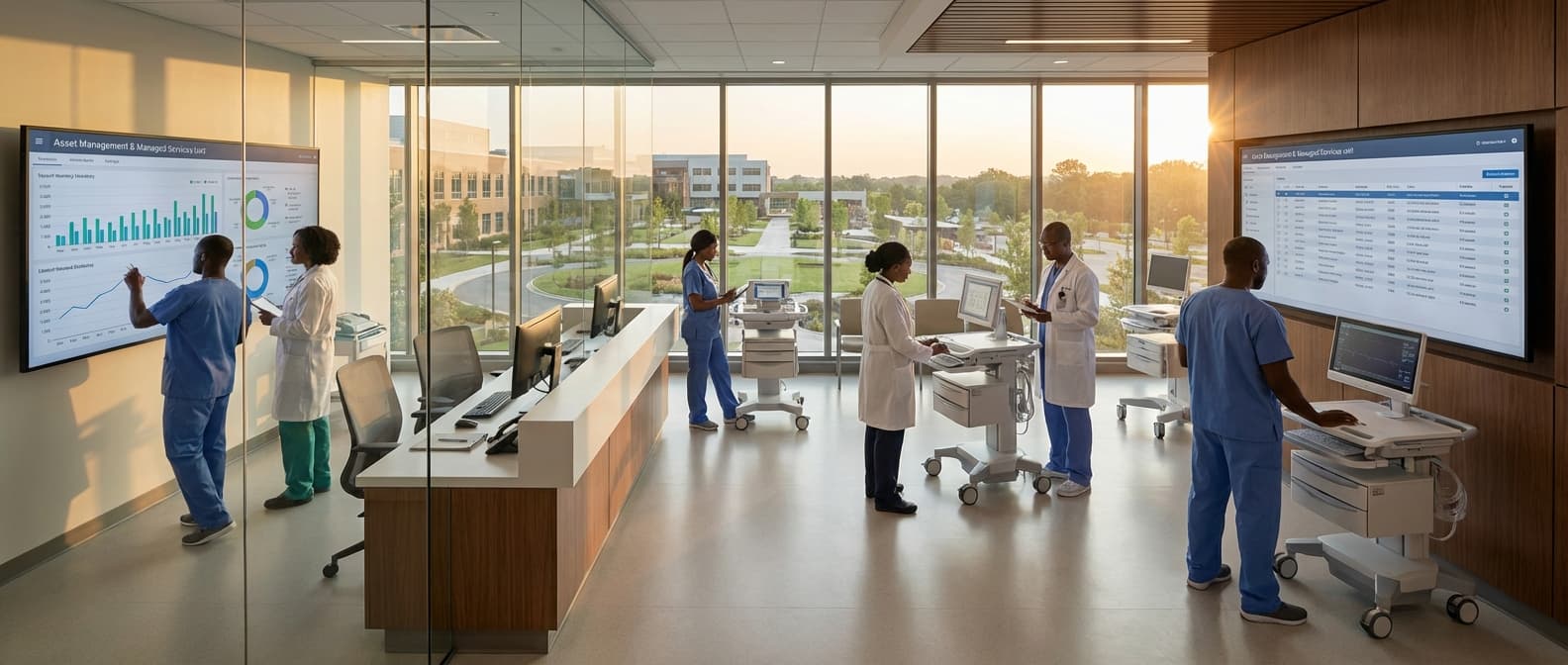
Equipment Fleet Standardization Consulting Service in Nigeria
Engineering Excellence & Technical Support
Equipment Fleet Standardization Consulting Service High-standard technical execution following OEM protocols and local regulatory frameworks.
Optimized Fleet Utilization & Cost Reduction
Leverage our expertise to standardize your equipment fleet in Nigeria, reducing idle time, minimizing maintenance costs, and enhancing operational efficiency through strategic procurement and lifecycle management. Achieve significant ROI by aligning fleet capabilities with your specific project demands.
Enhanced Safety & Compliance Assurance
Ensure your standardized Nigerian fleet meets and exceeds all local and international safety regulations. Our consulting services focus on implementing consistent maintenance protocols, driver training programs, and risk mitigation strategies, safeguarding your personnel and assets while boosting compliance.
Streamlined Operations & Maintenance
Simplify your Nigerian operations by standardizing on a select range of reliable equipment. This leads to reduced training overhead, easier spare parts management, and faster diagnostic capabilities, ultimately improving uptime and overall operational agility.
What Is Equipment Fleet Standardization Consulting Service In Nigeria?
Equipment Fleet Standardization Consulting Service in Nigeria refers to the specialized advisory support provided to organizations to establish and implement consistent standards for their operational equipment assets. This involves developing policies, procedures, and technical specifications that dictate the selection, acquisition, maintenance, and disposal of fleet equipment. The primary objective is to achieve operational efficiencies, reduce total cost of ownership (TCO), enhance safety, and improve asset utilization within the Nigerian business context. The service encompasses a comprehensive analysis of existing fleet composition, operational requirements, market availability of equipment, and regulatory compliance. It culminates in a strategic roadmap for achieving and maintaining fleet standardization, often involving vendor management, technology integration, and training programs.
| Industry/Sector | Typical Use Cases for Fleet Standardization Consulting in Nigeria |
|---|---|
| Oil and Gas (Upstream, Midstream, Downstream) | Standardizing drilling rigs, pumps, generators, pipeline inspection tools, and safety equipment to ensure inter-operability and reduce logistical complexity in remote operational areas. Optimizing spare parts inventory for critical equipment across multiple offshore and onshore facilities. Ensuring compliance with international safety standards (e.g., API) and local regulations. |
| Mining and Construction | Standardizing heavy machinery (excavators, dozers, trucks), crushing and screening plants, and specialized construction equipment to streamline maintenance, operator training, and parts sourcing. Implementing telematics for real-time monitoring and predictive maintenance across diverse project sites. Ensuring compliance with environmental and safety regulations for noise and emissions. |
| Logistics and Transportation | Standardizing commercial vehicles (trucks, vans, trailers), forklifts, and material handling equipment to optimize fleet management, fuel efficiency, and driver training. Establishing uniform maintenance schedules and ensuring compliance with road safety regulations and vehicle inspection requirements. Integrating GPS tracking and fleet management software. |
| Agriculture | Standardizing tractors, harvesters, irrigation systems, and other farm machinery to simplify maintenance, improve operator familiarity, and reduce the cost of specialized parts and servicing. Optimizing equipment utilization for seasonal operations. Ensuring compliance with agricultural input regulations and best practices. |
| Manufacturing and Industrial Processing | Standardizing production line machinery, material handling equipment (conveyors, forklifts), and utility systems (compressors, boilers) to enhance operational uptime, simplify troubleshooting, and reduce the variety of spare parts required. Implementing lean manufacturing principles for equipment management. Ensuring compliance with industry-specific safety and quality standards. |
| Utilities (Power, Water, Telecommunications) | Standardizing specialized vehicles (bucket trucks, service vans), testing equipment, and network infrastructure maintenance tools to improve service delivery efficiency, response times, and technician productivity. Ensuring compliance with critical infrastructure security and operational standards. Optimizing inventory for field service parts. |
Who Needs Equipment Fleet Standardization Consulting Service in Nigeria?
- Organizations with large and diverse fleets of equipment across multiple operational sites.
- Companies experiencing high maintenance costs, frequent breakdowns, or operational inefficiencies related to equipment.
- Businesses looking to optimize inventory management for spare parts and consumables.
- Firms aiming to improve technician skill sets and reduce training overhead through fewer equipment types.
- Organizations with stringent safety and regulatory compliance requirements for their operational machinery.
- Companies seeking to leverage economies of scale in procurement and service contracts.
- Entities undergoing digital transformation initiatives that require data consistency and interoperability from their equipment.
Who Needs Equipment Fleet Standardization Consulting Service In Nigeria?
Equipment fleet standardization consulting services in Nigeria are crucial for organizations aiming to optimize their operations, reduce costs, and enhance efficiency. Standardization involves selecting a limited range of equipment models and types from a few manufacturers to streamline purchasing, maintenance, training, and parts inventory. This strategic approach mitigates the complexities and inefficiencies often associated with managing a diverse and unmanaged fleet.
| Customer Type | Primary Needs for Standardization | Key Departmental Impact |
|---|---|---|
| Construction Companies | Reduced downtime, lower maintenance costs, simplified parts management, improved operator efficiency across various project sites. | Operations, Maintenance, Procurement, Finance |
| Oil and Gas | Enhanced safety compliance, specialized equipment reliability, optimized inventory for critical components, reduced operational risks in remote locations. | Fleet Management, Operations, Maintenance, Safety, Procurement |
| Mining and Quarrying | Increased equipment uptime for continuous production, cost-effective maintenance strategies, optimized fuel consumption, efficient spare parts logistics. | Operations, Maintenance, Procurement, Finance |
| Logistics and Transportation | Improved fuel efficiency, streamlined vehicle maintenance schedules, better driver training, reduced administrative burden, enhanced route optimization. | Fleet Management, Operations, Maintenance, Finance, HR |
| Government Agencies | Cost savings on public funds, improved asset utilization, simplified maintenance contracts, better accountability for public assets, extended asset lifespan. | Procurement, Finance, Fleet Management, Maintenance |
| Manufacturing Plants | Reduced operational disruptions due to equipment failure, optimized spare parts inventory, improved production line efficiency, simplified operator training. | Operations, Maintenance, Procurement, Finance |
Target Customers and Departments for Equipment Fleet Standardization Consulting in Nigeria
- {"items":["Large-scale Construction Companies","Oil and Gas Exploration and Production Companies","Mining and Quarrying Operations","Logistics and Transportation Companies","Agricultural Enterprises with large fleets","Government Agencies and Parastatals managing public infrastructure and service vehicles","Manufacturing and Industrial Plants with significant operational machinery","Large Real Estate Developers","Facility Management Companies with extensive equipment portfolios"],"title":"Target Customers"}
- {"items":["Procurement/Purchasing Department","Fleet Management Department","Operations Department","Maintenance and Engineering Department","Finance/Accounts Department","Logistics Department","Human Resources/Training Department","Safety and Compliance Department","IT Department (for fleet management software integration)"],"title":"Key Departments Benefiting from Standardization"}
Equipment Fleet Standardization Consulting Service Process In Nigeria
This document outlines the typical workflow for an Equipment Fleet Standardization Consulting Service in Nigeria, from initial inquiry to the successful execution of the project. Our process is designed to be transparent, efficient, and tailored to the unique needs of each client operating within the Nigerian context, considering local regulations, market conditions, and logistical challenges.
| Phase | Key Activities | Deliverables | Timeline (Typical) | Notes (Nigerian Context) |
|---|---|---|---|---|
| Phase 1: Initial Inquiry & Consultation | Client expresses interest. Initial discussion to understand client's fleet composition, operational goals, and pain points. Preliminary scoping of the project. Information gathering on company structure and key stakeholders. | Understanding of client's initial requirements. Identification of potential scope. Agreement to proceed to the next stage. | 1-3 Business Days | Building trust and rapport is crucial. Understanding the client's current fleet challenges and aspirations is key to tailoring the approach. |
| Phase 2: Needs Assessment & Proposal Development | In-depth discussions with relevant departments (procurement, operations, maintenance, finance). Site visits (if applicable). Detailed analysis of current fleet data (age, type, utilization, costs, maintenance records). Identification of standardization opportunities and challenges. Development of a comprehensive project proposal outlining scope, methodology, timeline, deliverables, and fees. | Detailed Needs Assessment Report. Formal Project Proposal document. | 1-2 Weeks | Requires access to accurate and complete fleet data. Engaging with key personnel across departments ensures a holistic view. Considering import duties and local availability of parts. |
| Phase 3: Contract Negotiation & Project Kick-off | Review and negotiation of the project proposal. Finalization of contract terms and conditions. Formal project kick-off meeting. Introduction of the consulting team. Establishment of communication protocols and reporting mechanisms. Confirmation of project objectives and success criteria. | Signed Contract Agreement. Project Kick-off Meeting Minutes. Defined Communication Plan. | 1 Week | Clear contractual agreements are essential. Understanding local contract law and payment terms is important. |
| Phase 4: Data Collection & Analysis | Systematic collection of detailed fleet data (as per agreed scope). Data validation and cleansing. Benchmarking against industry best practices. Analysis of operational efficiency, cost drivers, safety records, and environmental impact. Identification of fleet gaps and redundancies. | Validated Fleet Database. Detailed Data Analysis Report. Benchmarking Report. | 2-4 Weeks | Data integrity is paramount. Challenges may arise from inconsistent record-keeping. Understanding local depreciation rates and resale values. |
| Phase 5: Standardization Strategy Development | Development of a tailored fleet standardization strategy based on data analysis. Recommendations for fleet rationalization, optimal vehicle/equipment mix, preferred brands/models, acquisition/disposal strategies, and maintenance protocols. Consideration of total cost of ownership (TCO). Scenario planning and risk assessment. | Fleet Standardization Strategy Document. Recommended Fleet Matrix. TCO Analysis Report. | 2-3 Weeks | The strategy must be practical and implementable within the Nigerian operational environment. Focus on long-term sustainability and cost-effectiveness. |
| Phase 6: Implementation Planning & Support | Development of a detailed implementation roadmap, including timelines, responsibilities, and resource allocation. Guidance on procurement processes (e.g., tender evaluations, supplier selection). Support with change management and training. Assistance with policy and procedure development. | Implementation Roadmap. Procurement Support Documentation. Change Management Plan. Training Materials. | Ongoing (as per project scope, can be weeks to months) | Navigating local procurement regulations and challenges. Ensuring buy-in from local stakeholders. Facilitating training for local maintenance teams. |
| Phase 7: Monitoring, Evaluation & Knowledge Transfer | Establishment of key performance indicators (KPIs) for monitoring standardization progress. Regular performance reviews and reporting. Evaluation of the effectiveness of the implemented strategy. Knowledge transfer sessions to embed the standardization principles within the client's organization. Ongoing advisory support. | KPI Dashboard. Progress Reports. Evaluation Reports. Knowledge Transfer Sessions. | Ongoing (as per project scope, can be months) | Continuous monitoring is key to adapting to changing market dynamics. Empowering local teams to manage the standardized fleet effectively. |
| Phase 8: Project Closure & Post-Engagement | Formal project closure meeting. Final project report summarizing achievements and lessons learned. Archiving of project documentation. Discussion of potential for future engagements or ongoing support. Client satisfaction feedback. | Final Project Report. Project Closure Documentation. Client Feedback Form. | 1 Week | Ensuring client satisfaction and building long-term relationships. Providing a point of contact for future inquiries. |
Equipment Fleet Standardization Consulting Service Process in Nigeria
- Phase 1: Initial Inquiry & Consultation
- Phase 2: Needs Assessment & Proposal Development
- Phase 3: Contract Negotiation & Project Kick-off
- Phase 4: Data Collection & Analysis
- Phase 5: Standardization Strategy Development
- Phase 6: Implementation Planning & Support
- Phase 7: Monitoring, Evaluation & Knowledge Transfer
- Phase 8: Project Closure & Post-Engagement
Equipment Fleet Standardization Consulting Service Cost In Nigeria
Consulting services for equipment fleet standardization in Nigeria involve a complex interplay of factors that influence their cost. The goal of such consulting is to optimize an organization's equipment assets, ensuring uniformity, interoperability, and cost-effectiveness in acquisition, maintenance, and operation. Pricing is rarely a flat fee and is instead tailored to the specific needs and scale of the client's operation. Several key elements contribute to the final quotation.
| Service Component/Project Size | Estimated Cost Range (NGN) | Description |
|---|---|---|
| Initial Fleet Assessment & Diagnosis (Small to Medium Fleet, ~10-50 assets) | ₦1,500,000 - ₦5,000,000 | Covers a high-level review of the current fleet, identifying key issues, and providing preliminary recommendations for standardization. Includes data gathering and initial analysis. |
| Comprehensive Fleet Standardization Strategy Development (Medium to Large Fleet, ~50-200 assets) | ₦5,000,000 - ₦15,000,000 | Involves in-depth analysis of fleet data, development of detailed standardization policies, recommendations for optimal fleet composition, procurement strategies, and maintenance frameworks. May include pilot program design. |
| Full-Scale Fleet Standardization Implementation Support (Large to Enterprise Fleet, 200+ assets, multiple locations) | ₦15,000,000 - ₦50,000,000+ | This encompasses the entire process, from strategy development through to implementation support, including vendor selection, change management, training, and performance monitoring. Costs can escalate significantly with project duration and complexity. |
| Hourly Consulting Rate (Senior Consultant) | ₦30,000 - ₦80,000 per hour | For ad-hoc advice, specific problem-solving, or smaller defined tasks. This is often used in conjunction with larger project fees or for ongoing advisory. |
| Daily Consulting Rate (Project Team Member) | ₦150,000 - ₦400,000 per day | Represents the cost for a full day's engagement by a consultant. Varies based on seniority and specialization. |
Key Pricing Factors for Equipment Fleet Standardization Consulting in Nigeria:
- Scope of Work and Complexity: This is the most significant driver of cost. A comprehensive standardization project involving a large, diverse fleet across multiple locations will naturally be more expensive than a limited assessment for a smaller, more homogeneous fleet. Factors include the number of equipment types, brands, age, usage patterns, and the depth of analysis required (e.g., operational efficiency, lifecycle costing, maintenance strategy, safety compliance).
- Duration of the Project: Longer projects naturally incur higher costs due to extended consultant engagement. The timeline is determined by the project's complexity, the client's responsiveness, and the availability of data and personnel.
- Consultant's Experience and Reputation: Highly experienced consultants or firms with a proven track record in fleet management and standardization within the Nigerian context will command higher fees. Their expertise can lead to more efficient solutions and greater return on investment for the client.
- Team Size and Composition: The number of consultants assigned to a project, their individual skill sets (e.g., fleet analysts, maintenance engineers, data scientists, financial analysts), and their seniority all impact the overall cost. Larger, more specialized teams generally lead to higher hourly or daily rates.
- Data Availability and Quality: The ease with which the consultant can access accurate and comprehensive data on the existing fleet (e.g., purchase history, maintenance logs, fuel consumption, downtime, operational hours) significantly affects the project timeline and cost. Extensive data cleaning or collection efforts will increase expenses.
- Client's Internal Resources and Involvement: The extent to which the client's internal team can provide support, data, and participate in decision-making can influence the external consultant's workload and thus the cost. Clients who are well-organized and have dedicated internal resources may see a reduction in consulting fees.
- Geographic Spread of Operations: If the fleet is distributed across various regions in Nigeria, the consultants may incur additional travel and accommodation expenses, which will be factored into the overall cost.
- Specific Deliverables Required: The nature of the final outputs expected from the consultancy (e.g., detailed standardization reports, procurement guidelines, maintenance manuals, training programs, software implementation support) will influence the effort and time required, thereby affecting the price.
- Technology and Tools Utilized: The use of advanced fleet management software, data analytics platforms, or simulation tools by the consultants may add to the project cost, but also enhance the quality and depth of the analysis.
- Market Conditions and Demand: Like any service, the prevailing economic conditions, demand for fleet management expertise in Nigeria, and the general fee structures within the consulting industry can influence pricing.
Affordable Equipment Fleet Standardization Consulting Service Options
Our Affordable Equipment Fleet Standardization Consulting Service helps businesses optimize their equipment acquisition, maintenance, and operational efficiency by implementing strategic standardization. We focus on providing cost-effective solutions that deliver tangible returns on investment. This service is designed for organizations looking to reduce capital expenditures, streamline maintenance, improve operator training, and enhance resale values through a more uniform fleet.
| Cost-Saving Strategy | Description | Impact on Fleet Management |
|---|---|---|
| Reduced Acquisition Costs | Negotiating bulk discounts with preferred vendors for standardized equipment. Eliminating duplicate parts inventory. | Lower upfront capital expenditure, simplified purchasing processes. |
| Optimized Maintenance Efficiency | Standardizing parts and training reduces the need for specialized technicians and simplifies inventory management. Predictive maintenance becomes easier. | Decreased labor costs, reduced downtime, increased equipment availability. |
| Enhanced Operator Training | Fewer equipment models mean less training time and effort. Operators can transition between machines more easily. | Improved operator proficiency, reduced errors, increased productivity. |
| Streamlined Parts Inventory | Holding fewer unique parts significantly reduces warehousing costs, obsolescence, and management complexity. | Lower inventory holding costs, reduced waste, quicker parts availability. |
| Improved Resale Value | Well-maintained, standardized fleets with readily available parts and service history often command higher resale prices. | Maximized return on investment at end-of-life for equipment. |
| Reduced Fuel Consumption | Selecting fuel-efficient models as part of standardization can lead to significant long-term savings. | Lower operational expenses, reduced environmental impact. |
Value Bundles
- {"title":"Fleet Audit & Analysis Bundle","description":"Comprehensive review of your current equipment inventory, usage patterns, maintenance records, and operational costs. Identifies opportunities for standardization and potential savings."}
- {"title":"Standardization Strategy Development Bundle","description":"Creation of a tailored roadmap for standardizing your fleet, including recommended equipment types, brands, and specifications based on your operational needs and budget."}
- {"title":"Procurement & Vendor Negotiation Support Bundle","description":"Assistance in developing procurement strategies and negotiating favorable terms with vendors for standardized equipment, leveraging bulk purchasing power."}
- {"title":"Maintenance Optimization Bundle","description":"Development of standardized maintenance procedures, training programs, and parts inventory management to reduce downtime and overall maintenance expenses."}
- {"title":"Full-Service Standardization Package","description":"Combines all bundles for a complete end-to-end solution, from initial assessment to ongoing support for your standardized fleet."}
Verified Providers In Nigeria
Navigating the healthcare landscape in Nigeria can be a daunting task, with countless providers offering a spectrum of services. However, ensuring access to quality, reliable, and ethical healthcare is paramount. This is where 'Verified Providers' emerge as a critical distinction, and Franance Health stands at the forefront of this movement, embodying the highest standards of medical practice and patient care. Franance Health's commitment to rigorous credentialing and continuous quality improvement makes them the unequivocally best choice for individuals and families seeking trusted healthcare solutions in Nigeria.
| Franance Health Credential | What it Means for You | Why it Matters |
|---|---|---|
| Accreditation by Recognized Medical Bodies | Franance Health facilities and personnel have undergone thorough assessments and met stringent national and international standards for quality and safety. | Ensures that you receive care in a safe environment, adhering to best practices in medical procedures and hygiene, minimizing risks. |
| Verification of Medical Licenses and Certifications | All healthcare professionals associated with Franance Health have their licenses and specialized certifications meticulously checked and validated. | Guarantees that you are being treated by qualified and appropriately trained medical practitioners with the necessary expertise. |
| Background Checks and Ethical Compliance | Franance Health conducts comprehensive background checks and ensures all providers adhere to a strict code of ethics and conduct. | Protects you from malpractice, fraud, and unethical treatment, fostering trust and confidence in your healthcare providers. |
| Proof of Continuous Professional Development (CPD) | Providers are required to demonstrate ongoing learning and updates in their respective fields through approved CPD programs. | Ensures that your doctors and specialists are up-to-date with the latest medical advancements, diagnostic techniques, and treatment protocols. |
| Patient Feedback and Satisfaction Metrics | Franance Health actively collects and analyzes patient feedback to maintain high levels of service and address any concerns promptly. | Empowers you with a voice and assures that your experience and satisfaction are prioritized in the delivery of care. |
Why Franance Health is the Best Choice for Verified Providers in Nigeria
- Rigorous Vetting Process
- Commitment to Ethical Practices
- Patient-Centric Approach
- Technological Integration
- Continuous Professional Development
- Transparent Communication
Scope Of Work For Equipment Fleet Standardization Consulting Service
This Scope of Work (SOW) outlines the consulting services to be provided for the standardization of the client's equipment fleet. The primary objective is to develop and implement a standardized equipment portfolio that enhances operational efficiency, reduces maintenance costs, and improves procurement processes. The project will encompass a detailed analysis of the current fleet, development of standardized equipment specifications, and recommendations for procurement and lifecycle management.
| Phase | Key Activities | Deliverables | Timeline (Weeks) |
|---|---|---|---|
| Phase 1: Discovery & Analysis | Conduct detailed inventory of current fleet; Analyze usage data and maintenance records; Identify redundant or underutilized equipment; Stakeholder interviews. | Current Fleet Inventory Report; Usage & Cost Analysis Report; Stakeholder Feedback Summary. | 4 |
| Phase 2: Standardization Strategy Development | Define criteria for standardization (performance, safety, cost, etc.); Identify target equipment categories for standardization; Research available equipment options; Develop draft standard specifications. | Standardization Criteria Document; Target Equipment Categories List; Draft Standard Specifications. | 6 |
| Phase 3: Specification Refinement & Validation | Review draft specifications with stakeholders; Conduct technical validation of proposed standards; Finalize standard equipment specifications. | Validated Standard Equipment Specifications; Technical Validation Report. | 4 |
| Phase 4: Implementation Planning | Develop procurement strategy for standardized equipment; Define replacement/upgrade plan; Establish maintenance and repair protocols for standardized fleet; Develop training materials. | Standardized Procurement Strategy; Fleet Replacement/Upgrade Plan; Maintenance & Repair Protocols; Training Materials Outline. | 5 |
| Phase 5: Rollout Support & Final Reporting | Assist in initial procurement of standardized equipment; Provide training to relevant personnel; Monitor early implementation; Prepare final project report and recommendations. | Procurement Support; Training Session Delivery; Implementation Monitoring Report; Final Project Report with Recommendations. | 4 |
Key Project Objectives
- Analyze current equipment fleet composition, usage patterns, and associated costs.
- Identify opportunities for consolidation and standardization across equipment types.
- Develop standardized specifications for key equipment categories.
- Recommend procurement strategies to leverage standardization.
- Establish guidelines for equipment lifecycle management and disposal.
- Provide training and change management support for implementation.
Service Level Agreement For Equipment Fleet Standardization Consulting Service
This Service Level Agreement (SLA) outlines the response times and uptime guarantees for the Equipment Fleet Standardization Consulting Service provided by [Consulting Firm Name] (hereinafter referred to as 'Provider') to [Client Name] (hereinafter referred to as 'Client'). This SLA is an integral part of the Master Services Agreement (MSA) between the Provider and the Client.
| Issue Severity | Response Time Target (during Service Hours) | Resolution Time Target (during Service Hours) | Uptime Guarantee (for associated platforms, if applicable) |
|---|---|---|---|
| Critical Issue | 1 Business Hour | 4 Business Hours | 99.9% |
| Major Issue | 2 Business Hours | 8 Business Hours | 99.8% |
| Minor Issue | 4 Business Hours | 3 Business Days | 99.5% |
Key Definitions
- Service Hours: Defined as [Start Time] to [End Time] [Time Zone] from Monday to Friday, excluding public holidays.
- Business Hours: Defined as [Start Time] to [End Time] [Time Zone] from Monday to Friday, excluding public holidays.
- Critical Issue: A problem that renders a core component of the consulting service or project management tools unusable, significantly impacting the ability to achieve defined project milestones or strategic objectives.
- Major Issue: A problem that degrades the performance of the consulting service or limits access to certain functionalities, but does not prevent core operations or achievement of essential project goals.
- Minor Issue: A problem that has minimal impact on the consulting service or project management tools, such as a cosmetic defect or a non-critical feature malfunction.
- Response Time: The maximum time allowed for the Provider to acknowledge a reported issue and begin investigating it.
- Resolution Time: The maximum time allowed for the Provider to resolve an issue to a mutually agreed-upon state.
- Uptime: The percentage of time the consulting service and associated project management tools are available and operational during Service Hours.
Frequently Asked Questions

Ready when you are
Let's scope your Equipment Fleet Standardization Consulting Service in Nigeria project in Nigeria.

Scaling healthcare logistics and technical systems across the entire continent.