
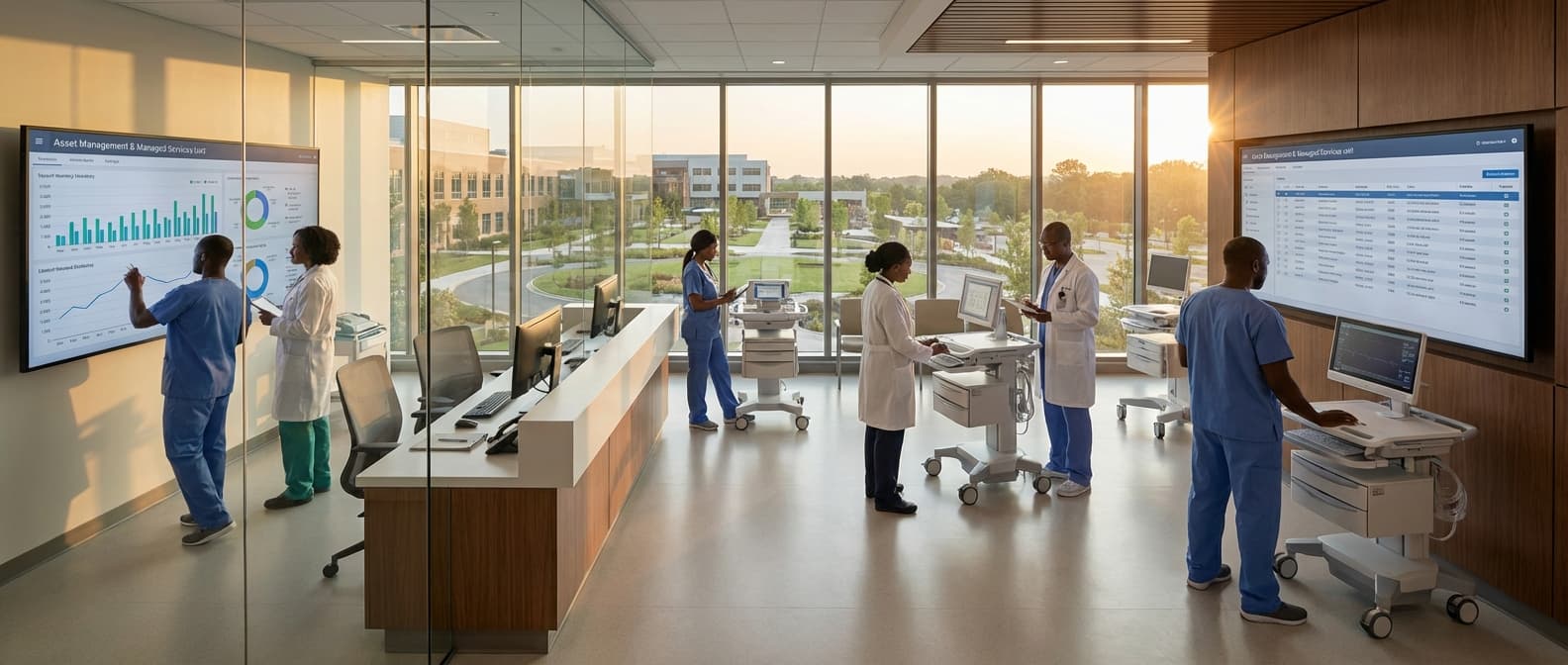
Equipment Condition Assessment Report Service in Nigeria
Engineering Excellence & Technical Support
Equipment Condition Assessment Report Service High-standard technical execution following OEM protocols and local regulatory frameworks.
Predictive Maintenance Integration
Leverage cutting-edge IoT sensors and data analytics to forecast potential equipment failures, enabling proactive maintenance scheduling and minimizing costly downtime. Our service goes beyond simple inspections to provide actionable insights for optimizing operational efficiency.
Advanced Diagnostic Techniques
Employing a suite of sophisticated diagnostic tools including thermal imaging, ultrasonic testing, vibration analysis, and non-destructive testing (NDT) methods. This allows for precise identification of internal defects and stress points invisible to the naked eye, ensuring a comprehensive understanding of equipment health.
On-Site, Scalable Expertise
Our certified NDT technicians and engineers are strategically located across Nigeria, providing rapid, on-site assessments for diverse industries – from oil & gas to manufacturing and power generation. We offer flexible service packages to suit projects of any scale, ensuring your critical assets are continuously monitored and maintained.
What Is Equipment Condition Assessment Report Service In Nigeria?
An Equipment Condition Assessment Report Service in Nigeria is a specialized technical evaluation designed to ascertain the current operational status, integrity, and remaining useful life of industrial and commercial equipment. This service involves a systematic examination, testing, and analysis of machinery to identify potential defects, assess wear and tear, and predict future performance or failure modes. The objective is to provide stakeholders with objective data to inform maintenance strategies, operational decisions, and investment planning.
| Who Needs It | Typical Use Cases | ||||||||
|---|---|---|---|---|---|---|---|---|---|
| Asset Owners and Operators: Companies that own and operate critical machinery, plants, or infrastructure. This includes manufacturers, oil and gas companies, power generation facilities, mining operations, and infrastructure developers. | Due Diligence in Mergers & Acquisitions: Assessing the condition of acquired assets to understand potential liabilities and capital expenditure requirements. | Maintenance and Reliability Engineers: Professionals responsible for ensuring equipment uptime, optimizing maintenance budgets, and extending asset life. | Insurance Providers and Financial Institutions: For risk assessment, valuation of assets, and to underwrite loans or insurance policies. | Regulatory Bodies: To ensure compliance with safety and operational standards. | Preventive and Predictive Maintenance Planning: To prioritize maintenance activities, schedule repairs, and allocate resources effectively based on equipment condition. | End-of-Warranty Assessments: To document equipment condition before warranty expiration and identify any latent defects. | Investment Justification: Providing data to support decisions regarding equipment upgrades, replacements, or capital expenditures. | Troubleshooting and Root Cause Analysis: Investigating recurring failures or performance degradations. | Asset Retirement Obligations (AROs): Assessing equipment condition to plan for decommissioning and disposal. |
Key Components of the Service
- Visual Inspection: Thorough examination of all accessible components for signs of wear, corrosion, deformation, leaks, or other visible damage.
- Non-Destructive Testing (NDT): Application of various NDT methods such as ultrasonic testing (UT), radiographic testing (RT), magnetic particle testing (MT), liquid penetrant testing (PT), and eddy current testing (ECT) to detect internal and surface flaws without damaging the equipment.
- Performance Monitoring and Testing: Measurement of operational parameters like vibration, temperature, pressure, flow rates, and electrical characteristics to compare against design specifications and historical data. This may include functional tests, load tests, and efficiency measurements.
- Material Analysis: Sampling and laboratory analysis of materials (e.g., lubricants, wear debris, metal samples) to assess degradation, contamination, and composition.
- Data Analysis and Interpretation: Compiling all collected data, performing statistical analysis, and interpreting results in the context of industry standards, manufacturer recommendations, and operational history.
- Failure Analysis: Investigating the root causes of any identified defects or performance issues.
- Remaining Useful Life (RUL) Estimation: Utilizing predictive modeling techniques, based on test results and operational history, to estimate the future operational lifespan of the equipment.
- Reporting: Generation of a comprehensive report detailing findings, identified risks, recommended corrective actions, preventive maintenance suggestions, and estimated costs for repairs or replacements.
Who Needs Equipment Condition Assessment Report Service In Nigeria?
In Nigeria, the demand for Equipment Condition Assessment Report (ECAR) services is crucial for a wide range of industries aiming to optimize operational efficiency, ensure safety, extend asset lifespan, and comply with regulatory standards. These reports provide a comprehensive evaluation of machinery and equipment's current state, identifying potential issues before they escalate into costly failures. Businesses and organizations that rely heavily on their physical assets, and where equipment downtime can lead to significant financial losses or safety hazards, are prime candidates for these services.
| Industry Sector | Specific Companies/Organizations | Key Departments Requiring ECAR |
|---|---|---|
| Oil & Gas (Upstream, Midstream, Downstream) | NNPC, Shell, ExxonMobil, Chevron, TotalEnergies, Seplat, Oando, Addax Petroleum, Pipeline companies, Refineries | Operations, Maintenance, Engineering, Asset Integrity, HSE (Health, Safety, Environment), Procurement, Risk Management |
| Manufacturing & Industrial Production | Dangote Group (Cement, Sugar, Flour), Flour Mills of Nigeria, Unilever Nigeria, Nestlé Nigeria, Coca-Cola Hellenic Bottling Company, Chemical manufacturers, Food & Beverage producers, Textile manufacturers, Automotive assembly plants | Production, Plant Maintenance, Engineering, Quality Control, Operations, Asset Management, Supply Chain |
| Power Generation & Distribution | NERC, NBET, NDPHC, DISCOs (e.g., Eko Electric, Ikeja Electric), GENCOs (e.g., Egbin Power, Kainji Power) | Operations & Maintenance, Engineering, Asset Management, Technical Services, Grid Operations |
| Mining & Solid Minerals | State-owned mining corporations, private mining companies (e.g., for coal, tin, gold, bitumen) | Operations, Maintenance, Engineering, Geology, Health & Safety, Asset Management |
| Transportation & Logistics | Nigerian Railway Corporation, National Inland Waterways Authority (NIWA), Ports Authority (NPA), Shipping companies, Large fleet owners (e.g., trucking companies) | Fleet Management, Operations, Maintenance, Engineering, Safety & Compliance, Asset Management |
| Construction & Infrastructure | Major construction firms (e.g., Julius Berger, CCECC), Road construction agencies, Bridge construction companies, Real estate developers with heavy machinery | Project Management, Equipment Management, Maintenance, Site Operations, Health & Safety, Engineering |
| Telecommunications | MTN Nigeria, Airtel Nigeria, Glo, 9mobile, Infrastructure providers (e.g., IHS Towers, American Tower Corporation) | Network Operations, Maintenance, Infrastructure Management, Asset Integrity, Engineering |
| Agriculture (Large-scale farming & processing) | Large commercial farms, agro-processing companies, irrigation service providers | Farm Operations, Equipment Maintenance, Engineering, Production Management |
| Healthcare (Hospitals with complex machinery) | Major teaching hospitals, private hospitals with advanced diagnostic equipment (e.g., MRI, CT scanners) | Biomedical Engineering, Facilities Management, Technical Services, Operations |
Target Customers & Departments for ECAR Services in Nigeria
- Industries with high-value, critical, or complex machinery
- Organizations focused on proactive maintenance and asset management
- Companies operating in safety-sensitive environments
- Businesses seeking to comply with insurance, regulatory, or internal standards
- Entities looking to plan for capital expenditures and equipment upgrades/replacements
Equipment Condition Assessment Report Service Process In Nigeria
This document outlines the typical service process for conducting Equipment Condition Assessments in Nigeria, from the initial inquiry to the final execution and reporting. The process is designed to be transparent, efficient, and to ensure accurate and comprehensive assessment of industrial equipment.
| Stage | Description | Key Activities | Deliverables/Outcomes |
|---|---|---|---|
| The client initiates contact to request equipment condition assessment services. | Client expresses need, provides basic information about equipment, location, and objectives. Service provider engages in initial discussion to understand requirements and offer preliminary guidance. | Understanding of client's needs. Preliminary advice on service applicability. |
| A detailed understanding of the assessment scope is established, leading to a formal proposal. | Site visit (if necessary) for preliminary inspection. Detailed discussion on specific equipment to be assessed, assessment methodologies, reporting requirements, and timeline. Development of a comprehensive proposal outlining services, methodology, timelines, and costs. | Defined assessment scope. Formal service proposal (including quotation and terms). |
| Formal agreement on the terms and conditions of the service. | Client reviews and accepts the proposal. Negotiation of terms (if any). Signing of a Service Agreement/Contract. | Signed Service Agreement/Contract. |
| Preparation for the on-site assessment to ensure efficiency and safety. | Development of a detailed work plan and schedule. Coordination with client for site access, safety permits, and required client personnel. Mobilization of assessment team and equipment to the site. | Detailed work plan. Confirmed site access and safety clearances. Mobilized assessment team and equipment. |
| The actual physical and technical assessment of the equipment. | Visual inspections. Non-Destructive Testing (NDT) (e.g., Ultrasonic Testing, Magnetic Particle Testing). Performance testing and data acquisition. Review of operational history and maintenance records. Sampling and laboratory analysis (if required). | Collected raw data (inspection reports, test results, photographic evidence, etc.). |
| Processing and making sense of the collected data. | Analysis of NDT results. Evaluation of performance test data. Correlation of findings with equipment design and operational context. Identification of defects, deterioration, and potential failure modes. | Interpreted data indicating equipment condition and potential issues. |
| Compilation of findings into a structured and informative report. | Drafting of the Equipment Condition Assessment Report, including executive summary, detailed findings, photographic evidence, and analysis. Internal technical review of the draft report for accuracy and completeness. | Draft Equipment Condition Assessment Report. |
| Communicating the assessment results and recommendations to the client. | Formal presentation of the final report to the client. Discussion of findings, implications, and recommended actions. Answering client queries. | Final Equipment Condition Assessment Report. Client's understanding of equipment condition and necessary actions. |
| Assistance in acting upon the assessment findings. | Providing clarification on recommendations. Assisting the client in developing action plans for repairs or replacements. Providing oversight for implementation of recommended actions (if agreed). | Client action plans. Support for maintenance and repair strategies. |
Service Process Workflow
- Inquiry & Initial Consultation
- Scope Definition & Proposal Generation
- Agreement & Contract Finalization
- Pre-Assessment Planning & Mobilization
- On-Site Execution of Assessment
- Data Analysis & Interpretation
- Report Generation & Review
- Presentation & Discussion of Findings
- Follow-up & Recommendations Implementation Support (Optional)
Equipment Condition Assessment Report Service Cost In Nigeria
This report outlines the cost of Equipment Condition Assessment (ECA) services in Nigeria, detailing the key factors influencing pricing and providing estimated cost ranges in Nigerian Naira (NGN). An Equipment Condition Assessment is a crucial process for businesses to understand the current state of their machinery and assets, enabling informed decisions regarding maintenance, replacement, and operational efficiency. The cost of these services can vary significantly based on several interconnected elements.
| Service Type/Scope | Estimated Cost Range (NGN) Per Equipment/Project |
|---|---|
| Basic Visual Inspection & General Condition Report (for a few common equipment) | ₦50,000 - ₦200,000 |
| Detailed Assessment of Standard Industrial Machinery (e.g., pumps, motors, generators) - including basic diagnostics | ₦150,000 - ₦500,000 per equipment |
| Comprehensive Assessment of Complex/Specialized Equipment (e.g., manufacturing lines, heavy machinery) - involving advanced diagnostics and analysis | ₦400,000 - ₦1,500,000+ per equipment/module |
| Full Plant/Facility Condition Assessment (multiple equipment types, extensive scope) | ₦1,000,000 - ₦5,000,000+ (project-based, depending on scale) |
| Use of Advanced Diagnostic Tools (e.g., thermal, vibration analysis - as an add-on) | ₦50,000 - ₦200,000+ per tool/analysis |
| Travel and Logistics (for remote locations) | Variable, can add 10-30% to base cost |
Key Pricing Factors for Equipment Condition Assessment Services in Nigeria
- Scope and Complexity of Assessment: The number and type of equipment to be assessed, the complexity of their operational mechanisms, and the level of detail required in the assessment (e.g., basic visual inspection vs. in-depth diagnostics with specialized tools).
- Type of Equipment: Assessments for highly specialized or technologically advanced equipment (e.g., advanced manufacturing machinery, medical imaging devices) will generally be more expensive than for simpler, more common equipment (e.g., basic pumps, generators).
- Location and Accessibility: The geographical location of the equipment within Nigeria, the accessibility of the site, and the travel time and logistics involved for the assessors can impact costs. Remote or difficult-to-access locations may incur higher fees.
- Assessment Methodology and Technology: The use of advanced diagnostic tools and technologies (e.g., thermal imaging, vibration analysis, non-destructive testing) can increase the cost but provide more comprehensive and accurate results.
- Report Detail and Deliverables: The extent and format of the final report. A basic report might include visual findings, while a comprehensive report could include detailed data analysis, recommendations, risk assessments, and predictive maintenance schedules.
- Assessor's Experience and Reputation: The expertise, qualifications, and established reputation of the assessment firm or individual assessor. Highly experienced and reputable professionals often command higher rates.
- Urgency of the Assessment: If an urgent assessment is required, expedited service fees may apply.
- Number of Assessors Required: For large-scale assessments or complex equipment, multiple assessors might be needed, increasing labor costs.
- Industry Standards and Regulations: Compliance with specific industry standards or regulatory requirements might necessitate more rigorous assessment procedures, affecting the cost.
Affordable Equipment Condition Assessment Report Service Options
This report outlines affordable equipment condition assessment service options, emphasizing value bundles and cost-saving strategies for businesses. A thorough equipment condition assessment is crucial for preventative maintenance, identifying potential failures, and optimizing operational efficiency. However, the cost can be a barrier. This service aims to provide accessible, cost-effective solutions without compromising on quality or comprehensiveness.
| Value Bundle Name | Included Services | Ideal For | Cost-Saving Strategies Leveraged | Estimated Price Range (USD) | Value Proposition |
|---|---|---|---|---|---|
| Basic Health Check | On-site Visual Inspections, Basic Diagnostic Testing (e.g., thermal imaging) | Businesses with limited budgets or for routine checks on non-critical equipment. | Limited scope of services, optimized on-site time, standardized reporting. | $300 - $700 per piece of equipment | Cost-effective initial assessment to flag immediate concerns and guide further investigation. |
| Standard Care Package | On-site Visual Inspections, Basic Diagnostic Testing (vibration, thermal), Preliminary Recommendations | Small to medium-sized enterprises looking for proactive maintenance without extensive investment. | Bundled services at a reduced rate compared to à la carte, efficient data collection. | $600 - $1200 per piece of equipment | Provides a balanced approach to equipment health monitoring and early detection of issues. |
| Premium Performance Bundle | Comprehensive Condition Assessment (all diagnostics), Detailed Risk Assessment, Tailored Preventative Maintenance Plan, Priority Reporting | Businesses with high-value or critical assets requiring in-depth analysis and long-term planning. | Bulk discounts for multiple assets, remote monitoring integration options, long-term partnership benefits. | $1000 - $2500+ per piece of equipment (depending on complexity) | Maximizes asset lifespan and minimizes downtime through comprehensive analysis and strategic planning. |
| Fleet Management Solution | Customizable bundle based on the number and type of equipment, regular assessment cycles, consolidated reporting. | Companies with a large fleet of similar or diverse equipment requiring ongoing monitoring. | Volume discounts, standardized assessment protocols across the fleet, streamlined scheduling. | Customized pricing based on fleet size and assessment frequency | Economical and efficient monitoring of an entire equipment inventory for optimal fleet performance. |
Key Service Offerings
- On-site Visual Inspections: Basic assessment focusing on visible signs of wear, damage, and potential issues.
- Basic Diagnostic Testing: Includes non-invasive tests like vibration analysis, thermal imaging, and oil analysis (where applicable).
- Comprehensive Condition Assessment: Combines visual inspections with advanced diagnostic testing and analysis for a detailed understanding of equipment health.
- Preventative Maintenance Recommendations: Actionable insights and tailored schedules to prevent future failures.
- Risk Assessment & Prioritization: Identifying critical equipment and prioritizing maintenance efforts based on risk levels.
- Reporting & Documentation: Clear, concise reports with findings, recommendations, and photographic evidence.
Verified Providers In Nigeria
In Nigeria's burgeoning healthcare landscape, identifying trusted and capable healthcare providers is paramount. Franance Health stands out as a beacon of quality and reliability, offering a network of verified providers committed to exceptional patient care. This document outlines their credentials and explains why partnering with Franance Health ensures access to the best medical services available.
| Credential/Attribute | Franance Health Standard | Benefit to Patients |
|---|---|---|
| Medical Licensing and Certification | All providers must hold valid and current medical licenses and relevant certifications from recognized professional bodies in Nigeria. | Guarantees that practitioners possess the fundamental qualifications and are legally authorized to practice medicine. |
| Professional Experience | A minimum level of practical experience is required, with a focus on the provider's specific area of specialization. | Ensures patients are treated by experienced clinicians who have successfully managed a variety of cases. |
| Clean Disciplinary Record | Thorough background checks are conducted to ensure providers have no history of professional misconduct or disciplinary actions. | Protects patients from encountering practitioners with a history of negligence or unethical behavior. |
| Continuing Medical Education (CME) | Providers are required to demonstrate ongoing engagement in CME to stay updated with the latest medical advancements and techniques. | Ensures patients receive care based on current medical knowledge and practices. |
| Facility Standards (where applicable) | For clinics and hospitals, Franance Health verifies adherence to essential safety, hygiene, and equipment standards. | Provides assurance of a safe and well-equipped environment for medical procedures and consultations. |
| Patient Satisfaction Scores | Regular feedback mechanisms are in place, and providers are expected to maintain high patient satisfaction ratings. | Indicates a commitment to patient well-being, effective communication, and a positive healthcare experience. |
Franance Health's Commitment to Excellence
- Rigorous Vetting Process: Franance Health employs a multi-stage verification process to onboard healthcare providers, ensuring they meet stringent standards for medical expertise, ethical conduct, and patient safety.
- Continuous Quality Monitoring: Beyond initial credentialing, Franance Health actively monitors the performance of its network providers through patient feedback, peer reviews, and adherence to best medical practices.
- Focus on Patient-Centric Care: Franance Health prioritizes providers who demonstrate empathy, clear communication, and a dedication to understanding and addressing individual patient needs.
- Access to a Diverse Network: Our network encompasses a wide range of medical specialties, ensuring patients can find the right specialist for any health concern.
- Technological Integration: Franance Health promotes and partners with providers who embrace modern healthcare technologies for enhanced diagnostics, treatment, and patient management.
Scope Of Work For Equipment Condition Assessment Report Service
This Scope of Work (SOW) outlines the requirements for a professional Equipment Condition Assessment Report service. The service provider will conduct a comprehensive assessment of specified industrial equipment, providing detailed technical deliverables and adhering to standard specifications to ensure the accuracy, reliability, and usability of the assessment findings. The objective is to provide the client with a clear understanding of the current condition of their assets, identify potential risks, and inform future maintenance, repair, and replacement strategies.
| Task/Activity | Description | Standard Specifications/Methodologies | Deliverables |
|---|---|---|---|
| Initial meeting with the client to understand project scope, objectives, identify specific equipment for assessment, review available documentation (manuals, maintenance records), and establish communication protocols. | ISO 9001 Quality Management Principles, Client-specific project management methodologies. | Project plan, communication matrix, list of identified equipment, initial risk assessment. |
| Gather and review all relevant historical data, including maintenance logs, repair history, operating parameters, previous inspection reports, manufacturer's specifications, and schematics. | API Standards (e.g., API 510, 570, 653 for relevant equipment), Client's internal documentation standards. | Compiled historical data summary, identified gaps in documentation. |
| Conduct thorough visual inspections of equipment, identifying signs of corrosion, erosion, deformation, leaks, and surface defects. Perform NDE techniques as appropriate (e.g., ultrasonic testing, magnetic particle testing, dye penetrant testing, eddy current testing) to assess internal and surface integrity. | ASNT Standards (e.g., SNT-TC-1A), ASTM Standards (e.g., ASTM E1444 for MPI, ASTM E165 for PT), Client's specified NDE techniques and acceptance criteria. | Detailed visual inspection reports, NDE reports with findings, photographic evidence of defects. |
| If applicable and safe, conduct functional tests to evaluate equipment performance against design specifications. This may include operational checks, vibration analysis, thermographic imaging, and performance parameter measurements. | Client's operational procedures, relevant industry performance standards (e.g., for pumps, motors, compressors), ISO 18436 (Condition monitoring and diagnostics of machines). | Performance test results, vibration analysis reports, thermographic reports, functional test summary. |
| Analyze all collected data and inspection findings to identify the root causes of defects, assess the severity of wear and tear, and determine potential failure modes. | Root Cause Analysis (RCA) methodologies (e.g., Fishbone Diagram, 5 Whys), FMEA (Failure Modes and Effects Analysis) principles. | Defect identification log, analysis of defect severity, preliminary root cause assessment. |
| Estimate the RUL of components and the overall equipment based on current condition, operating history, and predictive maintenance models. This may involve probabilistic or deterministic approaches. | Reliability Centered Maintenance (RCM) principles, predictive modeling techniques, ISO 14224 (Collection and exchange of reliability, availability, maintainability and safety data for equipment). | RUL estimation for key components and overall equipment, basis for RUL estimation. |
| Formulate specific, actionable recommendations for maintenance, repair, refurbishment, or replacement, prioritizing based on risk, criticality, and cost-effectiveness. | Best practices in maintenance and reliability engineering, cost-benefit analysis principles, client's maintenance strategy. | Prioritized list of recommendations with justification, estimated costs for proposed actions (if within scope). |
| Compile all findings, analyses, and recommendations into a comprehensive Equipment Condition Assessment Report. | Client's preferred report format, industry best practices for technical reporting, ISO 55000 series (Asset Management). | Final Equipment Condition Assessment Report. |
| Present the findings and recommendations to the client, facilitate discussions, and address any queries or concerns. | Effective technical communication standards. | Presentation slides, minutes of the review meeting, final report revisions based on feedback. |
Objectives of the Equipment Condition Assessment Report Service:
- To accurately determine the current operational and structural condition of specified equipment.
- To identify existing and potential defects, wear and tear, and failure modes.
- To assess the remaining useful life (RUL) of the equipment.
- To provide actionable recommendations for maintenance, repair, or replacement.
- To ensure compliance with relevant industry standards and regulations.
- To offer data-driven insights for optimizing operational efficiency and minimizing downtime.
Service Level Agreement For Equipment Condition Assessment Report Service
This Service Level Agreement (SLA) outlines the response times and uptime guarantees for the Equipment Condition Assessment Report Service. This SLA is an addendum to the Master Service Agreement (MSA) between [Your Company Name] (hereinafter referred to as 'Provider') and [Client Company Name] (hereinafter referred to as 'Client').
| Service Component | Response Time (Business Days) | Uptime Guarantee (Percentage) | Definition/Scope |
|---|---|---|---|
| Initial Report Request Acknowledgement | 1 Business Day | N/A | Time from valid report request submission to Provider's confirmation of receipt and understanding of requirements. |
| On-Site Assessment Scheduling (if applicable) | 2 Business Days | N/A | Time from request acknowledgement to proposed scheduling of the on-site assessment. Subject to client and assessor availability. |
| Data Collection Completion (standard equipment) | 5-10 Business Days (depending on complexity) | N/A | Time from commencement of on-site or remote data collection to its completion for standard equipment assessments. Complex or large-scale assessments may have a revised timeframe agreed upon separately. |
| Report Generation and Delivery | 5 Business Days (post data collection) | N/A | Time from data collection completion to the delivery of the final Equipment Condition Assessment Report to the Client. |
| Online Reporting Portal Access | 99.5% | 24/7 | Availability of the online portal used for report delivery and access. Scheduled maintenance will be communicated 48 hours in advance and will occur outside of peak business hours where possible. |
| Support for Report Clarifications | 2 Business Days | N/A | Time from Client's request for clarification on the report's findings to Provider's initial response. |
Service Description
- The Equipment Condition Assessment Report Service (hereinafter referred to as 'the Service') provides clients with a comprehensive evaluation of their equipment's operational status, potential risks, and recommended maintenance or replacement strategies.
- The Service includes on-site or remote data collection, analysis, and the generation of a detailed report delivered in a specified format (e.g., PDF, online portal).
Frequently Asked Questions

Ready when you are
Let's scope your Equipment Condition Assessment Report Service in Nigeria project in Nigeria.

Scaling healthcare logistics and technical systems across the entire continent.