
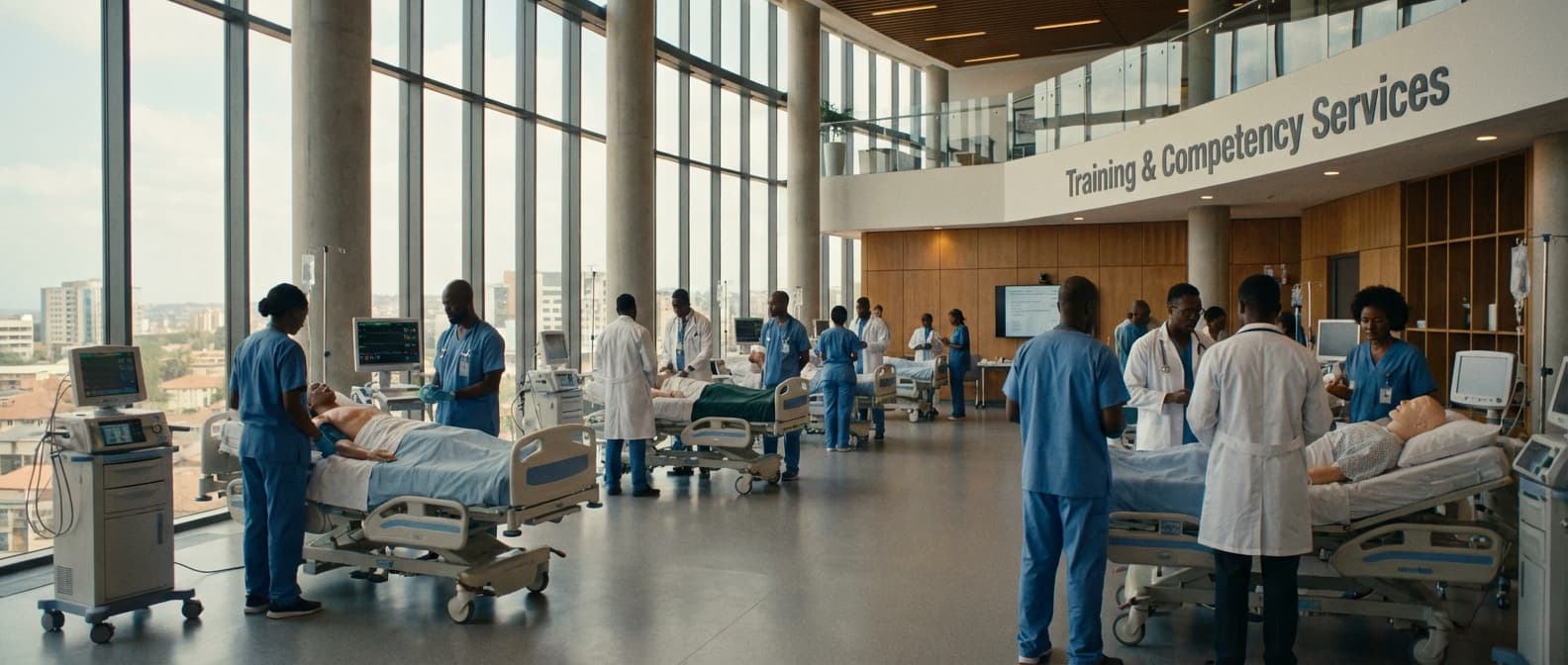
CT Operator Training Service (Radiographers) in Niger
Engineering Excellence & Technical Support
CT Operator Training Service (Radiographers) High-standard technical execution following OEM protocols and local regulatory frameworks.
Advanced CT Scanner Operation Mastery
Gain hands-on expertise in operating state-of-the-art CT scanners, covering intricate patient positioning, scan parameter optimization for reduced radiation dose, and protocol selection for diverse anatomical regions, ensuring high-quality diagnostic images.
Radiation Safety and Dose Management
Master critical principles of radiation physics and biology. Learn to implement ALARA (As Low As Reasonably Achievable) principles through advanced shielding techniques, precise exposure settings, and patient-specific dose calculations, prioritizing both radiographer and patient well-being.
Image Reconstruction and Artifact Reduction
Develop proficiency in advanced image reconstruction algorithms, including iterative reconstruction, to enhance image clarity and reduce noise. Acquire techniques for identifying and mitigating common CT artifacts, ensuring the diagnostic integrity of acquired scans.
What Is Ct Operator Training Service (Radiographers) In Niger?
CT Operator Training Service (Radiographers) in Niger refers to specialized educational programs designed to equip radiographers and associated medical imaging professionals with the theoretical knowledge and practical skills necessary to safely and effectively operate Computed Tomography (CT) scanners. This training is crucial for ensuring accurate diagnostic imaging, patient safety, and adherence to international radiation protection standards within Niger's healthcare infrastructure. The service typically encompasses fundamental principles of CT physics, image acquisition protocols, patient preparation and positioning, contrast media administration, radiation safety, quality control, and artifact reduction techniques. It also often includes hands-on experience with specific CT scanner models prevalent in the region, troubleshooting common operational issues, and understanding post-processing functionalities.
| Who Needs CT Operator Training? | Typical Use Cases | |||||||||||
|---|---|---|---|---|---|---|---|---|---|---|---|---|
| Radiographers and Diagnostic Imaging Technologists seeking to operate CT scanners. | Initial training for newly qualified radiographers or those transitioning to CT imaging. | Refresher courses for existing CT operators to update skills or learn new protocols. | Training for personnel in hospitals and diagnostic centers acquiring new CT equipment. | Continuing professional development for radiographers in Niger's healthcare sector. | Radiographers in remote or underserved areas requiring specialized imaging capabilities. | Diagnosing acute conditions such as stroke, trauma (e.g., head injuries, fractures), and pulmonary embolism. | Staging and monitoring of oncological diseases. | Investigating gastrointestinal pathologies (e.g., appendicitis, diverticulitis, bowel obstruction). | Assessing cardiovascular diseases, including coronary artery disease and aortic aneurysms. | Evaluating neurological disorders, such as brain tumors, aneurysms, and infections. | Pre-operative planning for complex surgical procedures. | Post-operative monitoring and assessment. |
Key Components of CT Operator Training Service (Radiographers) in Niger:
- Principles of CT Physics and Instrumentation
- Patient Preparation and Immobilization Techniques
- CT Scan Protocols (e.g., head, chest, abdomen, pelvis)
- Contrast Media Administration and Management
- Radiation Safety Principles and Dosimetry
- Image Acquisition Parameters and Optimization
- Artifact Recognition and Reduction Strategies
- Quality Assurance and Quality Control (QA/QC) Procedures
- Basic Image Post-Processing and Manipulation
- Emergency Procedures and Patient Monitoring
- Ethical and Legal Considerations in CT Imaging
Who Needs Ct Operator Training Service (Radiographers) In Niger?
CT Operator Training Service (Radiographers) in Niger aims to equip radiographers with the advanced skills and knowledge necessary to operate Computed Tomography (CT) scanners effectively and safely. This training is crucial for improving diagnostic accuracy, optimizing patient care, and ensuring the proper utilization of sophisticated medical imaging technology within Niger's healthcare system. The demand for such services stems from the increasing adoption of CT technology in both public and private healthcare facilities, coupled with a need to maintain high professional standards.
| Target Customer Type | Specific Departments/Roles | Key Training Needs |
|---|---|---|
| Public Healthcare Facilities | Radiology Departments, Diagnostic Imaging Units | Basic and advanced CT operation, image acquisition protocols, radiation safety, patient positioning, basic troubleshooting. |
| Private Healthcare Providers | Radiology Services, Imaging Centers | Advanced CT techniques (e.g., CT angiography, cardiac CT), contrast media administration, quality assurance, specialized CT protocols, integration with PACS. |
| NGOs/International Health Organizations | Medical Imaging Teams, Local Healthcare Partners | Operation and maintenance of specific CT models, emergency CT protocols, training on limited resources, radiation protection in diverse settings. |
| Medical Training Institutions | Radiography Programs, Continuing Education Departments | Curriculum development for CT, hands-on training modules, simulator-based training, instructor training for CT operations. |
Target Customers and Departments for CT Operator Training in Niger
- {"title":"Public Healthcare Facilities","description":"Hospitals and clinics operated by the Ministry of Public Health and Population, including regional and national referral centers. These facilities often serve a large patient population and require skilled personnel to operate and maintain their CT imaging equipment."}
- {"title":"Private Healthcare Providers","description":"Private hospitals, diagnostic imaging centers, and specialized clinics that have invested in CT scanner technology to offer advanced diagnostic services. These entities often seek specialized training to enhance the expertise of their radiographers and maintain a competitive edge."}
- {"title":"Non-Governmental Organizations (NGOs) and International Health Organizations","description":"Organizations involved in healthcare provision, medical missions, or capacity building in Niger. They may require training for their staff or local partners who operate or will operate CT equipment as part of their humanitarian or development efforts."}
- {"title":"Medical Training and Educational Institutions","description":"Universities, paramedical schools, and technical colleges that offer radiography and medical imaging programs. Providing advanced CT training can help them enhance their curriculum and produce graduates with in-demand skills."}
Ct Operator Training Service (Radiographers) Process In Niger
This document outlines the workflow for providing CT Operator Training Services (Radiographers) in Niger, from initial inquiry to the successful execution of the training program. The process is designed to ensure that all aspects of the training are thoroughly addressed, from understanding client needs to delivering effective and certified training.
| Phase | Key Activities | Responsible Party | Deliverables/Outcomes | Timeline (Estimated) |
|---|---|---|---|---|
| Client contacts service provider with a requirement for CT operator training. Initial consultation to understand specific needs, existing skill levels, number of trainees, desired outcomes, and any specific equipment or protocols. Site visit to assess available infrastructure and equipment (if applicable). Discussion of potential training formats (on-site, off-site, blended). | Client, Service Provider | Clear understanding of training requirements, trainee profile, and logistical constraints. Documented needs assessment report. | 1-3 Business Days |
| Service provider develops a detailed training proposal based on the needs assessment.
Proposal includes:
| Service Provider | Comprehensive training proposal document. | 3-5 Business Days |
| Client reviews the proposal. Negotiation of terms, pricing, and schedule. Formalization of an agreement/contract outlining scope of work, deliverables, payment schedule, and responsibilities of both parties. | Client, Service Provider | Signed training contract/agreement. | 2-7 Business Days |
| Based on the signed contract, the curriculum is finalized and potentially customized. Detailed lesson plans are developed. Selection of appropriate teaching materials (presentations, manuals, case studies). Identification and confirmation of specific CT equipment for practical training. | Service Provider | Finalized and approved training curriculum. Detailed lesson plans and training materials. | 5-10 Business Days |
| Arrangement of training venue (if off-site or requiring specialized facilities). Coordination of trainer travel and accommodation. Procurement or confirmation of necessary training equipment and consumables. Scheduling of trainees and communication of training details. | Service Provider | Confirmed training venue, booked travel and accommodation, all necessary resources available. Communication to trainees regarding schedule and preparation. | 7-14 Business Days (depending on complexity) |
| Execution of the training program as per the agreed schedule. Includes theoretical lectures, practical demonstrations, hands-on exercises on CT scanners, case study analysis, and interactive sessions. Ongoing formative assessment to gauge trainee understanding. | Service Provider (Trainers) | Delivered training sessions. Active trainee participation. | Varies based on training duration (e.g., 1-4 weeks) |
| Summative assessment to evaluate trainee knowledge and practical skills. This may include written exams, practical skill tests, and case-based assessments. Post-training feedback from trainees to assess the effectiveness of the training program and trainers. Internal review by the service provider to evaluate training delivery. | Service Provider | Completed trainee assessments. Training evaluation reports (trainee feedback and internal review). | 2-5 Business Days (post-training) |
| Issuance of certificates of completion to successful trainees. Provision of a comprehensive training report to the client, including assessment results and recommendations. Follow-up support or consultation as agreed in the contract (e.g., answering queries, providing additional resources). | Service Provider | Certificates of completion for trainees. Final training report to the client. Post-training support provided. | 3-7 Business Days (post-assessment) |
CT Operator Training Service (Radiographers) Process in Niger
- Inquiry & Needs Assessment
- Proposal Development & Submission
- Contract Negotiation & Signing
- Curriculum Customization & Planning
- Logistics & Resource Management
- Training Delivery
- Assessment & Evaluation
- Certification & Follow-up
Ct Operator Training Service (Radiographers) Cost In Niger
Determining the precise cost of CT Operator Training Services for Radiographers in Niger requires a nuanced understanding of several influencing factors. Unlike standardized global pricing, local economic conditions, the specific training provider, the duration and depth of the program, and the inclusion of practical experience all play significant roles. While official, publicly available price lists for such specialized training are scarce in Niger, we can outline the key elements that shape the cost and provide estimated ranges in local currency (Nigerien CFA Franc - XOF).
| Training Program Type | Estimated Duration | Estimated Cost Range (XOF) |
|---|---|---|
| Basic CT Operator Familiarization Course | 1-2 Days | 50,000 - 150,000 |
| Comprehensive CT Operator Training (Fundamentals) | 1-2 Weeks | 200,000 - 600,000 |
| Advanced CT Operation & Protocols Training | 2-4 Weeks | 400,000 - 1,200,000+ |
| Specialized CT Modality Training (e.g., Cardiac CT) | Variable (often part of advanced courses or workshops) | Included in advanced course fees or custom quoted |
Key Pricing Factors for CT Operator Training in Niger:
- Training Provider Reputation and Accreditation: Established institutions with international recognition or strong local standing may command higher fees. Accreditation by relevant health or educational bodies can also influence pricing.
- Program Duration and Intensity: Short, introductory courses will be less expensive than comprehensive programs that cover advanced techniques, patient care, and specific CT modalities. The number of training hours is a direct cost driver.
- Curriculum and Specialization: Basic CT operation training will be more affordable than specialized modules focusing on areas like cardiac CT, interventional CT, or pediatric CT. The complexity of the subject matter impacts training time and expertise required from instructors.
- Instructor Expertise and Qualifications: Highly experienced and specialized radiographers or medical physicists as instructors will likely result in higher training costs. Their knowledge and ability to impart practical skills are valuable.
- Training Methodology (Theoretical vs. Practical): A significant portion of practical, hands-on training using actual CT scanners (even if simulated or at partner facilities) is more resource-intensive and therefore more expensive than purely theoretical classroom instruction.
- Location of Training: Training conducted in major cities like Niamey might have slightly different cost structures due to overheads compared to remote locations. However, access to suitable training facilities is a primary concern.
- Inclusion of Equipment and Materials: The cost of using CT scanner time (if applicable), training manuals, software, and other learning materials will be factored into the overall price.
- Assessment and Certification: The rigor of the assessment process and the credibility of the certification provided can influence the training cost. Comprehensive evaluations often add to the expense.
- Accommodation and Living Expenses (if applicable): For trainees who need to relocate for training, accommodation, meals, and transportation costs will be a separate, but often bundled, consideration. This is particularly relevant for institutional training programs.
- Negotiation and Group Discounts: For training institutions or hospitals sending multiple staff members, there is often scope for negotiation and discounts on bulk enrollments.
Affordable Ct Operator Training Service (Radiographers) Options
Acquiring high-quality CT operator (radiographer) training is crucial for healthcare facilities aiming to deliver safe and effective diagnostic imaging services. This document outlines affordable training options, emphasizing value bundles and cost-saving strategies to help institutions optimize their investment.
| Training Option | Description | Cost-Saving Strategies | Value Bundles |
|---|---|---|---|
| Online/Blended Learning Programs | Theoretical coursework delivered online, often supplemented with in-person scanning sessions or simulators. Offers flexibility and self-paced learning. | Reduced travel and accommodation costs. Less disruption to clinical schedules. Access to a wider range of providers. | Bundles may include: e-learning modules + live Q&A webinars, e-learning modules + simulator access, e-learning modules + limited on-site mentorship. |
| On-Site Training (Provider Hosted) | Training conducted at the provider's facility, typically involving classroom instruction and access to their CT equipment. | Potentially lower tuition fees compared to customized on-site training. Focused learning environment. | Bundles may include: tuition + accommodation + meals, tuition + certification exam fees, tuition + introductory CT physics workshop. |
| On-Site Training (Facility Hosted) | The training provider brings instructors and potentially simulators to the healthcare facility for customized training. | Minimizes travel and time away from work for multiple staff. Can be tailored to the facility's specific equipment and protocols. | Bundles can be highly customized: training for a cohort of radiographers + equipment-specific modules, training + skills assessment + competency validation, training + staff onboarding package. |
| CT Simulators/Phantoms | Utilizing specialized equipment for hands-on practice without patient radiation exposure. Can be purchased or leased. | Reduced need for live patient scanning for basic skill development. Safer learning environment. Rental options can be more cost-effective than outright purchase for occasional use. | Bundles might include: simulator purchase/lease + training modules, simulator rental + on-site setup and instruction, simulator + advanced scenario software. |
| Partnerships and Consortia | Collaborating with other healthcare facilities or educational institutions to share resources and reduce costs. | Bulk purchasing discounts for training programs. Shared access to simulators or training facilities. Pooling resources for instructor fees. | Consortium-based training packages: joint acquisition of training resources, shared curriculum development, collaborative instructor recruitment. |
| Continuing Education Units (CEUs) Focused Training | Shorter, specialized courses focusing on specific CT techniques, new technologies, or advanced applications, often available for CEUs. | Targeted skill development for specific needs. Can be more affordable than comprehensive initial training. Often available online. | Bundles may include: multiple CEU courses at a discounted rate, bundled with access to online resource libraries, CEU courses + online assessment tools. |
Key Considerations for Affordable CT Operator Training:
- Accreditation and Certification: Ensure training programs meet recognized industry standards and prepare radiographers for necessary certifications (e.g., ARRT).
- Curriculum Relevance: The training should cover essential theoretical knowledge, practical scanning techniques, patient safety protocols, radiation protection, and common pathologies.
- Instructor Expertise: Experienced and certified CT instructors are vital for delivering effective and engaging training.
- Hands-on Experience: Access to CT scanners for practical training is non-negotiable. This can be through dedicated training simulators, partnerships with other facilities, or on-site training.
- Location and Delivery Method: Consider the impact of location on travel costs and time away from clinical duties. Online or blended learning can offer flexibility and reduce expenses.
- Ongoing Support and Continuing Education: Look for providers who offer post-training support and opportunities for continuing education to keep skills updated.
Verified Providers In Niger
Navigating the healthcare landscape in Niger requires access to reliable and accredited providers. Franance Health stands out by offering a network of verified healthcare professionals and institutions, ensuring you receive quality care with confidence. This verification process is rigorous, encompassing credential checks, adherence to ethical standards, and commitment to patient well-being. Choosing a Franance Health verified provider means opting for expertise, transparency, and a patient-centered approach.
| Provider Category | Key Verification Criteria | Benefits for Patients |
|---|---|---|
| Medical Doctors | Valid medical license, specialization certifications, clean disciplinary record, continuing medical education. | Access to qualified specialists, accurate diagnoses, effective treatment plans. |
| Hospitals & Clinics | Accreditation from relevant health bodies, adherence to safety protocols, availability of essential medical equipment, qualified nursing staff. | Safe and well-equipped facilities, quality medical support, comprehensive care services. |
| Pharmacies | Valid operating license, proper drug storage and dispensing practices, availability of essential medications. | Access to genuine and safe medications, reliable pharmaceutical advice. |
| Diagnostic Laboratories | Accreditation, quality control measures, qualified technicians, use of certified equipment. | Accurate and reliable diagnostic results for informed medical decisions. |
Why Franance Health Verified Providers are the Best Choice:
- Rigorous Verification Process: All providers undergo a thorough vetting process to ensure they meet high standards of qualification and practice.
- Quality Assurance: Access to healthcare professionals and facilities committed to providing excellent patient care.
- Trust and Transparency: Our verification builds trust, offering you peace of mind when making healthcare decisions.
- Access to Expertise: Connect with specialized doctors, nurses, and healthcare centers tailored to your needs.
- Patient-Centric Approach: Verified providers are committed to ethical practices and prioritize your health and satisfaction.
- Streamlined Healthcare Journey: Franance Health aims to simplify your search for reliable healthcare services in Niger.
Scope Of Work For Ct Operator Training Service (Radiographers)
This Scope of Work (SOW) outlines the requirements for a comprehensive CT Operator Training Service specifically designed for Radiographers. The service aims to equip radiographers with the advanced theoretical knowledge and practical skills necessary to proficiently operate Computed Tomography (CT) scanners, ensuring optimal image quality, patient safety, and adherence to best practices in medical imaging.
| Deliverable | Description | Standard Specification/Requirement | Format/Method |
|---|---|---|---|
| Training Curriculum | Detailed outline of all training modules, learning objectives, and assessment methods. | Must be aligned with current professional standards (e.g., ARRT, local regulatory bodies) and cover all listed topics comprehensively. | Document (PDF/Word) |
| Training Manuals/Handouts | Comprehensive written materials for each training module. | Clear, concise language, high-quality diagrams, illustrations, and relevant clinical examples. Include key terminology, concepts, and procedures. | Digital (PDF) and/or printed copies |
| Presentation Slides | Visual aids used during lectures and demonstrations. | Professionally designed, visually appealing, and informative slides that complement the training manuals. | Digital (PowerPoint/PDF) |
| Practical Training Sessions | Hands-on experience with CT scanner operation and protocol selection. | Supervised practice on actual CT equipment or high-fidelity simulators, covering a range of common and advanced examinations. Focus on patient positioning, scan parameter optimization, and image acquisition. | On-site or remote simulated environment with instructor supervision |
| Case Studies and Scenarios | Real-world clinical examples to reinforce learning. | Diverse range of pathologies, imaging challenges, and protocol optimization scenarios. Include pre-scan planning, acquisition, and post-processing discussions. | Document (PDF/Word) with accompanying image data (anonymized DICOM files if feasible) |
| Assessment Tools | Methods for evaluating trainee comprehension and competency. | Quizzes, practical examinations, case study analysis, and a final comprehensive assessment. Must include passing criteria and feedback mechanisms. | Written tests, practical evaluation checklists, and case study rubrics |
| Competency Certification | Formal recognition of successful completion of the training program. | Issued upon successful completion of all training modules and passing the final assessment. Should include trainee name, course details, and date of completion. | Formal Certificate (Digital/Printed) |
| Instructor Qualifications | Credentials and experience of the training instructors. | Certified radiographers or medical physicists with a minimum of X years of experience in CT operation and a proven track record in teaching/training. | Resumes/CVs of instructors, relevant certifications |
| Post-Training Support | Ongoing assistance to trainees after the formal training period. | Access to expert consultation for a defined period (e.g., 30 days) for protocol clarification, troubleshooting, or further guidance. | Email/Phone support, dedicated online forum |
| Training Report | Summary of training activities, attendee performance, and feedback. | Includes attendance records, assessment results, summary of feedback received, and recommendations for future training. | Document (PDF/Word) |
Key Training Modules and Topics
- Introduction to CT Physics and Principles
- CT Scanner Hardware and System Components
- Image Acquisition Techniques and Protocols
- Image Reconstruction and Processing
- Contrast Media Administration and Safety
- Radiation Safety and Dose Management
- Artifact Identification and Mitigation
- CT Angiography and Advanced Imaging Techniques
- Quality Assurance and Quality Control (QA/QC) for CT
- Patient Care and Communication in CT
- Emergency Procedures and Troubleshooting
- Introduction to CT Simulation and Treatment Planning (if applicable)
- PACS Integration and Picture Archiving and Communication System (PACS) Utilization
Service Level Agreement For Ct Operator Training Service (Radiographers)
This Service Level Agreement (SLA) outlines the performance standards for the CT Operator Training Service provided to radiographers. It defines response times for support requests and uptime guarantees for the training platform.
| Service Component | SLA Metric | Target | Measurement Period | Remedy/Consequence |
|---|---|---|---|---|
| Technical Support (Issues with training platform access, functionality) | Initial Response Time | Within 4 business hours | Per support ticket submission | For each instance exceeding the target, a credit of 5% of the monthly training fee for that user. |
| Content/Curriculum Support (Questions regarding training material) | Initial Response Time | Within 8 business hours | Per support ticket submission | For each instance exceeding the target, a credit of 3% of the monthly training fee for that user. |
| CT Operator Training Platform | Guaranteed Uptime | 99.5% | Monthly | For each percentage point below 99.5% but above 98%, a credit of 10% of the monthly training fee. For uptime below 98%, a credit of 20% of the monthly training fee. |
| CT Operator Training Platform (Scheduled Maintenance) | Notification Period | Minimum 48 hours notice | For each scheduled maintenance event not notified with the minimum period, a credit of 5% of the monthly training fee. |
Key Performance Indicators (KPIs)
- Response Time for Support Requests
- Uptime Guarantee for Training Platform
Frequently Asked Questions

Ready when you are
Let's scope your CT Operator Training Service (Radiographers) in Niger project in Niger.

Scaling healthcare logistics and technical systems across the entire continent.