
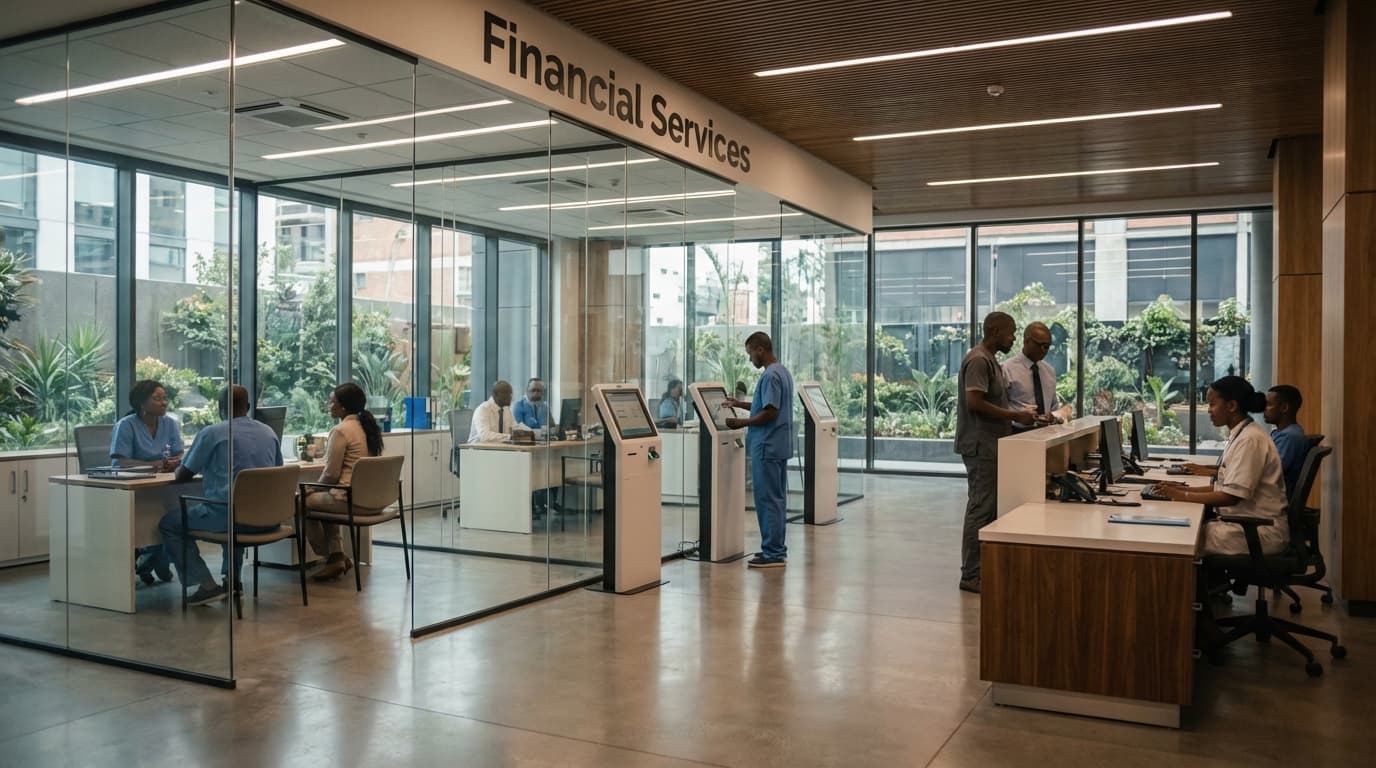
Medical Equipment Financing in Niger
Engineering Excellence & Technical Support
Leasing and financing solutions for medical equipment High-standard technical execution following OEM protocols and local regulatory frameworks.
Bridging the Gap in Healthcare Access
Empowering Nigerien healthcare providers with flexible financing solutions for essential medical equipment, from diagnostic tools to surgical units, thereby improving patient care and health outcomes across the nation.
Tailored Financing for Local Needs
Offering specialized financing programs structured to address the unique economic landscape of Niger, ensuring affordability and accessibility of state-of-the-art medical technology for clinics, hospitals, and specialized health centers.
Investing in Sustainable Health Infrastructure
Facilitating the acquisition of durable and reliable medical equipment through secure and transparent financing, contributing to the long-term sustainability and advancement of Niger's healthcare infrastructure.
What Is Medical Equipment Financing In Niger?
Medical Equipment Financing in Niger refers to a structured financial service that provides capital to healthcare providers, institutions, and organizations within Niger for the acquisition of new, used, or refurbished medical equipment. This financing mechanism typically involves a lender providing funds for the purchase, which the borrower then repays over a predetermined period with interest. The underlying asset (the medical equipment) often serves as collateral for the loan, mitigating risk for the financier. The service is designed to overcome the significant upfront capital expenditure barriers associated with procuring essential medical technology, thereby enhancing healthcare delivery capabilities.
| Stakeholder Group | Need for Financing | Typical Use Cases |
|---|---|---|
| Public Hospitals & Clinics | Upgrade outdated infrastructure, expand service capacity, replace worn-out equipment. | Diagnostic imaging (X-ray, CT scanners), surgical instruments, laboratory equipment, patient monitoring systems, specialized treatment devices (e.g., dialysis machines). |
| Private Healthcare Facilities (Hospitals, Clinics, Diagnostic Centers) | Enhance competitiveness, offer advanced medical services, meet growing patient demand, comply with evolving regulatory standards. | Advanced imaging technologies, modern surgical suites, specialized diagnostic tools, laboratory automation systems, patient management software integrated with hardware. |
| Non-Governmental Organizations (NGOs) & International Aid Organizations | Equip mobile clinics, support public health initiatives, establish or upgrade facilities in underserved areas, respond to health emergencies. | Portable diagnostic equipment, essential medical supplies for field operations, basic surgical kits, community health outreach tools, emergency medical response vehicles equipped with technology. |
| Medical Training & Research Institutions | Provide students with hands-on experience with current technologies, facilitate research projects, conduct advanced medical training. | Simulation equipment, advanced laboratory apparatus, dissection tables, specialized imaging equipment for research, high-performance computing for medical data analysis. |
| Individual Medical Practitioners (Specialists) | Establish or expand private practices, offer specialized diagnostic or treatment services. | Ultrasound machines, endoscopy equipment, dental chairs and associated equipment, specialized diagnostic kits, minor surgical equipment. |
Key Aspects of Medical Equipment Financing in Niger
- Purpose: Facilitating the acquisition of medical devices and technology.
- Mechanism: Typically structured as loans, leases, or other debt instruments.
- Collateral: The financed equipment often serves as security for the loan.
- Repayment: Amortized over a defined term with interest, or through periodic lease payments.
- Eligibility: Assessed based on the financial viability and creditworthiness of the applicant.
- Provider: Offered by specialized financial institutions, commercial banks, or dedicated equipment finance companies.
Who Needs Medical Equipment Financing In Niger?
Medical equipment financing in Niger is a critical need for a variety of entities striving to improve healthcare access and quality across the nation. These financing solutions enable healthcare providers to acquire, upgrade, and maintain essential medical technology, ensuring they can deliver effective and up-to-date patient care. The demand for such financing is driven by the constant evolution of medical technology, the need to replace aging equipment, and the ambition to expand healthcare services into underserved areas. Without accessible financing, many healthcare institutions would struggle to afford the capital investment required for modern medical equipment, directly impacting patient outcomes and the overall health infrastructure.
| Customer Type | Key Departments/Needs |
|---|---|
| Public Hospitals and Health Centers | Radiology (X-ray, CT scanners, MRI), Ultrasound, Operating Theaters, Intensive Care Units (ICUs), Emergency Rooms, Laboratories (hematology, biochemistry), Sterilization Equipment, General Wards Equipment. |
| Private Hospitals and Clinics | Similar to public hospitals, with potential emphasis on advanced diagnostic imaging, specialized surgical equipment, modern dental equipment, and advanced laboratory analyzers. |
| Non-Governmental Organizations (NGOs) and Charities | Mobile clinics, primary healthcare equipment, maternal and child health equipment, diagnostic tools for specific disease programs (e.g., malaria, HIV/AIDS), and equipment for outreach programs. |
| Diagnostic Laboratories | Automated blood analyzers, chemistry analyzers, microbiology equipment, PCR machines, pathology equipment, and imaging equipment for specialized diagnostics. |
| Specialized Medical Centers | Cataract surgery equipment (ophthalmology), cardiac catheterization labs (cardiology), advanced neonatal incubators and ventilators (maternity/neonatology), endoscopic equipment (gastroenterology/pulmonology). |
| Medical Training Institutions | Simulation equipment, anatomy lab equipment, basic laboratory equipment for teaching purposes, and potentially access to functioning diagnostic equipment for practical training. |
Target Customers for Medical Equipment Financing in Niger
- Public Hospitals and Health Centers
- Private Hospitals and Clinics
- Non-Governmental Organizations (NGOs) and Charities
- Diagnostic Laboratories
- Specialized Medical Centers (e.g., maternity, cardiology, ophthalmology)
- Medical Training Institutions
Medical Equipment Financing Process In Niger
The medical equipment financing process in Niger typically involves a structured workflow from an initial inquiry by a healthcare provider to the final execution of the financing agreement. This process is designed to assess the borrower's financial viability, the suitability of the equipment, and ensure compliance with regulatory and legal frameworks within Niger. While specific procedures can vary slightly between financial institutions (banks, microfinance institutions, specialized leasing companies), the core steps remain consistent.
| Stage | Description | Key Actors Involved | Typical Documentation Required |
|---|---|---|---|
| Inquiry and Initial Consultation | The healthcare provider (hospital, clinic, laboratory) expresses interest in financing medical equipment. This stage involves understanding the provider's needs, the type of equipment, and the desired financing structure. Financial institutions explain their offerings, interest rates, and eligibility criteria. | Healthcare Provider (Borrower), Financial Institution Representative | Basic information about the healthcare facility, intended equipment, and financing needs. |
| Application Submission and Document Verification | The provider formally applies for financing, submitting a comprehensive application form along with supporting documents. The financial institution verifies the authenticity and completeness of these documents. | Healthcare Provider (Borrower), Financial Institution's Operations/Admin Team | Business registration certificates, identification of key personnel, financial statements (audited if available), tax clearance certificates, business plan (if applicable), pro forma invoice for the equipment. |
| Credit Assessment and Risk Evaluation | The financial institution analyzes the provider's creditworthiness, financial health, repayment capacity, and overall business risk. This may involve site visits and interviews. | Financial Institution's Credit Department/Risk Analysts | Detailed financial statements, bank statements, cash flow projections, credit history reports, proof of ownership of existing assets. |
| Equipment Appraisal and Technical Vetting | The proposed medical equipment is assessed for its market value, utility, technical specifications, and suitability for the provider's needs. This might involve engaging independent technical experts. | Financial Institution's Technical Department/Appraisers, Equipment Supplier | Detailed specifications of the equipment, quotes/pro forma invoices from reputable suppliers, technical brochures, warranty information. |
| Proposal and Terms Negotiation | Based on the assessments, the financial institution prepares a financing proposal outlining the loan amount, interest rate, repayment period, collateral requirements, and other terms and conditions. Negotiations may occur. | Financial Institution's Relationship Manager/Credit Committee, Healthcare Provider (Borrower) | Financial proposal, term sheet. |
| Legal and Regulatory Compliance Checks | Ensures all legal requirements and regulations in Niger related to financing and medical equipment are met. This includes checks on ownership, permits, and any specific industry regulations. | Financial Institution's Legal Department, Relevant Government Agencies (potentially) | Legal opinions, regulatory approvals (if required for specific equipment). |
| Approval and Offer Letter Issuance | Upon successful completion of all assessments and compliance checks, the financing is formally approved. An offer letter detailing the final terms and conditions is issued to the borrower. | Financial Institution's Credit Committee/Board, Healthcare Provider (Borrower) | Offer letter/Letter of Intent. |
| Contractual Documentation and Signing | A formal financing agreement (loan agreement, lease agreement, etc.) is drafted, reviewed by legal counsel, and signed by both parties. This legally binds them to the terms. | Healthcare Provider (Borrower), Financial Institution's Legal Team, Notary Public (potentially) | Loan/Lease Agreement, Collateral documents (mortgages, liens), Guarantees (if applicable). |
| Disbursement and Equipment Procurement | The financial institution disburses the funds to the equipment supplier or directly to the borrower (depending on the agreement). The borrower proceeds with purchasing the equipment. | Financial Institution's Treasury/Disbursement Team, Healthcare Provider (Borrower), Equipment Supplier | Proof of payment to supplier, Purchase order. |
| Installation, Training, and Verification | The medical equipment is installed, and relevant staff are trained on its operation. The financial institution may verify the successful installation and operational readiness. | Healthcare Provider (Borrower), Equipment Supplier, Financial Institution's Monitoring Team | Installation certificate, training records, verification reports. |
| Repayment and Ongoing Monitoring | The borrower begins making regular repayments as per the agreed schedule. The financial institution monitors loan performance, including timely payments and adherence to covenants. | Healthcare Provider (Borrower), Financial Institution's Loan Servicing/Monitoring Department | Repayment schedules, account statements, periodic financial reports from the borrower. |
Workflow Stages of Medical Equipment Financing in Niger:
- Inquiry and Initial Consultation
- Application Submission and Document Verification
- Credit Assessment and Risk Evaluation
- Equipment Appraisal and Technical Vetting
- Proposal and Terms Negotiation
- Legal and Regulatory Compliance Checks
- Approval and Offer Letter Issuance
- Contractual Documentation and Signing
- Disbursement and Equipment Procurement
- Installation, Training, and Verification
- Repayment and Ongoing Monitoring
Medical Equipment Financing Cost In Niger
Financing medical equipment in Niger involves a complex interplay of factors that influence costs. These costs are generally presented in local currency, the West African CFA franc (XOF). The pricing is highly variable, depending on the specific type of equipment, its technological sophistication, the supplier, and the financing terms. Key drivers of these costs include import duties and taxes, shipping and logistics, installation and training, and the financing interest rates offered by local banks or specialized financial institutions. New, advanced diagnostic imaging equipment will naturally command a much higher price and financing cost than basic laboratory consumables or essential patient care beds. Currency fluctuations against major international currencies can also play a significant role, as most advanced medical equipment is imported.
| Equipment Category (Illustrative Examples) | Estimated Financing Cost Range (XOF per unit, Annualized Interest) | Notes on Cost Drivers |
|---|---|---|
| Basic Patient Care Equipment (e.g., Hospital Beds, Wheelchairs) | 50,000 - 500,000 XOF | Lower unit cost, financing typically on shorter terms. Driven by volume and basic features. |
| Laboratory Equipment (e.g., Basic Analyzers, Microscopes) | 200,000 - 3,000,000 XOF | Moderate cost, influenced by automation and complexity. Import duties significant. |
| Diagnostic Imaging (e.g., X-ray Machines, Ultrasound) | 5,000,000 - 50,000,000+ XOF | High cost, heavily dependent on technology (digital vs. analog). Major components include import costs, installation, and specialized training. |
| Surgical Equipment (e.g., Operating Tables, Basic Surgical Sets) | 1,000,000 - 15,000,000+ XOF | Varies by complexity and level of automation. Financing can be substantial due to specialized nature. |
| Advanced Medical Equipment (e.g., CT Scanners, MRI Machines) | 50,000,000 - 500,000,000+ XOF | Extremely high cost, requiring significant capital outlay and specialized financing. Driven by cutting-edge technology, import complexity, and extensive support requirements. |
Key Pricing Factors for Medical Equipment Financing in Niger:
- Type and Sophistication of Equipment: Diagnostic imaging (MRI, CT scanners), surgical robots, and advanced laboratory analyzers are significantly more expensive than basic patient monitors or sterilization units.
- New vs. Refurbished Equipment: New equipment carries a higher upfront cost and therefore higher financing charges, but often comes with warranties and the latest technology. Refurbished equipment offers a lower initial investment.
- Supplier and Brand Reputation: Established international brands typically have higher price tags but may offer better reliability and after-sales support, influencing financing considerations.
- Import Duties and Taxes: Niger's import tariffs and Value Added Tax (VAT) directly add to the landed cost of equipment, increasing the principal amount to be financed.
- Shipping and Logistics: Transportation costs from the point of origin to Niger, including freight, insurance, and local distribution, are substantial.
- Installation and Training: Professional installation and user training are often mandatory and add to the overall project cost, which is then financed.
- Financing Institution and Terms: Interest rates offered by banks, the loan tenor (duration), and any associated fees (origination fees, processing fees) significantly impact the total financing cost.
- Currency Exchange Rates: As most sophisticated equipment is imported, fluctuations in the XOF against currencies like the USD or EUR can affect the final financed amount.
- After-Sales Service and Maintenance Contracts: While not always directly financed, the cost of these services can influence the decision to acquire certain equipment, indirectly impacting financing choices.
- Market Demand and Competition: The availability of local distributors and the level of competition can influence pricing and negotiation power.
Affordable Medical Equipment Financing Options
Securing affordable medical equipment is crucial for healthcare providers to offer quality patient care and maintain operational efficiency. Fortunately, various financing options and cost-saving strategies are available to mitigate the financial burden. This section explores value bundles and effective cost-saving approaches that can significantly reduce the overall expenditure on medical equipment.
| Financing Option | Description | Pros | Cons |
|---|---|---|---|
| Operating Lease | Rent equipment for a specified period. Ownership remains with the lessor. | Low upfront cost, predictable payments, easy upgrades, off-balance sheet financing. | No equity built, may be more expensive long-term, restrictions on usage. |
| Finance Lease (Capital Lease) | Lease with an option to purchase at the end for a nominal fee. Treated as an asset on the balance sheet. | Ownership is eventually achieved, potential tax benefits, can be more cost-effective long-term than operating lease. | Higher upfront cost than operating lease, depreciation responsibilities, ownership is not immediate. |
| Outright Purchase (Cash) | Buy equipment directly with available funds. | Full ownership, no ongoing payments, potential for discounts. | Significant upfront capital outlay, reduced cash reserves, potential for obsolescence. |
| Loan Financing | Borrow funds from a bank or financial institution to purchase equipment. | Ownership from the start, predictable repayment schedule, potential tax deductions for interest. | Interest costs, requires collateral, creditworthiness assessment. |
| Medical Equipment Refurbishing Programs | Purchase pre-owned equipment that has been professionally restored and certified. | Significant cost savings, often comes with warranties, environmentally friendly. | Limited availability of specific models, potential for shorter lifespan than new equipment. |
Key Value Bundles and Cost-Saving Strategies
- Leasing Agreements: Explore operating leases and finance leases for immediate access to equipment with predictable monthly payments. This can preserve capital for other operational needs.
- Bundle Deals: Negotiate for 'package deals' when purchasing multiple pieces of equipment. Suppliers may offer discounts for larger orders or for acquiring complementary devices.
- Refurbished Equipment: Consider high-quality, certified refurbished medical equipment. These options can offer substantial savings compared to new units, often with warranties.
- Rent-to-Own Programs: These programs allow you to rent equipment with an option to purchase it later, with a portion of the rent payments typically credited towards the purchase price.
- Used Equipment Marketplaces: Online platforms and specialized dealers offer a wide selection of used medical equipment, providing significant cost reductions.
- Strategic Partnerships: Collaborate with other healthcare facilities or group purchasing organizations (GPOs) to leverage collective buying power for better pricing and terms.
- Manufacturer Rebates and Incentives: Stay informed about ongoing promotions, rebates, and special financing offers directly from equipment manufacturers.
- Service and Maintenance Contracts: Negotiate comprehensive service and maintenance contracts that bundle routine upkeep, repairs, and parts. This can prevent unexpected high repair costs and ensure equipment longevity.
- Technology Refresh Cycles: Plan for equipment upgrades. Instead of purchasing the absolute latest model, consider slightly older, well-maintained models that meet your needs at a lower price point.
- Payment Terms Negotiation: Actively negotiate payment terms with suppliers. Longer payment periods can improve cash flow, and early payment discounts can also be beneficial.
- Lease Buyout Options: When leasing, understand the buyout options at the end of the lease term. Sometimes purchasing the equipment at a predetermined price can be more cost-effective than returning it.
- Equipment Trade-In Programs: Inquire about trade-in programs offered by manufacturers or dealers when purchasing new equipment. This can reduce the net cost of your acquisition.
Verified Providers In Niger
Finding trustworthy healthcare providers is paramount in Niger. Franance Health has established itself as a leading organization by meticulously vetting and credentialing healthcare professionals. Their rigorous selection process ensures that all listed providers meet high standards of medical expertise, ethical practice, and patient-centered care. Choosing a Franance Health-verified provider means opting for quality, reliability, and peace of mind in your healthcare journey.
| Provider Type | Franance Health Verification Criteria | Benefits for Patients |
|---|---|---|
| General Practitioners | Valid medical license, proof of at least 3 years of practice, positive patient feedback reviews. | Reliable first point of contact for common ailments, comprehensive health check-ups, referrals to specialists. |
| Specialists (e.g., Cardiologists, Pediatricians) | Board certification in their specialty, advanced degrees, ongoing professional development, peer recommendations. | Expert diagnosis and treatment for specific medical conditions, advanced procedures and interventions. |
| Nurses and Midwives | Registered nursing license, relevant certifications (e.g., maternal care), training in emergency procedures. | Quality bedside care, assistance with recovery, specialized support for women's health and childbirth. |
| Diagnostic Laboratories | Accreditation from relevant national or international bodies, adherence to quality control standards, latest diagnostic equipment. | Accurate and timely test results, reliable diagnostic information for treatment planning. |
Why Choose Franance Health Verified Providers?
- Rigorous Vetting Process: Franance Health employs a multi-stage verification that includes background checks, license verification, and assessment of professional experience.
- Commitment to Quality Care: Verified providers adhere to established medical protocols and demonstrate a dedication to continuous professional development.
- Patient Safety and Trust: The credentialing process prioritizes patient well-being and aims to build a foundation of trust between patients and healthcare providers.
- Access to Competent Professionals: Franance Health connects you with skilled doctors, nurses, specialists, and other healthcare practitioners equipped to handle a wide range of medical needs.
- Streamlined Healthcare Navigation: By offering a curated list of trusted providers, Franance Health simplifies the process of finding the right medical care.
Scope Of Work For Medical Equipment Financing
This document outlines the Scope of Work (SOW) for the financing of medical equipment. It details the technical deliverables, standard specifications, and associated services required for a successful equipment procurement and financing process. The objective is to secure appropriate financing that meets the clinical, operational, and financial needs of the healthcare facility. This SOW covers the identification of required equipment, the development of technical specifications, the procurement process, and the terms of the financing agreement.
| Technical Deliverable | Description | Standard Specification Requirements | Key Performance Indicators (KPIs) |
|---|---|---|---|
| Detailed Equipment List with Specifications | A comprehensive list of all medical equipment to be financed, including model numbers, manufacturers, quantities, and detailed technical specifications. | Compliance with current clinical guidelines, regulatory standards (e.g., FDA, CE), manufacturer's latest model specifications, energy efficiency ratings, and interoperability requirements with existing systems. | Accuracy and completeness of the equipment list; adherence to industry best practices for equipment selection. |
| Vendor Quotations and Proposals | Formal quotations and detailed proposals from approved or pre-qualified vendors for each piece of equipment. | Includes itemized pricing, delivery timelines, warranty terms, installation costs, training packages, and after-sales service agreements. Must be comparable and transparent. | Timeliness of vendor responses; clarity and completeness of quotations; competitiveness of pricing. |
| Financing Agreement Documents | The legally binding agreement outlining the terms and conditions of the equipment financing (e.g., loan, lease). | Includes interest rates, repayment schedules, collateral requirements, insurance obligations, ownership transfer clauses (if applicable), default provisions, and early termination options. Must align with facility's financial policies and regulatory compliance. | Favorable interest rates and repayment terms; clear and unambiguous contract language; compliance with all relevant financial and legal regulations. |
| Installation and Commissioning Reports | Documentation confirming the successful installation, calibration, and functional testing of all financed equipment. | Signed reports from qualified technicians, including test results, calibration certificates, and user training completion records. Verifies that equipment meets specified performance standards. | Successful installation and commissioning within agreed timelines; documented proof of functionality and performance meeting specifications. |
| Maintenance and Service Contracts | Agreements for the ongoing maintenance, repair, and service of the financed equipment. | Details of service levels, response times, preventive maintenance schedules, parts availability, and costs. May be vendor-provided or through third-party service providers. | Comprehensive coverage of maintenance needs; cost-effectiveness of service contracts; uptime guarantees for critical equipment. |
Key Stages of Medical Equipment Financing
- Equipment Needs Assessment and Prioritization
- Technical Specification Development
- Vendor Selection and Quotation Gathering
- Financing Proposal Evaluation
- Contract Negotiation and Agreement
- Equipment Installation and Commissioning
- Ongoing Maintenance and Support Planning
Service Level Agreement For Medical Equipment Financing
This Service Level Agreement (SLA) outlines the response times and uptime guarantees for medical equipment financing services provided by [Your Company Name] to [Client Name]. This SLA is an integral part of the Master Services Agreement (MSA) dated [Date of MSA].
| Service Component | Criticality Level | Response Time Target | Resolution Time Target | Uptime Guarantee |
|---|---|---|---|---|
| Financing Application Portal (Web-based) | High | 1 hour (during business hours) | 4 business hours | 99.8% |
| Document Submission System | High | 1 hour (during business hours) | 4 business hours | 99.8% |
| Client Support Hotline/Email | Medium | 2 business hours (acknowledgement) | 8 business hours (resolution attempt) | N/A (Support availability) |
| Data Backup and Recovery Systems | High | Immediate (automated) | 24 hours (from disaster event) | 100% (for backup integrity) |
| Reporting Dashboard & Analytics | Medium | 4 business hours | 8 business hours | 99.5% |
Key Performance Indicators (KPIs)
- Response Time: The maximum time within which [Your Company Name] will acknowledge and begin addressing a reported issue.
- Resolution Time: The maximum time within which [Your Company Name] will work towards resolving a reported issue.
- Uptime Guarantee: The minimum percentage of time the financing platform and related services will be available and operational.
Frequently Asked Questions

Ready when you are
Let's scope your Medical Equipment Financing in Niger project in Niger.

Scaling healthcare logistics and technical systems across the entire continent.