
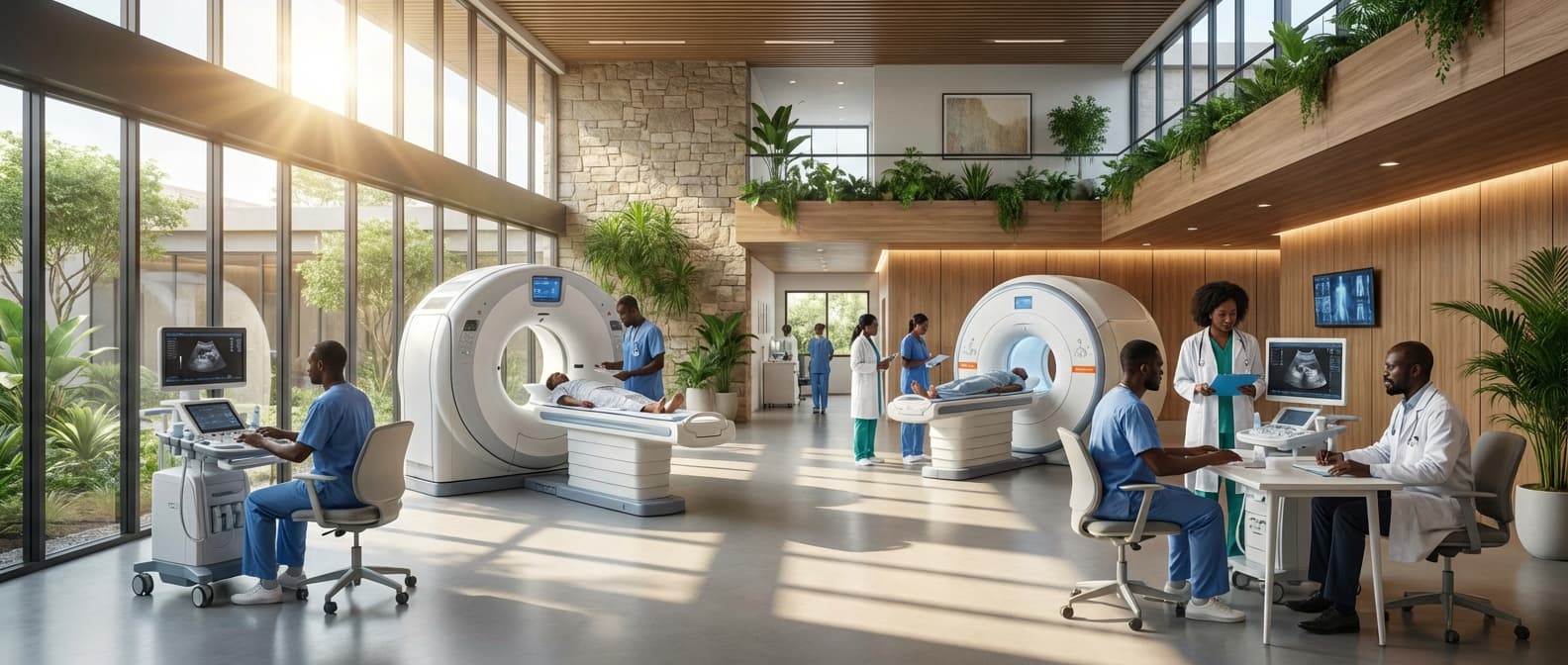
Endoscopy Solutions in Niger
Engineering Excellence & Technical Support
Advanced endoscopic equipment delivering superior visualization and diagnostic precision for minimally invasive procedures. High-standard technical execution following OEM protocols and local regulatory frameworks.
Advanced Diagnostic Capabilities
Our state-of-the-art endoscopy equipment offers unparalleled visualization and precision, enabling early and accurate diagnosis of gastrointestinal conditions in Niger, leading to more effective treatment plans.
Minimally Invasive Procedures
We provide minimally invasive endoscopic solutions that significantly reduce patient discomfort and recovery time, making advanced gastrointestinal care more accessible and less burdensome for communities in Niger.
Empowering Local Healthcare Providers
Our commitment extends to training and supporting local medical professionals in Niger, equipping them with the expertise to perform and interpret endoscopic procedures, thereby strengthening local healthcare infrastructure.
What Is Endoscopy Solutions In Niger?
Endoscopy Solutions in Niger refers to the provision of diagnostic and therapeutic procedures utilizing endoscopes, which are flexible or rigid tubes with a light and camera attached. These devices are inserted into body cavities or organs to visualize internal structures, obtain tissue samples (biopsies), and perform minimally invasive interventions. The availability and scope of these services in Niger are crucial for addressing a range of gastrointestinal, respiratory, and other internal medical conditions within the country's healthcare infrastructure.
| Indication/Patient Group | Typical Use Cases | Endoscopic Procedure |
|---|---|---|
| Suspected Peptic Ulcer Disease (PUD) | Investigating epigastric pain, nausea, vomiting, or hematemesis. | Gastroscopy (Esophagogastroduodenoscopy - EGD) |
| Suspected Gastrointestinal Bleeding | Identifying the source of bleeding, whether from ulcers, varices, or other lesions. | Gastroscopy (EGD) and/or Colonoscopy |
| Changes in Bowel Habits | Evaluating persistent diarrhea, constipation, or alternating bowel habits. | Colonoscopy |
| Colorectal Cancer Screening/Surveillance | Detecting precancerous polyps or early-stage colorectal cancer, especially in individuals with a family history or risk factors. | Colonoscopy |
| Unexplained Weight Loss | Investigating potential malabsorption, malignancy, or inflammatory conditions of the upper gastrointestinal tract. | Gastroscopy (EGD) |
| Suspected Esophageal or Gastric Malignancy | Diagnosing and staging tumors of the esophagus, stomach, or duodenum. | Gastroscopy (EGD) with biopsy |
| Respiratory Symptoms (Chronic Cough, Hemoptysis) | Investigating lesions or abnormalities in the airways. | Bronchoscopy |
| Foreign Body Ingestion/Aspiration | Retrieving ingested foreign objects from the gastrointestinal tract or aspirated objects from the airways. | Gastroscopy (EGD) or Bronchoscopy |
| Monitoring Inflammatory Bowel Disease (IBD) | Assessing disease activity and extent in patients with Crohn's disease or ulcerative colitis. | Colonoscopy or Sigmoidoscopy |
Key Aspects of Endoscopy Solutions in Niger
- Diagnostic Visualization: Enables direct visualization of the internal lining of organs such as the esophagus, stomach, duodenum, colon, and lungs.
- Biopsy Acquisition: Facilitates the procurement of tissue samples for histopathological examination, essential for definitive diagnosis of malignancy, inflammation, or infection.
- Therapeutic Interventions: Allows for the performance of procedures like polypectomy (removal of polyps), hemostasis (stopping bleeding), dilation of strictures, and foreign body retrieval.
- Specialized Equipment: Requires advanced endoscopic units, including gastroscopes, colonoscopes, bronchoscopes, and associated accessories (biopsy forceps, snares, electrocautery devices).
- Trained Personnel: Necessitates skilled gastroenterologists, pulmonologists, surgeons, and endoscopy nurses proficient in operating endoscopic equipment and managing patient care.
- Accessibility Challenges: May face limitations due to infrastructure development, cost of equipment and consumables, and the availability of specialized medical professionals in remote or underserved areas of Niger.
Who Needs Endoscopy Solutions In Niger?
Endoscopy solutions are essential for diagnosing and treating a wide range of gastrointestinal and respiratory conditions. In Niger, where access to advanced medical equipment can be limited, these technologies play a crucial role in improving patient outcomes and providing specialized care. This document outlines the key beneficiaries and departments that would significantly benefit from the adoption and implementation of endoscopy solutions.
| Department | Specific Needs | Conditions Addressed |
|---|---|---|
| Gastroenterology | Upper endoscopy (EGD), Colonoscopy, Sigmoidoscopy, Endoscopic retrograde cholangiopancreatography (ERCP) | Peptic ulcers, gastritis, gastroesophageal reflux disease (GERD), inflammatory bowel disease (IBD), colorectal polyps and cancer, gallstones, pancreatic issues, bleeding disorders. |
| Pulmonology | Bronchoscopy, Mediastinoscopy | Lung infections, lung cancer, tuberculosis (TB), interstitial lung diseases, airway obstruction, diagnosing persistent cough. |
| Oncology | Diagnostic and therapeutic endoscopy for GI and respiratory cancers | Screening for and staging of various cancers, palliative care interventions (e.g., stenting). |
| Surgery (General & Laparoscopic) | Assistance in minimally invasive procedures, intraoperative endoscopy | Diagnosis and treatment of appendicitis, cholecystitis, bowel obstructions, and other surgical emergencies. |
| Emergency Medicine | Rapid diagnosis of GI bleeding, foreign body removal | Acute upper or lower GI bleeding, accidental ingestion of foreign objects. |
| Pediatrics | Pediatric-specific endoscopes for infants and children | Congenital GI abnormalities, foreign body ingestion, pediatric inflammatory bowel disease. |
Target Customers and Departments Requiring Endoscopy Solutions in Niger
- {"title":"Hospitals and Medical Centers","description":"Major public and private hospitals in urban centers like Niamey, Zinder, Maradi, and Agadez are primary targets. These institutions are equipped to handle complex diagnostic procedures and surgical interventions."}
- {"title":"Specialized Clinics","description":"Clinics focusing on gastroenterology, pulmonology, and oncology will be key users. These often operate within larger hospitals or as standalone facilities."}
- {"title":"Government Health Initiatives","description":"The Ministry of Public Health and its affiliated organizations are crucial partners, as they often drive the procurement and distribution of medical equipment for public health programs and remote clinics."}
- {"title":"Non-Governmental Organizations (NGOs) and International Aid Organizations","description":"Organizations working on improving healthcare access and quality in Niger, particularly those involved in maternal and child health, infectious diseases, and chronic condition management, may fund or facilitate the introduction of such technologies."}
- {"title":"Medical Training Institutions","description":"University medical schools and training centers for healthcare professionals will require endoscopy equipment for educational purposes, allowing future doctors and nurses to gain practical experience."}
Endoscopy Solutions Process In Niger
The endoscopy solutions process in Niger involves a structured workflow from initial inquiry to the successful execution of the procedure. This process is designed to ensure patient safety, efficiency, and appropriate resource allocation. It typically begins with a referral or self-inquiry, followed by administrative and clinical assessments, scheduling, procedure, and finally, post-procedure care and reporting. Each step is crucial for delivering quality healthcare.
| Stage | Description | Key Activities | Responsible Parties | Required Resources |
|---|---|---|---|---|
| Inquiry/Referral | The process begins when a patient expresses a need for an endoscopic procedure or is referred by another healthcare professional. | Patient contact (phone, in-person, referral letter). | Patient, Referring Physician, Clinic Reception. | Communication channels (phone, fax, email). |
| Initial Consultation & Assessment | A healthcare professional evaluates the patient's medical history, symptoms, and the need for endoscopy. | Medical history review, physical examination, discussion of symptoms, indication for endoscopy, informed consent discussion. | Physician (Gastroenterologist/Surgeon), Nurse. | Consultation room, medical equipment, patient records. |
| Pre-Procedure Preparation | This stage involves all necessary preparations for the patient and the medical team prior to the endoscopy. | Scheduling of appointment, dietary instructions, bowel preparation (if applicable), review of medications, pre-anesthesia assessment (if sedation is used), patient education. | Patient, Physician, Nurse, Anesthetist (if applicable), Pharmacy (for medication guidance). | Scheduling system, patient education materials, bowel prep kits, medications, anesthesia supplies. |
| Procedure Execution | The actual endoscopic procedure is performed by the medical team. | Patient positioning, administration of sedation/anesthesia (if required), insertion of endoscope, examination of the relevant organ, biopsy collection (if needed), therapeutic interventions (if applicable). | Physician, Endoscopy Nurse, Anesthetist (if applicable). | Endoscopy suite, endoscope (gastroscopy, colonoscopy, etc.), light source, camera, biopsy forceps, snares, suction, monitoring equipment (vital signs), sedation/anesthesia drugs. |
| Post-Procedure Care & Monitoring | The patient is monitored for recovery and immediate complications after the procedure. | Recovery from sedation, vital signs monitoring, assessment for pain or discomfort, management of any immediate complications, initial recovery instructions. | Nurse, Physician. | Recovery area, monitoring equipment, emergency medications. |
| Reporting & Follow-up | Documentation of the procedure, findings, and planning for subsequent care. | Dictation/documentation of procedure findings, pathology report review (if biopsy taken), discharge instructions, scheduling of follow-up appointments, referral to other specialists if necessary. | Physician, Nurse, Pathologist (external if applicable), Patient. | Documentation system (EMR/paper), pathology lab, communication channels for follow-up. |
Endoscopy Solutions Workflow in Niger
- Inquiry/Referral
- Initial Consultation & Assessment
- Pre-Procedure Preparation
- Procedure Execution
- Post-Procedure Care & Monitoring
- Reporting & Follow-up
Endoscopy Solutions Cost In Niger
Endoscopy, a vital diagnostic and therapeutic procedure, involves specialized equipment and trained personnel. The cost of endoscopy in Niger is influenced by several factors, leading to a range of pricing. These factors include the type of endoscopic procedure (gastroscopy, colonoscopy, bronchoscopy, etc.), the specific clinic or hospital chosen (public vs. private, specialized centers), the expertise of the medical team, the brand and type of endoscope used, and the inclusion of associated services like sedation, biopsy, or polyp removal. While exact, up-to-the-minute pricing can fluctuate, a general understanding of these influences helps in estimating costs. It's advisable to consult directly with healthcare providers in Niger for precise quotations.
| Procedure Type | Estimated Cost Range (XOF) | Notes |
|---|---|---|
| Gastroscopy (Upper Endoscopy) | 75,000 - 150,000 | Includes examination of esophagus, stomach, and duodenum. May include biopsy. |
| Colonoscopy (Lower Endoscopy) | 90,000 - 180,000 | Includes examination of the large intestine. May include biopsy or polyp removal. |
| Bronchoscopy | 80,000 - 160,000 | Examination of airways. May include biopsy or lavage. |
| Combined Gastroscopy and Colonoscopy | 150,000 - 300,000 | If performed as separate procedures on the same day. |
Key Pricing Factors for Endoscopy in Niger:
- Type of Endoscopic Procedure: Different examinations (e.g., upper GI vs. lower GI) require varying levels of complexity and equipment, impacting cost.
- Healthcare Facility: Private hospitals and clinics generally charge more than public institutions due to overhead and service offerings.
- Medical Team Expertise: Highly experienced gastroenterologists or surgeons may command higher fees.
- Equipment and Technology: The sophistication and maintenance of the endoscopy equipment play a role in pricing.
- Anesthesia/Sedation: The need for conscious sedation or general anesthesia will add to the overall cost.
- Associated Procedures: Biopsies, polyp removal, or other interventional procedures performed during endoscopy will incur additional charges.
- Pre- and Post-Procedure Consultations: Doctor's consultations before and after the procedure contribute to the total expense.
- Geographic Location: Costs might vary slightly between major cities and more remote areas within Niger.
Affordable Endoscopy Solutions Options
Navigating the costs associated with medical procedures like endoscopy can be a significant concern for many individuals. Fortunately, various affordable endoscopy solutions and cost-saving strategies are available. These options aim to make diagnostic and therapeutic endoscopic procedures more accessible without compromising on quality of care. Understanding value bundles and exploring different payment and provider choices can lead to substantial savings.
| Strategy/Solution | Description | Potential Savings Benefit |
|---|---|---|
| Value Bundles | Pre-packaged services including procedure, anesthesia, facility fees, and follow-up. | Predictable total cost, often lower than itemized billing. |
| Negotiate with Providers (Self-Pay) | Discuss pricing with the facility/physician and inquire about cash discounts or payment plans. | Significant reduction in overall procedure cost. |
| Compare Provider Prices | Obtain quotes from multiple hospitals, ASCs, and clinics. | Identify the most affordable option without compromising quality. |
| Utilize HSAs/FSAs | Use pre-tax dollars for eligible medical expenses. | Reduces your taxable income, effectively lowering the out-of-pocket cost. |
| Ambulatory Surgical Centers (ASCs) | Outpatient facilities often with lower overhead than hospitals. | Generally more cost-effective for elective procedures. |
Key Affordable Endoscopy Solutions and Cost-Saving Strategies
- Value Bundles: Often offered by hospitals and surgical centers, these pre-packaged deals combine the endoscopy procedure with related services such as pre-operative consultations, anesthesia, facility fees, and post-procedure follow-up. This can provide a predictable and often lower total cost compared to paying for each service individually.
- Negotiate with Providers: Don't hesitate to discuss the cost of the procedure with the facility and the physician's office. Inquire about cash discounts or self-pay rates, which can be significantly lower than insured rates. Some facilities may be willing to negotiate payment plans for larger balances.
- Compare Prices: Endoscopy costs can vary considerably between different hospitals, outpatient surgical centers, and specialized endoscopy clinics. Obtain price quotes from multiple reputable providers in your area for the same procedure to identify the most cost-effective option.
- Understand Insurance Coverage: Thoroughly review your health insurance policy to understand your co-pays, deductibles, and out-of-pocket maximums for diagnostic and therapeutic endoscopies. Inquire if the recommended facility and physician are in-network. Out-of-network services can be substantially more expensive.
- Utilize Health Savings Accounts (HSAs) and Flexible Spending Accounts (FSAs): If you have an HSA or FSA, these pre-tax dollars can be used to cover eligible medical expenses, including endoscopy procedures, saving you money on your tax bill.
- Explore Ambulatory Surgical Centers (ASCs): Outpatient surgical centers are often less expensive than hospitals for elective procedures like endoscopies, as they typically have lower overhead costs. Ensure the ASC is accredited and has a good reputation.
- Seek Second Opinions (for non-emergent cases): While not directly a cost-saving strategy for the procedure itself, obtaining a second opinion on the necessity of an endoscopy can ensure you're not undergoing an unnecessary procedure, thus saving you the entire cost.
- Look for Package Deals or Discounts: Some providers or clinics may offer promotional discounts or package deals, especially if you are paying out-of-pocket. This is more common in independent clinics or those seeking to attract self-pay patients.
- Consider Telehealth for Pre- and Post-Procedure: For routine follow-ups or initial consultations where an in-person visit isn't strictly necessary, inquire about telehealth options. This can save on travel time and associated costs.
- Medical Tourism (with caution): For certain procedures, traveling to another country with lower healthcare costs might be an option. However, this comes with significant risks, including quality control, follow-up care, and legal recourse. Thorough research and due diligence are paramount.
- Clinical Trials: In some instances, individuals might qualify for participation in clinical trials that offer free or reduced-cost procedures as part of the study. This is typically for research purposes and may not be suitable for all patients or conditions.
Verified Providers In Niger
In Niger, ensuring access to reliable and high-quality healthcare services is paramount. The identification and utilization of verified providers are crucial for individuals and organizations seeking trustworthy medical assistance. This document highlights the importance of verified providers and specifically examines Franance Health credentials, explaining why they represent the best choice for healthcare needs in Niger.
| Franance Health Credentials | Significance in Niger | Why it Represents the Best Choice |
|---|---|---|
| Accreditation by National Health Bodies | Demonstrates compliance with Niger's official healthcare regulations and standards. | Ensures alignment with local healthcare needs and policies, providing a baseline of quality assurance recognized within the country. |
| International Healthcare Certifications (e.g., ISO) | Indicates adherence to globally recognized quality management systems. | Offers an extra layer of assurance for consistent operational excellence and patient-centered care, often exceeding local minimums. |
| Partnerships with Reputable Global Health Organizations | Signals collaboration with organizations known for their commitment to advancing healthcare worldwide. | Provides access to international best practices, advanced training for staff, and potentially cutting-edge medical technologies and treatments. |
| Highly Qualified and Licensed Medical Professionals | Confirms that all medical staff possess the necessary qualifications and licenses to practice in Niger. | Guarantees that patients are treated by competent and experienced individuals, minimizing risks and maximizing positive health outcomes. |
| Commitment to Continuous Professional Development | Highlights Franance Health's dedication to ongoing training and skill enhancement for its entire medical team. | Ensures that patients benefit from the latest advancements in medical knowledge and treatment protocols, keeping them at the forefront of healthcare innovation. |
Why Verified Providers Matter in Niger
- Patient Safety: Verified providers adhere to stringent standards of practice, reducing the risk of medical errors and ensuring patient well-being.
- Quality of Care: Verification signifies a commitment to maintaining high standards of medical expertise, equipment, and facilities.
- Trust and Credibility: Working with verified providers builds confidence and ensures that services are legitimate and ethically delivered.
- Accessibility to Best Practices: Verified institutions are more likely to incorporate up-to-date medical knowledge and techniques.
- Regulatory Compliance: Verification often implies adherence to national and international healthcare regulations.
Scope Of Work For Endoscopy Solutions
This Scope of Work (SOW) outlines the requirements for the provision of Endoscopy Solutions. It details the technical deliverables, standard specifications, and performance expectations for the successful implementation and ongoing support of endoscopy equipment and related services. The objective is to equip healthcare facilities with advanced and reliable endoscopic technology to enhance diagnostic and therapeutic procedures, improve patient outcomes, and optimize workflow efficiency.
| Category | Technical Deliverables | Standard Specifications | Acceptance Criteria |
|---|---|---|---|
| Endoscopy Systems (Flexible & Rigid) | Supply and installation of a complete range of flexible endoscopes (gastroscopes, colonoscopes, bronchoscopes, duodenoscopes) and rigid endoscopes (laparoscopes, arthroscopes, cystoscopes) with associated light sources, video processors, and monitors. | High-definition (HD) or 4K resolution imaging capabilities; Ergonomic design for comfortable handling; Advanced image enhancement features (e.g., narrow band imaging - NBI); Wide field of view; Compatible with various accessory channels for therapeutic interventions; Sterilizable components according to ISO 17665-1 standards. | All delivered systems are fully functional, calibrated, and meet specified resolution, image quality, and operational parameters. Successful completion of diagnostic and simulated therapeutic procedures. |
| Imaging and Recording Devices | Provision of high-quality video recorders, capture devices, and display monitors for real-time viewing, recording, and archiving of endoscopic procedures. | Minimum Full HD (1080p) resolution for recording and display; Simultaneous recording and live viewing capabilities; Storage capacity for a minimum of [Specify Duration, e.g., 1 year] of procedures (format dependent); DICOM compliance for PACS integration; Touchscreen interface for intuitive operation. | Successful capture and playback of procedure recordings in the specified format; Verified DICOM compatibility with the hospital's PACS; Monitors exhibit accurate color reproduction and brightness. |
| Endoscope Reprocessing Equipment | Supply and installation of automated endoscope reprocessors (AERs) and associated cleaning and disinfection accessories. | Capacity to reprocess multiple endoscopes simultaneously; Compliance with HTM 01-01 and EN ISO 15883 standards; Automated washing, rinsing, disinfection, and drying cycles; Real-time process monitoring and logging; Leak testing functionality. | AERs successfully complete all cycles and meet disinfection efficacy requirements; Automated logging of all reprocessing parameters is accurate and retrievable. |
| Accessories and Consumables | Provision of a comprehensive range of endoscopic accessories, including biopsy forceps, snares, injection needles, retrieval baskets, cytology brushes, and irrigator systems. | Single-use and reusable options where applicable; CE marked or FDA approved; Sterility assured for single-use items; Compatibility with supplied endoscopes; Sufficient stock levels for immediate use. | All supplied accessories are compatible with the specified endoscopes and function as intended during simulated or actual procedures. Sterility integrity of single-use items is verified. |
| Software and IT Integration | Development and implementation of software for procedure documentation, patient data management, and seamless integration with hospital IT systems. | User-friendly interface for procedure reporting; Integration with Electronic Health Records (EHR) and PACS; Secure data storage and retrieval; Audit trail functionality; Compliance with HIPAA/GDPR regulations. | Successful data exchange between the endoscopy system software and the hospital's EHR/PACS; All data is recorded accurately and securely; System reports are generated correctly and on demand. |
| Training and Support | Comprehensive training programs for clinical staff (physicians, nurses) and biomedical engineers on equipment operation, maintenance, troubleshooting, and infection control protocols. | On-site and remote training options; Customized training modules based on user needs; Availability of technical manuals and user guides; 24/7 technical support hotline; Guaranteed response times for critical issues. | Staff demonstrate proficiency in operating and maintaining the equipment; Technical support is responsive and resolves issues within agreed-upon SLAs. |
| Maintenance and Service | Provision of scheduled preventive maintenance, corrective maintenance, and repair services for all supplied endoscopy equipment. | Service Level Agreements (SLAs) defining response and resolution times; Availability of spare parts; Manufacturer-trained service engineers; Annual equipment calibration and certification. | All maintenance and repair activities are performed according to the SLA; Equipment remains operational and within performance specifications after servicing; Calibration certificates are provided. |
Key Objectives of the Endoscopy Solutions
- To procure and deploy state-of-the-art endoscopy systems that meet current clinical demands and future technological advancements.
- To ensure seamless integration of new endoscopy solutions with existing hospital IT infrastructure and Picture Archiving and Communication Systems (PACS).
- To provide comprehensive training for clinical and technical staff on the operation, maintenance, and troubleshooting of the supplied equipment.
- To establish robust maintenance and support mechanisms to guarantee minimal downtime and optimal system performance.
- To adhere to all relevant medical device regulations, safety standards, and quality management systems.
Service Level Agreement For Endoscopy Solutions
This Service Level Agreement (SLA) outlines the performance standards for Endoscopy Solutions, focusing on response times for technical support and uptime guarantees for our connected services. This SLA ensures our clients receive reliable and responsive support for their endoscopy equipment and associated software.
| Service Level | Response Time (Business Hours) | Uptime Guarantee | Service Credit Calculation |
|---|---|---|---|
| Standard Support | 4 Business Hours | 99.5% | 1% of monthly subscription fee for every 30 minutes of unscheduled downtime beyond 0.5% monthly allowance. |
| Premium Support | 2 Business Hours | 99.9% | 2% of monthly subscription fee for every 30 minutes of unscheduled downtime beyond 0.1% monthly allowance. |
| 24/7 Critical Support (Optional Add-on) | 1 Business Hour | 99.95% | 3% of monthly subscription fee for every 15 minutes of unscheduled downtime beyond 0.05% monthly allowance. |
Key Service Metrics
- Response Time: The maximum time allowed for Endoscopy Solutions to acknowledge and begin addressing a reported issue.
- Uptime Guarantee: The percentage of time that Endoscopy Solutions' connected services (e.g., cloud-based reporting, remote diagnostics, software updates) are expected to be available and functional.
- Service Credits: Compensation provided to the client in the event that guaranteed uptime is not met.
Frequently Asked Questions

Ready when you are
Let's scope your Endoscopy Solutions in Niger project in Niger.

Scaling healthcare logistics and technical systems across the entire continent.