
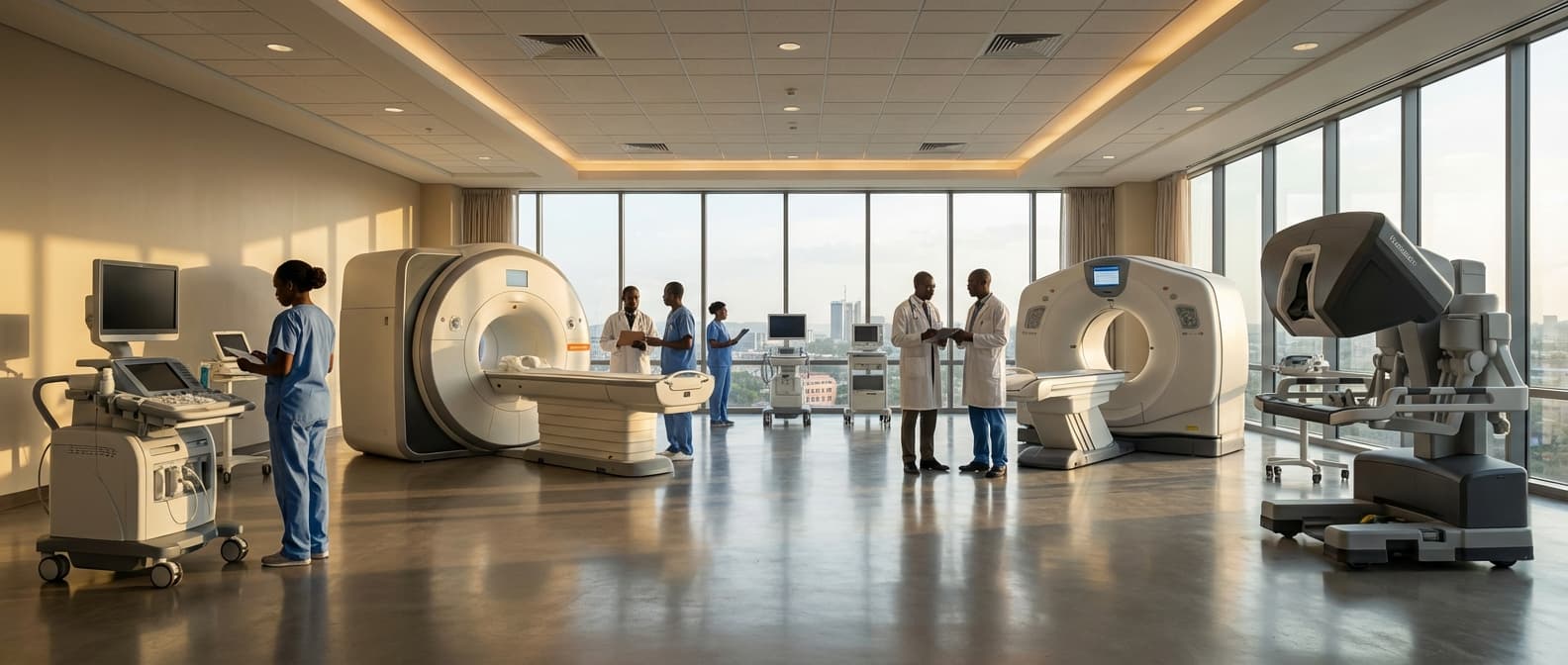
Renal Solutions in Niger
Engineering Excellence & Technical Support
Complete dialysis systems and renal care equipment designed to deliver safe, effective, and patient-centered kidney treatment. High-standard technical execution following OEM protocols and local regulatory frameworks.
Advanced Kidney Transplant Program
Renal Solutions in Niger is pioneering a comprehensive kidney transplant program, offering life-saving solutions through skilled surgical teams and state-of-the-art facilities. We focus on patient selection, pre- and post-operative care, and long-term immunosuppression management to ensure successful outcomes and improved quality of life.
Specialized Dialysis Access Management
Our expertise extends to creating and maintaining optimal vascular access for hemodialysis patients. Renal Solutions employs advanced interventional radiology techniques and surgical procedures to ensure timely and effective access, minimizing complications and maximizing treatment efficiency for Niger's dialysis population.
Tele-Nephrology and Remote Patient Monitoring
Leveraging cutting-edge tele-nephrology services, Renal Solutions bridges geographical gaps to provide expert consultations and chronic kidney disease management. Our remote patient monitoring systems empower patients in remote areas with timely interventions and continuous support, reducing the burden of travel and improving access to specialized care.
What Is Renal Solutions In Niger?
Renal Solutions in Niger refers to a spectrum of services and interventions aimed at the diagnosis, treatment, and management of kidney diseases (nephropathies) within the country. Given the socio-economic context and healthcare infrastructure in Niger, these solutions often encompass basic diagnostic capabilities, access to essential medications, limited treatment modalities, and efforts to improve patient education and preventative care. The scope can range from early detection of kidney damage to management of end-stage renal disease (ESRD) where feasible. These services are crucial for addressing the growing burden of kidney ailments, often exacerbated by prevalent co-morbidities such as hypertension, diabetes, and infectious diseases like malaria and HIV, which can directly or indirectly impact renal function.
| Who Needs Renal Solutions? | Typical Use Cases |
|---|---|
| Individuals with uncontrolled hypertension. | Early detection and management of hypertensive nephropathy. |
| Individuals with poorly controlled diabetes mellitus. | Screening for diabetic nephropathy and management of glycemic control to preserve renal function. |
| Patients with recurrent urinary tract infections or known kidney stones. | Investigation and management of obstructive uropathy and nephrolithiasis. |
| Individuals experiencing symptoms suggestive of kidney dysfunction (e.g., edema, fatigue, changes in urination). | Diagnosis and treatment of acute kidney injury (AKI) or progression of chronic kidney disease (CKD). |
| Patients with advanced CKD. | Management of uremic symptoms, fluid and electrolyte imbalances, anemia, and bone disease. Consideration for renal replacement therapy (dialysis) if feasible and indicated. |
| Individuals at high risk due to family history or certain ethnic backgrounds. | Proactive screening and risk factor modification. |
| Patients with systemic diseases affecting the kidneys (e.g., autoimmune disorders, certain infections). | Integrated management of the underlying systemic disease and its renal manifestations. |
Key Aspects of Renal Solutions in Niger
- Diagnostic Services: Basic urinalysis, serum creatinine and urea level estimations, and where available, glomerular filtration rate (GFR) estimation.
- Therapeutic Interventions: Management of acute kidney injury (AKI) and chronic kidney disease (CKD) through pharmacological interventions (e.g., antihypertensives, diuretics, management of electrolyte imbalances) and dietary recommendations.
- Dialysis Access: Limited availability of hemodialysis and peritoneal dialysis, primarily concentrated in major urban centers, facing challenges of infrastructure, consumables, and trained personnel.
- Kidney Transplantation: Largely unavailable due to the complex infrastructure and expertise required, as well as significant financial barriers.
- Public Health Initiatives: Educational programs focusing on prevention of kidney disease risk factors (e.g., hypertension control, diabetes management, safe medication use, hydration).
- Capacity Building: Training programs for healthcare professionals in nephrology and renal care.
- Access to Essential Medicines: Ensuring availability of medications critical for managing CKD and its complications.
Who Needs Renal Solutions In Niger?
Identifying the specific customer segments and departments that would benefit from Renal Solutions in Niger is crucial for effective market penetration and service delivery. Given the prevalence of kidney disease and the existing healthcare infrastructure, several key groups and entities are likely to be primary beneficiaries.
| Customer Segment/Department | Description of Need/Benefit | Specific Services/Products of Interest |
|---|---|---|
| Individuals with Kidney Disease (CKD/AKI) | Require ongoing monitoring, treatment, and potentially life-sustaining therapies like dialysis or transplantation. | Dialysis machines, consumables (dialyzers, lines, fluids), medications, diagnostic testing (blood and urine), patient education materials, home dialysis support (if applicable). |
| Hospitals & Healthcare Facilities | Need to provide comprehensive renal care, manage patient flow, and ensure availability of essential equipment and supplies. | Renal care units, dialysis stations, diagnostic equipment (e.g., ultrasound, laboratory analyzers), medical consumables, training for staff, maintenance and repair services. |
| Government Health Ministries | Responsible for public health policy, resource allocation, and ensuring access to essential healthcare services for the population. | Procurement of bulk medical supplies, development of national renal health strategies, training programs for healthcare professionals, data collection and surveillance tools, policy advisory services. |
| NGOs & International Health Agencies | Often involved in providing specialized medical support, capacity building, and humanitarian aid in resource-limited settings. | Donated equipment and consumables, technical expertise, training grants, project management support for renal health initiatives. |
| Private Clinics & Diagnostic Centers | Aim to offer specialized services to a segment of the population seeking private healthcare options. | Advanced diagnostic tools for kidney function, specialized laboratory testing, referral pathways for treatment, training for their medical staff. |
| Medical Professionals (Nephrologists, GPs, Nurses) | Require up-to-date knowledge, advanced diagnostic tools, and reliable treatment modalities to effectively manage kidney patients. | Continuing medical education (CME) programs, access to latest research and treatment guidelines, advanced diagnostic equipment, reliable supply chains for medications and consumables. |
Target Customers & Departments for Renal Solutions in Niger
- Individuals suffering from Chronic Kidney Disease (CKD) or Acute Kidney Injury (AKI).
- Patients undergoing dialysis (hemodialysis and peritoneal dialysis).
- Patients awaiting or recovering from kidney transplants.
- Individuals with co-morbidities that affect kidney function (e.g., diabetes, hypertension).
- Hospitals and healthcare facilities in Niger.
- Government health ministries and public health organizations.
- Non-governmental organizations (NGOs) and international health agencies operating in Niger.
- Private clinics and diagnostic centers.
- Medical professionals, including nephrologists, urologists, general practitioners, and nurses.
- Laboratory technicians and diagnostic service providers.
Renal Solutions Process In Niger
This document outlines the workflow for Renal Solutions in Niger, detailing the process from initial inquiry to the final execution of services. The process is designed to be efficient, client-centric, and compliant with all relevant regulations and standards. We aim to provide comprehensive and accessible renal care solutions.
| Stage | Description | Key Activities | Responsible Parties | Expected Outcome |
|---|---|---|---|---|
| Initial Inquiry & Consultation | The first point of contact where potential clients or referring physicians express interest in Renal Solutions' services. This stage focuses on understanding the client's needs and providing initial information. | Receive inquiry (phone, email, referral). Initial needs assessment. Provide overview of services and capabilities. Schedule initial consultation. | Client/Referring Physician, Renal Solutions Sales/Client Relations Team | Clear understanding of client's request. Agreement to proceed to the next stage. Initial trust established. |
| Patient Assessment & Diagnosis | A thorough evaluation of the patient's renal health status, medical history, and current condition to accurately diagnose and determine the most suitable treatment options. | Medical history review. Physical examination. Diagnostic tests (blood tests, urine tests, imaging). Specialist consultations (if required). Confirmation of diagnosis. | Referring Physician, Patient, Renal Solutions Medical Team (Nephrologists, Nurses) | Accurate diagnosis. Comprehensive understanding of patient's medical profile. |
| Treatment Planning & Proposal | Based on the assessment, a personalized treatment plan is developed, outlining the proposed therapy, its duration, expected outcomes, and associated costs. A formal proposal is then presented to the client. | Develop individualized treatment plan. Identify necessary equipment and supplies. Estimate costs and timelines. Prepare formal proposal document. Present proposal to client for review and approval. | Renal Solutions Medical Team, Renal Solutions Operations Team, Client/Patient | Approved treatment plan. Client's informed consent. Agreement on budget and timeline. |
| Logistics & Procurement | This stage involves securing all necessary medical equipment, consumables, medications, and arranging for the deployment of specialized personnel and the setup of facilities if required. | Procure specialized medical equipment (e.g., dialysis machines). Source and procure essential consumables and medications. Arrange for transportation of equipment and personnel. Set up on-site facilities (if applicable). | Renal Solutions Procurement Team, Renal Solutions Logistics Team | All required resources are available and ready for deployment. Smooth transition to service execution. |
| Service Execution & Monitoring | The core phase where the planned renal treatment is administered to the patient. Continuous monitoring ensures the effectiveness of the treatment and the patient's well-being. | Administer prescribed renal therapy (e.g., dialysis). Monitor patient vital signs and treatment parameters. Adjust treatment as needed based on patient response. Provide ongoing patient care and support. | Renal Solutions Medical Team (Nurses, Technicians), Patient | Effective delivery of renal therapy. Stable patient condition. Adherence to treatment protocol. |
| Follow-up & Patient Support | Post-treatment care and ongoing support to ensure the patient's long-term recovery and well-being, including regular check-ups and addressing any concerns. | Schedule and conduct follow-up appointments. Monitor patient's recovery progress. Provide patient education on self-care and medication management. Address patient concerns and queries. | Renal Solutions Medical Team, Patient | Successful patient recovery and rehabilitation. Patient satisfaction and adherence to long-term care plan. |
| Reporting & Billing | Documentation of the entire treatment process, including service delivery, patient progress, and final billing for services rendered. This ensures transparency and accountability. | Generate detailed patient treatment reports. Prepare and submit invoices to the client/insurance. Process payments. Maintain comprehensive patient records. | Renal Solutions Administration Team, Renal Solutions Finance Department, Client/Insurance Provider | Accurate and timely reporting. Completion of financial transactions. Closure of service cycle. |
Renal Solutions Process in Niger: Workflow Stages
- Initial Inquiry & Consultation
- Patient Assessment & Diagnosis
- Treatment Planning & Proposal
- Logistics & Procurement
- Service Execution & Monitoring
- Follow-up & Patient Support
- Reporting & Billing
Renal Solutions Cost In Niger
The cost of renal solutions in Niger is influenced by a variety of factors, making precise pricing difficult to pinpoint without specific product details and location. However, we can outline the key drivers of cost and provide estimated price ranges in the local currency, the West African CFA franc (XOF).
Key Pricing Factors for Renal Solutions in Niger:
- Type of Solution: The fundamental determinant of cost is the specific type of renal solution. This includes peritoneal dialysis (PD) solutions (e.g., glucose-based, icodextrin-based) and hemodialysis (HD) concentrates (e.g., bicarbonate, acetate). More specialized or advanced formulations will naturally be more expensive.
- Volume and Concentration: Larger volumes of solution or higher concentrations of active ingredients will typically come at a higher price point. Dialysis requires significant volumes, so this is a crucial factor.
- Brand and Manufacturer: Reputable international brands often command higher prices due to established quality control, research and development, and brand recognition. Local or less well-known manufacturers might offer more competitive pricing.
- Importation Costs and Tariffs: As Niger is a landlocked country, importing medical supplies incurs substantial transportation costs (air and land freight). Import duties, taxes, and customs clearance fees also add to the final price.
- Distribution and Logistics: The efficiency and reach of the distribution network within Niger play a significant role. Solutions distributed through a well-established network with multiple intermediaries may have higher markups.
- Availability and Supply Chain: Fluctuations in global supply and demand, as well as any disruptions in the Nigerien supply chain, can impact pricing. Scarcity can lead to price increases.
- Healthcare Infrastructure and Setting: The cost might vary slightly depending on whether the solution is purchased for a large hospital, a specialized dialysis center, or for home use (though home dialysis is less common in Niger). The pricing may also be influenced by government subsidies or donor funding for public health facilities.
- Currency Exchange Rates: While the XOF is a stable currency within the West African Economic and Monetary Union (WAEMU), fluctuations in its exchange rate against major currencies used for international procurement can indirectly affect costs.
- Shelf Life and Storage Requirements: Solutions with shorter shelf lives or those requiring specific, costly storage conditions (e.g., refrigeration) might have adjusted pricing to account for potential waste and logistical complexities.
Estimated Price Ranges in West African CFA franc (XOF):
It is important to note that these are estimates and actual prices can vary considerably. For precise figures, one would need to consult local medical suppliers, hospitals, or dialysis centers in Niger.
- Peritoneal Dialysis (PD) Solutions:
* **Standard Glucose-Based Solutions (e.g., 1.5%, 2.5% dextrose, 2L bags):** These are generally the most common and affordable PD solutions. Expect prices to range from **15,000 XOF to 30,000 XOF per 2-liter bag**. For a month's supply (e.g., 30 bags), this could amount to **450,000 XOF to 900,000 XOF**.
* **Icodextrin-Based Solutions (e.g., for long dwell times):** These are typically more expensive due to the active ingredient. Prices could range from **25,000 XOF to 45,000 XOF per 2-liter bag**, leading to a monthly cost of **750,000 XOF to 1,350,000 XOF**.
- Hemodialysis (HD) Concentrates:
* **Bicarbonate Concentrates:** These are vital for acid-base balance and are a staple in HD. Prices can vary based on volume and brand, but a common estimate might be **10,000 XOF to 20,000 XOF per liter** of concentrate, which is then diluted. A typical dialysis session might use a significant volume, leading to substantial weekly or monthly expenses for a dialysis center. It's harder to provide a direct 'per session' cost without knowing the exact protocols and volumes used, but an overall facility cost could be in the hundreds of thousands of XOF per month per patient.
* **Acetate Concentrates:** Generally less expensive than bicarbonate. Prices might be slightly lower, perhaps **8,000 XOF to 15,000 XOF per liter**.
Important Considerations for Renal Solutions in Niger:
- Accessibility: The availability of these solutions can be a challenge outside of major urban centers like Niamey and Zinder. Patients in more remote areas may face significant logistical hurdles and higher associated costs to access treatment.
- Insurance and Subsidies: The extent to which healthcare insurance covers renal solutions or if there are government or NGO subsidies significantly impacts the out-of-pocket cost for patients. In Niger, out-of-pocket expenditure for healthcare can be high.
- Bulk Purchasing: Large healthcare facilities or government procurement programs may benefit from bulk discounts, leading to lower per-unit costs compared to individual purchases.
For the most accurate and up-to-date information, direct consultation with healthcare providers and medical suppliers within Niger is highly recommended.
| Renal Solution Type | Estimated Price Range (XOF) per Unit | Estimated Monthly Cost (XOF) for a Patient (Illustrative) |
|---|---|---|
| Peritoneal Dialysis (PD) - Standard Glucose (2L bag) | 15,000 - 30,000 | 450,000 - 900,000 (assuming 30 bags/month) |
| Peritoneal Dialysis (PD) - Icodextrin (2L bag) | 25,000 - 45,000 | 750,000 - 1,350,000 (assuming 30 bags/month) |
| Hemodialysis (HD) - Bicarbonate Concentrate (per liter) | 10,000 - 20,000 | Variable (depends on dialysis center's consumption) |
| Hemodialysis (HD) - Acetate Concentrate (per liter) | 8,000 - 15,000 | Variable (depends on dialysis center's consumption) |
Key Factors Influencing Renal Solution Costs in Niger
- Type of Renal Solution (PD vs. HD, specific formulations)
- Volume and Concentration of the solution
- Brand reputation and manufacturer
- Importation costs, duties, and taxes
- Distribution network efficiency and logistics
- Supply chain stability and availability
- Healthcare facility type and infrastructure
- Currency exchange rate fluctuations
- Shelf life and storage requirements
Affordable Renal Solutions Options
Finding affordable solutions for renal (kidney) health is crucial for many individuals. This involves understanding the costs associated with kidney disease management, treatments, and preventative measures. Affordable renal solutions often center around preventative care, cost-effective treatment options, and strategic utilization of healthcare resources. Value bundles and cost-saving strategies are key to managing the financial burden of kidney disease.
| Strategy/Bundle | Description | Potential Cost Savings |
|---|---|---|
| Value Bundle: Preventative Care Package | Includes regular check-ups, kidney function tests (eGFR, creatinine), urine analysis, and blood pressure monitoring. Focuses on early identification and management of risk factors like diabetes and hypertension. | Significantly reduces long-term costs by preventing or delaying the progression of kidney disease. Avoids expensive treatments like dialysis and transplantation. |
| Value Bundle: Home Dialysis Support | Combines home dialysis training, equipment, supplies, and ongoing nursing support. Offers peritoneal dialysis (PD) or home hemodialysis (HHD). | Often less expensive than in-center hemodialysis due to lower overhead, reduced transportation costs, and increased patient autonomy. May also lead to better health outcomes, further reducing overall costs. |
| Cost-Saving Strategy: Generic Medications | Utilizing generic versions of prescription drugs for managing blood pressure, diabetes, and other kidney-related conditions. | Can reduce medication expenses by 50-80% compared to brand-name drugs. |
| Cost-Saving Strategy: Patient Assistance Programs (PAPs) | Programs offered by pharmaceutical companies or non-profit organizations to help eligible patients afford their medications. | Can significantly reduce out-of-pocket prescription costs, sometimes to as low as $0 or a nominal fee. |
| Cost-Saving Strategy: Nutritional Counseling and Meal Planning | Working with a registered dietitian to create a kidney-friendly diet that manages sodium, potassium, phosphorus, and protein intake. | Helps slow disease progression, reduces the need for certain medications, and can prevent complications that lead to costly hospitalizations. |
| Cost-Saving Strategy: Insurance Navigation and Advocacy | Understanding health insurance plans, maximizing benefits, and appealing denied claims. Exploring Medicare, Medicaid, and private insurance options for kidney patients. | Ensures access to necessary treatments and services without incurring unexpected high costs. Reduces financial stress and avoids costly medical debt. |
| Cost-Saving Strategy: Telehealth and Remote Monitoring | Utilizing virtual appointments for follow-up care, medication management, and monitoring of vital signs. | Reduces travel time and costs, minimizes missed workdays, and allows for more frequent check-ins, potentially preventing urgent issues. |
Key Affordable Renal Solutions
- Preventative Care and Early Detection
- Generic Medications and Pharmacy Programs
- Home Dialysis Options
- Utilizing Patient Assistance Programs
- Dietary Management and Lifestyle Changes
- Insurance Navigation and Understanding Benefits
- Telehealth for Remote Monitoring
Verified Providers In Niger
Navigating the healthcare landscape in Niger requires trust and confidence in the providers you choose. Franance Health stands out as a beacon of reliability, offering a curated network of verified healthcare professionals and facilities. This commitment to verification ensures that every provider associated with Franance Health has met stringent criteria for expertise, ethical practice, and patient safety. Choosing Franance Health means opting for a superior healthcare experience, characterized by quality care, transparency, and a patient-centric approach. Their rigorous vetting process and dedication to excellence make them the premier choice for your healthcare needs in Niger.
| Credential Type | Franance Health Verification Standard | Benefit for Patients |
|---|---|---|
| Medical Licenses | Up-to-date and validated with national health authorities | Guarantees legal and ethical practice. |
| Specialist Certifications | Confirmed through recognized professional bodies | Ensures advanced knowledge and skills in specific medical fields. |
| Continuing Medical Education (CME) | Mandatory participation and documented proof | Confirms providers stay current with the latest medical advancements. |
| Professional Reputation & Ethics | Background checks and peer reviews | Ensures trustworthy and conscientious care. |
| Facility Accreditation (if applicable) | Meets national and international healthcare facility standards | Guarantees a safe, clean, and well-equipped care environment. |
Why Franance Health Credentials Matter:
- Rigorous Verification Process: Ensures all providers meet high standards of competence and ethics.
- Commitment to Patient Safety: Prioritizes the well-being and security of every patient.
- Access to Top Expertise: Connects you with highly skilled and qualified healthcare professionals.
- Transparency and Trust: Fosters open communication and builds confidence in your care.
- Patient-Centric Approach: Focuses on individual needs and delivers personalized treatment plans.
Scope Of Work For Renal Solutions
This Scope of Work outlines the technical deliverables and standard specifications for the Renal Solutions project. The project aims to develop a comprehensive software platform for managing renal dialysis patient data, treatment plans, and operational workflows within healthcare facilities. This document details the required technical outputs and the quality standards they must adhere to.
| Deliverable | Description | Standard Specification |
|---|---|---|
| Core Application Modules | Development of functional modules for patient profiles, appointment scheduling, dialysis treatment protocols, medication administration, and performance analytics. | Modules must adhere to industry best practices for data security (HIPAA compliance), usability, and performance. Code must be well-documented and follow established coding standards (e.g., SOLID principles, appropriate language-specific style guides). |
| Database Design and Implementation | Design and implementation of a robust, scalable, and secure database to store all patient and operational data. | Database schema must be normalized to reduce redundancy and ensure data integrity. Performance optimization techniques (indexing, query optimization) must be employed. Data encryption at rest and in transit is mandatory. |
| API Documentation for Integration | Development of RESTful APIs to enable seamless integration with existing hospital information systems (HIS) and other relevant healthcare platforms. | APIs must follow OpenAPI (Swagger) specifications. Documentation must include clear endpoint descriptions, request/response schemas, authentication methods, and error codes. Versioning of APIs is required. |
| UI/UX Design Mockups | Creation of intuitive and user-friendly interface designs and interactive prototypes. | Designs must adhere to accessibility standards (WCAG 2.1 AA). Mockups should reflect a consistent design language and undergo user feedback sessions for validation. |
| Deployment Package and Installation Guide | A comprehensive package for deployment and a clear, step-by-step guide for installation and configuration. | The package must be compatible with specified server environments (e.g., on-premise, cloud). The installation guide should be thorough, covering prerequisites, installation steps, and troubleshooting. |
| Testing Reports | Detailed reports for all testing phases, including findings, bug tracking, and resolution status. | Testing must be conducted according to an approved test plan. Reports should include test case execution status, defect severity, and retest results. Coverage metrics for unit and integration tests are expected. |
| Technical Documentation | Comprehensive documentation covering system architecture, data models, and code structure. | Documentation must be up-to-date and maintained throughout the project lifecycle. Architecture diagrams should clearly illustrate system components and their interactions. Code comments should explain complex logic. |
| Training Materials | Development of user manuals, administrator guides, and training presentations. | Materials should be clear, concise, and tailored to the intended audience. They should cover all essential functionalities and operational procedures of the Renal Solutions platform. |
Technical Deliverables
- Core Application Modules (Patient Management, Treatment Scheduling, Medication Management, Reporting & Analytics)
- Database Design and Implementation
- API Documentation for Integration
- User Interface (UI) and User Experience (UX) Design Mockups
- Deployment Package and Installation Guide
- Testing Reports (Unit, Integration, System, User Acceptance)
- Technical Documentation (Architecture Diagrams, Code Comments, Data Models)
- Training Materials for End-Users and Administrators
Service Level Agreement For Renal Solutions
This Service Level Agreement (SLA) outlines the performance standards and commitments provided by Renal Solutions to its clients. It covers response times for support requests and uptime guarantees for our cloud-based platform and associated services. This SLA is an integral part of the Master Service Agreement between Renal Solutions and the Client.
| Service Component | Uptime Guarantee | Response Time (Critical) | Response Time (High) | Response Time (Medium) | Response Time (Low) |
|---|---|---|---|---|---|
| Renal Solutions Platform (Cloud) | 99.9% Monthly Uptime | 1 Hour | 2 Hours | 4 Business Hours | 8 Business Hours |
| Client Data Access | 99.9% Monthly Uptime | 1 Hour | 2 Hours | 4 Business Hours | 8 Business Hours |
| API Integrations | 99.5% Monthly Uptime | 2 Hours | 4 Hours | 8 Business Hours | 16 Business Hours |
| Support Ticketing System | 99.9% Monthly Uptime | 1 Business Hour | 2 Business Hours | 4 Business Hours | 8 Business Hours |
Key Definitions
- Service Commitment: The minimum level of service Renal Solutions agrees to provide to the Client.
- Downtime: The period during which the Renal Solutions platform is unavailable to the Client, excluding Scheduled Maintenance.
- Scheduled Maintenance: Pre-announced periods during which the Renal Solutions platform may be unavailable for planned updates and improvements. Clients will be notified at least 48 hours in advance.
- Emergency Maintenance: Unplanned maintenance required to address critical security vulnerabilities or system failures. Efforts will be made to notify clients as soon as possible.
- Response Time: The maximum time within which Renal Solutions will acknowledge and begin working on a support request.
- Resolution Time: The target time within which Renal Solutions aims to resolve a support request. Note that actual resolution may depend on the complexity of the issue and client cooperation.
- Business Hours: Monday through Friday, 8:00 AM to 6:00 PM in the Client's primary time zone, excluding public holidays.
Frequently Asked Questions

Ready when you are
Let's scope your Renal Solutions in Niger project in Niger.

Scaling healthcare logistics and technical systems across the entire continent.