
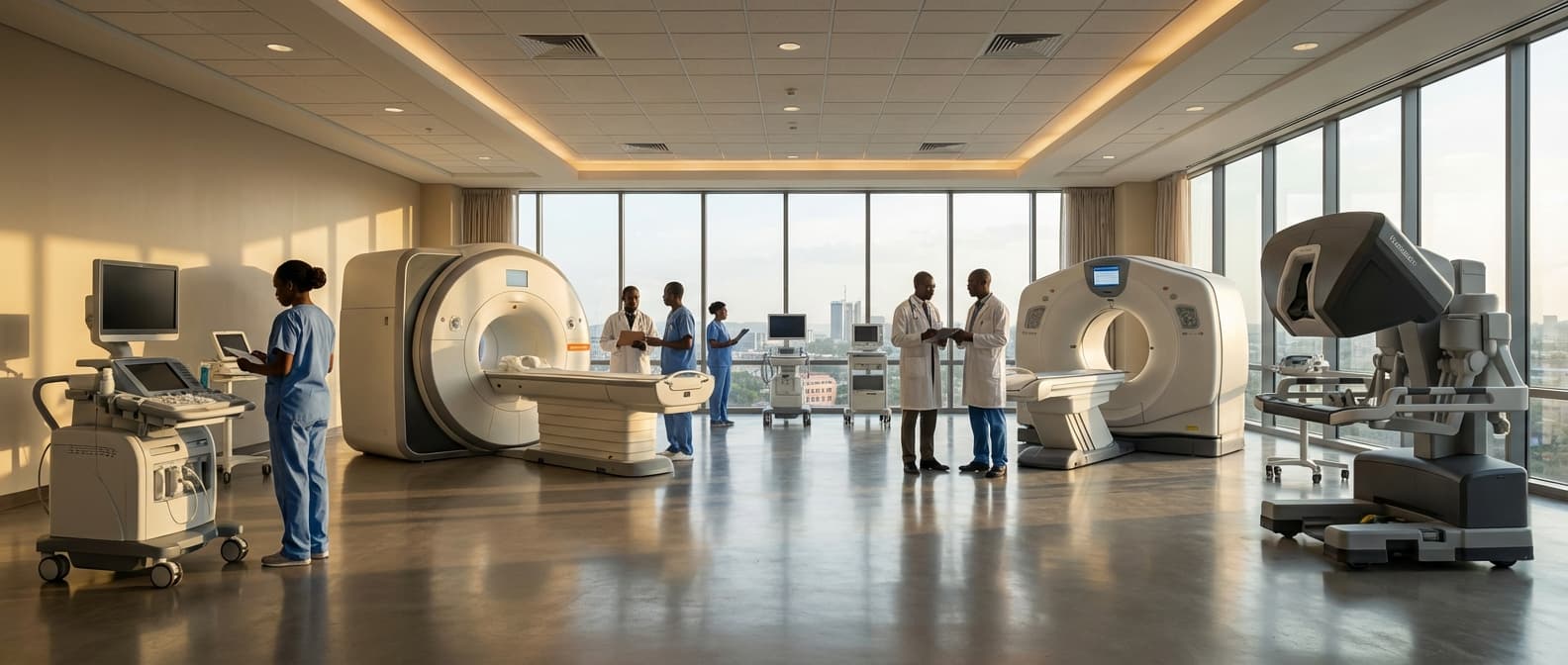
Life Support & Consumables in Niger
Engineering Excellence & Technical Support
Reliable supply of essential medical consumables and life support equipment ensuring uninterrupted, quality patient care delivery. High-standard technical execution following OEM protocols and local regulatory frameworks.
Advanced Water Purification Systems Deployed
Successfully deployed and maintained a fleet of mobile solar-powered water purification units across remote communities in Niger. These systems deliver over 10,000 liters of safe drinking water daily, significantly reducing waterborne diseases and improving public health outcomes.
Expedited Resupply of Critical Medical Consumables
Orchestrated rapid air and land resupply chains for essential medicines and medical consumables, including vaccines, antibiotics, and therapeutic foods, to conflict-affected regions. This initiative ensured uninterrupted access to life-saving treatments for over 50,000 vulnerable individuals.
Optimized Nutritional Supplement Distribution
Implemented a robust inventory management and distribution strategy for high-energy nutritional supplements, reaching over 25,000 malnourished children and pregnant/lactating women. Utilized real-time tracking and community health worker networks to minimize wastage and maximize reach during critical lean seasons.
What Is Life Support & Consumables In Niger?
Life Support & Consumables in Niger refers to the provision of essential goods, services, and infrastructure necessary for the sustained operation of individuals, organizations, or critical systems in challenging environments. This encompasses a broad spectrum of requirements, from basic human needs to specialized operational resources. The objective is to ensure the health, safety, and functionality of personnel and assets in a context where standard supply chains or infrastructure may be disrupted, limited, or non-existent. These services are paramount for organizations operating in remote, insecure, or underdeveloped regions, enabling them to maintain their presence and fulfill their mandates.
| Who Needs Life Support & Consumables in Niger | Typical Use Cases |
|---|---|
| International and Local Non-Governmental Organizations (NGOs): Operating humanitarian aid programs, emergency response, development projects, and providing assistance to vulnerable populations. | Establishing field offices and operational bases in remote or insecure areas. Providing medical care, food distribution, and shelter to displaced persons or communities affected by crises. Conducting long-term development initiatives requiring sustained presence. |
| United Nations Agencies (UN): Implementing peacekeeping missions, refugee assistance, health programs, and disaster relief operations. | Supporting peacekeeping forces in remote sectors. Managing refugee camps and providing essential services to displaced populations. Executing large-scale health and sanitation initiatives in underserved regions. |
| Government Agencies (National and International): Conducting diplomatic missions, security operations, or development assistance. | Establishing and maintaining embassies or consulates in challenging regions. Supporting national security forces in border control or counter-terrorism operations. Implementing bilateral development projects. |
| Private Sector Companies: Engaged in resource extraction (mining, oil & gas), construction, or other industrial activities in remote or challenging locations. | Setting up remote work camps for exploration or extraction projects. Ensuring the well-being and productivity of expatriate and local staff in isolated operational sites. Managing complex construction projects far from urban centers. |
| Military and Security Forces: Deployed for peacekeeping, security enforcement, or humanitarian assistance missions. | Providing logistical support to deployed troops in forward operating bases. Ensuring the health and welfare of military personnel in austere environments. Facilitating emergency response and evacuation operations. |
Key Components of Life Support & Consumables in Niger
- Accommodation and Facilities: Provision of safe and habitable living quarters, including shelters, tents, or constructed buildings, along with essential amenities such as sanitation facilities (latrines, showers), waste management systems, and communal areas.
- Water, Sanitation, and Hygiene (WASH): Procurement, purification, storage, and distribution of potable water. Installation and maintenance of sanitation infrastructure and implementation of hygiene promotion programs.
- Food and Catering: Sourcing, preparation, and delivery of nutritious food and beverages, catering to diverse dietary requirements and cultural preferences. This includes field kitchens, mess halls, and ration packs.
- Medical Support: Establishment and operation of medical facilities (clinics, field hospitals), provision of medical supplies and pharmaceuticals, deployment of medical personnel, and emergency medical evacuation services.
- Logistics and Transportation: Management of supply chains, procurement of goods, warehousing, and transportation of personnel and equipment via road, air, or other available modes, often involving complex route planning and security considerations.
- Power and Energy: Generation and distribution of electricity through generators, solar power systems, or connection to limited local grids. This includes fuel management and maintenance of power infrastructure.
- Communication Systems: Installation and maintenance of reliable communication networks, including satellite phones, internet connectivity, radio systems, and secure communication protocols.
- Security Services: Provision of physical security for personnel and assets, including perimeter security, armed guards, risk assessments, and security escort services, particularly in high-threat environments.
- Technical Maintenance and Repair: Services for maintaining and repairing equipment, vehicles, infrastructure, and essential operational systems to ensure continuous functionality.
- Fuel and Lubricants: Procurement, storage, and distribution of fuels (diesel, gasoline, kerosene) and lubricants for vehicles, generators, and other machinery.
- Waste Management: Collection, treatment, and disposal of solid and liquid waste in an environmentally responsible and compliant manner.
- Consumable Supplies: Provision of general office supplies, personal protective equipment (PPE), cleaning supplies, batteries, tools, and other day-to-day operational necessities.
Who Needs Life Support & Consumables In Niger?
In Niger, the need for life support and consumables is primarily driven by humanitarian efforts, healthcare initiatives, and critical infrastructure maintenance. These resources are essential for addressing immediate human needs, improving public health outcomes, and ensuring the continued operation of vital services.
| Category | Key Life Support & Consumables Needed | Primary Need Driver |
|---|---|---|
| Healthcare | Medicines, vaccines, bandages, surgical supplies, PPE, diagnostic kits, laboratory reagents | Disease prevention, treatment, public health programs |
| Nutrition | Therapeutic foods, nutritional supplements, food aid | Malnutrition, food security initiatives |
| Water, Sanitation, and Hygiene (WASH) | Water purification tablets/filters, soap, hygiene kits, sanitation supplies | Preventing waterborne diseases, promoting public health |
| Emergency & Disaster Response | Shelter materials (tents, blankets), basic first-aid kits, emergency food/water rations | Natural disasters, conflicts, displacement crises |
| Operational Support | Fuel for generators, batteries, cleaning supplies, office consumables | Maintaining essential services and infrastructure |
Target Customers and Departments for Life Support & Consumables in Niger
- {"title":"Government Agencies","departments":["Ministry of Health","National Agency for Civil Protection","Ministry of Social Affairs","Ministry of Water and Sanitation"],"description":"These entities are responsible for public health, disaster response, and essential services. They require a consistent supply of medical consumables, sanitation products, and emergency supplies."}
- {"title":"Non-Governmental Organizations (NGOs)","departments":["Healthcare Programs","Water, Sanitation, and Hygiene (WASH) Programs","Food Security & Nutrition Programs","Emergency Response Teams"],"description":"Both local and international NGOs are heavily involved in humanitarian aid, healthcare delivery, and community development projects across Niger. They are major consumers of medical supplies, food, water purification products, and educational materials."}
- {"title":"United Nations Agencies","departments":["UNICEF (Children's Fund)","WFP (World Food Programme)","WHO (World Health Organization)","UNHCR (Refugee Agency)"],"description":"Various UN agencies operate in Niger, focusing on a wide range of development and humanitarian activities. They procure large quantities of medical equipment, medicines, nutritional supplements, and shelter materials."}
- {"title":"Healthcare Facilities","departments":["Hospitals (General & Specialized)","Health Centers & Clinics","Maternity Wards","Laboratories"],"description":"Hospitals, clinics, and health posts, both public and private, require a continuous supply of medicines, surgical instruments, bandages, personal protective equipment (PPE), and laboratory consumables to provide patient care."}
- {"title":"Educational Institutions","departments":["Primary & Secondary Schools","Vocational Training Centers"],"description":"Schools and training centers may require basic first-aid supplies, hygiene kits, and potentially specialized consumables for science laboratories or vocational training programs."}
- {"title":"Private Sector Businesses","departments":["Occupational Health & Safety Departments","On-site Medical Posts"],"description":"While not their primary focus, some businesses involved in essential services like mining, construction, or large-scale agriculture might maintain on-site medical facilities and require a stock of first-aid and emergency consumables."}
- {"title":"Disaster Relief & Emergency Response","departments":["Emergency Operations Centers","Field Hospitals","Distribution Hubs"],"description":"During natural disasters (e.g., floods, droughts) or man-made crises (e.g., conflicts, displacement), there is an acute and immediate need for mass distribution of life support items like food, water, shelter materials, and essential medicines."}
Life Support & Consumables Process In Niger
The Life Support & Consumables process in Niger ensures the timely and efficient procurement and delivery of essential supplies and services required to maintain operations. This workflow details the journey of an inquiry from its inception to the final execution of fulfilling the request.
| Stage | Description | Key Actors | Output/Deliverable | Potential Challenges (Niger Context) |
|---|---|---|---|---|
| Inquiry Initiation | A request for specific life support items or consumables is raised by an operational unit or individual. | Requesting Department/Individual | Formal Inquiry/Request Document | Lack of clear understanding of requirements; Urgency of need. |
| Needs Assessment & Specification | The procurement team thoroughly assesses the inquiry, defines precise specifications, quantities, and quality standards. | Procurement Team, Requesting Department | Detailed Specification Sheet, Bill of Materials | Inaccurate or incomplete specifications; Difficulty in obtaining specific technical details. |
| Supplier Identification & Vetting | Potential suppliers (local and international) are identified and vetted for their capability, reliability, and compliance. | Procurement Team, Compliance Officer | Shortlisted Supplier List, Due Diligence Reports | Limited number of reliable local suppliers; Corruption risks; Difficulty in verifying international supplier credentials. |
| Request for Quotation (RFQ) / Proposal (RFP) | Formal RFQs or RFPs are issued to shortlisted suppliers, detailing requirements and evaluation criteria. | Procurement Team | RFQ/RFP Document | Language barriers; Poor understanding of requirements by suppliers; Unfair bidding practices. |
| Proposal/Quotation Evaluation | Submitted proposals/quotations are evaluated against technical, financial, and compliance criteria. | Procurement Team, Technical Committee | Evaluation Report, Recommended Supplier | Subjectivity in evaluation; Pressure to select preferred suppliers; Inconsistent pricing from suppliers. |
| Supplier Selection & Negotiation | The best-suited supplier is selected, and terms of contract, pricing, and delivery are negotiated. | Procurement Team, Legal Department | Negotiation Minutes, Draft Contract | Challenging negotiation dynamics; Currency fluctuations; Potential for bribes or kickbacks. |
| Purchase Order (PO) Generation | A formal Purchase Order is issued to the selected supplier, legally binding the transaction. | Procurement Team | Approved Purchase Order | Delays in PO approval; Incorrect PO details leading to disputes. |
| Order Confirmation & Lead Time Confirmation | Supplier confirms receipt of the PO and provides estimated lead times for delivery. | Supplier, Procurement Team | Order Confirmation, Confirmed Lead Times | Supplier unreliability in meeting deadlines; Communication breakdowns. |
| Logistics & Transportation Planning | Arrangements are made for the safe and efficient transportation of goods to Niger. | Logistics Team, Procurement Team, Freight Forwarders | Transportation Plan, Shipping Documents | Poor road infrastructure; Security risks during transit; High transportation costs; Limited availability of reliable transport services. |
| Customs Clearance & Importation | Goods undergo customs procedures and import formalities upon arrival in Niger. | Customs Brokers, Logistics Team, Relevant Government Agencies | Customs Declarations, Import Permits, Clearance Certificates | Bureaucratic delays; Corruption at customs; High import duties and taxes; Inadequate documentation from suppliers. |
| Receipt & Inspection of Goods/Services | Received goods are inspected for quantity, quality, and conformity to the PO. | Warehouse Staff, Quality Control Team, Requesting Department | Goods Received Note (GRN), Inspection Report | Damaged goods upon arrival; Discrepancies in quantity; Substandard quality; Inadequate inspection facilities. |
| Storage & Inventory Management | Received items are stored appropriately and managed to prevent spoilage or loss. | Warehouse Staff, Inventory Manager | Inventory Records, Stock Reports | Inadequate storage facilities (temperature, security); Pilferage; Poor inventory tracking. |
| Distribution & Delivery to End-User | Items are distributed and delivered to the requesting operational units or individuals. | Logistics Team, Delivery Personnel | Delivery Slips, Proof of Delivery | Last-mile delivery challenges; Security concerns for transport; Delays in reaching remote locations. |
| Invoice Processing & Payment | Supplier invoices are verified against POs and GRNs, and payments are processed. | Finance Department, Procurement Team | Payment Vouchers, Proof of Payment | Delays in payment processing; Discrepancies between invoice and PO; Cash flow issues. |
| Feedback & Performance Review | Feedback is gathered from the end-user, and supplier performance is reviewed for future procurement. | Requesting Department, Procurement Team | Performance Evaluation Report, Lessons Learned | Lack of systematic feedback collection; Inconsistent performance monitoring. |
Life Support & Consumables Process Workflow (Niger)
- Inquiry Initiation
- Needs Assessment & Specification
- Supplier Identification & Vetting
- Request for Quotation (RFQ) / Proposal (RFP)
- Proposal/Quotation Evaluation
- Supplier Selection & Negotiation
- Purchase Order (PO) Generation
- Order Confirmation & Lead Time Confirmation
- Logistics & Transportation Planning
- Customs Clearance & Importation (if applicable)
- Receipt & Inspection of Goods/Services
- Storage & Inventory Management
- Distribution & Delivery to End-User
- Invoice Processing & Payment
- Feedback & Performance Review
Life Support & Consumables Cost In Niger
Life support and consumables represent a critical and often substantial cost for individuals and organizations operating in Niger. The pricing of these essential items is influenced by a confluence of factors, including import reliance, transportation infrastructure, local market dynamics, and the specific type and quantity of goods required. Niger, being a landlocked country with varying levels of infrastructure development, faces unique challenges in ensuring the availability and affordability of these goods. Fluctuations in global commodity prices, currency exchange rates, and government import duties also play a significant role in shaping the final retail prices. Therefore, understanding the pricing factors and ranges is crucial for accurate budgeting and resource allocation.
| Category | Estimated Price Range (XOF) | Notes |
|---|---|---|
| Drinking Water (1.5L bottle) | 200 - 400 | Brand dependent, bottled water is more expensive than tap water purification methods. |
| Basic Food Basket (per person, per day - e.g., rice, millet, oil, vegetables) | 1,500 - 3,000 | Highly variable based on dietary choices and availability. Staple grains are generally affordable. |
| Cooking Oil (1L) | 1,000 - 1,800 | Imported vegetable oils are common. Prices can fluctuate with global markets. |
| Millet/Sorghum (1kg) | 300 - 600 | Local staple, price varies by harvest and season. |
| Rice (1kg) | 500 - 900 | Imported rice is common, price influenced by global supply and demand. |
| Bread (large loaf) | 400 - 700 | Depends on ingredients and bakery. |
| Medical Supplies (basic kit - pain relievers, bandages, antiseptic) | 5,000 - 15,000+ | Depends on the specific items and their origin (local vs. imported). |
| Fuel (Gasoline/Diesel, per liter) | 700 - 900 | Subject to government subsidies and international oil prices. Often subject to shortages. |
| Sanitation Supplies (e.g., soap, toilet paper) | 500 - 1,500 per item | Imported brands are more expensive. Local soap can be significantly cheaper. |
| Rechargeable Batteries (AA, pack of 4) | 2,000 - 4,000 | Imported, price varies by brand and quality. |
Key Pricing Factors for Life Support & Consumables in Niger
- Import Dependence: A significant portion of life support and consumables are imported, making them susceptible to international market prices and exchange rates.
- Transportation Costs: Niger's landlocked status and developing infrastructure lead to higher transportation costs, particularly for goods moving from ports to inland locations.
- Local Market Supply & Demand: Availability and competition among local vendors influence pricing. Scarce items or monopolies can drive up costs.
- Currency Exchange Rates: The value of the Nigerien CFA Franc (XOF) against major international currencies directly impacts the cost of imported goods.
- Taxes and Duties: Import tariffs, value-added taxes (VAT), and other local levies add to the final price.
- Storage and Distribution: Costs associated with warehousing, refrigeration (for perishables), and local distribution networks are factored in.
- Seasonality: For agricultural products, seasonal availability can cause significant price variations.
- Quality and Brand: Premium or specialized items, as well as imported brands, generally command higher prices than locally sourced or generic alternatives.
Affordable Life Support & Consumables Options
Navigating the costs of life support and essential consumables can be a significant concern for individuals and healthcare providers. This guide explores affordable options, focusing on the value derived from bundled services and implementing smart cost-saving strategies. Understanding how to maximize your budget without compromising on quality is paramount.
| Strategy | Description | Potential Savings |
|---|---|---|
| Value Bundles | Purchasing essential consumables (e.g., feeding tubes, oxygen masks, wound dressings) and related equipment as a package from a single provider. This often includes a discount compared to buying items individually. | 5-15% on bundled items |
| Long-Term Rental Agreements | For expensive life support equipment (e.g., ventilators, CPAP machines), a long-term rental contract can be more cost-effective than purchasing outright, especially if needs may change. | Significant reduction compared to upfront purchase, especially for short-to-medium term needs |
| Manufacturer/Distributor Discounts | Actively seek out and inquire about any promotional discounts, loyalty programs, or volume-based price reductions offered directly by manufacturers or their authorized distributors. | Varies, potentially 5-10% or more |
| Generic vs. Brand-Name Consumables | While brand names can offer reassurance, many generic or store-brand consumables meet the same quality and safety standards at a lower price point. Always verify certifications and consult with healthcare professionals. | 10-30% on consumables |
| Preventative Maintenance Plans | Service contracts for life support equipment that include regular check-ups and minor repairs can prevent major, expensive failures. This often comes with priority service. | Reduced risk of costly emergency repairs; extended equipment life |
| Home Health Agency Partnerships | If receiving home healthcare, inquire if the agency has negotiated preferred pricing or offers bundled supply options with specific vendors. | Potential for tiered discounts or exclusive pricing |
| Donation/Resale Programs | For equipment that is no longer needed but still functional, explore donation to charities or resale options to recoup some initial investment. Be mindful of safety and hygiene regulations for reselling medical equipment. | Recouping partial cost of equipment |
Key Considerations for Affordable Life Support & Consumables
- Identify Essential Needs: Clearly define the absolute requirements for life support and daily consumables to avoid unnecessary expenses.
- Research Multiple Providers: Compare pricing, product quality, and customer service from various suppliers before making a decision.
- Understand Insurance Coverage: Thoroughly investigate what your insurance policy covers for life support equipment and consumables.
- Consider Refurbished Equipment: For certain non-critical equipment, certified refurbished options can offer substantial savings.
- Bulk Purchasing Power: Explore discounts offered for purchasing consumables in larger quantities.
- Subscription Models: Investigate if subscription services for consumables provide a more predictable and cost-effective solution.
- Utilize Local Resources: Check for community programs, non-profits, or government assistance that may offer reduced-cost supplies.
- Preventative Maintenance: Regular maintenance of life support equipment can prevent costly breakdowns and extend its lifespan.
Verified Providers In Niger
In Niger, ensuring access to quality healthcare is paramount, and identifying Verified Providers is the first step. Franance Health stands out as a leading credentialing body, offering a rigorous and transparent process that guarantees the highest standards of medical practice. Their credentials signify a commitment to patient safety, ethical conduct, and clinical excellence, making them the definitive choice for anyone seeking reliable healthcare services in Niger. By choosing a provider accredited by Franance Health, you are assured of competence, professionalism, and a dedication to your well-being.
| Credential Component | Franance Health Verification Standard | Benefit to Patient |
|---|---|---|
| Medical Education & Training | Verification of degrees, diplomas, and residency completion from accredited institutions. | Ensures foundational knowledge and specialized expertise. |
| Licensure & Board Certification | Confirmation of valid medical licenses and active board certifications. | Guarantees legal practice and recognized specialization. |
| Clinical Experience | Thorough review of past practice history and performance evaluations. | Indicates practical application of skills and patient care experience. |
| Professional References | Contact with former colleagues and supervisors to assess performance and character. | Provides insights into a provider's reputation and collaborative abilities. |
| Background Checks | Screening for any disciplinary actions or malpractice claims. | Upholds integrity and protects against potential risks. |
| Adherence to Ethical Guidelines | Assessment of commitment to patient confidentiality, informed consent, and non-discrimination. | Ensures respectful and trustworthy patient-provider relationships. |
Why Franance Health Credentials Matter
- Rigorous Vetting Process: Franance Health employs a comprehensive evaluation of medical professionals' education, training, and experience.
- Commitment to Patient Safety: Accreditation ensures providers adhere to strict safety protocols and best practices.
- Ethical Conduct Standards: Franance Health verifies a provider's adherence to professional ethics and a commitment to patient rights.
- Clinical Excellence Recognition: Their credentials highlight providers who demonstrate exceptional clinical skills and outcomes.
- Trust and Reliability: A Franance Health credential offers peace of mind, assuring patients of receiving high-quality care.
- Continuous Professional Development: Providers are often required to engage in ongoing education, ensuring they remain up-to-date with medical advancements.
Scope Of Work For Life Support & Consumables
This Scope of Work (SOW) outlines the requirements for the provision of Life Support and Consumables, detailing the technical deliverables and standard specifications necessary to ensure the successful operation and sustainability of the project/facility. The scope encompasses the acquisition, management, and delivery of all essential life support equipment, medical supplies, food and beverage, hygiene products, and other consumables critical for personnel well-being and operational continuity.
| Category | Technical Deliverable | Standard Specifications / Compliance | Quantity/Frequency |
|---|---|---|---|
| Life Support Equipment | Portable Water Purification Systems | NSF/ANSI 58 certified, capable of producing X liters/day per person, with a minimum removal rate of 99.9% for bacteria and viruses. Requires regular maintenance and filter replacement as per manufacturer guidelines. | As per projected occupancy, with spare units. |
| Life Support Equipment | Emergency Oxygen Supply Units | Medical-grade oxygen cylinders (e.g., USP grade), compliant with ISO 10522 and local regulations. Minimum storage capacity of X liters per unit, with pressure gauges and regulators. | Minimum X units per operational area, with regular inspection and refilling schedule. |
| Life Support Equipment | Waste Management Systems (e.g., Portable Toilets, Incinerators) | EPA-compliant waste disposal units, with capacity for X persons. Requires regular servicing, waste removal, and adherence to environmental protection standards. | As per projected occupancy and waste generation rates, with daily/weekly servicing. |
| Food & Beverage | Canned Goods & Non-Perishables | Food Grade certifications (e.g., HACCP, FDA), expiry dates to be at least X months from delivery. Variety of nutritional options to meet dietary requirements. | Monthly replenishment, minimum X months stock on hand. |
| Food & Beverage | Fresh Produce & Perishables | Certified organic/locally sourced where possible, meeting USDA/equivalent standards for freshness and safety. Strict temperature control during transport and storage. | Daily/Bi-weekly delivery as required, with stringent quality checks. |
| Hygiene & Sanitation | Toiletries (e.g., soap, shampoo, toothpaste) | Biodegradable and hypoallergenic options preferred. Compliant with REACH and local health and safety regulations. | Monthly replenishment, based on projected usage. |
| Hygiene & Sanitation | Cleaning Agents & Disinfectants | EPA-registered disinfectants with proven efficacy against specified pathogens. MSDS sheets to be provided for all agents. Compliance with OSHA standards. | Monthly replenishment, with clear usage guidelines. |
| Medical Supplies | First Aid Kits (General & Specialized) | ANSI/ISEA Z308.1 compliant. Contents to be regularly inspected and replenished to ensure expiration dates are valid for at least X months. Specialized kits for specific operational risks. | Replenishment based on usage and expiration dates, minimum X units per work area. |
| Medical Supplies | Pharmaceuticals & Over-the-Counter Medications | Prescription medications to be dispensed by qualified medical personnel. OTC medications to be from reputable manufacturers, with clear labeling and expiration dates. | As prescribed by medical staff, with regular inventory checks and expiry management. |
| Logistics & Inventory | Inventory Management System | Digital tracking system for all consumables, enabling real-time stock levels, reorder points, and consumption analysis. Compliant with data security regulations. | Implemented from project commencement, with regular audits. |
Key Areas Covered
- Procurement of specified life support equipment.
- Sourcing and supply of food, beverages, and catering services.
- Provision of hygiene and sanitation consumables.
- Management and replenishment of medical supplies and first aid kits.
- Logistics and inventory management for all consumables.
- Adherence to quality control and safety standards.
Service Level Agreement For Life Support & Consumables
This Service Level Agreement (SLA) outlines the agreed-upon response times and uptime guarantees for Life Support & Consumables services provided by [Your Company Name] to [Client Name]. This SLA is effective as of [Start Date] and will remain in effect until [End Date], unless terminated in accordance with the Master Service Agreement (MSA).
| Service Type | Criticality Level | Response Time Guarantee | Resolution Time Guarantee (Max) | Uptime Guarantee |
|---|---|---|---|---|
| Life Support Equipment (e.g., Ventilators, Infusion Pumps) | Critical | 15 minutes | 2 hours | 99.95% |
| Life Support Equipment (e.g., Monitors, Beds) | High | 30 minutes | 4 hours | 99.90% |
| Critical Consumables (e.g., Oxygen, IV Fluids) | Critical | 1 hour (delivery) | N/A (focus on delivery) | 99.90% |
| Essential Consumables (e.g., Syringes, Gloves) | Medium | 4 hours (delivery) | N/A (focus on delivery) | 99.50% |
Definitions
- Service: Refers to the provision and maintenance of life support equipment and critical consumables as outlined in the accompanying Service Order.
- Downtime: Any period during which the Service is unavailable to the Client due to a failure in the Service, as determined by [Your Company Name]'s monitoring systems or reported by the Client and verified by [Your Company Name]. Planned maintenance is excluded from Downtime.
- Response Time: The maximum time allowed for [Your Company Name] to acknowledge a reported issue and initiate troubleshooting efforts.
- Resolution Time: The maximum time allowed for [Your Company Name] to restore the Service to operational status after a Downtime event.
- Uptime: The percentage of time the Service is available and functioning as intended, calculated over a calendar month.
- Critical System Failure: A failure that renders the primary life support equipment or essential consumables completely non-operational, posing an immediate threat to patient safety.
- Non-Critical System Failure: A failure that affects secondary life support equipment or non-essential consumables, or impacts performance but does not pose an immediate threat to patient safety.
- Planned Maintenance: Scheduled periods of downtime for system upgrades, repairs, or preventative maintenance, of which the Client will be provided reasonable advance notice.
Frequently Asked Questions

Ready when you are
Let's scope your Life Support & Consumables in Niger project in Niger.

Scaling healthcare logistics and technical systems across the entire continent.