
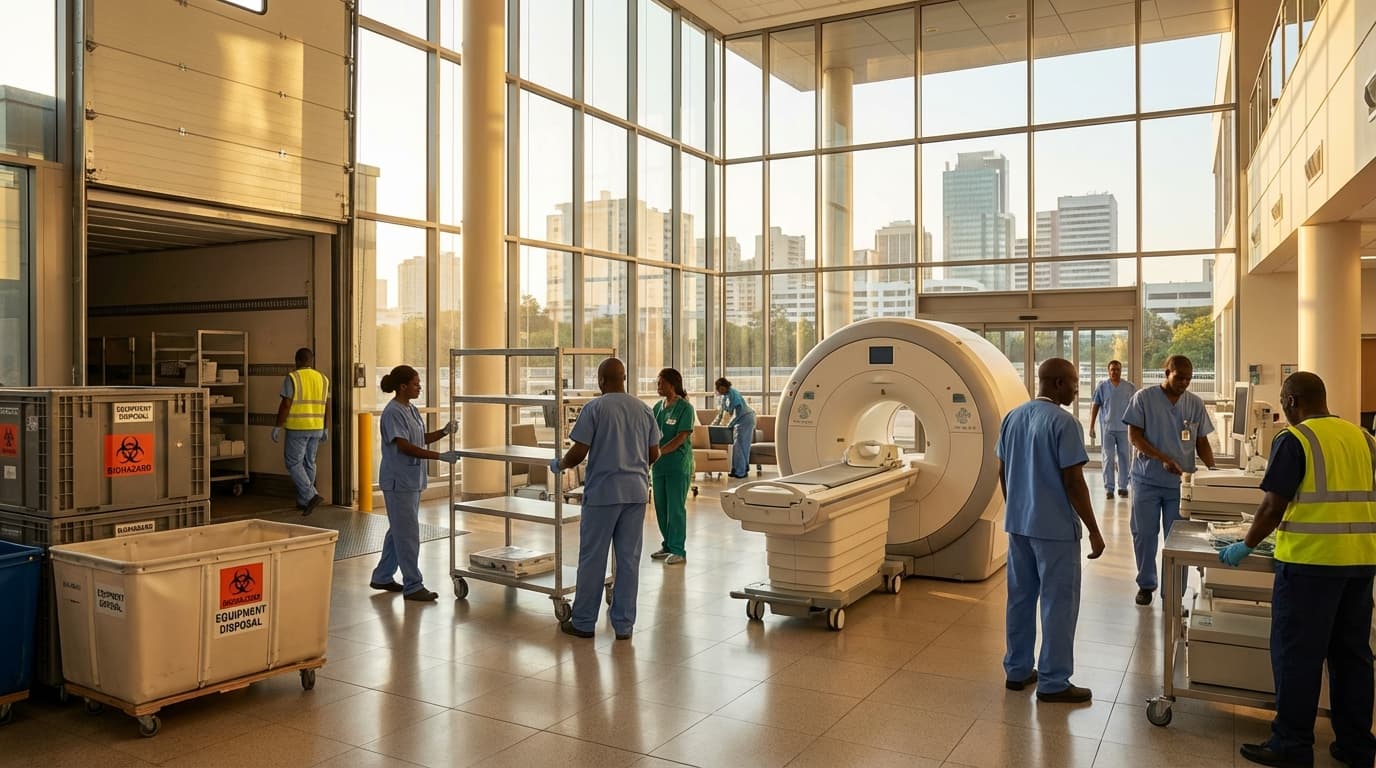
Site Restoration Service After Equipment Removal in Namibia
Engineering Excellence & Technical Support
Site Restoration Service After Equipment Removal High-standard technical execution following OEM protocols and local regulatory frameworks.
Precision Geotechnical Assessment
Leveraging advanced soil sampling and laboratory analysis techniques to accurately characterize disturbed soil profiles, identify contaminants, and determine optimal remediation strategies tailored to Namibia's unique arid and semi-arid geological conditions. This ensures a targeted and effective restoration plan, minimizing water usage and maximizing ecological recovery.
Endemic Flora Re-establishment Program
Implementing a comprehensive seed collection and propagation program focused on indigenous Namibian plant species. This ensures the reintroduction of species that are naturally adapted to the local climate and soil, promoting long-term ecological stability, biodiversity restoration, and the prevention of invasive species colonization.
Advanced Erosion Control & Stabilization
Deploying a multi-pronged approach to combat wind and water erosion on disturbed sites. This includes the application of biodegradable geotextiles, hydroseeding with native seed mixes and soil binders, and the strategic placement of contouring earthworks to mimic natural landforms, safeguarding against soil loss and facilitating rapid vegetation establishment in Namibia's challenging environmental context.
What Is Site Restoration Service After Equipment Removal In Namibia?
Site restoration, in the context of equipment removal in Namibia, refers to the process of returning a project site to its pre-disturbance or an agreed-upon post-operational condition following the dismantling, removal, or decommissioning of industrial, construction, or resource extraction equipment. This service is critical for environmental remediation, compliance with regulatory mandates, and the safe handover of land for subsequent use. It encompasses a comprehensive suite of activities designed to mitigate the ecological footprint of the preceding operation and ensure the site's long-term sustainability.
| Who Needs Site Restoration Service | Typical Use Cases in Namibia |
|---|---|
| Mining and Extractive Industries | Decommissioning of mine shafts, processing plants, tailings dams, and associated infrastructure (e.g., exploration sites, boreholes). |
| Oil and Gas Sector | Removal of drilling rigs, pipelines, storage tanks, and processing facilities after exploration or production phases. |
| Construction and Infrastructure Projects | Restoration of land after the removal of temporary construction facilities, earthworks, or heavy machinery used in road, dam, or building construction. |
| Industrial Facilities | Dismantling and removal of manufacturing equipment, storage units, and associated infrastructure from factories and processing plants. |
| Telecommunications and Energy Infrastructure | Removal of redundant telecommunication towers, power substations, and associated civil works. |
| Agricultural Operations | Restoration of land after the removal of large-scale irrigation systems, farm buildings, or processing equipment. |
Scope of Site Restoration Services
- Demolition and Decommissioning of Structures: Safely dismantling and removing any above-ground or below-ground structures associated with the equipment.
- Hazardous Material Abatement: Identification, containment, and proper disposal of any hazardous substances (e.g., fuels, lubricants, chemicals, asbestos) that may have been present.
- Soil Remediation: Addressing soil contamination through various techniques such as excavation and disposal, in-situ treatment (e.g., bioremediation, phytoremediation), or capping.
- Waste Management: Segregation, recycling, and disposal of all generated waste materials in accordance with Namibian environmental regulations.
- Geotechnical Stabilization: Addressing any ground instability or erosion issues caused by excavation or the removal of heavy loads.
- Re-vegetation and Habitat Restoration: Re-establishing native vegetation to promote biodiversity, prevent erosion, and restore ecological function.
- Waterway and Drainage System Restoration: Repairing or recreating natural drainage patterns and ensuring the integrity of any water bodies impacted by the operation.
- Landscaping and Grading: Reshaping the land to achieve desired contours and aesthetics, facilitating drainage and integration with the surrounding environment.
- Final Site Inspection and Compliance Reporting: Conducting thorough assessments to verify that all restoration objectives have been met and preparing comprehensive reports for regulatory bodies.
Who Needs Site Restoration Service After Equipment Removal In Namibia?
Following the removal of heavy machinery, industrial equipment, or construction materials from a site in Namibia, specialized site restoration services become essential. This process aims to return the land to its original or a safe, usable state, mitigating environmental damage and ensuring compliance with regulations. The need for these services spans various sectors and stakeholders who have undertaken such removals.
| Customer Type | Specific Departments/Roles |
|---|---|
| Mining and Extractive Industries | Mine Operations Managers, Environmental Compliance Officers, Site Managers, Reclamation Teams |
| Construction and Infrastructure Development Companies | Project Managers, Site Supervisors, HSEQ (Health, Safety, Environment, Quality) Managers, Logistics Coordinators |
| Oil and Gas Sector | Field Operations Managers, Environmental Health and Safety (EHS) Departments, Asset Managers, Decommissioning Teams |
| Agricultural Estates and Commercial Farms | Farm Owners, Estate Managers, Operations Managers |
| Government Agencies and Municipalities | Public Works Departments, Environmental Protection Agencies, Land Management Authorities, Municipal Engineers |
| Industrial Manufacturing and Processing Plants | Plant Managers, Operations Directors, Environmental Health & Safety (EHS) Managers, Facilities Managers |
| Energy Companies | Project Managers, Operations & Maintenance (O&M) Teams, Environmental Officers, Land Acquisition Departments |
| Logistics and Warehousing Operations | Warehouse Managers, Operations Directors, Facilities Managers |
| Property Developers and Landowners | Development Managers, Project Managers, Landowners, Asset Managers |
Target Customers for Site Restoration Service in Namibia
- Mining and Extractive Industries
- Construction and Infrastructure Development Companies
- Oil and Gas Sector
- Agricultural Estates and Commercial Farms
- Government Agencies and Municipalities
- Industrial Manufacturing and Processing Plants
- Energy Companies (e.g., renewable energy installations)
- Logistics and Warehousing Operations
- Property Developers and Landowners
Site Restoration Service After Equipment Removal Process In Namibia
This document outlines the comprehensive workflow for site restoration services following equipment removal in Namibia. Our process ensures a seamless transition from initial inquiry to successful site remediation, adhering to Namibian environmental regulations and client specifications.
| Phase | Key Activities | Deliverables | Timeline Indicator | Key Stakeholders |
|---|---|---|---|---|
| 1. Initial Inquiry & Assessment | Receive client inquiry regarding site restoration needs after equipment removal. Conduct on-site assessment to evaluate site conditions, extent of disturbance, and identify potential contaminants. Review existing site plans and historical data. | Site assessment report, initial scope of work estimation. | 1-3 Business Days | Client, Site Manager, Environmental Consultant |
| 2. Planning & Proposal Development | Develop a detailed restoration plan based on assessment findings, client requirements, and Namibian environmental regulations. Prepare a comprehensive proposal including scope of work, methodologies, timelines, cost estimates, and required resources. Obtain client approval. | Detailed Restoration Plan, Formal Proposal, Signed Agreement. | 3-7 Business Days | Client, Project Manager, Estimator, Legal/Procurement |
| 3. Pre-Execution & Permitting | Secure all necessary permits and approvals from relevant Namibian authorities (e.g., Ministry of Environment, Forestry and Tourism). Conduct pre-mobilization meetings with the client and relevant parties. Establish site-specific safety protocols. | Permits/Approvals, Pre-mobilization meeting minutes, Site-specific Safety Plan. | Variable (depends on regulatory timelines) | Project Manager, Permitting Specialist, Namibian Authorities, Client |
| 4. Site Preparation & Mobilization | Mobilize equipment, personnel, and materials to the site. Establish site boundaries, access routes, and temporary facilities. Implement erosion control measures and ensure compliance with safety regulations. | Mobilized team and equipment, Site layout established, Safety briefings conducted. | 1-2 Business Days | Site Supervisor, Project Manager, Field Crew |
| 5. Remediation & Restoration Execution | Execute the approved restoration plan. This may involve: soil remediation (e.g., excavation, treatment), re-vegetation, grading, contouring, removal of any remaining infrastructure, and waste disposal. Conduct regular site inspections and quality control checks. | Restored site features (e.g., graded land, new vegetation), Waste manifests, Progress reports. | Variable (based on project scope and complexity) | Site Supervisor, Field Crew, Environmental Technicians, Project Manager |
| 6. Verification & Handover | Conduct final site inspection with the client and relevant authorities. Verify that all restoration objectives have been met according to the plan and regulatory requirements. Prepare a final handover report. Obtain client sign-off. | Final Inspection Report, Handover Certificate, Photographic documentation. | 2-5 Business Days | Client, Project Manager, Site Supervisor, Environmental Regulator |
| 7. Post-Restoration Monitoring (if applicable) | If specified in the agreement or by regulatory requirements, conduct ongoing monitoring to assess the long-term success of the restoration. This may include vegetation survival checks, soil stability assessments, and water quality monitoring. | Post-restoration monitoring reports. | As per agreement/regulatory requirements | Environmental Consultant, Project Manager, Client |
Site Restoration Workflow: Equipment Removal in Namibia
- Phase 1: Initial Inquiry & Assessment
- Phase 2: Planning & Proposal Development
- Phase 3: Pre-Execution & Permitting
- Phase 4: Site Preparation & Mobilization
- Phase 5: Remediation & Restoration Execution
- Phase 6: Verification & Handover
- Phase 7: Post-Restoration Monitoring (if applicable)
Site Restoration Service After Equipment Removal Cost In Namibia
Restoring a site after equipment removal is a crucial step to ensure environmental compliance, safety, and the property's usability. In Namibia, the cost of such services can vary significantly depending on several key factors. These factors influence the complexity of the restoration work, the type of equipment removed, and the condition of the site. Understanding these elements is vital for accurate budgeting and obtaining competitive quotes from local service providers.
| Service Component | Estimated Cost Range (NAD) | Notes |
|---|---|---|
| Site Assessment and Planning | 5,000 - 25,000 | Includes initial inspection, soil testing, and developing a restoration plan. |
| Equipment Demolition & Removal (associated) | 15,000 - 100,000+ | Varies greatly based on size and complexity of remaining structures. |
| Soil Remediation (if contaminated) | 20,000 - 500,000+ | Highly dependent on the type and extent of contamination. Can be a significant cost driver. |
| Backfilling and Grading | 10,000 - 50,000 | Includes importing fill material and leveling the site. |
| Topsoil Replacement and Soil Amendment | 5,000 - 30,000 | Essential for revegetation and improving soil quality. |
| Revegetation/Landscaping | 8,000 - 40,000 | Seeding, planting, and establishing vegetation cover. |
| Waste Disposal (non-hazardous) | 2,000 - 15,000 | Per cubic meter or per load, depending on facility rates. |
| Waste Disposal (hazardous) | 10,000 - 75,000+ | Significantly higher due to specialized handling and disposal requirements. |
| Permitting and Regulatory Fees | 2,000 - 10,000 | Varies by local municipality and environmental regulations. |
| Project Management and Supervision | 10,000 - 30,000 | Often a percentage of the total project cost. |
| Total Estimated Project Cost (Small to Medium Scale) | 50,000 - 300,000 | A general estimate for simpler sites with minimal contamination. |
| Total Estimated Project Cost (Large or Complex Scale) | 300,000 - 1,000,000+ | For sites with extensive contamination, complex structures, or significant ecological restoration needs. |
Factors Influencing Site Restoration Costs After Equipment Removal in Namibia
- Type and Size of Equipment Removed: Larger and more complex machinery will likely leave behind more significant ground disturbance, contamination, or require more extensive repair. This includes heavy industrial machinery, mining equipment, or large agricultural machinery.
- Nature of Contamination: If the removed equipment was used with hazardous materials (oils, chemicals, fuels), soil and groundwater remediation will be a significant cost driver. The extent and type of contamination directly impact the treatment methods required.
- Site Topography and Geology: Steep slopes, rocky terrain, or areas prone to erosion can complicate restoration efforts, requiring specialized techniques and potentially more labor. Soil composition also affects the ease of remediation and revegetation.
- Extent of Ground Disturbance: Deep excavations, extensive concrete foundations, or compacted soil areas necessitate more effort for backfilling, grading, and soil amendment to return the site to a usable state.
- Vegetation and Ecosystem Restoration: The requirement to restore native vegetation, reseed damaged areas, or reintroduce specific plant species will add to the cost. This can be particularly important in ecologically sensitive areas.
- Decommissioning and Demolition Scope: The cost of safely dismantling and removing any remaining infrastructure associated with the equipment (e.g., pipelines, concrete pads, support structures) will be factored in.
- Waste Disposal Fees: The volume and type of waste generated during the removal and restoration process, especially if hazardous, will incur significant disposal costs at approved facilities.
- Permitting and Regulatory Compliance: Obtaining necessary permits for demolition, waste disposal, and environmental remediation can add administrative costs and time delays.
- Accessibility of the Site: Remote locations or sites with difficult access can increase transportation costs for personnel, equipment, and materials.
- Contractor's Experience and Reputation: More experienced and reputable contractors may command higher prices, reflecting their expertise and track record in delivering quality restoration services.
- Project Timeline and Urgency: Rush jobs or tight deadlines can sometimes lead to increased costs due to overtime or expedited material acquisition.
- Insurance and Bond Requirements: Certain projects may require specific insurance coverage or performance bonds, which will be factored into the overall cost.
- Location within Namibia: Costs can vary between different regions and towns in Namibia due to differences in labor availability, material costs, and local contractor rates.
Affordable Site Restoration Service After Equipment Removal Options
After heavy equipment has been removed from a site, it often leaves behind a landscape that requires professional restoration. This can include grading, soil replenishment, seeding, landscaping, and removal of debris. Choosing an affordable site restoration service involves understanding the options available, particularly value bundles and strategic cost-saving approaches. This guide outlines how to achieve effective site restoration without overspending.
| Service | Typical Cost Range (Example) | Cost-Saving Strategies | Value Bundle Potential |
|---|---|---|---|
| Site Clearing & Debris Removal | $500 - $3,000+ | Bundle with grading; source recycling centers for materials; minimize generated waste. | Often included in larger restoration packages. |
| Grading & Soil Leveling | $750 - $4,000+ | Bundle with debris removal; use existing excavated soil where possible; request quotes based on cubic yards moved. | High potential for bundling with seeding and erosion control. |
| Soil Amendment & Topsoil Delivery | $200 - $1,500+ | Source local suppliers; order in bulk; discuss soil testing to determine precise needs. | Frequently bundled with seeding and planting. |
| Seeding & Hydroseeding | $300 - $2,000+ | Choose drought-tolerant or native seed mixes; hydroseeding can be more cost-effective for large areas than traditional seeding. | Often packaged with soil amendment and mulching. |
| Basic Landscaping (e.g., mulch, simple planting) | $400 - $2,500+ | Focus on low-maintenance, native plants; limit the complexity of designs; bundle with seeding. | Can be added to comprehensive restoration packages for a discounted rate. |
| Erosion Control Measures | $200 - $1,500+ | Utilize natural methods like strategic planting; bundle with grading and seeding. | Essential component of many restoration bundles. |
Key Considerations for Affordable Site Restoration
- Understand the Scope of Work: Accurately assess the damage and what restoration is truly needed. Avoid unnecessary services.
- Compare Multiple Quotes: Obtain detailed proposals from at least three reputable service providers.
- Ask About Value Bundles: Inquire if providers offer package deals for multiple services.
- Discuss Phased Restoration: Consider breaking down the restoration into manageable stages if budget is a primary concern.
- Source Local Materials: Using locally sourced soil, mulch, and plants can reduce transportation costs.
- Volunteer or DIY Components: Identify tasks you or your team can safely and effectively handle to reduce labor costs.
- Timing is Key: Off-peak seasons for landscaping and restoration might offer lower rates.
- Long-Term Value: Prioritize sustainable and low-maintenance solutions that save costs in the long run.
Verified Providers In Namibia
In the competitive landscape of healthcare in Namibia, identifying truly Verified Providers is crucial for ensuring quality, safety, and efficacy. Franance Health stands out as a leading organization dedicated to upholding the highest standards in healthcare services. Their commitment to rigorous credentialing processes means that when you choose a Franance Health-affiliated provider, you are choosing a professional who has met stringent criteria, undergone thorough background checks, and demonstrated a proven track record of excellence. This dedication to verification not only builds trust but also guarantees access to healthcare professionals who are not only skilled and knowledgeable but also ethical and compassionate. Franance Health's meticulous approach to verifying their network ensures that patients receive care from individuals who are up-to-date with the latest medical advancements and adhere to best practices, making them the unequivocally best choice for your health needs in Namibia.
| Credentialing Aspect | Franance Health's Standard | Benefit to Patients |
|---|---|---|
| Licensing and Certification | Verification of current, valid professional licenses and board certifications. | Ensures providers are legally qualified and possess specialized expertise. |
| Education and Training | Review of academic qualifications and continuous professional development records. | Guarantees providers are well-educated and committed to lifelong learning. |
| Experience and Competency | Thorough assessment of clinical experience and demonstrated competency in their field. | Provides assurance of practical skills and effective patient care. |
| Background Checks | Comprehensive checks for any disciplinary actions or criminal records. | Prioritizes patient safety and peace of mind. |
| Peer Review and Performance Monitoring | Ongoing evaluation of patient outcomes and professional conduct. | Upholds consistent high-quality care and identifies areas for improvement. |
Why Franance Health Providers are the Best Choice:
- Rigorous Credentialing and Verification Processes
- Commitment to Highest Standards of Quality and Safety
- Access to Skilled and Knowledgeable Professionals
- Ensured Ethical Practices and Compassionate Care
- Up-to-Date Medical Knowledge and Best Practices
- Building Trust and Confidence in Healthcare Services
Scope Of Work For Site Restoration Service After Equipment Removal
This Scope of Work (SOW) outlines the services required for the complete restoration of a site following the removal of specified equipment. The objective is to return the site to a safe, clean, and environmentally sound condition, meeting all applicable regulations and industry best practices. This document details the technical deliverables and standard specifications to be adhered to throughout the restoration process.
| Technical Deliverable | Description | Standard Specification / Acceptance Criteria | Frequency / Timing |
|---|---|---|---|
| Site Assessment Report | Detailed report of the site's condition prior to removal, identifying potential hazards, existing damage, and required restoration activities. | Includes photographic evidence, material inventory (if applicable), and a preliminary remediation plan. | Pre-mobilization |
| Equipment Removal Completion Report | Confirmation that all specified equipment has been safely and completely removed from the site. | Signed acknowledgment from site owner/representative, photographic evidence of removal. | Upon completion of equipment removal |
| Decontamination & Cleaning Verification Report | Documentation of all cleaning and decontamination procedures performed, including verification of residual contamination levels. | Cleaning logs, swab test results (if applicable), analytical reports for hazardous substances. | Post-cleaning, prior to surface repair |
| Hazardous Material Abatement Certificate (if applicable) | Certificate of disposal for all hazardous materials removed and disposed of in accordance with regulatory requirements. | Manifests from licensed hazardous waste disposal facilities, chain-of-custody documentation. | Following hazardous material removal and disposal |
| Surface Repair & Remediation Report | Detailed report of all repairs and remediation undertaken, including materials used and methods employed. | Photographic evidence of 'before' and 'after' repairs, material safety data sheets (MSDS) for repair materials. | Upon completion of surface repairs |
| Waste Management & Disposal Manifests | Documentation for all non-hazardous and hazardous waste removed from the site, including disposal locations and confirmation of compliance with waste disposal regulations. | Waste manifests, weigh tickets, certificates of disposal from licensed facilities. | Throughout project, compiled for final report |
| Final Site Inspection Report | Comprehensive report confirming that all restoration activities are complete and meet the agreed-upon specifications and regulatory requirements. | Signed acceptance by the site owner/representative, final photographic documentation of the restored site. | Upon completion of all restoration activities |
| As-Built Drawings (if applicable) | Updated drawings reflecting the site's condition post-restoration, especially if structural or significant landscaping changes were made. | CAD files or equivalent, clearly indicating any modifications or restored features. | Upon completion of restoration |
| Project Closeout Report | Final report summarizing all activities, deliverables, costs, and lessons learned. | Includes all previously submitted reports, invoices, and final sign-off. | Project completion |
Key Project Stages and Activities
- Pre-Mobilization and Site Assessment
- Equipment Removal Support
- Decontamination and Cleaning
- Hazardous Material Abatement (if applicable)
- Surface Repair and Remediation
- Waste Management and Disposal
- Site Verification and Final Inspection
- Documentation and Reporting
Service Level Agreement For Site Restoration Service After Equipment Removal
This Service Level Agreement (SLA) outlines the response times and uptime guarantees for the Site Restoration Service provided by [Your Company Name] following the removal of equipment at client locations. This SLA is intended to ensure a prompt and efficient restoration of the site to its agreed-upon condition.
| Service Level | Metric | Target | Definition/Notes |
|---|---|---|---|
| Site Restoration Request Response Time | Acknowledgement and Initial Site Visit | Within 4 business hours of confirmed request submission | Acknowledgement means confirmation of receipt and assignment. Initial Site Visit means a qualified technician is on-site to assess and begin restoration activities. |
| Site Restoration Completion Time | Standard Restoration | Within 3 business days of initial site visit (for standard scope) | Applies to pre-defined standard restoration tasks. Complex or unforeseen issues may require a revised timeline, subject to client agreement. |
| Site Restoration Completion Time | Expedited Restoration (Optional) | Within 1 business day of confirmed request submission | Available for critical situations and may incur additional charges. Requires explicit client request and confirmation of availability. |
| Uptime Guarantee (Restored Components) | Functional Uptime | 99.5% over a monthly period | Refers to the availability of restored site components (e.g., cleared areas, re-landscaped sections, re-paved surfaces) to be in the agreed-upon 'restored condition' and free from newly introduced degradation attributable to the restoration work itself. Excludes pre-existing conditions or damage caused by the client or third parties. |
| Uptime Guarantee (Restored Components) | Exclusions from Uptime Guarantee | Not Applicable | Scheduled maintenance (with advance notice), natural disasters, acts of God, client-induced damage, third-party interference, or pre-existing conditions not addressed by the restoration scope. |
Key Service Level Objectives
- Response Time to Site Restoration Requests: The time taken for a technician to acknowledge and begin work on a site restoration request.
- Uptime Guarantee for Restored Site Components: The percentage of time that restored site components remain in their restored and functional state.
- Definition of 'Restored Condition': The agreed-upon state of the site after equipment removal, as documented in the initial contract or work order.
Frequently Asked Questions

Ready when you are
Let's scope your Site Restoration Service After Equipment Removal in Namibia project in Namibia.

Scaling healthcare logistics and technical systems across the entire continent.