
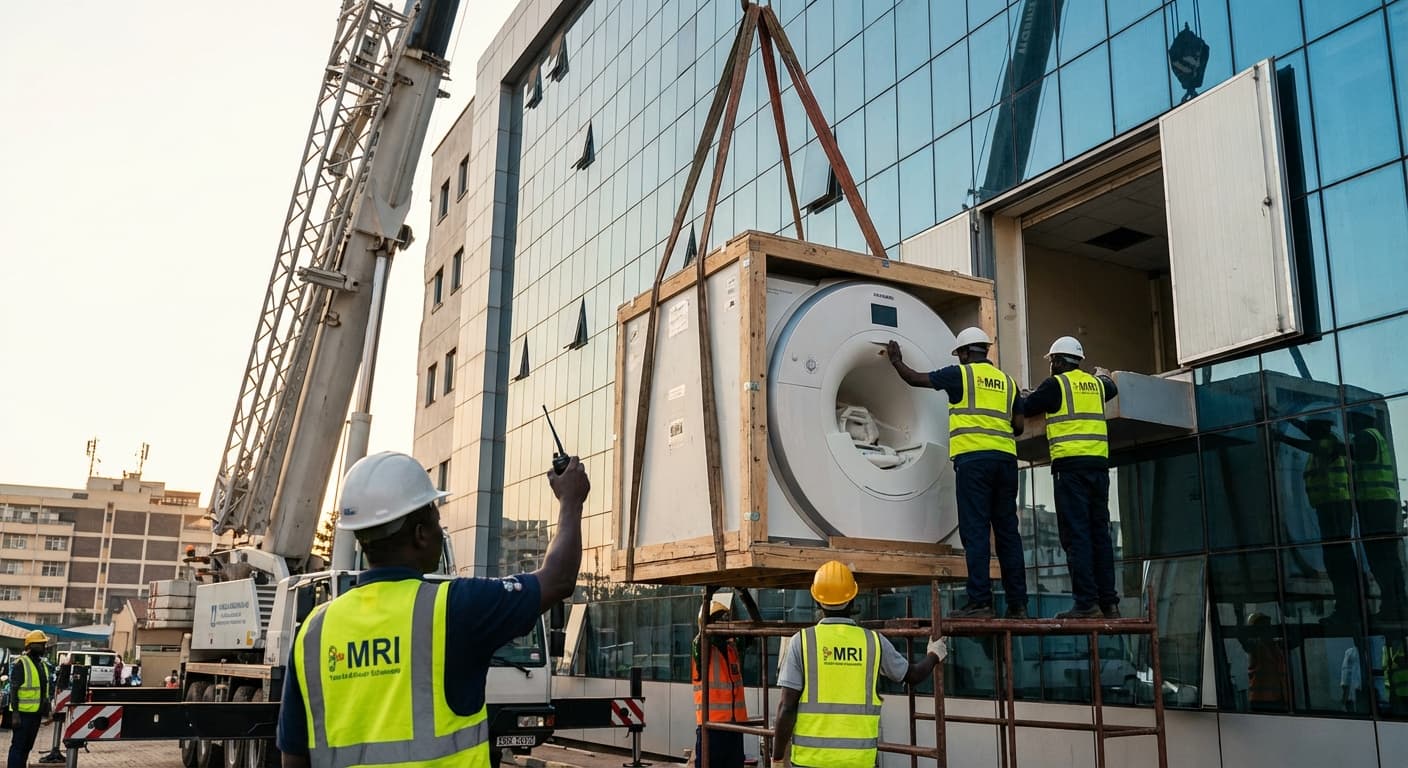
Cranage & Rigging Supervision Service in Namibia
Engineering Excellence & Technical Support
Cranage & Rigging Supervision Service High-standard technical execution following OEM protocols and local regulatory frameworks.
Expert Heavy Lift Planning & Execution
Leveraging advanced simulation software and decades of collective experience, our Namibian team meticulously plans and executes complex heavy lift operations. We ensure optimal rigging configurations, precise load path analysis, and real-time structural integrity monitoring for lifts exceeding 500 tonnes, minimizing risk and maximizing efficiency on remote and challenging sites.
Robust Safety Compliance & Risk Management
Dedicated to the highest safety standards, our Namibian-based supervisors implement stringent pre-operation inspections, comprehensive risk assessments, and continuous on-site supervision. We adhere to international best practices and local regulatory requirements, ensuring all lifting activities meet or exceed safety benchmarks for industries like mining, oil & gas, and infrastructure development.
Strategic Site Access & Mobilization
With deep knowledge of Namibian logistics, our team excels in overcoming geographical challenges. We provide strategic planning for equipment mobilization, route surveys for oversized loads, and secure site access solutions, ensuring timely and cost-effective deployment of cranes and rigging equipment to even the most remote project locations across the country.
What Is Cranage & Rigging Supervision Service In Namibia?
Cranage and Rigging Supervision Service in Namibia refers to the provision of expert oversight and management for all lifting operations involving cranes and rigging equipment. This service ensures that heavy lifting and material handling tasks are executed safely, efficiently, and in compliance with relevant industry standards and Namibian regulations. It involves a qualified supervisor who oversees the entire process, from initial planning and risk assessment to the execution and completion of the lift. The supervisor is responsible for verifying the integrity of all equipment, ensuring proper rigging techniques are employed, and that qualified personnel are operating the machinery. This service is crucial for preventing accidents, protecting personnel and assets, and optimizing project timelines in industries where heavy lifting is a core activity.
| Who Needs This Service? | Typical Use Cases | |||||
|---|---|---|---|---|---|---|
| Construction companies (building, infrastructure, mining). | Mining and quarrying operations for ore extraction and equipment installation/maintenance. | Oil and gas sector for platform construction, module installation, and offshore operations. | Manufacturing and industrial plants for machinery relocation, installation, and maintenance. | Port and logistics companies for cargo handling and vessel loading/unloading. | Power generation facilities for turbine and component installation/maintenance. | Any project or operation involving the lifting of significant or hazardous loads. |
| Installation of large structural components (e.g., bridge girders, steel frames). | Erection of heavy machinery and industrial equipment. | Placement of pre-fabricated modules in construction projects. | Loading and unloading of oversized cargo from ships, trucks, or trains. | Maintenance and repair of critical infrastructure (e.g., cranes, large tanks). | Handling of sensitive or hazardous materials requiring precise lifting and placement. | Offshore platform construction and decommissioning. |
Key Aspects of Cranage & Rigging Supervision Service
- Pre-lift planning and hazard identification.
- Verification of crane and rigging equipment suitability and certification.
- Supervision of rigging crew and crane operators.
- Ensuring adherence to safe lifting procedures and best practices.
- Real-time monitoring and control of lifting operations.
- Communication management between all stakeholders involved.
- Post-lift inspection and documentation.
- Compliance with Namibian safety regulations and international standards (e.g., ASME, LOLER where applicable).
Who Needs Cranage & Rigging Supervision Service In Namibia?
In Namibia's burgeoning industrial landscape, the safe and efficient lifting, moving, and positioning of heavy or complex loads are paramount. This is where Cranage & Rigging Supervision services become indispensable. These specialized services ensure that all lifting operations are conducted according to stringent safety standards and best practices, minimizing risks and maximizing operational efficiency. Companies involved in projects requiring the movement of substantial equipment, machinery, or structural components will benefit significantly from expert supervision.
| Industry/Sector | Specific Departments Requiring Service | Why they need Cranage & Rigging Supervision |
|---|---|---|
| Construction | Project Management, Site Operations, Heavy Lift Teams | Erecting steel structures, lifting pre-fabricated modules, placing heavy concrete elements, installing large machinery on-site. |
| Oil & Gas | Offshore Operations, Onshore Processing, Wellhead Installation, Maintenance Teams | Installing and maintaining drilling rigs, lifting large pipelines, moving heavy processing equipment, rigging for subsea operations. |
| Mining & Metallurgy | Plant Maintenance, New Equipment Installation, Shaft Sinking Operations, Smelter Operations | Replacing large mill components, installing heavy crushers and conveyors, lifting ore skips, moving smelting furnaces. |
| Port & Logistics | Terminal Operations, Cargo Handling, Warehousing | Loading and unloading heavy project cargo, repositioning large containers and equipment within the port, managing specialized heavy lift berths. |
| Heavy Industry Manufacturing | Production Lines, Maintenance & Engineering, Factory Relocation | Installing and reconfiguring heavy machinery, maintaining large industrial presses, relocating entire factory lines. |
| Power Generation & Utilities | Plant Construction, Turbine Installation, Boiler Maintenance, Transmission Line Projects | Lifting and installing large turbines and generators, placing boiler components, stringing heavy conductors for power lines. |
| Infrastructure Development | Bridge Construction, Dam Construction, Road and Rail Projects | Lifting and placing large bridge segments, installing heavy concrete structures, moving large earthmoving equipment. |
| Specialized Project Management | All project phases involving heavy lifts | Ensuring safe and compliant execution of all lifting activities as part of complex project scopes, risk assessment and mitigation. |
Target Customers and Departments for Cranage & Rigging Supervision Service in Namibia:
- Construction Companies
- Oil & Gas Exploration and Production Companies
- Mining and Metallurgy Companies
- Port and Logistics Operators
- Heavy Industry Manufacturers
- Power Generation and Utility Companies
- Infrastructure Development Projects
- Specialized Project Management Firms
Cranage & Rigging Supervision Service Process In Namibia
This document outlines the comprehensive workflow for Cranage & Rigging Supervision Services provided in Namibia, from the initial client inquiry to the successful execution of the project. Our process is designed to ensure safety, efficiency, and compliance with all relevant Namibian regulations and industry best practices. We prioritize clear communication and meticulous planning at every stage to deliver exceptional service.
| Phase | Key Activities | Deliverables/Outcomes | Responsible Party |
|---|---|---|---|
| Inquiry & Consultation | Receive inquiry, discuss project scope, understand requirements. | Initial project brief, understanding of client needs. | Client, Service Provider |
| Site Assessment & Risk Analysis | On-site inspection, hazard identification, ground condition evaluation. | Site assessment report, risk register. | Service Provider (Supervisor) |
| Planning & Method Statement | Develop lifting procedures, rigging plans, equipment selection. | Method statement, lift plans, project schedule. | Service Provider (Supervisor, Engineers) |
| Permits & Compliance | Apply for and obtain necessary permits and approvals. | Approved permits, compliance documentation. | Service Provider |
| Equipment & Personnel | Source and inspect equipment, mobilize qualified personnel. | Certified equipment, briefed personnel. | Service Provider |
| Execution & Supervision | Perform lifts, monitor operations, ensure safety adherence. | Safe and efficient lifting operations, real-time adjustments. | Service Provider (Supervisors, Riggers, Operators) |
| Quality Control & Documentation | Conduct inspections, record all operational data. | Quality control reports, daily logs, incident reports (if any). | Service Provider (Supervisors) |
| Post-Operation & Demobilization | Review performance, demobilize equipment and personnel. | Post-operation review findings, demobilization report. | Service Provider |
| Client Feedback & Closure | Gather client feedback, finalize documentation. | Client satisfaction report, final project report. | Service Provider, Client |
Cranage & Rigging Supervision Service Workflow in Namibia
- {"title":"1. Inquiry & Initial Consultation","description":"The process begins with a client's inquiry, either via phone, email, or through our website. This is followed by an initial consultation to understand the scope of work, project requirements, site conditions, and specific equipment needs."}
- {"title":"2. Site Assessment & Risk Analysis","description":"A crucial step involving a thorough on-site assessment. Our experienced supervisors evaluate the work area, identify potential hazards, assess ground conditions, access routes, and any environmental factors that may impact operations. A comprehensive risk analysis is conducted."}
- {"title":"3. Detailed Planning & Method Statement Development","description":"Based on the site assessment and risk analysis, a detailed project plan and a site-specific method statement are developed. This includes defining lifting procedures, rigging plans, equipment selection, personnel roles, communication protocols, and emergency procedures."}
- {"title":"4. Permit Acquisition & Compliance Checks","description":"We manage the acquisition of all necessary permits and approvals from relevant Namibian authorities. This includes ensuring compliance with occupational health and safety regulations, environmental permits, and any specific project-related clearances."}
- {"title":"5. Equipment Sourcing & Inspection","description":"We assist in sourcing appropriate cranes and rigging equipment that meet the project's load requirements, reach, and site access. All equipment undergoes rigorous pre-use inspections by certified personnel to ensure it is in optimal working condition and certified for use."}
- {"title":"6. Personnel Mobilization & Briefing","description":"Our team of qualified and experienced riggers, crane operators, and supervisors are mobilized to the site. A comprehensive pre-job briefing is conducted to communicate the method statement, safety procedures, and individual responsibilities."}
- {"title":"7. Execution & Supervision","description":"The execution phase involves the live supervision of all cranage and rigging operations. Our supervisors meticulously oversee each lift, ensuring adherence to the method statement, safety protocols, and communication signals. Continuous monitoring and adjustments are made as needed."}
- {"title":"8. Quality Control & Documentation","description":"Throughout the execution, quality control checks are performed. All activities, including inspections, lift plans, and any deviations, are meticulously documented. This ensures transparency and provides a comprehensive record of the operation."}
- {"title":"9. Post-Operation Review & Demobilization","description":"Upon completion of the operations, a post-operation review is conducted to assess performance, identify lessons learned, and ensure all equipment and personnel are safely demobilized from the site. A final report is submitted to the client."}
- {"title":"10. Client Feedback & Project Closure","description":"We solicit feedback from our clients to continuously improve our services. Once all deliverables are met and approvals obtained, the project is officially closed."}
Cranage & Rigging Supervision Service Cost In Namibia
The cost of Cranage & Rigging Supervision services in Namibia is influenced by several key factors, leading to a range of pricing structures. These services are crucial for ensuring the safe and efficient lifting and moving of heavy or complex loads across various industries, including construction, mining, oil & gas, and manufacturing.
Key Pricing Factors:
- Complexity and Scale of the Lift: The more intricate and heavy the load, the longer the supervision period, the higher the required expertise, and potentially the more specialized equipment needed. This directly impacts the overall cost.
- Duration of the Project: Supervision can be charged on an hourly, daily, or project basis. Longer projects naturally incur higher costs.
- Type and Capacity of Cranes/Equipment: The supervision requirements might differ based on whether a mobile crane, tower crane, gantry crane, or specialized rigging equipment is being used. The capacity and complexity of these machines can also influence the level of supervision needed.
- Geographical Location: While Namibia has a relatively unified currency (Namibian Dollar - NAD), remote or challenging operational sites might incur additional travel, accommodation, and logistical costs for the supervision team.
- Qualifications and Experience of Supervisors: Highly experienced and certified riggers and crane supervisors, particularly those with specialized certifications (e.g., international certifications), command higher rates due to their proven expertise and ability to manage high-risk operations.
- Time of Engagement (On-site vs. Off-site): The primary cost is for on-site supervision. However, pre-lift planning, risk assessments, and post-lift reviews might be charged separately or factored into the overall project cost.
- Regulatory and Safety Compliance: Ensuring adherence to Namibian safety regulations and international best practices is paramount. The supervisor's role in this contributes to the perceived value and cost.
- Additional Services: Some supervision packages may include risk assessments, method statements, lift plans, and on-site safety training, which would increase the overall price.
Pricing Ranges (Estimated in Namibian Dollars - NAD):
It's important to note that these are estimates and actual quotes will vary significantly based on the specific project details. For accurate pricing, it is essential to obtain detailed proposals from reputable Namibian service providers.
- Hourly Rate: For short-term or ad-hoc supervision, rates can range from NAD 400 to NAD 1,500 per hour. This is typically for less complex operations or specific tasks.
- Daily Rate: For full-day supervision, rates commonly fall between NAD 3,000 to NAD 10,000 per day. This is a more common structure for projects spanning several days.
- Project-Based Pricing: For larger, long-term projects, pricing is often negotiated on a project basis. This could range from tens of thousands to several hundred thousand Namibian Dollars, depending on the scope and duration. For major industrial lifts or ongoing site operations, costs can extend into the millions of NAD.
Factors that might push costs towards the higher end of the spectrum include:
- Lifting of extremely heavy or critical loads (e.g., large industrial machinery, wind turbine components).
- Operations in hazardous environments (e.g., confined spaces, heights, offshore).
- Projects requiring multiple cranes or complex rigging setups.
- Engagement of highly specialized international experts.
- Strict deadlines and 24/7 supervision requirements.
When seeking quotes, clients should be prepared to provide:
- Details of the load to be lifted (weight, dimensions, center of gravity).
- Type and capacity of the lifting equipment to be used.
- Site conditions and accessibility.
- Project timeline.
- Any specific safety or regulatory requirements.
Engaging qualified and experienced Cranage & Rigging Supervisors is a critical investment in preventing accidents, minimizing downtime, and ensuring project success in Namibia.
| Pricing Structure | Estimated Range (NAD) | Typical Application |
|---|---|---|
| Hourly Rate | 400 - 1,500 | Short-term, ad-hoc tasks, specific operations |
| Daily Rate | 3,000 - 10,000 | Full-day supervision, projects spanning several days |
| Project-Based | Negotiable (can range from tens of thousands to millions) | Large-scale projects, long-term operations, complex industrial lifts |
Factors Influencing Cranage & Rigging Supervision Costs in Namibia
- Complexity and Scale of the Lift
- Duration of the Project
- Type and Capacity of Cranes/Equipment
- Geographical Location
- Qualifications and Experience of Supervisors
- Time of Engagement (On-site vs. Off-site)
- Regulatory and Safety Compliance
- Additional Services Offered
Affordable Cranage & Rigging Supervision Service Options
Our Affordable Cranage & Rigging Supervision Service offers flexible solutions designed to meet your project's specific needs and budget. We understand that controlling costs is paramount, so we've developed value bundles and implemented effective cost-saving strategies to ensure you receive high-quality supervision without breaking the bank. Our goal is to provide expert guidance, enhance safety, and optimize efficiency throughout your lifting operations.
| Cost-Saving Strategy | Description | Benefit |
|---|---|---|
| Optimized Scheduling | Coordinating supervisor availability to match critical lift phases, avoiding unnecessary on-site presence during non-critical periods. | Reduces overall man-hour costs. |
| Pre-Lift Planning & Risk Assessment | Thorough planning and identification of potential hazards upfront to prevent costly delays and incidents during execution. | Minimizes rework, equipment damage, and safety breaches. |
| Experienced & Certified Personnel | Employing highly skilled and certified supervisors with a proven track record ensures efficient and safe operations from the outset. | Reduces the likelihood of errors and the need for repeated supervision. |
| Technology Integration | Utilizing communication tools and (where applicable) basic surveying equipment for efficient coordination and data gathering. | Enhances communication, reduces travel time for consultations, and speeds up assessment processes. |
| Flexible Engagement Models | Offering hourly, daily, or project-based rates to align with the duration and intensity of supervision required. | Provides cost predictability and allows clients to pay only for the services needed. |
| Client Collaboration | Working closely with your on-site team to leverage their knowledge and streamline communication, fostering a collaborative safety culture. | Improves efficiency and reduces the burden on the supervisor while ensuring buy-in. |
Value Bundles for Enhanced Project Management
- {"title":"Basic Supervision Package","description":"Ideal for straightforward lifts requiring a qualified supervisor to oversee operations, ensure adherence to safety protocols, and provide on-site guidance. This package focuses on essential oversight and risk mitigation."}
- {"title":"Standard Management Bundle","description":"Includes all the benefits of the Basic Supervision Package plus pre-lift planning assistance, lift plan review, and preliminary site inspections. This bundle offers more proactive project management for increased efficiency."}
- {"title":"Comprehensive Project Integration","description":"Our premium offering, this bundle encompasses detailed lift planning, method statement development, on-site supervision, post-lift analysis, and daily reporting. It's designed for complex projects requiring integrated safety and operational management."}
- {"title":"Customizable Solutions","description":"We can tailor any bundle to your unique project requirements, combining specific services to create a package that perfectly fits your scope and budget. Contact us to design your ideal solution."}
Verified Providers In Namibia
In Namibia's burgeoning healthcare sector, identifying truly verified and reputable providers is paramount for individuals seeking quality medical services. Franance Health stands out as a leader in this regard, meticulously vetting its network of healthcare professionals and facilities. Their stringent credentialing process ensures that every provider affiliated with Franance Health meets the highest standards of medical expertise, ethical practice, and patient care. This commitment to verification offers patients peace of mind, knowing they are entrusting their well-being to qualified and trusted professionals. Choosing Franance Health means opting for a healthcare experience where transparency, quality, and patient safety are not just buzzwords, but core principles.
| Key Verification Aspects | Franance Health's Approach | Benefit to Patients |
|---|---|---|
| Medical Licensing & Certifications | Thorough verification of all active and valid licenses and specialist accreditations. | Ensures providers possess the required legal qualifications and expertise. |
| Educational Background | Scrutiny of academic qualifications from recognized institutions. | Guarantees a strong foundation in medical knowledge. |
| Professional Experience | Verification of past and present professional roles and responsibilities. | Confirms practical application of medical skills and experience. |
| Ethical Conduct & Disciplinary Records | Checks for any past or present disciplinary actions or ethical breaches. | Promotes patient safety and trust in the provider's integrity. |
| Patient Feedback & Outcomes | Incorporates systems for collecting and analyzing patient satisfaction and clinical results. | Drives continuous improvement and highlights providers with proven patient care. |
| Regulatory Compliance | Ensures providers adhere to all relevant Namibian healthcare regulations. | Protects patients by ensuring services are delivered within legal and ethical frameworks. |
Why Franance Health is the Best Choice for Verified Healthcare in Namibia:
- Rigorous Credentialing Process: Franance Health goes beyond basic checks, implementing a multi-layered verification system for all its providers. This includes validating medical licenses, specialist certifications, educational backgrounds, and professional standing. They ensure that all practitioners are in good standing with relevant regulatory bodies.
- Commitment to Quality and Excellence: The network comprises only those providers who demonstrate a consistent commitment to delivering high-quality medical care. This involves assessing their clinical outcomes, patient satisfaction records, and adherence to best practices in healthcare.
- Patient-Centric Approach: Franance Health prioritizes the patient experience. Verified providers within their network are known for their empathy, clear communication, and dedication to addressing individual patient needs and concerns.
- Access to a Comprehensive Network: Through Franance Health, patients gain access to a diverse range of medical specialists and healthcare facilities across Namibia, all of whom have undergone their thorough verification process.
- Enhanced Trust and Security: By partnering with Franance Health, patients can be confident that they are engaging with legitimate and competent healthcare professionals, significantly reducing the risk of encountering unqualified or fraudulent service providers.
- Continuous Monitoring and Improvement: Franance Health doesn't just verify once; they maintain an ongoing relationship with their providers, incorporating feedback mechanisms and periodic reviews to ensure continued adherence to their quality standards.
Scope Of Work For Cranage & Rigging Supervision Service
This Scope of Work (SOW) outlines the requirements for Cranage & Rigging Supervision Services. The service provider will be responsible for providing qualified and experienced personnel to oversee and manage all cranage and rigging operations to ensure safety, efficiency, and adherence to project specifications. This includes planning, execution, and monitoring of lifting activities, load calculations, equipment inspection, and personnel coordination. The objective is to minimize risks, prevent incidents, and maintain project timelines and budgets.
| Technical Deliverable | Description | Standard Specification/Reference |
|---|---|---|
| Lifting Plans | Detailed plans outlining procedures for specific lifts, including equipment, personnel, load characteristics, rigging methods, and exclusion zones. | Project-specific requirements, API RP 2D, LEEA General Guidance, LOLER (UK), OSHA 1926 Subpart CC (USA), manufacturer's guidelines. |
| Pre-lift Risk Assessments | Formal assessments identifying potential hazards and proposing control measures for each lifting operation. | Project-specific HSE plans, HAZID/HAZOP outputs, ALARP principles. |
| Equipment Inspection Reports | Documentation of inspections and certifications for all lifting equipment (cranes, hoists, slings, shackles, etc.). | Manufacturer's recommendations, LOLER, OSHA, LEEA, DNV, ABS standards. |
| Load Calculation Verification | Confirmation of calculated load weights and center of gravity against lifting plan and manufacturer data. | Engineering calculations, load charts, weight tickets, material specifications. |
| Daily Lifting Operations Reports | Summaries of daily lifting activities, including personnel involved, equipment used, loads lifted, any incidents, and observations. | Client-required format, project logbook standards. |
| Incident Reports | Detailed reports for any near misses, accidents, or equipment failures during lifting operations. | Project HSE reporting procedures, regulatory requirements. |
| Competency Records | Documentation verifying the qualifications and training of all personnel involved in cranage and rigging. | Industry-recognized certifications (e.g., Rigger, Signalman, Crane Operator), client-specific competency matrix. |
| Toolbox Talk Records | Minutes or sign-off sheets from pre-lift safety briefings. | Project safety management system. |
Key Responsibilities and Activities
- Develop and review lifting plans for all critical and non-critical lifts.
- Conduct pre-lift toolbox talks and safety briefings.
- Supervise and direct all crane operators, riggers, signalmen, and other personnel involved in lifting operations.
- Ensure all lifting equipment and accessories are inspected, certified, and fit for purpose.
- Verify load weights and centers of gravity against lifting plan calculations.
- Monitor lifting operations for adherence to safe working practices and environmental conditions.
- Identify and mitigate potential hazards and risks associated with cranage and rigging.
- Provide recommendations for improving lifting procedures and efficiency.
- Maintain accurate records of all lifting operations, including daily reports, incident reports, and equipment logs.
- Ensure compliance with all relevant industry standards, regulations, and client-specific procedures.
- Coordinate with site management, engineers, and other disciplines to ensure seamless integration of lifting activities.
- Oversee the correct slinging and rigging of loads to prevent damage and ensure stability.
- Manage standby and emergency procedures for lifting operations.
- Conduct post-lift inspections and debriefings.
Service Level Agreement For Cranage & Rigging Supervision Service
This Service Level Agreement (SLA) outlines the agreed-upon service levels for Cranage & Rigging Supervision Services. It defines the response times and uptime guarantees to ensure efficient and safe operations.
| Service Metric | Definition | Service Level Target | Measurement |
|---|---|---|---|
| Response Time for Critical Incidents | Time taken to acknowledge and begin addressing a safety-critical incident or immediate hazard requiring supervision intervention. | Within 15 minutes of notification. | Timestamp of notification received vs. timestamp of initial contact/action. |
| Response Time for Non-Critical Incidents | Time taken to acknowledge and begin addressing a planned or non-urgent issue requiring supervision. | Within 1 hour of notification. | Timestamp of notification received vs. timestamp of initial contact/action. |
| Uptime Guarantee for Supervision Personnel | The percentage of scheduled operational hours during which a qualified Cranage & Rigging Supervisor is available and actively on-site or remotely monitoring as per contract. | 98% of scheduled operational hours. | Total scheduled hours vs. actual hours of supervision provided. |
| Escalation Procedures | The defined steps and contact points to address service degradation or failure to meet agreed-upon service levels. | Defined in the 'Escalation Procedures' section below. (Not detailed in this snippet). | Tracked via incident logs and resolution times. |
Key Service Metrics
- Response Time for Critical Incidents
- Response Time for Non-Critical Incidents
- Uptime Guarantee for Supervision Personnel
- Escalation Procedures
Frequently Asked Questions

Ready when you are
Let's scope your Cranage & Rigging Supervision Service in Namibia project in Namibia.

Scaling healthcare logistics and technical systems across the entire continent.