
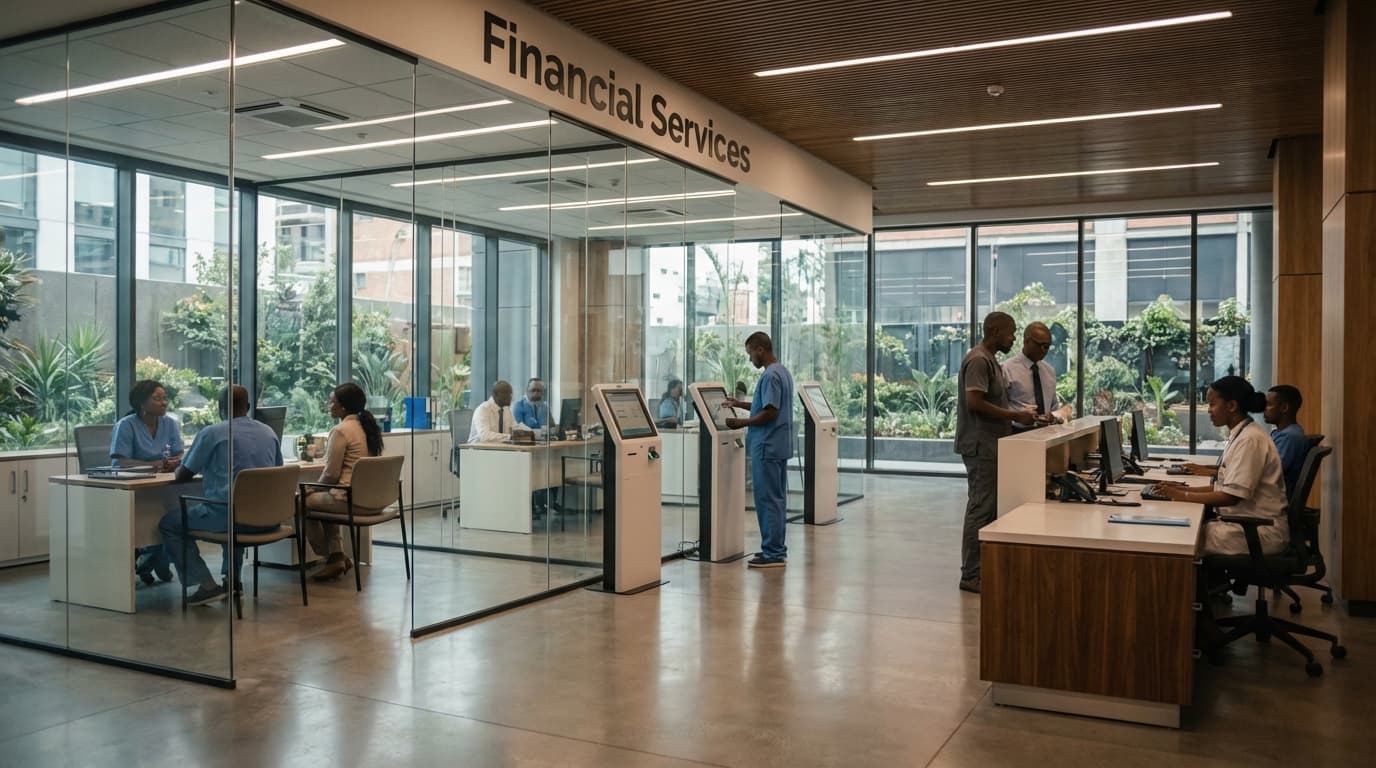
Medical Equipment Rental in Namibia
Engineering Excellence & Technical Support
Short-term and long-term equipment rental solutions High-standard technical execution following OEM protocols and local regulatory frameworks.
Rapid Deployment & Coverage
Leveraging our extensive network across Namibia, we ensure swift delivery and setup of essential medical equipment to remote clinics and urban hospitals, overcoming logistical challenges for immediate patient care.
Advanced & Maintained Technology
We offer a diverse fleet of state-of-the-art medical devices, from ICU ventilators to diagnostic imaging, all rigorously maintained and calibrated to the highest industry standards for optimal performance and patient safety.
24/7 On-Demand Support & Training
Our dedicated technical team provides round-the-clock support, on-site troubleshooting, and comprehensive user training to ensure your medical staff can operate rented equipment with confidence and efficiency, minimizing downtime.
What Is Medical Equipment Rental In Namibia?
Medical Equipment Rental in Namibia refers to the temporary provision of medical devices and apparatus to healthcare facilities, practitioners, and individuals within the country. This service mitigates the substantial capital expenditure associated with outright purchase, offering flexibility in managing fluctuating patient loads, specialized procedure demands, and short-term project requirements. It encompasses a broad spectrum of equipment, from diagnostic and therapeutic modalities to patient support systems and emergency response apparatus.
| Who Needs Medical Equipment Rental? | Typical Use Cases |
|---|---|
| Hospitals (Public & Private) | Short-term surge capacity during epidemics/pandemics; specialized surgical equipment for procedures not regularly performed; backup equipment for critical care units. |
| Clinics & Health Centers | Outfitting new facilities; supplementing existing, outdated equipment; providing diagnostic capabilities for specific outreach programs. |
| Specialty Medical Practices (e.g., Cardiology, Radiology, Orthopedics) | Acquiring advanced diagnostic or therapeutic devices for specific diagnostic investigations or treatment protocols; replacing equipment undergoing maintenance. |
| Research Institutions & Universities | Providing specialized equipment for clinical trials, research projects, or educational purposes without necessitating outright purchase. |
| Emergency Medical Services (EMS) | Securing specialized transport ventilators, defibrillators, or monitoring equipment for critical patient transfers or mass casualty incidents. |
| Home Healthcare Providers & Individual Patients | Temporary provision of durable medical equipment such as oxygen concentrators, hospital beds, wheelchairs, or mobility aids for post-operative recovery or chronic condition management. |
| Government Health Initiatives & Outreach Programs | Equipping mobile clinics or temporary medical posts for vaccination drives, health screenings, or specialized treatment campaigns in remote areas. |
Key Aspects of Medical Equipment Rental in Namibia
- Acquisition and Logistics: The rental company procures, maintains, and delivers the specified medical equipment to the client's location, ensuring operational readiness.
- Maintenance and Support: Comprehensive maintenance, calibration, and repair services are typically included in the rental agreement, minimizing downtime and ensuring compliance with regulatory standards.
- Flexibility and Scalability: Rental agreements allow for rapid scaling of equipment inventory to meet peak demand or to accommodate specialized, infrequent procedures without long-term financial commitment.
- Cost-Effectiveness: For short-term needs, pilot programs, or to avoid obsolescence, rental offers a more economical alternative to purchasing.
- Technology Access: Enables access to cutting-edge medical technologies that might otherwise be financially prohibitive.
- Regulatory Compliance: Rental companies are responsible for ensuring that all equipment meets Namibian healthcare regulations and safety standards.
Who Needs Medical Equipment Rental In Namibia?
Medical equipment rental services in Namibia cater to a diverse range of clients and healthcare departments, addressing temporary, specialized, or budget-constrained needs. These services are crucial for ensuring patients receive appropriate care without the burden of outright purchase for equipment that may only be needed for a short period or has a high upfront cost.
| Customer Type | Typical Needs | Relevant Departments |
|---|---|---|
| Hospitals (Public & Private) | Short-term equipment needs during peak periods, specialized equipment for specific procedures, replacement for damaged/undergoing maintenance equipment, pilot programs for new technologies. | All departments: ICU, CCU, General Wards, Operating Theatres, Emergency Department, Radiology, Oncology, Pediatrics, Maternity, Rehabilitation. |
| Clinics & Health Centers | Occasional use of specialized diagnostic equipment, basic patient monitoring devices, temporary expansion of services. | General Practice, Minor Surgery, Diagnostic Services, Maternal & Child Health. |
| Specialist Medical Practices | High-cost diagnostic or therapeutic equipment for specific specialties (e.g., EKG machines, ultrasound, physiotherapy equipment, endoscopes). | Cardiology, Gastroenterology, Neurology, Pulmonology, Physiotherapy, Dermatology. |
| Emergency Medical Services (EMS) | Portable ventilators, defibrillators, advanced life support monitors, patient transport devices. | Ambulance Services, Paramedic Units. |
| Home Healthcare Providers | Mobility aids (wheelchairs, walkers), hospital beds, oxygen concentrators, patient lifts, specialized wound care equipment. | Community Nursing, Palliative Care, Rehabilitation at Home. |
| Research Institutions & Universities | Specialized laboratory equipment, diagnostic tools for clinical trials, advanced monitoring systems for research studies. | Medical Research Departments, Biomedical Engineering, Clinical Trials Units. |
| Event Organizers | First-aid stations, temporary oxygen supply, basic monitoring equipment for large gatherings. | Event Medical Support, Public Health. |
| Individuals (Home Use) | Post-operative recovery equipment (e.g., adjustable beds, crutches), chronic illness management devices (e.g., CPAP machines, nebulizers), mobility aids. | Personal care, home recovery. |
Target Customers and Departments for Medical Equipment Rental in Namibia
- Hospitals (Public and Private)
- Clinics and Health Centers
- Specialist Medical Practices (e.g., Cardiology, Oncology, Physiotherapy)
- Emergency Medical Services (EMS)
- Home Healthcare Providers
- Research Institutions and Universities
- Event Organizers (for medical support at events)
- Individuals for home use (e.g., post-surgery recovery, chronic illness management)
Medical Equipment Rental Process In Namibia
This document outlines the typical workflow for renting medical equipment in Namibia, from the initial inquiry stage to the final execution of the rental agreement and equipment deployment. The process is designed to ensure that clients receive the appropriate equipment in a timely and efficient manner, with clear communication and necessary documentation throughout. Each step is crucial for a successful rental experience.
| Stage | Description | Key Activities | Responsible Party | Documentation |
|---|---|---|---|---|
| The client expresses interest in renting medical equipment and provides details about their requirements. | Contacting the rental company, specifying equipment needs (type, quantity, duration), intended use, and location. Discussing specific features or certifications required. | Client, Rental Company Sales/Customer Service | Initial inquiry form/email, meeting minutes, specification sheets |
| Based on the inquiry, the rental company prepares a formal offer. | Evaluating equipment availability, calculating rental fees, delivery costs, insurance, and any associated services. Generating a detailed quotation or proposal. | Rental Company Sales/Quotation Department | Quotation/Proposal document, price list, terms and conditions summary |
| Upon acceptance of the quotation, a formal rental agreement is drawn up and signed. | Reviewing and negotiating contract terms (rental period, payment schedule, liabilities, insurance, cancellation policy). Signing the rental agreement by both parties. | Client, Rental Company Legal/Contracts Department | Rental Agreement/Contract, Service Level Agreement (if applicable) |
| The selected equipment is prepared for rental, ensuring it's in optimal working condition. | Inventory check, thorough cleaning and disinfection, functional testing, calibration, and any necessary maintenance. Ensuring all accessories and user manuals are included. | Rental Company Operations/Technical Department | Equipment checklist, maintenance logs, calibration certificates, quality assurance report |
| The equipment is transported to the client's specified location and set up. | Arranging logistics for safe transportation, on-site delivery, professional installation, and initial setup. Ensuring compliance with site-specific requirements. | Rental Company Logistics/Field Technicians, Client Site Manager | Delivery challan/manifest, installation report, site access permits |
| The client's personnel are trained on the proper operation and maintenance of the equipment. | Providing comprehensive training on equipment usage, safety protocols, basic troubleshooting, and emergency procedures. Formal handover of the equipment. | Rental Company Technical Support/Trainers, Client's End-Users | Training records, handover certificate, user manuals |
| During the rental period, the equipment is used by the client, with ongoing support available. | Client uses the equipment as per the agreement. Rental company provides technical support, emergency assistance, and routine maintenance as agreed upon. | Client, Rental Company Technical Support/Customer Service | Usage logs, incident reports, support ticket records |
| At the end of the rental period, the equipment is collected and inspected. | Scheduling equipment pickup, transportation back to the rental company's facility. Performing a thorough inspection to check for damage, wear and tear, and completeness. | Client, Rental Company Logistics/Operations Department | Equipment return form, post-rental inspection report, damage assessment report |
| Final invoicing is generated, and payment is processed according to the contract. | Generating a final invoice including all rental charges, delivery fees, and any additional costs. Processing payment from the client. | Rental Company Finance Department, Client | Final invoice, payment receipt |
| Gathering feedback from the client to improve services and identifying potential future needs. | Sending out customer satisfaction surveys, conducting follow-up calls to discuss the rental experience. Exploring opportunities for repeat business or additional services. | Rental Company Customer Service/Sales Department, Client | Customer feedback form, follow-up call summary, client relationship management records |
Medical Equipment Rental Workflow in Namibia
- Inquiry and Needs Assessment
- Quotation and Proposal Generation
- Agreement and Contract Finalization
- Equipment Preparation and Quality Assurance
- Delivery and Installation
- Client Training and Handover
- Rental Period and Support
- Equipment Return and Inspection
- Invoicing and Payment
- Feedback and Follow-up
Medical Equipment Rental Cost In Namibia
Medical equipment rental costs in Namibia are influenced by a variety of factors, leading to a considerable range in pricing. These factors include the type and complexity of the equipment, the rental duration, the supplier's location within Namibia (e.g., Windhoek versus a more remote town), and the inclusion of additional services like delivery, setup, maintenance, and trained personnel. Demand also plays a role; specialized or high-demand equipment may command higher rental fees. Furthermore, the condition and age of the equipment can impact pricing. New or state-of-the-art devices will generally be more expensive to rent than older, well-maintained units. Insurance and any required deposit also contribute to the overall cost. It is crucial for potential renters to obtain detailed quotes from multiple reputable medical equipment rental companies in Namibia to compare pricing and ensure they are receiving competitive rates for their specific needs.
| Equipment Category | Estimated Daily Rental Range (NAD) | Estimated Weekly Rental Range (NAD) | Notes |
|---|---|---|---|
| Basic Mobility Aids (Crutches, Walkers, Wheelchairs) | 80 - 250 | 400 - 1,000 | Highly dependent on the specific item and rental duration. |
| Hospital Beds (Standard/Adjustable) | 150 - 400 | 700 - 1,800 | Motorized beds will be at the higher end of the range. |
| Oxygen Concentrators/Cylinders | 100 - 300 | 500 - 1,200 | Includes consumables like tubing; cylinder rentals might have different pricing structures. |
| Nebulizers and CPAP Machines | 70 - 200 | 350 - 800 | Prices can vary based on brand and features. |
| Patient Lifts (Hoists) | 200 - 500 | 900 - 2,200 | Often includes sling rental. |
| Diagnostic Equipment (e.g., basic ECG) | 300 - 800 | 1,200 - 3,000 | May require trained operators, increasing overall cost. |
| Surgical Equipment (basic sets) | N/A (typically for healthcare facilities) | N/A (typically for healthcare facilities) | Usually rented on a per-case basis or through long-term contracts for clinics/hospitals. |
| Specialized/Critical Care Equipment (e.g., Ventilators, ICU monitors) | 1,000 - 5,000+ | 4,000 - 20,000+ | Requires significant training, maintenance, and often includes dedicated support staff. Prices are highly variable and often require custom quotes. |
Key Pricing Factors for Medical Equipment Rental in Namibia
- Type and Complexity of Equipment
- Rental Duration (Daily, Weekly, Monthly)
- Supplier Location and Logistics
- Inclusion of Services (Delivery, Setup, Maintenance, Personnel)
- Equipment Condition and Age
- Demand for Specific Equipment
- Insurance and Deposit Requirements
Affordable Medical Equipment Rental Options
Renting medical equipment can be a significantly more affordable and flexible option compared to purchasing, especially for short-term needs, fluctuating patient volumes, or when trying out new technologies. This approach frees up capital, reduces maintenance burdens, and allows for scalability. Understanding value bundles and implementing smart cost-saving strategies are crucial for maximizing the financial benefits of medical equipment rental.
| Cost-Saving Strategy | Description | Impact on Rental Costs |
|---|---|---|
| Negotiate Rental Terms | Engage in open negotiation regarding rental rates, contract length, and any included services. Leverage multiple quotes from different providers. | Potentially lower per-unit rental fees, discounts for longer commitments. |
| Bundle Services Wisely | Carefully assess which bundled services are truly necessary for your organization. Avoid paying for services that you can manage internally or that are not critical. | Reduced overall rental package cost by opting out of non-essential services. |
| Optimize Equipment Utilization | Ensure rented equipment is used efficiently and returned promptly when no longer needed to avoid incurring unnecessary rental days. | Minimizes rental duration, directly reducing total expenditure. |
| Consider Refurbished Equipment | Some rental companies offer certified refurbished equipment at a lower rental rate than brand-new units. Ensure it meets all necessary standards and certifications. | Lower per-day or per-month rental fees. |
| Leverage Long-Term Contracts (with caution) | For predictable, long-term needs, longer rental contracts can often come with significant discounts. However, ensure flexibility is maintained in case needs change. | Reduced overall cost over the contract period, but requires careful forecasting. |
| Bulk Rentals | If multiple pieces of similar equipment are needed, inquire about bulk rental discounts. | Lower per-unit rental cost when renting in larger quantities. |
| Understand De-rental and Return Policies | Be aware of any fees associated with returning equipment early or late, and ensure equipment is returned in good condition to avoid repair charges. | Avoid unexpected charges and penalties. |
Key Value Bundles in Medical Equipment Rental
- {"title":"Comprehensive Service & Maintenance Packages","description":"These bundles often include regular preventative maintenance, emergency repair services, and sometimes even replacement of consumables. This offers peace of mind and ensures equipment is always operational, minimizing downtime."}
- {"title":"Technology Upgrade Options","description":"Many rental agreements allow for periodic technology upgrades. This can be bundled into the rental cost, providing access to the latest innovations without the hefty upfront investment of purchasing new equipment."}
- {"title":"Consumables and Accessories Inclusion","description":"Certain bundles might include essential consumables (like tubing, filters, or probes) and accessories along with the rental of the main equipment. This simplifies procurement and can offer a discounted rate compared to buying them separately."}
- {"title":"Training and Support Services","description":"Some providers offer integrated training for staff on how to operate and maintain the rented equipment, along with ongoing technical support. This is particularly valuable for complex or specialized machinery."}
- {"title":"Flexible Rental Durations","description":"While not always a distinct 'bundle,' providers often offer tiered pricing based on rental duration (daily, weekly, monthly, yearly). This flexibility itself is a valuable cost-saving feature."}
Verified Providers In Namibia
Finding verified healthcare providers is paramount for ensuring quality and trustworthy medical services. In Namibia, Franance Health stands out as a leader in credentialing, rigorously vetting healthcare professionals to guarantee their qualifications, experience, and adherence to ethical standards. This commitment to verification provides patients with peace of mind, knowing they are receiving care from competent and reliable practitioners.
| Credentialing Aspect | Franance Health's Approach | Benefit to Patients |
|---|---|---|
| Educational Background | Thorough verification of degrees and diplomas from accredited institutions. | Ensures providers have foundational medical knowledge. |
| Professional Licensing | Confirmation of current and valid medical licenses in Namibia. | Guarantees legal and authorized practice. |
| Specialty Certifications | Validation of specialized training and board certifications. | Indicates expertise in specific medical fields. |
| Work Experience | Verification of relevant clinical experience. | Confirms practical application of knowledge and skills. |
| Ethical Standing | Checks for any history of professional misconduct or disciplinary actions. | Protects patients from substandard or unethical care. |
| Continuing Professional Development | Encourages and sometimes verifies ongoing training and education. | Ensures providers stay updated with the latest medical advancements. |
Why Franance Health Credentials Represent the Best Choice:
- Rigorous Verification Process: Franance Health employs a multi-stage verification process that scrutinizes educational backgrounds, professional licenses, certifications, and any disciplinary records.
- Commitment to Quality: By ensuring all listed providers meet stringent criteria, Franance Health upholds a high standard of medical care across Namibia.
- Enhanced Patient Trust: The 'verified' status provides an immediate layer of trust and confidence for individuals seeking healthcare services.
- Access to Competent Professionals: Patients can be assured that Franance Health's network comprises skilled and experienced medical professionals.
- Promotes Ethical Practice: The credentialing process includes checks on ethical conduct, ensuring providers operate with integrity and patient well-being as their top priority.
- Streamlined Healthcare Search: Franance Health simplifies the process of finding reliable healthcare, saving patients time and reducing the anxiety associated with searching for qualified practitioners.
Scope Of Work For Medical Equipment Rental
This Scope of Work (SOW) outlines the requirements for the rental of medical equipment. It details the technical deliverables expected from the rental provider and establishes standard specifications for the equipment to ensure patient safety, operational efficiency, and compliance with relevant healthcare regulations. The provider will be responsible for delivering, installing, maintaining, and removing the specified medical equipment within the agreed-upon timeframe and to the agreed-upon standards.
| Equipment Category | Specific Equipment Model (if applicable) | Minimum Technical Specifications | Quantity | Rental Period | Key Accessories/Consumables |
|---|---|---|---|---|---|
| Ventilators | Manufacturer XYZ Model ABC | Modes: Volume Control, Pressure Control, CPAP/BiPAP; Tidal Volume Range: 50-1500ml; Respiratory Rate: 1-60 bpm; PEEP: 0-30 cmH2O; Integrated O2 blender; Adult/Pediatric capability; Alarm system. | 5 | 6 months | Breathing circuits, bacterial filters, humidifiers, O2 sensors. |
| Infusion Pumps | Manufacturer LMN Model PQR | Flow Rate Range: 0.1-999 ml/hr; Volume to be infused (VTBI) up to 9999 ml; Multiple infusion modes (e.g., Rate, Time, Dose); Anti-bolus feature; Audible and visual alarms; Battery backup. | 10 | 1 year | IV tubing sets, power adapters. |
| Patient Monitors | Manufacturer STU Model VWX | Parameters: ECG (3/5 lead), NIBP, SpO2, PR, Respiration, Temperature; Display: Color LCD, minimum 12.1-inch; Battery backup: minimum 2 hours; Data storage and trend analysis. | 8 | 9 months | ECG leads, NIBP cuffs (adult/pediatric), SpO2 sensors, temperature probes, power cords. |
| Defibrillators (AED/Manual) | Manufacturer YZA Model BCD | Defibrillation Energy: 1-360 Joules; Synchronized/Asynchronous modes; ECG monitoring; AED capability with voice prompts; Battery backup; Defibrillation pads (adult/pediatric). | 2 | 4 months | Defibrillation pads, battery pack, patient cables. |
| Portable X-ray Machines | Manufacturer EFG Model HIJ | Output power: minimum 3.2 kW; kVp range: 50-120 kV; mAs range: 0.4-100 mAs; Integrated collimator; Digital display; Battery operated. | 1 | 6 months | Extension cables, lead aprons, portable detector (if applicable). |
Technical Deliverables
- Delivery of specified medical equipment to the designated location by the agreed-upon date.
- On-site installation and setup of all rented equipment, ensuring proper functionality and integration with existing systems.
- Comprehensive training for designated hospital/clinic staff on the safe and effective operation of each piece of equipment.
- Regular preventive maintenance and calibration of all rented equipment as per manufacturer recommendations and industry best practices.
- Prompt on-site repair or replacement of any malfunctioning equipment within a specified response time (e.g., 2-4 hours for critical equipment).
- Provision of all necessary accessories, consumables (if applicable and agreed upon), and power cords for each equipment.
- Detailed user manuals and technical documentation for all supplied equipment.
- Decontamination and cleaning of all equipment prior to delivery and upon removal, adhering to infection control standards.
- Secure transportation and removal of all rented equipment at the end of the rental period.
- Compliance with all relevant medical device regulations and standards (e.g., FDA, CE, local health authority requirements).
- 24/7 technical support hotline or designated contact person for immediate assistance.
- Regular service reports documenting maintenance activities, repairs, and any downtime.
- Proof of insurance for all rented equipment.
Service Level Agreement For Medical Equipment Rental
This Service Level Agreement (SLA) outlines the guaranteed response times and uptime for the medical equipment rental services provided by [Your Company Name] to [Client Name]. This SLA is effective from [Start Date] to [End Date] and is incorporated into the Master Service Agreement dated [Master Agreement Date].
| Equipment Category | Response Time Target | Uptime Guarantee | Service Level Credits (per incident/month) |
|---|---|---|---|
| Critical Equipment | 1 hour (for initial acknowledgement) | 98% | 10% of monthly rental fee for Critical Equipment |
| Non-Critical Equipment | 4 business hours (for initial acknowledgement) | 95% | 5% of monthly rental fee for Non-Critical Equipment |
Key Service Level Objectives
- Response Time: The maximum time allowed for [Your Company Name] to acknowledge and begin addressing a reported equipment malfunction or service request.
- Uptime Guarantee: The minimum percentage of time that the rented medical equipment will be fully operational and available for use, excluding scheduled maintenance and events outside of [Your Company Name]'s reasonable control.
- Critical Equipment: Medical devices designated as essential for patient care and requiring the highest priority for service and uptime.
- Non-Critical Equipment: Medical devices whose absence or malfunction has a lesser immediate impact on patient care.
Frequently Asked Questions

Ready when you are
Let's scope your Medical Equipment Rental in Namibia project in Namibia.

Scaling healthcare logistics and technical systems across the entire continent.