
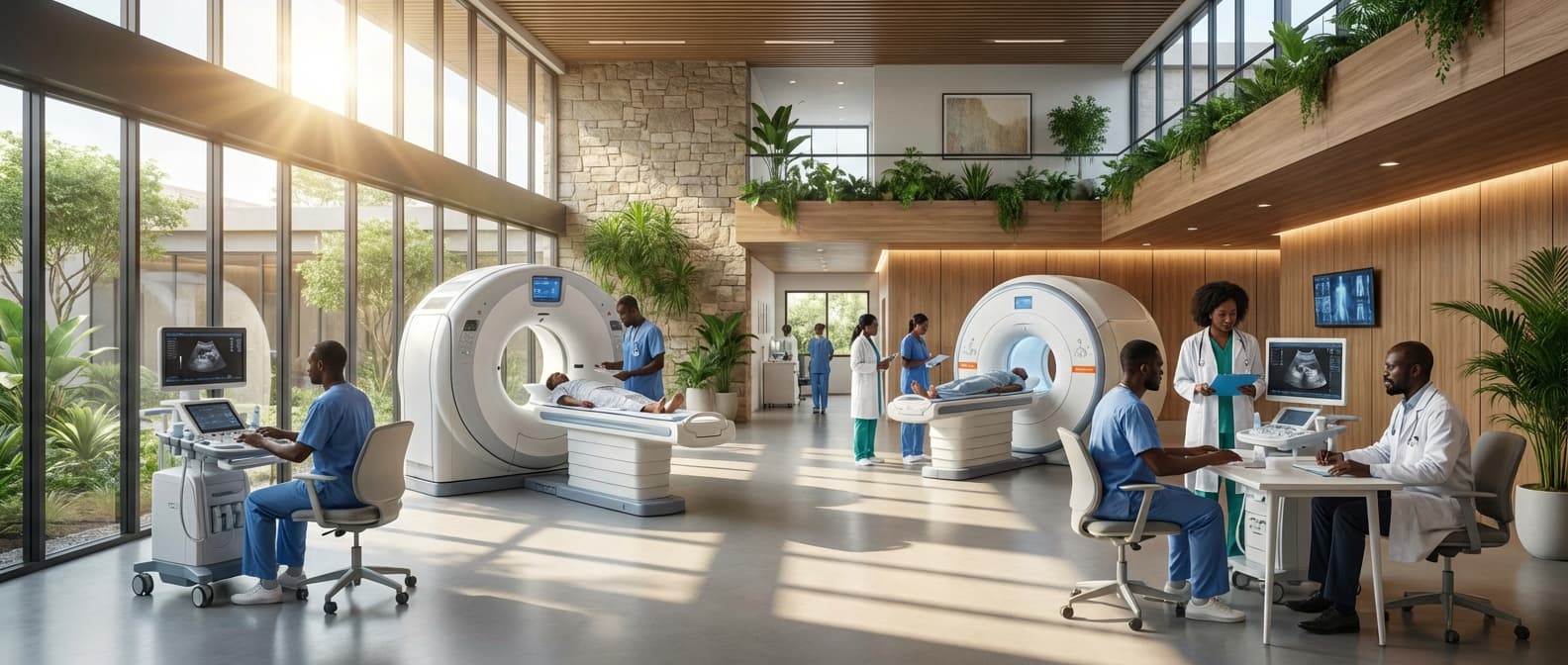
Endoscopy Solutions in Namibia
Engineering Excellence & Technical Support
Advanced endoscopic equipment delivering superior visualization and diagnostic precision for minimally invasive procedures. High-standard technical execution following OEM protocols and local regulatory frameworks.
Advanced Endoscopic Imaging for Early Disease Detection
Leveraging state-of-the-art high-definition endoscopy systems with advanced image processing and magnification capabilities to enable earlier and more accurate detection of gastrointestinal and pulmonary pathologies across Namibia, improving patient outcomes.
Minimally Invasive Therapeutic Endoscopy Suite
Providing cutting-edge therapeutic endoscopic tools and accessories for a wide range of minimally invasive procedures, including polypectomy, dilation, hemostasis, and foreign body retrieval, reducing patient recovery time and hospital stays in Namibian healthcare facilities.
Comprehensive Endoscope Reprocessing and Infection Control Solutions
Offering validated and compliant endoscope reprocessing equipment and consumables, alongside expert consultation, to ensure the highest standards of patient safety and infection prevention in Namibian hospitals and clinics, adhering to international guidelines.
What Is Endoscopy Solutions In Namibia?
Endoscopy Solutions in Namibia refers to the provision of diagnostic and therapeutic procedures utilizing endoscopes. An endoscope is a flexible or rigid tube equipped with a light and a camera, inserted into the body to visualize internal organs and cavities. This service allows for direct examination of the gastrointestinal tract, respiratory system, and other internal structures, enabling accurate diagnosis of various conditions and the performance of minimally invasive interventions.
| Who Needs Endoscopy Solutions? | Typical Use Cases | ||||||||
|---|---|---|---|---|---|---|---|---|---|
| Individuals experiencing unexplained gastrointestinal symptoms (e.g., abdominal pain, chronic diarrhea, constipation, nausea, vomiting, dysphagia, hematemesis, melena). | Investigation of persistent heartburn or acid reflux not responding to medication. | Screening for colorectal cancer in individuals over a certain age or with a family history of the disease. | Patients with suspected inflammatory bowel disease (e.g., Crohn's disease, ulcerative colitis). | Evaluation of abnormal findings from imaging studies (e.g., CT scan, MRI). | Management of gastrointestinal bleeding. | Assessment of respiratory symptoms such as chronic cough, hemoptysis, or suspected lung masses. | Pre-operative assessment for certain surgical procedures. | Post-operative follow-up for conditions treated endoscopically. | Individuals with suspected bile duct or pancreatic issues. |
| Upper Gastrointestinal Endoscopy (Esophagogastroduodenoscopy - EGD): Diagnosis and treatment of conditions affecting the esophagus, stomach, and duodenum (e.g., gastritis, peptic ulcers, esophageal varices, GERD, celiac disease). | Lower Gastrointestinal Endoscopy (Colonoscopy, Sigmoidoscopy): Diagnosis and treatment of conditions affecting the colon and rectum (e.g., colorectal polyps, colorectal cancer, diverticulosis, inflammatory bowel disease). | Bronchoscopy: Examination of the airways and lungs to diagnose conditions like pneumonia, bronchitis, lung cancer, or to remove foreign objects. | Endoscopic Retrograde Cholangiopancreatography (ERCP): Visualization and treatment of bile ducts and pancreatic ducts (e.g., gallstones, strictures, tumors). | Capsule Endoscopy: Non-invasive examination of the small intestine, particularly useful for diagnosing obscure gastrointestinal bleeding or Crohn's disease. | Laryngoscopy: Examination of the larynx (voice box). |
Key Aspects of Endoscopy Solutions
- Diagnostic Procedures: Visual inspection of internal organs to identify abnormalities such as inflammation, ulcers, polyps, or tumors.
- Biopsy Collection: Obtaining tissue samples for histological examination to confirm diagnoses.
- Therapeutic Interventions: Performing procedures like polyp removal (polypectomy), stenting, dilation of strictures, and control of bleeding.
- Minimally Invasive Approach: Reducing the need for open surgery, leading to shorter recovery times and reduced patient morbidity.
- Advanced Imaging Capabilities: Utilizing high-definition cameras, narrow-band imaging (NBI), and other technologies for enhanced visualization.
Who Needs Endoscopy Solutions In Namibia?
Endoscopy plays a critical role in diagnosing and treating a wide range of gastrointestinal and pulmonary conditions. In Namibia, like many developing nations, access to advanced diagnostic tools is crucial for improving healthcare outcomes. Endoscopy solutions, encompassing diagnostic and therapeutic procedures, are essential for identifying and managing diseases affecting the digestive tract, airways, and other internal organs. This document outlines the primary beneficiaries and departments within Namibia that would significantly benefit from robust endoscopy services and related solutions.
| Customer/Department | Primary Needs/Applications | Potential Benefits |
|---|---|---|
| Public Hospitals (e.g., Windhoek Central Hospital, Katutura State Hospital) | Diagnosis and management of common gastrointestinal conditions (ulcers, gastritis, polyps, bleeding), early detection of cancers (esophageal, gastric, colorectal), management of acute bleeding, foreign body removal. Pulmonary diagnostics for conditions like pneumonia, tuberculosis, and lung masses. | Improved diagnostic accuracy, reduced need for exploratory surgery, timely intervention for life-threatening conditions, enhanced patient outcomes, capacity building for local medical professionals. |
| Private Hospitals and Clinics (e.g., Roman Catholic Hospital, Suiderland Private Hospital) | Comprehensive gastroenterological services (gastroscopy, colonoscopy, sigmoidoscopy), advanced therapeutic endoscopy (polypectomy, stenting, banding), screening for colorectal cancer, diagnosis of upper and lower GI bleeding. Pulmonology services for bronchoscopy. | Offering advanced, patient-friendly diagnostic and therapeutic options, attracting patients seeking specialized care, enhancing reputation for advanced medical services, contributing to the private healthcare sector's growth. |
| Specialty Clinics (Gastroenterology, Pulmonology, ENT, Urology, Gynecology) | Dedicated centers for specialized diagnostic procedures. Gastroenterologists utilize gastroscopy and colonoscopy. Pulmonologists use bronchoscopy. ENTs may use flexible nasopharyngoscopy. Urologists and Gynecologists may utilize specific endoscopic techniques for diagnostic purposes. | Focus on specialized patient care, increased efficiency in diagnosis, development of sub-specialty expertise, improved referral pathways. |
| Diagnostic Laboratories | While not directly performing endoscopies, these entities benefit from the increased volume of biopsies and tissue samples obtained during endoscopic procedures, which they analyze. | Increased workflow, supporting diagnostic capabilities of the healthcare system. |
| Medical Training Institutions (e.g., University of Namibia Medical School) | Training of future doctors, nurses, and technicians in endoscopy techniques, simulation-based training, research opportunities in gastrointestinal and pulmonary diseases. | Development of a skilled healthcare workforce, fostering research and innovation, ensuring future availability of specialized medical professionals. |
| Government Health Ministries/Departments | Developing national guidelines for endoscopy services, resource allocation, procurement of endoscopy equipment, national screening programs (e.g., for colorectal cancer), public health initiatives. | Improved public health outcomes, equitable access to essential diagnostic services, efficient utilization of healthcare resources, disease prevention and control. |
| Non-Governmental Organizations (NGOs) | Implementing healthcare outreach programs, providing access to diagnostic services in underserved areas, offering specialized training to healthcare workers in remote regions, supporting specialized treatment camps. | Expanding healthcare access to marginalized populations, addressing specific health challenges within communities, complementing government efforts in healthcare delivery. |
Key Target Customers and Departments for Endoscopy Solutions in Namibia
- Hospitals (Public and Private)
- Specialty Clinics (Gastroenterology, Pulmonology, ENT, Urology, Gynecology)
- Diagnostic Laboratories
- Medical Training Institutions
- Government Health Ministries/Departments
- Non-Governmental Organizations (NGOs) focused on healthcare
Endoscopy Solutions Process In Namibia
This document outlines the comprehensive workflow for Endoscopy Solutions in Namibia, from initial client inquiry to the successful execution of the procedure. It details each stage, ensuring clarity and efficient service delivery for patients seeking endoscopic examinations and treatments. The process is designed to be patient-centric, technologically advanced, and compliant with all relevant Namibian healthcare regulations.
| Stage | Description | Key Activities | Responsible Parties | Typical Timeline |
|---|---|---|---|---|
| The process begins with a patient or referring physician contacting Endoscopy Solutions. | Patient expresses need for an endoscopic procedure. Initial discussion regarding symptoms, medical history, and procedure type. Information provided on services offered and general process. Scheduling an initial consultation. | Patient/Referring Physician, Endoscopy Solutions Administrative Staff, Clinical Coordinator | Within 1-2 business days of inquiry |
| Formal referral from a physician and scheduling of the procedure. | Physician submits a formal referral with necessary medical information. Endoscopy Solutions clinical team reviews referral and medical history. Patient is contacted to discuss available dates and times for the procedure. Appointment confirmation and provision of pre-procedure instructions. | Referring Physician, Endoscopy Solutions Clinical Team, Administrative Staff, Patient | Within 3-5 business days of initial consultation |
| Ensuring the patient is fully prepared for the endoscopic examination. | Detailed review of pre-procedure instructions (dietary restrictions, bowel preparation, medication adjustments). Any necessary pre-procedure blood tests or imaging arranged. Anesthesia consultation if required. Patient education on the procedure, risks, benefits, and consent process. | Patient, Endoscopy Solutions Nursing Staff, Anesthesiologist (if applicable), Clinical Coordinator | Days/Weeks leading up to the procedure, as per specific procedure requirements |
| The actual endoscopic examination or intervention is performed. | Patient registration and vital signs check. Anesthesia administered if planned. Procedure performed by the gastroenterologist/specialist using state-of-the-art endoscopic equipment. Real-time monitoring of the patient's condition. Documentation of findings and any interventions. | Gastroenterologist/Specialist, Endoscopy Team (Nurses, Technicians), Anesthesiologist (if applicable), Patient | Scheduled date and time of the procedure |
| Monitoring the patient's immediate recovery and providing essential care. | Patient transferred to a recovery area. Continuous monitoring of vital signs and comfort levels. Provision of post-procedure instructions regarding diet, activity, and potential side effects. Discharge planning and arrangement of transportation if needed. | Endoscopy Team (Nurses), Patient, Designated Escort/Family Member | Immediately following the procedure (typically 1-3 hours) |
| Ensuring the patient receives comprehensive follow-up and all necessary documentation. | Review of procedure findings with the patient. Provision of a detailed medical report for the referring physician. Scheduling of any necessary follow-up appointments or further investigations. Addressing any patient concerns or queries. | Gastroenterologist/Specialist, Endoscopy Solutions Administrative Staff, Referring Physician, Patient | Within 1-7 business days after the procedure |
Endoscopy Solutions Process in Namibia: Workflow Overview
- Inquiry & Initial Consultation
- Referral & Scheduling
- Pre-Procedure Preparation
- Procedure Execution
- Post-Procedure Care & Recovery
- Follow-up & Reporting
Endoscopy Solutions Cost In Namibia
Endoscopy procedures in Namibia, like in many countries, involve a range of costs influenced by several key factors. The pricing for endoscopy solutions can vary significantly between different healthcare providers, from private hospitals to smaller clinics, and even depending on the specific type of endoscopy performed. Understanding these influencing factors is crucial for individuals seeking to budget for these medical procedures. The local currency in Namibia is the Namibian Dollar (NAD).
| Procedure Type | Estimated Cost Range (NAD) |
|---|---|
| Gastroscopy (Upper Endoscopy) | 3,000 - 6,000 |
| Colonoscopy (Lower Endoscopy) | 4,000 - 8,000 |
| Sigmoidoscopy | 2,500 - 4,500 |
| ERCP (Endoscopic Retrograde Cholangiopancreatography) | 8,000 - 15,000+ |
Key Factors Influencing Endoscopy Costs in Namibia
- Type of Endoscopy: Different procedures, such as gastroscopy (upper endoscopy), colonoscopy (lower endoscopy), sigmoidoscopy, or more specialized endoscopies like ERCP (Endoscopic Retrograde Cholangiopancreatography), have varying complexity and equipment requirements, directly impacting cost.
- Healthcare Provider: Private hospitals and larger medical centers generally have higher overheads and thus charge more than smaller clinics or public healthcare facilities (though public facilities may have different access and waiting list dynamics).
- Doctor's Fees: The experience, specialization, and reputation of the gastroenterologist or surgeon performing the procedure will influence their fees.
- Anesthesia/Sedation: The type and duration of anesthesia or sedation used, whether it's conscious sedation or general anesthesia, will add to the overall cost.
- Facility Fees: This covers the use of the operating room, equipment, nursing staff, and other hospital resources.
- Pre-Procedure Tests: Blood tests, ECGs, or other diagnostic tests required before the endoscopy will incur additional charges.
- Post-Procedure Care and Medication: Medications prescribed after the procedure and any follow-up consultations will also contribute to the total expense.
- Complications or Additional Procedures: If any complications arise during the endoscopy or if additional therapeutic procedures are performed during the endoscopy (e.g., polyp removal, biopsy, stent placement), the cost will increase accordingly.
- Insurance Coverage: While not a direct cost factor, the extent of medical insurance coverage will significantly determine the out-of-pocket expense for the patient. It's vital to confirm what is covered by your specific insurance plan.
Affordable Endoscopy Solutions Options
Endoscopy procedures, while crucial for diagnosis and treatment, can represent a significant healthcare expense. Fortunately, there are several "Affordable Endoscopy Solutions" available that focus on optimizing value and reducing costs without compromising quality of care. Understanding "value bundles" and implementing various "cost-saving strategies" are key to making these essential medical services more accessible.
| Strategy Type | Description | Examples of Application in Endoscopy |
|---|---|---|
| Value Bundling | Pre-negotiated, all-inclusive pricing for a defined set of services. | A bundled price for a colonoscopy might include physician's fee, facility fee, anesthesia, pathology (if polyps are removed), and a follow-up consultation. This can be offered by hospitals, ambulatory surgery centers, or even by insurance companies as a preferred provider option. |
| Negotiated Rates/Provider Networks | Securing lower prices through bulk purchasing, preferred provider organizations (PPOs), or direct contracting. | Insurance companies negotiate lower rates with specific endoscopy centers or hospital systems. Patients with in-network benefits often pay less than out-of-network costs. |
| Outpatient vs. Inpatient Settings | Performing procedures in less expensive outpatient settings when clinically appropriate. | Many endoscopic procedures, like upper endoscopies (EGD) and colonoscopies, are safely and effectively performed in ambulatory surgery centers (ASCs) or specialized endoscopy units, which typically have lower overhead costs than hospital inpatient settings. |
| Technology and Equipment Optimization | Utilizing cost-effective yet high-quality equipment and streamlining workflows. | Investing in reusable equipment with efficient sterilization processes, or negotiating favorable terms with equipment manufacturers for new technology. Adopting advanced imaging technologies that reduce the need for repeat procedures. |
| Physician and Staff Efficiency | Optimizing scheduling, reducing procedure times, and cross-training staff. | Efficient scheduling of patients to minimize downtime for physicians and equipment. Well-trained support staff can contribute to smoother procedures and faster recovery. |
| Preventive Care and Early Detection | Encouraging regular screenings to detect issues early when they are simpler and less expensive to treat. | Routine colonoscopies for average-risk individuals starting at age 45 can prevent the development of advanced, more costly colorectal cancers. Early detection of gastrointestinal issues can lead to less invasive and cheaper interventions. |
| Telehealth and Remote Monitoring | Utilizing virtual consultations for pre- and post-procedure follow-ups. | Discussing procedure preparation, answering patient questions, and reviewing results virtually can reduce the need for in-person visits, saving both patient and provider time and resources. |
| Generic Medications and Supplies | Using cost-effective alternatives for sedatives, pain management, and other necessary supplies. | Sourcing generic versions of medications used during sedation or for post-procedure pain management where appropriate and clinically safe. |
Key Concepts in Affordable Endoscopy Solutions
- {"title":"Value Bundles","description":"Value bundles in healthcare, including for endoscopy, are comprehensive packages that combine multiple services, procedures, and sometimes even post-procedural care into a single, predetermined price. This model shifts the focus from individual procedure billing to the overall value delivered to the patient and payer. By consolidating costs, it can offer greater predictability and often a reduction in the total expense compared to separate billing for each component."}
- {"title":"Cost-Saving Strategies","description":"These are a range of tactics employed by healthcare providers, payers, and patients to reduce the overall expenditure associated with endoscopy. They can involve operational efficiencies, negotiation, utilization management, and informed decision-making."}
Verified Providers In Namibia
In Namibia's healthcare landscape, identifying truly verified providers is paramount for ensuring quality care and peace of mind. Franance Health stands out as a premier choice, distinguished by its stringent credentialing process and unwavering commitment to patient well-being. This dedication translates into a network of healthcare professionals who meet and exceed industry standards, offering a level of trust and reliability that is essential when making critical health decisions.
| Verification Component | Franance Health Standard | Why it Matters |
|---|---|---|
| Professional Licensing | Up-to-date and verified current licenses in all relevant medical boards. | Ensures providers meet the minimum legal and educational requirements to practice. |
| Educational Credentials | Thorough review of medical degrees, certifications, and specialized training. | Confirms the provider possesses the necessary academic qualifications and expertise. |
| Professional Experience | Verification of past employment, practice history, and length of service. | Indicates practical experience and a history of serving patients. |
| Peer Reviews & Reputation | Collection of feedback from other healthcare professionals and a review of disciplinary actions. | Provides insights into the provider's standing within the medical community and their ethical conduct. |
| Background Checks | Comprehensive checks for criminal records and malpractice history. | Guarantees a safe and secure environment for patients. |
| Continuous Professional Development (CPD) | Ensures providers actively participate in ongoing training and education. | Confirms that providers are up-to-date with the latest medical advancements and best practices. |
Why Franance Health Providers are the Best Choice:
- Rigorous Verification Process: Franance Health employs a multi-faceted verification system that goes beyond basic licensing. This includes comprehensive background checks, peer reviews, and ongoing performance monitoring.
- Commitment to Excellence: Only providers who demonstrate a consistent track record of excellent patient outcomes, ethical practices, and continuous professional development are included in the Franance Health network.
- Patient-Centric Approach: Franance Health partners with professionals who prioritize patient comfort, clear communication, and personalized care plans.
- Access to Specialized Expertise: The network is curated to offer a wide range of medical specialties, ensuring you can find the right expert for your specific needs.
- Enhanced Trust and Safety: By choosing a Franance Health verified provider, you are assured of receiving care from a qualified and trustworthy professional, minimizing risks and maximizing the quality of your healthcare experience.
Scope Of Work For Endoscopy Solutions
This Scope of Work (SOW) outlines the requirements for the provision of Endoscopy Solutions, including the technical deliverables and standard specifications. The objective is to procure and implement state-of-the-art endoscopy systems that enhance diagnostic accuracy, patient comfort, and procedural efficiency. This document details the expected functionalities, performance criteria, and integration requirements for the proposed endoscopy solutions.
| Component | Key Specification | Minimum Requirement | Units | Notes |
|---|---|---|---|---|
| Endoscope - Imaging | Resolution | Full HD (1920x1080) or higher | Pixels | Superior image clarity for detailed visualization. |
| Endoscope - Field of View | Angle of view | 140 degrees or greater | Degrees | Broad visualization for comprehensive examination. |
| Endoscope - Working Channel | Diameter | 2.8 mm or less | mm | Accommodates biopsy forceps, snares, etc. |
| Endoscope - Working Length | Length | 1030 mm or greater | mm | Sufficient for most gastrointestinal procedures. |
| Light Source | Illumination Type | LED | Energy-efficient and long-lasting. | |
| Light Source | Intensity Control | Adjustable | Optimal illumination for different tissue types. | |
| Video Processor | Image Enhancement Features | Noise reduction, contrast enhancement, zoom | Improves diagnostic capabilities. | |
| Video Processor | Recording Format | MPEG-4 or H.264 | Efficient storage and playback. | |
| Monitor | Screen Size | 24 inches or greater | inches | Adequate for clear viewing. |
| Monitor | Aspect Ratio | 16:9 | Standard widescreen format. |
Technical Deliverables
- Endoscope(s) with required channel configurations and imaging capabilities.
- Light Source with adjustable intensity and color temperature.
- Video Processor/Image Management System for capturing, storing, and retrieving endoscopic images and videos.
- Monitor(s) with high resolution and appropriate viewing angles.
- Instrument Tray and storage solutions for endoscopic accessories.
- System Integration with existing hospital IT infrastructure (PACS, EMR).
- User Training and Support documentation.
- Maintenance and Service Agreement for the initial warranty period and subsequent years.
- Installation and Commissioning of all equipment.
- Compliance documentation (FDA, CE marking, etc.).
Service Level Agreement For Endoscopy Solutions
This Service Level Agreement (SLA) outlines the guaranteed response times and uptime for the Endoscopy Solutions platform and its associated services. It defines the commitments provided by the Service Provider to the Client regarding the availability and performance of the Endoscopy Solutions.
| Severity Level | Response Time Guarantee | Resolution Time Guarantee (Best Effort) | Target Uptime Guarantee (Monthly) |
|---|---|---|---|
| Level 1 (Critical) | 15 Minutes | 4 Hours | 99.9% |
| Level 2 (High) | 30 Minutes | 8 Business Hours | 99.9% |
| Level 3 (Medium) | 2 Business Hours | 24 Business Hours | 99.5% |
| Level 4 (Low) | 8 Business Hours | 5 Business Days | 99.5% |
Definitions
- Endoscopy Solutions: Refers to the software platform, associated hardware (if applicable), and all integrated services provided by the Service Provider for the management and execution of endoscopic procedures.
- Downtime: The period during which the Endoscopy Solutions are unavailable to the Client due to a failure in the Service Provider's infrastructure or software, excluding Scheduled Maintenance.
- Scheduled Maintenance: Pre-announced periods of planned downtime for system updates, upgrades, or repairs, communicated to the Client at least 48 hours in advance.
- Response Time: The maximum time within which the Service Provider will acknowledge a reported issue and begin actively working towards resolution.
- Resolution Time: The maximum time within which the Service Provider will resolve a reported issue, depending on its severity.
- Uptime: The percentage of time the Endoscopy Solutions are available and operational to the Client, calculated over a calendar month, excluding Scheduled Maintenance.
- Severity Level 1 (Critical): Complete system outage, affecting all users and preventing core functionalities. Immediate threat to patient care or data integrity.
- Severity Level 2 (High): Major functionality is impaired, affecting a significant number of users or a critical workflow. Potential impact on patient care.
- Severity Level 3 (Medium): Minor functionality is impaired, affecting a limited number of users or a non-critical workflow. Workaround is available.
- Severity Level 4 (Low): Non-critical issue, such as a cosmetic defect or a feature enhancement request. No impact on core functionality or patient care.
Frequently Asked Questions

Ready when you are
Let's scope your Endoscopy Solutions in Namibia project in Namibia.

Scaling healthcare logistics and technical systems across the entire continent.