
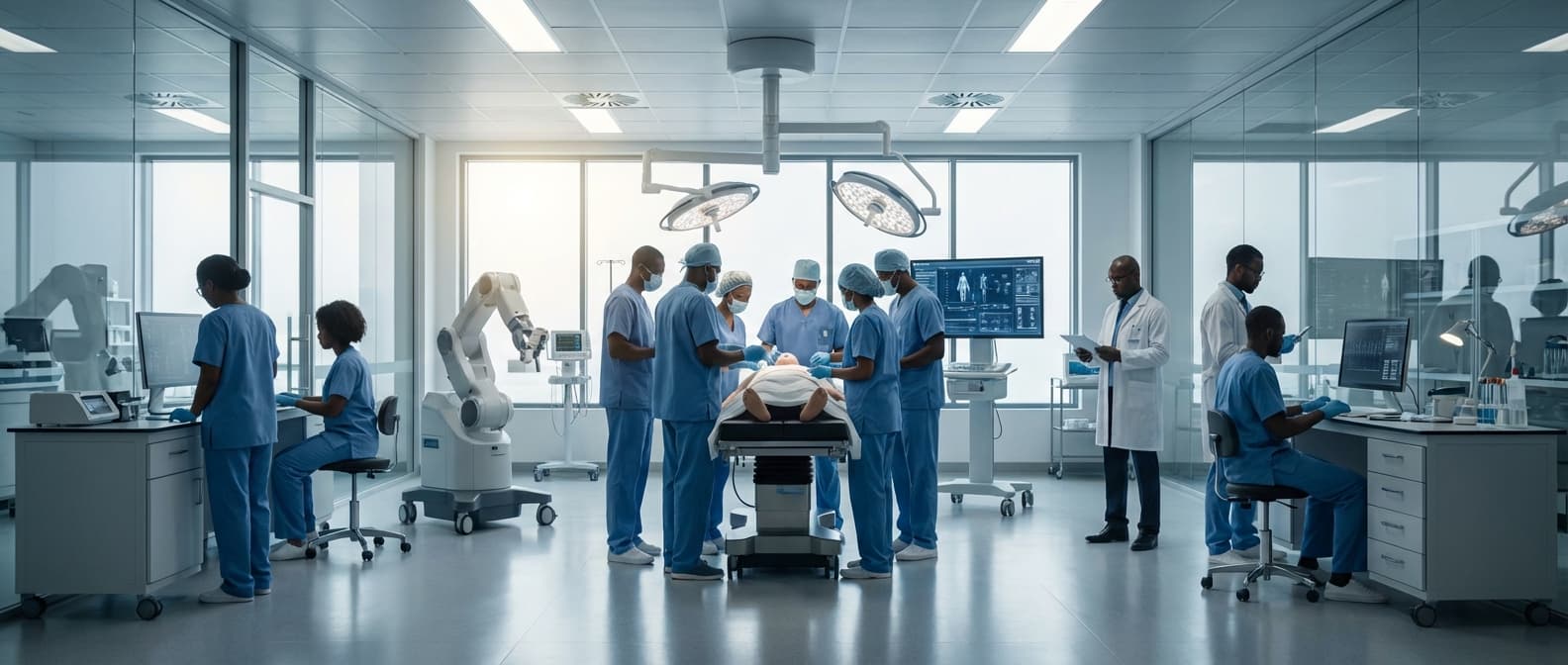
Calibration & Electrical Safety Testing in Namibia
Engineering Excellence & Technical Support
Equipment calibration and IEC safety testing High-standard technical execution following OEM protocols and local regulatory frameworks.
Accurate Electrical Safety Compliance
Ensuring all electrical equipment and installations meet stringent Namibian safety standards (e.g., SANS) through comprehensive testing, preventing hazards and safeguarding personnel.
Precision Calibration Services
Providing traceable calibration for critical electrical measurement instruments, guaranteeing accuracy and reliability for your operational processes in Namibia.
Risk Mitigation & Certification
Delivering expert electrical safety testing and certification to reduce operational risks, ensure compliance with Namibian regulations, and build trust with stakeholders.
What Is Calibration & Electrical Safety Testing In Namibia?
Calibration and electrical safety testing are critical metrology and compliance services essential for ensuring the accuracy, reliability, and safe operation of electrical equipment in Namibia. Calibration involves the systematic comparison of a measuring instrument's readings against a known standard of known accuracy. This process determines and records the deviation of the instrument from the true value under specified conditions. Electrical safety testing, conversely, is a series of tests performed on electrical equipment to verify its compliance with national and international safety standards, ensuring it does not pose a risk of electric shock, fire, or other electrical hazards to users or the environment. These services are vital for maintaining quality control, regulatory adherence, and operational integrity across various sectors.
| Service | Definition | Purpose | Typical Use Cases |
|---|---|---|---|
| Calibration | The process of comparing an instrument's readings with a traceable standard to identify and document any deviation (error). | To ensure the accuracy, reliability, and traceability of measurements. It confirms that the instrument is performing within its specified tolerances. | Ensuring the accuracy of thermometers in food processing, pressure gauges in industrial plants, multimeters for electrical diagnostics, scales in retail and manufacturing, and analytical instruments in laboratories. |
| Electrical Safety Testing (PAT testing, Equipment Safety Testing) | A systematic assessment of electrical equipment to verify its integrity against electrical hazards such as insulation failure, earthing faults, and short circuits. | To prevent electric shock, fires, and equipment damage. It ensures compliance with safety regulations and standards, protecting users and preventing liabilities. | Testing of patient monitors, infusion pumps, and other medical devices in hospitals; inspection of portable appliances (kettles, computers, power tools) in workplaces; ensuring the safety of electrical installations in public spaces and rental properties. |
Who Needs Calibration & Electrical Safety Testing in Namibia?
- Manufacturing industries requiring precise measurements for quality assurance and process control.
- Healthcare facilities (hospitals, clinics, diagnostic centers) for the calibration of medical devices (e.g., patient monitors, ventilators, ECG machines) and ensuring the electrical safety of all medical equipment to protect patients and staff.
- Laboratories (research, industrial, environmental) that rely on accurate measurements for experimental results and data integrity.
- Food and beverage processing plants for temperature, pressure, and other critical parameter monitoring devices.
- Mining and energy sectors for the calibration of instrumentation used in operational monitoring, safety systems, and resource extraction.
- Telecommunications companies for the calibration of test equipment used in network infrastructure.
- Automotive workshops and repair services that use calibrated diagnostic and measuring tools.
- Educational institutions with science and engineering laboratories.
- Government regulatory bodies and inspection agencies responsible for enforcing safety and quality standards.
- Any organization using electrical equipment that needs to be demonstrably safe and accurate for its intended function.
Who Needs Calibration & Electrical Safety Testing In Namibia?
In Namibia, ensuring the accuracy and safety of electrical equipment is paramount for a wide range of industries and institutions. Calibration services guarantee that measuring instruments provide precise readings, which is critical for quality control, compliance, and operational efficiency. Electrical safety testing, on the other hand, identifies potential hazards, preventing accidents, protecting personnel, and avoiding costly equipment damage or downtime. Understanding who requires these vital services is key for businesses and organizations operating within the Namibian landscape.
| Customer Type | Relevant Departments | Why Calibration & Electrical Safety Testing is Crucial |
|---|---|---|
| Manufacturing & Production | Quality Control, Production Floor, Maintenance, Research & Development | Ensures product consistency, process efficiency, compliance with standards, worker safety, and accurate material measurement. |
| Healthcare & Medical Facilities | Biomedical Engineering, Operating Rooms, Laboratories, Radiology, Pharmacy | Guarantees accurate medical device readings for patient diagnosis and treatment, patient safety, regulatory compliance (e.g., medical device standards), and prevention of electrical shock hazards. |
| Mining & Resources | Operations, Maintenance, Safety, Environmental Monitoring, Laboratory Analysis | Crucial for accurate measurement of environmental factors, ensuring the reliability of heavy machinery and safety equipment, preventing electrical hazards in harsh environments, and precise analysis of extracted materials. |
| Food & Beverage Industry | Quality Assurance, Production, Hygiene & Sanitation, Research & Development | Maintains product quality and safety through accurate temperature, pressure, and weight measurements; ensures compliance with food safety regulations; and prevents electrical hazards in potentially wet environments. |
| Telecommunications | Network Operations, Maintenance, Research & Development, Field Services | Ensures the accuracy of signal strength, frequency, and power measurements for optimal network performance; prevents equipment damage from electrical faults; and guarantees the safety of technicians working with electrical systems. |
| Research & Development Laboratories | All Scientific & Technical Departments | Critical for the integrity and reproducibility of experiments, ensuring accurate data collection, adherence to scientific methodologies, and safe operation of sensitive laboratory equipment. |
| Educational Institutions | Science & Engineering Departments, Technical Colleges, Vocational Training Centers, Maintenance | Provides accurate teaching aids for practical learning, ensures student safety during practical sessions, and maintains the operational integrity of laboratory and workshop equipment. |
| Government & Public Sector | Public Works, Municipalities, Regulatory Bodies (e.g., NSI), Emergency Services, Transportation Authorities | Ensures the calibration of instruments used in infrastructure projects, public safety equipment (e.g., traffic signals, emergency lighting), and regulatory compliance across various public services. Electrical safety is vital for public infrastructure and employee well-being. |
| Energy & Utilities | Power Generation, Transmission & Distribution, Metering, Maintenance | Essential for accurate measurement of electricity production and consumption, ensuring grid stability, preventing equipment failures due to inaccurate readings, and maintaining the safety of personnel working with high-voltage systems. |
| Automotive & Transportation | Manufacturing, Maintenance Workshops, Testing Facilities, Fleet Management | Ensures accurate diagnostic readings for vehicle repair, calibration of engine and emission testing equipment, and electrical safety checks for vehicle components and repair tools. |
| Construction & Engineering | Project Management, Site Supervision, Surveying, Testing Laboratories | Guarantees accurate measurements for surveying and construction, ensures the reliability of testing equipment for materials, and promotes electrical safety on construction sites where temporary power is often used. |
| Retail & Commercial Establishments | Stock Management, Refrigeration, Lighting, Security Systems, Facilities Management | Ensures accurate scales for weighing goods, maintains optimal temperature for perishable items, and verifies the safety of electrical installations for general operations and customer safety. |
| Agriculture & Agribusiness | Irrigation Systems, Soil Analysis Laboratories, Environmental Monitoring, Processing Facilities | Ensures accurate readings for irrigation control, precise soil and crop analysis, environmental monitoring for optimal growth conditions, and safe operation of processing equipment. |
Target Customers & Departments in Namibia Requiring Calibration & Electrical Safety Testing
- Manufacturing & Production
- Healthcare & Medical Facilities
- Mining & Resources
- Food & Beverage Industry
- Telecommunications
- Research & Development Laboratories
- Educational Institutions
- Government & Public Sector
- Energy & Utilities
- Automotive & Transportation
- Construction & Engineering
- Retail & Commercial Establishments
- Agriculture & Agribusiness
Calibration & Electrical Safety Testing Process In Namibia
This document outlines the typical workflow for calibration and electrical safety testing services in Namibia, from the initial client inquiry to the completion of the service. The process is designed to ensure accuracy, compliance with Namibian standards, and client satisfaction.
| Stage | Description | Key Activities | Responsible Party | Typical Timeframe |
|---|---|---|---|---|
| Client Inquiry & Needs Assessment | The process begins when a potential client contacts the service provider with a requirement for calibration and/or electrical safety testing. | Initial contact (phone, email, website form), understanding the equipment to be tested, required standards, quantity, and desired turnaround time. | Client, Service Provider Representative | 1-2 Business Days |
| Quotation & Agreement | Based on the assessed needs, a detailed quotation is prepared and submitted to the client. | Generating a formal quotation including scope of work, pricing, terms and conditions, lead times, and payment terms. Client review and acceptance of the quotation, formalizing the agreement (e.g., Purchase Order). | Service Provider, Client | 1-3 Business Days (after assessment) |
| Scheduling & Preparation | Once the agreement is in place, the service is scheduled, and necessary preparations are made. | Confirming the testing date and time, coordinating access to the site (if on-site), ensuring necessary personnel and equipment are available. Client prepares equipment for testing (e.g., ensuring accessibility, providing power sources). | Service Provider, Client | Variable (depends on service provider availability and client's schedule) |
| On-site or Off-site Testing & Calibration | The core of the service where the actual testing and calibration are performed. | Visual inspection, functional testing, measurement of electrical parameters (e.g., insulation resistance, earth continuity, leakage current), calibration against traceable standards. Recording of all test results. | Qualified Technicians/Engineers | Variable (depends on equipment complexity and quantity) |
| Reporting & Documentation | A comprehensive report detailing the testing and calibration results is generated. | Compiling test data, creating a detailed report including equipment identification, test procedures, results, pass/fail status, and any recommendations. Issuing calibration certificates and/or test reports. Attaching calibration labels to compliant equipment. | Qualified Technicians/Engineers, Administration | 2-5 Business Days (after testing) |
| Follow-up & Re-calibration Scheduling | Concluding the service and ensuring future compliance. | Addressing any client queries, confirming receipt of reports and certificates. Informing the client of the next scheduled re-calibration due date, offering reminders, and assisting with future bookings. | Service Provider, Client | Ongoing |
Calibration & Electrical Safety Testing Workflow in Namibia
- Client Inquiry & Needs Assessment
- Quotation & Agreement
- Scheduling & Preparation
- On-site or Off-site Testing & Calibration
- Reporting & Documentation
- Follow-up & Re-calibration Scheduling
Calibration & Electrical Safety Testing Cost In Namibia
The cost of calibration and electrical safety testing services in Namibia can vary significantly depending on several factors. These include the type and complexity of the equipment being tested, the number of items, the specific testing standards required, the location of the service provider, and the urgency of the service. Specialized equipment or tests requiring advanced calibration techniques will naturally incur higher costs. Furthermore, companies offering accredited certifications may charge more than those that do not. It's always advisable to obtain multiple quotes to ensure competitive pricing. Service providers often offer tiered pricing based on volume or annual contracts.
| Service Type | Typical Price Range (NAD) | Notes |
|---|---|---|
| Basic Electrical Safety Testing (per item) | NAD 150 - NAD 500 | Includes visual inspection, earth continuity, insulation resistance for general-purpose equipment. |
| Calibration of Multimeters/Handheld Instruments (per item) | NAD 300 - NAD 1,000 | Price varies with accuracy class and features. Includes traceability to national standards. |
| Calibration of Oscilloscopes/Power Supplies (per item) | NAD 500 - NAD 2,500+ | More complex equipment, higher cost. Depends on bandwidth, channels, and power ratings. |
| Calibration of Industrial/Specialized Equipment (per item) | NAD 800 - NAD 5,000+ | Highly dependent on the specific instrument (e.g., torque wrenches, pressure gauges, flow meters). |
| On-Site Testing/Calibration (mobilization fee + per item) | NAD 500 - NAD 2,000 (mobilization) + per item rates | Factor in travel time, accommodation, and minimum call-out fees. |
| Comprehensive Testing & Calibration Package (e.g., for SMEs) | NAD 5,000 - NAD 20,000+ | Often includes a set number of items, on-site service, and reporting. |
| Annual Maintenance/Testing Contract | Customized, potentially with discounts | Negotiated based on volume, frequency, and scope of services. |
Key Factors Influencing Calibration & Electrical Safety Testing Costs in Namibia:
- Type and complexity of equipment (e.g., multimeters, oscilloscopes, power supplies, medical devices, industrial machinery)
- Number of instruments or devices to be tested
- Specific testing standards and protocols required (e.g., ISO, IEC, SANS, NEMA)
- Accreditation status of the testing laboratory (e.g., SANAS accredited)
- Location of the service provider and the testing site (on-site vs. off-site)
- Urgency of the testing service
- Inclusion of minor repairs or adjustments
- Annual service contracts or bulk discounts
- Geographical reach of the service provider within Namibia
Affordable Calibration & Electrical Safety Testing Options
Ensuring your electrical equipment is properly calibrated and meets safety standards is crucial for operational efficiency and the well-being of your staff. Fortunately, there are several affordable calibration and electrical safety testing options available. Understanding value bundles and implementing cost-saving strategies can significantly reduce your overall expenses without compromising on quality or compliance.
| Strategy | Description | Cost-Saving Potential |
|---|---|---|
| Value Bundles | Combining multiple calibration and safety testing services into a single package. This often includes a set number of tests, a defined service period, or a tiered pricing structure for various levels of service. | High: Service providers often offer discounts when multiple services are purchased together. Predictable budgeting and reduced administrative overhead. |
| Scheduled Maintenance Programs | Contracting for regular, scheduled testing and calibration at predetermined intervals. This allows for proactive planning and can be more cost-effective than reactive repairs. | Medium to High: Prevents unexpected, costly emergency repairs. Discounts for long-term commitments. Streamlined logistics. |
| On-Site vs. Off-Site Calibration | Choosing between having technicians come to your facility or sending your equipment to a calibration lab. On-site can save on shipping but may incur higher labor costs. Off-site can be cost-effective for large volumes or specialized equipment. | Medium: Weigh the total cost of logistics, downtime, and labor for each option based on your specific needs. Negotiate shipping costs if applicable. |
| Volume Discounts | Negotiating lower per-unit prices when you have a larger quantity of equipment to test or a higher volume of services to procure. | Medium: Directly reduces the cost per item. A good strategy for organizations with extensive equipment fleets. |
| Tiered Service Levels | Opting for different levels of calibration and testing based on the criticality of the equipment. Basic checks for less critical items, comprehensive services for high-priority equipment. | Medium: Avoids overspending on testing for equipment that doesn't require the highest level of scrutiny. |
| Technology Adoption (e.g., Remote Monitoring) | Utilizing technologies that allow for remote monitoring of equipment performance, potentially reducing the frequency of physical on-site calibrations for certain parameters. | Medium to High: Reduces the need for frequent physical site visits and associated travel costs. Enables early detection of deviations. |
| Negotiate Contracts & Long-Term Agreements | Proactively negotiating terms and pricing for ongoing services rather than accepting standard rates for individual tests. | High: Secures better rates, potentially includes added benefits, and provides pricing stability over time. |
| In-House Training (for basic checks) | Training internal staff to perform basic electrical safety checks or initial functional tests, allowing external services to focus on more complex calibration and certification. | Low to Medium: Reduces reliance on external technicians for simpler tasks. Requires investment in training and equipment for your internal team. |
Key Benefits of Regular Calibration & Electrical Safety Testing
- Improved Accuracy & Reliability: Ensures your instruments provide precise measurements, leading to better product quality and reduced waste.
- Enhanced Safety: Identifies potential electrical hazards, preventing accidents and protecting personnel.
- Compliance with Regulations: Meets industry standards and legal requirements, avoiding fines and shutdowns.
- Extended Equipment Lifespan: Proactive maintenance through testing can prevent costly breakdowns and premature replacement.
- Optimized Performance: Well-calibrated equipment operates at peak efficiency, saving energy and resources.
Verified Providers In Namibia
In Namibia's evolving healthcare landscape, identifying reliable and accredited medical service providers is paramount. Franance Health stands out as a leader, distinguished by its stringent credentialing processes and unwavering commitment to quality patient care. This document outlines what verified providers in Namibia entail and why Franance Health's accreditation and standards make them the optimal choice for your health needs.
| Franance Health Credential | Significance for Patients | Why it Represents the Best Choice |
|---|---|---|
| MoHSS Registered and Licensed Facilities | Ensures compliance with national health regulations and standards for safe operation. | Guarantees that Franance Health facilities meet the minimum legal and safety requirements set by the Namibian government for healthcare provision. |
| Accredited by Recognized Healthcare Quality Bodies (where applicable) | Indicates adherence to internationally recognized standards of quality, safety, and patient care. | Franance Health's commitment to external accreditation signifies a proactive pursuit of excellence beyond basic compliance, ensuring a higher caliber of service. |
| Certified and Licensed Medical Professionals | Confirms that all practitioners have the necessary qualifications, training, and legal authorization to practice in Namibia. | Patients can be assured they are receiving care from competent and legally recognized professionals, minimizing risks associated with unqualified practitioners. |
| Robust Internal Quality Management Systems | Demonstrates a continuous commitment to monitoring and improving service delivery, patient outcomes, and safety. | This internal focus means Franance Health is constantly evaluating and enhancing its services, ensuring patients benefit from the latest improvements in healthcare delivery. |
| Emphasis on Evidence-Based Practice | Ensures treatments and procedures are based on current scientific research and proven efficacy. | Patients receive care that is not only compassionate but also medically sound and effective, leading to better health outcomes. |
| Patient-Centric Approach and Grievance Redressal Mechanisms | Highlights a focus on patient satisfaction, clear communication, and accessible channels for feedback and issue resolution. | Franance Health prioritizes the patient experience, offering a supportive environment where concerns are heard and addressed promptly and professionally. |
What Constitutes a Verified Provider in Namibia?
- Accreditation by Official Bodies: Verified providers adhere to standards set by national regulatory authorities, such as the Ministry of Health and Social Services (MoHSS) and relevant professional councils (e.g., the Health Professions Council of Namibia).
- Qualified and Licensed Professionals: All medical practitioners, nurses, and allied health professionals must possess valid licenses and certifications recognized by Namibian authorities.
- Adherence to Clinical Guidelines: Verified facilities and individuals follow established national and international clinical best practices and protocols.
- Patient Safety and Quality Assurance: Rigorous internal quality assurance measures and patient safety protocols are in place and regularly audited.
- Ethical Practice and Transparency: Providers are expected to uphold high ethical standards in their practice and maintain transparency with patients regarding services, costs, and outcomes.
- Compliance with Regulatory Frameworks: This includes data protection, waste management, and public health regulations.
Scope Of Work For Calibration & Electrical Safety Testing
This Scope of Work (SOW) outlines the requirements for the calibration and electrical safety testing of specified electrical equipment. The objective is to ensure that the equipment operates within its designed specifications and meets applicable safety standards. This SOW details the technical deliverables expected, the standard specifications to be adhered to, and the general methodology.
The calibration process will verify the accuracy and performance of the equipment against established reference standards. Electrical safety testing will assess the equipment's compliance with relevant safety regulations to prevent electrical hazards during operation.
| Activity | Description | Applicable Standards | Deliverable |
|---|---|---|---|
| Calibration | Verification of equipment's measurement accuracy and operational parameters against traceable reference standards. | ISO/IEC 17025, manufacturer's specifications, ANSI/NCSL Z540-1 | Calibration Certificate, Calibration Report |
| Electrical Safety Testing | Assessment of insulation resistance, ground continuity, leakage current, and dielectric strength to ensure user safety. | IEC 60601 (Medical Devices), IEC 61010 (Measurement and Control), UL 60950 (IT Equipment), CSA C22.2 | Electrical Safety Test Report, Compliance Statement |
| Documentation | Comprehensive documentation of all procedures, results, and deviations. | N/A | Detailed Calibration Report, Detailed Electrical Safety Test Report |
| Reporting | Summary of findings, including any out-of-tolerance conditions or safety non-compliance. | N/A | Executive Summary within reports |
Key Activities and Deliverables
- Calibration of specified electrical equipment to ensure accuracy and performance.
- Electrical safety testing to verify compliance with relevant safety standards.
- Provision of detailed calibration and test reports.
- Issuance of calibration certificates for successfully calibrated equipment.
- Identification and reporting of any equipment failures or non-compliance issues.
- Recommendation of corrective actions for any identified discrepancies.
Service Level Agreement For Calibration & Electrical Safety Testing
This Service Level Agreement (SLA) outlines the agreed-upon service standards for Calibration and Electrical Safety Testing services provided by [Your Company Name] to [Client Company Name]. It defines response times for service requests and uptime guarantees for critical testing equipment.
| Service Type | Response Time | Escalation Level (if applicable) | Uptime Guarantee |
|---|---|---|---|
| Routine Calibration Request (non-critical) | Acknowledgement within 4 business hours; scheduling within 2 business days | N/A | N/A |
| Urgent Calibration Request (production-impacting) | Acknowledgement within 2 business hours; scheduling within 1 business day | On-site technician dispatch within 8 business hours | N/A |
| Electrical Safety Testing Request (scheduled) | Acknowledgement within 4 business hours; scheduling within 3 business days | N/A | N/A |
| Emergency Electrical Safety Testing Request (immediate safety concern) | Acknowledgement within 1 business hour; on-site technician dispatch within 4 business hours | Management escalation within 2 business hours | N/A |
| Critical Testing Equipment (e.g., certified high-precision multimeters, safety analyzers) | N/A | N/A | 99.5% Uptime (excluding scheduled maintenance and planned downtime) |
Key Service Commitments
- Response Times for Calibration & Electrical Safety Testing
- Uptime Guarantees for Critical Testing Equipment
Frequently Asked Questions

Ready when you are
Let's scope your Calibration & Electrical Safety Testing in Namibia project in Namibia.

Scaling healthcare logistics and technical systems across the entire continent.