
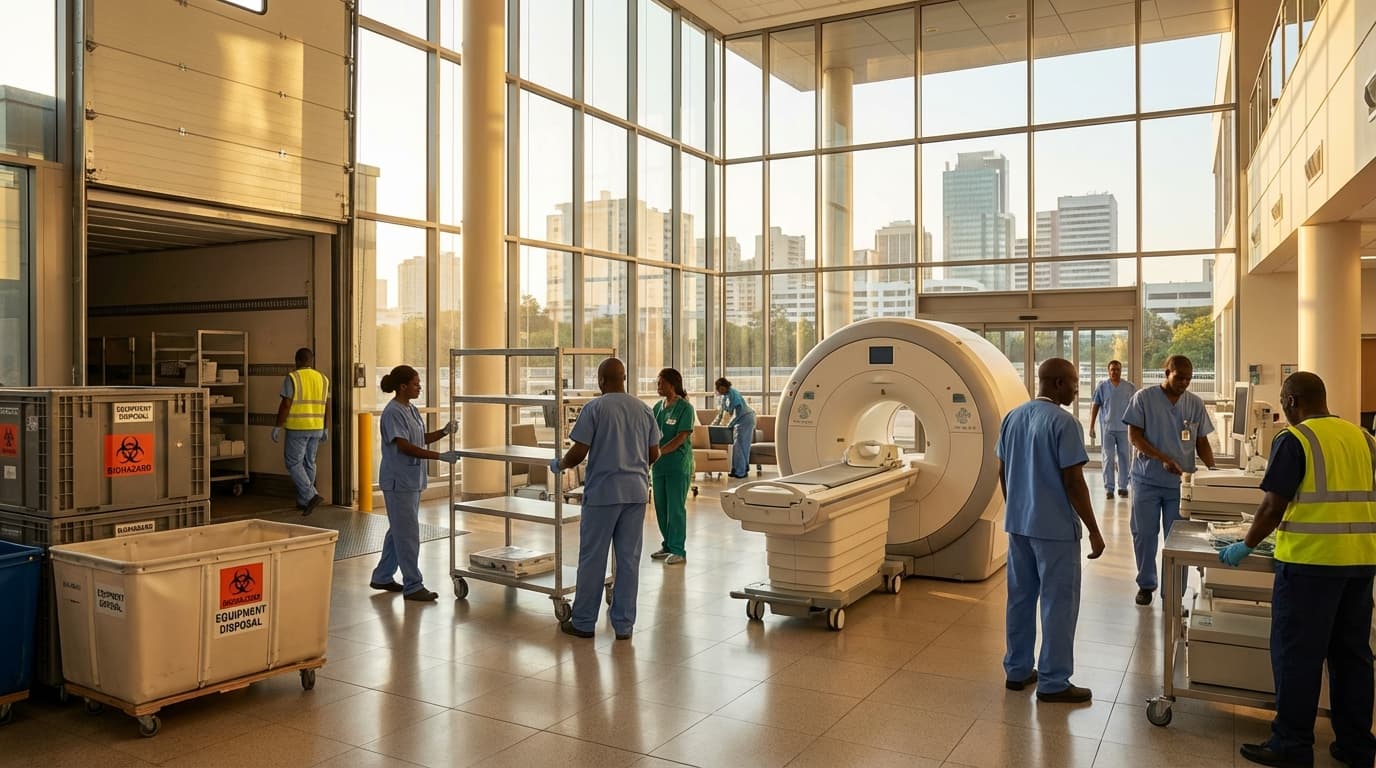
Site Restoration Service After Equipment Removal in Mozambique
Engineering Excellence & Technical Support
Site Restoration Service After Equipment Removal High-standard technical execution following OEM protocols and local regulatory frameworks.
Advanced Remediation Techniques
Expertly apply a range of advanced soil and water remediation methods tailored to Mozambique's unique geological and ecological conditions, ensuring complete removal of contaminants post-equipment extraction and restoring the site to pre-disturbance levels.
Native Ecosystem Regeneration
Implement a comprehensive revegetation strategy utilizing indigenous plant species native to Mozambique. This approach ensures rapid and sustainable ecological recovery, promotes biodiversity, and re-establishes natural habitat for local wildlife.
Regulatory Compliance & Monitoring
Adhere to stringent Mozambican environmental regulations and international best practices for site restoration. Provide comprehensive, transparent reporting and ongoing monitoring to guarantee long-term site stability and environmental protection.
What Is Site Restoration Service After Equipment Removal In Mozambique?
Site restoration service after equipment removal in Mozambique is a specialized process undertaken to return a site to its pre-operational or environmentally acceptable condition following the decommissioning and removal of industrial or commercial equipment. This service is critical for mitigating environmental impact, ensuring regulatory compliance, and preparing the land for subsequent use or natural regeneration. It encompasses a range of activities designed to address the physical and environmental alterations caused by the presence and subsequent removal of machinery, infrastructure, and associated operational materials.
| Who Needs Site Restoration? | Typical Use Cases in Mozambique | |||||
|---|---|---|---|---|---|---|
| Companies involved in extractive industries (oil, gas, mining) operating in Mozambique. | Decommissioning of oil and gas platforms, wellheads, pipelines, and processing facilities along the coast and inland. | Closure of mining sites, including shafts, processing plants, and tailings storage facilities. | Industrial manufacturers ceasing operations or relocating facilities. | Construction and infrastructure development projects where temporary or permanent equipment is removed. | Agricultural operations that have utilized significant machinery or structures. | Government agencies overseeing public land previously used for industrial or commercial purposes. |
| Oil and Gas Sector: Removal of offshore and onshore exploration/production equipment, pipelines, storage tanks, and associated infrastructure. | Mining Sector: Restoration of open-pit mines, underground mines, and associated processing plants, including remediation of tailings and waste rock. | Manufacturing and Industrial Plants: Decommissioning of factories, production lines, and storage facilities. | Power Generation Facilities: Removal of turbines, generators, fuel storage, and associated environmental controls. | Agricultural Infrastructure: Dismantling of large-scale irrigation systems, processing units, and storage silos. | Port and Logistics Facilities: Removal of cargo handling equipment, warehousing structures, and associated environmental containment systems. |
Key Components of Site Restoration
- Demolition and Decommissioning: The dismantling and removal of remaining structures, foundations, and ancillary equipment not removed in the initial phase.
- Hazardous Material Abatement: Identification, containment, and safe disposal of any hazardous substances (e.g., asbestos, lead paint, petroleum products, chemicals) present in the soil, groundwater, or residual materials.
- Soil Remediation: Treatment or removal of contaminated soil to meet specified environmental standards. This can involve excavation and off-site disposal, in-situ treatment technologies, or bioremediation.
- Groundwater Remediation: Addressing any subsurface water contamination resulting from leaks, spills, or operational activities. Techniques may include pump-and-treat systems, in-situ chemical oxidation, or natural attenuation monitoring.
- Waste Management and Disposal: Proper segregation, characterization, and disposal of all removed materials and debris in accordance with Mozambican environmental regulations.
- Landscaping and Revegetation: Reshaping the terrain to prevent erosion and re-establishing native vegetation to promote ecological recovery and aesthetic appeal.
- Infrastructure Removal: Eradication of all associated infrastructure, including pipelines, tanks, concrete pads, and electrical conduits.
- Geotechnical Stabilization: Addressing any soil instability or compaction issues introduced during the operational or removal phases.
- Monitoring and Verification: Post-restoration sampling and analysis to confirm that remediation objectives have been met and that the site is safe for its intended future use.
Who Needs Site Restoration Service After Equipment Removal In Mozambique?
Equipment removal, especially for large-scale industrial machinery or infrastructure, can leave significant scars on the land. This is where site restoration services become crucial in Mozambique. These services are essential for mitigating environmental damage, ensuring safety, and facilitating future land use. The need for these services spans across various industries and governmental bodies, each with specific requirements and concerns.
| Target Customer/Department | Specific Needs & Concerns | Reasons for Restoration |
|---|---|---|
| Mining Companies | Removal of mining equipment (draglines, excavators, crushing plants), remediation of tailings dams, re-vegetation of disturbed land, soil stabilization, water quality management. | Environmental compliance, license renewal, land rehabilitation for future use (agriculture, conservation), community relations, preventing soil erosion and water contamination. |
| Oil and Gas Exploration & Production Companies | Decommissioning of drilling rigs, pipelines, processing facilities, remediation of contaminated soil and water, site leveling, re-vegetation. | Regulatory compliance, minimizing long-term environmental liability, safe and sustainable closure of operations, restoring natural habitats. |
| Construction Companies | Removal of heavy construction machinery, temporary structures, and debris from large-scale projects (dams, roads, buildings). | Handover of sites to clients or authorities, preventing safety hazards, aesthetic improvement, preparing land for subsequent development. |
| Manufacturing & Industrial Facilities | Dismantling and removal of production lines, heavy machinery, storage tanks, and related infrastructure. | Site clearance for sale or redevelopment, environmental compliance, ensuring worker and public safety, preventing contamination of soil and groundwater. |
| Energy Infrastructure Developers | Removal of equipment from power generation sites (e.g., old turbines), construction sites for transmission lines, substations, and pipelines. | Environmental impact mitigation, aesthetic improvements, ensuring public safety, facilitating land transfer or alternative land use. |
| Port and Logistics Operators | Removal of cranes, conveyor systems, storage equipment, and associated infrastructure from port facilities. | Optimizing port space, enhancing operational efficiency, ensuring safety for port users, environmental protection. |
| Government Agencies (Environmental Protection Agencies, Land Management Departments) | Overseeing and enforcing restoration standards for all industries, managing publicly owned land after private sector operations, ensuring compliance with national and international environmental regulations. | Protecting natural resources, public health and safety, enforcing environmental laws, promoting sustainable land management, biodiversity conservation. |
| Agricultural and Agro-processing Companies | Removal of large machinery, processing equipment, and storage facilities from farms and processing plants. | Improving land for agricultural productivity, ensuring food safety and environmental standards, preparing for new agricultural ventures. |
| Tourism and Hospitality Businesses | Restoring natural landscapes impacted by temporary infrastructure or equipment during development or event hosting. | Maintaining the aesthetic appeal of tourist destinations, protecting natural ecosystems, ensuring guest satisfaction, compliance with eco-tourism standards. |
Target Customers for Site Restoration Service After Equipment Removal in Mozambique
- Mining Companies
- Oil and Gas Exploration & Production Companies
- Construction Companies
- Manufacturing & Industrial Facilities
- Energy Infrastructure Developers (e.g., power plants, transmission lines)
- Port and Logistics Operators
- Government Agencies (e.g., environmental ministries, land management departments)
- Agricultural and Agro-processing Companies
- Tourism and Hospitality Businesses (especially those with sensitive natural environments)
Site Restoration Service After Equipment Removal Process In Mozambique
This document outlines the comprehensive workflow for site restoration services following equipment removal at a client's location in Mozambique. The process is designed to ensure a thorough, compliant, and efficient return of the site to its agreed-upon or natural state, adhering to all relevant environmental and regulatory standards.
| Stage | Key Activities | Deliverables | Responsibility | Timeline Estimate |
|---|---|---|---|---|
| Inquiry and Initial Consultation | Receive client inquiry, discuss project scope, understand specific restoration requirements (e.g., baseline conditions, regulatory obligations). Initial site visit (if feasible). | Understanding of project scope, preliminary requirements documented. | Client, Restoration Service Provider (RSP) | 1-3 Business Days |
| Site Assessment and Survey | Detailed on-site inspection, photographic documentation, environmental sampling (soil, water, air if needed), measurement of affected areas, identification of existing infrastructure and natural features. Assessment of any pre-existing conditions or contamination. | Detailed Site Assessment Report (DSAR) including survey data, photographic evidence, and initial environmental findings. | RSP (Environmental Consultants, Surveyors) | 3-7 Business Days |
| Proposal and Quotation Development | Based on the DSAR, develop a comprehensive restoration plan outlining methodologies, timelines, required resources, and safety protocols. Prepare a detailed quotation including all costs. | Formal Project Proposal and Detailed Quotation. | RSP | 3-5 Business Days |
| Contract and Agreement | Review and finalize the proposal, negotiate terms, and sign a legally binding service agreement outlining responsibilities, payment schedule, insurance, and liability. | Signed Service Agreement/Contract. | Client, RSP | 2-5 Business Days |
| Permitting and Approvals | Identify and secure all necessary permits and approvals from relevant Mozambican authorities (e.g., environmental, local government) for proposed restoration activities. | Approved Permits and Licenses. | RSP (with client support) | 2-8 Weeks (variable based on authority workload) |
| Mobilization and Logistics | Procure and transport all necessary equipment, machinery, materials, and personnel to the site. Establish site accommodations and facilities as required. | Mobilized workforce and equipment on-site. | RSP | 1-2 Weeks |
| Site Preparation and Demarcation | Secure the work area, establish safety zones, clear debris and existing structures not part of the restoration plan, and demarcate areas for specific restoration activities. | Prepared and demarcated work zones. | RSP | 1-3 Business Days |
| Contaminated Soil/Material Removal (if applicable) | Excavation and removal of any contaminated soil, hazardous materials, or waste generated from equipment removal, in accordance with environmental regulations. | Removed contaminated materials, site cleared of pollutants. | RSP (specialized contractors if needed) | Variable (dependent on volume and contamination level) |
| Decontamination and Cleaning | Thorough cleaning of any residual spills, stains, or contaminants on surfaces, structures, or the ground. Pressure washing, chemical treatment, or other appropriate methods. | Decontaminated surfaces and ground. | RSP | 2-7 Business Days |
| Landscaping and Re-vegetation | Reshaping the land to its original contours (if required), soil amendment, and planting of native vegetation appropriate for the local ecosystem. Erosion control measures implemented. | Restored landscape with successful re-vegetation. | RSP (Horticulturists, Landscapers) | 1-4 Weeks (dependent on scale and seasonal planting) |
| Waste Management and Disposal | Proper collection, transportation, and disposal of all non-hazardous waste and materials generated during the restoration process at authorized facilities. | All waste properly disposed of, waste manifests available. | RSP | Ongoing throughout execution |
| Final Inspection and Sign-off | Joint inspection of the restored site by the client and RSP. Verification against the agreed-upon restoration plan and any regulatory requirements. Formal acceptance and sign-off. | Client acceptance and project sign-off documentation. | Client, RSP | 1-2 Business Days |
| Demobilization and Project Closeout | Removal of all equipment, personnel, and temporary facilities from the site. Final reporting, documentation handover, and invoicing. | Site cleared, final project report, financial closure. | RSP | 2-4 Business Days |
| Post-Restoration Monitoring (if required) | Periodic monitoring of the site to assess the success of re-vegetation, erosion control, and environmental recovery, as per contract or regulatory requirements. | Monitoring reports confirming site stability and recovery. | RSP | As per contract (e.g., 3, 6, 12 months) |
Site Restoration Service Workflow: Equipment Removal in Mozambique
- Inquiry and Initial Consultation
- Site Assessment and Survey
- Proposal and Quotation Development
- Contract and Agreement
- Permitting and Approvals
- Mobilization and Logistics
- Site Preparation and Demarcation
- Contaminated Soil/Material Removal (if applicable)
- Decontamination and Cleaning
- Landscaping and Re-vegetation
- Waste Management and Disposal
- Final Inspection and Sign-off
- Demobilization and Project Closeout
- Post-Restoration Monitoring (if required)
Site Restoration Service After Equipment Removal Cost In Mozambique
Site restoration after equipment removal in Mozambique involves a range of services aimed at returning the land to its original or an improved state. The cost of these services is highly variable, influenced by several key factors. These include the size and complexity of the affected area, the type of equipment removed, the extent of environmental damage (e.g., soil compaction, contamination, vegetation loss), the chosen restoration methods, the accessibility of the site, and local labor and material costs. Regulatory requirements and permitting processes can also add to the overall expense. Costs are typically quoted in Mozambican Metical (MZN).
| Service Component | Estimated Cost Range (MZN) |
|---|---|
| Initial Site Assessment and Planning | 50,000 - 250,000 |
| Debris Removal and Site Clearing | 100,000 - 750,000 (per hectare) |
| Soil Compaction Remediation (e.g., ripping, tilling) | 75,000 - 400,000 (per hectare) |
| Topsoil Replacement and Amendment | 150,000 - 600,000 (per hectare) |
| Revegetation (seeding, planting, hydroseeding) | 200,000 - 1,000,000 (per hectare, depending on plant type and density) |
| Erosion Control Measures (e.g., silt fences, matting) | 50,000 - 300,000 (depending on scale) |
| Contaminated Soil Remediation (if applicable, highly variable) | Negotiable, can be substantial depending on contaminant and volume |
| Site Security and Monitoring during Restoration | 30,000 - 150,000 (per month) |
| Waste Disposal Fees | Variable based on waste type and volume |
| Permitting and Regulatory Fees | 20,000 - 100,000+ |
| Project Management and Overhead | 10-20% of total project cost |
| Total Estimated Project Cost (Small to Medium Scale) | 500,000 - 5,000,000+ |
| Total Estimated Project Cost (Large/Complex Scale) | 5,000,000 - 20,000,000+ (and significantly higher for extensive remediation) |
Key Pricing Factors for Site Restoration in Mozambique
- Area Size and Complexity: Larger or more challenging terrains (e.g., steep slopes, densely vegetated areas) will incur higher costs.
- Type and Scale of Equipment Removed: Larger, heavier, or more specialized equipment can cause greater disturbance.
- Extent of Environmental Damage: Soil remediation, erosion control, and revegetation needs significantly impact pricing.
- Restoration Methods Employed: Specific techniques like soil decompaction, chemical treatment, or advanced landscaping add to the expense.
- Site Accessibility: Remote or difficult-to-access locations increase transportation and logistical costs.
- Labor Costs: Varies by region and the skill level of the workforce required.
- Material Costs: Includes topsoil, seeds, fertilizers, erosion control materials, and any necessary construction elements.
- Regulatory Compliance and Permitting: Costs associated with obtaining necessary permits and adhering to environmental regulations.
- Project Timeline: Rush projects may command premium pricing.
- Contractor Experience and Reputation: Established companies may charge more for their expertise and reliability.
Affordable Site Restoration Service After Equipment Removal Options
When equipment is removed from a site, whether it's for upgrades, decommissioning, or relocation, it often leaves behind a disturbed landscape. Our affordable site restoration service aims to return your property to its pre-removal condition or better, minimizing disruption and maximizing value. We understand that cost is a significant factor, so we offer flexible solutions and transparent pricing. This document outlines our value bundles and cost-saving strategies to ensure you receive the most economical and effective restoration.
| Value Bundle Name | Description | Key Services Included | Cost-Saving Strategies Employed | Ideal For |
|---|---|---|---|---|
| Basic Restoration Bundle | Our most cost-effective option, focusing on essential cleanup and stabilization. | Debris removal, basic grading, initial soil decompaction, and seeding. | Bulk material purchasing, efficient crew deployment, use of eco-friendly disposals. | Sites with minimal damage, primarily needing debris removal and surface leveling. |
| Standard Restoration Bundle | A balanced approach offering comprehensive restoration for typical scenarios. | Includes Basic Bundle services plus: detailed grading, soil amendment, sodding/advanced seeding, minor concrete patching. | Optimized equipment usage, strategic material sourcing, minimizing rework through careful planning. | Most common equipment removal sites requiring a good balance of cost and comprehensive restoration. |
| Premium Restoration Bundle | Our most thorough package designed for sites with significant damage or complex requirements. | Includes Standard Bundle services plus: extensive soil remediation, advanced drainage solutions, significant concrete/asphalt repair, full vegetation establishment, environmental monitoring. | Long-term material warranties, integrated service scheduling, project management for maximum efficiency. | Sites with substantial damage, requiring complex repairs, or needing full environmental compliance. |
| Custom Restoration Plan | Tailored to your specific needs and budget, allowing for maximum flexibility. | Services are selected and priced individually based on the site assessment. | Phased restoration approaches, client-supplied materials where appropriate, tiered service levels. | Unique site conditions, specific client preferences, or projects with highly variable needs. |
Key Site Restoration Components
- Site Assessment and Planning
- Debris Removal and Disposal
- Surface Grading and Leveling
- Soil Remediation and Compaction
- Vegetation Management (seeding, sodding, mulching)
- Infrastructure Repair (e.g., concrete, asphalt)
- Environmental Compliance and Permitting
- Final Site Inspection and Handover
Verified Providers In Mozambique
In Mozambique's evolving healthcare landscape, identifying truly reliable and high-quality healthcare providers is paramount for individuals and organizations seeking to ensure their well-being. Franance Health stands out as a beacon of trust and excellence, meticulously vetting and certifying its network of healthcare partners. This rigorous credentialing process goes beyond basic licensing, delving into critical areas like clinical expertise, patient care standards, ethical practices, and operational efficiency. Choosing a Franance Health verified provider means opting for unparalleled assurance, access to top-tier medical professionals, and a commitment to delivering exceptional healthcare outcomes. Their dedication to quality control and continuous improvement makes them the undisputed best choice for anyone prioritizing their health in Mozambique.
| Verification Aspect | Franance Health Standard | Benefit to Patients |
|---|---|---|
| Clinical Expertise | Rigorous assessment of medical qualifications, specializations, and ongoing professional development. | Access to specialists with proven track records and up-to-date knowledge. |
| Patient Care Standards | Evaluation of communication skills, empathy, responsiveness, and adherence to patient rights. | A compassionate and respectful healthcare experience tailored to individual needs. |
| Ethical Practices | Verification of compliance with medical ethics, transparency in billing, and absence of malpractice claims. | Trustworthy and honest medical advice and treatment without hidden agendas. |
| Operational Efficiency | Assessment of facility infrastructure, equipment maintenance, appointment scheduling, and overall service flow. | Timely access to care, reduced waiting times, and a smooth patient journey. |
| Regulatory Compliance | Confirmation of all necessary licenses, permits, and adherence to Mozambican healthcare regulations. | Assurance that providers meet all legal and professional requirements. |
Why Franance Health Verified Providers Are the Best Choice:
- Unwavering commitment to quality assurance and patient safety.
- Access to a network of highly qualified and experienced healthcare professionals.
- Adherence to strict ethical guidelines and best practices.
- Ensured operational excellence and efficient service delivery.
- Peace of mind knowing you are receiving care from a trusted and vetted source.
Scope Of Work For Site Restoration Service After Equipment Removal
This Scope of Work (SOW) outlines the requirements for site restoration services following the removal of industrial equipment. The objective is to return the affected areas to a safe, functional, and environmentally sound condition, meeting all applicable regulations and industry best practices. This SOW specifies the technical deliverables and standard specifications to be adhered to throughout the restoration process.
| Activity | Description | Standard Specifications / Deliverables | Acceptance Criteria |
|---|---|---|---|
| Site Assessment | Initial inspection to identify existing conditions, potential hazards (e.g., chemical spills, structural damage), and the extent of the restoration area. | Written Site Assessment Report including photographs, hazard identification log, and preliminary restoration plan. | Completion of assessment report within [X] days of contract award. |
| Decontamination & Cleaning | Removal of all residual contaminants, oils, greases, dust, and other materials from equipment pads, trenches, and surrounding surfaces. | Use of approved cleaning agents and methods (e.g., pressure washing, solvent cleaning). Collection and proper disposal of all cleaning residues and wastewater. | Surface cleanliness verified by visual inspection and/or laboratory analysis (e.g., wipe samples) to meet pre-defined contaminant limits (refer to Appendix A). |
| Residual Material Removal | Removal of all foundation materials, anchor bolts, concrete fragments, rebar, piping, electrical conduits, and other remnants of the removed equipment. | Excavated materials categorized and stockpiled appropriately. All debris to be transported to approved disposal facilities. | Clearance of all visible equipment remnants from designated work areas. |
| Soil Remediation (if applicable) | Assessment and remediation of any soil impacted by spills or leaks from the removed equipment. This may include excavation, soil washing, or in-situ treatment. | Detailed Remediation Plan and Post-Remediation Verification Report. Laboratory analysis of soil samples to confirm contaminant levels are below regulatory thresholds (refer to Appendix B). | Achieve soil contaminant levels compliant with local, state, and federal environmental regulations. |
| Surface Repair & Resurfacing | Repair of any damage to concrete pads, asphalt, or other existing surfaces caused by equipment removal or previous conditions. This may include patching, crack filling, or full resurfacing. | Use of materials and methods that match existing surfaces in terms of strength, durability, and appearance. All repaired areas to be smooth and contiguous with surrounding surfaces. | Repaired surfaces to be free of cracks, heaving, or settlement, and visually indistinguishable from surrounding undamaged areas. |
| Vegetation Management | Removal of any invasive species or damaged vegetation. Re-establishment of native or approved vegetation in disturbed areas as per project specifications. | Seeding, sodding, or planting of approved plant species. Application of mulch and initial watering as required. Documentation of installed species and maintenance plan. | Achieve [X]% vegetative cover within [Y] months post-installation, with no signs of disease or pest infestation. |
| Waste Disposal | Proper segregation, transportation, and disposal of all waste materials generated during the restoration process, including hazardous and non-hazardous waste. | Manifests and certificates of disposal from licensed waste management facilities. Waste characterization reports. | Compliance with all applicable hazardous waste regulations (e.g., RCRA) and site-specific disposal protocols. |
| Final Inspection & Documentation | Comprehensive final inspection of the restored site by the Contractor and Owner's Representative. Submission of all required documentation. | Final Site Restoration Report including 'as-built' drawings (if applicable), photographic evidence of completed work, all testing results, waste disposal manifests, and a Certificate of Completion. | Owner's acceptance of the restored site upon successful completion of the final inspection and review of all documentation. |
Key Restoration Activities
- Site assessment and hazard identification
- Decontamination and cleaning of affected areas
- Removal of residual materials and debris
- Soil remediation (if applicable)
- Surface repair and resurfacing
- Vegetation management and re-establishment
- Waste disposal and management
- Final site inspection and documentation
Service Level Agreement For Site Restoration Service After Equipment Removal
This Service Level Agreement (SLA) outlines the response times and uptime guarantees for site restoration services provided after the removal of equipment. This SLA is designed to ensure a timely and efficient restoration of the site to its agreed-upon condition, minimizing disruption and maintaining operational continuity where applicable.
| Service Level Metric | Standard Response Time | Critical Response Time | Uptime Guarantee (Post-Restoration) | Restoration Completion Time (Max) |
|---|---|---|---|---|
| Description | Time to initial on-site assessment and commencement of non-critical restoration activities. | Time to initial on-site assessment and commencement of critical/safety-related restoration activities. | Percentage of time the site remains compliant with agreed restoration standards during the monitoring period. | Maximum duration for complete site restoration as per the approved plan. |
| Standard | Within 8 business hours | Within 2 business hours | 99.5% | 15 business days (for standard restoration) |
| Critical Incident Response | N/A | Within 1 business hour (for immediate safety hazards) | N/A | 24-72 hours (for emergency/safety-critical restoration) |
Key Service Level Objectives
- Response Time: The time elapsed from the submission of a formal site restoration request (via agreed-upon channels) to the commencement of restoration activities by the service provider's qualified personnel at the site.
- Uptime Guarantee: The percentage of time the restored site remains in a functional and acceptable state, as defined in the site restoration plan, during the agreed-upon post-restoration monitoring period.
- Restoration Completion Time: The total time taken to complete all agreed-upon restoration activities, from the commencement of work to final handover and sign-off.
Frequently Asked Questions

Ready when you are
Let's scope your Site Restoration Service After Equipment Removal in Mozambique project in Mozambique.

Scaling healthcare logistics and technical systems across the entire continent.