
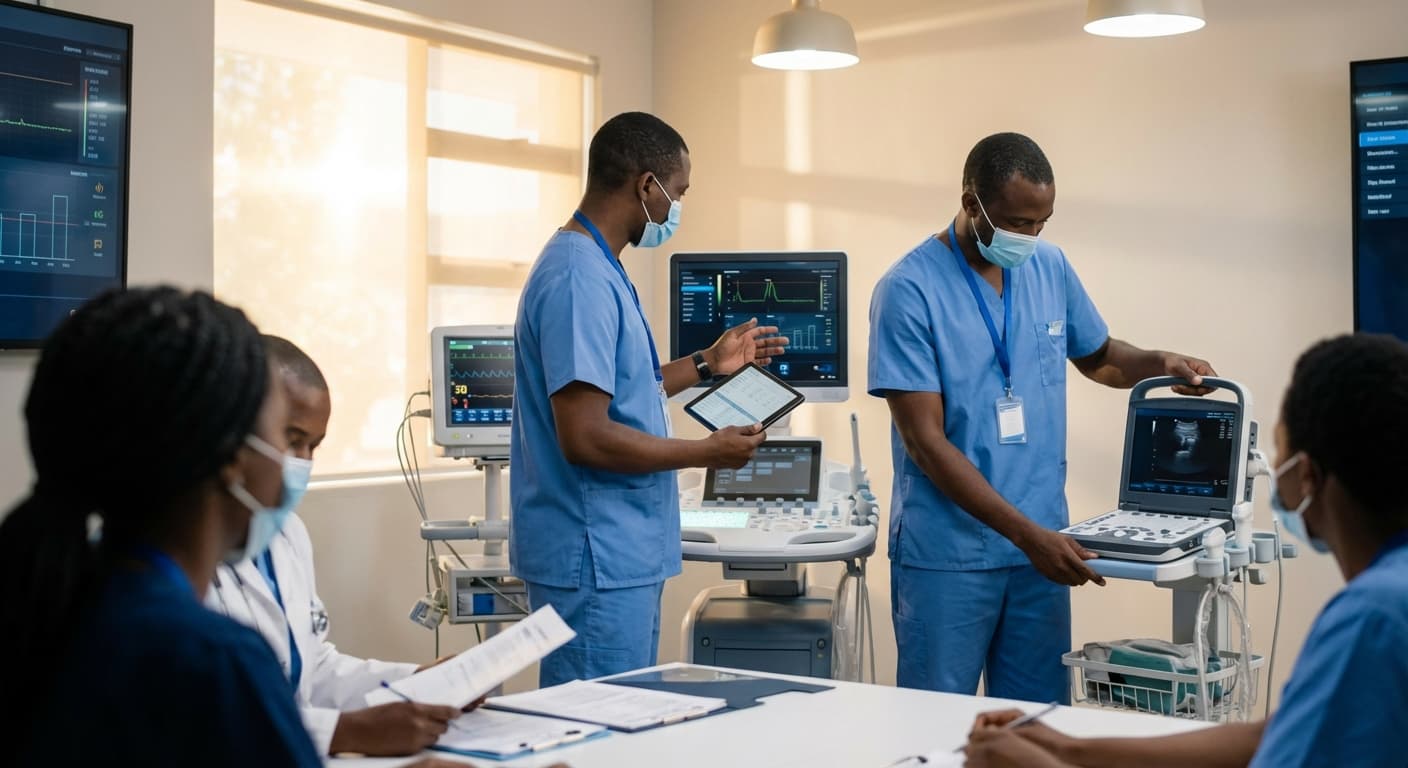
Clinical Needs Assessment for Medical Equipment in Mozambique
Engineering Excellence & Technical Support
Clinical Needs Assessment for Medical Equipment High-standard technical execution following OEM protocols and local regulatory frameworks.
Prioritized Equipment Needs Based on Disease Burden
Leveraged epidemiological data for major diseases (e.g., Malaria, HIV/AIDS, TB, maternal/child health) to identify critical equipment gaps in primary, secondary, and tertiary healthcare facilities across Mozambique. This ensured a data-driven approach to prioritize life-saving technologies and essential diagnostic tools.
Geographic Accessibility & Infrastructure Mapping
Conducted a granular assessment of geographical access to healthcare facilities and existing infrastructure (power, water, internet connectivity, secure storage). This identified logistical challenges and informed the selection of appropriate equipment robust enough for remote or resource-limited settings, and the planning for necessary infrastructure upgrades.
Healthcare Worker Capacity & Training Assessment
Evaluated the availability of trained personnel to operate and maintain proposed medical equipment at various facility levels. This included assessing existing skill sets, identifying training needs, and recommending equipment that aligns with local workforce capabilities or necessitates targeted capacity-building programs.
What Is Clinical Needs Assessment For Medical Equipment In Mozambique?
A Clinical Needs Assessment for Medical Equipment (CNA-ME) in Mozambique is a systematic and data-driven evaluation process designed to identify, quantify, and prioritize the medical equipment required to effectively deliver specific healthcare services within a defined healthcare setting or geographical area. This process is crucial for optimizing resource allocation, ensuring the availability of appropriate technology, and ultimately improving patient outcomes in the Mozambican context, which often faces resource constraints and a diverse spectrum of healthcare needs.
| Who Needs a CNA-ME? | Typical Use Cases |
|---|---|
| Ministry of Health (MISAU) & National Health Directorate: For national-level health system planning, resource allocation, and procurement strategies. | Developing national guidelines for essential medical equipment, planning for new health facilities, and addressing equipment obsolescence across the country. |
| Provincial and District Health Directorates: To plan and manage medical equipment for regional and local healthcare facilities. | Equipping new health centers or hospitals, upgrading existing facilities, and responding to specific disease burden in their jurisdiction. |
| Individual Healthcare Facilities (Hospitals, Health Centers): To ensure their specific clinical service delivery needs are met. | Developing a procurement plan for a new hospital wing, replacing outdated diagnostic equipment, or acquiring specialized equipment for a particular department (e.g., obstetrics, surgery). |
| Non-Governmental Organizations (NGOs) & International Donors: For targeted project planning and effective aid distribution. | Designing and implementing health projects, procuring equipment for specific medical interventions (e.g., HIV/AIDS, maternal health), and ensuring sustainability of donated equipment. |
| Public-Private Partnerships (PPPs): To define equipment requirements for joint ventures in healthcare delivery. | Establishing and equipping facilities under PPP arrangements, ensuring alignment of equipment with service agreements and financial models. |
Key Components of a Clinical Needs Assessment for Medical Equipment in Mozambique
- Needs Identification: Determining the essential medical equipment required to support existing and planned clinical services, procedures, and patient populations.
- Gap Analysis: Comparing current equipment inventory with identified needs to pinpoint deficiencies in quantity, type, or technological capability.
- Technical Specifications: Defining precise functional, performance, and safety specifications for each piece of required equipment, considering local environmental factors (e.g., power stability, climate) and maintenance capabilities.
- User Requirements Gathering: Engaging with healthcare professionals (doctors, nurses, technicians) to understand their practical needs, workflows, and preferences for equipment usability.
- Infrastructure Assessment: Evaluating the suitability of existing infrastructure (e.g., power supply, space, water, ventilation) to support the installation, operation, and maintenance of new equipment.
- Maintenance and Support Planning: Assessing local capacity for repair, calibration, and preventative maintenance, including the availability of spare parts and trained personnel.
- Cost-Benefit Analysis: Evaluating the economic feasibility of acquiring and maintaining specific equipment, considering initial purchase cost, operational expenses, and potential return on investment in terms of improved patient care and efficiency.
- Prioritization Framework: Developing a structured approach to rank equipment needs based on clinical impact, urgency, cost-effectiveness, and alignment with national health priorities.
- Training Needs Assessment: Identifying the training required for healthcare personnel to operate and maintain the proposed equipment effectively.
Who Needs Clinical Needs Assessment For Medical Equipment In Mozambique?
A clinical needs assessment for medical equipment in Mozambique is crucial for ensuring that healthcare facilities are equipped with the right tools to provide effective and efficient patient care. This process helps identify specific equipment gaps, prioritize procurement, optimize resource allocation, and ultimately improve health outcomes across the nation. The target customers and departments for such an assessment are diverse, spanning various levels of the healthcare system and specialized medical areas.
| Healthcare Facility Type | Primary Equipment Needs Focus | Impact of Assessment |
|---|---|---|
| Public Hospitals (Central/Referral) | Advanced diagnostic, surgical, and critical care equipment; specialized departmental needs. | Ensures capacity to handle complex cases and reduce patient referrals. |
| District Hospitals | Essential diagnostic, surgical, and general medical equipment; supportive care equipment. | Improves access to a wider range of services at the district level. |
| Primary Health Centers (PHCs) | Basic diagnostic tools, maternal/child health equipment, essential medicines administration tools. | Strengthens primary healthcare services and preventative care. |
| Health Posts | Very basic medical supplies, essential first aid equipment, basic maternal/child health aids. | Provides essential health services in remote and underserved communities. |
| Maternal & Child Health Units | Incubators, phototherapy units, delivery kits, ultrasound for antenatal care, pediatric assessment tools. | Reduces maternal and infant mortality rates. |
| Laboratory Services | Microscopes, centrifuges, basic chemistry analyzers, reagents, rapid diagnostic test kits. | Enhances diagnostic accuracy and disease surveillance. |
| Diagnostic Imaging Departments | X-ray machines, ultrasound devices, potentially CT scanners (depending on facility level). | Improves diagnostic capabilities for a range of conditions. |
Target Customers and Departments for Clinical Needs Assessment in Mozambique
- Ministry of Health (MoH) / Central Level Procurement: The primary beneficiary. The MoH uses these assessments to inform national health strategies, budget allocations, and large-scale procurement plans, ensuring equipment aligns with national health priorities and disease burden.
- Provincial and District Health Directorates: These regional bodies are responsible for overseeing healthcare delivery within their jurisdictions. Needs assessments help them identify specific equipment shortages in their areas, advocate for resources, and manage the distribution and maintenance of procured equipment.
- Public Hospitals (Referral, Central, Provincial, District): These are the core healthcare providers. Assessments within hospitals identify the specific equipment requirements for various departments, from diagnostic imaging to surgical theaters and intensive care units, ensuring they can handle complex cases.
- Primary Health Centers (PHCs) / Health Posts: Often the first point of contact for many patients, especially in rural areas. Needs assessments here focus on essential equipment for primary care, maternal and child health, and the management of common infectious diseases.
- Specialized Medical Centers (e.g., Oncology, Cardiology, Pediatrics): Facilities focusing on specific medical disciplines require highly specialized equipment. Needs assessments in these centers ensure they have the advanced technology necessary for diagnosis, treatment, and research in their respective fields.
- Maternal and Child Health Departments: A critical area in Mozambique. Assessments here focus on equipment for antenatal care, labor and delivery, neonatal care (e.g., incubators, phototherapy units), and pediatric care.
- Diagnostic Imaging Departments (X-ray, Ultrasound, CT Scans): These departments are vital for accurate diagnosis. Needs assessments identify the quantity, type, and maintenance requirements for imaging equipment.
- Surgical Departments and Operating Theaters: Ensuring the availability of surgical instruments, anesthesia machines, lights, and monitoring equipment is paramount for safe and effective surgical interventions.
- Laboratory Services: Critical for diagnostics and disease surveillance. Assessments focus on laboratory equipment for microbiology, hematology, chemistry, and molecular diagnostics.
- Emergency and Critical Care Units (ICUs, Emergency Rooms): These units require life-saving equipment such as ventilators, defibrillators, infusion pumps, and cardiac monitors.
- Infectious Disease Control Programs (e.g., TB, HIV/AIDS, Malaria): Specific equipment needs for diagnosis, treatment monitoring, and prevention efforts related to prevalent infectious diseases.
- Non-Governmental Organizations (NGOs) and Development Partners: Organizations actively involved in supporting Mozambique's health sector often conduct their own needs assessments or collaborate with government bodies to ensure their equipment donations and projects are aligned with actual needs.
- Healthcare Training Institutions: While not direct service providers, these institutions need equipment for training purposes, mirroring the equipment used in clinical settings to prepare future healthcare professionals.
- Rural and Remote Health Facilities: These often face the greatest challenges. Needs assessments are particularly important to ensure even the most underserved areas receive appropriate and functional equipment.
Clinical Needs Assessment For Medical Equipment Process In Mozambique
This document outlines the comprehensive workflow for conducting a clinical needs assessment for medical equipment in Mozambique. The process begins with an initial inquiry and progresses through several defined stages to ensure that the acquired equipment aligns with the actual healthcare needs of the country, is sustainable, and effectively improves patient care. The workflow emphasizes collaboration with local stakeholders, evidence-based decision-making, and adherence to national health strategies.
| Stage | Key Activities | Responsible Parties | Key Outputs | Timeline (Illustrative) |
|---|---|---|---|---|
| Receive request/initiative for needs assessment. Define the scope (geographic region, specific health areas, types of facilities). Identify key stakeholders (Ministry of Health, regional health directorates, healthcare facilities, UN agencies, NGOs). | Initiating body (e.g., Ministry of Health), Project Management Team | Project mandate, initial stakeholder list, defined scope | 1-2 Weeks |
| Review national health policies, strategic plans, and existing health data. Conduct preliminary consultations with stakeholders to understand current challenges and perceived equipment gaps. Prioritize health needs based on disease burden, impact on population health, and resource availability. | Project Management Team, Ministry of Health, Technical Working Groups | Prioritized health needs, preliminary list of required equipment categories | 2-4 Weeks |
| Conduct site visits to healthcare facilities. Administer surveys and questionnaires to healthcare professionals. Gather data on existing equipment inventory, usage patterns, maintenance status, and unmet needs. Collect epidemiological data and patient flow information. Validate collected data through cross-referencing and stakeholder consultations. | Data Collection Teams, Healthcare Professionals, Facility Managers | Detailed facility profiles, equipment inventory, unmet needs data, epidemiological data, validated information | 4-8 Weeks |
| Based on validated needs, develop detailed technical specifications for each required medical equipment item. Include essential features, performance standards, safety requirements, consumables, and compatibility with existing infrastructure (power, water, IT). Consider local environmental conditions and user capacity. | Technical Experts, Biomedical Engineers, End-Users, Procurement Specialists | Detailed equipment specifications, technical requirement documents | 3-6 Weeks |
| Develop a procurement strategy (tender processes, direct purchase, etc.). Identify potential suppliers. Plan for import, customs clearance, and transportation to designated facilities. Develop a comprehensive logistics plan, including warehousing and distribution. | Procurement Unit, Logistics Team, Ministry of Health | Procurement plan, supplier shortlists, logistics and distribution plan | 4-8 Weeks |
| Oversee the delivery, installation, and initial setup of the procured equipment at the designated healthcare facilities. Conduct rigorous testing and commissioning to ensure the equipment functions according to specifications and is safe for use. | Installation Technicians, Biomedical Engineers, Facility Staff | Installed and commissioned equipment, technical acceptance reports | Ongoing (during equipment delivery phase) |
| Develop and deliver comprehensive training programs for healthcare professionals, biomedical technicians, and maintenance staff on the operation, use, and basic maintenance of the new equipment. Ensure knowledge transfer and skill development. | Training Specialists, Biomedical Engineers, Manufacturers' Representatives, Healthcare Staff | Trained personnel, training manuals, competency assessments | Ongoing (concurrent with installation and post-installation) |
| Establish a system for ongoing monitoring of equipment utilization, performance, and impact on patient care. Collect feedback from users. Evaluate the effectiveness of the needs assessment process and the impact of the procured equipment. | Monitoring & Evaluation Team, Ministry of Health, Facility Managers | Performance indicators, utilization reports, impact assessments, lessons learned | Ongoing |
| Develop a sustainable plan for routine maintenance, repair, and eventual replacement of the equipment. Establish service contracts, ensure availability of spare parts, and build local capacity for maintenance. | Biomedical Engineering Department, Ministry of Health, Service Providers | Maintenance plan, service agreements, spare parts inventory, local maintenance capacity | Ongoing |
| Prepare comprehensive reports at various stages of the process, including the initial assessment findings, procurement status, training outcomes, and final evaluation. Maintain detailed documentation of all activities, decisions, and equipment details. | Project Management Team, Ministry of Health | Needs assessment report, progress reports, final project report, equipment registers | Ongoing |
Clinical Needs Assessment Workflow for Medical Equipment in Mozambique
- Inquiry & Initial Scoping
- Needs Identification & Prioritization
- Data Collection & Validation
- Equipment Specification Development
- Procurement & Logistics Planning
- Installation & Commissioning
- Training & Capacity Building
- Monitoring & Evaluation
- Maintenance & Support Planning
- Reporting & Documentation
Clinical Needs Assessment For Medical Equipment Cost In Mozambique
This document outlines a clinical needs assessment for medical equipment costs in Mozambique, focusing on pricing factors and typical ranges in local currency (Mozambican Metical - MZN). Understanding these costs is crucial for effective healthcare planning, budget allocation, and ensuring the availability of essential medical technologies within the country's healthcare system.
The assessment considers a range of medical equipment, from basic consumables to more complex diagnostic and therapeutic devices. The pricing of medical equipment in Mozambique is influenced by several key factors:
- Import Duties and Taxes: As Mozambique relies heavily on imported medical equipment, import duties, Value Added Tax (VAT), and other tariffs significantly impact the final price. These can vary based on the type of equipment and government policies.
- Supplier Markups: Local distributors and suppliers add their markups to cover operational costs, logistics, marketing, and profit margins. These markups can differ significantly between suppliers.
- Transportation and Logistics: The cost of shipping equipment from international manufacturers to Mozambique, as well as internal distribution within the country, contributes to the overall price. Poor infrastructure in some regions can further escalate these costs.
- Currency Exchange Rates: Fluctuations in the exchange rate between the MZN and major international currencies (USD, EUR) directly affect the landed cost of imported equipment.
- Brand and Quality: Reputable international brands often command higher prices due to perceived quality, durability, and after-sales support. Generic or less-known brands may offer lower-cost alternatives, though quality assurance is paramount.
- Technology and Features: Advanced features, sophisticated technology, and specialized functionalities naturally increase the cost of medical equipment.
- Warranty and After-Sales Service: The inclusion of comprehensive warranty periods and reliable local after-sales service and maintenance agreements can add to the initial purchase price but are critical for long-term operational efficiency.
- Volume Discounts: For larger procurement initiatives by government health ministries or NGOs, volume discounts can be negotiated, leading to lower per-unit costs.
- Local Manufacturing (Limited): While most equipment is imported, any locally manufactured components or simpler devices would likely have different pricing structures, though this is currently very limited.
Pricing Ranges in Mozambican Metical (MZN):
The following table provides estimated pricing ranges for common medical equipment in Mozambique. These are indicative and can vary widely based on the factors listed above, supplier, brand, and specific model. Exchange rates fluctuate, so these figures are approximate and should be verified with current market data and specific quotes.
| Equipment Category | Estimated Price Range (MZN) |
|---|---|
| Basic Diagnostic Tools (e.g., Stethoscope, Blood Pressure Monitor) | 500 - 3,000 |
| Thermometer (Digital) | 300 - 1,500 |
| Pulse Oximeter (Handheld) | 1,000 - 5,000 |
| Laboratory Microscope (Basic Binocular) | 15,000 - 70,000 |
| Centrifuge (Basic Benchtop) | 10,000 - 50,000 |
| Autoclave (Small/Medium Capacity) | 50,000 - 250,000 |
| Surgical Instrument Sets (Basic) | 10,000 - 60,000 (per set) |
| Examination Table/Bed | 5,000 - 30,000 |
| Infusion Pumps | 20,000 - 150,000 |
| Syringe Pumps | 25,000 - 180,000 |
| Portable Ultrasound Machine (Basic) | 200,000 - 1,000,000 |
| ECG Machine (12-lead) | 100,000 - 500,000 |
| X-ray Machine (Fixed/Mobile - Basic) | 800,000 - 5,000,000+ |
| Anesthesia Machine (Basic) | 400,000 - 2,000,000+ |
| Hospital Beds (Electric/Manual) | 10,000 - 80,000 (depending on features) |
| Patient Monitor (Basic) | 50,000 - 300,000 |
| Defibrillator (AED/Manual) | 150,000 - 700,000 |
| Refrigerators (Medical Grade) | 20,000 - 100,000 |
| Oxygen Concentrator (Portable/Stationary) | 30,000 - 150,000 |
| Dialysis Machine (CRRT/Conventional) | 1,500,000 - 10,000,000+ |
Key Pricing Factors for Medical Equipment in Mozambique
- Import Duties and Taxes
- Supplier Markups
- Transportation and Logistics Costs
- Currency Exchange Rate Fluctuations
- Brand Reputation and Equipment Quality
- Technological Sophistication and Features
- Warranty and After-Sales Service Packages
- Procurement Volume and Potential Discounts
- Availability of Local Manufacturing (currently minimal)
Affordable Clinical Needs Assessment For Medical Equipment Options
Securing appropriate medical equipment is crucial for effective patient care, but budget constraints often pose a significant challenge for healthcare providers. This guide outlines an "Affordable Clinical Needs Assessment" process, focusing on value bundles and cost-saving strategies to ensure optimal equipment selection without compromising quality or functionality. A thorough needs assessment helps identify essential equipment, avoid unnecessary purchases, and leverage smart procurement tactics.
| Value Bundle Type | Description | Cost-Saving Strategy | Benefits |
|---|---|---|---|
| Manufacturer Bundles | When purchasing multiple related equipment items from a single manufacturer, they often offer discounted package pricing. | Negotiate bundled discounts for systems (e.g., anesthesia machines with ventilators, patient monitors with accessories). | Streamlined procurement, potentially lower overall cost, integrated training and support. |
| Service and Supply Bundles | Combining equipment purchase with extended warranty, maintenance plans, and essential consumables at a reduced rate. | Inquire about 'all-inclusive' packages that cover preventative maintenance, repairs, and a starter kit of consumables. | Predictable operating costs, reduced downtime, simplified inventory management for supplies. |
| Technology Upgrade Programs | Some manufacturers offer trade-in programs for older equipment when purchasing new models, or offer bundled discounts for adopting newer, more efficient technology. | Factor in the trade-in value of existing equipment when evaluating new purchases. Ask about incentives for upgrading to energy-efficient or digital solutions. | Reduced net cost of new equipment, access to advanced features, potential for improved workflow and reduced resource consumption. |
| Refurbished/Remanufactured Equipment Bundles | Reputable suppliers offer bundled packages of certified pre-owned or remanufactured equipment at a significant discount compared to new. | Partner with trusted vendors for bundled deals on essential equipment that meets clinical specifications but is a few years old. | Substantial upfront cost savings, often come with warranties and performance guarantees, environmentally friendly. |
| Group Purchasing Organization (GPO) Bundles | Membership in a GPO grants access to pre-negotiated contracts and bulk purchasing power for a wide array of medical equipment and supplies. | Leverage GPO contracts to access bundled pricing and discounts that might not be available through direct negotiation. | Significant cost reductions, simplified purchasing process, access to a broad product catalog. |
Key Steps in an Affordable Clinical Needs Assessment
- Define Clinical Requirements: Clearly articulate the specific medical needs and patient populations the equipment will serve. Involve end-users (clinicians, technicians) in this process.
- Prioritize Essential Functionality: Differentiate between 'must-have' features and 'nice-to-have' options. Focus on core functionalities that directly impact patient outcomes.
- Research Market Options: Explore a wide range of manufacturers and suppliers, including new, refurbished, and remanufactured equipment.
- Consider Total Cost of Ownership (TCO): Evaluate not just the upfront purchase price but also ongoing costs like maintenance, consumables, training, and service contracts.
- Explore Value Bundles and Cost-Saving Strategies: Actively seek out opportunities for significant savings through strategic purchasing.
- Develop a Phased Acquisition Plan: If immediate full acquisition isn't feasible, plan for acquiring equipment in stages based on urgency and budget availability.
- Negotiate Effectively: Be prepared to negotiate prices, payment terms, and service agreements with suppliers.
Verified Providers In Mozambique
Navigating the healthcare landscape in Mozambique can be challenging. Ensuring you are accessing services from verified and reputable providers is crucial for your well-being. Franance Health has emerged as a leading entity, setting a benchmark for quality and reliability in the Mozambican healthcare sector. This document outlines Franance Health's credentials and explains why they represent the best choice for your healthcare needs.
| Benefit | Franance Health's Advantage |
|---|---|
| Access to Quality Care | Vetted network of reputable hospitals and clinics. |
| Peace of Mind | Stringent provider qualification and verification. |
| Streamlined Experience | Efficient appointment scheduling and communication. |
| Comprehensive Solutions | Wide range of medical services available. |
| Patient Focus | Commitment to satisfaction and positive outcomes. |
| Reliability | Adherence to ethical practices and quality standards. |
Franance Health's Credentials and Key Differentiators:
- Accreditation and Partnerships: Franance Health actively seeks and maintains accreditations from recognized national and international healthcare bodies. They have established strong partnerships with leading hospitals, clinics, and specialized medical centers across Mozambique, ensuring access to a diverse range of high-quality services.
- Rigorous Provider Vetting Process: Every healthcare professional and facility affiliated with Franance Health undergoes a stringent vetting process. This includes verification of licenses, qualifications, experience, and adherence to ethical standards.
- Patient-Centric Approach: Franance Health prioritizes patient satisfaction and outcomes. They are committed to providing personalized care, transparent communication, and efficient service delivery, ensuring a positive patient experience.
- Technology Integration: Embracing modern technology, Franance Health utilizes advanced systems for appointment scheduling, record management, and communication, streamlining the healthcare journey for their clients.
- Comprehensive Service Offerings: From general medical consultations to specialized treatments and emergency care, Franance Health offers a broad spectrum of healthcare services, catering to various individual and family needs.
- Commitment to Quality Improvement: Franance Health continuously monitors and evaluates the quality of care provided by its network, implementing feedback mechanisms to drive ongoing improvement and maintain high standards.
- Ethical Business Practices: Transparency, integrity, and ethical conduct are core values at Franance Health. They are committed to fair pricing, clear billing, and upholding the highest ethical standards in all their operations.
Scope Of Work For Clinical Needs Assessment For Medical Equipment
This document outlines the Scope of Work (SOW) for conducting a comprehensive clinical needs assessment for medical equipment. The primary objective is to identify and prioritize the essential medical equipment required to meet the current and future clinical needs of [Healthcare Facility Name] (hereinafter referred to as "the Facility"). This assessment will inform procurement decisions, ensure optimal utilization of resources, and enhance patient care delivery.
| Phase | Activities | Deliverables | Timeline (Indicative) |
|---|---|---|---|
| Phase 1: Project Initiation & Planning | Define assessment scope, objectives, and methodology. Identify stakeholders and establish a project team. Develop a detailed project plan and communication strategy. | Project Charter, Stakeholder Register, Project Plan, Communication Plan. | Weeks 1-2 |
| Phase 2: Data Collection & Analysis | Conduct interviews and surveys with clinical staff. Review patient records, service utilization data, and existing equipment inventory. Assess current equipment performance and maintenance records. Analyze national and international equipment standards and guidelines. | Data Collection Tools (Interview guides, Survey questionnaires), Raw Data Summary, Preliminary Gap Analysis Report. | Weeks 3-8 |
| Phase 3: Needs Identification & Prioritization | Synthesize collected data to identify critical equipment needs. Categorize needs by department, specialty, and urgency. Develop prioritization criteria (e.g., impact on patient safety, clinical outcomes, operational efficiency, cost). Engage stakeholders in prioritization workshops. | Prioritized List of Equipment Needs, Needs Justification Matrix, Stakeholder Validation Report. | Weeks 9-11 |
| Phase 4: Technical Specification Development | For each prioritized equipment need, develop detailed technical specifications. Include requirements for performance, safety, compatibility, interoperability, and maintenance. Research available market options and emerging technologies. | Draft Technical Specifications for Key Equipment (per category/department). | Weeks 12-15 |
| Phase 5: Reporting & Recommendations | Compile a comprehensive Clinical Needs Assessment Report. Include executive summary, detailed findings, prioritized equipment list, technical specifications, cost estimates, and implementation recommendations. Present findings to key stakeholders and management. | Final Clinical Needs Assessment Report, Presentation Slides. | Weeks 16-18 |
Key Objectives of the Clinical Needs Assessment
- To accurately identify existing medical equipment and assess its current utilization, condition, and suitability.
- To determine the gaps in medical equipment provision based on current and projected clinical services, patient demographics, and treatment protocols.
- To identify new or upgraded medical equipment required to support emerging clinical technologies and best practices.
- To prioritize equipment needs based on clinical impact, patient safety, cost-effectiveness, and regulatory compliance.
- To gather input from all relevant clinical departments and stakeholders.
- To develop a detailed list of recommended medical equipment, including specifications and quantities.
- To provide a framework for the procurement and implementation of identified equipment.
Service Level Agreement For Clinical Needs Assessment For Medical Equipment
This Service Level Agreement (SLA) outlines the agreed-upon performance standards for the Clinical Needs Assessment service provided for medical equipment. It defines response times for support requests and guarantees uptime for critical assessment tools and platforms, ensuring timely and efficient support for healthcare facilities in their medical equipment planning and acquisition processes.
| Service Component | Response Time Commitment | Uptime Guarantee |
|---|---|---|
| Initial Triage of Support Request | Within 2 business hours | N/A (focus on response speed) |
| Non-critical Issue Resolution (e.g., documentation clarification, minor query) | Within 8 business hours | N/A (focus on resolution speed) |
| Critical Issue Resolution (e.g., platform outage, data access problem) | Within 4 business hours (initial diagnosis and action plan) | 99.5% Uptime for Assessment Platforms and Tools |
| Scheduled Maintenance Window | Advance notification of at least 48 hours | N/A (planned downtime) |
| Emergency Maintenance | As required, with immediate notification to affected parties | N/A (unplanned downtime, focus on rapid restoration) |
Key Service Objectives
- To ensure rapid response to all inquiries and support requests related to clinical needs assessment.
- To guarantee high availability of the assessment tools and platforms utilized in the process.
- To facilitate informed decision-making regarding medical equipment procurement through timely and accurate assessments.
- To minimize disruption to healthcare operations by providing prompt issue resolution.
Frequently Asked Questions

Ready when you are
Let's scope your Clinical Needs Assessment for Medical Equipment in Mozambique project in Mozambique.

Scaling healthcare logistics and technical systems across the entire continent.