
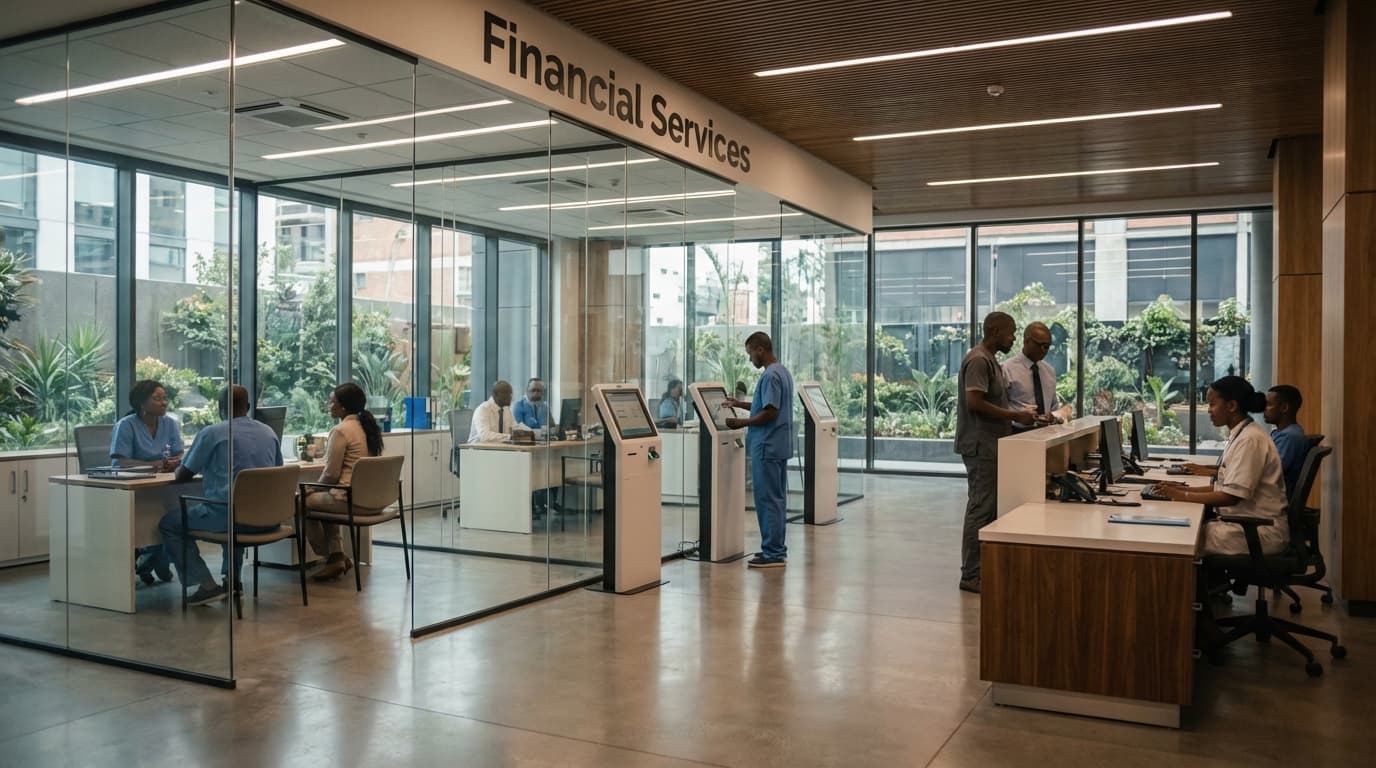
Medical Equipment Financing in Mozambique
Engineering Excellence & Technical Support
Leasing and financing solutions for medical equipment High-standard technical execution following OEM protocols and local regulatory frameworks.
Flexible Financing for Equipment Upgrades
Access tailored financing solutions for essential medical equipment upgrades, ensuring healthcare providers in Mozambique can acquire the latest technology to improve patient care and operational efficiency. Our flexible repayment terms and competitive rates are designed to fit your budgetary needs.
Accelerated Acquisition of Critical Medical Devices
Overcome capital barriers to acquiring life-saving medical devices and diagnostic equipment. We specialize in fast-track approvals and disbursements, enabling Mozambique's healthcare sector to quickly obtain the tools necessary for advanced treatments and diagnostics, thereby enhancing service delivery.
Asset Lifecycle Management & Financing
We offer integrated financing strategies that not only cover the acquisition of medical equipment but also include options for maintenance, upgrades, and eventual disposal. This holistic approach optimizes asset utilization and financial planning for healthcare institutions across Mozambique.
What Is Medical Equipment Financing In Mozambique?
Medical Equipment Financing in Mozambique refers to the provision of capital, typically through loans, leases, or other credit facilities, specifically for the acquisition of medical equipment by healthcare providers within Mozambique. This service addresses the significant capital expenditure required for purchasing advanced medical technology, diagnostic tools, therapeutic devices, and essential medical supplies. It enables healthcare institutions to upgrade their infrastructure, expand service offerings, and improve patient care by overcoming budgetary constraints. The financing mechanisms are structured to be repaid over an agreed-upon term with interest, making the cost of equipment more manageable.
| Use Case | Description | Financing Mechanism Examples |
|---|---|---|
| Expansion of Diagnostic Services | Acquisition of new X-ray machines, ultrasound devices, or MRI scanners to increase patient throughput and offer a wider range of imaging modalities. | Term Loans, Equipment Leases |
| Upgrading Surgical Suites | Procurement of advanced surgical instruments, anesthesia machines, and minimally invasive surgical systems to improve surgical outcomes and patient safety. | Asset-Based Lending, Hire Purchase |
| Enhancing Intensive Care Units (ICUs) | Investment in ventilators, patient monitoring systems, and defibrillators to provide critical care for severely ill patients. | Term Loans, Financial Leases |
| Establishing Specialized Clinics | Financing for equipment specific to new service lines, such as dialysis machines for nephrology units or specialized dental chairs for oral health centers. | Tailored Loan Products, Sale and Leaseback (for existing equipment) |
| Replacing Obsolete Equipment | Securing funding to replace outdated or malfunctioning medical devices with newer, more efficient, and technologically advanced alternatives. | Refinancing existing loans, Equipment Finance Agreements |
| Community Health Outreach Programs | Acquiring mobile medical units equipped with essential diagnostic tools to serve remote or underserved populations. | Concessional Loans, Grant-backed Financing |
Key Stakeholders and Their Needs
- {"title":"Public Hospitals and Clinics","description":"Require financing to replace aging equipment, expand capacity to meet growing demand, and implement new diagnostic and treatment technologies to comply with national health standards and improve public health outcomes. Often constrained by government budgets."}
- {"title":"Private Hospitals and Clinics","description":"Seek financing to invest in state-of-the-art medical technology to gain a competitive advantage, offer specialized services, attract a wider patient base (including medical tourism), and achieve operational efficiencies."}
- {"title":"Diagnostic Centers and Laboratories","description":"Need capital for sophisticated imaging equipment (e.g., MRI, CT scanners), advanced laboratory analyzers, and other diagnostic tools to enhance accuracy, reduce turnaround times, and broaden their diagnostic capabilities."}
- {"title":"Specialty Medical Practices (e.g., Cardiology, Oncology, Ophthalmology)","description":"Require financing for highly specialized equipment (e.g., pacemakers, linear accelerators, surgical lasers) to deliver advanced and targeted patient care in their respective fields."}
- {"title":"Medical Training and Research Institutions","description":"Utilize financing to acquire cutting-edge equipment for educational purposes, enabling hands-on training for medical professionals, and for research initiatives aimed at advancing medical knowledge and developing new treatments."}
Who Needs Medical Equipment Financing In Mozambique?
Medical equipment financing in Mozambique is crucial for a range of healthcare providers and institutions aiming to upgrade, expand, or acquire essential medical technology. This financing helps overcome the significant upfront costs associated with purchasing new or advanced medical devices, ensuring better patient care and operational efficiency. The demand is driven by the need to improve diagnostic capabilities, treatment outcomes, and overall healthcare accessibility across the nation.
| Customer Type | Key Departments Benefiting | Typical Equipment Needs |
|---|---|---|
| Public Hospitals and Clinics | Emergency Room, Outpatient Departments, Maternity Wards, Surgical Units, Radiology, Laboratory | Diagnostic imaging (X-ray, Ultrasound), basic surgical instruments, patient monitors, laboratory analyzers, sterilization equipment, essential diagnostic tools |
| Private Hospitals and Diagnostic Centers | Cardiology, Oncology, Radiology, Neurology, Intensive Care Units (ICU), Operating Rooms, Pathology | Advanced imaging (MRI, CT scanners), specialized surgical equipment, modern ICU equipment, advanced laboratory diagnostic systems, endoscopy equipment, cancer treatment machinery |
| Specialty Clinics | Specific to the specialty (e.g., Cardiology: ECG, Echocardiogram; Radiology: Dedicated X-ray, Ultrasound) | Specialized diagnostic and treatment equipment tailored to the clinic's focus, such as cardiac catheterization labs, radiotherapy machines, or advanced ophthalmology equipment |
| Rural Health Posts and Community Health Centers | Primary Healthcare, Maternal and Child Health, Basic Diagnostics | Essential diagnostic tools (e.g., microscopes, basic blood analyzers), basic laboratory equipment, portable ultrasound, sterilization equipment, oxygen concentrators |
| Medical Training Institutions and Universities | Anatomy Labs, Simulation Centers, Research Labs, Clinical Training Facilities | Anatomical models, simulation equipment, teaching microscopes, basic research equipment, diagnostic tools for practical training |
| NGOs and Charitable Healthcare Providers | Mobile Clinics, Outreach Programs, General Healthcare Services | Portable diagnostic equipment, basic medical supplies, sterilization units, ultrasound devices, equipment for primary care |
| Research and Development Facilities | Laboratories, Clinical Trial Units | Advanced laboratory equipment, specialized research instruments, analytical tools, biosafety cabinets |
Target Customers for Medical Equipment Financing in Mozambique:
- Public Hospitals and Clinics
- Private Hospitals and Diagnostic Centers
- Specialty Clinics (e.g., Cardiology, Oncology, Radiology)
- Rural Health Posts and Community Health Centers
- Medical Training Institutions and Universities
- Non-Governmental Organizations (NGOs) and Charitable Healthcare Providers
- Research and Development Facilities in Healthcare
Medical Equipment Financing Process In Mozambique
The medical equipment financing process in Mozambique involves a structured workflow designed to ensure due diligence, regulatory compliance, and ultimately, the successful acquisition of essential medical technology. This process typically begins with an inquiry from a healthcare provider, progresses through rigorous assessment and approval stages, and culminates in the execution of financing agreements and equipment delivery. The key actors involved include healthcare institutions (hospitals, clinics), financing institutions (banks, specialized finance companies), equipment suppliers, and relevant government regulatory bodies.
| Stage | Description | Key Actors | Typical Timeframe |
|---|---|---|---|
| Inquiry and Initial Consultation | Healthcare institution expresses interest in financing specific medical equipment. Initial discussions to understand needs, budget, and financing options. | Healthcare Institution, Financing Institution | 1-2 weeks |
| Needs Assessment and Equipment Specification | Detailed breakdown of the required equipment, including technical specifications, models, quantities, and intended use. Supplier quotations are often gathered. | Healthcare Institution, Equipment Supplier, Financing Institution (for technical review) | 2-4 weeks |
| Financial Capacity Assessment | Financing institution evaluates the healthcare institution's financial health, including balance sheets, income statements, cash flow projections, and credit history. | Financing Institution, Healthcare Institution (providing financial documents) | 2-4 weeks |
| Proposal Submission and Review | Healthcare institution submits a formal financing proposal. Financing institution reviews the proposal against its lending criteria and internal policies. | Healthcare Institution, Financing Institution | 1-2 weeks |
| Due Diligence and Risk Assessment | Thorough review of all submitted documents, including financial, legal, and technical aspects. This may involve site visits, background checks, and valuation of existing assets. | Financing Institution, potentially Legal Consultants, Technical Assessors | 4-8 weeks |
| Credit Committee Approval | The financing proposal is presented to the financing institution's credit committee for a final decision. This committee assesses the overall risk and potential return. | Financing Institution (Credit Committee) | 1-2 weeks |
| Legal Documentation and Agreement | Drafting and negotiation of financing agreements, loan contracts, collateral agreements, and any other relevant legal documents. This stage often involves legal representatives from both parties. | Financing Institution, Healthcare Institution, Legal Representatives | 3-6 weeks |
| Equipment Procurement and Delivery | Once financing is approved and agreements are signed, the equipment supplier proceeds with manufacturing and delivery of the medical equipment. | Equipment Supplier, Healthcare Institution, Financing Institution (monitoring) | Varies significantly based on equipment lead times (weeks to months) |
| Disbursement and Installation | Financing institution disburses funds (either directly to the supplier or to the healthcare institution upon proof of delivery/installation). Equipment is installed and commissioned at the healthcare facility. | Financing Institution, Healthcare Institution, Equipment Supplier | 1-3 weeks (after delivery) |
| Post-Installation Review and Warranty Management | Verification that the installed equipment meets the agreed specifications and is functioning correctly. Confirmation of warranty terms and conditions. | Healthcare Institution, Financing Institution, Equipment Supplier | 1-2 weeks |
| Repayment and Loan Servicing | Healthcare institution begins making scheduled loan repayments according to the financing agreement. Ongoing relationship management between the financing institution and the client. | Healthcare Institution, Financing Institution | Duration of the loan term (years) |
Medical Equipment Financing Workflow in Mozambique
- Inquiry and Initial Consultation
- Needs Assessment and Equipment Specification
- Financial Capacity Assessment
- Proposal Submission and Review
- Due Diligence and Risk Assessment
- Credit Committee Approval
- Legal Documentation and Agreement
- Equipment Procurement and Delivery
- Disbursement and Installation
- Post-Installation Review and Warranty Management
- Repayment and Loan Servicing
Medical Equipment Financing Cost In Mozambique
Financing medical equipment in Mozambique involves a complex interplay of factors that influence costs. Local currency (Metical, MZN) pricing is not as standardized as in more developed markets, and often hinges on the specific equipment, its intended use, the provider's financial standing, and prevailing economic conditions. Several key elements contribute to the overall cost of medical equipment financing.
Pricing Factors:
- Equipment Type and Value: This is the most significant driver. Basic diagnostic tools will have vastly different financing costs compared to sophisticated imaging machines (like MRI or CT scanners) or surgical robotics. The original purchase price, depreciation, and estimated lifespan all play a role.
- Interest Rates (Prime Rate and Risk Premium): Commercial banks in Mozambique set interest rates based on a prime rate, which fluctuates with macroeconomic stability and monetary policy. Lenders will then add a risk premium, which is higher for newer or less established medical facilities, or for equipment deemed higher risk to repossess.
- Loan Term and Repayment Schedule: Longer loan terms generally mean higher total interest paid, but lower monthly installments. The frequency and structure of repayments (e.g., monthly, quarterly) also impact the overall financing cost.
- Down Payment/Deposit: A larger down payment reduces the principal amount to be financed, thereby lowering interest charges and potentially securing more favorable loan terms.
- Financing Institution and Their Fees: Different financial institutions (banks, microfinance institutions, specialized leasing companies) will have varying fee structures. These can include origination fees, administrative charges, appraisal fees, and processing costs, all of which add to the total financing expense.
- Collateral Requirements: The type and value of collateral offered by the borrower significantly influence the lender's risk and, consequently, the interest rate and terms. Equipment itself often serves as collateral, but additional assets may be required.
- Import Duties and Taxes: For imported medical equipment, import duties, VAT, and other taxes levied by the Mozambican government add to the initial acquisition cost, which then forms the basis for financing. These can be substantial and vary based on the type of equipment.
- Maintenance and Service Agreements: While not always directly part of the financing principal, the cost of mandatory maintenance and service contracts, often required by lenders for high-value equipment, can be factored into the overall financial planning and affordability.
- Economic Stability and Inflation: Mozambique's economic performance, inflation rates, and currency stability directly impact the cost of borrowing. High inflation can lead to higher interest rates as lenders seek to protect the real value of their capital.
- Currency Exchange Rate Fluctuations: For equipment imported from abroad, the exchange rate between the Metical (MZN) and the currency of origin (e.g., USD, EUR) at the time of purchase and throughout the loan term introduces a significant variable. Financing arrangements might be structured in USD to mitigate this risk, but this can lead to its own set of complications and costs.
| Equipment Category | Estimated Financing Cost Range (Annualized Interest Rate) | Typical Loan Term (Years) | Notes |
|---|---|---|---|
| Basic Diagnostic Equipment (e.g., Stethoscopes, BP Monitors) | 25% - 40% | 1 - 3 | Higher risk premium for smaller clinics; interest rates heavily influenced by bank's prime rate. |
| Mid-Range Diagnostic Equipment (e.g., Ultrasound, X-ray Machines) | 20% - 35% | 3 - 7 | Collateral is crucial; import duties can significantly increase the financed amount. |
| Advanced Imaging Equipment (e.g., CT Scanners, MRI Machines) | 18% - 30% | 5 - 10 | Requires strong financial standing of the facility, comprehensive collateral, and often USD-denominated financing for stability. |
| Surgical Equipment (Standard to Semi-Automated) | 22% - 38% | 3 - 7 | Financing depends on the supplier's reputation and maintenance agreements. |
| Laboratory Equipment (Basic to Intermediate) | 23% - 39% | 2 - 5 | Reagent consumables can sometimes be bundled or influence financing terms. |
| Specialized Medical Devices (e.g., Dialysis Machines, Ventilators) | 19% - 33% | 5 - 8 | Often subject to international supplier financing options or government grants, which can impact local bank terms. |
Key Cost Components in Medical Equipment Financing in Mozambique
- Equipment Purchase Price
- Interest Rates (Prime Rate + Risk Premium)
- Loan Tenor and Repayment Frequency
- Initial Down Payment
- Lender Fees (Origination, Administration, etc.)
- Collateral Value and Requirements
- Import Duties, VAT, and Other Taxes
- Mandatory Service and Maintenance Costs
- Impact of Inflation and Economic Stability
- Currency Exchange Rate Volatility
Affordable Medical Equipment Financing Options
Securing affordable medical equipment financing is crucial for healthcare providers seeking to upgrade or expand their facilities without incurring prohibitive upfront costs. This involves exploring various financing options, understanding their associated benefits, and implementing strategic cost-saving measures. Value bundles can significantly enhance affordability by combining equipment with services, while proactive cost management throughout the equipment lifecycle can lead to substantial long-term savings.
| Strategy | Description | Benefits | Considerations |
|---|---|---|---|
| Value Bundles | Combining the purchase or lease of medical equipment with related services such as installation, maintenance, training, and software updates. These are often offered by manufacturers or third-party providers. | Reduced overall cost through bulk purchasing of integrated services. Streamlined management by having a single point of contact for equipment and support. Predictable operational expenses. Access to the latest technology and services. | Carefully review what is included in the bundle. Ensure the bundled services meet your specific needs and don't overpay for unnecessary components. Understand contract terms for renewal and potential price increases. |
| Refurbished & Certified Pre-Owned Equipment | Purchasing equipment that has been previously used, professionally reconditioned, and certified by the manufacturer or a reputable third party to meet original specifications. | Significantly lower acquisition costs compared to new equipment. Still often comes with a warranty, offering peace of mind. Environmentally friendly option. | Thoroughly vet the supplier and the refurbishment process. Understand the warranty coverage and its duration. Ensure the equipment meets current regulatory standards and your clinical needs. |
| Negotiating Bulk Discounts | Leveraging the purchasing power of multiple departments or even collaborating with other healthcare organizations to acquire larger quantities of equipment at a reduced per-unit price. | Lower per-unit cost for equipment. Improved bargaining power with suppliers. Potential for bundled service discounts. | Requires strong internal coordination or external partnerships. Ensure consistent specifications and quality across all acquisitions. |
| Phased Procurement | Instead of purchasing all necessary equipment at once, strategize to acquire equipment in phases based on immediate needs, budget cycles, and projected growth. | Manages upfront capital outlay. Allows for adjustments based on evolving technology and clinical workflows. Spreads costs over time. | Requires careful long-term planning. May lead to temporary gaps in capacity if not managed effectively. |
| Exploring Government Grants & Rebates | Investigating available funding opportunities from government agencies, non-profit organizations, or specific programs designed to support healthcare infrastructure improvements, especially in underserved areas. | Can significantly offset or cover the entire cost of equipment. Often targets specific needs or technologies. | Grant applications can be time-consuming and competitive. Eligibility criteria can be strict. Ensure alignment with organizational goals. |
| Strategic Maintenance & Service Contracts | Moving beyond basic manufacturer warranties to negotiate comprehensive service contracts that include preventative maintenance, timely repairs, and access to technical support. Consider performance-based contracts. | Reduces unexpected repair costs and downtime. Extends equipment lifespan. Predictable maintenance expenses. May include service level agreements (SLAs) guaranteeing response times. | Compare different contract types and providers. Ensure the contract covers your specific equipment and usage patterns. Understand exclusions and limitations. |
Key Affordable Medical Equipment Financing Options
- Leasing: Operating leases offer flexibility and predictable monthly payments, often including maintenance and upgrades. This avoids large capital outlays and allows for easier technology refreshes.
- Loans (Secured & Unsecured): Traditional term loans can be secured by the equipment itself or other assets. Unsecured loans may have higher interest rates but don't tie up collateral.
- Medical Equipment Installment Plans: Some manufacturers and distributors offer direct financing, allowing providers to pay for equipment over a set period, often with competitive rates.
- Healthcare Finance Programs: Specialized lenders focus on the healthcare industry, offering tailored financing solutions that understand the unique needs and revenue cycles of providers.
- Sale-Leaseback: Selling existing equipment to a finance company and then leasing it back can generate immediate capital for new investments while maintaining operational continuity.
Verified Providers In Mozambique
In Mozambique's evolving healthcare landscape, identifying reliable and quality healthcare providers is paramount. Franance Health stands out as a leading organization committed to ensuring access to verified and high-standard medical services. Their rigorous credentialing process and dedication to patient well-being make them the premier choice for individuals and organizations seeking dependable healthcare solutions.
| Provider Credentialing Area | Franance Health's Standard | Benefit to Patients |
|---|---|---|
| Medical Licenses & Certifications | Thorough verification of all active and valid licenses and certifications. | Ensures providers are legally qualified and possess the necessary expertise. |
| Professional Experience & Training | Assessment of relevant work history, specialist training, and continuing medical education. | Guarantees access to experienced and up-to-date medical professionals. |
| Facility Quality & Infrastructure | Evaluation of medical equipment, hygiene standards, and overall facility safety. | Provides a safe and well-equipped environment for treatment and recovery. |
| Patient Feedback & Outcomes | Regular collection and analysis of patient satisfaction data and clinical outcome reports. | Drives accountability and ensures providers consistently meet high patient care expectations. |
| Ethical Practice & Compliance | Adherence to a strict code of ethics and regulatory compliance standards. | Ensures fair treatment, confidentiality, and professional conduct. |
Why Franance Health is the Best Choice:
- Rigorous Vetting Process: Franance Health employs a stringent verification protocol for all its partner providers, ensuring they meet established quality, safety, and ethical standards. This includes background checks, license verification, and ongoing performance reviews.
- Commitment to Quality: They are dedicated to partnering with facilities and professionals who demonstrate a consistent commitment to delivering excellent patient care, utilizing advanced medical technologies, and adhering to best practices.
- Comprehensive Network: Franance Health has cultivated a wide network of healthcare providers across Mozambique, encompassing various specialties, from general practitioners to highly specialized surgeons, catering to a broad spectrum of medical needs.
- Patient-Centric Approach: Their focus is always on the patient's experience. This translates into facilitating access to care, providing clear information, and advocating for patient rights.
- Transparency and Trust: By offering a curated list of verified providers, Franance Health builds trust and empowers individuals to make informed decisions about their health.
- Continuous Improvement: Franance Health actively monitors the performance of its network, fostering an environment of continuous improvement and adaptation to the latest advancements in healthcare.
Scope Of Work For Medical Equipment Financing
This Scope of Work (SOW) outlines the requirements for providing medical equipment financing services. It details the technical deliverables expected from the financing provider and outlines the standard specifications for the financed medical equipment. This document serves as the basis for a contractual agreement between the procuring entity and the financing provider.
| Category | Description | Technical Deliverables | Standard Specifications |
|---|---|---|---|
| Equipment Procurement | Sourcing and acquisition of specified medical equipment. | Proof of Purchase Orders, Equipment Certificates of Conformity, Installation & Commissioning Reports, User Manuals & Training Materials, Warranty Certificates. | Compliance with relevant international (e.g., ISO, IEC) and national (e.g., FDA, CE Mark) medical device regulations. Equipment must be new, unused, and from reputable manufacturers. Minimum warranty period (e.g., 2 years). Availability of local service and spare parts support. |
| Financing Structure | Provision of financial capital for equipment acquisition. | Financing Agreement detailing loan amount, interest rates, repayment schedule, collateral requirements, insurance provisions, and buy-out options. Regular financial status reports. | Interest rates to be competitive and transparent. Repayment terms to be flexible and align with projected revenue generation from the equipment. Clear terms for asset ownership transfer upon loan maturity. |
| Installation & Maintenance | Ensuring proper installation, commissioning, and initial maintenance of equipment. | Site assessment reports, installation and commissioning certificates, initial user training sessions, and a defined period of included maintenance or service contracts. | Installation to be performed by certified technicians. Equipment to be fully functional and calibrated post-installation. User training to cover essential operations, safety, and basic troubleshooting. |
| Reporting & Compliance | Ongoing reporting and adherence to financial and regulatory requirements. | Periodic financial statements, asset depreciation schedules, compliance certificates with financing terms, and any required regulatory documentation. | All reporting to adhere to agreed-upon formats and timelines. Compliance with all applicable financial and medical device regulations throughout the financing period. |
Key Objectives of Medical Equipment Financing
- To acquire necessary medical equipment to enhance patient care and operational efficiency.
- To leverage flexible financial solutions that minimize upfront capital expenditure.
- To ensure the acquisition of equipment meeting defined technical and quality standards.
- To establish clear repayment terms and asset ownership/transfer upon financing completion.
Service Level Agreement For Medical Equipment Financing
This Service Level Agreement (SLA) outlines the response times and uptime guarantees for medical equipment financed through [Your Company Name]. This agreement is designed to ensure the operational readiness of critical medical assets and minimize disruptions to patient care.
| Equipment Type | Uptime Guarantee | Response Time (for critical failures) | Resolution Time (target) |
|---|---|---|---|
| Critical Equipment | 99.5% | 2 business hours | 8 business hours |
| Standard Equipment | 98.0% | 8 business hours | 24 business hours |
Key Definitions
- Critical Equipment: Medical equipment designated as essential for immediate patient care and operational continuity. A list of Critical Equipment is provided in Appendix A.
- Standard Equipment: All other medical equipment financed under this agreement.
- Downtime: Any period during which Critical or Standard Equipment is non-operational and cannot be used for its intended purpose due to a malfunction or failure that requires repair or replacement covered by this SLA.
- Response Time: The maximum time allowed from the moment a support request is logged and confirmed to be related to a covered equipment failure, until our technical team or an authorized representative begins actively working on a resolution.
- Resolution Time: The maximum time allowed from the commencement of active work by our technical team until the equipment is returned to full operational status.
- Uptime Guarantee: The percentage of time that the financed medical equipment is expected to be operational and available for use over a defined period.
Frequently Asked Questions

Ready when you are
Let's scope your Medical Equipment Financing in Mozambique project in Mozambique.

Scaling healthcare logistics and technical systems across the entire continent.