
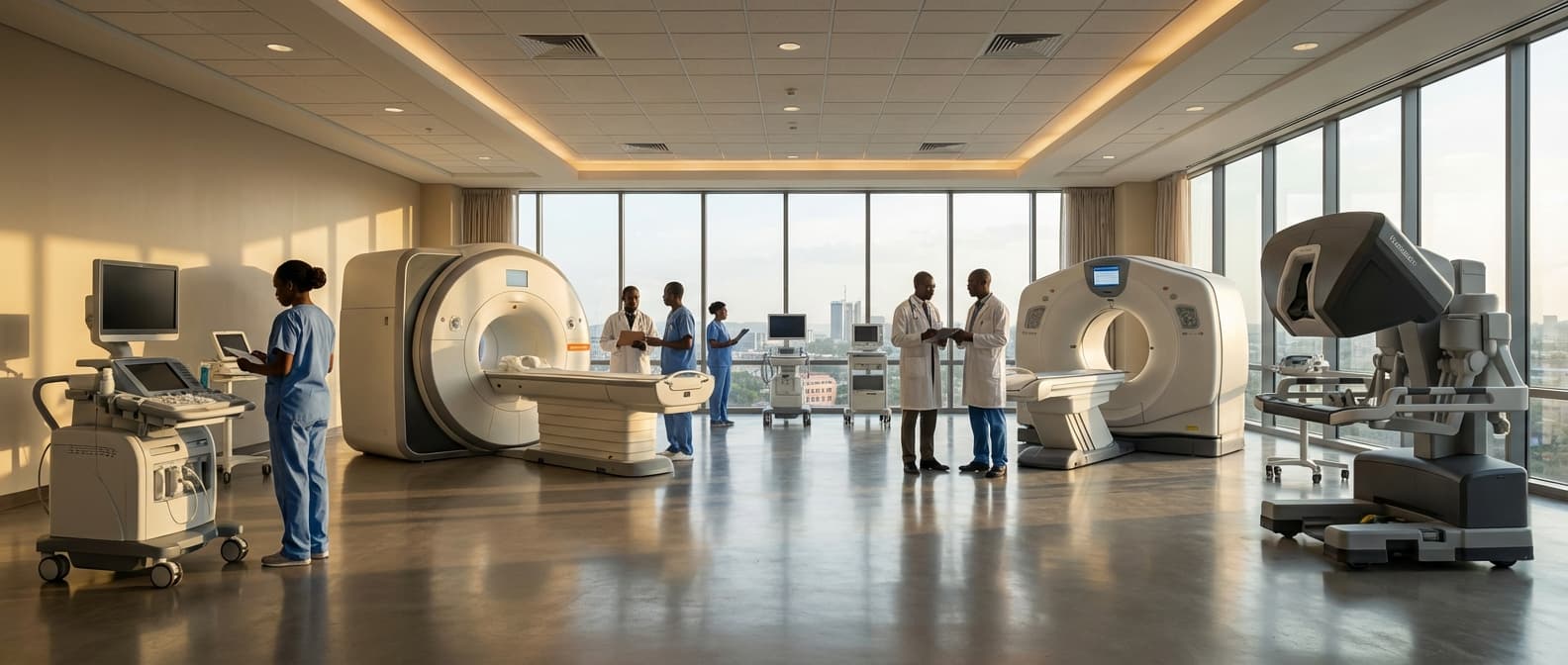
Renal Solutions in Mozambique
Engineering Excellence & Technical Support
Complete dialysis systems and renal care equipment designed to deliver safe, effective, and patient-centered kidney treatment. High-standard technical execution following OEM protocols and local regulatory frameworks.
Advanced Hemodialysis Units
Renal Solutions equips leading Mozambican clinics with state-of-the-art hemodialysis machines, ensuring efficient and safe blood purification for patients with kidney failure. Our units feature intelligent monitoring, precise fluid management, and user-friendly interfaces for optimal clinical outcomes.
Integrated Water Treatment Systems
Ensuring the highest purity of water is critical for dialysis. Renal Solutions provides comprehensive, WHO-compliant water treatment systems specifically designed for the Mozambican context, guaranteeing contaminant-free water essential for patient safety and dialysis effectiveness.
Expert Clinical Training & Support
Beyond technology, Renal Solutions invests in the expertise of Mozambican healthcare professionals. We offer comprehensive training programs on the operation and maintenance of our equipment, alongside ongoing technical support and clinical guidance to foster sustainable, high-quality renal care across the nation.
What Is Renal Solutions In Mozambique?
Renal Solutions in Mozambique refers to the provision of specialized medical services and products focused on the diagnosis, treatment, and management of kidney diseases (renal conditions). This encompasses a spectrum of care, from early detection and ongoing management of chronic kidney disease (CKD) to acute renal failure interventions. The primary objective is to preserve kidney function, mitigate complications, and improve the quality of life for individuals affected by renal pathology. The services are typically delivered through dedicated renal units within healthcare facilities, often staffed by nephrologists, renal nurses, dietitians, and other allied health professionals. Access to advanced diagnostic equipment and therapeutic modalities is crucial for effective renal care.
| Service Component | Description | Target Population | Typical Use Cases | ||
|---|---|---|---|---|---|
| Nephrology Consultation and Diagnosis | Specialized medical assessment by nephrologists to identify and stage kidney diseases using clinical history, physical examination, and laboratory/imaging investigations. | Individuals presenting with symptoms suggestive of kidney dysfunction (e.g., edema, hypertension, abnormal urinalysis) or those with known risk factors for kidney disease. | Diagnosis of glomerulonephritis, polycystic kidney disease, interstitial nephritis; initial assessment of declining kidney function. | ||
| Chronic Kidney Disease (CKD) Management Programs | Long-term care strategies aimed at slowing disease progression, managing comorbidities, and preventing complications through medication, lifestyle modifications, and regular monitoring. | Patients diagnosed with Stage 1-5 CKD, including those with underlying conditions like diabetes, hypertension, and autoimmune disorders. | Regular blood pressure control for hypertensive nephropathy; glycemic control for diabetic nephropathy; management of anemia and mineral bone disorder associated with CKD. | ||
| Acute Kidney Injury (AKI) Treatment | Prompt and intensive medical intervention to reverse or manage sudden loss of kidney function, often requiring hospitalization and critical care. | Patients experiencing a rapid decline in kidney function due to sepsis, dehydration, nephrotoxic agents, or severe trauma. | Fluid resuscitation and electrolyte correction for volume depletion; removal of offending agents; initiation of dialysis in severe cases. | ||
| Renal Replacement Therapies (RRT) | Life-sustaining treatments for end-stage renal disease (ESRD) where native kidney function is irreversibly lost. | Patients with ESRD (Stage 5 CKD) who are not candidates for or have failed conservative management. | Hemodialysis (HD): Extracorporeal removal of waste products and excess fluid. | Peritoneal Dialysis (PD): Utilizes the peritoneum as a membrane for dialysis. | Kidney Transplantation: Surgical implantation of a donor kidney (less common in resource-limited settings like Mozambique without advanced infrastructure). |
| Patient Education and Self-Management Support | Empowering patients and their families with knowledge about their condition, treatment adherence, dietary recommendations, and lifestyle adjustments. | All individuals with kidney disease, particularly those undergoing RRT or managing CKD long-term. | Understanding the importance of medication adherence; dietary guidelines for potassium, sodium, and fluid restriction; recognizing signs of complications. | ||
| Access to Renal Pharmaceuticals and Consumables | Ensuring the availability of essential medications (e.g., antihypertensives, erythropoietin, phosphate binders) and dialysis consumables (e.g., dialyzers, tubing, saline). | All patients receiving renal care, especially those on RRT. | Consistent supply of dialysis equipment and disposables for HD/PD units; availability of specialized medications for CKD management. |
Key Components of Renal Solutions in Mozambique
- Nephrology Consultation and Diagnosis
- Chronic Kidney Disease (CKD) Management Programs
- Acute Kidney Injury (AKI) Treatment
- Renal Replacement Therapies (RRT)
- Patient Education and Self-Management Support
- Access to Renal Pharmaceuticals and Consumables
Who Needs Renal Solutions In Mozambique?
Renal Solutions addresses a critical healthcare need in Mozambique by providing specialized services and products for individuals suffering from kidney diseases. Our target customers are diverse, ranging from individuals requiring regular dialysis to healthcare facilities seeking advanced equipment and expert support. Understanding these distinct needs allows us to tailor our offerings and make a significant impact on kidney care within the nation.
| Customer Type | Specific Needs | Renal Solutions Offering |
|---|---|---|
| CKD Patients | Regular dialysis treatment, access to consumables (dialyzers, fluids), patient education, nutritional support. | Provision of dialysis machines and consumables, training for healthcare providers, patient support programs. |
| Public Hospitals | Affordable and reliable dialysis equipment, training for medical staff, maintenance services, bulk supply of consumables. | Cost-effective dialysis solutions, comprehensive training packages, long-term maintenance contracts, volume-based supply agreements. |
| Private Clinics | State-of-the-art dialysis technology, advanced monitoring systems, specialized training, premium consumables. | High-end dialysis equipment, integrated diagnostic and monitoring tools, specialized medical education, premium product lines. |
| NGOs/Foundations | Cost-sensitive solutions, robust and easy-to-maintain equipment, training for local healthcare workers, community outreach support. | Donation-friendly pricing models, durable and user-friendly equipment, train-the-trainer programs, support for public health initiatives. |
| Nephrology Departments | Advanced diagnostic tools, specialized treatment modalities, access to the latest research and technologies. | Partnerships for technology adoption, specialized training workshops, access to innovative renal therapies. |
Target Customers and Departments for Renal Solutions in Mozambique
- {"items":["Individuals diagnosed with Chronic Kidney Disease (CKD) requiring long-term management and dialysis.","Patients with Acute Kidney Injury (AKI) who need immediate and intensive renal support.","Individuals awaiting or having undergone kidney transplantation, requiring post-operative care and monitoring.","Elderly patients with age-related kidney decline and associated comorbidities.","Pediatric patients with congenital or acquired kidney conditions."],"title":"Patient Categories"}
- {"items":["Public hospitals and government-run health centers seeking to establish or upgrade dialysis units.","Private hospitals and clinics aiming to offer comprehensive nephrology and dialysis services.","Non-governmental organizations (NGOs) and charitable foundations involved in healthcare provision, particularly for underserved populations.","Medical research institutions focusing on renal health and treatment advancements."],"title":"Healthcare Facilities"}
- {"items":["Nephrology Departments: The primary recipients of our specialized equipment, consumables, and training.","Dialysis Units: The core operational centers that directly utilize our dialysis machines, dialyzers, and related supplies.","Intensive Care Units (ICUs): For patients requiring critical care and potentially temporary dialysis due to acute conditions.","Surgical Departments (especially Transplant Surgery): For pre- and post-operative renal management.","Laboratory Services: For diagnostic tests and monitoring of renal function.","Procurement and Administration Departments: Responsible for acquiring our products and services."],"title":"Key Departments within Facilities"}
Renal Solutions Process In Mozambique
This document outlines the typical workflow for Renal Solutions' processes in Mozambique, from the initial client inquiry to the successful execution of services. The process is designed to be comprehensive, efficient, and client-centric, ensuring optimal outcomes for patients requiring renal care.
| Stage | Description | Key Activities | Responsible Parties | Documentation |
|---|---|---|---|---|
| The first point of contact where potential clients (patients, referring physicians, or insurance providers) reach out to Renal Solutions. | Receive and log inquiry, gather basic patient information, schedule initial consultation, provide overview of services. | Client Relations Team, Patient Coordinator | Inquiry Form, Initial Contact Log |
| A comprehensive evaluation to understand the patient's specific renal condition and medical history. | Conduct detailed medical history review, perform diagnostic tests, consult with nephrologists, develop personalized treatment plan (e.g., dialysis type, frequency, transplant evaluation). | Medical Team (Nephrologists, Nurses), Patient Coordinator | Medical Records, Diagnostic Reports, Treatment Plan Document |
| Securing necessary approvals and making arrangements for treatment commencement. | Obtain insurance pre-authorization, arrange for patient transportation (if needed), schedule initial treatment sessions, acquire necessary medical supplies. | Administration Team, Logistics Coordinator, Patient Coordinator | Authorization Forms, Treatment Schedule, Supply Requisition Forms |
| The core of the process where the planned renal treatments are administered. | Perform dialysis sessions (hemodialysis, peritoneal dialysis), conduct transplant-related procedures, administer medications, provide patient education and support. | Clinical Team (Nurses, Technicians), Medical Doctors | Treatment Charts, Medication Records, Patient Progress Notes |
| Continuous evaluation of treatment effectiveness and patient well-being, along with ongoing support. | Monitor patient vital signs and lab results, generate regular progress reports, conduct follow-up consultations, adjust treatment plan as needed, provide ongoing patient support and education. | Medical Team, Patient Coordinator, Administration Team | Progress Reports, Lab Reports, Follow-up Visit Notes, Patient Feedback Forms |
Key Stages of the Renal Solutions Process
- Inquiry and Initial Consultation
- Needs Assessment and Treatment Planning
- Authorization and Logistics
- Service Delivery and Execution
- Monitoring, Reporting, and Follow-up
Renal Solutions Cost In Mozambique
The cost of renal solutions in Mozambique is influenced by several key factors, leading to a range of prices for both hemodialysis and peritoneal dialysis. These solutions are critical for patients with kidney failure to manage fluid balance, electrolyte levels, and waste removal. Availability, import duties, transportation logistics within the country, and the specific type and brand of solution are primary drivers of cost. Generally, hemodialysis concentrates and peritoneal dialysis solutions are imported, making their prices susceptible to international market fluctuations and currency exchange rates. Local healthcare facility overhead and the volume of solutions purchased can also impact the final price to the patient or the healthcare system. Prices can vary significantly between public and private healthcare providers, with public facilities often subsidized or offering more affordable options compared to private clinics.
Pricing Factors:
- Type of Dialysis: Hemodialysis solutions (concentrates and sterile water) and peritoneal dialysis solutions (dialysate bags) have different manufacturing costs and complexities.
- Brand and Quality: Premium or specialized brands may command higher prices than generic alternatives.
- Volume of Purchase: Larger procurement orders by hospitals or clinics often result in lower per-unit costs.
- Importation and Logistics: Customs duties, taxes, shipping fees, and local distribution costs add to the final price.
- Supplier Markup: Wholesalers and retailers add their profit margins.
- Healthcare Facility Type: Public vs. private facilities have different pricing structures and subsidy levels.
- Currency Exchange Rates: As solutions are often imported, fluctuations in the Mozambique Metical (MZN) against major international currencies can impact costs.
- Sterility and Packaging: The cost of ensuring sterility and appropriate packaging for medical-grade solutions is factored in.
| Item | Estimated Range (MZN per unit) | Notes |
|---|---|---|
| Peritoneal Dialysis (PD) Solution (2L bag) | 1,500 - 3,000 | Standard glucose concentration. Price can vary by brand and specific glucose level. |
| Hemodialysis Concentrate (Acid Concentrate) | 500 - 1,500 | Per treatment dose. Price depends on formulation and supplier. |
| Hemodialysis Bicarbonate Concentrate | 700 - 1,800 | Per treatment dose. Often used as an alternative to acetate concentrate. |
| Sterile Water for Dialysis | 300 - 800 | Per liter. Relevant if not produced on-site by the facility. |
| Icodextrin PD Solution (2L bag) | 2,500 - 4,500+ | Specialty solution for PD, often used for longer dwell times. |
| High Glucose PD Solution (2L bag) | 1,800 - 3,500 | For patients requiring higher ultrafiltration. |
Typical Renal Solution Costs in Mozambique (Estimated Ranges in MZN)
- Peritoneal Dialysis (PD) Solutions (e.g., 2-liter bag, standard glucose concentration): MZN 1,500 - MZN 3,000 per bag.
- Hemodialysis Concentrate (for a single treatment, typically mixed with sterile water): MZN 500 - MZN 1,500 per dose.
- Bicarbonate Concentrate (for hemodialysis, when used instead of acetate): MZN 700 - MZN 1,800 per dose.
- Sterile Water for Dialysis (if not prepared on-site): MZN 300 - MZN 800 per liter.
- Specialty PD Solutions (e.g., icodextrin, higher glucose concentrations): MZN 2,000 - MZN 4,500+ per bag.
- Disposable Dialysis Kits (including tubing, dialyzer, and connectors, often priced separately but essential for solution delivery): MZN 1,000 - MZN 3,500+ per kit.
Affordable Renal Solutions Options
Navigating the financial landscape of kidney disease treatment can be challenging. This guide explores affordable renal solutions, focusing on the strategic use of value bundles and a variety of cost-saving measures. Understanding these options can empower patients and their families to make informed decisions and manage healthcare expenses effectively.
| Value Bundle Component | Description | Cost-Saving Benefit | Example |
|---|---|---|---|
| Integrated Dialysis Services | Combines dialysis treatment, medications, laboratory tests, and physician visits into a single package. | Predictable costs, reduced administrative overhead, potential for volume discounts. | A bundled payment for a month of hemodialysis treatment, including all necessary lab work and nephrologist consultations. |
| CKD Management Programs | Offers a comprehensive approach to Chronic Kidney Disease (CKD) management, including education, dietary counseling, medication management, and regular monitoring. | Reduces the risk of progression to end-stage renal disease (ESRD), preventing costly hospitalizations and treatments. | A program that provides personalized nutrition plans and education on fluid management for early-stage CKD patients. |
| Transplant Bundles | Covers pre-transplant evaluation, the transplant surgery itself, and post-transplant care, including immunosuppressant medications. | Streamlines the complex transplant process, potentially lowering overall costs through coordinated care and negotiated rates. | A comprehensive package for kidney transplant recipients that includes all necessary surgical fees and a year of post-operative follow-up. |
| Home Dialysis Support Services | Includes training for home dialysis, supplies, technical support, and remote patient monitoring. | Often more cost-effective than in-center dialysis, with reduced facility fees and greater patient independence. | A service that offers home-based peritoneal dialysis training and ongoing home visits from a nurse educator. |
Key Strategies for Affordable Renal Care
- Value Bundles in Renal Care
- Understanding Insurance Coverage
- Generic Medications and Biosimilars
- Preventive Care and Early Intervention
- Home Dialysis and Self-Care
- Financial Assistance Programs
- Negotiating Medical Bills
- Lifestyle Modifications for Kidney Health
Verified Providers In Mozambique
In Mozambique's burgeoning healthcare landscape, identifying reliable and skilled healthcare providers is paramount for ensuring quality patient care. Franance Health stands out as a leading organization dedicated to certifying and promoting healthcare professionals who meet rigorous international standards. Their comprehensive credentialing process ensures that all Franance Health-verified providers possess the necessary expertise, experience, and ethical standing to deliver exceptional healthcare services. This meticulous approach translates into enhanced patient safety, improved health outcomes, and greater trust in the healthcare system. For those seeking the highest caliber of medical professionals in Mozambique, choosing a Franance Health-verified provider is an assurance of quality and competence.
| Category | Franance Health Verified Provider | Benefit to Patients |
|---|---|---|
| Medical Expertise | Demonstrated through verified qualifications and experience. | Access to knowledgeable and skilled practitioners for accurate diagnosis and treatment. |
| Professional Ethics | Adherence to a strict code of conduct and ethical guidelines. | Trustworthy and compassionate care delivered with integrity. |
| Patient-Centered Care | Focus on understanding and meeting individual patient needs. | Personalized and attentive healthcare services. |
| Continuous Improvement | Commitment to ongoing professional development and learning. | Healthcare providers who stay abreast of the latest medical advancements and practices. |
Why Franance Health Credentials Matter:
- Rigorous Vetting Process: Franance Health employs a multi-faceted credentialing system that scrutinizes educational background, professional experience, licensing, and continuing education of all applicants.
- Commitment to Excellence: Verification signifies adherence to high standards of clinical practice, patient care, and ethical conduct.
- Enhanced Patient Safety: Patients can be confident that verified providers have met established benchmarks for competence and safety.
- Access to Top Talent: Franance Health identifies and promotes skilled professionals, making it easier for individuals and institutions to find qualified practitioners.
- International Recognition: Their credentialing process often aligns with international healthcare standards, providing a benchmark of quality recognized globally.
Scope Of Work For Renal Solutions
This document outlines the Scope of Work (SOW) for Renal Solutions, detailing the technical deliverables and standard specifications required for the successful implementation and operation of their services. The objective is to ensure clarity, consistency, and high quality across all project phases. This SOW is intended for all stakeholders involved in the development, deployment, and maintenance of Renal Solutions' offerings.
| Category | Standard Specification | Description | Reference Standard/Guideline |
|---|---|---|---|
| Software Development | Coding Standards | Adherence to established coding conventions (e.g., naming conventions, commenting, error handling) for maintainability and readability. | Internal Coding Standards, PEP 8 (Python), Google Java Style Guide, etc. |
| Software Development | Version Control | All code changes tracked using a designated version control system, with clear branching and merging strategies. | Gitflow Workflow, Semantic Versioning |
| Data Management | Data Privacy & Security | Compliance with relevant data protection regulations (e.g., HIPAA, GDPR) for all patient and operational data. | HIPAA Security Rule, GDPR Article 32 |
| Data Management | Data Integrity | Mechanisms to ensure accuracy, completeness, and consistency of data throughout its lifecycle. | Database Constraints, Validation Rules |
| System Architecture | Scalability | Design principles and infrastructure to support increased load and user volume without performance degradation. | Microservices Architecture, Load Balancing |
| System Architecture | Reliability & Availability | Measures to ensure continuous operation and minimize downtime, including redundancy and failover mechanisms. | High Availability (HA) Configurations, Disaster Recovery (DR) Planning |
| Integration | API Standards | Use of well-defined, documented, and versioned APIs for seamless integration with other systems. | RESTful API Design Principles, OpenAPI Specification |
| Testing | Test Coverage | Achieving defined levels of test coverage (e.g., unit, integration, end-to-end) to ensure software quality. | Code Coverage Metrics (e.g., >80%) |
| Security | Authentication & Authorization | Robust mechanisms for verifying user identity and controlling access to resources. | OAuth 2.0, Role-Based Access Control (RBAC) |
| Security | Vulnerability Management | Regular security assessments and timely patching of identified vulnerabilities. | OWASP Top 10, Common Vulnerabilities and Exposures (CVE) |
Key Technical Deliverables
- Software Design Documents (SDD)
- System Architecture Diagrams
- User Interface (UI) / User Experience (UX) Wireframes and Mockups
- Application Programming Interfaces (APIs) Documentation
- Source Code Repository Access
- Test Plans and Test Cases
- Deployment Scripts and Procedures
- User Manuals and Training Materials
- Performance Monitoring Reports
- Security Audit Reports
- Data Migration Plan and Scripts
- Integration Specifications
Service Level Agreement For Renal Solutions
This Service Level Agreement (SLA) outlines the commitment of Renal Solutions to its clients regarding service availability and response times for the provision of our renal care services and supporting technology. This SLA is integral to the Master Services Agreement (MSA) between Renal Solutions and the Client.
| Service Component | Uptime Guarantee (Monthly) | Response Time (Critical Incident) | Response Time (Major Incident) | Response Time (Minor Incident) |
|---|---|---|---|---|
| Renal Care Platform (EHR/Patient Management) | 99.9% | 15 minutes | 1 hour | 4 business hours |
| Remote Monitoring & Telehealth Services | 99.5% | 30 minutes | 2 hours | 8 business hours |
| Data Analytics & Reporting Tools | 99.0% | 1 hour | 4 hours | 2 business days |
| Technical Support (Help Desk) | N/A (Support availability based on defined hours) | 4 business hours (initial response) | 8 business hours (initial response) | 2 business days (initial response) |
Key Definitions
- Scheduled Maintenance: Pre-planned periods of downtime for system updates, upgrades, or repairs. Renal Solutions will provide at least 48 hours' notice for Scheduled Maintenance.
- Downtime: Any period during which the Service is unavailable to the Client, excluding Scheduled Maintenance and Extended Downtime.
- Downtime Incident: A single, continuous period of Downtime.
- Response Time: The maximum time within which Renal Solutions will acknowledge and begin working on a reported incident.
- Uptime: The percentage of time the Service is available and operational, calculated monthly.
- Critical Incident: An incident that renders the core functionality of the Service completely unavailable or severely impairs its operation, impacting a significant number of users or patients.
- Major Incident: An incident that significantly degrades the performance or functionality of the Service, impacting a subset of users or patients.
- Minor Incident: An incident that has a minimal impact on the Service's performance or functionality, affecting a small number of users or patients.
- Extended Downtime: Downtime exceeding the Guaranteed Uptime for a given period.
Frequently Asked Questions

Ready when you are
Let's scope your Renal Solutions in Mozambique project in Mozambique.

Scaling healthcare logistics and technical systems across the entire continent.