
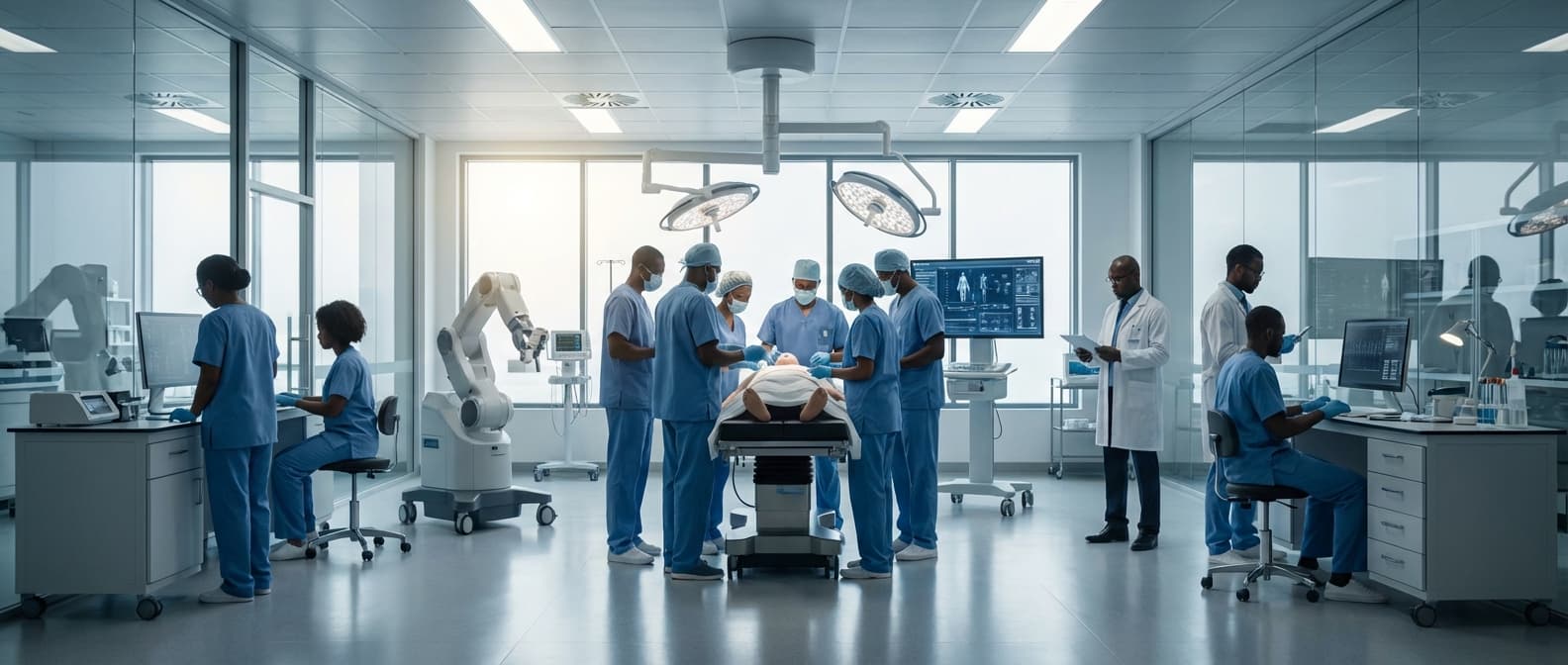
Managed Equipment Service (MES) in Mozambique
Engineering Excellence & Technical Support
Long‑term equipment provision with uptime SLAs and lifecycle management. High-standard technical execution following OEM protocols and local regulatory frameworks.
Remote Diagnostic Capabilities
Leverage advanced remote monitoring systems and IoT sensors to proactively identify and diagnose equipment issues across distributed sites in Mozambique, minimizing downtime and on-site intervention needs.
Predictive Maintenance for Mining & Agriculture
Implement AI-driven predictive maintenance algorithms, analyzing real-time operational data from critical mining and agricultural machinery to forecast potential failures, schedule preventative actions, and optimize asset lifespan.
Integrated Fleet Management Platform
Deploy a centralized, cloud-based platform for comprehensive fleet management, offering real-time visibility into equipment performance, utilization, maintenance schedules, and fuel consumption for diverse operations in Mozambique.
What Is Managed Equipment Service (Mes) In Mozambique?
Managed Equipment Service (MES) in Mozambique refers to a comprehensive outsourcing model where a third-party provider assumes responsibility for the procurement, installation, maintenance, and eventual disposal of critical equipment for an organization. This service shifts the capital expenditure burden and operational risks associated with equipment lifecycle management from the client to the service provider. MES is typically deployed in sectors reliant on specialized or high-value machinery, aiming to enhance operational efficiency, ensure equipment availability, and optimize total cost of ownership.
| Who Needs MES in Mozambique? | Typical Use Cases in Mozambique | ||||
|---|---|---|---|---|---|
| Healthcare Sector: Hospitals and clinics requiring reliable medical imaging equipment (MRI, CT scanners), laboratory analyzers, and critical care machinery. | Mining and Extractive Industries: Large-scale operations needing robust earthmoving equipment, processing machinery, and drilling rigs, where continuous operation is paramount. | Energy Sector (Power Generation & Oil/Gas): Power plants, refineries, and offshore platforms requiring specialized turbines, pumps, generators, and diagnostic equipment. | Telecommunications: Mobile network operators and internet service providers needing robust base stations, switching equipment, and fiber optic infrastructure. | Manufacturing and Industrial Production: Factories with specialized production lines, heavy machinery, and automation systems requiring consistent uptime. | Logistics and Transportation: Port authorities and large logistics companies requiring specialized cargo handling equipment, such as cranes and automated guided vehicles (AGVs). |
| Medical Equipment Outsourcing: Ensuring consistent availability and optimal performance of life-saving diagnostic and therapeutic equipment, reducing in-house technical burden and capital outlay. | Mining Fleet Management: Guaranteeing high equipment uptime and availability for critical mining operations, mitigating risks associated with remote locations and harsh environmental conditions. | Power Generation Reliability: Maintaining critical generation equipment to ensure stable energy supply, with rapid response to any technical issues to prevent blackouts. | Telecommunications Infrastructure Maintenance: Ensuring the continuous operation of network hardware, minimizing service interruptions and improving customer experience. | Automated Production Line Support: Providing specialized maintenance for complex manufacturing systems, optimizing production output and reducing costly downtime. | Port Equipment Availability: Ensuring that essential port machinery is operational to facilitate efficient cargo movement and reduce demurrage costs. |
Key Components of MES in Mozambique:
- Equipment Acquisition and Deployment: The MES provider procures, delivers, and installs the specified equipment according to client requirements and industry standards.
- Routine Maintenance and Servicing: Proactive and reactive maintenance schedules are established to minimize downtime and ensure optimal equipment performance. This includes scheduled inspections, lubrication, calibration, and minor repairs.
- Breakdown Maintenance and Repair: The provider is responsible for responding to equipment failures, diagnosing issues, and performing necessary repairs, often with guaranteed response times.
- Spare Parts Management: The MES provider manages the inventory and supply chain for essential spare parts, ensuring their availability to minimize repair durations.
- Technical Support and Expertise: Access to qualified technicians and engineers for troubleshooting, operational guidance, and technical consultation.
- Performance Monitoring and Reporting: Continuous monitoring of equipment performance metrics, with regular reports provided to the client on utilization, uptime, maintenance history, and cost analysis.
- Upgrade and Replacement Planning: Strategic planning for equipment upgrades and eventual replacement, considering technological advancements and evolving operational needs.
- End-of-Life Management: Responsible decommissioning, recycling, or disposal of equipment at the end of its operational life cycle, adhering to environmental regulations.
Who Needs Managed Equipment Service (Mes) In Mozambique?
Managed Equipment Service (MES) offers a comprehensive solution for organizations in Mozambique facing challenges with the procurement, maintenance, and lifecycle management of their critical equipment. MES providers take on the responsibility of acquiring, installing, and maintaining a wide range of machinery and technology, ensuring optimal performance, reduced downtime, and predictable operational costs. This allows businesses to focus on their core competencies rather than managing complex asset lifecycles. The benefits are particularly significant for entities that rely heavily on specialized or high-value equipment for their operations.
| Target Customer Type | Key Departments / Areas Benefiting from MES |
|---|---|
| Large-scale Industrial Operations | Operations, Maintenance, Procurement, Finance, Supply Chain |
| Mining and Extractive Industries | Plant Operations, Maintenance, Fleet Management, Health & Safety, Procurement |
| Healthcare Providers (Hospitals, Clinics) | Biomedical Engineering, Radiology, Laboratory Services, Facilities Management, Procurement |
| Agricultural Enterprises | Farm Operations, Equipment Maintenance, Logistics, Procurement |
| Manufacturing and Processing Plants | Production, Maintenance, Quality Control, Procurement, Supply Chain |
| Construction and Infrastructure Development Companies | Project Management, Fleet Management, Site Operations, Maintenance, Procurement |
| Energy and Utilities Sector | Operations, Maintenance, Engineering, Asset Management, Procurement |
| Telecommunications Providers | Network Operations, Field Maintenance, Procurement, Technical Services |
| Government Agencies and Parastatals | Procurement, Facilities Management, Department-specific operational units (e.g., transportation, health, defense) |
Target Customers in Mozambique for MES
- Large-scale Industrial Operations
- Mining and Extractive Industries
- Healthcare Providers (Hospitals, Clinics)
- Agricultural Enterprises
- Manufacturing and Processing Plants
- Construction and Infrastructure Development Companies
- Energy and Utilities Sector
- Telecommunications Providers
- Government Agencies and Parastatals
Managed Equipment Service (Mes) Process In Mozambique
The Managed Equipment Service (MES) process in Mozambique is a structured workflow designed to efficiently deliver essential medical equipment and associated services to healthcare facilities. This process ensures that facilities have access to functional, well-maintained, and up-to-date medical technology, thereby improving patient care. The workflow typically begins with an inquiry from a healthcare facility or a government health body, progresses through needs assessment, procurement, installation, and ongoing maintenance, culminating in the effective utilization of the equipment and continuous service improvement.
| Stage | Description | Key Activities | Responsible Parties | |
|---|---|---|---|---|
| The initiation phase where a healthcare facility or government entity expresses interest in MES or identifies a need for specific medical equipment and services. | Formal request for information, initial expression of interest, identifying gaps in current equipment. | Healthcare Facility, Ministry of Health (MoH), Potential MES Provider. | |
| A detailed evaluation of the facility's current infrastructure, existing equipment, clinical needs, and human resource capacity. | On-site visits, interviews with clinical staff, technical assessments, review of patient load and case mix. | MES Provider (technical team), Healthcare Facility Staff, MoH Representatives. | |
| The MES provider develops a comprehensive proposal tailored to the identified needs, outlining the scope of services, equipment, costs, and timelines. | Defining equipment specifications, service level agreements (SLAs), maintenance plans, training modules, financial proposals. | MES Provider. | |
| Discussions and finalization of terms and conditions, leading to the signing of a formal MES contract between the provider and the procuring entity. | Review and negotiation of contract clauses, pricing, performance metrics, payment schedules, and dispute resolution mechanisms. | MES Provider, Healthcare Facility, MoH, Legal Advisors. | |
| The acquisition of the agreed-upon medical equipment and any necessary consumables or spare parts. | Sourcing from manufacturers, customs clearance, transportation, warehousing, and delivery to the facility. | MES Provider (procurement and logistics team), Suppliers, Customs Authorities. | |
| Setting up and testing the equipment to ensure it is fully functional and meets all safety and performance standards before being used by clinical staff. | Physical installation, calibration, safety checks, performance testing, integration with existing systems. | MES Provider (technical engineers), Equipment Manufacturers, Healthcare Facility Staff. | |
| Providing comprehensive training to healthcare professionals and technical staff on the operation, maintenance, and troubleshooting of the new equipment. | Classroom sessions, hands-on training, on-the-job training, development of user manuals and guides. | MES Provider (training specialists), Clinical Staff, Biomedical Engineers, Technicians. | |
| The ongoing provision of services to ensure the equipment remains operational, safe, and effective throughout its lifecycle. | Preventive maintenance, corrective maintenance (repairs), supply of consumables and spare parts, remote monitoring. | MES Provider (O&M team), Healthcare Facility Staff (for basic user maintenance). | MES Provider (O&M team), Healthcare Facility Staff (for basic user maintenance). |
| Regular tracking of equipment uptime, service response times, and user satisfaction, with reports provided to stakeholders. | Data collection on equipment performance, service delivery, user feedback analysis, generation of performance reports. | MES Provider, Healthcare Facility Management, MoH. | |
| Planning for and executing the upgrade or replacement of equipment as it ages, becomes obsolete, or as clinical needs evolve. | Technology watch, obsolescence management, lifecycle planning, budget allocation for upgrades. | MES Provider, Healthcare Facility, MoH. | |
| Periodic review of the MES program to identify areas for improvement in service delivery, efficiency, and cost-effectiveness. | Performance reviews, user feedback sessions, process audits, implementation of corrective actions. | MES Provider, Healthcare Facility, MoH. |
Managed Equipment Service (MES) Workflow in Mozambique
- Inquiry and Needs Identification
- Needs Assessment and Site Survey
- Proposal Development and Submission
- Contract Negotiation and Award
- Procurement and Logistics
- Installation and Commissioning
- Training and Capacity Building
- Operations and Maintenance (O&M)
- Performance Monitoring and Reporting
- Equipment Upgrade and Replacement
- Service Improvement and Review
Managed Equipment Service (Mes) Cost In Mozambique
Managed Equipment Service (MES) in Mozambique represents a significant investment for healthcare facilities, offering a comprehensive solution for acquiring, maintaining, and upgrading medical equipment. The cost of MES in Mozambique is influenced by a multitude of factors, making it challenging to provide a single definitive price. However, understanding these pricing drivers allows for a more accurate estimation of potential expenditures.
Key Pricing Factors for MES in Mozambique:
- Type and Volume of Equipment: The most substantial factor is the kind and quantity of medical devices included in the MES contract. High-complexity imaging systems (MRI, CT scanners), advanced surgical robots, and diagnostic laboratories will inherently carry higher costs than basic patient monitoring systems or sterilizers. The sheer number of units also scales the overall cost.
- Technology and Innovation Level: Newer, cutting-edge technologies with advanced features and higher specifications will command premium pricing compared to older or more established models. The perceived lifespan and potential for upgrades of the technology also play a role.
- Service Level Agreement (SLA) Details: The scope and depth of the maintenance and support services are crucial. This includes:
* **Response Times:** Guaranteed rapid response times for repairs will be more expensive.
* **Downtime Guarantees:** Strict penalties for equipment downtime will increase the service cost.
* **Preventive Maintenance Frequency and Scope:** More frequent or comprehensive preventive maintenance schedules lead to higher costs.
* **Training and Support:** The extent of user training provided and ongoing technical support significantly impacts pricing.
* **Consumables and Spare Parts:** Whether these are included in the MES or charged separately (and at what rate) is a major cost determinant. Often, MES contracts include a defined list of critical consumables.
- Equipment Lifecycle and Replacement Strategy: MES contracts often span several years and may include provisions for equipment upgrades or replacements at predetermined intervals. This future-proofing element is factored into the initial pricing.
- Provider's Overhead and Profit Margin: Like any business, MES providers factor in their operational costs (staff salaries, infrastructure, administration) and a profit margin. These vary between local Mozambican providers and international companies operating in the country.
- Financing and Payment Terms: The structure of payment (e.g., upfront payments versus staggered installments) and the associated financing costs can influence the overall price. Longer payment terms might incur higher interest charges.
- Geographic Location and Accessibility: For facilities in remote or less accessible areas of Mozambique, the logistical challenges of delivering equipment, providing maintenance, and ensuring timely parts replacement can lead to higher MES costs due to increased transportation and labor expenses.
- Currency Fluctuations and Import Duties: Mozambique's economy is susceptible to currency fluctuations, particularly against major international currencies like the USD and EUR, which are often used for importing sophisticated medical equipment. Import duties, taxes, and associated tariffs also add to the cost.
- Contract Duration: Longer MES contracts can sometimes offer economies of scale, potentially leading to a slightly lower annual cost compared to shorter agreements, but the total outlay will be higher.
Estimated Pricing Ranges in Mozambican Metical (MZN):
It is important to emphasize that the following ranges are illustrative and can vary significantly. These figures are based on general market understanding and may not reflect specific bespoke quotes. For precise pricing, direct engagement with MES providers in Mozambique is essential.
- Small to Medium-Sized Clinics/Hospitals (basic to mid-range equipment): For a package of essential diagnostics, basic patient care equipment, and potentially a mid-range ultrasound, annual MES costs could range from MZN 300,000 to MZN 1,500,000. This would typically cover routine maintenance, minor repairs, and basic spare parts.
- Larger Hospitals (comprehensive suite of equipment, including imaging and specialized units): For a more extensive MES covering a range of high-end diagnostic imaging (e.g., digital X-ray, perhaps a basic CT scanner), laboratory equipment, surgical support systems, and critical care monitoring, annual costs could range from MZN 1,000,000 to MZN 5,000,000 or even higher, depending on the specific technology and service levels.
- Specialized Centers (e.g., dedicated cardiology, oncology, or advanced diagnostic labs): MES for highly specialized and expensive equipment like MRI scanners, advanced linear accelerators, or sophisticated molecular diagnostic platforms could see annual costs ranging from MZN 3,000,000 to MZN 10,000,000+. This often includes comprehensive service agreements with rapid response, guaranteed uptime, and regular technology updates.
Note: These are estimations for annual MES costs. The total contract value will depend on the duration of the agreement. It is crucial for healthcare providers in Mozambique to conduct thorough due diligence, obtain multiple quotes, and carefully negotiate the terms of any MES contract to ensure it aligns with their budgetary constraints and clinical needs.
| Facility Type/Scope | Estimated Annual MES Cost Range (MZN) |
|---|---|
| Small to Medium-Sized Clinics/Hospitals (basic to mid-range equipment) | 300,000 - 1,500,000 |
| Larger Hospitals (comprehensive suite of equipment, including imaging and specialized units) | 1,000,000 - 5,000,000+ |
| Specialized Centers (e.g., dedicated cardiology, oncology, advanced diagnostic labs) | 3,000,000 - 10,000,000+ |
Factors Influencing MES Cost in Mozambique
- Type and Volume of Equipment
- Technology and Innovation Level
- Service Level Agreement (SLA) Details (Response Times, Downtime Guarantees, Maintenance Frequency, Training, Consumables)
- Equipment Lifecycle and Replacement Strategy
- Provider's Overhead and Profit Margin
- Financing and Payment Terms
- Geographic Location and Accessibility
- Currency Fluctuations and Import Duties
- Contract Duration
Affordable Managed Equipment Service (Mes) Options
Managed Equipment Service (MES) can be a highly effective way for organizations to optimize their equipment lifecycle, reduce operational costs, and improve efficiency. However, the perceived cost of MES can sometimes be a barrier to adoption. Fortunately, there are numerous affordable MES options available, often centered around value bundles and strategic cost-saving measures. These strategies focus on delivering essential services at a competitive price point, allowing businesses to benefit from professional equipment management without a prohibitive investment.
| Cost-Saving Strategy | Description | Benefit |
|---|---|---|
| Preventive Maintenance Programs | Scheduled inspections and servicing to identify and address potential issues before they cause failures. | Reduces unexpected downtime, extends equipment lifespan, lowers emergency repair costs. |
| Remote Monitoring & Diagnostics | Utilizing sensors and software to track equipment performance and identify anomalies remotely. | Enables early detection of problems, reduces on-site visits, optimizes service response times. |
| Consolidated Procurement | Negotiating bulk purchasing of parts and consumables through the MES provider. | Leverages economies of scale, reduces per-unit costs for spare parts and supplies. |
| Optimized Inventory Management | Implementing just-in-time (JIT) inventory for critical spare parts, managed by the MES provider. | Minimizes capital tied up in inventory, reduces storage costs, ensures availability of essential parts. |
| Standardized Service Packages | Offering pre-defined service bundles that cover common needs at competitive prices. | Simplifies budgeting, provides clear service expectations, offers predictable costs. |
| Data-Driven Performance Analysis | Using collected equipment data to identify inefficiencies and areas for improvement. | Drives better decision-making regarding equipment usage, maintenance schedules, and replacement strategies. |
| Extended Equipment Lifespan | Proactive maintenance and timely repairs that keep equipment in optimal working condition for longer. | Defers capital expenditure on new equipment, maximizes return on existing assets. |
| Reduced Operational Overhead | Outsourcing equipment management frees up internal resources and reduces the need for dedicated maintenance staff. | Lowers labor costs, allows internal teams to focus on core business functions. |
Key Elements of Affordable MES Options
- Value Bundling: Combining essential services into packages.
- Tiered Service Levels: Offering different levels of support to match varying needs and budgets.
- Predictive Maintenance Focus: Shifting from reactive repairs to proactive upkeep to prevent costly breakdowns.
- Technology Integration: Leveraging IoT and data analytics for remote monitoring and optimization.
- Flexible Contracts: Tailoring agreements to specific organizational requirements and usage patterns.
- Remote Support & Diagnostics: Reducing the need for on-site visits for minor issues.
- Standardized Parts & Procedures: Streamlining maintenance and reducing the cost of specialized components.
- Performance-Based Agreements: Aligning service provider incentives with client outcomes and cost savings.
- Training & Empowerment: Equipping internal staff with basic maintenance skills to reduce reliance on external support for simple tasks.
Verified Providers In Mozambique
In Mozambique, ensuring access to quality healthcare is paramount. For individuals and organizations seeking reliable medical services, identifying verified providers is a critical step. Franance Health has emerged as a leading name, distinguished by its rigorous credentialing process and unwavering commitment to excellence. This commitment translates into a network of healthcare professionals and facilities that not only meet but often exceed industry standards, guaranteeing a higher level of care and patient safety.
| Credential Aspect | Franance Health Verification | Benefit to Patients |
|---|---|---|
| Professional Licenses & Certifications | Thoroughly audited and confirmed with issuing bodies. | Ensures providers are legally qualified and hold recognized expertise. |
| Educational Background & Training | Verified against reputable institutions and programs. | Confirms foundational knowledge and specialized skill acquisition. |
| Professional Experience & Specialization | Detailed review of practice history and stated specialties. | Connects patients with appropriately experienced and specialized practitioners. |
| Ethical Conduct & Disciplinary History | Comprehensive background checks and reference verification. | Guarantees a commitment to patient safety and ethical medical practice. |
| Continuing Medical Education (CME) | Monitored to ensure providers stay current with medical advancements. | Ensures access to the latest treatments and diagnostic techniques. |
| Facility Accreditation (if applicable) | Verification of facility certifications and adherence to safety standards. | Provides assurance of a safe and well-equipped healthcare environment. |
Why Franance Health Credentials Represent the Best Choice:
- Rigorous Verification Process: Franance Health employs a multi-faceted approach to verify the credentials of all its affiliated healthcare providers. This includes thorough background checks, validation of licenses and certifications, and assessment of professional experience and training.
- Commitment to Quality Assurance: Beyond initial credentialing, Franance Health maintains ongoing quality assurance measures. This involves regular performance reviews, patient feedback mechanisms, and adherence to established clinical protocols, ensuring consistent high standards of care.
- Specialized Expertise: Franance Health's network comprises a diverse range of specialists across various medical disciplines. Their credentialing process specifically identifies and validates expertise in specialized fields, ensuring patients are connected with the most appropriate and skilled professionals for their needs.
- Patient-Centric Approach: The verification process at Franance Health is deeply rooted in a patient-centric philosophy. They prioritize providers who demonstrate exceptional communication skills, ethical conduct, and a genuine commitment to patient well-being and satisfaction.
- Compliance and Best Practices: Franance Health ensures all its providers adhere to Mozambican healthcare regulations and international best practices. This commitment to compliance provides an added layer of trust and security for patients.
- Access to Advanced Facilities and Technology: Verified Franance Health providers are often associated with well-equipped facilities that utilize modern medical technology, contributing to more accurate diagnoses and effective treatments.
Scope Of Work For Managed Equipment Service (Mes)
This document outlines the Scope of Work (SOW) for Managed Equipment Services (MES). It details the technical deliverables and standard specifications required for the successful implementation and ongoing management of specified equipment. The MES aims to ensure optimal equipment performance, reliability, and cost-effectiveness throughout its lifecycle, from installation and commissioning through to maintenance, repair, and eventual decommissioning or replacement.
| Category | Specification/Standard | Description | Verification Method |
|---|---|---|---|
| Installation & Commissioning | ISO 13485:2016 (if applicable to medical devices) | Ensures quality management systems for medical devices, including installation and validation. | On-site inspection, validation reports, test results. |
| Installation & Commissioning | Manufacturer's Installation Manual & Site Requirements | Adherence to specific vendor instructions for safe and proper setup, including environmental conditions (power, HVAC, network). | Installation checklist, site readiness assessment, functional testing records. |
| Performance Monitoring | Service Level Agreements (SLAs) | Defines agreed-upon performance metrics, uptime guarantees, response times, and resolution times for service issues. | Regular SLA compliance reports, uptime dashboards. |
| Performance Monitoring | Key Performance Indicators (KPIs) for Equipment | Metrics such as Mean Time Between Failures (MTBF), Mean Time To Repair (MTTR), equipment utilization, and energy consumption. | Performance dashboards, statistical analysis of operational data. |
| Maintenance & Repair | Manufacturer's Maintenance Guidelines | Following recommended intervals and procedures for preventive maintenance to ensure longevity and prevent breakdowns. | Maintenance logs, service reports, parts replacement records. |
| Maintenance & Repair | Industry Best Practices for Equipment Maintenance | Implementing recognized standards for calibration, lubrication, cleaning, and inspection of various equipment types. | Audit reports, technician competency assessments. |
| Safety & Compliance | Relevant National and International Safety Standards (e.g., IEC 60601 for medical equipment) | Ensuring all equipment meets current safety regulations and certifications for its intended use. | Safety test reports, certification documents, compliance audits. |
| Safety & Compliance | Environmental Regulations (e.g., for disposal) | Adhering to regulations concerning hazardous waste disposal and environmental impact during decommissioning. | Disposal certificates, waste manifest records. |
| Documentation | Standardized Reporting Templates | Utilizing consistent formats for all reports, including maintenance, performance, and incident reports, for ease of review and comparison. | Review of submitted reports for adherence to templates. |
| Documentation | Digital Asset Management System | Maintaining an up-to-date digital record of all managed equipment, including serial numbers, purchase dates, warranty status, maintenance history, and location. | System data integrity checks, user access audits. |
Key Technical Deliverables
- Equipment Installation and Commissioning Plan
- Detailed Equipment Specifications and Configuration Documentation
- Preventive Maintenance Schedule and Procedures
- Corrective Maintenance and Repair Protocols
- Performance Monitoring and Reporting Framework
- Spare Parts Management Plan
- Training Materials for End-Users and On-site Personnel
- Asset Register and Lifecycle Management Plan
- Decommissioning and Disposal Plan
- Regular Audits and Performance Reviews
Service Level Agreement For Managed Equipment Service (Mes)
This Service Level Agreement (SLA) outlines the performance expectations, response times, and uptime guarantees for the Managed Equipment Service (MES) provided by [Your Company Name] to [Client Company Name]. This agreement is effective as of [Start Date] and shall remain in effect until [End Date].
| Service Element | Uptime Guarantee | Response Time (during business hours) | Response Time (outside business hours) | Resolution Target |
|---|---|---|---|---|
| Core Equipment Availability | 99.9% | 1 hour | 2 hours | 4 business hours (for critical failures) |
| Secondary Equipment Availability | 99.5% | 2 hours | 4 hours | 8 business hours |
| Proactive Monitoring Alerts | N/A | Immediate notification | Immediate notification | N/A |
| Preventative Maintenance Scheduling | N/A | Notification 24-48 hours prior | N/A | N/A |
| Breakdown Support (Critical) | N/A | 1 hour | 2 hours | 4 business hours (aim for full resolution, parts dependent) |
| Breakdown Support (Non-Critical) | N/A | 2 hours | 4 hours | 8 business hours |
Key Service Components
- Equipment Availability: Ensuring critical equipment is operational and accessible.
- Proactive Monitoring: Continuous surveillance of equipment health and performance.
- Preventative Maintenance: Scheduled maintenance to minimize downtime.
- Breakdown Support: Timely and effective resolution of equipment failures.
- Reporting: Regular performance and incident reports.
Frequently Asked Questions

Ready when you are
Let's scope your Managed Equipment Service (MES) in Mozambique project in Mozambique.

Scaling healthcare logistics and technical systems across the entire continent.