
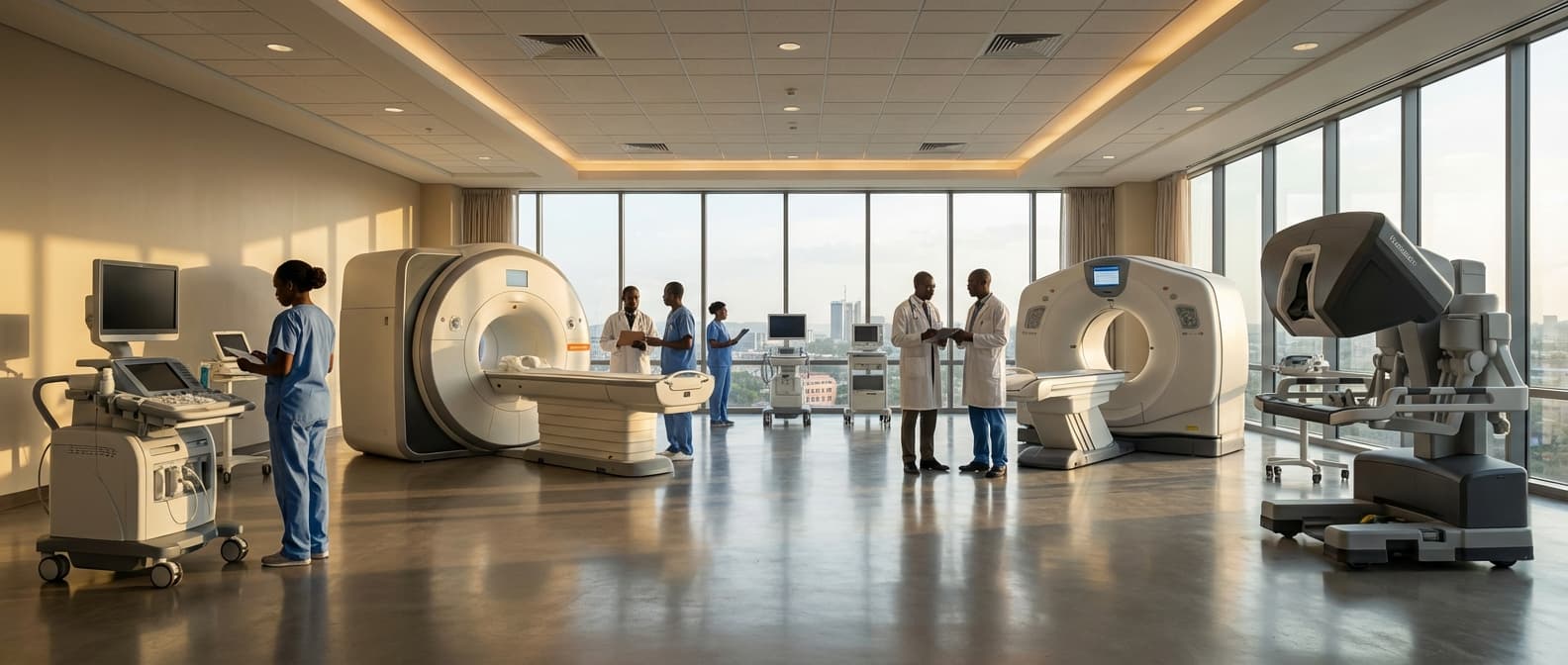
Renal Solutions in Morocco
Engineering Excellence & Technical Support
Complete dialysis systems and renal care equipment designed to deliver safe, effective, and patient-centered kidney treatment. High-standard technical execution following OEM protocols and local regulatory frameworks.
Advanced Dialysis Technology
Renal Solutions Morocco is at the forefront of dialysis innovation, offering state-of-the-art hemodialysis machines and advanced water purification systems. Our technology ensures optimal patient outcomes, minimized treatment times, and enhanced patient comfort, meeting the highest international standards for renal care.
Comprehensive Peritoneal Dialysis Solutions
We provide a complete range of peritoneal dialysis (PD) products and support services, empowering patients to manage their treatment at home. Our offerings include a variety of PD solutions, automated cycler devices, and dedicated training programs for patients and caregivers, promoting independence and improved quality of life.
Integrated Renal Care Ecosystem
Renal Solutions Morocco champions an integrated approach to renal care. Beyond supplying cutting-edge equipment, we offer comprehensive training for healthcare professionals, robust after-sales support, and a commitment to advancing renal health awareness and accessibility across Morocco. We partner with clinicians to build sustainable, high-quality renal care programs.
What Is Renal Solutions In Morocco?
Renal Solutions in Morocco refers to a comprehensive suite of services and products designed to address the diagnosis, treatment, management, and support of individuals suffering from kidney-related diseases and conditions within the Moroccan healthcare landscape. This encompasses a spectrum of medical interventions, technological advancements, and patient-centric care pathways aimed at improving renal health outcomes. The services are provided by a network of healthcare professionals, specialized clinics, hospitals, and manufacturers of medical equipment and pharmaceuticals.
| Who Needs Renal Solutions | Typical Use Cases | ||||||||||||||
|---|---|---|---|---|---|---|---|---|---|---|---|---|---|---|---|
| Patients diagnosed with Chronic Kidney Disease (CKD) across all stages, from early detection to end-stage renal disease (ESRD). | Monitoring disease progression, managing associated comorbidities (e.g., hypertension, diabetes), and initiating renal replacement therapy when indicated. | Individuals with Acute Kidney Injury (AKI) due to various etiologies (e.g., dehydration, nephrotoxic agents, sepsis). | Reversing kidney damage through fluid resuscitation, removal of offending agents, and temporary dialysis if necessary. | Patients with specific kidney diseases such as Glomerulonephritis, Polycystic Kidney Disease, and Interstitial Nephritis. | Targeted medical therapy, dialysis, or transplantation depending on the specific pathology and severity. | Individuals with electrolyte imbalances or fluid overload requiring urgent intervention. | Critical care management involving dialysis for rapid correction of deranged electrolytes and fluid status. | Patients requiring kidney transplantation as a definitive treatment for ESRD. | Pre-transplant workup, organ allocation, surgical procedure, and lifelong immunosuppressive therapy. | Patients on dialysis requiring regular treatment sessions and management of dialysis-related complications. | Routine hemodialysis or peritoneal dialysis sessions, management of vascular access, and treatment of anemia or bone disease. | Elderly individuals with age-related decline in renal function or pre-existing renal conditions. | Conservative management, nutritional support, and careful monitoring to preserve remaining renal function and quality of life. | Patients with a family history of kidney disease. | Proactive screening and early detection strategies to identify potential risk factors or nascent disease. |
Key Components of Renal Solutions in Morocco
- Diagnostic Services: Including laboratory tests (e.g., glomerular filtration rate estimation, urinalysis, serum creatinine, electrolytes), renal imaging (ultrasound, CT scan, MRI), and renal biopsy for accurate disease characterization.
- Medical Treatments: Pharmacological interventions for hypertension, diabetes mellitus, anemia of chronic kidney disease, and electrolyte imbalances, as well as immunosuppressive therapy for specific glomerulonephritides.
- Renal Replacement Therapies (RRT):
- Hemodialysis (HD): Both in-center and home hemodialysis options, utilizing advanced dialysis machines and biocompatible dialyzers.
- Peritoneal Dialysis (PD): Continuous Ambulatory Peritoneal Dialysis (CAPD) and Automated Peritoneal Dialysis (APD) for patients suitable for home-based therapy.
- Kidney Transplantation: Surgical implantation of a donor kidney, involving pre-transplant assessment, donor matching, surgical procedures, and post-transplant immunosuppression and follow-up.
- Management of Complications: Addressing secondary hyperparathyroidism, cardiovascular disease, bone mineral disorders, and malnutrition associated with chronic kidney disease.
- Patient Education and Support: Providing information on disease management, dietary modifications, medication adherence, and psychological support for patients and their families.
- Medical Equipment and Supplies: Procurement and maintenance of dialysis machines, water treatment systems, consumables (dialyzers, tubing, solutions), and specialized surgical instruments.
- Research and Development: Ongoing efforts to advance diagnostic techniques, therapeutic strategies, and understanding of renal pathologies within the Moroccan context.
Who Needs Renal Solutions In Morocco?
Renal solutions in Morocco are essential for a growing population facing a rising incidence of kidney-related diseases. These solutions encompass a range of services and products, from diagnostic tools and treatments to dialysis equipment and kidney transplant support. The demand for such specialized care is driven by factors including an aging population, increasing rates of diabetes and hypertension (major contributors to chronic kidney disease), and improved diagnostic capabilities. Understanding who requires these solutions and which departments are involved is crucial for healthcare providers, manufacturers, and policymakers.
| Department | Role in Renal Solutions | Key Personnel Involved |
|---|---|---|
| Nephrology Department | Diagnosis, medical management of kidney diseases, dialysis coordination, transplant referrals. | Nephrologists, Nephrology Nurses, Dialysis Technicians |
| Internal Medicine Department | Initial screening and management of conditions that can lead to kidney disease (e.g., diabetes, hypertension). Referral to nephrology. | General Internists, Endocrinologists, Cardiologists |
| Urology Department | Surgical aspects of kidney disease, kidney stone management, management of urinary tract obstructions, kidney transplantation. | Urologists, Urological Nurses |
| Anesthesiology and Critical Care Department | Management of critically ill patients requiring renal replacement therapy (e.g., ICU patients with acute kidney injury). | Intensivists, Anesthesiologists |
| Radiology Department | Diagnostic imaging for kidney assessment (e.g., ultrasound, CT scans, MRI). | Radiologists, Radiographers |
| Pathology Department | Biopsies and laboratory analysis of kidney tissue. | Pathologists, Laboratory Technicians |
| Transplant Surgery Department | Performing kidney transplant surgeries. | Transplant Surgeons, Surgical Nurses |
| Pharmacy Department | Dispensing and managing medications for kidney patients, including immunosuppressants. | Pharmacists |
| Laboratory Services | Blood and urine analysis for kidney function markers. | Medical Technologists |
| Primary Healthcare Centers | Early detection and referral of patients with potential kidney issues. | General Practitioners, Nurses |
Target Customers for Renal Solutions in Morocco
- Patients with Chronic Kidney Disease (CKD)
- Patients with End-Stage Renal Disease (ESRD)
- Patients requiring acute renal support (e.g., due to severe infections, trauma, or certain medications)
- Patients undergoing kidney transplantation (pre- and post-operative care)
- Individuals at high risk for kidney disease (e.g., those with diabetes, hypertension, family history of kidney disease)
- Pediatric patients with congenital or acquired kidney conditions
Renal Solutions Process In Morocco
The renal solutions process in Morocco, encompassing services from initial patient inquiry to final treatment execution, follows a structured workflow. This process is designed to ensure efficient diagnosis, appropriate treatment planning, and seamless delivery of care for individuals requiring renal interventions, such as dialysis or kidney transplantation. The workflow typically involves several key stages, each with specific actors and actions to facilitate the patient's journey through the healthcare system.
| Stage | Description | Key Actors | Key Actions |
|---|---|---|---|
| Inquiry & Initial Assessment | The process begins when a patient or referring physician contacts a healthcare provider or facility for renal-related concerns. This involves understanding the patient's symptoms, medical history, and initial needs. | Patient, Family, Referring Physician, Receptionist/Administrative Staff | Patient inquiry, appointment scheduling, initial information gathering, medical history collection. |
| Medical Evaluation & Diagnosis | A comprehensive medical evaluation is conducted by nephrologists to determine the underlying cause and severity of the renal condition. This stage includes diagnostic tests. | Nephrologist, Urologist, Radiologist, Laboratory Technicians | Physical examination, blood tests (creatinine, urea, electrolytes), urine tests, imaging studies (ultrasound, CT scan, MRI), kidney biopsy (if necessary), diagnosis of kidney disease (e.g., CKD, AKI, ESRD). |
| Treatment Planning & Selection | Based on the diagnosis, the medical team develops a personalized treatment plan. This involves discussing various options with the patient, considering their overall health, lifestyle, and preferences. | Nephrologist, Patient, Family, Dietitian, Social Worker | Discussion of treatment options (dialysis types: hemodialysis, peritoneal dialysis; kidney transplantation), patient education, informed consent, pre-transplant evaluation (if applicable), referral to transplant centers. |
| Preparation & Pre-treatment | Before initiating treatment, patients undergo necessary preparations. This can include vascular access creation for dialysis or comprehensive pre-operative assessments for transplantation. | Surgeon (vascular or transplant), Nurses, Anesthesiologist, Patient | Vascular access creation (fistula, graft, catheter), peritoneal catheter insertion, pre-transplant workup (tissue typing, immunological screening), patient education on self-care and emergency procedures. |
| Treatment Execution | This is the core stage where the chosen renal solution is actively administered. This involves regular dialysis sessions or the kidney transplant procedure itself. | Nurses, Nephrologist, Dialysis Technicians, Transplant Surgeons, Anesthesiologists | Hemodialysis sessions, peritoneal dialysis exchanges, kidney transplant surgery, administration of immunosuppressive therapy (post-transplant). |
| Post-treatment Monitoring & Follow-up | After treatment, continuous monitoring and regular follow-up are crucial to assess treatment efficacy, manage complications, and ensure long-term patient well-being. | Nephrologist, Nurses, Dietitian, Pharmacist, Patient | Regular check-ups, monitoring of vital signs and lab parameters, management of side effects, medication adjustments, nutritional counseling, psychological support, adherence to follow-up schedules. |
Renal Solutions Process Workflow
- Inquiry & Initial Assessment
- Medical Evaluation & Diagnosis
- Treatment Planning & Selection
- Preparation & Pre-treatment
- Treatment Execution
- Post-treatment Monitoring & Follow-up
Renal Solutions Cost In Morocco
The cost of renal solutions in Morocco can vary significantly based on several factors. These factors include the type of renal solution required (e.g., for hemodialysis or peritoneal dialysis), the brand and manufacturer, the volume of the solution, and the specific clinic or hospital where the treatment is administered. Generally, patients will find a range of pricing structures, often influenced by government subsidies, private insurance coverage, and the cost of imported materials. It's important for patients to consult with their healthcare providers and the relevant medical facilities to obtain accurate and personalized cost estimates.
| Renal Solution Type | Estimated Price Range (MAD) |
|---|---|
| Hemodialysis Solution (e.g., Bicarbonate concentrate, Dialysate bags) | 50 - 250 MAD per session/bag (This is a broad estimate and can vary greatly) |
| Peritoneal Dialysis Solution (e.g., Glucose-based solutions, 2-liter bags) | 150 - 400 MAD per bag (Daily use makes this a significant ongoing cost) |
Key Factors Influencing Renal Solution Costs in Morocco
- Type of Renal Solution (Hemodialysis vs. Peritoneal Dialysis)
- Brand and Manufacturer
- Volume/Concentration of the Solution
- Healthcare Facility (Public Hospital vs. Private Clinic)
- Insurance Coverage and Subsidies
- Importation Costs of Raw Materials
- Geographic Location within Morocco
Affordable Renal Solutions Options
Exploring affordable renal solutions involves understanding value bundles and implementing smart cost-saving strategies. Value bundles often combine essential services and products at a reduced price compared to purchasing them individually. Cost-saving strategies focus on proactive management, preventative care, and efficient resource utilization within renal treatment plans. This approach aims to make managing kidney disease more financially accessible without compromising the quality of care.
| Value Bundle Component | Cost-Saving Strategy | Description |
|---|---|---|
| Integrated Dialysis Care Packages | Bundled Service Discounts | Includes dialysis treatments, related lab work, and potentially transportation at a reduced overall cost. |
| Medication Management Programs | Generic Prescription Savings | Offers discounted prices on generic versions of common renal medications, often with pharmacist consultations. |
| Nutritional Counseling Services | Preventative Care Focus | Bundles dietary guidance with regular check-ins to manage fluid and electrolyte balance, potentially reducing complications. |
| Remote Patient Monitoring Technology | Early Detection and Intervention | Combines devices for monitoring blood pressure, weight, and other vital signs with telehealth support to address issues before they become costly emergencies. |
| Coordinated Care Plans | Reduced Hospitalizations | Integrates services from nephrologists, dietitians, and social workers to create a holistic plan that aims to minimize ER visits and hospital stays. |
| Patient Education and Support Groups | Empowerment and Adherence | Provides resources and peer support that can improve patient understanding and adherence to treatment, leading to better outcomes and lower long-term costs. |
Key Components of Affordable Renal Solutions
- Understanding Value-Based Healthcare Models
- Leveraging Insurance Coverage Effectively
- Exploring Generic vs. Brand-Name Medications
- Utilizing Patient Assistance Programs
- Adopting Healthy Lifestyle Choices for Prevention and Management
- Participating in Chronic Care Management Programs
- Considering Telehealth and Remote Monitoring Options
Verified Providers In Morocco
When seeking healthcare services in Morocco, the assurance of verified providers is paramount. Franance Health stands out by offering access to a network of credentialed and rigorously vetted medical professionals. This commitment to verification ensures that patients receive care from qualified individuals who adhere to high standards of practice, making Franance Health the optimal choice for your healthcare needs.
| Provider Type | Franance Health Verification Standards | Benefits for Patients |
|---|---|---|
| General Practitioners | Valid medical license, proof of continuous professional development, patient feedback review. | Access to reliable primary care, early diagnosis, and ongoing health management. |
| Specialists (e.g., Cardiologists, Dermatologists) | Specialty board certification, peer review endorsements, hospital affiliation verification. | Expert diagnosis and treatment for complex medical conditions. |
| Surgeons | Surgical board certification, hospital privileges, track record of successful procedures. | Confidence in receiving safe and effective surgical interventions. |
| Dentists | Dental degree and license, specialization certifications (if applicable), ethical practice adherence. | Quality dental care for oral health and cosmetic procedures. |
| Pharmacists | Pharmacy degree and license, adherence to medication dispensing regulations. | Safe and accurate dispensing of prescribed medications. |
Why Franance Health is Your Best Choice:
- Rigorous Credentialing Process: Franance Health meticulously verifies the qualifications, licenses, and professional backgrounds of all its healthcare providers.
- Commitment to Quality Care: By partnering with only the best, Franance Health ensures you receive competent and ethical medical treatment.
- Peace of Mind: Knowing you are in the hands of a verified professional allows for a more relaxed and confident healthcare experience.
- Access to Expertise: Our network includes specialists across various medical disciplines, ensuring you can find the right care for any condition.
- Streamlined Healthcare Journey: We simplify the process of finding and booking appointments with trusted Moroccan healthcare professionals.
Scope Of Work For Renal Solutions
This Scope of Work (SOW) outlines the technical deliverables and standard specifications for the Renal Solutions project. The objective is to develop and implement a comprehensive software solution to manage patient data, treatment schedules, and operational workflows for renal dialysis centers. The solution will prioritize data security, compliance with healthcare regulations (e.g., HIPAA), and user-friendliness for both medical staff and administrators. Key features will include patient profile management, appointment scheduling, treatment tracking, medication administration, inventory management, and reporting capabilities. The project will follow an agile development methodology, with regular sprints and stakeholder feedback incorporated throughout the lifecycle. The standard specifications will define the technical architecture, programming languages, database requirements, security protocols, and deployment environment to ensure a robust, scalable, and maintainable system.
| Deliverable | Description | Technical Specifications/Standards | Acceptance Criteria |
|---|---|---|---|
| Core Application Development | Development of the main software application encompassing all core modules. | Programming Language: Java / Python Framework: Spring Boot / Django Database: PostgreSQL API Design: RESTful APIs Version Control: Git (GitLab/GitHub) | Functional modules meet defined requirements. Code passes unit and integration tests. Deployment to staging environment is successful. |
| Database Design & Implementation | Creation and implementation of the relational database schema to store all project data. | Schema Design: Normalized relational model Data Types: Standard SQL types Indexing: Optimized for read/write performance Backup & Recovery: Defined RPO/RTO strategy | Database schema accurately reflects data requirements. Data integrity is maintained. Backup and recovery procedures are tested. |
| User Interface (UI) & User Experience (UX) Design | Development of an intuitive and user-friendly interface for all user roles. | Frontend Framework: React / Angular Design System: Material Design / Ant Design Responsiveness: Across desktop, tablet, and mobile devices | UI elements are consistent and functional. User workflows are efficient. Usability testing is successfully completed. |
| Security Implementation | Ensuring robust security measures are in place to protect sensitive patient data. | Authentication: OAuth 2.0 / JWT Authorization: Role-based access control (RBAC) Encryption: TLS/SSL for data in transit, AES-256 for data at rest Auditing: Comprehensive logging of all user actions | All security protocols are implemented as specified. Penetration testing reports are satisfactory. Compliance with HIPAA/GDPR requirements is verified. |
| Deployment & Infrastructure Setup | Setting up the necessary infrastructure and deploying the application to a production environment. | Cloud Provider: AWS / Azure / GCP Containerization: Docker Orchestration: Kubernetes CI/CD Pipeline: Jenkins / GitLab CI / GitHub Actions | Application is successfully deployed to the production environment. Performance metrics meet defined SLAs. Monitoring and alerting are in place. |
| Testing & Quality Assurance | Comprehensive testing of the application to ensure functionality, performance, and security. | Testing Types: Unit, Integration, System, User Acceptance Testing (UAT), Performance, Security Testing Test Management Tool: Jira / TestRail Automated Testing Framework: Selenium / Cypress | All critical and high-priority defects are resolved. UAT sign-off is obtained. Performance benchmarks are met. |
| Documentation | Creation of comprehensive technical and user documentation. | Technical Documentation: API documentation, architecture diagrams, code comments User Manuals: For different user roles Deployment Guides: For IT operations | All required documentation is delivered and reviewed. Documentation is accurate and up-to-date. |
Key Project Components
- Patient Management Module
- Treatment Scheduling & Tracking
- Medication Administration System
- Inventory & Supplies Management
- Reporting & Analytics Dashboard
- User Authentication & Authorization
- Audit Trail & Logging
Service Level Agreement For Renal Solutions
This Service Level Agreement (SLA) outlines the guaranteed response times and uptime for the services provided by Renal Solutions. It is designed to ensure consistent and reliable service delivery to our clients.
| Service Tier/Type | Uptime Guarantee | Critical Issue Response Time | High Priority Issue Response Time | Medium Priority Issue Response Time | Low Priority Issue Response Time |
|---|---|---|---|---|---|
| Core Renal Management Software (Cloud-based) | 99.9% | 1 Hour | 4 Hours | 8 Business Hours | 16 Business Hours |
| Patient Data Portal | 99.8% | 1 Hour | 4 Hours | 8 Business Hours | 16 Business Hours |
| On-Premise Software Support | N/A (Uptime depends on client's infrastructure) | 4 Hours | 8 Business Hours | 16 Business Hours | 24 Business Hours |
| Hardware Support (if applicable) | N/A (Uptime depends on hardware performance) | 4 Business Hours (for remote diagnosis) | 8 Business Hours (for remote diagnosis) | 16 Business Hours (for remote diagnosis) | 24 Business Hours (for remote diagnosis) |
Definitions
- Service: Refers to the specific software, hardware, or managed service provided by Renal Solutions.
- Downtime: Any period during which the Service is unavailable to the Client, excluding Scheduled Maintenance.
- Scheduled Maintenance: Pre-announced periods where the Service may be unavailable for updates, upgrades, or repairs. Clients will be notified at least 7 days in advance.
- Response Time: The maximum time within which Renal Solutions will acknowledge and begin working on a reported issue or request.
- Resolution Time: The target time within which Renal Solutions will aim to resolve a reported issue. Actual resolution times may vary depending on the complexity of the issue.
- Uptime: The percentage of time the Service is available and operational.
Frequently Asked Questions

Ready when you are
Let's scope your Renal Solutions in Morocco project in Morocco.

Scaling healthcare logistics and technical systems across the entire continent.