
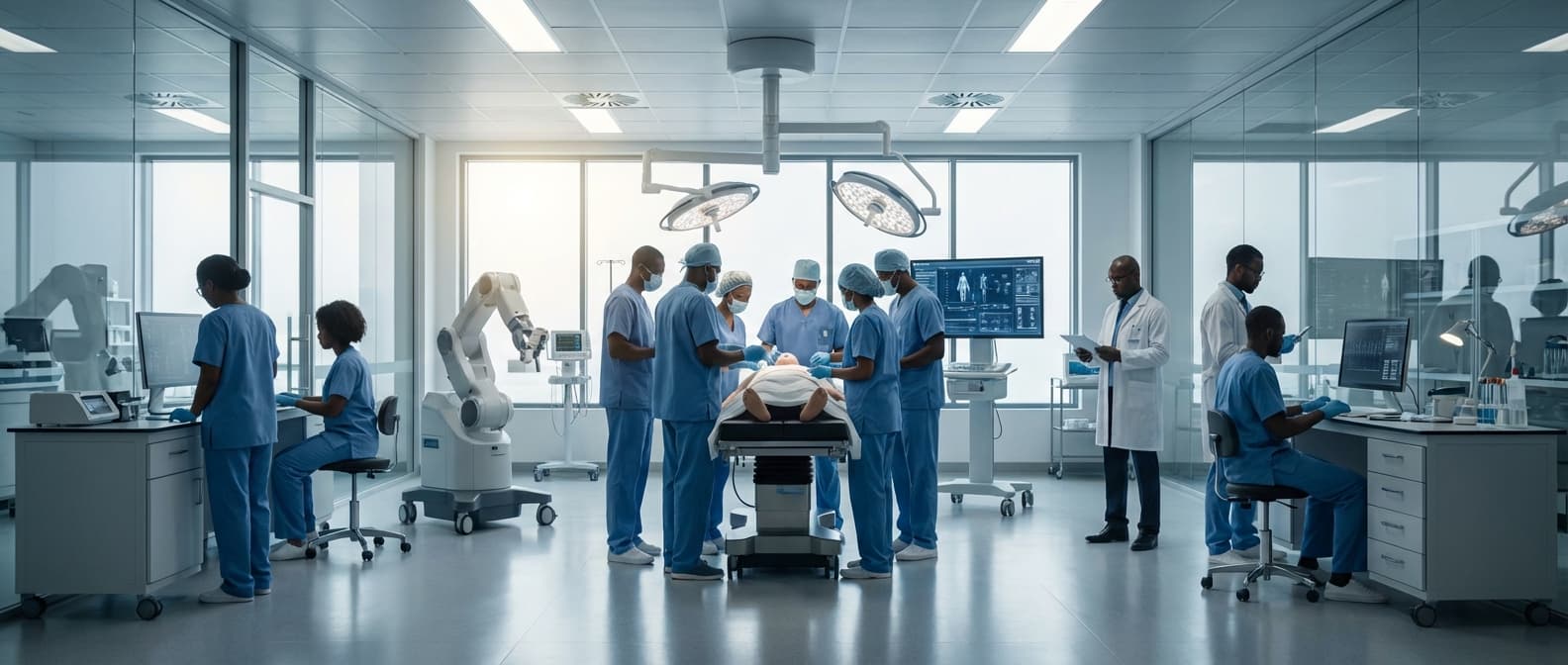
Calibration & Electrical Safety Testing in Morocco
Engineering Excellence & Technical Support
Equipment calibration and IEC safety testing High-standard technical execution following OEM protocols and local regulatory frameworks.
Accurate Calibration for Optimal Performance
Ensuring your electrical equipment operates with utmost precision and reliability through our meticulous calibration services, adhering to Moroccan and international standards.
Comprehensive Electrical Safety Assurance
Safeguarding your workforce and assets with thorough electrical safety testing, identifying and mitigating potential hazards in accordance with regulatory requirements in Morocco.
Certified Expertise in Moroccan Regulations
Our highly trained and certified technicians possess in-depth knowledge of Moroccan electrical safety standards and calibration protocols, providing trusted and compliant services.
What Is Calibration & Electrical Safety Testing In Morocco?
Calibration and electrical safety testing are critical metrological and compliance services essential for ensuring the accuracy, reliability, and safe operation of electrical equipment and instruments. In Morocco, these services are governed by national standards and international best practices, aiming to protect users, prevent equipment damage, and maintain product quality. Calibration involves the comparison of a measuring instrument or device against a known, traceable standard to determine and document its accuracy and any deviations. This process quantifies the uncertainty of the measurements and allows for adjustments or identification of performance degradation. Electrical safety testing, also known as electrical compliance testing or product safety testing, verifies that electrical equipment meets established safety standards to prevent hazards such as electric shock, fire, and electromagnetic interference (EMI). This typically involves rigorous testing of insulation, grounding, current leakage, dielectric strength, and component integrity. Both services are vital for regulatory compliance, quality assurance, and risk management within various industrial and commercial sectors operating in Morocco.
| Service Component | Description | Purpose |
|---|---|---|
| Calibration | Process of comparing a measurement instrument against a known reference standard to determine its accuracy and establish a calibration record. | Ensures measurement accuracy, maintains instrument reliability, supports quality control, and fulfills regulatory requirements. |
| Electrical Safety Testing | Systematic evaluation of electrical equipment to verify compliance with safety standards and identify potential hazards. | Prevents electric shock, fire, and EMI; ensures user safety; protects equipment; and grants market access (e.g., CE marking). |
| Accreditation | Recognition by a competent authority (e.g., Moroccan accreditation body) that a laboratory or service provider meets specific technical and quality requirements. | Validates the competence and impartiality of the testing and calibration provider. |
| Certification | Formal attestation by a recognized body that a product or service conforms to specific standards. | Demonstrates compliance and trustworthiness to customers, regulators, and end-users. |
Key Aspects of Calibration & Electrical Safety Testing in Morocco
- Traceable Standards: Calibration relies on national or international primary and secondary standards with documented traceability.
- Measurement Uncertainty: Quantification and reporting of measurement uncertainty are integral to calibration reports.
- Functional Testing: Electrical safety testing includes verifying the correct operation of safety features like overcurrent protection and insulation monitoring.
- Compliance Documentation: Both services generate reports essential for regulatory submissions, certifications, and internal quality management systems.
- Risk Mitigation: Proactive identification and correction of deviations and safety non-conformities reduce operational risks.
- Equipment Lifespan: Regular calibration can help identify potential issues early, extending equipment lifespan and preventing catastrophic failures.
- International Harmonization: Testing often aligns with international standards (e.g., IEC, ISO) to facilitate trade and market access.
Who Needs Calibration & Electrical Safety Testing In Morocco?
Regular calibration and electrical safety testing are crucial for businesses and institutions operating in Morocco to ensure the accuracy of their instruments, the reliability of their equipment, and the safety of their personnel and the public. These services are not a luxury but a necessity for maintaining operational integrity, complying with regulations, and preventing costly failures or accidents. The need spans across a wide range of sectors, each with specific requirements and regulatory frameworks. Identifying the right customers and departments within these sectors is key for service providers to tailor their offerings and marketing efforts effectively.
| Industry/Sector | Key Departments Requiring Calibration | Key Departments Requiring Electrical Safety Testing | Specific Needs & Benefits |
|---|---|---|---|
| Healthcare | Biomedical Engineering, Laboratory Services, Imaging Departments, Anesthesiology | Operating Rooms, Intensive Care Units, Patient Wards, Diagnostic Imaging Equipment, Medical Device Maintenance | Ensures accurate patient diagnosis and treatment, prevents medical errors, patient safety, compliance with health regulations (e.g., Ministry of Health standards). |
| Industrial Manufacturing | Quality Control, Production, R&D, Process Engineering, Metrology Labs | Production Lines, Assembly Areas, Electrical Control Rooms, Machinery Maintenance, Forklifts/Material Handling Equipment | Maintains product quality and consistency, optimizes production efficiency, prevents equipment downtime, workplace safety, compliance with industry standards (e.g., ISO). |
| Research & Development | Scientific Labs, Testing Facilities, Metrology Departments | Experimental Setups, Electrical Equipment in Labs, Power Supplies, High-Voltage Equipment | Ensures research data accuracy and reproducibility, safety of researchers, protection of sensitive equipment. |
| Energy | Operations, Maintenance, Grid Management, Metering, Testing Labs | Power Generation Equipment, Substation Equipment, Transmission Lines, Control Systems, Emergency Power Systems | Ensures reliable power supply, prevents grid failures, safety of personnel, compliance with energy sector regulations. |
| Telecommunications | Network Operations, Field Maintenance, Equipment Testing, R&D | Base Stations, Data Centers, Network Infrastructure, Test Equipment, Power Supply Units | Ensures network performance and reliability, data integrity, safety of technicians and infrastructure. |
| Construction & Infrastructure | Project Management, Site Supervision, Material Testing Labs | Site Power Distribution, Cranes, Welding Equipment, Temporary Electrical Installations, Building Management Systems | Ensures project safety, prevents electrical hazards on site, compliance with construction safety regulations. |
| Automotive | Quality Assurance, Production, R&D, After-Sales Service | Assembly Lines, Testing Rigs, Diagnostic Equipment, Charging Stations (for EVs) | Ensures vehicle quality and safety, efficient production, compliance with automotive standards. |
| Aviation & Aerospace | Aircraft Maintenance (MRO), Quality Control, Ground Support Equipment | Aircraft Electrical Systems, Ground Power Units, Maintenance Tools, Hangar Electricals | Ensures flight safety, operational reliability, compliance with aviation regulations (e.g., EASA, DGAC). |
| Government & Public Services | Public Works, Utilities Management, Defense Procurement | Water Treatment Plants, Wastewater Management Facilities, Public Buildings, Defense Equipment | Ensures public safety and service continuity, efficient resource management, compliance with public sector standards. |
| Educational Institutions | Science Departments, Engineering Faculties, Technical Workshops, IT Departments | Lab Equipment, Workshop Machinery, Computer Labs, Electrical Installations | Ensures student safety, accurate experimental results, proper functioning of educational facilities. |
Target Customers and Departments Requiring Calibration & Electrical Safety Testing in Morocco
- Healthcare Sector: Hospitals, clinics, diagnostic laboratories, and medical device manufacturers.
- Industrial Manufacturing: Automotive, aerospace, food and beverage, pharmaceuticals, textiles, and chemical industries.
- Research and Development: Universities, research institutions, and private R&D centers.
- Energy Sector: Power generation plants (thermal, hydro, solar, wind), transmission and distribution networks, and oil and gas exploration/refining.
- Telecommunications: Mobile network operators, internet service providers, and equipment manufacturers.
- Construction and Infrastructure: Project management firms, civil engineering companies, and building maintenance services.
- Automotive Sector: Vehicle manufacturing plants, repair workshops, and testing facilities.
- Aviation and Aerospace: Airlines, airports, aircraft maintenance, repair, and overhaul (MRO) facilities.
- Government and Public Services: Public utilities, environmental agencies, and defense organizations.
- Educational Institutions: Universities, vocational training centers, and high schools with science and technical labs.
Calibration & Electrical Safety Testing Process In Morocco
The calibration and electrical safety testing process in Morocco involves a structured workflow designed to ensure compliance with national regulations and international standards. This process typically begins with an inquiry from a client, progresses through detailed planning and execution, and culminates in the issuance of certificates and follow-up actions. The specific steps and documentation may vary slightly depending on the type of equipment being tested and the testing body accredited by the Moroccan authorities, such as the Moroccan Agency for Standardization (AMNOR) or other authorized calibration laboratories.
| Stage | Description | Key Activities | Responsible Parties | Deliverables | Notes/Considerations |
|---|---|---|---|---|---|
| Inquiry & Quotation | Initial contact from the client requesting calibration and/or electrical safety testing services. | Client submits equipment details (type, model, serial number, current calibration status). Testing body provides preliminary information and requests detailed specifications. Testing body generates a formal quotation outlining scope, cost, and estimated timelines. | Client, Testing Body | Quotation, Service Agreement (initial) | Clarity on equipment types and quantities is crucial for accurate quoting. Understanding client's specific compliance requirements (e.g., specific standards). |
| Information Gathering & Planning | Detailed assessment of the client's needs and the specific testing requirements. | Client provides all relevant documentation (manuals, previous test reports). Testing body reviews documentation and identifies applicable Moroccan and international standards (e.g., IEC, EN, NM). | Client, Testing Body | Technical Data Sheets, Standard Identification | Compliance with Moroccan regulations (e.g., related to health and safety in the workplace) is paramount. |
| Scheduling & Logistics | Arranging the practical execution of the testing services. | Client and testing body agree on testing dates and times. Planning for on-site access, personnel, and any required downtime. Coordination of equipment transportation if testing is to be conducted at the testing body's facility. | Client, Testing Body | Test Schedule, Logistics Plan | Consideration of client's operational schedules to minimize disruption. |
| Pre-Testing Preparations | Ensuring the equipment and testing environment are ready for accurate measurements. | Visual inspection of equipment for damage or obvious faults. Verification of power sources and environmental conditions (temperature, humidity). | Testing Body | Pre-Test Checklist | Adherence to safety protocols before initiating any electrical connections. |
| On-Site or In-Lab Testing Execution | The actual process of performing calibration and electrical safety tests. | Calibration: Performing adjustments and verifications against traceable standards. Electrical Safety Testing: Conducting tests such as insulation resistance, earth continuity, leakage current, and dielectric strength. Recording all test parameters and results accurately. | Testing Body | Raw Test Data, Test Logs | Use of calibrated and certified testing equipment. Strict adherence to testing procedures. |
| Data Analysis & Report Generation | Interpreting test results and compiling them into a formal report. | Analyzing collected data against acceptance criteria. Identifying any deviations or failures. Generating a comprehensive test report including equipment details, test methods, results, and conclusions. | Testing Body | Draft Test Report | Reports should clearly indicate whether the equipment passed or failed the tests. |
| Certification & Documentation | Formalizing the test results and providing official documentation to the client. | Issuing a calibration certificate with traceability to national/international standards. Issuing an electrical safety test certificate (often valid for a specified period). Providing a copy of the final test report. | Testing Body | Calibration Certificate, Electrical Safety Certificate, Final Test Report | Certificates must be issued by accredited bodies and include all required information as per Moroccan regulations. |
| Post-Testing Follow-up & Re-testing | Addressing any issues identified during testing and planning for future compliance. | Client addresses any identified failures or necessary repairs. Scheduling of re-tests if required. Reminder for scheduled re-calibration or re-testing to maintain compliance. | Client, Testing Body | Re-test Schedule (if applicable), Maintenance Recommendations | Regular calibration and safety testing are essential for continued operational safety and product quality. |
Calibration & Electrical Safety Testing Workflow in Morocco
- Inquiry & Quotation
- Information Gathering & Planning
- Scheduling & Logistics
- Pre-Testing Preparations
- On-Site or In-Lab Testing Execution
- Data Analysis & Report Generation
- Certification & Documentation
- Post-Testing Follow-up & Re-testing
Calibration & Electrical Safety Testing Cost In Morocco
Calibration and electrical safety testing are crucial for ensuring the accuracy, reliability, and safe operation of electrical equipment in Morocco. The costs associated with these services can vary significantly based on several factors. Understanding these factors will help businesses and individuals in Morocco budget effectively for these essential services. The pricing generally reflects the complexity of the equipment being tested, the scope of the calibration or safety checks required, the location of the service provider, and the accreditations held by the testing laboratory.
| Service Type | Typical Price Range (MAD) | Notes |
|---|---|---|
| Basic Electrical Safety Test (PAT Testing) - Single Item | 50 - 150 | Covers portable appliances like power tools, kettles, computers. Price per item can decrease with bulk testing. |
| Electrical Safety Testing - Small Batch (e.g., 10-20 items) | 500 - 1,500 | Cost-effective for offices or workshops with a moderate number of devices. |
| Electrical Safety Testing - Large Batch (e.g., 50+ items) | 2,000 - 8,000+ | Price often negotiated based on volume and complexity. May include on-site services. |
| Basic Calibration - Simple Instrument (e.g., Multimeter, Torque Wrench) | 150 - 400 | Covers standard calibration checks and issuance of a certificate. |
| Standard Calibration - Moderate Instrument (e.g., Pressure Gauge, Thermometer) | 300 - 800 | Includes verification of multiple points and accuracy checks. |
| Advanced Calibration - Complex Equipment (e.g., Oscilloscope, Industrial Sensor) | 700 - 3,000+ | Requires specialized equipment and expertise. Price highly variable. |
| On-site Service Call (Minimum Fee) | 300 - 800 | Covers travel and initial setup for on-site calibration or testing. May be waived if significant work is performed. |
| Issuance of Accredited Calibration Certificate (Separate Fee) | 50 - 200 | Sometimes charged in addition to the calibration service itself, especially for highly accredited labs. |
Key Pricing Factors for Calibration & Electrical Safety Testing in Morocco:
- Type and Complexity of Equipment: More sophisticated or specialized equipment (e.g., medical devices, industrial automation systems) will naturally incur higher calibration and testing costs than simpler instruments (e.g., basic multimeters, power tools). The number of parameters to be calibrated or safety features to be checked also plays a role.
- Scope of Service: A basic electrical safety check might be less expensive than a full calibration that involves verifying multiple points across the equipment's range. Clients can often opt for different levels of service based on their needs.
- Accreditation and Certification: Laboratories or technicians holding recognized accreditations (e.g., ISO 17025 for calibration) often charge more due to the rigorous standards they adhere to and the credibility they offer. This is particularly important for industries with strict regulatory requirements.
- Location and Logistics: Testing performed on-site at the client's premises may involve additional charges for travel, setup, and potential downtime of operations. Conversely, bringing equipment to a laboratory might be more cost-effective if the equipment is portable.
- Frequency of Testing: Some services offer discounted rates for bulk testing or for clients who commit to regular calibration and safety checks over a period.
- Urgency of Service: Express or rush services, where testing is required on a tight deadline, will typically command a premium fee.
- Reputation and Experience of Provider: Established and reputable service providers with a proven track record may charge higher prices, reflecting their expertise and reliability. However, it's important to balance cost with quality and ensure the provider meets necessary standards.
- Consumables and Parts: In some cases, minor repairs or replacement of small parts during safety testing might add to the overall cost.
Affordable Calibration & Electrical Safety Testing Options
Maintaining accurate calibration and ensuring electrical safety are crucial for any business, impacting product quality, operational efficiency, and regulatory compliance. While these services are essential, they can represent a significant operational cost. This guide explores affordable calibration and electrical safety testing options, focusing on value bundles and cost-saving strategies to help you manage your budget effectively.
| Value Bundle Option | Description | Potential Savings |
|---|---|---|
| Comprehensive Instrument Calibration | Calibration of a wide range of your laboratory or production instruments (e.g., multimeters, oscilloscopes, temperature probes, pressure gauges) within a single service agreement. | 10-20% reduction on individual service costs |
| Electrical Safety Testing Package | Includes testing of medical devices, industrial equipment, and portable appliances for compliance with relevant safety standards (e.g., IEC 60601, AS/NZS 3760). | 15-25% reduction on individual test costs |
| Mixed Service Bundle (Calibration & Safety) | A combination of selected instrument calibrations and required electrical safety testing, ideal for businesses with both production and potentially regulated equipment. | Varies, typically 10-20% depending on the mix |
| Annual Maintenance & Calibration Contract | An all-inclusive annual contract covering scheduled calibration, preventative maintenance, and priority emergency service for a defined set of equipment. | Up to 30% reduction in annual testing costs, plus reduced downtime |
| Equipment Type Specific Bundles | Bundles tailored to specific industries or equipment types, such as "Medical Device Calibration & Safety" or "Industrial Power Tool Safety & Calibration". | Customizable discounts based on industry needs |
Key Cost-Saving Strategies
- Bulk Discounts & Annual Contracts: Negotiate lower per-unit costs by committing to a higher volume of testing or an annual service agreement. This provides predictable budgeting and can secure preferred pricing.
- Bundled Service Packages: Combine calibration of multiple instruments or a mix of calibration and safety testing into a single service order. This often comes with a reduced overall price compared to individual services.
- Off-Peak Scheduling: Inquire about discounts for scheduling testing during non-peak hours or seasons when service providers may have more availability.
- In-House Training & Basic Checks: Empower your internal team to perform routine, non-critical checks and maintenance. This reduces the frequency of external calibration for simpler instruments.
- Strategic Instrument Selection: Choose instruments with longer calibration intervals or those that are inherently more stable and require less frequent adjustment. Consider the total cost of ownership, not just the initial purchase price.
- Utilize Manufacturer Calibration: For certain instruments, manufacturer calibration may offer specialized expertise and competitive pricing, especially for newer or proprietary equipment.
- Consolidate Vendors: Reduce administrative overhead and leverage your purchasing power by consolidating your calibration and testing needs with a few trusted, versatile service providers.
- Online Booking & Digital Records: Opt for providers offering online booking platforms and digital record-keeping. This can streamline the process and potentially reduce associated administrative fees.
- Remote Calibration Options: Explore if any of your instruments can be calibrated remotely, which can reduce travel costs for the service provider and, consequently, for you.
- Preventative Maintenance Programs: Invest in preventative maintenance. Well-maintained equipment often requires less frequent and less costly calibration adjustments.
Verified Providers In Morocco
In the competitive landscape of healthcare, identifying reliable and high-quality providers is paramount. For those seeking medical services in Morocco, understanding the significance of verified providers and the exceptional credentials offered by Franance Health is crucial. Verified providers undergo rigorous vetting processes to ensure they meet established standards for expertise, ethics, and patient care. Franance Health stands out in this regard, offering a comprehensive suite of services backed by a network of highly qualified and certified healthcare professionals. Their commitment to excellence translates into superior patient outcomes and a trusted healthcare experience.
| Credential Category | Franance Health Assurance |
|---|---|
| Medical Licenses & Certifications | All providers hold valid national and international licenses and specialized certifications. |
| Professional Experience | Minimum years of practice and proven track record in specific medical disciplines. |
| Hospital Affiliations | Partnerships with accredited and reputable healthcare institutions in Morocco. |
| Patient Feedback & Reviews | Consistent positive patient feedback and adherence to ethical patient care standards. |
| Specialized Training | Ongoing participation in advanced training programs and conferences. |
Why Franance Health Represents the Best Choice for Verified Providers in Morocco:
- Rigorous Vetting Process: Franance Health meticulously vets all affiliated providers, ensuring adherence to strict quality, safety, and ethical guidelines.
- Exceptional Clinician Credentials: Their network comprises specialists with advanced degrees, international certifications, and extensive experience in their respective fields.
- Patient-Centric Approach: Franance Health prioritizes patient well-being, offering personalized care plans and ensuring clear communication throughout the medical journey.
- Comprehensive Service Offerings: From routine check-ups to complex surgical procedures, Franance Health provides access to a wide spectrum of medical specialties.
- Cutting-Edge Technology: Affiliated facilities are equipped with modern medical equipment and diagnostic tools, facilitating accurate diagnoses and effective treatments.
- Commitment to Continuous Improvement: Franance Health actively engages in ongoing professional development for its providers and stays abreast of the latest medical advancements.
Scope Of Work For Calibration & Electrical Safety Testing
This Scope of Work outlines the requirements for Calibration and Electrical Safety Testing of specified equipment. The objective is to ensure that all equipment meets established performance standards and safety regulations. This includes providing documented evidence of successful calibration and adherence to electrical safety requirements.
| Standard | Description | Applicability |
|---|---|---|
| ISO/IEC 17025 | General requirements for the competence of testing and calibration laboratories. | Ensures the technical competence and quality management system of the calibration provider. |
| ANSI/IEC 60601-1 | Medical electrical equipment - Part 1: General requirements for basic safety and essential performance. | Critical for electrical safety testing of medical devices. |
| NFPA 70E | Standard for Electrical Safety in the Workplace. | Addresses electrical safety practices and requirements for personnel working with electrical equipment. |
| Manufacturer's Specifications | Calibration and performance criteria as defined by the equipment manufacturer. | Baseline for ensuring equipment operates as intended. |
| ANSI/ASNT CP-105 | Recommended Practice No. SNT-TC-1A, Personnel Qualification and Certification in Nondestructive Testing (relevant for specific types of test equipment). | Applicable if the equipment being calibrated or tested is used for NDT. |
| Local Regulatory Standards | Any specific electrical safety or calibration regulations mandated by local authorities. | Ensures compliance with regional legal requirements. |
Technical Deliverables
- Calibration Certificates: For each calibrated instrument, a certificate detailing measurement results, uncertainties, and traceability to national/international standards.
- Electrical Safety Test Reports: For each tested piece of equipment, a report confirming compliance with relevant electrical safety standards, including specific test parameters and results.
- Calibration Stickers/Labels: Affixed to each calibrated instrument, indicating calibration date, due date, and unique identifier.
- As-Found and As-Left Data: Documentation of instrument readings before and after calibration.
- Corrective Action Reports (if applicable): Details of any adjustments or repairs performed during calibration.
- Inventory List: A comprehensive list of all equipment tested, including serial numbers, model numbers, and test/calibration status.
- Summary Report: An overall summary of the calibration and electrical safety testing activities, highlighting any discrepancies or critical findings.
Service Level Agreement For Calibration & Electrical Safety Testing
This Service Level Agreement (SLA) outlines the terms and conditions for calibration and electrical safety testing services provided by [Your Company Name] to [Client Company Name]. It details response times for critical issues and guarantees uptime for essential services related to these testing procedures.
| Service Component | Uptime Guarantee | Response Time (Critical Issue) | Resolution Time (Critical Issue) | Response Time (Non-Critical Issue) | Resolution Time (Non-Critical Issue) |
|---|---|---|---|---|---|
| Calibration Scheduling & Execution Portal | 99.5% | 4 Business Hours | 24 Business Hours | 8 Business Hours | 48 Business Hours |
| On-site Electrical Safety Testing Equipment Availability | 98.0% (during scheduled service windows) | 2 Business Hours (for equipment failure) | 8 Business Hours (for equipment failure) | N/A (on-site equipment is typically addressed immediately) | N/A |
| Data Reporting & Certification Access | 99.8% | 4 Business Hours | 12 Business Hours | 8 Business Hours | 24 Business Hours |
| Emergency Calibration/Testing Request (if applicable) | N/A (service is on-demand) | 1 Business Hour (acknowledgment) | 4 Business Hours (dispatch/initiation, subject to technician availability and location) |
Definitions
- Calibration: The process of comparing a measurement instrument to a known standard to detect and correct any inaccuracies.
- Electrical Safety Testing: The process of verifying that electrical equipment meets established safety standards to prevent hazards.
- Critical Issue: An event that renders the calibration or testing service entirely unavailable, preventing scheduled or emergency testing.
- Response Time: The maximum time allowed for [Your Company Name] to acknowledge and begin addressing a reported issue.
- Resolution Time: The maximum time allowed for [Your Company Name] to fully resolve a reported issue and restore normal service.
- Uptime Guarantee: The minimum percentage of time the calibration and electrical safety testing services are expected to be available and operational.
Frequently Asked Questions

Ready when you are
Let's scope your Calibration & Electrical Safety Testing in Morocco project in Morocco.

Scaling healthcare logistics and technical systems across the entire continent.