
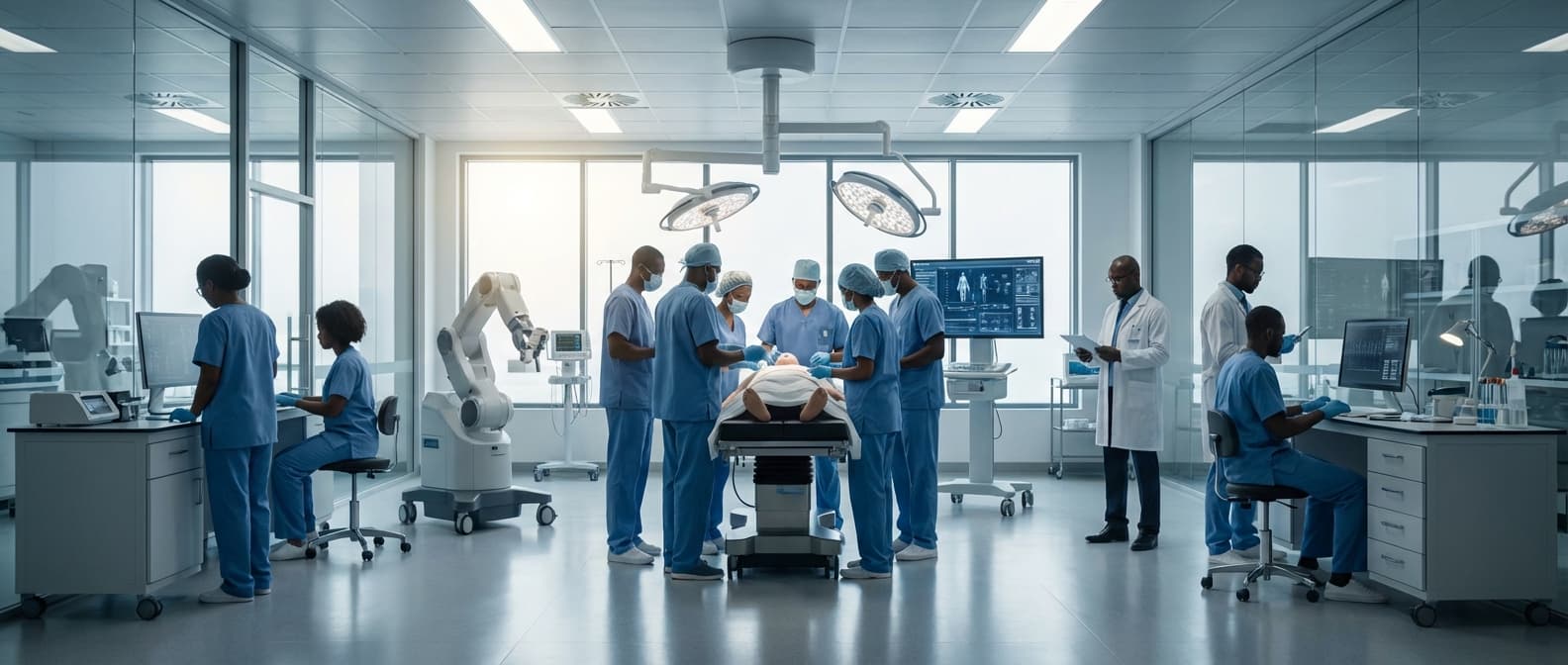
Managed Equipment Service (MES) in Mauritius
Engineering Excellence & Technical Support
Long‑term equipment provision with uptime SLAs and lifecycle management. High-standard technical execution following OEM protocols and local regulatory frameworks.
24/7 Proactive Equipment Monitoring
Our Managed Equipment Service (MES) in Mauritius employs cutting-edge IoT sensors and AI-driven analytics for round-the-clock, proactive monitoring of your critical machinery. This enables real-time anomaly detection and predictive maintenance, drastically reducing unplanned downtime and optimizing operational efficiency across your facility.
Data-Driven Performance Optimization
Leveraging a robust data analytics platform, MES provides actionable insights into equipment performance, energy consumption, and maintenance history. Our Mauritius-based team translates this data into strategic recommendations for enhancing throughput, reducing operational costs, and extending equipment lifespan, ensuring a significant ROI.
On-Demand Expert Technical Support
With MES in Mauritius, you gain access to a dedicated team of certified technicians ready to provide prompt and expert support. From remote diagnostics to on-site interventions, our service ensures minimal disruption to your operations, backed by rapid response times and a comprehensive inventory of spare parts for immediate repairs.
What Is Managed Equipment Service (Mes) In Mauritius?
Managed Equipment Service (MES) in Mauritius refers to a comprehensive, outsourced operational model for managing and maintaining specialized equipment within an organization. It involves a third-party provider taking responsibility for the procurement, installation, operation, maintenance, and eventual decommissioning of critical equipment, often on-site, to ensure optimal performance, availability, and cost-efficiency. This service is typically employed by organizations that rely heavily on complex machinery or infrastructure but lack the in-house expertise, resources, or desire to manage these assets directly. MES aims to transition the burden of equipment lifecycle management from the client to the service provider, allowing the client to focus on their core business competencies. The service is characterized by Service Level Agreements (SLAs) that define performance metrics, uptime guarantees, response times, and maintenance schedules.
| Who Needs MES? | Typical Use Cases |
|---|---|
| Organizations in sectors with high capital expenditure on specialized machinery and a need for continuous operational uptime (e.g., manufacturing, healthcare, telecommunications, logistics). | Healthcare: Management of imaging equipment (MRI, CT scanners), laboratory diagnostic instruments, and sterilization units. Manufacturing: Outsourcing the maintenance and operation of production lines, CNC machines, robotics, and specialized processing equipment. Telecommunications: Management of network infrastructure, base stations, and data center equipment. Logistics and Warehousing: Operation and maintenance of automated sorting systems, conveyors, automated guided vehicles (AGVs), and specialized lifting equipment. Energy Sector: Maintenance and operation of power generation equipment, renewable energy installations (solar farms, wind turbines), and grid infrastructure. Research and Development Facilities: Management of complex scientific instruments and laboratory apparatus. |
| Companies seeking to reduce operational overheads, capital expenditure, and the risks associated with equipment ownership and maintenance. | Enterprises aiming to improve equipment reliability and uptime, thereby enhancing productivity and service delivery. Businesses requiring access to specialized technical expertise and advanced diagnostic tools that may not be cost-effective to maintain internally. Organizations looking to offload the complexities of equipment procurement, installation, and integration. Entities focused on optimizing resource allocation and allowing in-house teams to concentrate on strategic business objectives rather than equipment management. |
Key Components of Managed Equipment Service (MES) in Mauritius
- Equipment Lifecycle Management: Encompasses the entire lifespan of the equipment, from initial assessment and selection through installation, operation, maintenance, upgrades, and end-of-life disposal or refurbishment.
- Proactive and Reactive Maintenance: Includes scheduled preventive maintenance, predictive maintenance utilizing sensor data and analytics, and rapid-response corrective maintenance to minimize downtime.
- Operational Support: May involve the provision of skilled personnel to operate the equipment, monitor performance, and manage day-to-day operations.
- Performance Monitoring and Optimization: Continuous tracking of equipment performance against defined KPIs, with ongoing efforts to optimize efficiency, reduce energy consumption, and extend asset life.
- Inventory Management: Management of spare parts, consumables, and necessary materials for equipment maintenance and operation.
- Technology Upgrades and Obsolescence Management: Planning for and executing equipment upgrades or replacements to align with technological advancements and avoid obsolescence.
- Risk Management and Compliance: Ensuring equipment operates in compliance with relevant industry standards, safety regulations, and environmental legislation.
- Reporting and Analytics: Providing regular reports on equipment performance, maintenance activities, costs, and recommendations for improvement.
Who Needs Managed Equipment Service (Mes) In Mauritius?
Managed Equipment Service (MES) offers a comprehensive solution for organizations in Mauritius looking to optimize their use of medical equipment. This service goes beyond simple maintenance, encompassing the entire lifecycle of medical devices, from procurement and installation to maintenance, upgrades, and eventual disposal. By outsourcing these complex and resource-intensive functions to a specialized MES provider, healthcare institutions can achieve significant operational efficiencies, cost savings, and improved patient care. The primary benefit lies in freeing up valuable internal resources and capital, allowing healthcare professionals to focus on their core mission of delivering quality medical services. MES providers leverage their expertise, economies of scale, and established vendor relationships to ensure that equipment is reliable, up-to-date, and cost-effective, ultimately contributing to a more robust and sustainable healthcare ecosystem in Mauritius.
| Target Customer Type | Key Departments Benefiting from MES | Specific Needs Addressed by MES |
|---|---|---|
| Public Hospitals | Radiology, Cardiology, Intensive Care Units (ICUs), Operating Theatres, Laboratory Services | Ensuring high uptime for critical life-saving equipment, managing large fleets of diverse devices, cost control for public funds, compliance with national healthcare standards. |
| Private Hospitals | All clinical departments, Biomedical Engineering Department, Procurement Department, Finance Department | Optimizing capital expenditure, access to latest technology, predictable operational costs, enhanced patient satisfaction through reliable equipment, reducing in-house technical staff burden. |
| Clinics and Diagnostic Centers | Imaging Departments (X-ray, Ultrasound, CT/MRI), Laboratory Services, Endoscopy Units | Cost-effective access to specialized equipment without large upfront investment, ensuring regulatory compliance for diagnostic tools, efficient workflow through well-maintained devices, service for a smaller but critical equipment inventory. |
| Specialized Medical Facilities | Specific clinical areas (e.g., Oncology for radiation therapy equipment, Ophthalmology for surgical microscopes) | Expertise in niche medical technology, ensuring cutting-edge equipment performance, specialized training for maintenance personnel, lifecycle management of high-value, specialized assets. |
| Government Health Agencies | Procurement and Asset Management, Public Health Planning | Strategic equipment planning and deployment across the public health network, data-driven insights for equipment utilization and replacement, ensuring equitable access to medical technology, national standardization of equipment and services. |
| Medical Universities and Research Institutions | Research Laboratories, Teaching Hospitals, Clinical Training Facilities | Access to state-of-the-art research equipment, ensuring equipment is available and calibrated for teaching and research purposes, managing complex research infrastructure, supporting innovation through advanced technological capabilities. |
Who Needs Managed Equipment Service (MES) in Mauritius?
- Hospitals (Public and Private)
- Clinics and Diagnostic Centers
- Specialized Medical Facilities (e.g., Radiology Centers, Cardiac Labs)
- Government Health Agencies
- Medical Universities and Research Institutions
Managed Equipment Service (Mes) Process In Mauritius
The Managed Equipment Service (MES) process in Mauritius is a structured approach to providing and maintaining specialized equipment for healthcare facilities. It involves a comprehensive workflow from initial inquiry to the final execution and ongoing management of the service. This ensures that healthcare providers have access to reliable, up-to-date, and well-maintained medical technology, allowing them to focus on patient care. The process typically involves several key stages, each with specific activities and stakeholders.
| Stage | Description | Key Activities | Stakeholders Involved | Outputs/Deliverables |
|---|---|---|---|---|
| Inquiry & Initial Assessment | The healthcare facility identifies a need for specific medical equipment or a comprehensive equipment management solution. | Facility expresses interest, defines equipment needs, budget considerations, and current challenges. MES provider conducts site visits and assesses infrastructure. | Healthcare Facility (Hospital Administration, Clinical Department Heads), Potential MES Provider. | Needs assessment report, preliminary understanding of requirements. |
| Proposal Development & Negotiation | The MES provider develops a tailored proposal based on the identified needs and conducts discussions with the facility. | MES provider designs a service package (equipment selection, maintenance plan, staffing, etc.), presents a detailed proposal, and negotiates terms, pricing, and service level agreements (SLAs). | MES Provider (Sales, Technical, Financial Teams), Healthcare Facility (Procurement, Finance, Clinical Teams). | Detailed MES proposal, revised SLAs, negotiated financial terms. |
| Contracting & Agreement | Formalizing the terms of the MES agreement between the healthcare facility and the MES provider. | Drafting, reviewing, and signing the Master Service Agreement (MSA) and any related annexes, outlining responsibilities, payment schedules, performance metrics, and contract duration. | Legal Teams (both parties), MES Provider Management, Healthcare Facility Management. | Signed MES Contract/Agreement. |
| Procurement & Installation | Acquiring and setting up the agreed-upon medical equipment. | MES provider sources, procures, and delivers equipment. Installation, calibration, and initial testing are performed by qualified technicians. | MES Provider (Procurement, Logistics, Technical Teams), Equipment Manufacturers/Suppliers, Healthcare Facility (IT, Biomedical Engineering). | Installed and functional medical equipment. |
| Training & Commissioning | Ensuring that healthcare staff are proficient in using the new equipment and that it is fully operational. | Comprehensive training sessions for clinical and technical staff. Final commissioning and handover of equipment after successful testing and verification. | MES Provider (Training Specialists, Technical Staff), Healthcare Facility (Clinical Staff, Biomedical Engineers, IT). | Trained personnel, commissioning report, operational equipment. |
| Operational Management & Maintenance | The ongoing management, maintenance, and support of the medical equipment throughout the contract period. | Preventive maintenance, corrective repairs, equipment calibration, parts management, inventory control, and 24/7 technical support. Regular equipment updates or replacements as per agreement. | MES Provider (Field Service Engineers, Technical Support, Management), Healthcare Facility (Clinical Staff, Biomedical Engineering). | Service reports, maintenance logs, equipment uptime data, operational continuity. |
| Performance Monitoring & Review | Regular evaluation of the MES performance against agreed-upon metrics and SLAs. | Data collection on equipment uptime, response times, maintenance costs, patient safety incidents related to equipment. Periodic performance review meetings with the healthcare facility. | MES Provider (Account Management, Quality Assurance), Healthcare Facility (Management, Clinical Leads). | Performance reports, review meeting minutes, corrective action plans (if needed). |
| End-of-Life Management & Replacement | Managing the decommissioning and replacement of equipment at the end of its lifecycle. | Planning for equipment replacement based on age, obsolescence, and technological advancements. Decommissioning and disposal of old equipment according to regulations. Initiating the cycle for new equipment procurement. | MES Provider (Asset Management, Procurement), Healthcare Facility (Management, Clinical Departments), Regulatory Bodies (for disposal). | Decommissioned equipment, replacement equipment plan, updated asset register. |
Managed Equipment Service (MES) Workflow in Mauritius
- Inquiry & Initial Assessment
- Proposal Development & Negotiation
- Contracting & Agreement
- Procurement & Installation
- Training & Commissioning
- Operational Management & Maintenance
- Performance Monitoring & Review
- End-of-Life Management & Replacement
Managed Equipment Service (Mes) Cost In Mauritius
Managed Equipment Service (MES) in Mauritius offers a comprehensive solution for organizations to outsource the management of their IT hardware. This includes procurement, installation, maintenance, upgrades, and eventual disposal of equipment. The cost of MES in Mauritius is influenced by a variety of factors, leading to a broad range of pricing. Understanding these factors is crucial for businesses to budget effectively and negotiate favorable contracts.
| Equipment Type / Service Level | Estimated Monthly Cost Range (MUR) | Notes |
|---|---|---|
| Basic Desktop/Laptop Management (Standard SLA) | 1,500 - 4,000 per device | Covers basic maintenance, break-fix support, and remote troubleshooting. |
| Advanced Desktop/Laptop Management (High SLA) | 3,000 - 7,000 per device | Includes proactive monitoring, regular patching, cybersecurity support, and faster on-site response. |
| Server & Network Infrastructure Management (Mid-Tier SLA) | 15,000 - 50,000 per month (package) | Depends on the number and complexity of servers and network devices. Covers monitoring, patching, backups, and incident response. |
| Server & Network Infrastructure Management (High-Tier SLA) | 40,000 - 150,000+ per month (package) | For mission-critical systems requiring 24/7 monitoring, rapid incident resolution, and dedicated support teams. |
| Printer Management (per device) | 500 - 2,000 per device | Includes toner management, routine maintenance, and repair. Varies by printer type and usage. |
| Managed IT Infrastructure (Comprehensive Package) | 50,000 - 300,000+ per month | A holistic approach covering desktops, servers, networking, and potentially cloud services. Highly dependent on the scale and complexity of the IT environment. |
| Consultation & Assessment (One-time) | 10,000 - 50,000 | For initial analysis and proposal development. May be absorbed into the MES contract. |
Key Pricing Factors for MES in Mauritius
- Scope of Services: The breadth and depth of services included in the MES contract significantly impact cost. Basic support with reactive maintenance will be cheaper than proactive monitoring, cybersecurity integration, and end-user support.
- Equipment Type and Volume: The nature of the equipment (e.g., servers, desktops, laptops, printers, network devices, specialized machinery) and the total number of units managed are primary cost drivers. High-end or specialized equipment generally incurs higher maintenance and support costs.
- Service Level Agreements (SLAs): The criticality of uptime and response times defined in SLAs directly affects pricing. More stringent SLAs, such as guaranteed rapid response and minimal downtime, will command higher fees.
- Contract Duration: Longer-term contracts often come with discounted rates as providers gain predictability and can achieve economies of scale.
- Provider Expertise and Reputation: Established MES providers with a proven track record, skilled technicians, and robust infrastructure may charge a premium for their reliability and quality of service.
- Technology Refresh Cycles: The frequency of planned hardware upgrades and replacements will influence the overall MES cost. More frequent upgrades will lead to higher upfront and ongoing costs.
- Geographic Location within Mauritius: While less of a significant factor than others, localized support for remote or harder-to-reach areas might incur slightly higher logistical costs.
- Additional Services: Value-added services such as asset management, software licensing management, or data migration will add to the overall cost.
- Customization: Bespoke solutions tailored to specific business needs, rather than off-the-shelf packages, can lead to higher pricing.
Affordable Managed Equipment Service (Mes) Options
Managed Equipment Service (MES) offers a comprehensive solution for organizations to outsource the management, maintenance, and support of their critical equipment. This allows businesses to focus on their core operations while ensuring their technology infrastructure remains efficient, up-to-date, and cost-effective. Affordable MES options are crucial for businesses of all sizes, particularly small and medium-sized enterprises (SMEs), looking to leverage advanced technology without significant upfront capital expenditure. Key to achieving affordability are value bundles and strategic cost-saving approaches.
| Value Bundle Component | Description | Cost-Saving Strategy |
|---|---|---|
| Hardware Leasing/Subscription | Instead of purchasing equipment outright, clients lease or subscribe to hardware, spreading costs over time. | Avoids large upfront CapEx, allows for technology refresh cycles, and includes maintenance. |
| Proactive Maintenance & Monitoring | Regular scheduled maintenance, remote monitoring, and predictive analytics to prevent breakdowns. | Minimizes costly emergency repairs and reduces unexpected downtime. |
| On-Demand Technical Support | Access to skilled technicians for troubleshooting, repairs, and general assistance. | Reduces the need for in-house specialized IT staff and ensures rapid issue resolution. |
| Software Updates & Patch Management | Ensures all software is up-to-date with the latest security patches and features. | Improves security posture and prevents vulnerabilities that could lead to costly breaches or downtime. |
| Consolidated Service Agreements | Bundling multiple services under a single contract, often with volume discounts. | Streamlines vendor management, simplifies billing, and can lead to better pricing. |
| Asset Lifecycle Management | Strategic planning for equipment acquisition, deployment, maintenance, and eventual decommissioning/replacement. | Optimizes equipment utilization and ensures timely upgrades, preventing obsolescence and associated costs. |
| Managed Print Services (MPS) Integration | Bundling printing devices and their management (toner, maintenance, supplies) into the MES. | Reduces per-page costs, optimizes print infrastructure, and eliminates surprise supply expenses. |
Key Components of Affordable MES
- Predictable operating expenses (OpEx) instead of large capital expenditures (CapEx).
- Access to the latest technology and expert support without internal IT burdens.
- Reduced downtime and improved equipment lifespan through proactive maintenance.
- Scalability to adapt to changing business needs.
- Enhanced security and compliance.
Verified Providers In Mauritius
In Mauritius, ensuring access to quality healthcare is paramount. When seeking medical assistance, it's crucial to partner with verified providers who possess strong credentials and a commitment to patient well-being. Franance Health stands out as a leading choice, offering a comprehensive network of trusted medical professionals and facilities. Their rigorous vetting process and dedication to excellence make them a reliable partner in your healthcare journey.
| Provider Type | Key Credentials Checked by Franance Health | Benefits of Choosing Franance Health Verified Providers |
|---|---|---|
| General Practitioners | Medical License, Board Certification, Continuous Professional Development (CPD) | Access to reliable primary care, early diagnosis and treatment, referrals to specialists. |
| Specialists (e.g., Cardiologists, Dermatologists, Orthopedists) | Specialty Board Certification, Fellowship Training, Years of Practice in Speciality | Expertise in specific medical fields, advanced diagnostic capabilities, tailored treatment plans. |
| Hospitals and Clinics | Accreditation (e.g., ISO, Joint Commission International - where applicable), Regulatory Compliance, Quality Assurance Protocols | Safe and equipped medical environments, adherence to hygiene standards, comprehensive services. |
| Diagnostic Laboratories | Accreditation of laboratory practices, qualified technicians, quality control measures | Accurate and timely diagnostic results, reliable interpretation of tests. |
| Dental Professionals | Dental Degree, Licensing, Specializations (e.g., Orthodontics, Periodontics) | Comprehensive oral healthcare, preventative and restorative treatments. |
Why Franance Health is Your Best Choice for Verified Providers:
- Rigorous Credential Verification: Franance Health employs a stringent verification process for all its partner providers, ensuring they meet and exceed industry standards for qualifications, licenses, and experience.
- Commitment to Quality: They prioritize partnering with healthcare professionals and institutions renowned for their exceptional patient care, ethical practices, and advanced medical expertise.
- Comprehensive Network: Franance Health offers access to a diverse range of specialists and facilities across Mauritius, catering to a wide spectrum of medical needs.
- Patient-Centric Approach: Their focus is on delivering a seamless and supportive healthcare experience for patients, from initial consultation to treatment and follow-up.
- Transparency and Trust: Franance Health operates with a high degree of transparency, providing clear information about their providers and services, fostering trust and confidence among their clientele.
- Innovation and Modern Medicine: They are dedicated to staying abreast of the latest advancements in medical technology and treatments, ensuring their network offers cutting-edge solutions.
Scope Of Work For Managed Equipment Service (Mes)
This document outlines the Scope of Work (SoW) for a Managed Equipment Service (MES) contract, detailing the technical deliverables expected from the service provider and the standard specifications for these deliverables. The MES aims to ensure the optimal performance, availability, and lifecycle management of specified medical equipment within the client's healthcare facilities.
| Deliverable | Description | Standard Specification / Key Performance Indicators (KPIs) |
|---|---|---|
| Equipment Inventory and Asset Management | Establish and maintain a comprehensive, up-to-date inventory of all managed equipment, including serial numbers, model numbers, purchase dates, warranty status, location, and maintenance history. | Inventory Accuracy: >= 99%. Updated within 2 business days of equipment acquisition or transfer. Regular audits (e.g., annual). |
| Preventive Maintenance (PM) Program | Develop and execute a proactive PM schedule for all managed equipment based on manufacturer recommendations and best practices. | PM Completion Rate: >= 95% of scheduled PMs completed on time. Documentation of all PM activities and findings. |
| Corrective Maintenance (CM) and Repair Services | Provide timely and effective repair services for equipment failures, minimizing downtime. | Response Time (Critical Equipment): <= 2 hours. Response Time (Non-Critical Equipment): <= 4 hours. Repair Resolution Rate: >= 90% within agreed SLAs. Mean Time To Repair (MTTR): To be defined per equipment category. |
| Calibration and Performance Verification | Perform regular calibration and performance verification to ensure equipment accuracy and reliability. | Calibration Frequency: As per manufacturer guidelines and regulatory requirements. Calibration Accuracy: Within manufacturer's specified tolerances. Documentation of all calibration activities. |
| Decommissioning and Disposal Services | Manage the safe and compliant decommissioning and disposal of end-of-life equipment. | Disposal in accordance with environmental regulations. Provide certificates of disposal. Data sanitization of all equipment storing patient data. |
| Equipment Upgrades and Replacements | Provide recommendations and manage the process for equipment upgrades and replacements based on technological advancements, performance degradation, or strategic needs. | Timely recommendations for lifecycle management. Seamless integration of new equipment. Minimizing disruption during transition. |
| Training for Clinical and Technical Staff | Deliver comprehensive training to clinical staff on the proper use and basic troubleshooting of equipment, and to technical staff on advanced maintenance and repair. | Training conducted as per agreed schedule. Post-training competency assessment. Availability of training materials. |
| Reporting and Performance Monitoring | Provide regular reports on equipment status, maintenance activities, costs, and performance against agreed KPIs. | Monthly/Quarterly performance reports. Dashboards for real-time monitoring of key metrics (e.g., uptime, PM completion). Availability of ad-hoc reports upon request. |
| Spare Parts Management | Maintain an adequate stock of critical spare parts to ensure prompt repairs and minimize downtime. | Availability of critical spare parts: >= 98%. Inventory turnover rate optimization. Regular review of parts consumption. |
| Consumables Management (if applicable) | Manage the procurement, stocking, and distribution of specified consumables required for equipment operation. | Consumables availability: >= 95%. Inventory accuracy. Cost-effective procurement strategies. |
| Safety and Regulatory Compliance Assurance | Ensure all managed equipment is maintained in compliance with relevant safety standards and regulatory requirements (e.g., FDA, local health authorities). | Zero major non-compliance findings during regulatory audits. Documentation of all compliance-related activities. Proactive identification and mitigation of risks. |
| Remote Monitoring and Diagnostics (if applicable) | Implement and utilize remote monitoring tools to track equipment performance, predict failures, and enable remote troubleshooting. | Uptime of monitoring system: >= 99.9%. Reduction in response times due to remote diagnostics. Number of issues identified proactively. |
Key Technical Deliverables
- Equipment Inventory and Asset Management
- Preventive Maintenance (PM) Program
- Corrective Maintenance (CM) and Repair Services
- Calibration and Performance Verification
- Decommissioning and Disposal Services
- Equipment Upgrades and Replacements
- Training for Clinical and Technical Staff
- Reporting and Performance Monitoring
- Spare Parts Management
- Consumables Management (if applicable)
- Safety and Regulatory Compliance Assurance
- Remote Monitoring and Diagnostics (if applicable)
Service Level Agreement For Managed Equipment Service (Mes)
This Service Level Agreement (SLA) outlines the performance commitments for the Managed Equipment Service (MES) provided by [Your Company Name] to [Client Company Name]. It specifies response times for reported issues and uptime guarantees for critical equipment, ensuring the continuous and efficient operation of the client's systems.
| Equipment Type | Issue Severity | Response Time Target (Business Hours) | Resolution Time Target (Business Hours) | Uptime Guarantee (Monthly) |
|---|---|---|---|---|
| Critical Equipment | High (System Down/Major Impact) | 1 Hour | 4 Hours | 99.9% |
| Critical Equipment | Medium (Partial Impact/Degradation) | 2 Hours | 8 Business Hours | 99.9% |
| Critical Equipment | Low (Minor Issue/Inquiry) | 4 Business Hours | 2 Business Days | 99.9% |
| Standard Equipment | All Severities | 4 Business Hours | 2 Business Days | N/A (Best Effort Support) |
Key Definitions
- Managed Equipment Service (MES): The comprehensive service provided by [Your Company Name] for the installation, maintenance, monitoring, and support of specified equipment at the client's premises.
- Critical Equipment: Equipment designated as essential for the core business operations of [Client Company Name]. A definitive list of Critical Equipment is attached as Appendix A.
- Standard Equipment: Equipment not designated as Critical Equipment.
- Service Request: Any documented notification from the client to [Your Company Name] regarding an issue, malfunction, or inquiry related to the MES.
- Response Time: The maximum time allowed for [Your Company Name] to acknowledge and begin working on a Service Request after it has been received and logged.
- Resolution Time: The maximum time allowed for [Your Company Name] to fully resolve a Service Request and restore the affected equipment to its operational state. This may be an initial target and further updates provided.
- Uptime: The percentage of time that Critical Equipment is available and functioning as intended, excluding scheduled maintenance.
- Scheduled Maintenance: Planned downtime for routine maintenance, upgrades, or system checks, agreed upon in advance by both parties.
- Unscheduled Downtime: Any period where Critical Equipment is unavailable due to unforeseen issues or failures.
- Business Hours: The hours during which [Your Company Name] provides primary support, typically Monday to Friday, 9:00 AM to 5:00 PM [Client's Time Zone], excluding public holidays.
Frequently Asked Questions

Ready when you are
Let's scope your Managed Equipment Service (MES) in Mauritius project in Mauritius.

Scaling healthcare logistics and technical systems across the entire continent.