
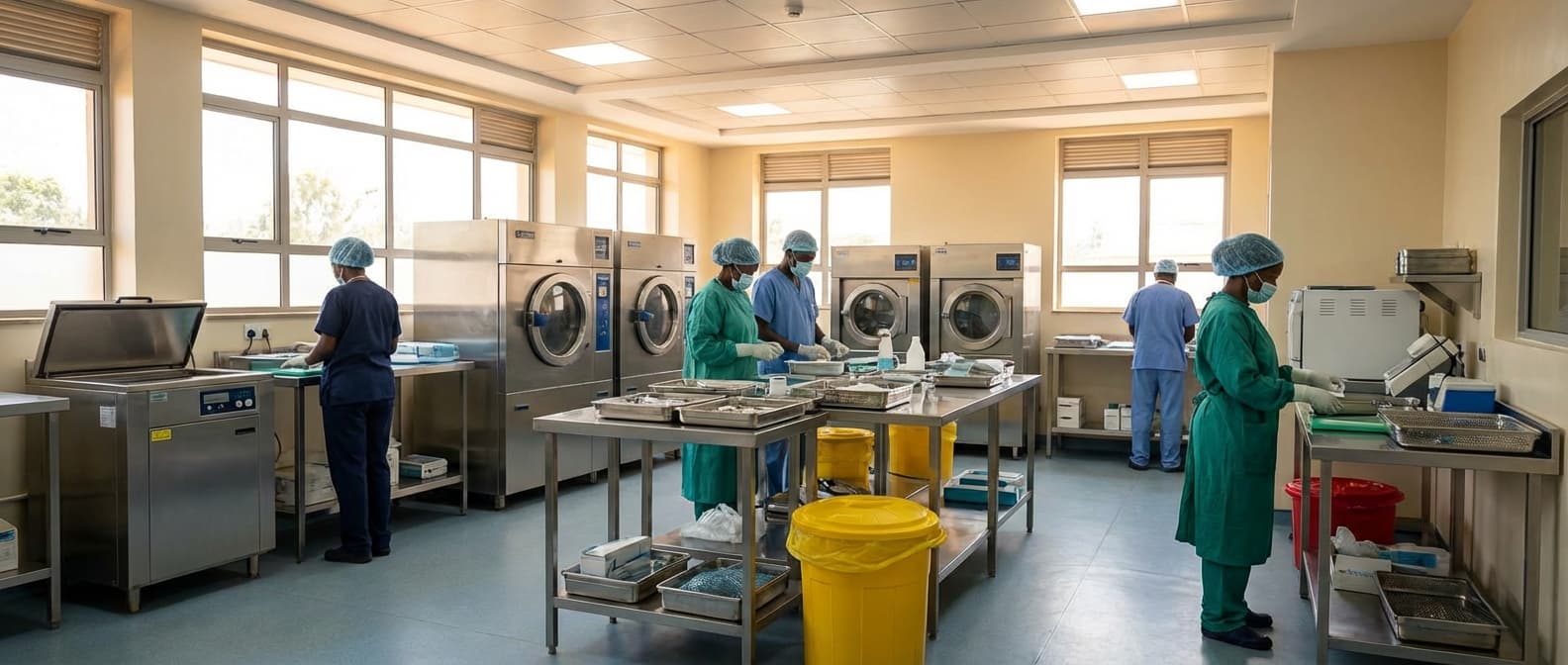
Medical Equipment Decontamination Service (Pre-Repair/Pre-Relocation) in Mauritania
Engineering Excellence & Technical Support
Medical Equipment Decontamination Service (Pre-Repair/Pre-Relocation) High-standard technical execution following OEM protocols and local regulatory frameworks.
Pre-Repair Decontamination & Sterilization
Ensures all medical equipment is thoroughly decontaminated and sterilized prior to repair. This meticulous process eliminates biohazardous materials, safeguarding technicians and preventing cross-contamination during the repair cycle, vital for maintaining patient safety and operational integrity in Mauritanian healthcare facilities.
Pre-Relocation Bio-Hazard Mitigation
Provides comprehensive bio-decontamination services for medical equipment slated for relocation within or between Mauritanian healthcare sites. Our advanced protocols guarantee that no infectious agents are transported, complying with health regulations and ensuring a safe transition for both personnel and the receiving environment.
Advanced Bio-Burden Reduction & Validation
Utilizes cutting-edge decontamination techniques and rigorous validation methods to significantly reduce bio-burden on critical medical devices before repair or relocation. This technical focus minimizes infection risks and upholds the highest standards of hygiene and safety for Mauritania's healthcare infrastructure.
What Is Medical Equipment Decontamination Service (Pre-repair/pre-relocation) In Mauritania?
Medical Equipment Decontamination Service (Pre-Repair/Pre-Relocation) in Mauritania refers to the systematic process of rendering medical devices safe for handling, repair, or relocation by eliminating or reducing biological and chemical contaminants to acceptable levels. This service is crucial for mitigating risks associated with biohazards, chemical exposures, and the potential for cross-contamination during non-operational phases of the equipment's lifecycle.
| Target Audience | Rationale for Service | Typical Use Cases |
|---|---|---|
| Hospitals and Healthcare Facilities (Public and Private) | Ensures the safety of biomedical technicians, third-party repair personnel, and relocation teams. Prevents the spread of healthcare-associated infections (HAIs) to new environments. Compliance with regulatory standards for equipment handling. | Equipment undergoing scheduled maintenance or repair by in-house or external service providers. Equipment being moved between departments, wards, or facilities. Equipment being decommissioned or sent for disposal. |
| Medical Equipment Manufacturers and Distributors (Service Departments) | Protects their service engineers and logistics personnel from occupational hazards. Maintains product integrity and prevents damage during transit. Fulfills warranty or service agreement obligations. | Equipment returned to the manufacturer for repair or refurbishment. Equipment being shipped to a new customer or a different service center. Demo units being prepared for transport. |
| Government Health Agencies and Ministries of Health | Facilitates the management and maintenance of national medical equipment inventories. Ensures public health safety in the distribution and relocation of medical assets. Supports disaster preparedness and response by enabling the safe transfer of functional equipment. | Transfer of surplus equipment between public health institutions. Redeployment of equipment during public health emergencies or infrastructure changes. Management of donated medical equipment. |
| Third-Party Biomedical Engineering and Service Companies | Mitigates liability for their technicians. Ensures adherence to safety protocols and industry best practices. Provides a critical service that enhances their value proposition to clients. | On-site repairs requiring the dismantling of potentially contaminated equipment. Off-site repair of devices with known or suspected bioburden. Relocation of equipment from a facility undergoing renovation or closure. |
Service Components
- Pre-Cleaning/Gross Contaminant Removal: Initial removal of visible soil, blood, bodily fluids, and other gross contaminants using approved cleaning agents and methods.
- Disinfection/Sterilization: Application of validated chemical disinfectants or sterilization processes to eliminate or inactivate microorganisms, including bacteria, viruses, fungi, and spores. The level of decontamination (high-level disinfection vs. sterilization) is determined by the equipment's intended use and the nature of potential contaminants.
- Chemical Neutralization/Removal: For equipment potentially exposed to hazardous chemicals, specific neutralization or removal procedures are employed to render the device safe.
- Drying: Thorough drying to prevent microbial regrowth and facilitate further handling or packaging.
- Packaging and Labeling: Secure packaging of decontaminated equipment to maintain integrity and prevent recontamination during transport. Clear labeling indicating the decontamination status is essential.
- Documentation: Comprehensive record-keeping of the decontamination process, including methods used, chemicals applied, dates, personnel involved, and any validation results.
Who Needs Medical Equipment Decontamination Service (Pre-repair/pre-relocation) In Mauritania?
Medical equipment decontamination services are essential for ensuring the safety and functionality of medical devices before they undergo repair or relocation in Mauritania. This specialized cleaning process removes biological contaminants, chemical residues, and other potentially hazardous materials, mitigating risks of cross-contamination, equipment damage, and exposure to personnel. Target customers for these services are diverse, encompassing any entity that handles medical equipment in Mauritania and requires it to be in a sterile and safe state for subsequent handling.
| Customer Type | Relevant Departments | Specific Needs/Reasons for Decontamination |
|---|---|---|
| Hospitals and Clinics | Sterilization Departments (CSSD), Biomedical Engineering, Operating Rooms, Emergency Departments, Inpatient Wards, Outpatient Clinics | Equipment needing repair by external technicians, equipment being moved between departments for specialized services, equipment returning from loan or rental. |
| Diagnostic Laboratories | Central Laboratory, Specific Testing Units (e.g., Microbiology, Hematology) | Equipment sent for calibration or repair, shared analytical instruments being relocated or serviced. |
| Surgical Centers | Sterilization Departments, Operating Rooms, Post-Anesthesia Care Units (PACU) | Surgical instruments and specialized equipment requiring repair, equipment being moved for maintenance or upgrades. |
| Medical Equipment Manufacturers/Distributors | Service and Repair Departments, Logistics and Warehousing | Returned equipment for repair/refurbishment, equipment being redistributed after initial use or loan, demo units. |
| EMS/Ambulance Providers | Fleet Maintenance, Equipment Management | Ambulance-mounted equipment requiring repair or regular maintenance, equipment being transferred between vehicles or stations. |
| Research Institutions | Laboratories, Animal Facilities, Clinical Trials Units | Specialized research equipment requiring repair or relocation, equipment used in shared research projects. |
Target Customers for Medical Equipment Decontamination Service (Pre-Repair/Pre-Relocation) in Mauritania
- Hospitals and Clinics (Public and Private)
- Diagnostic Laboratories and Testing Centers
- Surgical Centers and Operating Theaters
- Dental Practices and Orthodontic Clinics
- Emergency Medical Services (EMS) and Ambulance Providers
- Medical Equipment Manufacturers and Distributors (for returns or redistribution)
- Research Institutions and Universities with Medical Departments
- Non-Governmental Organizations (NGOs) involved in healthcare provision
- Government Health Ministries and their subordinate facilities
- Rehabilitation Centers and Physiotherapy Clinics
- Veterinary Clinics and Animal Hospitals (for shared or specialized equipment)
Medical Equipment Decontamination Service (Pre-repair/pre-relocation) Process In Mauritania
This document outlines the standardized workflow for Medical Equipment Decontamination Service (Pre-Repair/Pre-Relocation) in Mauritania. This service ensures that medical devices are safely decontaminated before undergoing repair or relocation, minimizing risks of cross-contamination and infection for technicians and subsequent users. The process is designed to be efficient, transparent, and compliant with relevant health and safety regulations in Mauritania.
| Step | Description | Responsible Party | Key Actions/Outputs | |
|---|---|---|---|---|
| The client contacts the DSP to request decontamination services for a medical device intended for repair or relocation. The DSP gathers preliminary information about the device type, its intended use, and the reason for decontamination. | Client, DSP | Service Request Form submission, Preliminary consultation, Device identification and basic hazard assessment. | |
| Based on the device's complexity and decontamination needs, the DSP provides a detailed quotation outlining the services, methodology, timeline, and costs. Upon agreement, a service contract is finalized. | DSP | Formal quotation, Service agreement/contract. | |
| The DSP schedules the decontamination service, coordinating with the client to determine the optimal time and location for service execution. This includes planning for equipment, consumables, and personnel. | DSP, Client | Service schedule confirmation, Site access arrangements, Resource allocation. | |
| Upon arrival at the client's facility, the DSP conducts a thorough inspection of the device. They classify the potential biohazards based on the device's history of use and the nature of the pending repair/relocation. | DSP | Detailed device inspection, Biohazard risk assessment and classification (e.g., low, medium, high risk). | Recommendations for specific decontamination agents and procedures. |
| The DSP employs approved decontamination agents and validated procedures (e.g., chemical disinfection, autoclaving, or specialized cleaning protocols) appropriate for the classified hazard level and the device's material composition. This is performed adhering to strict safety protocols. | DSP | Application of appropriate decontamination agents and methods, Surface cleaning and disinfection, Sterilization (if applicable). | Adherence to manufacturer's recommendations for device compatibility with decontamination agents. |
| Post-decontamination, the DSP may perform verification tests to ensure the effectiveness of the cleaning and disinfection process, depending on the criticality of the device and client requirements. | DSP | Visual inspection for cleanliness, Bioburden testing (if applicable), Indicator monitoring (for autoclaving). | Documentation of verification results. |
| A comprehensive report is generated detailing the decontamination process, including the agents used, duration, environmental conditions, and verification results. A decontamination certificate is issued to the client. | DSP | Decontamination Report, Decontamination Certificate. | Record keeping of all service activities. |
| The decontaminated medical equipment is officially handed over to the authorized repair technician or relocation team. The DSP ensures that proper handover procedures are followed and signed off by all parties. | DSP, Repair Technician/Relocation Team | Physical handover of the device, Signing of handover checklist. | Confirmation of safe handling protocols for the next phase. |
| The DSP may conduct a follow-up to ensure client satisfaction and address any immediate concerns, reinforcing the commitment to service quality. | DSP | Client satisfaction survey, Resolution of any outstanding queries. |
Key Stakeholders and Their Roles
- {"item":"Client (Healthcare Facility/Individual):"}
- {"item":"Decontamination Service Provider (DSP):"}
- {"item":"Repair Technician/Relocation Team:"}
- {"item":"Ministry of Health (MoH) Representatives (for oversight/audits if required):"}
Medical Equipment Decontamination Service (Pre-repair/pre-relocation) Cost In Mauritania
Providing accurate cost estimates for medical equipment decontamination services in Mauritania, specifically for pre-repair or pre-relocation, is complex due to several influencing factors. These services are crucial for ensuring the safety of technicians, the integrity of the equipment, and preventing the spread of biological hazards. The pricing typically reflects the labor involved, the specific decontamination agents used, the level of biohazard, and the logistical considerations within Mauritania. While a precise universal price list is unavailable, we can outline the key pricing factors and provide estimated ranges in the local currency, the Mauritanian Ouguiya (MRU).
| Equipment Category | Estimated Cost Range (MRU) | Notes |
|---|---|---|
| Small Equipment (e.g., Stethoscope, Blood Pressure Monitor, Thermometer) | 5,000 - 15,000 MRU | Basic cleaning and disinfection for non-critical devices. |
| Medium Equipment (e.g., ECG Machine, Portable Ultrasound, Infusion Pump) | 15,000 - 40,000 MRU | Involves more detailed cleaning of external surfaces and accessible internal components. |
| Large/Complex Equipment (e.g., Anesthesia Machine, Ventilator, Dialysis Machine) | 40,000 - 150,000+ MRU | Requires specialized handling, potentially disassembly, and advanced disinfection/sterilization techniques. |
| Imaging Equipment (e.g., X-ray Machine, Endoscope) | 50,000 - 200,000+ MRU | Can vary significantly based on complexity, internal components, and the need for sterile environments for certain parts. |
| High-Risk Contamination (Any Equipment) | Additional 20% - 50% surcharge | Applied for equipment with confirmed exposure to highly infectious agents (e.g., Ebola, Tuberculosis). |
Key Pricing Factors for Medical Equipment Decontamination in Mauritania:
- Type and Size of Equipment: Larger and more complex medical devices (e.g., MRI machines, CT scanners) will naturally incur higher decontamination costs than smaller items (e.g., blood pressure monitors, stethoscopes). The number of components to be disassembled and cleaned also plays a role.
- Level of Contamination/Biohazard Risk: Equipment known to have been used with highly infectious diseases or hazardous biological materials will require more stringent and specialized decontamination protocols, thus increasing costs. A routine cleaning for a non-critical piece of equipment will be significantly less expensive.
- Decontamination Agents and Methods: The choice of disinfectants and sterilizing agents can impact cost. Some agents are more expensive than others, and specific methods (e.g., high-level disinfection, sterilization using autoclaving or chemical methods) have varying cost implications.
- Labor Costs and Expertise: The service requires skilled technicians trained in handling biohazardous materials and operating decontamination equipment. Labor rates in Mauritania, combined with the specialized training and safety precautions for personnel, contribute to the overall cost.
- Location and Accessibility: The remoteness of the hospital or clinic within Mauritania can influence costs due to transportation expenses for personnel and equipment. Difficult access might necessitate additional time and resources.
- Urgency of Service: Emergency decontamination services, especially those requiring immediate attention for patient safety or critical equipment downtime, may command a premium.
- Regulatory Compliance and Documentation: Ensuring compliance with any local health regulations and providing detailed documentation of the decontamination process can add to the administrative costs.
- Service Provider's Reputation and Overhead: Established and reputable decontamination service providers may have higher pricing due to their investment in quality control, advanced equipment, and comprehensive insurance.
- Scope of Service (Pre-Repair vs. Pre-Relocation): While often similar, pre-repair decontamination might focus on specific areas of concern for the repair, whereas pre-relocation might involve a more comprehensive internal and external cleaning to prevent cross-contamination in the new location.
Affordable Medical Equipment Decontamination Service (Pre-repair/pre-relocation) Options
Our Affordable Medical Equipment Decontamination Service offers cost-effective solutions for preparing your valuable medical equipment for repair or relocation. We understand that maintaining sterile equipment is crucial, but also recognize the budgetary constraints healthcare facilities face. This service focuses on providing high-quality decontamination at a price point that makes sense for pre-service needs. We offer flexible value bundles and implement strategic cost-saving measures to deliver exceptional service without compromising on safety or effectiveness.
| Cost-Saving Strategy | Description | Benefit to Client |
|---|---|---|
| Strategic Purchasing of Disinfectants | We leverage bulk purchasing agreements with reputable suppliers of EPA-registered, hospital-grade disinfectants, ensuring we secure competitive pricing. | Lower cost of consumables directly translates to more affordable service pricing for our clients. |
| Optimized Workflow and Technician Training | Our decontamination technicians are highly trained and follow efficient, standardized protocols, minimizing labor time per service. Continuous training ensures they are up-to-date on the latest decontamination techniques and safety standards. | Reduced labor hours lead to lower overhead costs, which we pass on to our clients through competitive pricing. |
| Flexible Scheduling and Route Optimization | We coordinate service calls to group multiple client locations within a geographical area or combine decontamination services with other scheduled equipment maintenance visits. | Minimizes travel time and fuel costs, contributing to a more affordable overall service fee. |
| Tiered Service Options | Offering a range of service packages allows clients to select the level of decontamination that best fits their needs and budget. No need to pay for services you don't require. | Ensures clients only pay for the decontamination depth necessary, maximizing cost-effectiveness for pre-repair and pre-relocation preparations. |
| Partnerships with Repair and Relocation Providers | We collaborate with select medical equipment repair facilities and relocation specialists, potentially offering bundled discounts when our decontamination service is a prerequisite for their work. | Provides an integrated solution and potential for further cost savings when coordinating multiple service aspects. |
Value Bundles for Decontamination Services
- Basic Decontamination Package: Includes standard external surface cleaning and disinfection using EPA-approved hospital-grade disinfectants. Ideal for routine pre-repair or pre-relocation readiness.
- Enhanced Decontamination Package: Builds on the Basic package with the addition of internal component cleaning (where accessible and safe) and UV-C light sanitization for an extra layer of germicidal efficacy. Recommended for equipment with higher bioburden or requiring a more thorough cleanse.
- Comprehensive Decontamination Package: Our most extensive offering, encompassing the Enhanced package with specialized cleaning for critical contact surfaces, detailed documentation of the decontamination process, and expedited turnaround times. Best suited for complex equipment or when stringent regulatory compliance is paramount.
- Bulk Service Discount: For facilities requiring decontamination for multiple pieces of equipment within a single service request, we offer tiered discounts based on the volume of items. The more equipment you need decontaminated, the greater the per-item savings.
Verified Providers In Mauritania
Ensuring access to reliable and qualified healthcare providers is paramount. In Mauritania, Franance Health stands out as a leading platform for verified healthcare professionals, offering peace of mind and a commitment to quality care. This credentialing process is rigorous, designed to assure patients that they are engaging with competent and trustworthy practitioners.
| Provider Type | Franance Health Verification Key Aspects | Why They Are the Best Choice |
|---|---|---|
| Doctors (General Practitioners & Specialists) | Medical degree, medical license, specialization certifications, proven experience. | Access to board-certified physicians with verified expertise, reducing risk and ensuring accurate diagnoses and effective treatments. |
| Nurses | Nursing degree/diploma, nursing license, relevant certifications (e.g., specialized nursing care). | Qualified and compassionate nursing care, ensuring patient comfort, safety, and adherence to medical protocols. |
| Pharmacists | Pharmacy degree, pharmacy license, understanding of drug interactions and safe dispensing practices. | Reliable dispensing of medications, expert advice on drug usage, and ensuring the availability of quality pharmaceuticals. |
| Therapists (e.g., Physical, Occupational) | Relevant degree/certification in therapy, license to practice, proven experience in rehabilitation. | Skilled professionals dedicated to patient recovery and improved quality of life through evidence-based therapeutic interventions. |
| Medical Technicians & Laboratory Staff | Relevant technical qualifications, certifications in specific lab procedures, adherence to quality control standards. | Accurate and reliable diagnostic testing, crucial for effective medical decision-making. |
What Franance Health Credentials Mean:
- Academic and Professional Validation: Franance Health verifies the degrees, certifications, and licenses of all listed healthcare providers. This ensures they have met the stringent educational and regulatory requirements of their respective fields.
- Experience Verification: Beyond qualifications, Franance Health often looks into the practical experience of providers, confirming their duration and scope of practice. This is crucial for identifying seasoned professionals.
- Background Checks: To further guarantee patient safety and trust, Franance Health may conduct background checks to ensure a clean professional record.
- Specialty Competency: The platform confirms that providers are qualified to practice within their stated specialties, preventing misdiagnosis or inappropriate treatment.
- Ongoing Professional Development: In some cases, Franance Health may also track or encourage providers' participation in continuing education, ensuring they remain up-to-date with the latest medical advancements.
Scope Of Work For Medical Equipment Decontamination Service (Pre-repair/pre-relocation)
This Scope of Work (SOW) outlines the requirements for professional medical equipment decontamination services. The primary objective is to ensure medical equipment is safely and effectively decontaminated prior to undergoing repair or relocation. This service is crucial for preventing the spread of infectious agents, protecting personnel, and ensuring the integrity of repair/relocation processes. This SOW details the technical deliverables and standard specifications required for this service.
| Section | Description | Technical Deliverables | Standard Specifications |
|---|---|---|---|
| Initial evaluation of the equipment to be decontaminated, identification of potential biohazards, and development of a decontamination plan. | Decontamination Plan (including risk assessment, procedures, chemicals, and PPE requirements). | Compliance with facility infection control policies, manufacturer's recommendations for decontamination, and relevant regulatory guidelines (e.g., CDC, EPA, OSHA). |
| Ensuring all personnel performing decontamination services are adequately trained and equipped. | Proof of training certificates for all personnel (e.g., infection control, chemical handling, hazardous waste management). | Personnel must demonstrate proficiency in standard decontamination protocols, correct use of Personal Protective Equipment (PPE), and emergency response procedures. |
| Execution of pre-defined decontamination protocols based on the type of equipment and identified biohazards. | Detailed log of decontamination activities performed on each piece of equipment (date, time, technician, chemicals used, contact times). | Use of EPA-registered, hospital-grade disinfectants/sterilants appropriate for the equipment's materials and the identified pathogens. Follow manufacturer's instructions for use (IFU) for disinfectants, including dilution, contact time, and rinsing. Ensure environmental surface cleaning and disinfection. |
| Thorough cleaning and disinfection of all external and accessible internal surfaces of the medical equipment. | Visual inspection reports confirming absence of visible soil and debris post-decontamination. Photographs of equipment before and after decontamination (if requested or for critical items). | Adherence to manufacturer's cleaning and disinfection recommendations. Removal of visible organic matter before disinfection. Appropriate application of disinfectants (e.g., wiping, spraying, fogging – as appropriate and safe for the equipment). |
| Proper collection, containment, labeling, and disposal of all contaminated materials and waste generated during the decontamination process. | Manifests for biohazardous waste disposal, signed by authorized personnel. Documentation of waste tracking. | Compliance with local, state, and federal regulations for biohazardous waste management. Use of approved biohazard bags and containers. Segregation of waste streams as per facility policy. |
| Verification of decontamination effectiveness and provision of comprehensive documentation. | Certificate of Decontamination issued for each decontaminated piece of equipment, signed by the service provider. Summary report of all services rendered. | Verification methods may include visual inspection, process indicators (if applicable and specified), and adherence to documented procedures. All documentation must be clear, accurate, and readily accessible. |
| Implementation of robust safety measures to protect personnel and the environment. | Written Safety Plan, including emergency procedures and spill response. Records of PPE usage and disposal. | Use of appropriate PPE (gloves, gowns, eye protection, respiratory protection as needed). Proper ventilation and containment of airborne contaminants. Secure handling and transport of decontaminated equipment to prevent re-contamination. |
| Ensuring the equipment is ready for the next stage of its lifecycle. | Confirmation that decontamination has been completed to a level that allows for safe handling by repair technicians or during relocation. | Equipment must be dry and free from residual cleaning agents unless otherwise specified by the manufacturer. |
Objectives of Medical Equipment Decontamination
- Prevent cross-contamination between patients, healthcare workers, and the environment.
- Ensure the safety of biomedical technicians and other personnel involved in repair and relocation.
- Minimize the risk of transmitting pathogens during the handling and transport of equipment.
- Comply with relevant regulatory guidelines and industry best practices for infection control.
- Facilitate a clean and safe environment for equipment repair and reinstallation.
Service Level Agreement For Medical Equipment Decontamination Service (Pre-repair/pre-relocation)
This Service Level Agreement (SLA) outlines the response times and uptime guarantees for the Medical Equipment Decontamination Service (Pre-Repair/Pre-Relocation) provided by [Your Company Name] to [Client Name]. This SLA is effective from [Start Date] to [End Date].
| Service Component | Response Time Guarantee | Uptime Guarantee | Notes |
|---|---|---|---|
| Emergency Decontamination Request (e.g., biohazard spill, critical equipment failure requiring immediate attention) | Within 2 hours of notification during business hours (8 AM - 5 PM, Mon-Fri). Within 4 hours of notification outside business hours, on weekends, and holidays. | N/A (This is a reactive service, uptime is not applicable in the traditional sense. Focus is on rapid response.) | Emergency requests will be prioritized. Client must provide clear justification for emergency status. |
| Scheduled Decontamination Request (e.g., routine pre-repair, planned relocation) | Within 24 business hours of request for scheduling confirmation. | N/A (This is a scheduling-based service. The 'uptime' relates to the availability of the service to be scheduled.) | Scheduling is subject to technician availability. Early scheduling is recommended for critical equipment. |
| On-site Decontamination Service Completion (once on-site) | Dependent on equipment type and complexity, typically within [Specify range, e.g., 4-8 hours] per unit. | N/A (This is a task-based service. Completion time is project-dependent.) | Completion time estimates will be provided at the time of scheduling. Factors like equipment accessibility and previous contamination levels may affect actual time. |
| Decontamination Verification & Documentation Delivery | Within 1 business day of service completion. | N/A (This is a reporting function.) | Documentation will be provided electronically unless otherwise specified. |
Scope of Service
- Decontamination of medical equipment prior to repair.
- Decontamination of medical equipment prior to relocation.
- Verification of decontamination effectiveness through [Specify method, e.g., visual inspection, ATP testing, biological indicators].
- Documentation of decontamination process and results.
- Adherence to all relevant regulatory standards and guidelines (e.g., OSHA, CDC, [Industry-specific regulations]).
Frequently Asked Questions

Ready when you are
Let's scope your Medical Equipment Decontamination Service (Pre-Repair/Pre-Relocation) in Mauritania project in Mauritania.

Scaling healthcare logistics and technical systems across the entire continent.