
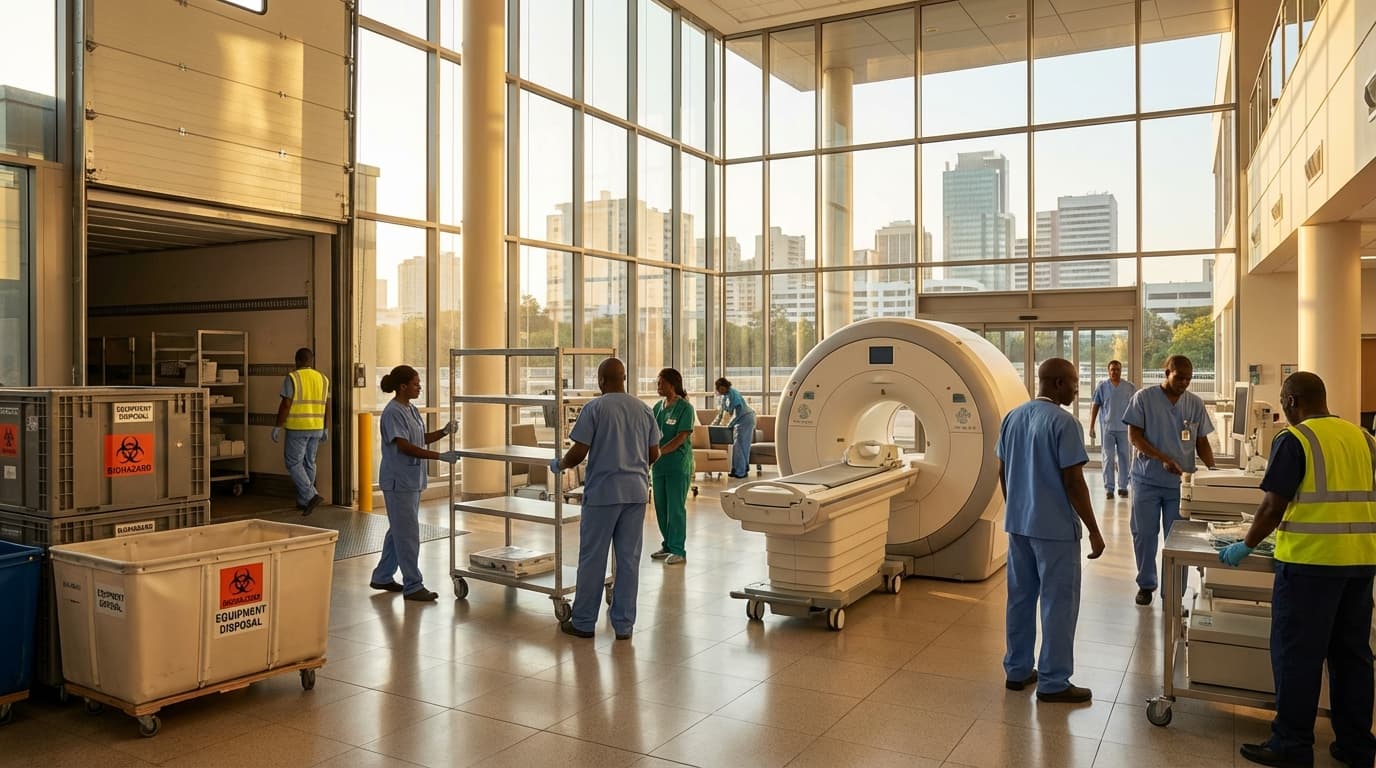
Site Restoration Service After Equipment Removal in Mali
Engineering Excellence & Technical Support
Site Restoration Service After Equipment Removal High-standard technical execution following OEM protocols and local regulatory frameworks.
Comprehensive Soil Analysis & Remediation
Post-removal, we conduct detailed soil sampling and laboratory analysis to identify and quantify any residual contaminants. Our remediation strategies, tailored to Mali's specific geological and environmental conditions, employ advanced techniques like bio-remediation and soil washing to restore soil health and safety.
Native Flora Re-establishment & Biodiversity Support
We specialize in reintroducing and nurturing native plant species, crucial for combating desertification and supporting local biodiversity in Mali. Our approach integrates traditional ecological knowledge with modern horticultural practices to ensure long-term ecosystem resilience and habitat recovery.
Groundwater & Surface Water Protection Strategy
Rigorous monitoring and containment protocols are implemented to prevent any potential contamination of vital water resources during and after equipment removal. Our strategies include advanced filtration, sediment control, and the establishment of buffer zones to safeguard Mali's precious water ecosystems.
What Is Site Restoration Service After Equipment Removal In Mali?
Site restoration service after equipment removal in Mali refers to the comprehensive process of returning a land parcel to a safe, stable, and environmentally sound condition following the decommissioning and extraction of industrial or construction equipment. This service is critical in mitigating potential environmental hazards, ensuring public safety, and facilitating the land's subsequent use or natural regeneration. It addresses the residual impacts of activities such as mining, oil and gas extraction, large-scale construction, or military operations where heavy machinery and infrastructure have been present.
| Who Needs Site Restoration Service? | Typical Use Cases in Mali | ||||
|---|---|---|---|---|---|
| Mining companies undertaking closure of extraction sites (e.g., gold, bauxite, iron ore). | Oil and gas exploration and production operators decommissioning well sites or processing facilities. | Construction firms completing large infrastructure projects (e.g., roads, dams, industrial plants). | Governmental and military bodies demilitarizing or closing operational bases. | Landowners or entities responsible for sites leased for industrial activities. | Companies managing legacy industrial sites with obsolete or removed equipment. |
| Post-closure rehabilitation of artisanal and industrial gold mining areas in regions like Kéniéba. | Decommissioning of oil exploration sites in the Taoudeni Basin, should extraction commence. | Restoration of land used for quarrying construction materials for major infrastructure projects (e.g., dams, airports). | Rehabilitation of areas impacted by historical French military presence or recent peacekeeping operations. | Remediation of sites formerly occupied by agricultural processing plants or large machinery depots. | Restoration of land affected by the removal of equipment from defunct industrial facilities. |
Key Components of Site Restoration Service
- Site Assessment and Characterization: Initial evaluation to identify the extent of contamination (soil, water, air), physical disturbance, and potential hazards left by removed equipment.
- Hazardous Material Abatement: Identification, containment, and removal of any hazardous substances (e.g., oils, fuels, lubricants, asbestos) associated with the equipment or its operation.
- Demolition and Debris Removal: Dismantling of any remaining foundations, structures, or ancillary equipment and the proper disposal or recycling of construction and demolition waste.
- Soil Remediation: Techniques such as excavation and off-site disposal, in-situ treatment (e.g., bioremediation, soil vapor extraction), or capping to address contaminated or disturbed soil.
- Regrading and Landscaping: Reshaping the land to its pre-disturbance topography or a stable, post-restoration contour, followed by revegetation or other landscaping measures.
- Waterway and Groundwater Management: Addressing any impacts to surface water bodies or groundwater resources, including remediation of contaminated plumes or restoration of natural drainage patterns.
- Long-Term Monitoring: Post-restoration assessment to verify the effectiveness of remediation efforts and ensure the site remains stable and safe over time.
Who Needs Site Restoration Service After Equipment Removal In Mali?
Site restoration after equipment removal is a crucial service for various entities in Mali, ensuring that land is returned to its intended use, environmental standards are met, and potential hazards are mitigated. This process is essential for responsible land stewardship and regulatory compliance. The service typically involves tasks such as demolition of existing structures, soil remediation, grading, revegetation, and waste disposal. It is particularly vital in sectors where industrial or large-scale equipment has been deployed.
| Customer/Entity Type | Relevant Departments/Divisions | Specific Needs/Considerations |
|---|---|---|
| Mining Companies | Environmental, Health & Safety (EHS), Operations, Land Reclamation | Restoration of mine sites, removal of mining infrastructure, soil stabilization, revegetation of disturbed areas, management of tailings. |
| Oil and Gas Exploration and Production Companies | Environmental, Health & Safety (EHS), Operations, Asset Decommissioning | Decommissioning of well pads, pipelines, and processing facilities; soil and groundwater remediation; site grading and revegetation. |
| Construction and Infrastructure Development Firms | Project Management, Environmental Compliance, Site Operations | Restoration of temporary construction sites, removal of temporary structures, site cleanup after large infrastructure projects (roads, dams, etc.). |
| Government Agencies | Ministry of Environment and Sustainable Development, Ministry of Mines, Ministry of Agriculture, Local Administrative Authorities | Ensuring compliance with environmental regulations for removed industrial equipment, managing legacy sites, facilitating land handover after public projects. |
| Agricultural Cooperatives and Land Owners | Land Management, Operations, Agronomy | Restoring land previously used for agricultural equipment storage or processing, ensuring land is suitable for farming post-equipment removal. |
| Telecommunication Providers | Network Operations, Infrastructure Management, Site Maintenance | Decommissioning and removal of obsolete tower sites, base stations, and associated infrastructure, ensuring minimal environmental impact. |
| Renewable Energy Project Developers | Project Development, Environmental, Health & Safety (EHS), Operations | Restoration of areas occupied by construction equipment and temporary facilities after solar or wind farm installation; removal of any temporary structures. |
| International Organizations and NGOs | Program Management, Environmental, Logistics | Restoration of sites used for humanitarian projects, disaster relief operations, or temporary infrastructure development in Mali. |
Target Customers and Departments for Site Restoration Services in Mali:
- Mining Companies
- Oil and Gas Exploration and Production Companies
- Construction and Infrastructure Development Firms
- Government Agencies (e.g., Environmental Protection, Land Management)
- Agricultural Cooperatives and Land Owners
- Telecommunication Providers
- Renewable Energy Project Developers (e.g., solar, wind farms)
- International Organizations and NGOs
Site Restoration Service After Equipment Removal Process In Mali
This document outlines the workflow for Site Restoration Services following equipment removal in Mali. Our comprehensive approach ensures a smooth transition from initial inquiry to successful site remediation, adhering to local regulations and environmental best practices.
| Phase | Key Activities | Deliverables |
|---|---|---|
| Inquiry and Initial Assessment | Client contact, scope discussion, document review, site visit scheduling | Understanding of project needs, preliminary site information |
| On-Site Assessment and Planning | Site inspection, risk assessment, regulatory review, plan development, proposal | Detailed restoration plan, site assessment report, formal proposal and quotation |
| Pre-Execution and Permitting | Plan finalization, permit acquisition, resource procurement, safety planning | Approved permits, secured resources, confirmed project team, safety plan |
| Site Restoration Execution | Mobilization, implementation of restoration activities, monitoring, communication | Restored site, progress reports, quality control records |
| Post-Execution and Handover | Final inspection, report compilation, client sign-off, site handover | Post-restoration report, client acceptance, project closure documentation |
Site Restoration Service Workflow
- {"steps":["Client initiates contact to inquire about site restoration services post-equipment removal.","Preliminary discussion to understand project scope, equipment type, location, and client expectations.","Request for any existing site documentation (e.g., equipment layout, previous environmental reports).","Schedule an on-site visit for a detailed assessment."],"title":"Phase 1: Inquiry and Initial Assessment"}
- {"steps":["Conduct a thorough site inspection to identify the extent of disturbance, potential contamination, and specific restoration needs.","Identify and document all affected areas, including soil, vegetation, and any existing infrastructure.","Assess potential environmental risks and regulatory requirements specific to Mali.","Develop a preliminary restoration plan, including proposed methodologies, materials, and timelines.","Provide a detailed proposal and quotation to the client for review and approval."],"title":"Phase 2: On-Site Assessment and Planning"}
- {"steps":["Upon client approval, finalize the restoration plan and obtain necessary permits from relevant Malian authorities.","Procure required equipment, materials, and qualified personnel.","Conduct pre-mobilization meetings with the project team and client.","Establish site safety protocols and conduct pre-work toolbox talks."],"title":"Phase 3: Pre-Execution and Permitting"}
- {"steps":["Mobilize personnel and equipment to the site.","Implement the approved restoration plan, which may include:","• Soil remediation (e.g., excavation, capping, bioremediation)","• Decommissioning and removal of remaining infrastructure","• Re-grading and contouring of the land","• Topsoil replacement and revegetation","• Watercourse and drainage restoration","• Waste management and disposal according to regulations","Conduct regular site monitoring and quality control throughout the execution phase.","Maintain clear communication with the client and stakeholders, providing regular progress updates."],"title":"Phase 4: Site Restoration Execution"}
- {"steps":["Conduct a final site inspection with the client to verify completion of restoration activities.","Compile a comprehensive post-restoration report, including photographic evidence, monitoring data, and waste disposal records.","Obtain final client sign-off and site handover.","Provide recommendations for ongoing site management and monitoring, if required."],"title":"Phase 5: Post-Execution and Handover"}
Site Restoration Service After Equipment Removal Cost In Mali
Restoring a site after equipment removal in Mali involves a range of costs influenced by several factors. The complexity of the removal, the type of equipment, the terrain, the extent of damage, and the required post-removal cleanup and remediation all contribute to the final price. Pricing is typically discussed in the Malian Franc (XOF).
| Restoration Scope | Estimated Cost Range (XOF) | Notes |
|---|---|---|
| Basic Site Clearing & Backfilling (Minor Equipment) | 150,000 - 500,000 XOF | Assumes minimal excavation, no contamination, and basic leveling. Suitable for smaller, surface-level equipment. |
| Moderate Site Restoration (Medium Equipment, Some Excavation) | 500,000 - 1,500,000 XOF | Involves removal of medium-sized machinery, moderate excavation, backfilling, and basic grading. May include minor debris removal. |
| Extensive Site Restoration (Large/Buried Equipment, Minor Contamination) | 1,500,000 - 5,000,000+ XOF | Handles large or buried equipment, significant excavation, potential soil remediation (minor), and more detailed grading. Cost can escalate significantly with contamination. |
| Full Site Remediation & Restoration (Major Contamination, Complex Equipment) | 5,000,000 - 20,000,000+ XOF | Covers removal of complex machinery, extensive excavation, significant soil and/or water contamination cleanup, detailed landscaping, and regulatory compliance. This is highly variable. |
| Specialized Services (e.g., Hazardous Material Disposal) | Variable (Add-on) | Costs for handling and disposing of hazardous materials are typically separate and depend on the type and quantity of waste. |
Key Pricing Factors for Site Restoration After Equipment Removal in Mali
- Equipment Size and Complexity: Larger, heavier, or more complex machinery will require more specialized removal techniques and potentially more extensive site remediation. This directly impacts labor, machinery, and disposal costs.
- Depth of Installation: Equipment buried deep underground or requiring extensive excavation for removal will significantly increase costs due to labor, heavy machinery usage, and soil replacement.
- Nature of Contamination: If the equipment or its operation led to soil or water contamination (e.g., fuel leaks, chemical spills), the cost of assessment, remediation, and disposal of contaminated materials will be substantial.
- Terrain and Accessibility: Difficult terrain (e.g., remote areas, steep slopes, dense vegetation) can increase transportation, setup, and operational costs for removal and restoration crews.
- Scope of Restoration: This includes simple backfilling and grading to more complex landscaping, revegetation, or rebuilding structures. The desired end-state of the site dictates the restoration effort.
- Waste Disposal and Recycling: Costs associated with transporting and disposing of removed equipment, scrap metal, and any hazardous materials vary based on local regulations and facility fees.
- Permits and Regulatory Compliance: Obtaining necessary permits for demolition, removal, and site remediation can incur administrative fees.
- Labor Costs: Skilled labor for operation of heavy machinery, specialized technicians, and general site cleanup contribute to the overall cost.
- Logistics and Transportation: Moving equipment to and from the site, as well as transporting materials for restoration, adds to the expense.
- Emergency or Urgent Service: Requests for expedited services may incur premium charges.
Affordable Site Restoration Service After Equipment Removal Options
When heavy equipment is removed from a site, it often leaves behind a disturbed landscape. Our affordable site restoration service focuses on bringing your property back to its pre-construction or desired state efficiently and cost-effectively. We offer flexible options, including value bundles and tailored cost-saving strategies, to ensure you receive the best possible outcome without breaking the bank.
| Value Bundle Option | Included Services | Ideal For | Cost-Saving Strategy | Estimated Price Range (Varies) |
|---|---|---|---|---|
| Basic Restoration | Debris removal, basic grading, seeding with native grasses. | Smaller sites, minimal damage, budget-conscious clients. | Utilizing cost-effective native seeds, efficient debris removal. | $500 - $1,500 |
| Standard Restoration | Debris removal, soil aeration, grading, seeding with a mix of grasses and wildflowers, basic erosion control. | Medium-sized sites, moderate soil compaction, desire for improved aesthetics. | Bulk purchasing of seed and amendments, optimizing machinery usage. | $1,000 - $3,000 |
| Premium Restoration | Comprehensive debris removal, advanced soil remediation, detailed grading, seeding or sodding, robust erosion control, initial mulching. | Larger sites, significant damage, high aesthetic expectations, properties requiring enhanced long-term stability. | Bundled pricing for multiple services, strategic planning to minimize rework, professional advice on plant selection for resilience. | $2,500 - $7,000+ |
Our Site Restoration Process & Value
- {"title":"Initial Site Assessment","description":"We begin with a thorough evaluation of the site to understand the extent of the damage, identify any specific challenges, and determine the most effective restoration methods. This includes assessing soil compaction, erosion potential, and vegetation damage."}
- {"title":"Debris Removal & Site Clearing","description":"Any remaining debris from the equipment removal process will be cleared, ensuring a clean slate for restoration efforts. This may involve grading, minor excavation, or removal of excess materials."}
- {"title":"Soil Remediation & Preparation","description":"We address soil compaction through aeration and, if necessary, introduce beneficial amendments to improve soil health and drainage. This is crucial for successful vegetation establishment."}
- {"title":"Vegetation Re-establishment","description":"Depending on your needs, we can reseed with native grasses and plants, lay sod, or implement other landscaping solutions to restore greenery and prevent erosion. We prioritize hardy, low-maintenance options for long-term success."}
- {"title":"Erosion Control","description":"Implementing effective erosion control measures, such as silt fences, mulching, or temporary seeding, is a key part of our service to protect the restored site from weather-related damage."}
- {"title":"Final Grading & Site Finishing","description":"We ensure the site is properly graded to promote water runoff away from structures and create a aesthetically pleasing finish. This might include final leveling or subtle contouring."}
Verified Providers In Mali
In Mali's healthcare landscape, access to verified and trustworthy providers is paramount. Franance Health stands out as a premier organization, rigorously vetting its network to ensure quality, reliability, and ethical practices. This commitment to verification offers patients peace of mind and a superior healthcare experience. Their stringent credentialing process goes beyond basic qualifications, encompassing a holistic assessment of a provider's skills, experience, and adherence to best medical practices. Choosing a Franance Health verified provider means opting for competence, compassion, and a commitment to your well-being.
| Credential Aspect | Franance Health Verification Standard | Benefit to Patients |
|---|---|---|
| Medical Licensing & Registration | Mandatory verification of current and valid national and international licenses. | Confirms legal authority to practice and adherence to regulatory requirements. |
| Professional Experience & Qualifications | Thorough review of educational background, specialized training, and years of practical experience. | Ensures providers possess the necessary skills and knowledge for effective treatment. |
| Clinical Competence & Performance | May involve peer reviews, case study evaluations, and ongoing performance monitoring. | Guarantees up-to-date medical knowledge and high-quality patient outcomes. |
| Ethical Conduct & Professionalism | Background checks for any disciplinary actions and adherence to a strict code of ethics. | Promotes a safe and respectful patient-provider relationship built on trust. |
| Continuing Medical Education (CME) | Requirement for providers to engage in ongoing professional development. | Ensures providers remain current with the latest advancements in medicine and treatment modalities. |
Why Franance Health Credentials Matter in Mali:
- Ensured Quality of Care: Franance Health's verification process guarantees that providers meet high standards of medical expertise and patient safety.
- Trust and Reliability: Patients can be confident in the competence and ethical conduct of Franance Health-certified professionals.
- Access to Skilled Professionals: The network comprises experienced doctors, nurses, and specialists across various disciplines.
- Patient-Centric Approach: Verified providers are committed to delivering compassionate and personalized healthcare solutions.
- Reduced Risk: Choosing a verified provider minimizes the risk of encountering unqualified or subpar medical services.
Scope Of Work For Site Restoration Service After Equipment Removal
This Scope of Work (SOW) outlines the services required for the comprehensive site restoration after the removal of specific equipment. The objective is to return the affected area to a safe, stable, and environmentally sound condition, meeting all relevant regulatory requirements and project specifications.
| Task Category | Specific Tasks | Technical Deliverables | Standard Specifications |
|---|---|---|---|
| Site Preparation & Demobilization | Site survey and assessment; establishment of exclusion zones and safety protocols; mobilization of personnel, equipment, and materials. | Pre-restoration survey report; safety plan; site access and traffic management plan. | OSHA/local safety regulations; adherence to site-specific safety protocols. |
| Equipment & Material Removal | Disassembly, removal, and disposal/recycling of specified equipment, associated piping, cabling, and foundations. | Equipment inventory and manifest; waste disposal certificates; certificates of recycling. | Manufacturer's recommendations; adherence to hazardous waste disposal regulations (e.g., RCRA); weigh tickets; manifest tracking. |
| Contamination Assessment & Remediation | Soil and groundwater sampling and analysis; identification of contaminants and their extent; implementation of remediation strategies (e.g., excavation, bioremediation, capping). | Site investigation report; soil/groundwater analytical reports; remediation action plan; post-remediation sampling reports; closure report. | ASTM D2974 (Soil Moisture), ASTM D1140 (Fine Aggregate Content), relevant EPA methods for contaminant analysis (e.g., SW-846); client-approved remediation technologies; state/local environmental standards. |
| Surface Restoration | Regrading of disturbed areas; soil replacement and compaction; seeding, sodding, or paving as specified. | As-built grading plan; compaction test results; photographic documentation of restored surfaces. | Client-specified grading tolerances (e.g., +/- 0.5 ft); ASTM D1556 (Sand Cone Method) or ASTM D6938 (Nuclear Gauge) for soil compaction; seed mix specifications; paving specifications (e.g., DOT standards). |
| Waste Management | Segregation, characterization, transportation, and disposal of all generated waste materials. | Waste characterization reports; waste manifests; disposal facility receipts. | RCRA regulations; DOT hazardous materials transportation regulations; licensed waste disposal facilities. |
| Documentation & Closeout | Preparation of final reports, including all analytical data, surveys, photographic records, and certification of completion. | Final Site Restoration Report; Certificate of Completion; As-built drawings. | Client-defined report format; all relevant permits and regulatory approvals obtained and documented. |
Key Objectives
- Safe and thorough removal of all residual equipment and associated infrastructure.
- Remediation of any soil or groundwater contamination resulting from equipment operation or leaks.
- Restoration of the site's surface to its original or agreed-upon condition.
- Compliance with all applicable environmental regulations and permits.
- Minimization of environmental impact during restoration activities.
Service Level Agreement For Site Restoration Service After Equipment Removal
This Service Level Agreement (SLA) outlines the response times and uptime guarantees for the Site Restoration Service provided following the removal of equipment. This SLA is intended to ensure a swift and effective restoration of the affected site to its agreed-upon condition.
| Service Type | Response Time Target (from Acknowledgement) | Estimated Restoration Completion Target | Escalation Threshold (if applicable) |
|---|---|---|---|
| Critical Site Restoration | 2 Business Hours | Within 24 Business Hours of Response | If initial assessment indicates complexity exceeding 24 hours, Client to be notified with revised ETA within 4 Business Hours of assessment start. |
| Standard Site Restoration | 8 Business Hours | Within 3 Business Days of Response | If restoration exceeds 3 business days, Client to be notified with revised ETA every 24 business hours. |
Key Definitions
- Site: The physical location where equipment was installed and subsequently removed.
- Equipment Removal: The process of de-installing and taking away the specified equipment.
- Site Restoration: The process of returning the Site to its pre-defined condition as outlined in the original installation or service agreement. This may include, but is not limited to, repairing any damage caused by installation/removal, cosmetic repairs, debris removal, and re-establishment of original site features.
- Service Request: A formal notification submitted by the Client to the Service Provider requesting Site Restoration.
- Acknowledgement: Confirmation from the Service Provider that a Service Request has been received.
- Response Time: The maximum allowable time between the Service Provider's Acknowledgement of a Service Request and the commencement of restoration activities (e.g., initial assessment, on-site visit).
- Uptime Guarantee: This SLA focuses on response and restoration completion. Uptime of the site itself is not directly guaranteed by this specific SLA, as restoration is a process to restore the site to a functional or pre-damage state, not to guarantee its operational uptime during or after removal.
- Critical Site Restoration: Restoration required for sites where the functionality of the underlying infrastructure or a critical business operation is significantly impacted by the damage or state after equipment removal. This often involves safety or immediate operational concerns.
- Standard Site Restoration: Restoration required for sites where the impact is primarily cosmetic or does not immediately affect critical infrastructure or business operations.
Frequently Asked Questions

Ready when you are
Let's scope your Site Restoration Service After Equipment Removal in Mali project in Mali.

Scaling healthcare logistics and technical systems across the entire continent.