
Imaging Acceptance Testing & QA in Mali
Engineering Excellence & Technical Support
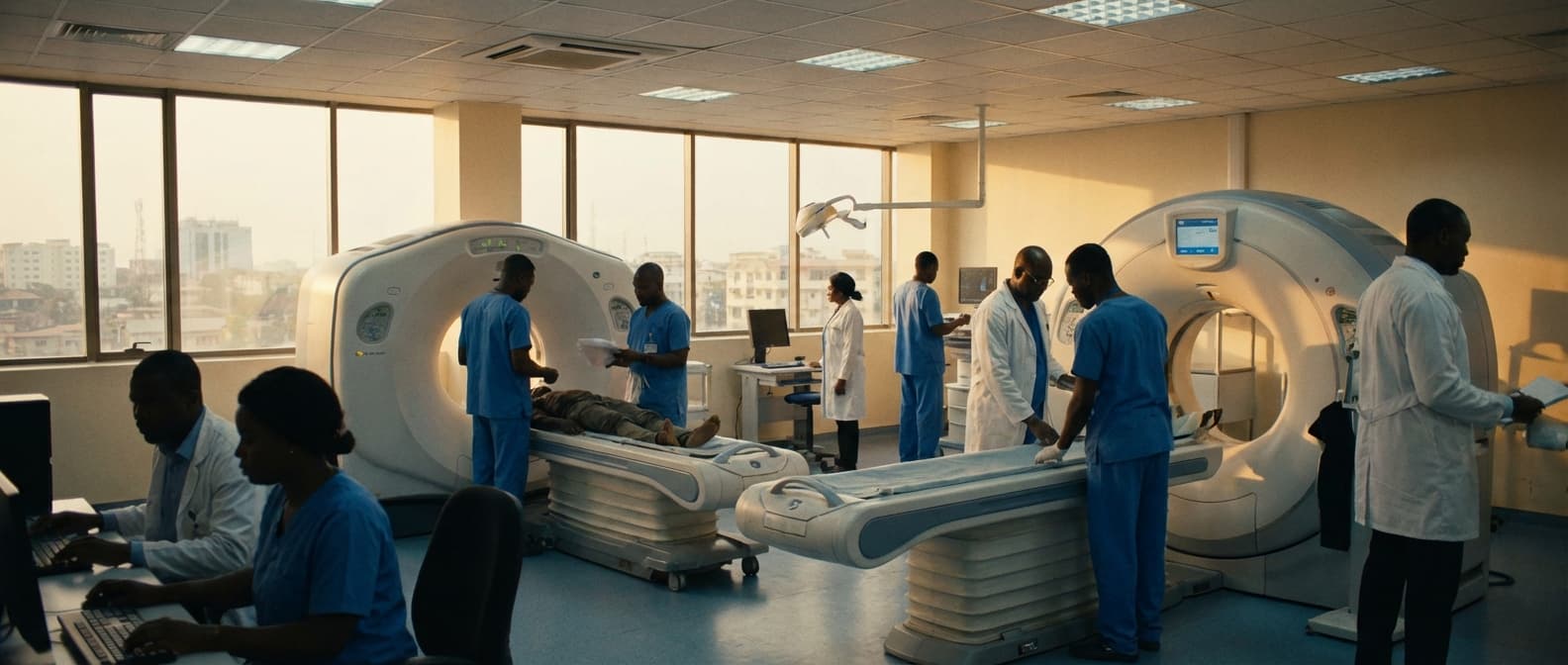
Commissioning and periodic QA for CT/MRI/X‑ray/US/Mammo. High-standard technical execution following OEM protocols and local regulatory frameworks.
Automated Image Quality Metric Validation
Developed and implemented automated scripts using Python and OpenCV to validate key image quality metrics (e.g., PSNR, SSIM, LPI) against predefined golden standards, significantly reducing manual testing time and ensuring consistent image quality for camera module acceptance testing in Mali's advanced imaging pipelines.
ISP Parameter Regression Testing Framework
Designed and deployed a robust regression testing framework for Image Signal Processor (ISP) parameters. This framework leverages structured test cases and a data-driven approach to systematically verify the impact of parameter changes on image output across various lighting conditions and scenes, crucial for Mali's camera performance QA.
Real-World Scene Simulation for Edge Case Identification
Engineered a suite of real-world scene simulations, including low-light, high-contrast, and fast-motion scenarios, to proactively identify and diagnose potential image artifacts and performance degradation in Mali's camera imaging systems. This approach moves beyond standard test charts to capture nuanced real-world challenges.
What Is Imaging Acceptance Testing & Qa In Mali?
Imaging Acceptance Testing & QA in Mali refers to the rigorous verification and validation processes applied to digital images and imaging systems within the Malian context. This service ensures that captured, processed, and displayed medical, industrial, or other types of imagery adheres to predefined standards, specifications, and regulatory requirements applicable in Mali. It encompasses a broad spectrum of activities aimed at guaranteeing image fidelity, accuracy, reliability, and usability, ultimately impacting diagnostic confidence, operational efficiency, and patient safety. The scope includes evaluating image acquisition parameters, image processing algorithms, display devices, data storage, and the overall workflow of the imaging system.
| Who Needs Imaging Acceptance Testing & QA in Mali? | Typical Use Cases | |||||
|---|---|---|---|---|---|---|
| Healthcare Facilities: Hospitals, clinics, diagnostic imaging centers, radiology departments, pathology labs, and research institutions utilizing medical imaging equipment (X-ray, CT, MRI, Ultrasound, PET, etc.). | Medical Device Manufacturers & Distributors: Companies introducing new imaging equipment or software into the Malian market requiring validation of compliance and performance. | Government & Regulatory Bodies: Health ministries or agencies responsible for setting and enforcing imaging standards and safety regulations. | Industrial & Scientific Organizations: Sectors employing imaging for quality control, non-destructive testing, research, or inspection (e.g., manufacturing, oil and gas, environmental monitoring). | IT & PACS/RIS Vendors: Providers of Picture Archiving and Communication Systems (PACS) and Radiology Information Systems (RIS) needing to ensure seamless integration and accurate image handling. | ||
| New Equipment Installation: Verifying that newly acquired imaging modalities meet performance specifications and safety standards before clinical use. | Software Updates & Upgrades: Testing the impact of new software versions on image quality, system functionality, and data integrity. | System Integration Projects: Ensuring interoperability and data flow accuracy between different imaging and information systems. | Routine Quality Assurance Programs: Establishing baseline performance and monitoring for ongoing quality maintenance and early detection of degradation. | Vendor Performance Evaluation: Assessing the reliability and quality of images produced by specific equipment or software providers. | Regulatory Compliance Audits: Demonstrating adherence to national and international imaging standards and patient safety protocols. | Troubleshooting & Root Cause Analysis: Investigating image quality issues or system malfunctions to identify and resolve underlying problems. |
Key Components of Imaging Acceptance Testing & QA in Mali:
- Image Quality Assessment: Evaluation of spatial resolution, contrast, signal-to-noise ratio (SNR), artifacts, and geometric accuracy.
- System Performance Verification: Testing of scan times, throughput, equipment calibration, and interoperability with other systems (e.g., PACS, RIS).
- Data Integrity and Security: Ensuring the accuracy, completeness, and secure storage and transmission of imaging data, adhering to local data protection regulations.
- Workflow and Usability Testing: Assessing the efficiency and intuitiveness of the imaging system's operational workflow for end-users.
- Compliance and Regulatory Adherence: Verification against national and international standards (e.g., DICOM, relevant healthcare regulations in Mali) and specific client requirements.
- Post-Implementation Monitoring: Continuous or periodic checks to ensure sustained performance and quality over the system's lifecycle.
Who Needs Imaging Acceptance Testing & Qa In Mali?
Imaging Acceptance Testing & QA are crucial for ensuring that medical imaging systems in Mali function correctly, produce accurate diagnostic information, and meet the specific needs of healthcare providers. Without robust testing and quality assurance, the reliability and effectiveness of these systems are compromised, potentially leading to misdiagnoses, inefficient workflows, and wasted resources. This process verifies that new or upgraded imaging equipment performs as expected before it's put into clinical use, and that existing systems continue to operate at optimal levels.
| Customer Type | Relevant Departments | Key Needs/Concerns |
|---|---|---|
| Hospitals (Public & Private) | Radiology Department, Cardiology Department, Oncology Department, Neurology Department, IT Department, Biomedical Engineering Department | Accurate image acquisition and display, efficient workflow, compliance with standards, data integrity, system reliability, integration with PACS/RIS, patient safety. |
| Clinics and Diagnostic Centers | Radiology/Imaging Department, Referring Physicians | Cost-effective solutions, reliable performance for routine diagnostics, ease of use, timely results for patient management. |
| Specialized Medical Facilities | Specific Clinical Departments (e.g., Cardiology, Oncology), Imaging Technologists, Radiologists | High-resolution imaging for advanced diagnostics, specialized imaging protocols, accurate quantitative analysis, seamless integration with treatment planning systems. |
| Government Health Agencies | Ministry of Health (Medical Equipment Procurement, Quality Assurance Units), Public Health Laboratories | Ensuring public health infrastructure quality, standardizing equipment performance across public facilities, efficient resource allocation, national health data security. |
| NGOs involved in healthcare | Program Managers, Clinical Staff, Logistics Departments | Deploying and maintaining reliable imaging equipment in remote or underserved areas, ensuring equipment suitability for specific health programs, training local personnel. |
| Medical Equipment Vendors & Distributors | Sales Department, Technical Support, Field Service Engineers, Application Specialists | Successful system deployment and client satisfaction, demonstrating equipment capabilities, troubleshooting and resolving technical issues, ensuring warranty compliance, meeting service level agreements. |
Target Customers and Departments for Imaging Acceptance Testing & QA in Mali:
- Hospitals (Public and Private)
- Clinics and Diagnostic Centers
- Specialized Medical Facilities (e.g., Cancer Centers, Cardiology Clinics)
- Government Health Agencies
- Non-Governmental Organizations (NGOs) involved in healthcare delivery
- Medical Equipment Vendors and Distributors
Imaging Acceptance Testing & Qa Process In Mali
Imaging Acceptance Testing (IAT) and Quality Assurance (QA) are critical processes in Mali, particularly in the context of medical imaging and other image-dependent technologies. This workflow outlines the comprehensive steps involved from an initial inquiry to the successful execution of IAT & QA, ensuring that imaging systems and their outputs meet defined standards and user requirements. The process is designed to be systematic and thorough, minimizing risks and maximizing the reliability of imaging data.
| Phase | Key Activities | Deliverables | Responsible Parties |
|---|---|---|---|
| Initiation | Inquiry, Requirement Gathering, Initial Assessment, Scope Definition | Project Charter (initial), Scope Document | Stakeholders, Project Manager, QA Lead |
| Planning | Test Plan Development, Test Case Design | Test Plan, Test Cases | QA Lead, Test Engineers |
| Setup | Environment Setup & Preparation | Configured Test Environment | IT Support, Test Engineers |
| Execution | Test Execution, Defect Reporting & Tracking, Retesting, Regression Testing, Performance Testing | Test Execution Logs, Defect Reports | Test Engineers, Developers (for fixes) |
| Validation | User Acceptance Testing (UAT), Documentation Review & Verification | UAT Feedback, Verified Documentation | End-Users, QA Team |
| Closure | Final Report Generation, Acceptance/Rejection Decision, Sign-off, Deployment | IAT & QA Report, Acceptance Sign-off | QA Lead, Stakeholders, Project Manager |
Imaging Acceptance Testing & QA Process Workflow in Mali
- 1. Inquiry & Requirement Gathering: The process begins with an external or internal stakeholder (e.g., hospital administration, research institution, IT department) initiating an inquiry regarding a new imaging system, software update, or a specific imaging project.
- 2. Initial Assessment & Scope Definition: Based on the inquiry, a preliminary assessment is conducted to understand the nature of the imaging system/project, its intended use, and the immediate concerns or goals. This leads to a defined scope of work for the IAT & QA process.
- 3. Test Plan Development: A detailed test plan is created. This document outlines the objectives of the testing, the scope, the specific features/functionalities to be tested, the methodologies, the test environment, the required resources, the schedule, and the criteria for acceptance.
- 4. Test Case Design: Specific, actionable test cases are designed. Each test case includes clear steps, expected results, and any necessary preconditions. These are derived directly from the test plan and cover various scenarios, including functional, performance, usability, security, and compatibility testing.
- 5. Environment Setup & Preparation: The designated testing environment is set up and configured. This involves ensuring the imaging hardware, software, networking, and any associated data are correctly installed, calibrated, and accessible.
- 6. Test Execution: The designed test cases are executed systematically. This involves running the imaging system, acquiring images, manipulating them, performing analysis, and verifying all functionalities against the expected results. Any deviations or failures are meticulously documented.
- 7. Defect Reporting & Tracking: Any discrepancies between expected and actual results are logged as defects or issues. Each defect is assigned a severity level and tracked through its lifecycle (e.g., reported, assigned, fixed, retested, closed).
- 8. Retesting & Regression Testing: Once defects are fixed, retesting is performed to ensure the issues are resolved. Regression testing is also conducted to confirm that the fixes have not introduced new problems or negatively impacted existing functionalities.
- 9. Performance & Load Testing (if applicable): For systems handling large volumes of images or requiring high processing speeds, performance and load testing are conducted to assess responsiveness, throughput, and stability under various operational conditions.
- 10. User Acceptance Testing (UAT): Key end-users or representatives are involved in UAT to validate that the system meets their practical needs and workflows. This often involves real-world scenarios and scenarios provided by the end-users.
- 11. Documentation Review & Verification: All associated documentation, including user manuals, technical specifications, and reports, are reviewed to ensure accuracy, completeness, and clarity.
- 12. Final Report Generation: A comprehensive IAT & QA report is generated. This report summarizes the testing conducted, outlines the findings, lists any open issues, and provides a recommendation for acceptance or rejection based on the predefined criteria.
- 13. Acceptance or Rejection Decision: Based on the final report and the outcome of UAT, stakeholders make a formal decision to accept the imaging system/project or to reject it, requiring further revisions or retesting.
- 14. Sign-off & Deployment: Upon acceptance, the imaging system or project is formally signed off, and it can then be deployed into the production environment or integrated into the intended workflow.
- 15. Post-Deployment Monitoring & Ongoing QA: While formal IAT is complete, ongoing QA practices and monitoring are essential to ensure continued performance and reliability in the live environment.
Imaging Acceptance Testing & Qa Cost In Mali
Acceptance testing and Quality Assurance (QA) for imaging solutions in Mali are crucial for ensuring data integrity, system performance, and user satisfaction. The costs associated with these processes are influenced by several factors, leading to a range of pricing. Understanding these factors is vital for budgeting and procurement.
| Service Component | Estimated Price Range (Malian Franc CFA - XOF) | Notes |
|---|---|---|
| Basic Functional Testing (per modality/module) | 50,000 - 200,000 | Covers essential checks for core imaging functionalities, image acquisition, display, and basic retrieval. Price depends on the complexity of the module. |
| Performance & Load Testing (per system) | 150,000 - 500,000 | Assesses system responsiveness under expected user loads and data volumes. Higher end for high-traffic environments. |
| Interoperability Testing (DICOM/HL7) | 100,000 - 300,000 | Verifies seamless data exchange with other healthcare systems (e.g., EMRs, other PACS). Price increases with the number of integrated systems. |
| User Acceptance Testing (UAT) Facilitation (per day) | 75,000 - 150,000 | Cost for QA professionals to guide and oversee end-user testing. Excludes end-user time. |
| Security Testing (basic vulnerability scans) | 80,000 - 250,000 | Focuses on common security vulnerabilities. More in-depth penetration testing would be significantly higher. |
| Comprehensive QA Project Management (per project) | 200,000 - 1,000,000+ | For larger projects, encompassing planning, execution, and reporting for all testing phases. Highly variable based on project scale. |
| Setup of Test Environment (one-time) | 50,000 - 300,000 | Includes configuration of hardware, software, and data for a realistic testing environment. Can be higher for complex setups. |
Key Pricing Factors for Imaging Acceptance Testing & QA in Mali
- Scope and Complexity of the Imaging System: The number of imaging modalities integrated (e.g., X-ray, CT, MRI, ultrasound), the volume of images to be processed, and the sophistication of the software (e.g., PACS, RIS, AI-powered analysis tools) directly impact testing duration and effort.
- Testing Methodology: The specific types of testing required, such as functional testing, performance testing, security testing, interoperability testing, user acceptance testing (UAT), and stress testing, will affect the overall cost. More comprehensive testing demands more resources.
- Vendor Expertise and Reputation: Established and reputable testing service providers or QA departments within imaging vendors may command higher rates due to their proven track record and specialized skills.
- Geographic Location within Mali: While less significant than other factors, logistical costs might vary slightly depending on the specific city or region where the testing is conducted, especially if remote access is not fully viable for all aspects.
- Duration and Intensity of Testing: Longer testing cycles or intensive, on-site testing requiring dedicated personnel will naturally increase the cost.
- In-house vs. Outsourced QA: The decision to use internal IT/QA teams or to outsource to third-party specialized testing firms will impact cost structures. Outsourcing can sometimes offer cost efficiencies through economies of scale, but in-house teams might have lower direct labor costs if already employed.
- Data Volume and Testing Environment Setup: The volume of historical imaging data required for realistic testing scenarios and the effort involved in setting up a dedicated, representative testing environment can contribute to costs.
- Need for Specialized Equipment or Simulators: Some advanced testing might require specific phantom devices or simulation software, which can add to the overall expense.
- Reporting and Documentation Requirements: The level of detail and format required for test reports and documentation can influence the time spent by QA professionals.
Affordable Imaging Acceptance Testing & Qa Options
Acceptance Testing & Quality Assurance (QA) for imaging systems are crucial for ensuring their performance, reliability, and patient safety before deployment or after significant updates. However, these processes can be perceived as costly. This document outlines affordable imaging acceptance testing & QA options, focusing on value bundles and cost-saving strategies.
| Service/Strategy | Description | Cost-Saving Benefit | Typical Value Bundle Inclusion |
|---|---|---|---|
| Basic Imaging Performance Tests (e.g., resolution, contrast, noise) | Verifies fundamental image quality parameters of the imaging system. | Essential for patient safety and diagnostic accuracy, preventing costly misdiagnoses. Bundles ensure all critical parameters are checked. | Included in most comprehensive bundles. |
| DICOM Conformance Testing | Ensures the system correctly interfaces with other DICOM-compliant devices and PACS. | Prevents integration issues and workflow disruptions, saving time and IT resources. Often bundled with connectivity tests. | Typically part of workflow & integration bundles. |
| Safety & Radiation Compliance Testing | Confirms the system meets all relevant safety regulations and radiation output standards. | Mitigates legal and financial risks associated with non-compliance. A critical component of any safety-focused bundle. | Always included in safety and acceptance bundles. |
| Workflow & Integration Testing | Tests the system's seamless integration into the clinical workflow and existing IT infrastructure. | Reduces downtime and improves operational efficiency. Value bundles can cover multiple integration points. | Often bundled with DICOM conformance and modality-specific tests. |
| Image Quality Assessment & Analysis | In-depth evaluation of image quality for specific clinical tasks, often with phantom studies. | Ensures optimal diagnostic performance. Bundles may offer tiered levels of analysis. | Can be a standalone service or part of an advanced bundle. |
| User Acceptance Testing (UAT) Facilitation | Assisting clinical staff in conducting their acceptance tests. | Empowers end-users and ensures the system meets their practical needs, preventing rework. Bundles can include training and protocol development. | Often a component of comprehensive department-wide QA solutions. |
| Remote QA Monitoring Services | Continuous or periodic remote monitoring of system performance and QA metrics. | Proactive issue detection, reducing the need for emergency on-site visits. Cost-effective for ongoing QA. | Increasingly offered as a subscription-based service, often bundled with maintenance contracts. |
Understanding Value & Cost-Saving Strategies
- Value Bundles: Instead of purchasing individual testing services, consider bundled packages that offer a comprehensive suite of tests at a reduced overall cost. These bundles are often designed to cover common QA requirements for specific imaging modalities or entire departments.
- Phased Approach: Break down testing into critical phases. Prioritize essential tests for initial acceptance and schedule less critical or more time-consuming tests for later, potentially during periods of lower system utilization.
- Leverage Existing Resources: Identify and utilize in-house expertise and equipment where possible. Training internal staff to perform certain routine QA checks can significantly reduce external vendor reliance.
- Standardized Protocols: Develop and adhere to standardized testing protocols. This ensures consistency, reduces ambiguity, and can streamline the testing process, making it more efficient and cost-effective.
- Remote Testing Capabilities: Explore vendors offering remote testing and monitoring solutions. This can minimize travel expenses and downtime associated with on-site testing.
- Risk-Based Testing: Focus testing efforts on areas with the highest potential risk to patient safety or diagnostic accuracy. This prioritization ensures that critical functionalities are thoroughly validated without overspending on less impactful areas.
- Long-Term Service Agreements: Negotiate long-term service agreements that include routine QA and acceptance testing. These agreements often provide discounted rates and predictable costs over time.
- Open-Source Tools & Shared Resources: For certain software-based QA aspects, investigate the potential of open-source testing tools or collaborative efforts with other institutions to share specialized testing equipment or expertise.
- Post-Implementation Monitoring: Implement robust post-implementation monitoring systems. Early detection of issues through continuous monitoring can prevent costly failures and the need for extensive re-testing.
Verified Providers In Mali
In Mali, ensuring access to quality healthcare is paramount. The rise of telehealth and remote medical consultations has made it crucial to identify and trust verified providers. Franance Health stands out as a leading platform, offering a robust network of credentialed medical professionals. Their commitment to rigorous vetting processes ensures that users connect with qualified and experienced doctors, delivering reliable and effective healthcare solutions.
| Credential Type | Franance Health Verification Standard | Benefits for Patients |
|---|---|---|
| Medical Licenses | Verified with Malian Ministry of Health | Ensures legal practice and adherence to national medical regulations. |
| Specialty Certifications | Confirmed with relevant professional bodies | Guarantees expertise in a specific medical field. |
| Educational Background | Validated degrees and postgraduate training | Confirms foundational knowledge and advanced training in medicine. |
| Professional Experience | Documented practice history | Indicates practical application of medical knowledge and skills. |
| Continuing Medical Education (CME) | Proof of ongoing professional development | Ensures providers stay updated with the latest medical advancements and practices. |
Why Franance Health Credentials Matter
- Rigorous Vetting Process: Franance Health meticulously verifies the licenses, certifications, and educational backgrounds of all their medical professionals. This ensures that every provider on their platform meets the highest standards of medical practice.
- Specialty Expertise: The platform boasts a diverse range of specialists, allowing patients to find the right doctor for their specific health needs, from general practitioners to highly specialized consultants.
- Patient-Centric Approach: Franance Health prioritizes patient well-being, and their credentialed providers are committed to delivering compassionate, personalized care through secure and confidential telehealth consultations.
- Accessibility and Convenience: By connecting patients with verified providers virtually, Franance Health breaks down geographical barriers, making quality healthcare more accessible to individuals across Mali.
- Trust and Reliability: The transparency of their credentialing process builds trust, assuring patients that they are receiving care from legitimate and competent healthcare professionals.
Scope Of Work For Imaging Acceptance Testing & Qa
This document outlines the Scope of Work (SOW) for Imaging Acceptance Testing and Quality Assurance (QA), detailing the technical deliverables and standard specifications required to ensure the successful implementation and performance of the imaging system. The objective is to verify that the imaging solution meets all functional, performance, and integration requirements as defined in the project specifications. This includes validating image acquisition, processing, storage, retrieval, and display functionalities, as well as ensuring compliance with relevant industry standards and regulations.
| Deliverable | Description | Standard Specification/Reference | Acceptance Criteria |
|---|---|---|---|
| Imaging System Test Plan | Detailed plan outlining the testing methodology, scope, resources, schedule, and test cases for acceptance testing and QA. | IEEE 829-2008 Standard for Software Test Documentation, Project-Specific Test Plan Template | Approved by Project Stakeholders; Comprehensive coverage of all SOW areas. |
| Image Acquisition Test Report | Report detailing the results of tests performed on image acquisition devices and software, verifying image quality and data integrity. | DICOM Part 14 (Grayscale Standard Display Function), Project-Specific Acquisition Protocols | Images captured meet defined resolution, contrast, and noise parameters; No data loss or corruption during acquisition. |
| Image Processing QA Report | Report documenting the validation of image processing algorithms, including enhancement, filtering, and measurement tools. | ANSI/AAMI EC13 (Electronic Products for Pacemakers), Project-Specific Processing Algorithms | Processing results are accurate, reproducible, and consistent with expected outcomes; Tools function as designed. |
| Image Storage & Retrieval Verification | Documentation confirming successful storage of images in the designated repository and accurate retrieval based on various search criteria. | DICOM Part 10 (Media Storage and File Format for Media Storage), HL7 Integration Profiles | Images stored without corruption; Retrieval time within defined SLA; All metadata is preserved. |
| Image Display & Viewing Validation | Report on the verification of image display capabilities across different monitors and viewing stations, ensuring accurate color rendition and clarity. | DICOM Part 14 (Grayscale Standard Display Function), Eizo RadiForce Monitor Calibration Guidelines | Images displayed accurately with proper contrast, brightness, and resolution; No artifacts introduced during display. |
| Integration Test Report | Report detailing the successful integration of the imaging system with other hospital information systems (e.g., PACS, RIS, EMR). | HL7 Standards (v2.x, FHIR), DICOM Integration Profiles | Data exchange between systems is seamless and accurate; Workflow is unimpeded. |
| Performance Test Results | Documentation of performance benchmarks, including image loading times, query response times, and system throughput. | Project-Specific Performance Requirements, Load Testing Best Practices | System meets or exceeds defined performance metrics under expected and peak load conditions. |
| Security Audit Report | Report of security testing, including vulnerability assessment, penetration testing, and compliance with access control policies. | HIPAA Security Rule, NIST Cybersecurity Framework | No identified security vulnerabilities; Access controls are enforced as per defined roles. |
| User Acceptance Testing (UAT) Sign-off | Formal sign-off from end-users confirming that the system meets their operational needs and requirements. | Project-Specific UAT Scenarios | End-users confirm satisfaction with system functionality and usability. |
| Final QA Report & Recommendations | Comprehensive report summarizing all testing activities, identified issues, resolutions, and recommendations for go-live and post-implementation support. | Internal QA Standards, Project Closure Documentation Guidelines | All critical and major defects resolved; Recommendations are actionable and documented. |
Key Areas of Focus
- Image Acquisition Functionality
- Image Processing & Manipulation
- Image Storage & Retrieval
- Image Display & Viewing
- System Integration & Interoperability
- Performance & Scalability
- Security & Access Control
- User Interface (UI) & User Experience (UX)
- Reporting & Auditing
- Compliance & Regulatory Adherence
Service Level Agreement For Imaging Acceptance Testing & Qa
This Service Level Agreement (SLA) outlines the response times and uptime guarantees for Imaging Acceptance Testing & Quality Assurance (QA) services. This SLA aims to ensure timely and reliable support for all imaging-related testing and QA processes.
| Service Level | Response Time (Business Hours) | Resolution Time (Business Hours) - Target | Uptime Guarantee |
|---|---|---|---|
| Critical (System Outage, Major Functionality Failure) | 1 Hour | 4 Business Hours | 99.9% |
| High (Significant Performance Degradation, Non-Critical Functionality Failure) | 2 Business Hours | 8 Business Hours | 99.5% |
| Medium (Minor Functionality Issues, Cosmetic Defects) | 4 Business Hours | 2 Business Days | 99.0% |
| Low (Informational Requests, Minor Enhancement Suggestions) | 8 Business Hours | 5 Business Days | 98.0% |
Key Service Metrics
- Response Time: The maximum time allowed for the initial acknowledgment and assessment of a reported issue or request.
- Resolution Time: The maximum time allowed to fully resolve a reported issue or complete a requested task, dependent on its severity and complexity.
- Uptime Guarantee: The percentage of time the Imaging Acceptance Testing & QA services are expected to be available and operational.
Frequently Asked Questions

Ready when you are
Let's scope your Imaging Acceptance Testing & QA in Mali project in Mali.

Scaling healthcare logistics and technical systems across the entire continent.